TorontoOntario · 36 tours
 Niagara FallsOntario · 25 tours
 New York CityNew York · 30 tours
 Las VegasNevada · 8 tours
 San FranciscoCalifornia · 16 tours
 VancouverBritish Columbia · 17 tours
 DubaiUAE · 54 tours
 Abu DhabiUAE · 5 tours
 Buenos AiresArgentina · 23 tours
 AthensGreece · 31 tours
 AucklandNew Zealand · 38 tours
 CancunMexico · 54 tours
No destinations match “”. Try searching all tours instead — that search understands full questions, not just place names.
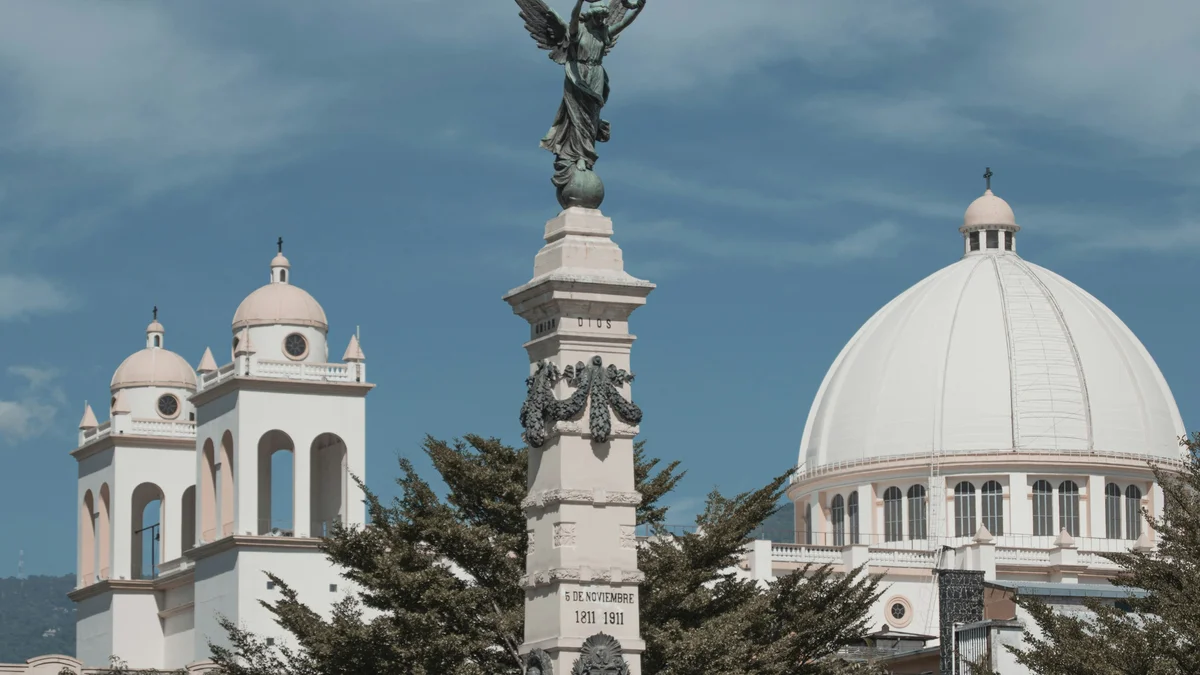
Voyzo runs 8 tours across 1 destination in El Salvador, covering 10 attractions. A private tour means your own guide, driver, and vehicle and an itinerary built around your group rather than a fixed bus schedule.
Multi-Day Tours
A five-day introduction to El Salvador, from the colorful coffee towns of the Ruta de las Flores to the Maya ruins at Tazumal and Joya de Cerén and the colonial streets of Suchitoto.
 Multi-Day Tours Popular Pick
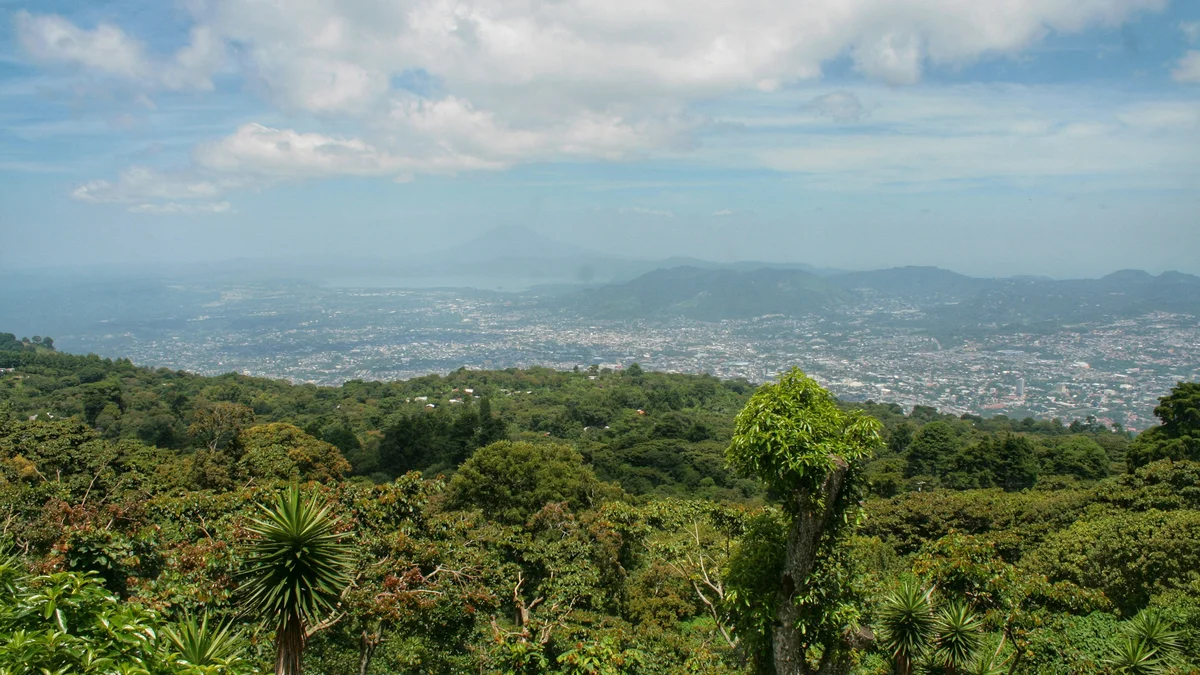
A full week and a half across El Salvador, from San Salvador Volcano and the colonial town of Suchitoto to the Ruta de las Flores, Santa Ana Volcano, and the Pacific surf beaches around El Tunco and La Libertad.
 Multi-Day Tours
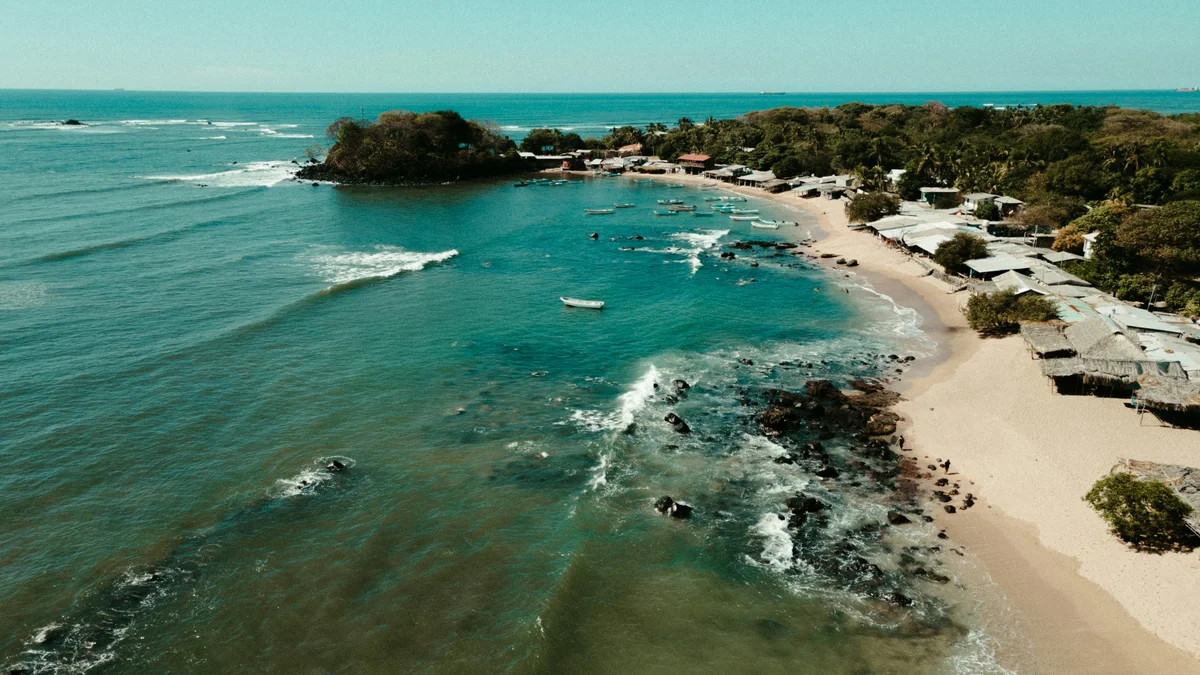
A family-paced six-day route through San Salvador, the colonial town of Suchitoto, El Salvador's three main Maya sites, and a hike up Santa Ana Volcano, finishing with beach time at El Tunco.
 Multi-Day Tours
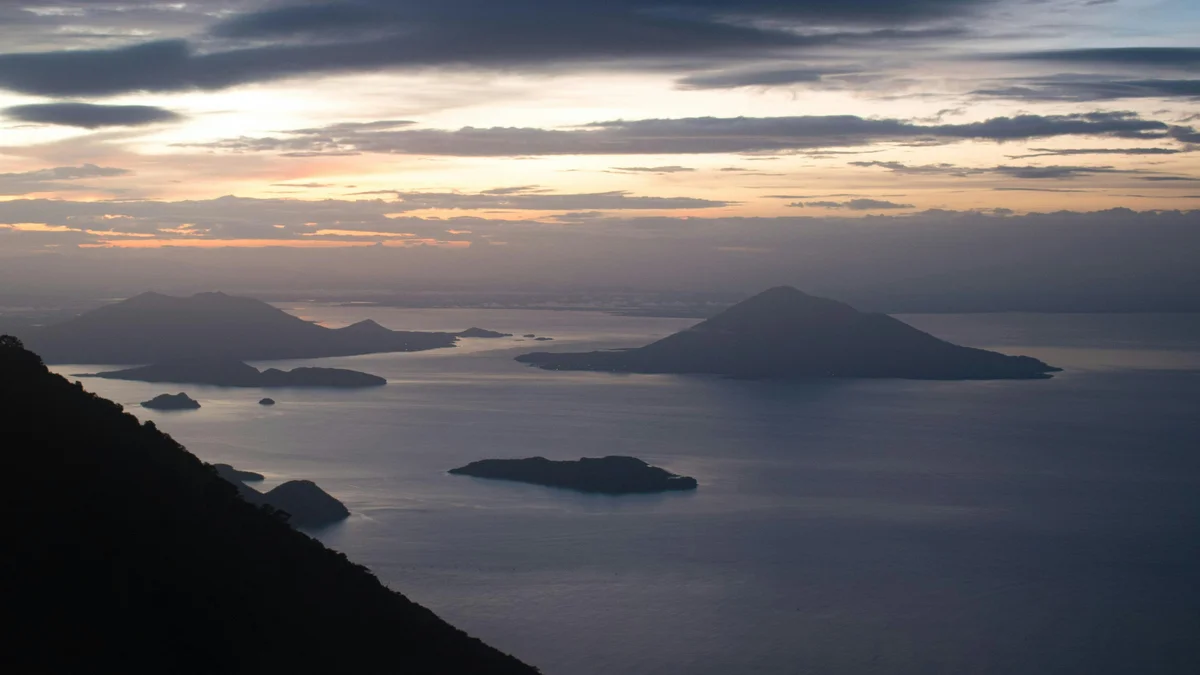
An overnight camping trip to the summit of Conchagua Volcano in eastern El Salvador, with stargazing, a campfire, and a sunrise over the Gulf of Fonseca.
 Multi-Day Tours
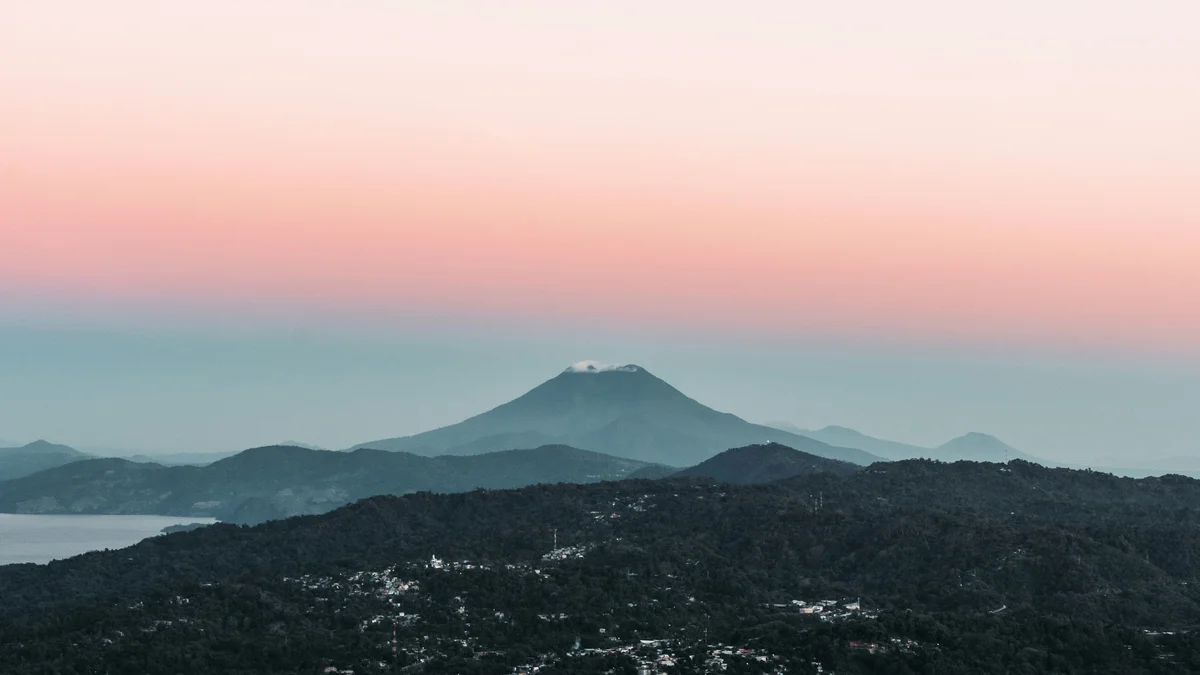
A two-day journey into the mountains of Morazán, a former stronghold of the FMLN resistance during the Salvadoran Civil War, visiting the Museo de la Revolución Salvadoreña and the El Mozote memorial alongside the region's rivers and pine forests.
 Private Tours
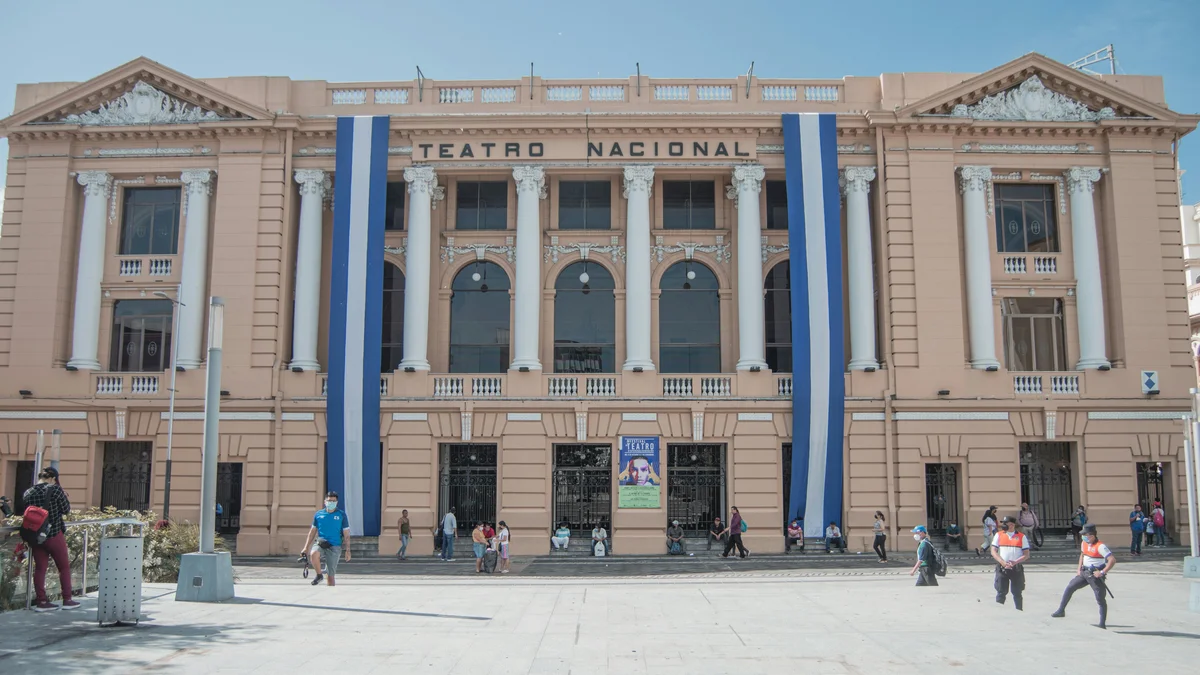
A private guide leads you on foot through San Salvador's historic center: the National Theatre, the Metropolitan Cathedral, Iglesia El Rosario, the neoclassical National Palace, the craft market, and the National Library, learning the capital's history and culture at your own pace.
 Private Tours
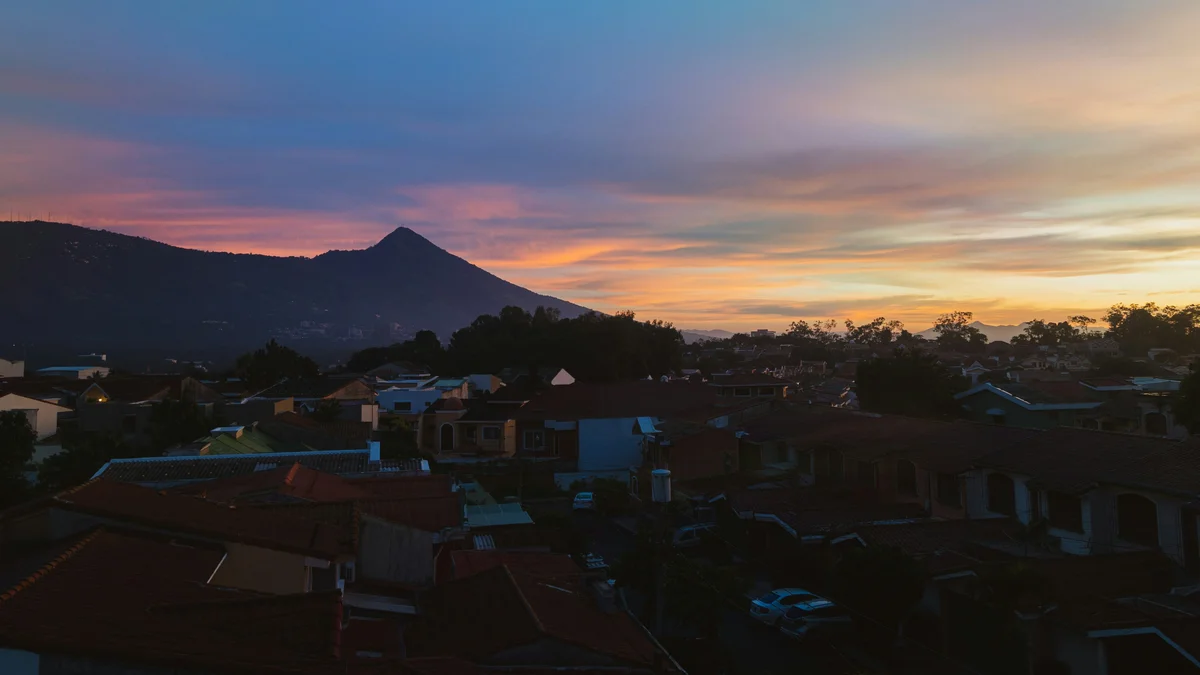
A private 4x4 vehicle drives you through the coffee plantations of the San Antonio Lamatepec farm to the hilltop site of El Teleférico, San Salvador's former cable car that closed in 2001, for panoramic sunset views over the city, finishing with a stop for pupusas.
 Private Tours
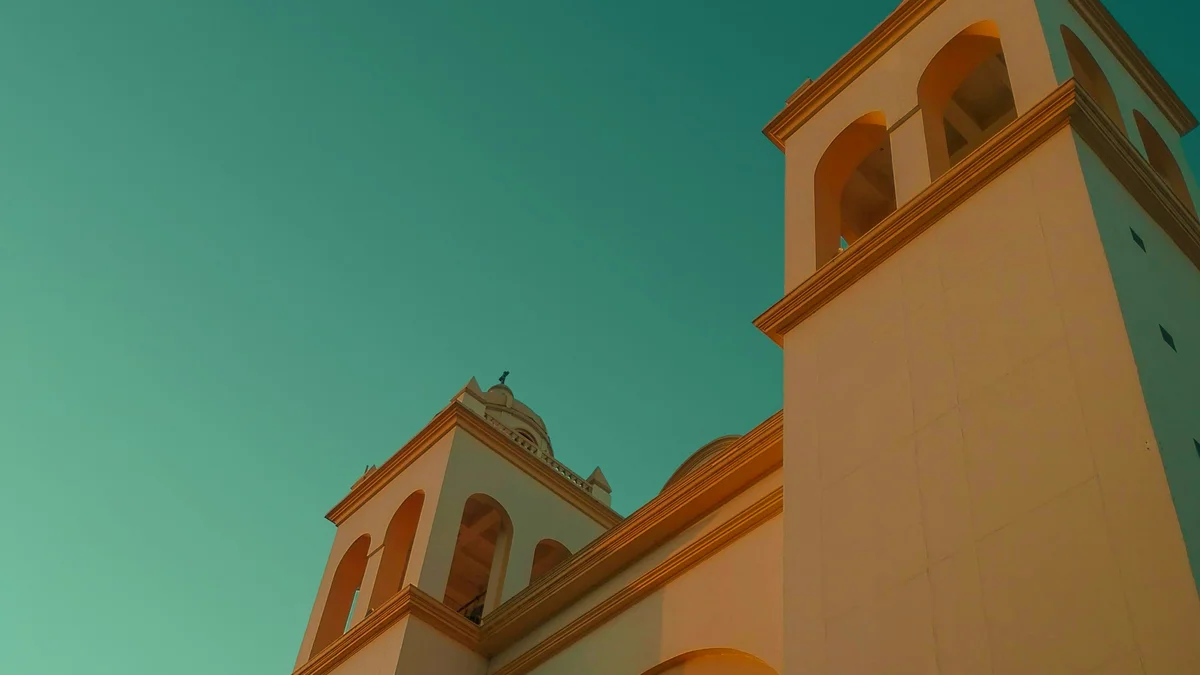
A private walking tour of San Salvador's historic squares and markets with a local, street-smart guide, covering the city's civil war history, the crypt of Archbishop Óscar Romero, the National Library, and the capital's real transformation from one of the world's most dangerous cities to one of its safest.
The real stops Voyzo's own itineraries are built around — tap any attraction to learn more.
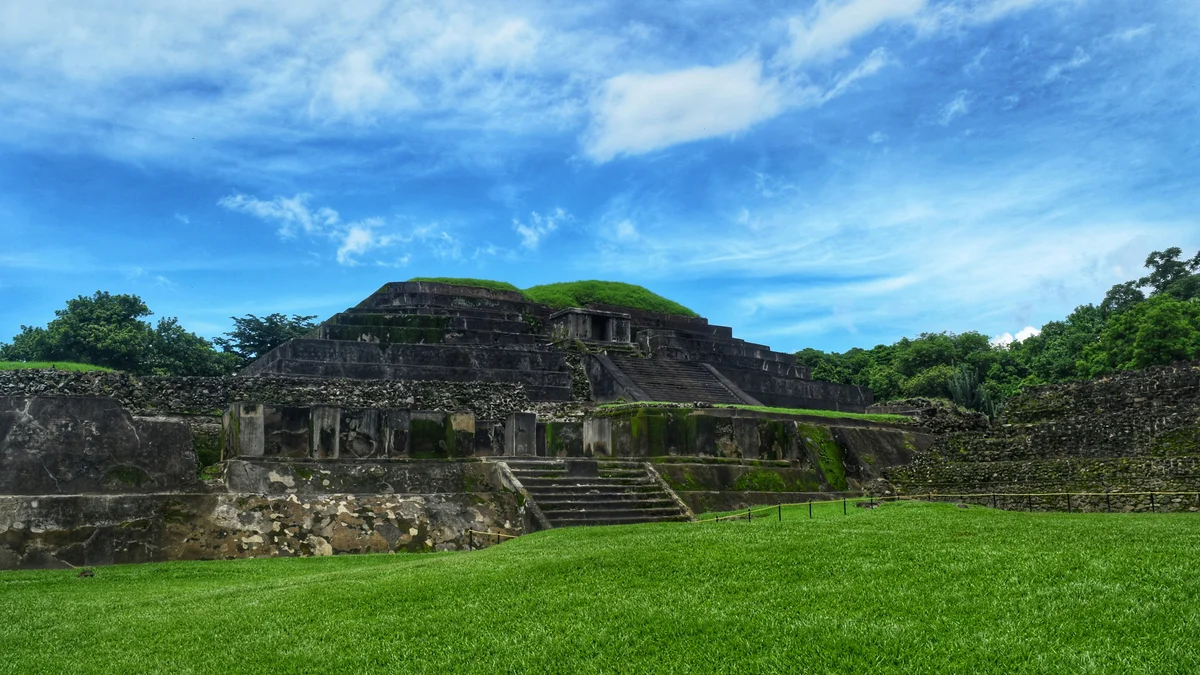 Tazumal Archaeological Park
El Salvador
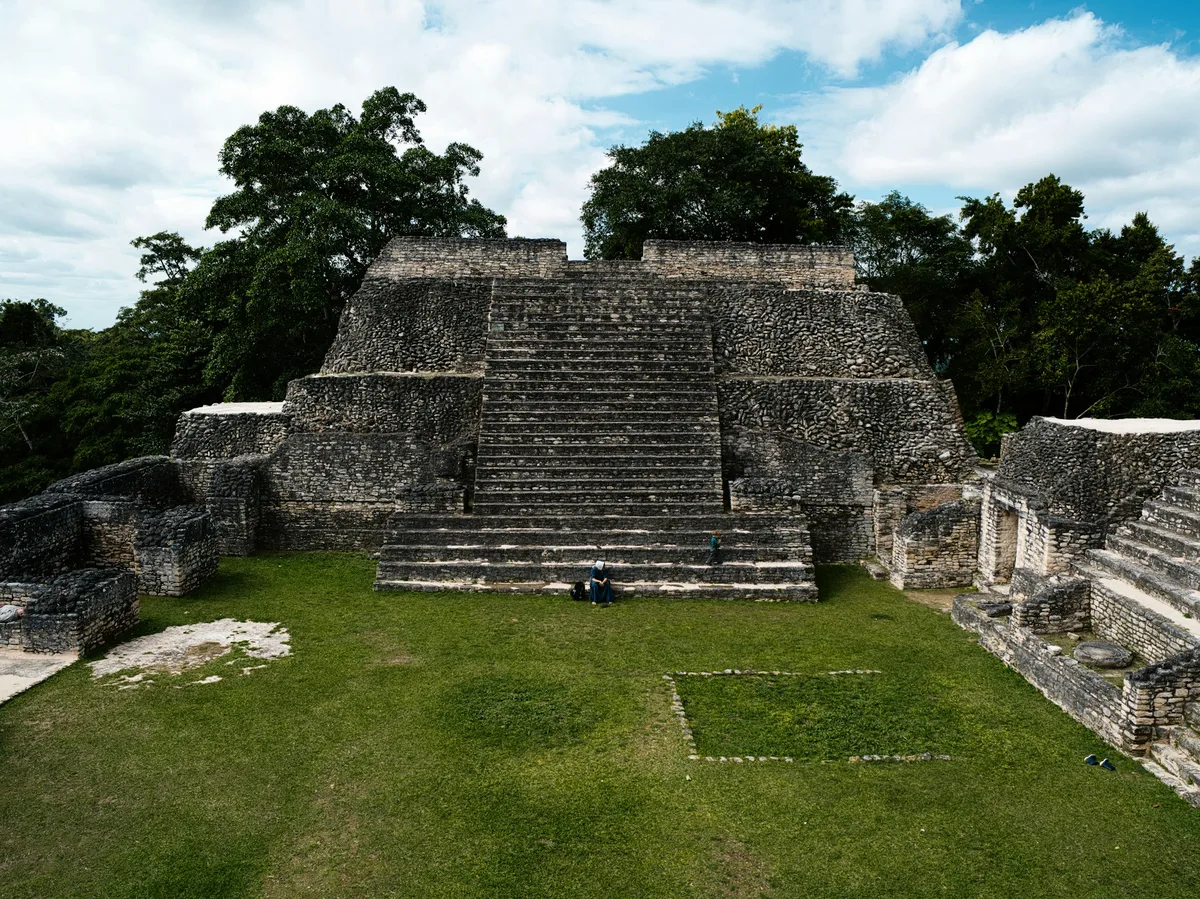
El Salvador's largest and most prominent Maya ceremonial center, part of the wider Chalchuapa archaeological zone and occupied for roughly a thousand years. Tazumal's stepped pyramid and ballcourt show clear architectural influence from Teotihuacan and later Toltec culture in central Mexico, reflecting the site's role as a trade and cultural crossroads.
3
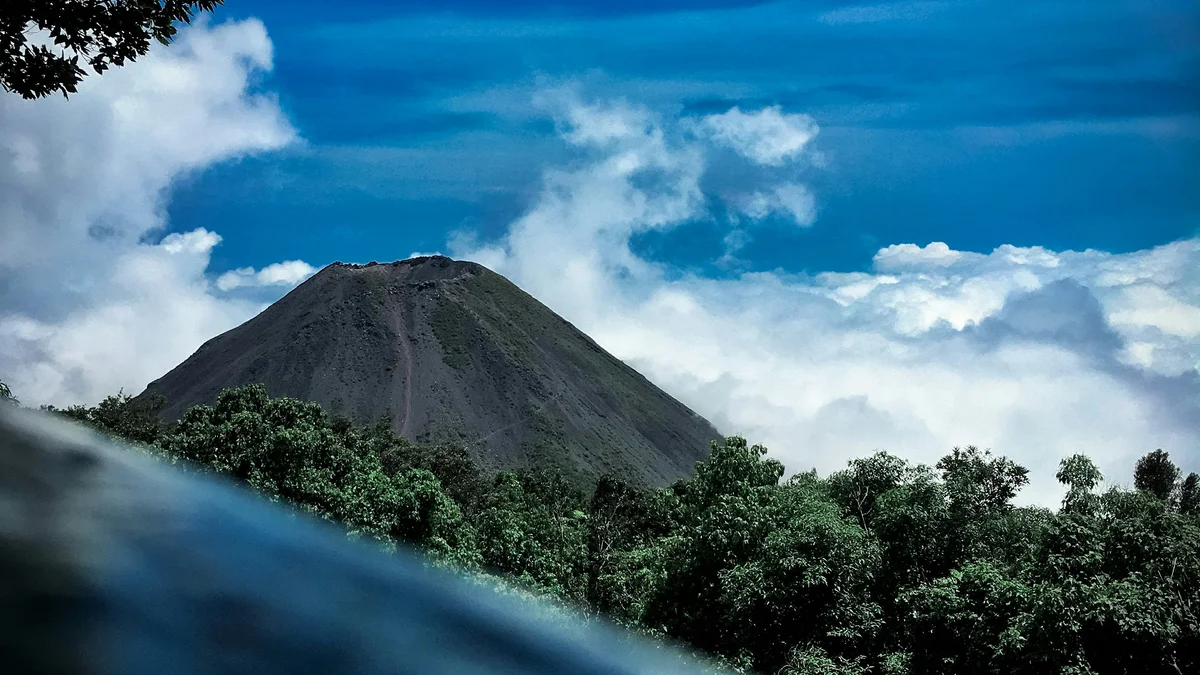 Santa Ana Volcano (Volcán Ilamatepec)
El Salvador
El Salvador's tallest volcano at 2,381 meters, rising above Cerro Verde National Park in the country's western highlands. A moderate hike leads to the crater rim, where a striking turquoise, sulfur-tinted crater lake sits inside the active cone — one of the signature views of the 'Land of Volcanoes.'
4
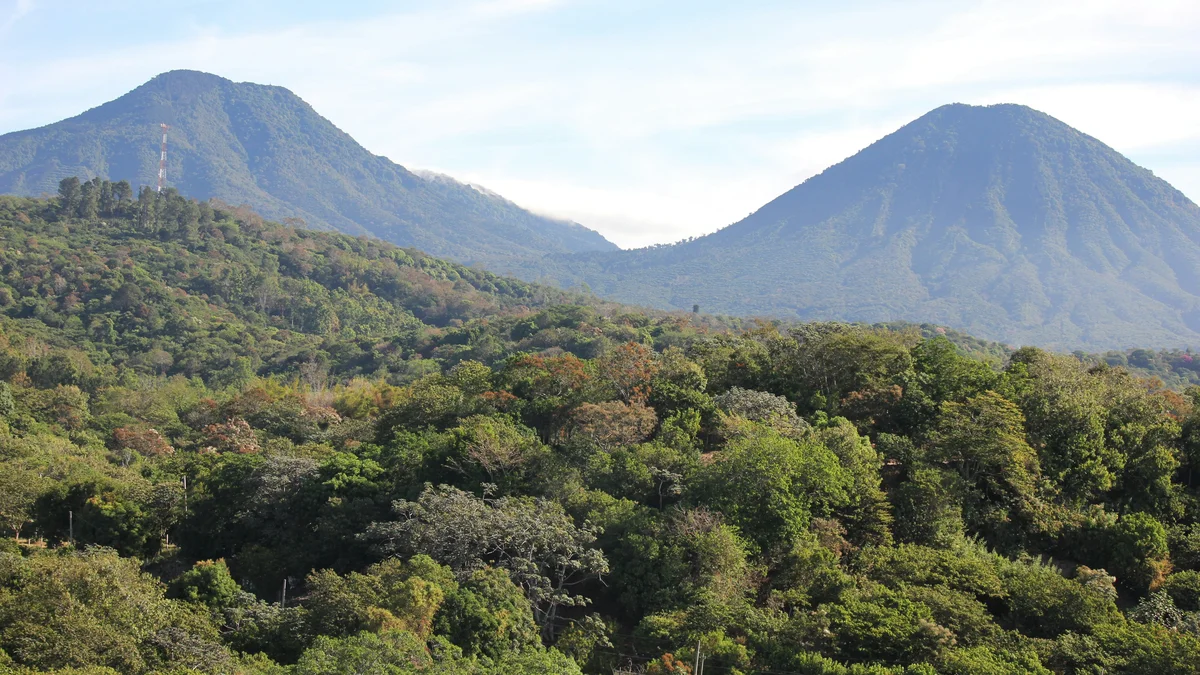 Concepción de Ataco
El Salvador
A colorful hillside coffee town on the Ruta de las Flores, known for the painted murals covering many of its buildings, its cobblestone streets, and its role in one of El Salvador's main coffee-growing regions. It's a common overnight stop for travelers working their way along the Flower Route.
5
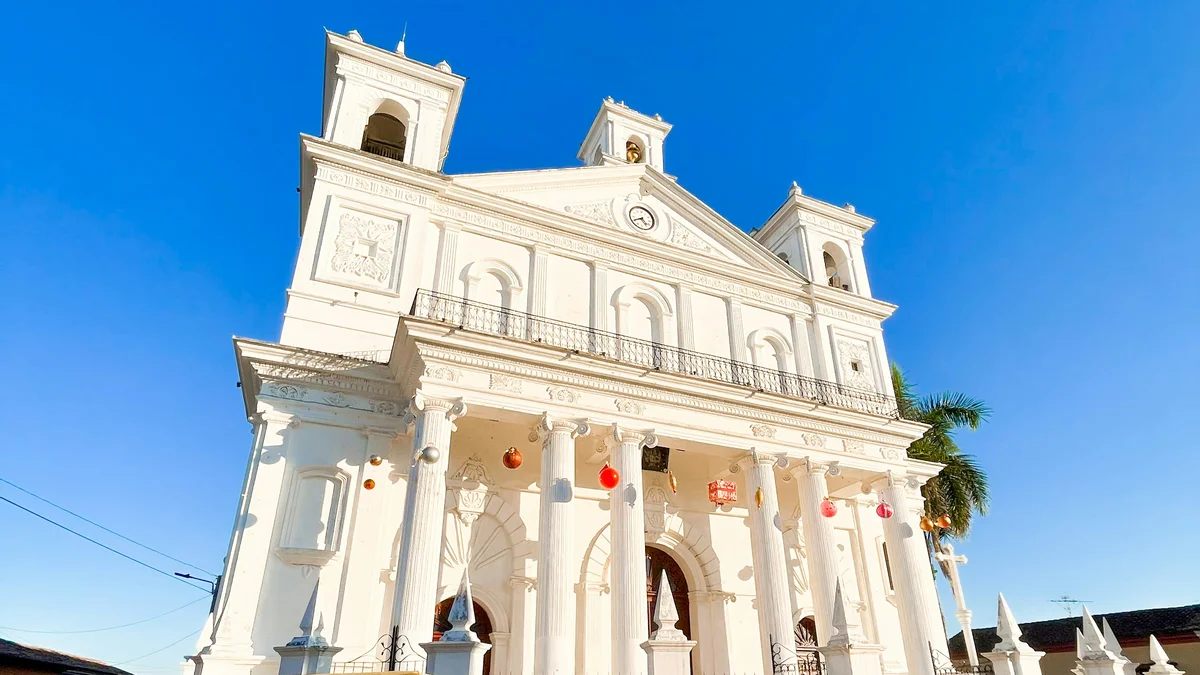 Suchitoto
El Salvador
Widely regarded as El Salvador's best-preserved colonial town, with cobblestone streets, whitewashed colonial-era buildings, and the 19th-century Iglesia Santa Lucía at its center. Once El Salvador's first colonial capital, the town today is known for its artisan community, indigo-dyeing tradition, and views over Suchitlán Lake.
6
Iglesia El Rosario
San Salvador
A striking Brutalist parabolic-arch church designed by Salvadoran architect and sculptor Rubén Martínez and inaugurated in 1971, in the heart of San Salvador's historic center. Rather than traditional windows, its curved concrete walls are filled almost entirely with rainbow-colored stained glass, flooding the interior with color, and it houses a set of sculptural Stations of the Cross unlike any other church in the city.
7
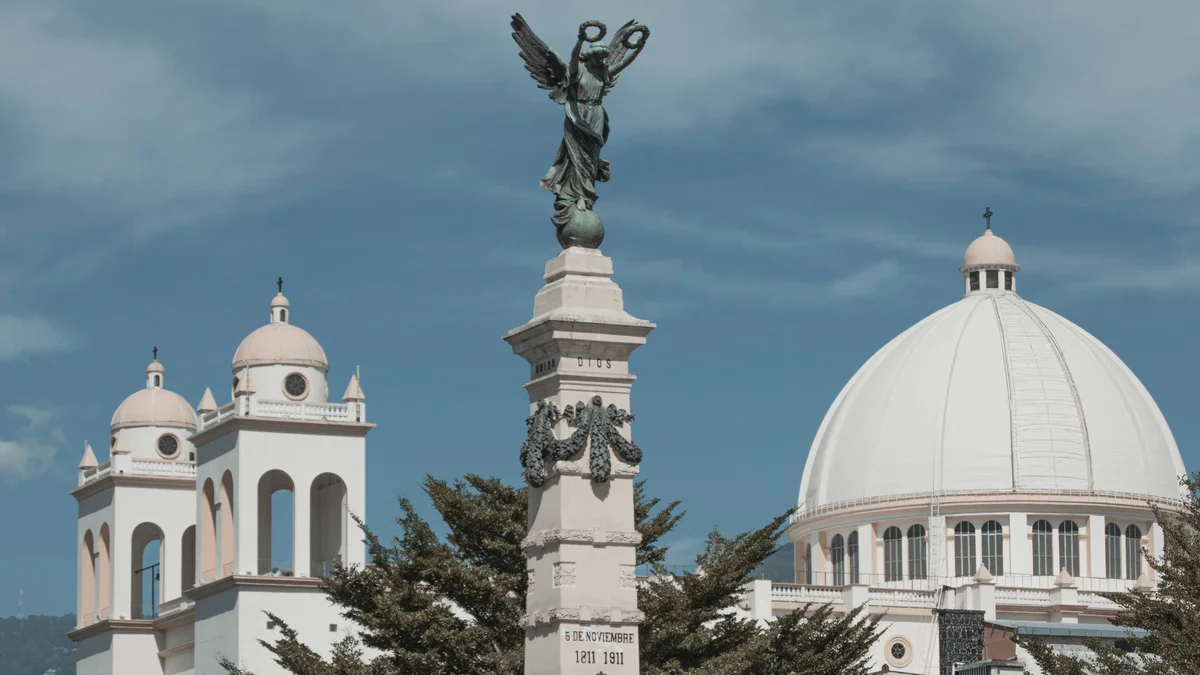 Metropolitan Cathedral of San Salvador
San Salvador
The neo-Gothic cathedral on Plaza Barrios in San Salvador's historic center, seat of the Archdiocese of San Salvador. Its lower-level crypt holds the tomb of Archbishop Óscar Romero, assassinated while celebrating Mass in 1980 and canonized a saint by the Catholic Church in 2018 — his tomb remains one of the most visited sites in the country.
8
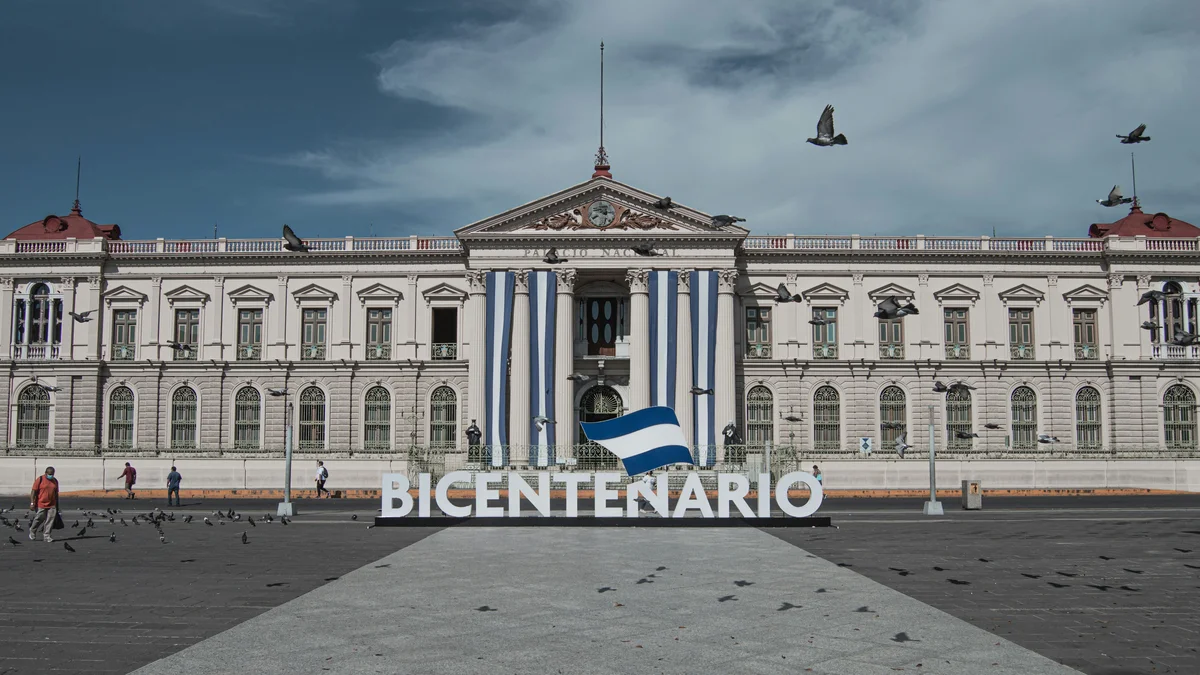 National Palace (Palacio Nacional)
San Salvador
El Salvador's grand neoclassical former seat of government in downtown San Salvador, completed in 1911. The palace witnessed pivotal moments in the country's political history and today is open to the public as a museum, its interior courtyards and period rooms restored to their early-20th-century appearance.
9
Museo Nacional de Antropología David J. Guzmán (MUNA)
San Salvador
El Salvador's national anthropology museum in San Salvador, home to the country's leading collection of pre-Columbian artifacts, including finds excavated from the Joya de Cerén and San Andrés archaeological sites elsewhere in the country. It offers a broader, capital-based introduction to Salvadoran history for travelers who won't be visiting the rural sites themselves.
10
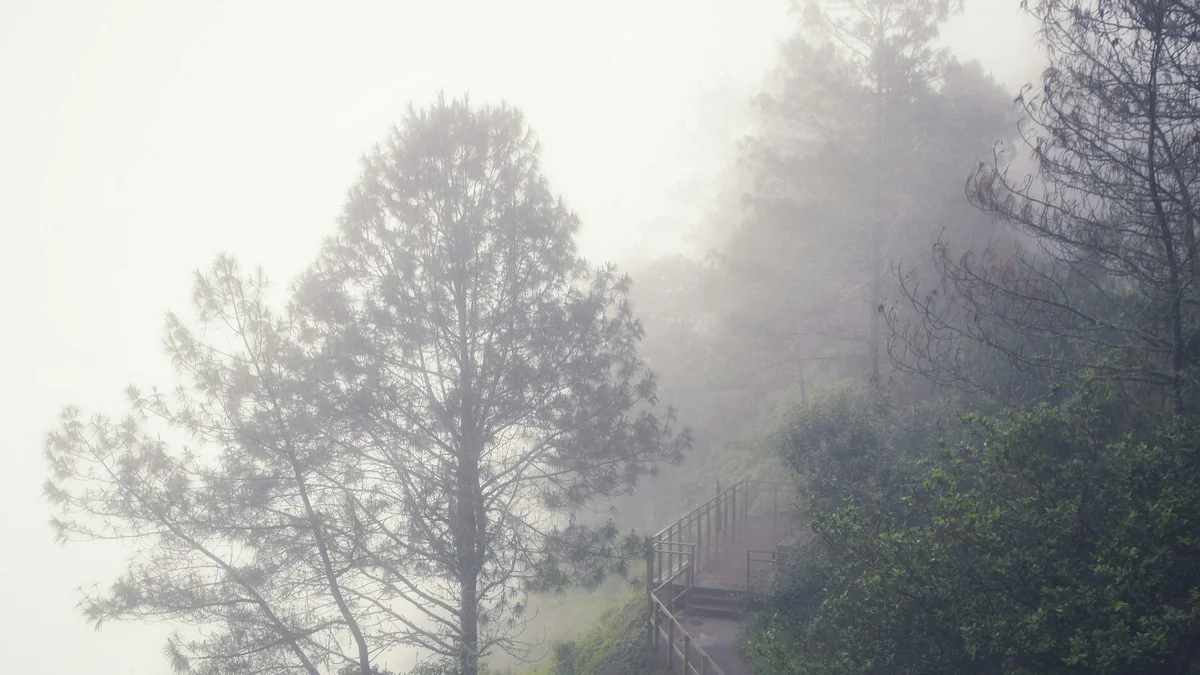 El Boquerón National Park
San Salvador
The crater of San Salvador Volcano (Volcán Quezaltepec), a national park perched directly above the capital. The main crater is about 558 meters (1,831 feet) deep, with published widths ranging from about 1.5 to 5 kilometers, and a smaller cinder cone formed inside it in the 1917 eruption, with walking trails along its forested rim and views back down over the city.
The dry season (November through April) is the most popular window, with clearer skies for volcano hikes and crater-lake views. The green season (May through October) brings lush landscapes and fewer crowds, with afternoon rain the main trade-off.
El Salvador International Airport (SAL), also known as Monseñor Óscar Arnulfo Romero International Airport, sits near Comalapa, about 40 minutes from San Salvador, and is the country's main gateway.
Most of El Salvador's highlights sit within a few hours' drive of San Salvador, so a private-driver itinerary can comfortably combine volcanoes, colonial towns, Maya sites, and the coast without the long transfers larger Central American countries require.
The US dollar has been El Salvador's official currency since 2001 (alongside Bitcoin, adopted as legal tender in 2021), and US cash remains the practical currency for most travelers.
El Salvador's homicide rate has fallen dramatically since 2019 under a sustained security crackdown on gang activity, and tourism numbers have risen accordingly. As with any destination, check current government travel advisories before booking.
The Ruta de las Flores towns hold real weekend food festivals, especially in Juayúa — timing a visit for a Friday or weekend adds genuine local color that's missing on quieter weekdays.
El Salvador is Central America's smallest and most densely populated country, tucked between Guatemala and Honduras along the Pacific coast, with no Caribbean coastline of its own. Long overshadowed on the region's tourist trail by its neighbors, it has become one of the fastest-growing new destinations in Central America in recent years, helped by a sharp, well-documented drop in violent crime since 2019.
Known as the 'Land of Volcanoes,' El Salvador packs more than 20 volcanoes into a country roughly the size of Massachusetts, including Santa Ana Volcano (Volcán Ilamatepec), the country's tallest, with a turquoise crater lake at its summit. Between the volcanoes lies a Maya heritage most first-time visitors don't expect — Joya de Cerén, the country's only UNESCO World Heritage Site, and the ceremonial complex at Tazumal — alongside the colorful hillside towns of the Ruta de las Flores and the colonial streets of Suchitoto.
Voyzo runs multi-day routes across El Salvador's volcano-and-coffee western highlands, the historic capital and its colonial towns, and the Pacific surf coast around El Tunco and La Libertad. For travelers with a specific interest in the country's more recent history, a dedicated route through the Morazán mountains traces the Salvadoran Civil War (1979–1992), including a visit to the El Mozote memorial.
Tell us your group size and dates — we'll take care of the rest.