TorontoOntario · 36 tours
 Niagara FallsOntario · 25 tours
 New York CityNew York · 30 tours
 Las VegasNevada · 8 tours
 San FranciscoCalifornia · 16 tours
 VancouverBritish Columbia · 17 tours
 DubaiUAE · 54 tours
 Abu DhabiUAE · 5 tours
 Buenos AiresArgentina · 23 tours
 AthensGreece · 31 tours
 AucklandNew Zealand · 38 tours
 CancunMexico · 54 tours
No destinations match “”. Try searching all tours instead — that search understands full questions, not just place names.
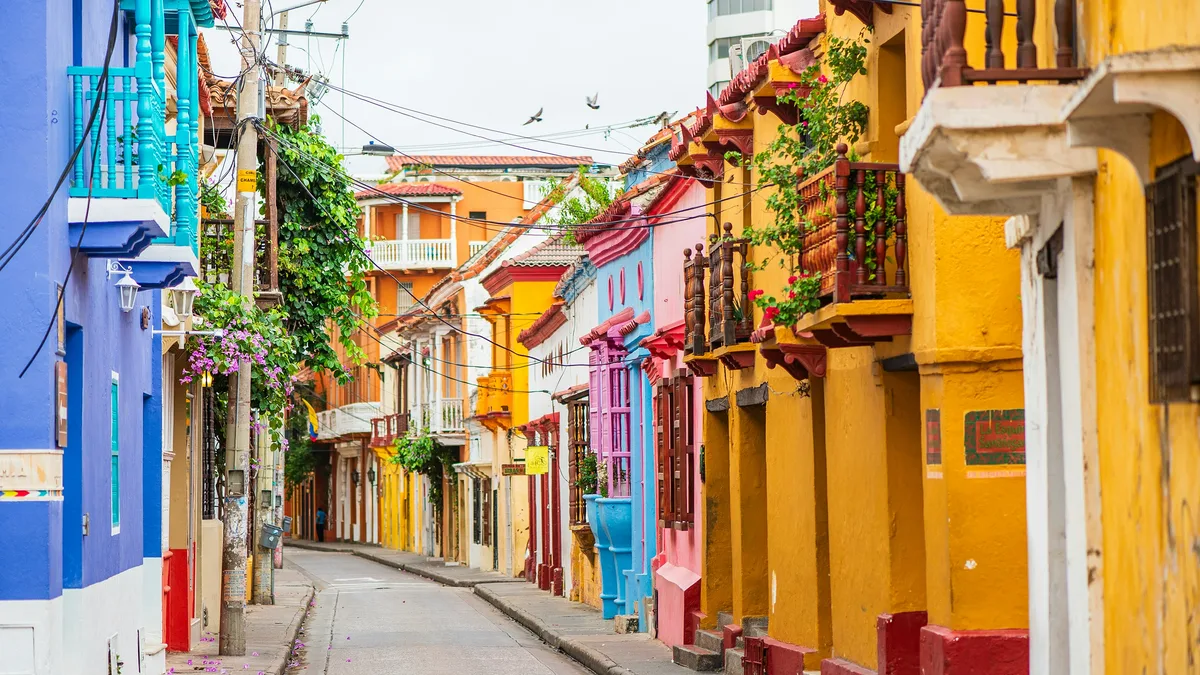
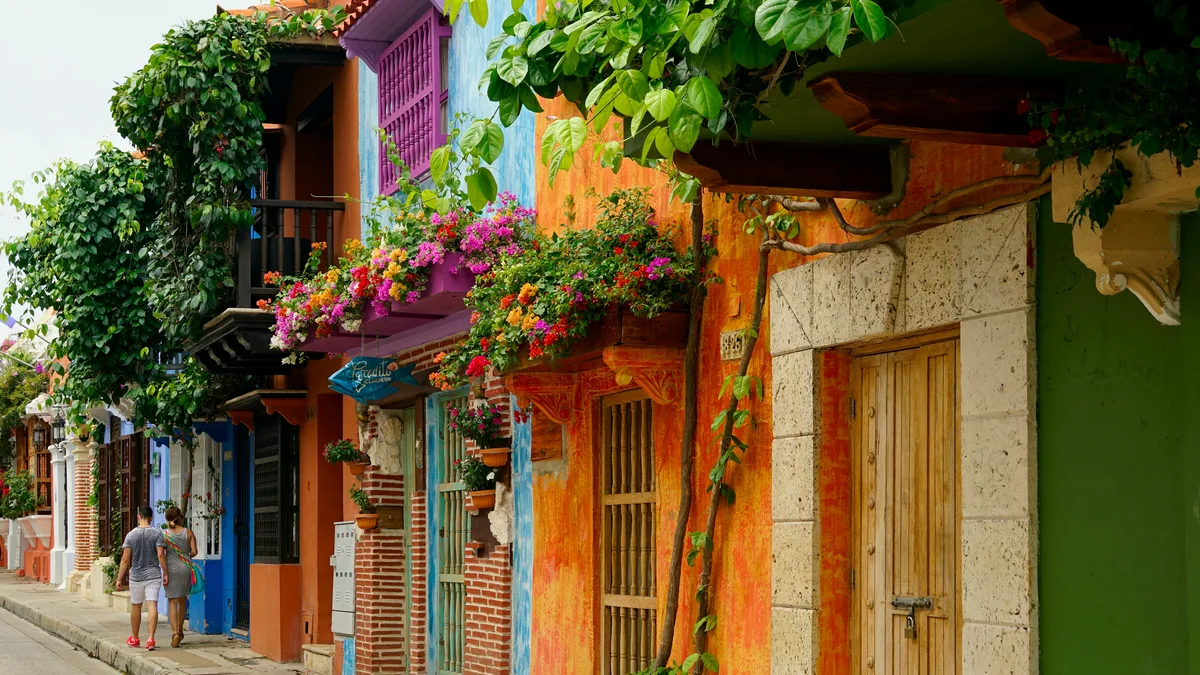
Cartagena's fortified historic center, encircled by roughly 11 kilometers of stone walls built between the 16th and 18th centuries to defend against pirate and naval attacks. Declared a UNESCO World Heritage Site in 1984, its cobblestone streets are lined with colorful colonial mansions, wooden balconies, and plazas including Plaza Santo Domingo and Plaza de los Coches.
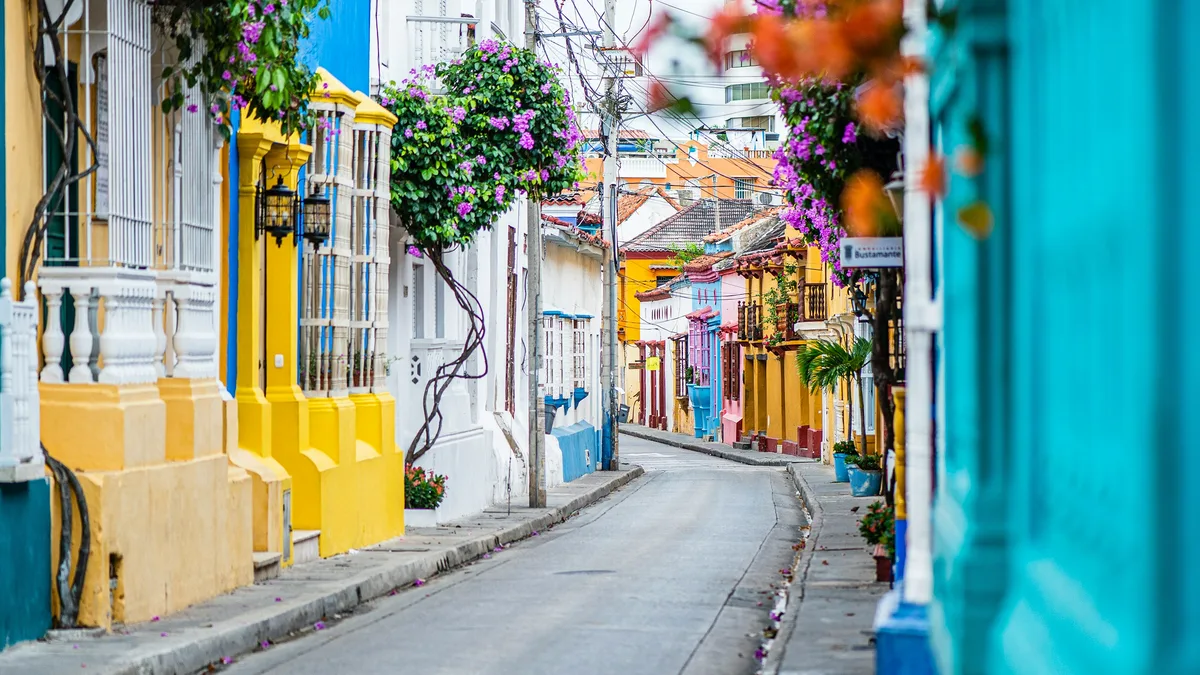 Private Tours
Explore the colorful plazas and colonial streets of the Walled City before crossing into Getsemaní, the once-overlooked neighborhood now known for its murals and bohemian energy.
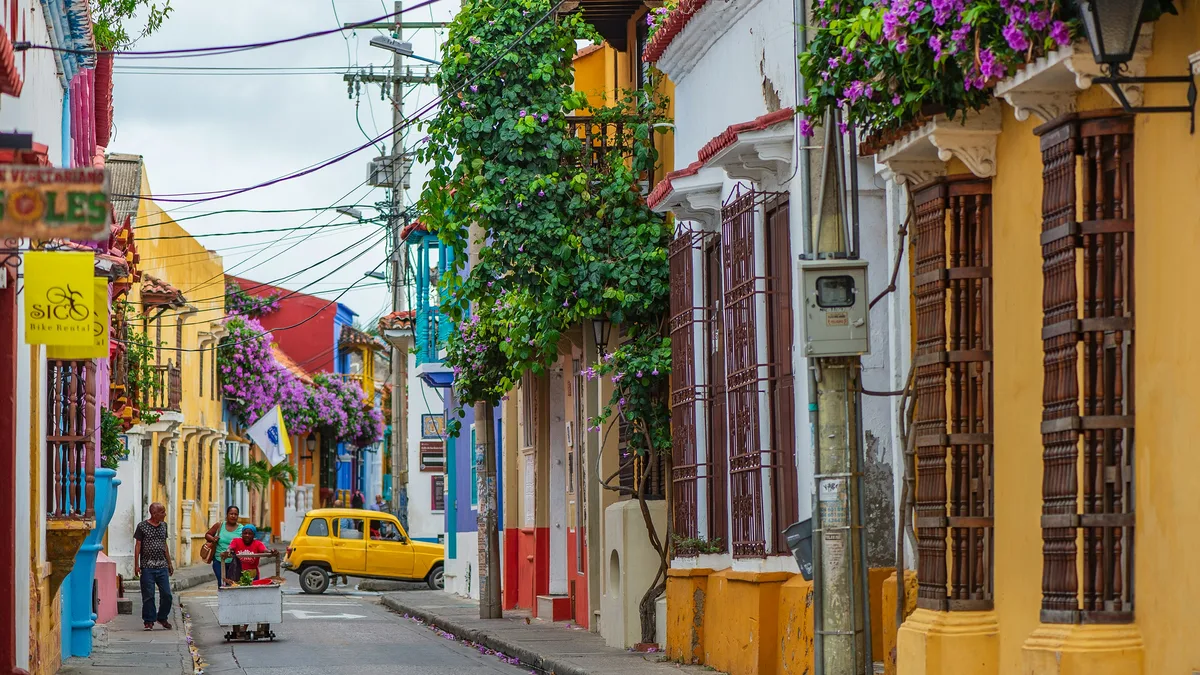 Private Tours
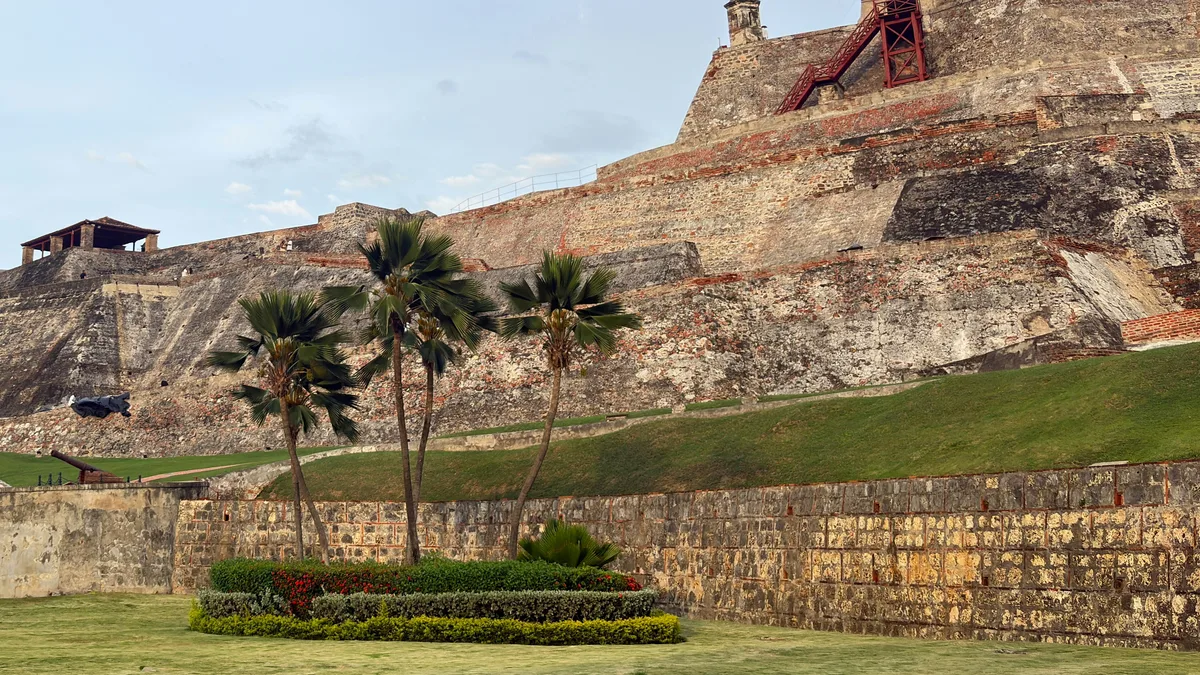
See more of Cartagena than a walking tour can reach, from the Republican-era mansions of Manga to the sweeping views from Castillo San Felipe de Barajas and Convento de la Popa.
Visitor guide
The Walled City of Cartagena, known in Spanish as the Ciudad Amurallada, is the historic centre of Cartagena de Indias on Colombia's Caribbean coast. Encircled by colonial stone walls, it is part of the UNESCO-listed port, fortresses and group of monuments of Cartagena, inscribed in 1984.
Cartagena was founded on 1 June 1533 by the Spanish commander Pedro de Heredia, on the site of an Indigenous village called Calamari. In 1544 French pirates sacked the unwalled city, and the Spanish crown commissioned the Italian military engineer Bautista Antonelli to plan its defences. He drew up plans for a walled city in 1594. Building went on through the seventeenth century, and further additions in the eighteenth century by the engineer Antonio de Arevalo gave the fortifications their present extent.
The port was a key hub for shipping silver and gold to Spain and also a major centre of the slave trade under the Spanish crown. Its fortifications, including the Castillo San Felipe de Barajas, repelled several attacks, notably the British siege of 1741.
The walled core is known for its sherbet-coloured colonial buildings, balconied houses, and shaded plazas. The main entrance is the Torre del Reloj, or Clock Tower gate, which opens onto the Plaza de los Coches, once linked to the slave market. A few steps further is the Plaza de la Aduana beside the mayor's office. Nearby are the church and cloister of San Pedro Claver, where the body of the Jesuit saint known as the apostle of enslaved Africans is kept, and the Plaza de Bolivar, formerly known as the Plaza de la Inquisicion, which is surrounded by balconied buildings and faces the Palace of the Inquisition, completed in 1770.
Other landmarks mentioned by Wikipedia include the Teatro Adolfo Mejia, originally the Teatro Heredia, which opened in 1911 and was rebuilt in the 1990s, and Las Bóvedas, the row of vaults built into the walls. The Santo Toribio church is described as the last church built in the walled city.
The walls were built in stages across the seventeenth and eighteenth centuries, and they are commonly cited as roughly 11 kilometres long when counting the full circuit that also encloses the Getsemani district. Wikipedia records that Governor Francisco de Murga began enclosing Getsemani with walls in 1631. The ramparts can be walked in places, with views over the sea on one side and the old town on the other.
Cartagena is hot and humid year-round, so early mornings and late afternoons are the most comfortable times for walking. The January Cartagena International Music Festival is held in the walled city. A private guided visit suits the old town, since the history behind each plaza and doorway is easier to understand with a local explanation, and a driver can handle the transfers to the outer fortifications.
See every tour and attraction we cover in Cartagena.