TorontoOntario · 36 tours
 Niagara FallsOntario · 25 tours
 New York CityNew York · 30 tours
 Las VegasNevada · 8 tours
 San FranciscoCalifornia · 16 tours
 VancouverBritish Columbia · 17 tours
 DubaiUAE · 54 tours
 Abu DhabiUAE · 5 tours
 Buenos AiresArgentina · 23 tours
 AthensGreece · 31 tours
 AucklandNew Zealand · 38 tours
 CancunMexico · 54 tours
No destinations match “”. Try searching all tours instead — that search understands full questions, not just place names.
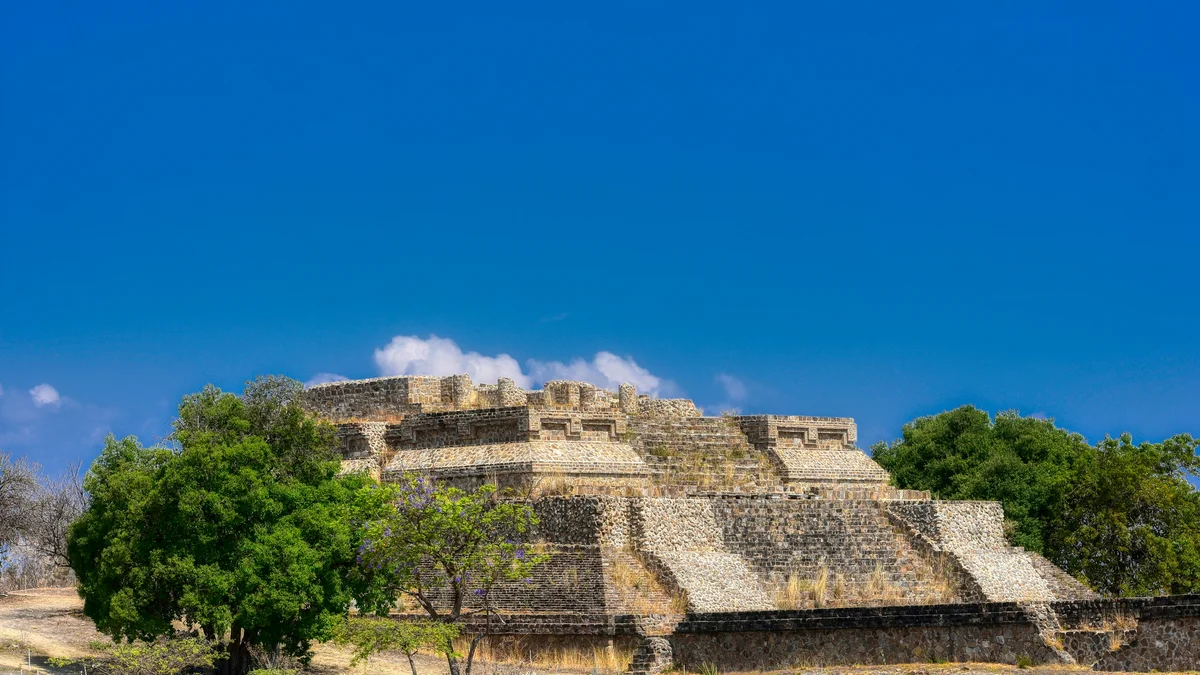
The ancient hilltop capital of the Zapotec civilization, founded around 500 BCE and inhabited for over a thousand years. Its great plaza, ball court, and carved stone monuments overlook the Central Valleys of Oaxaca, and the site is jointly recognized by UNESCO alongside the historic center of Oaxaca City.
 Private Tours
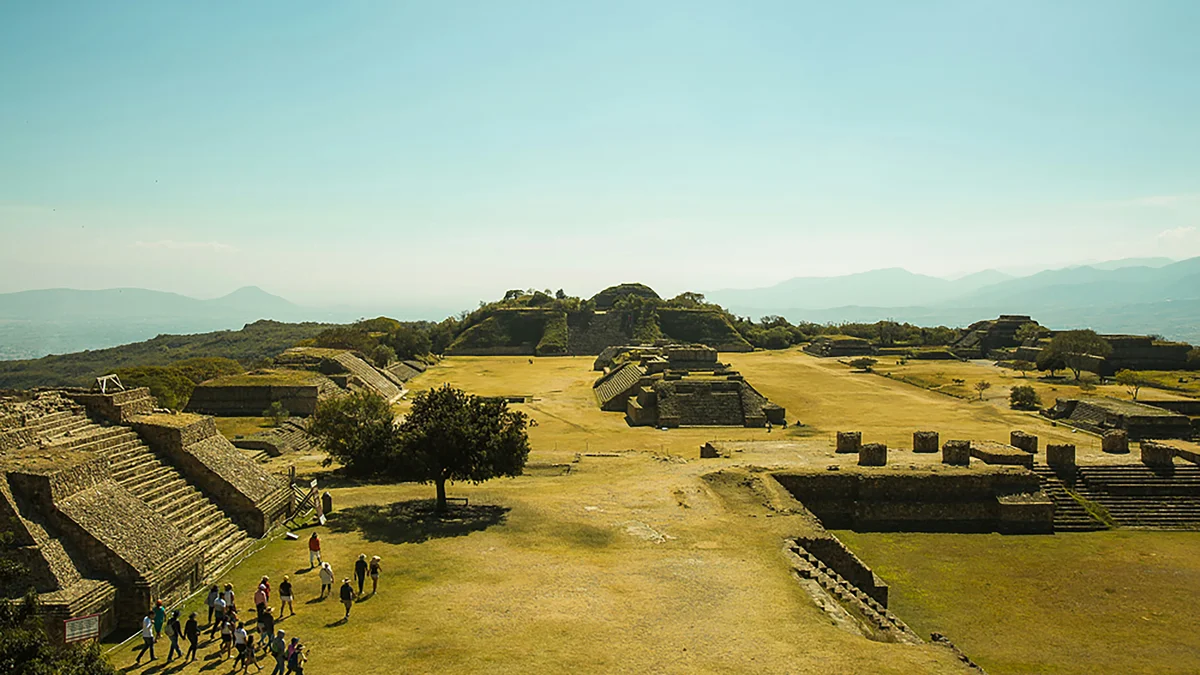
A private half-day visit to Monte Albán, the 2,500-year-old hilltop capital of the Zapotec civilization and a UNESCO World Heritage Site overlooking the Oaxaca Valley.
 Private Tours Popular Pick
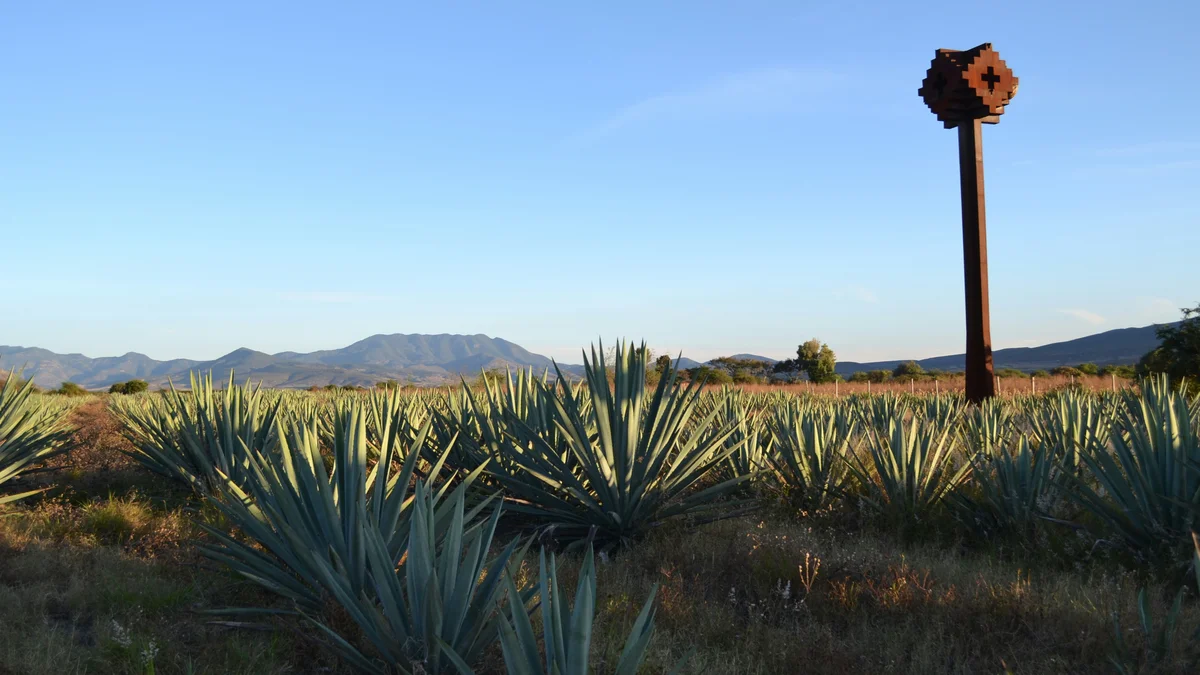
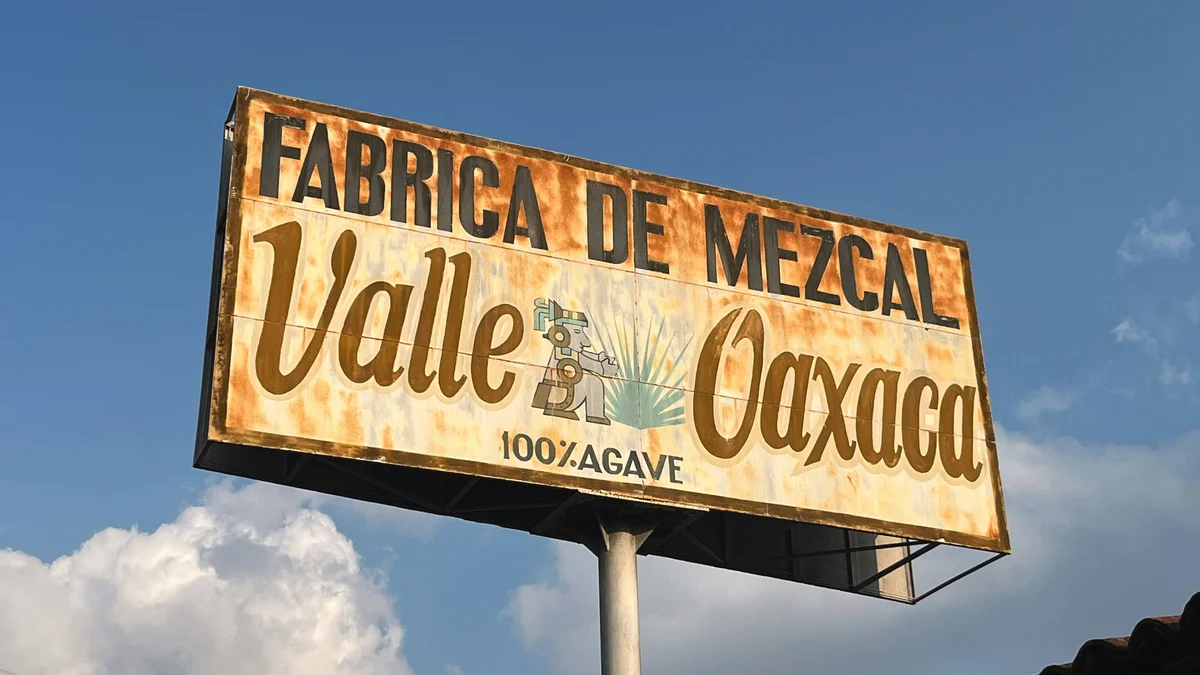
A full private day pairing the Monte Albán archaeological site with three of Oaxaca's real craft traditions: black pottery in San Bartolo Coyotepec, hand-carved alebrijes in San Antonio Arrazola, and woven textiles in Teotitlán del Valle, plus a mezcal tasting.
 Private Tours
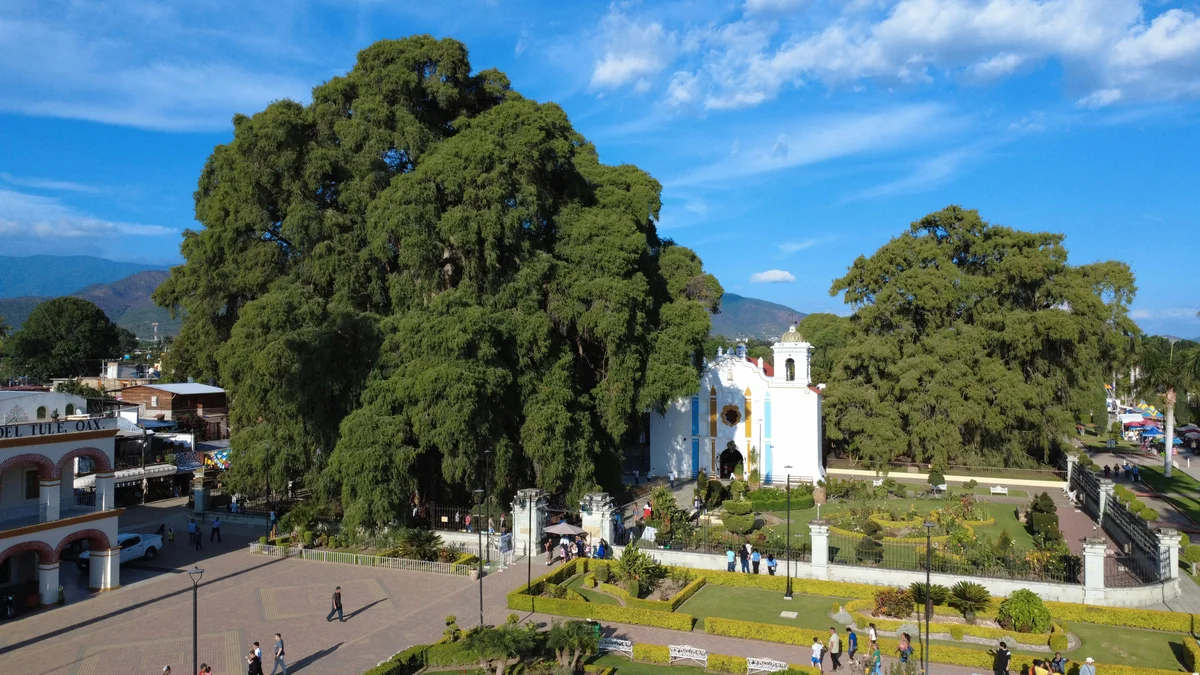
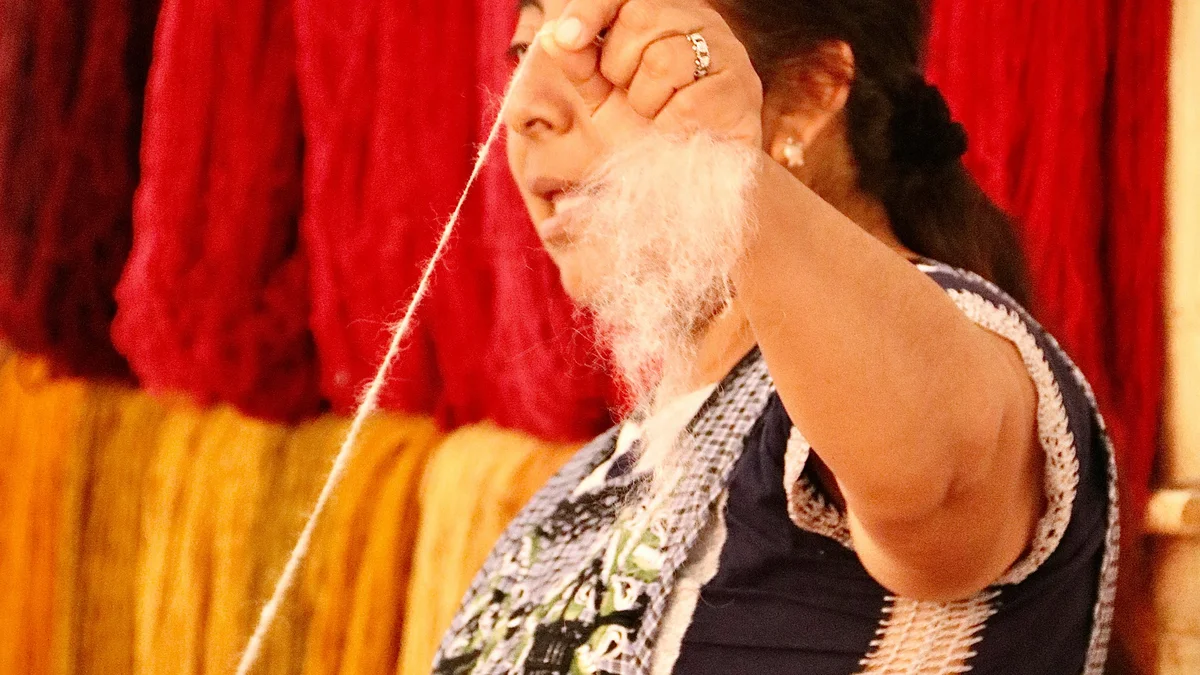
A private full-day tour combining Monte Albán and Mitla — Oaxaca's two major Zapotec and Mixtec archaeological sites — with the giant Árbol del Tule and a family weaving workshop in Teotitlán del Valle.
Visitor guide
Monte Alban is a pre-Columbian archaeological site in the Santa Cruz Xoxocotlan municipality of Oaxaca, Mexico, about 9 kilometres west of Oaxaca City. It was the main Zapotec centre for nearly a thousand years, and is part of the UNESCO World Heritage listing Historic Centre of Oaxaca and Archaeological Site of Monte Alban.
The civic-ceremonial centre stands on an artificially levelled ridge at roughly 1,940 metres above sea level, about 400 metres above the valley floor, which made it easy to defend. According to Wikipedia, the site also includes several hundred artificial terraces and about a dozen clusters of mounded architecture. The nearby hills of Atzompa and El Gallo are traditionally regarded as part of the ancient city.
Monte Alban was founded toward the end of the Middle Formative period, around 500 BCE, in a rapid shift of population from scattered villages to a new central city. By the Terminal Formative (about 100 BCE to CE 200) its population is estimated at 17,200 and it was the capital of an expansionist polity. In the Early Classic it dominated the Valley of Oaxaca and had contacts with Teotihuacan.
The Main Plaza measures about 300 by 150 metres and was created by levelling the mountaintop and covering it in white plaster. Large platforms border the north and south, and smaller platforms with temples and elite residences line the east and west sides.
Among the best-known features are the Danzantes, more than 300 carved stones from the earliest phase, showing figures with Olmec-influenced traits. They were once thought to depict dancers but are now interpreted as sacrificed war prisoners. Building J, an arrow-shaped structure at the centre of the plaza, carries over 40 carved conquest slabs listing places the city claimed to control; its orientation has been linked to the rising of the star Capella. The site also has two known ball courts and Classic-period elite tombs, some with painted murals. Tomb 7 was reused in the Postclassic for Mixtec elite burials.
Monte Alban's power weakened in the Late Classic (about CE 500 to 1000) as centres such as Zaachila, Mitla and Lambityeco asserted independence, and the city was largely abandoned by about CE 900 to 1000. Afterwards only small-scale reoccupation, tomb reuse and ritual visits are recorded.
J. M. Garcia described the site in 1859, and Leopoldo Batres carried out the first intensive exploration in 1902. Large-scale scientific excavations began in 1931 under Alfonso Caso, who worked with Ignacio Bernal and Jorge Acosta for about eighteen years. Much of the visible reconstruction dates from that period, and Caso's team also established the ceramic chronology of Monte Alban I to V.
UNESCO inscribed the Historic Centre of Oaxaca and Archaeological Site of Monte Alban in 1987 (reference 415). Wikipedia notes that urban growth is the main threat, and that the site is divided among four municipalities, complicating protection.
Because the ruins sit on a hilltop above the city, a private tour with a driver and guide is a practical way to see the plaza, and a guide can explain the carvings and the Zapotec history behind them.
See every tour and attraction we cover in Oaxaca City.