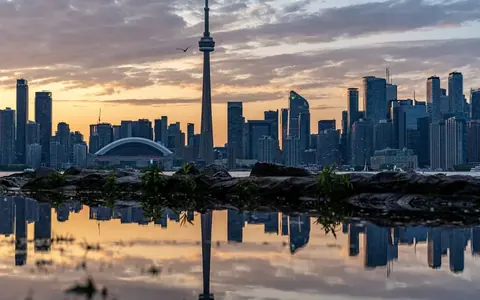
 TorontoOntario · 17 tours
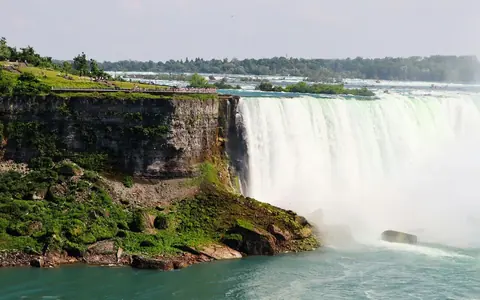 Niagara FallsOntario · 17 tours
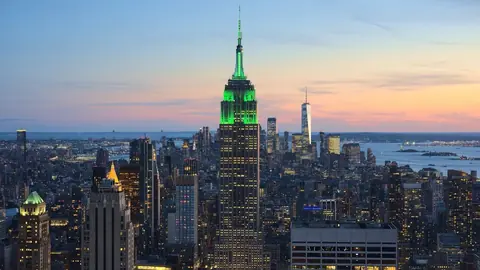 New York CityNew York · 8 tours
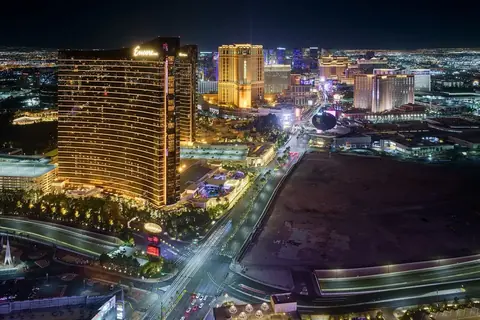 Las VegasNevada · 8 tours
 San FranciscoCalifornia · 16 tours
 VancouverBritish Columbia · 17 tours
 DubaiUAE · 44 tours
 Abu DhabiUAE · 5 tours
 Sri LankaSri Lanka · 16 tours
 IndiaIndia · 13 tours
 AlbaniaAlbania · 10 tours
 ArgentinaArgentina · 8 tours
No destinations match “”.
Voyzo runs 20 private tours across 1 destination in Brazil, covering 10 attractions — each with your own guide, driver, and vehicle, and an itinerary built around your group rather than a fixed bus schedule.
Brazil is the largest country in South America and in the Southern Hemisphere, covering roughly half the continent's land area and sharing a border with every South American country except Chile and Ecuador. It's a federal republic of 26 states plus a federal district, and its capital is the purpose-built city of Brasília, not Rio de Janeiro — a common misconception, since Rio was the capital until 1960. Portuguese, not Spanish, is the official language, a distinction that sets it apart from every neighboring country.
Voyzo's Brazil coverage reflects the country's scale rather than trying to compress it: Rio de Janeiro's mountains-meet-ocean skyline and Copacabana's curve of sand, the Amazon rainforest, the colonial gold-rush towns of Minas Gerais, and the Afro-Brazilian heritage of Bahia. No single trip covers all of it, which is why itineraries range from a compact six-day Rio introduction to a 22-day journey across multiple regions.
Several routes genuinely continue into neighboring Argentina — Iguazu Falls sits directly on the border, and a handful of itineraries begin in Buenos Aires before crossing over. That routing is disclosed honestly on every affected tour page, night by night, so there are no surprises once you're on the road.
The real stops Voyzo's own itineraries are built around — tap any attraction to learn more.
 Christ the Redeemer
Brazil
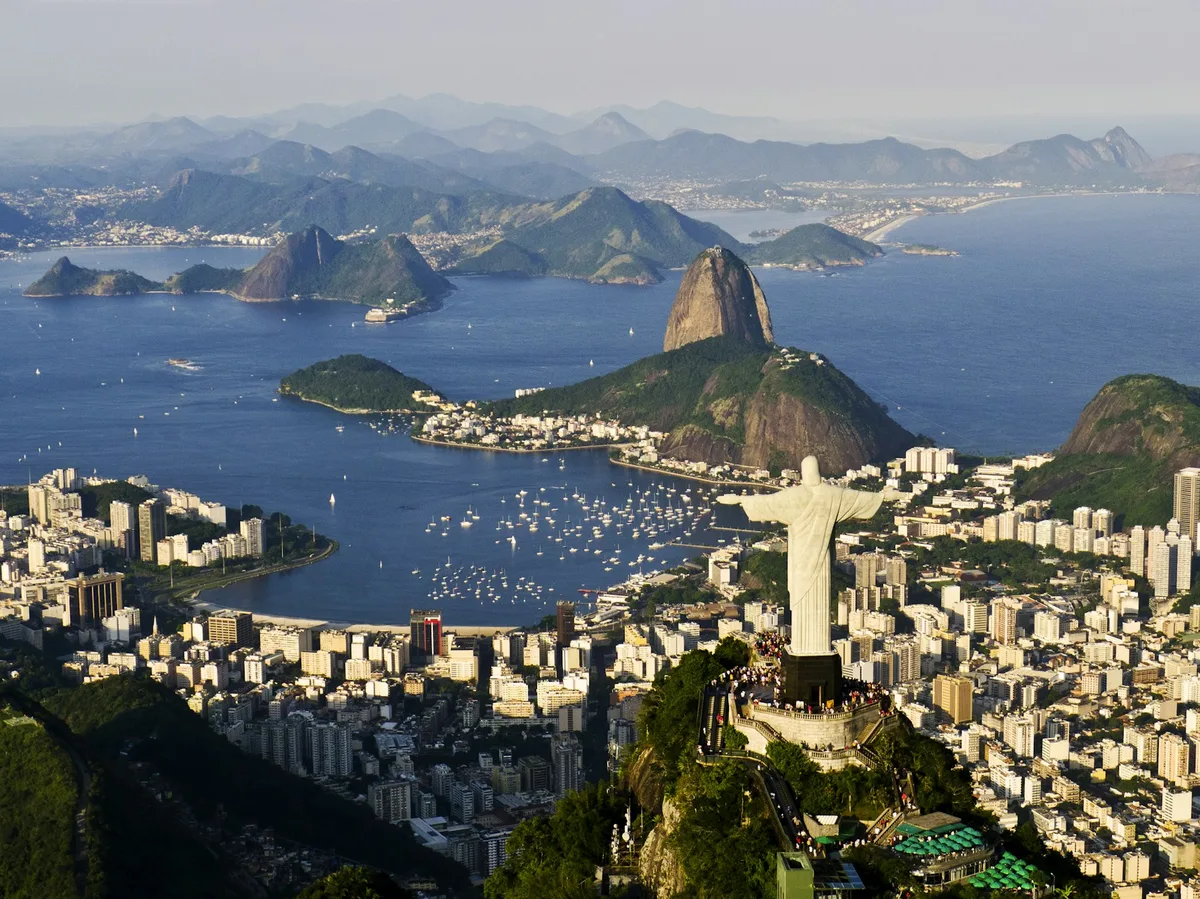
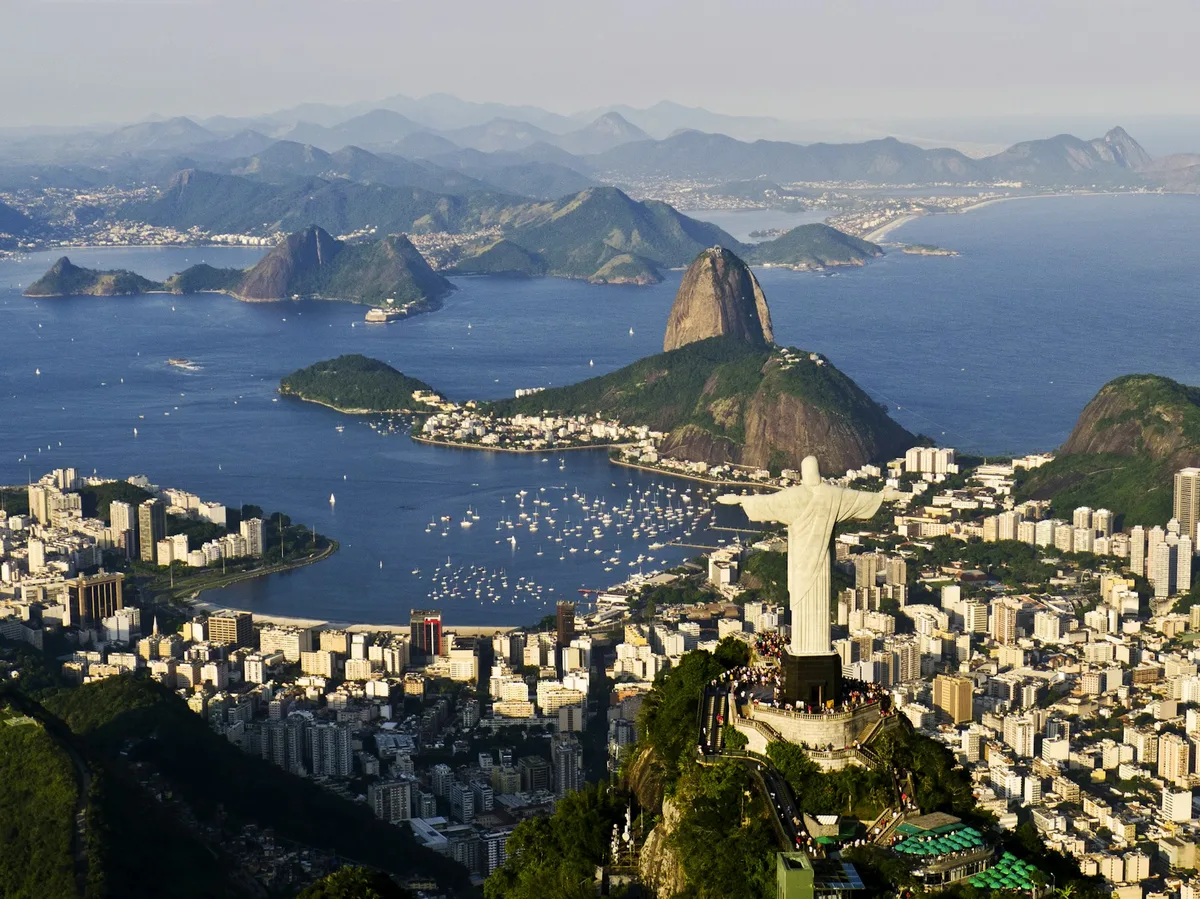
The Art Deco statue of Christ atop Corcovado Mountain is one of the New Seven Wonders of the World and Rio de Janeiro's most recognizable landmark, with sweeping views over the city and Guanabara Bay.
2
Christ the Redeemer
Brazil
The Art Deco statue of Christ atop Corcovado Mountain is one of the New Seven Wonders of the World and Rio de Janeiro's most recognizable landmark, with sweeping views over the city and Guanabara Bay.
2
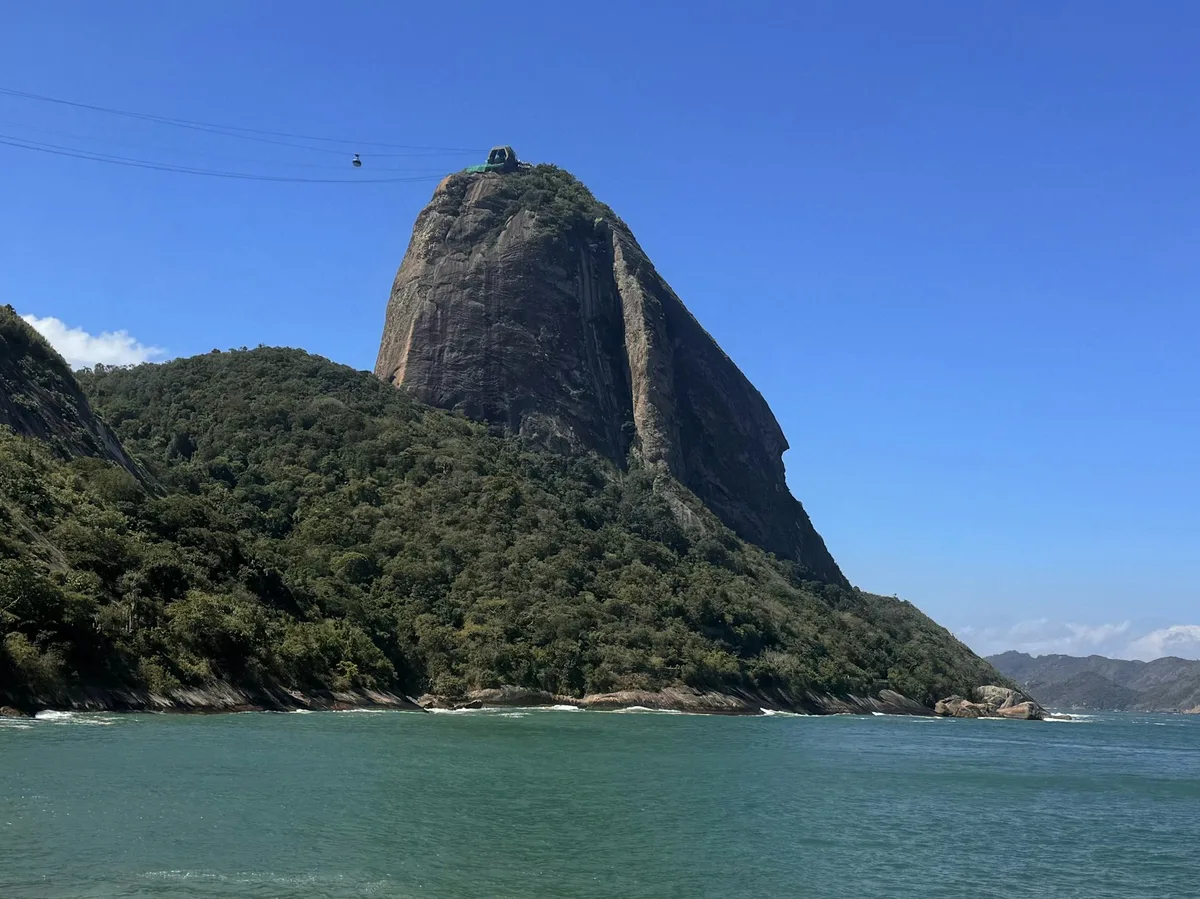 Sugarloaf Mountain
Brazil
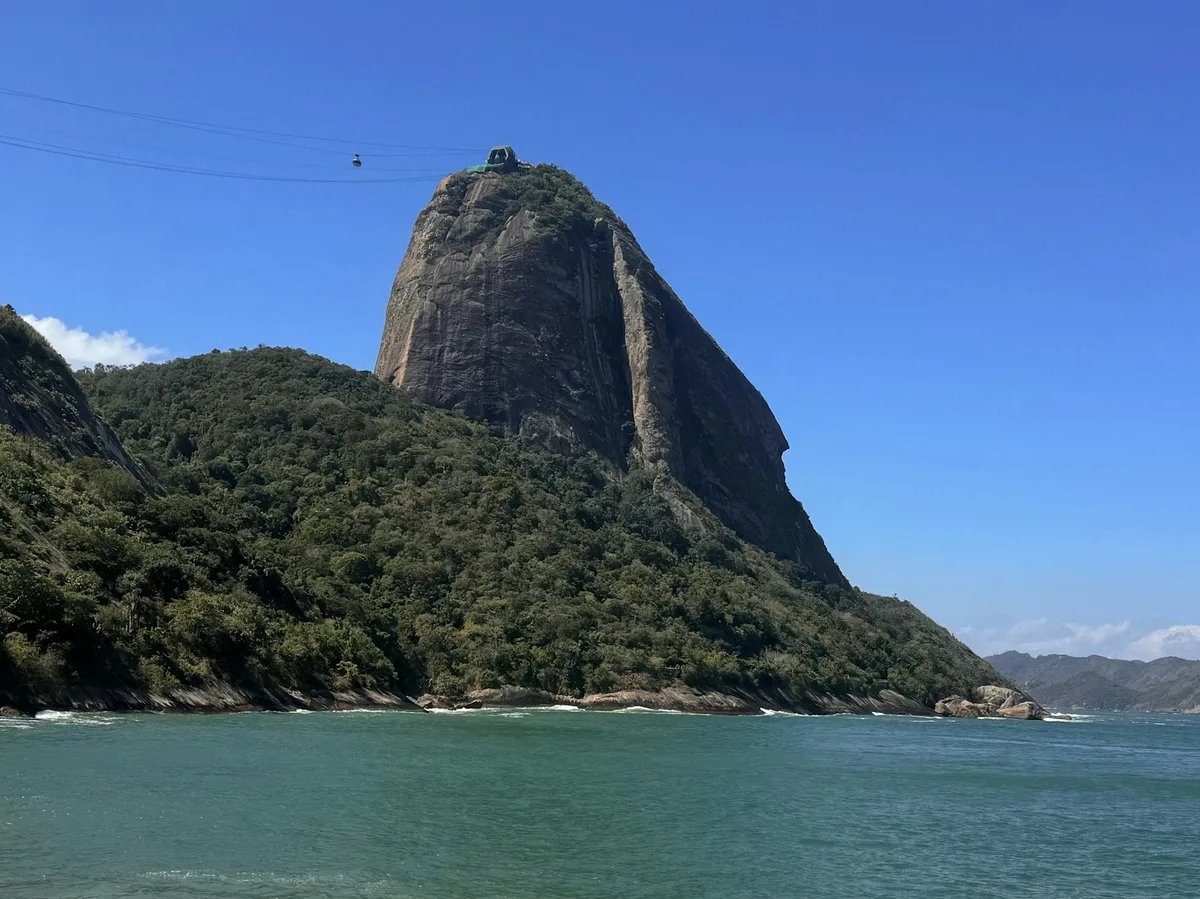
A granite peak rising straight out of Guanabara Bay, reached by a two-stage cable car that opened in 1912 — still one of Rio's classic panoramic viewpoints.
3
Sugarloaf Mountain
Brazil
A granite peak rising straight out of Guanabara Bay, reached by a two-stage cable car that opened in 1912 — still one of Rio's classic panoramic viewpoints.
3
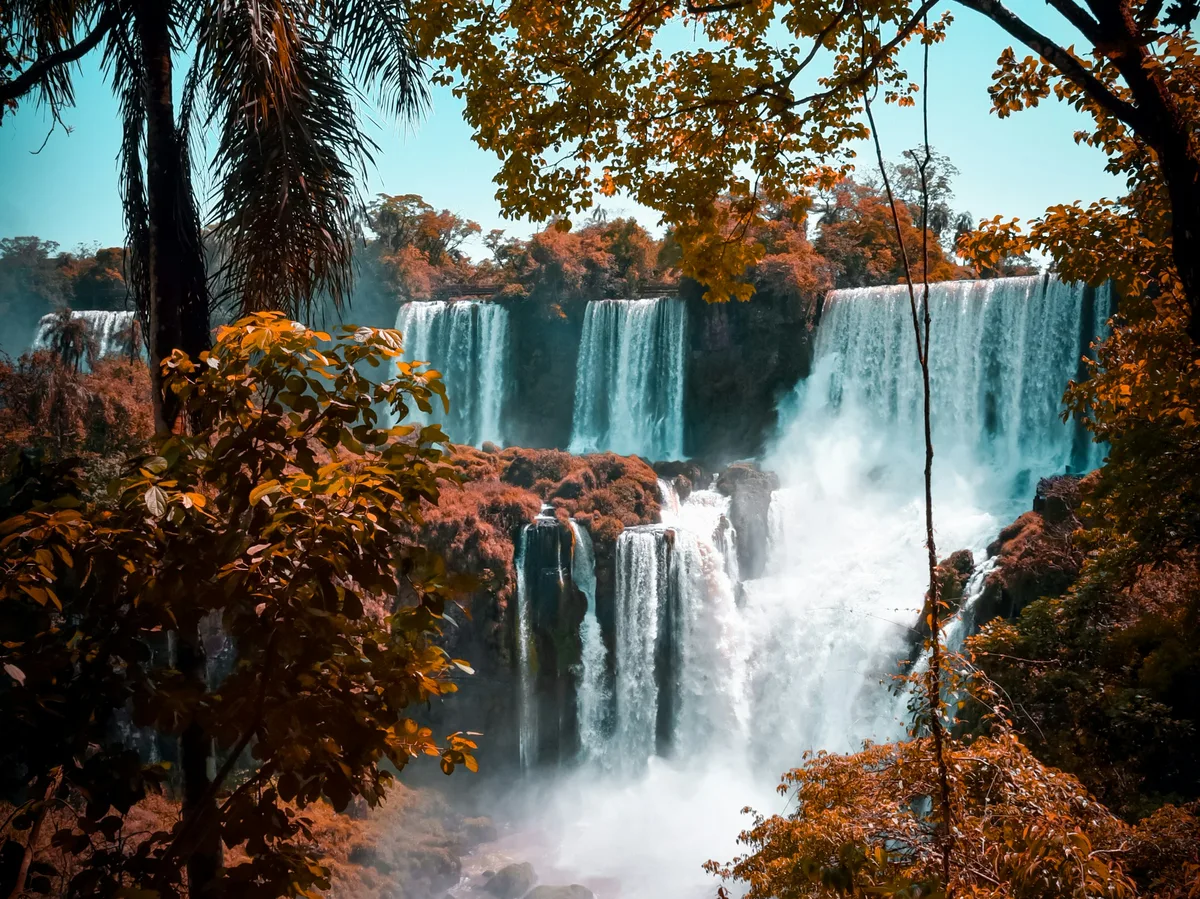
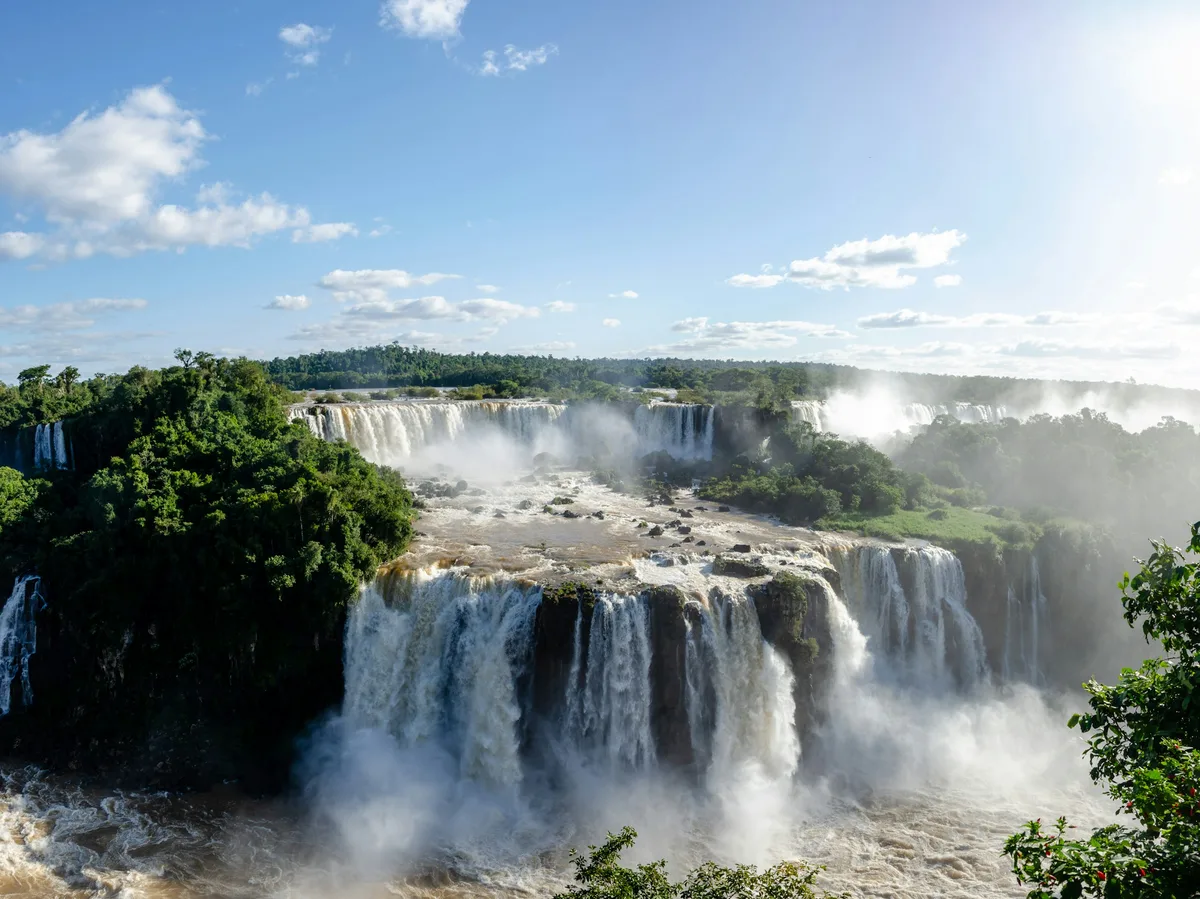 Iguazu Falls (Brazilian Side)
Brazil
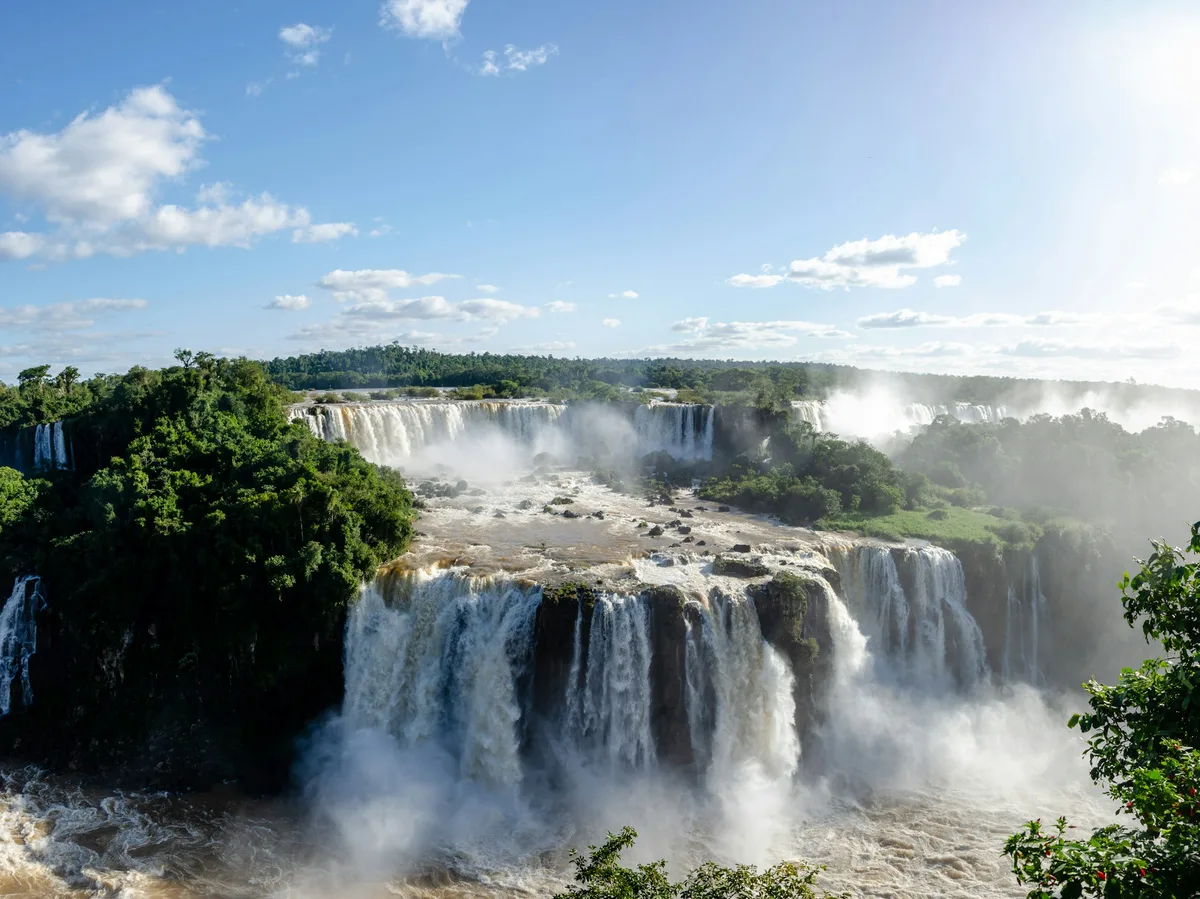
A system of roughly 275 individual waterfalls spanning the Brazil-Argentina border, with the Brazilian side offering sweeping panoramic views across the entire cascade, including the thunderous Devil's Throat.
4
Iguazu Falls (Brazilian Side)
Brazil
A system of roughly 275 individual waterfalls spanning the Brazil-Argentina border, with the Brazilian side offering sweeping panoramic views across the entire cascade, including the thunderous Devil's Throat.
4
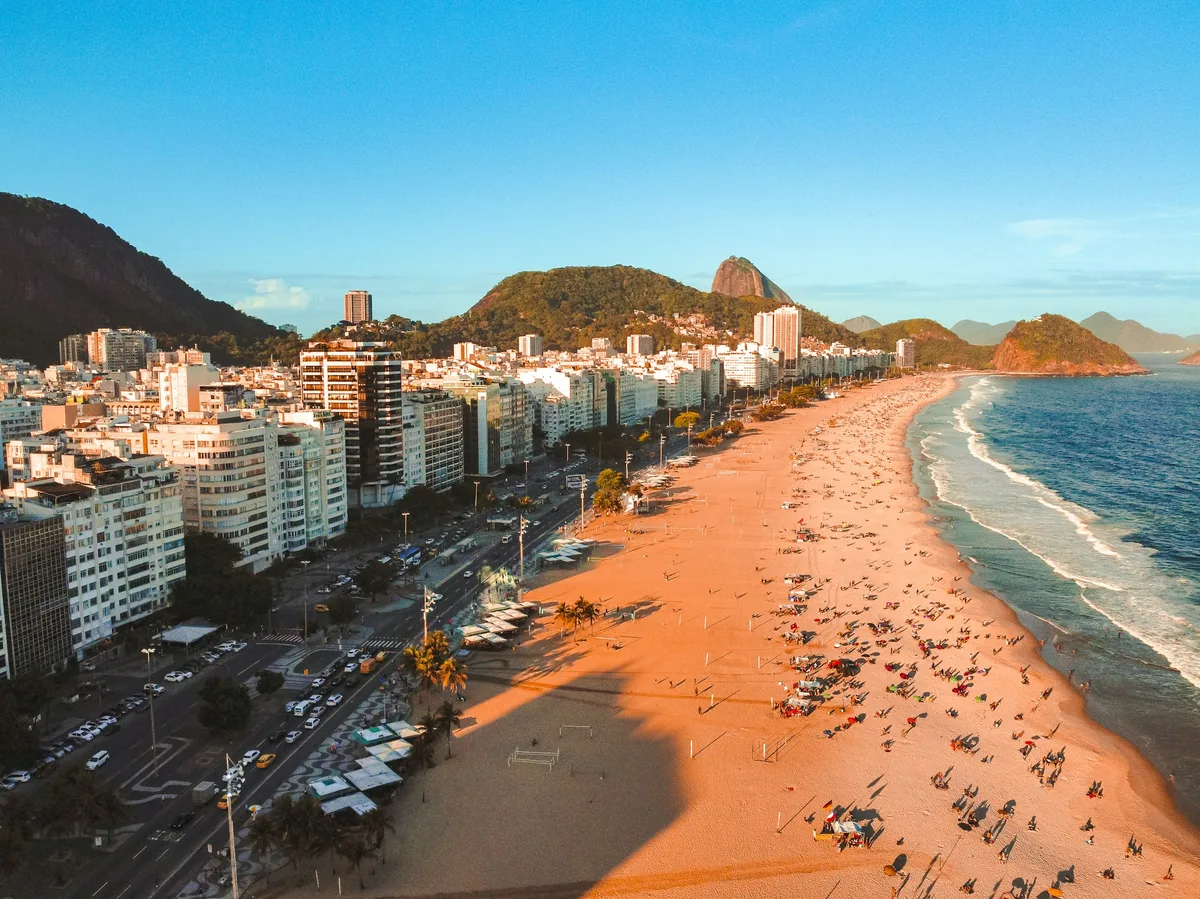 Copacabana & Ipanema Beaches
Brazil
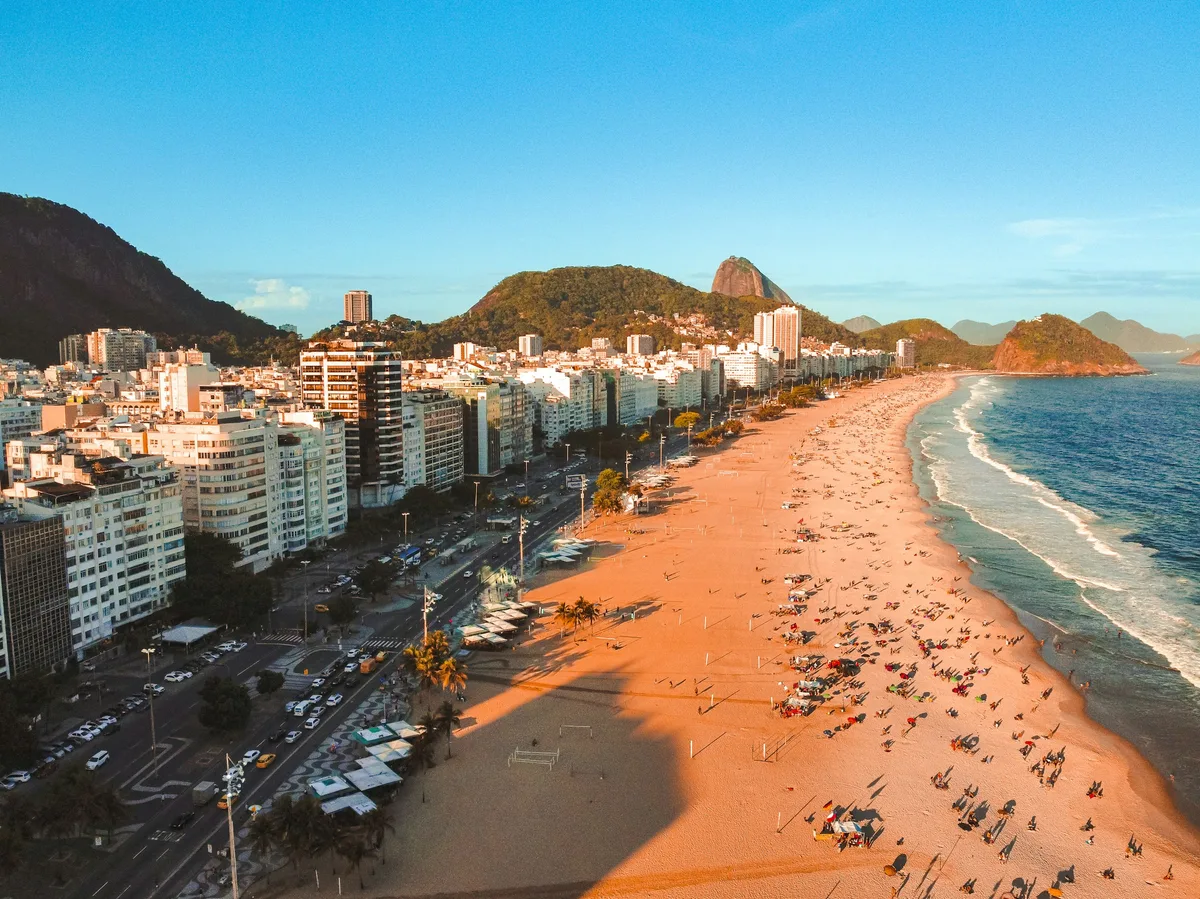
Rio's two most famous beaches, connected by a curving coastline of mountains and high-rises — Copacabana known for its wide promenade, Ipanema for its sunsets over the Dois Irmãos peaks.
5
Copacabana & Ipanema Beaches
Brazil
Rio's two most famous beaches, connected by a curving coastline of mountains and high-rises — Copacabana known for its wide promenade, Ipanema for its sunsets over the Dois Irmãos peaks.
5
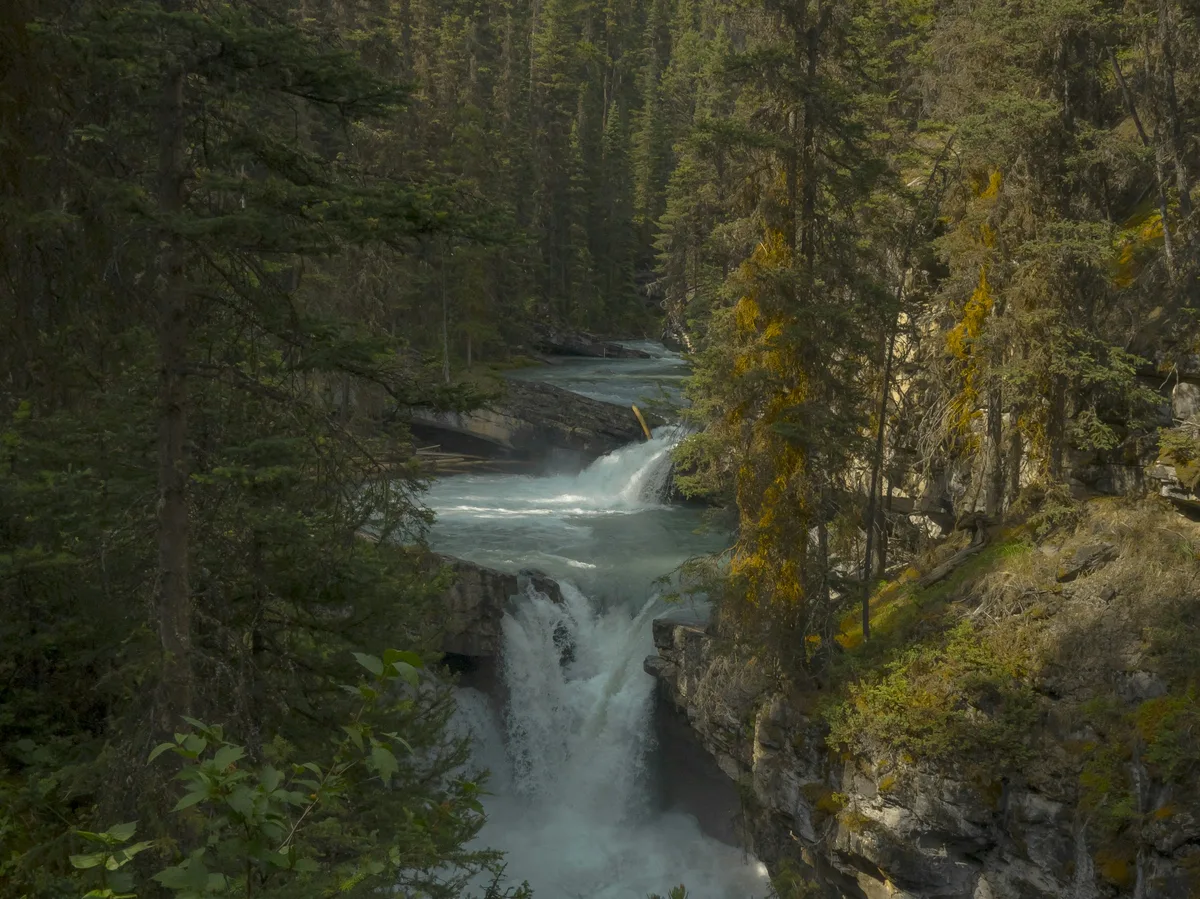 The Amazon Rainforest
Brazil
The world's largest tropical rainforest, reached from gateway cities like Manaus — home to the Rio Negro and Rio Solimões rivers, pink river dolphins, and an unmatched density of plant and animal species.
6
The Amazon Rainforest
Brazil
The world's largest tropical rainforest, reached from gateway cities like Manaus — home to the Rio Negro and Rio Solimões rivers, pink river dolphins, and an unmatched density of plant and animal species.
6
 The Pantanal Wetlands
Brazil
The world's largest tropical wetland, spread across Brazil's Mato Grosso states, known for wildlife-viewing densities that rival or exceed the Amazon, including capybara, caiman and jaguar.
7
The Pantanal Wetlands
Brazil
The world's largest tropical wetland, spread across Brazil's Mato Grosso states, known for wildlife-viewing densities that rival or exceed the Amazon, including capybara, caiman and jaguar.
7
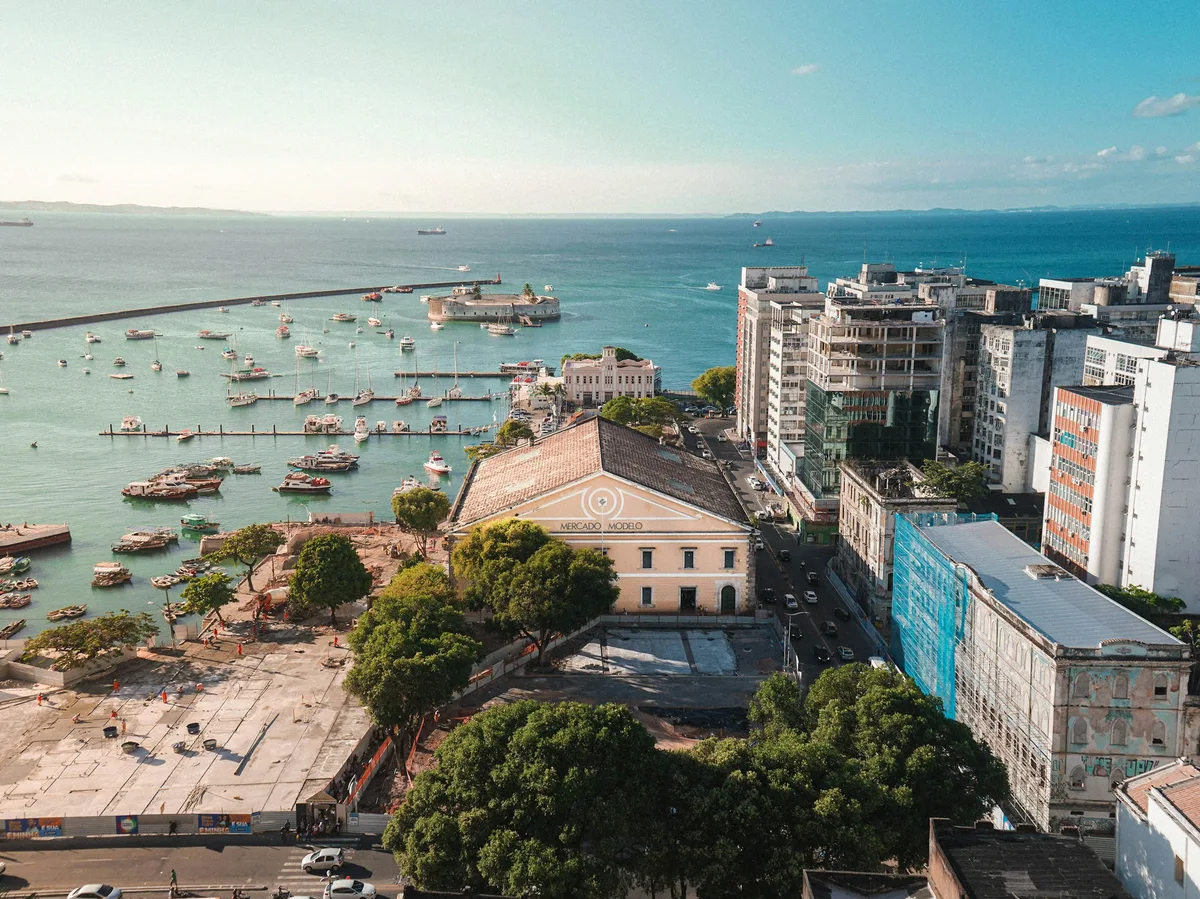
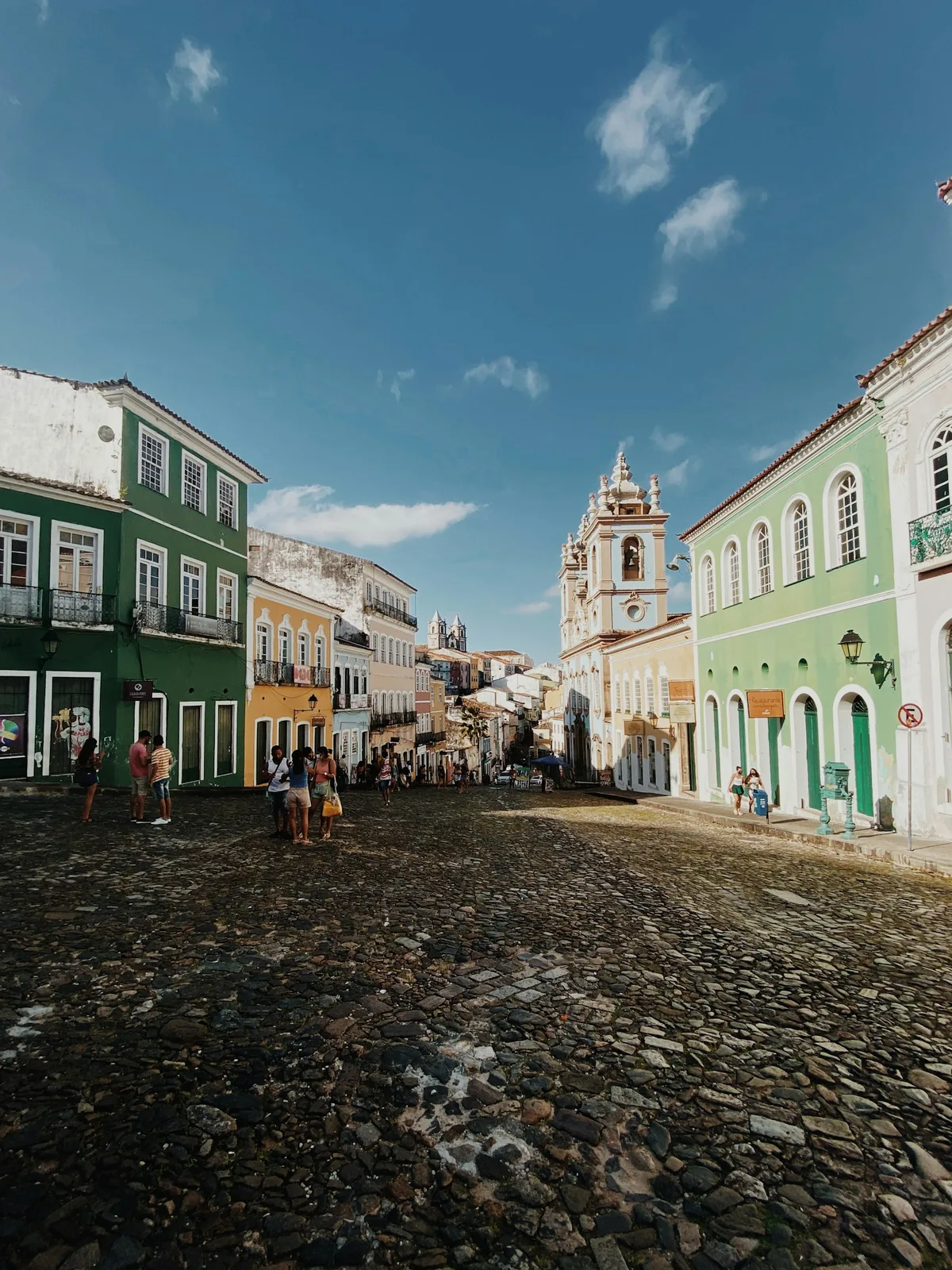 Salvador's Pelourinho
Brazil
The UNESCO-listed colonial core of Salvador da Bahia, a hillside grid of cobblestone streets and brightly painted colonial buildings that is the historic centre of Afro-Brazilian culture.
8
Salvador's Pelourinho
Brazil
The UNESCO-listed colonial core of Salvador da Bahia, a hillside grid of cobblestone streets and brightly painted colonial buildings that is the historic centre of Afro-Brazilian culture.
8
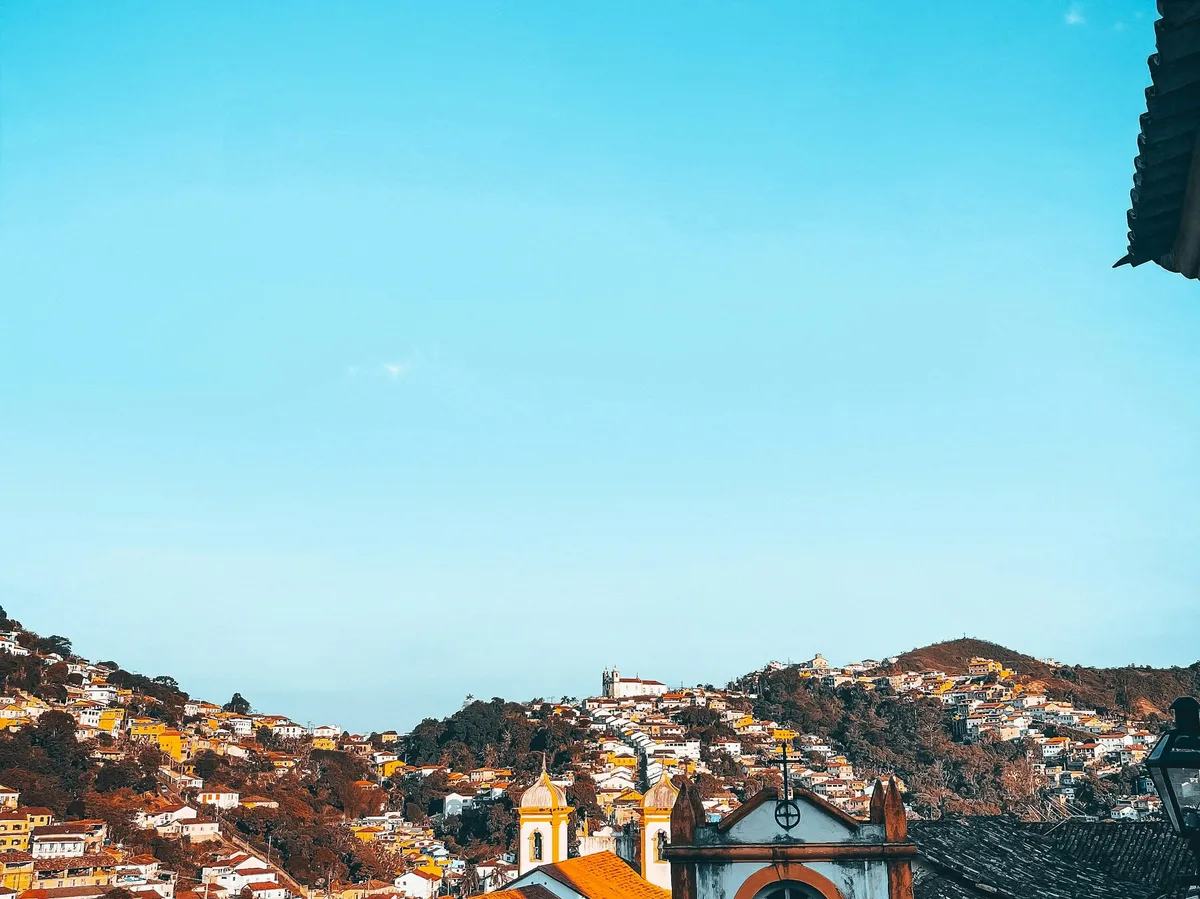
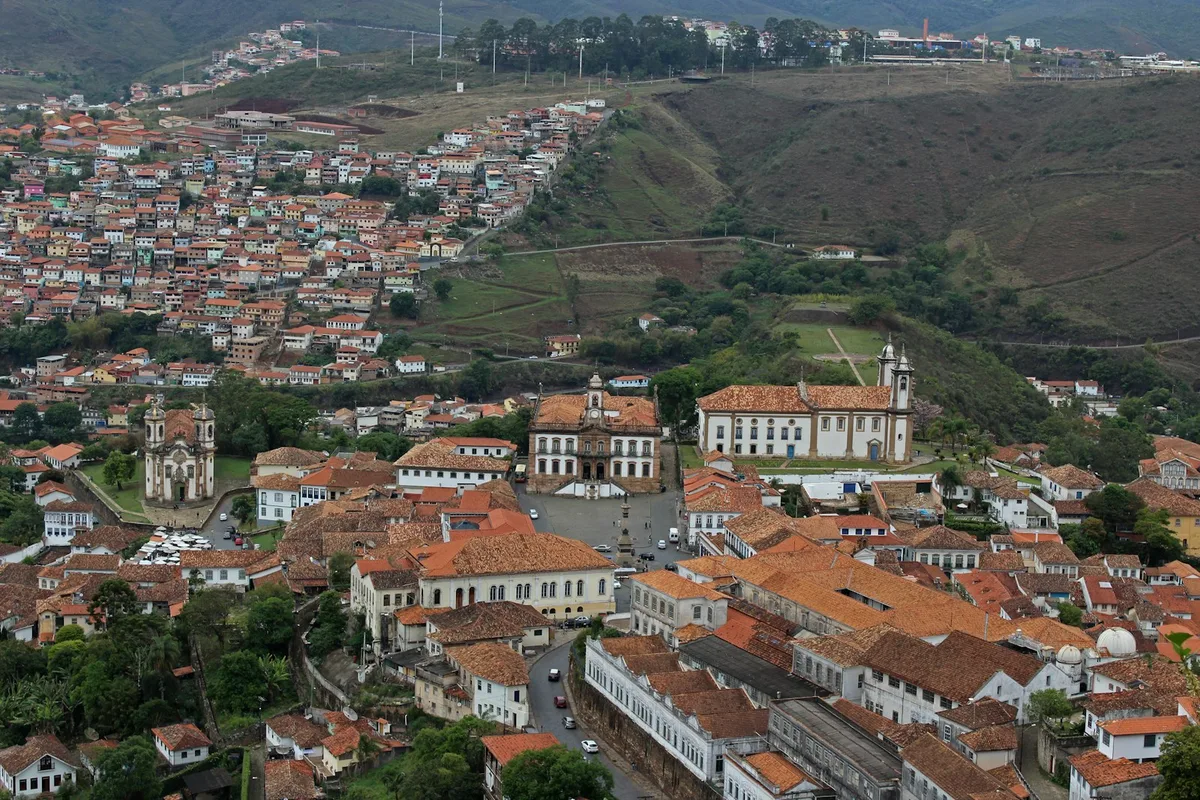 Ouro Preto
Brazil
A former gold-mining town in the mountains of Minas Gerais, its steep cobbled streets lined with baroque churches, many featuring the carved work of the sculptor Aleijadinho.
9
Ouro Preto
Brazil
A former gold-mining town in the mountains of Minas Gerais, its steep cobbled streets lined with baroque churches, many featuring the carved work of the sculptor Aleijadinho.
9
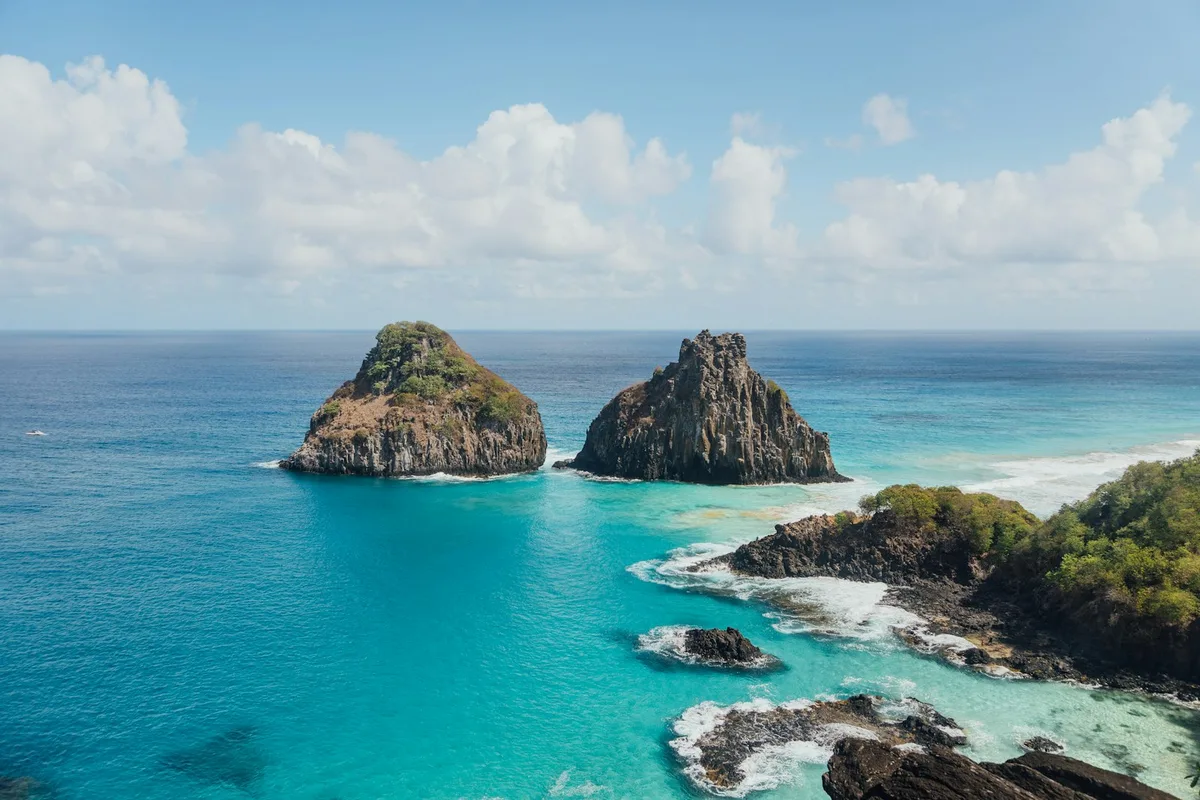 Fernando de Noronha
Brazil
A volcanic archipelago off Brazil's northeast coast with a strict visitor cap to protect its reefs and beaches, known for the twin-peaked Morro Dois Irmãos and resident spinner dolphin pods.
10
Fernando de Noronha
Brazil
A volcanic archipelago off Brazil's northeast coast with a strict visitor cap to protect its reefs and beaches, known for the twin-peaked Morro Dois Irmãos and resident spinner dolphin pods.
10
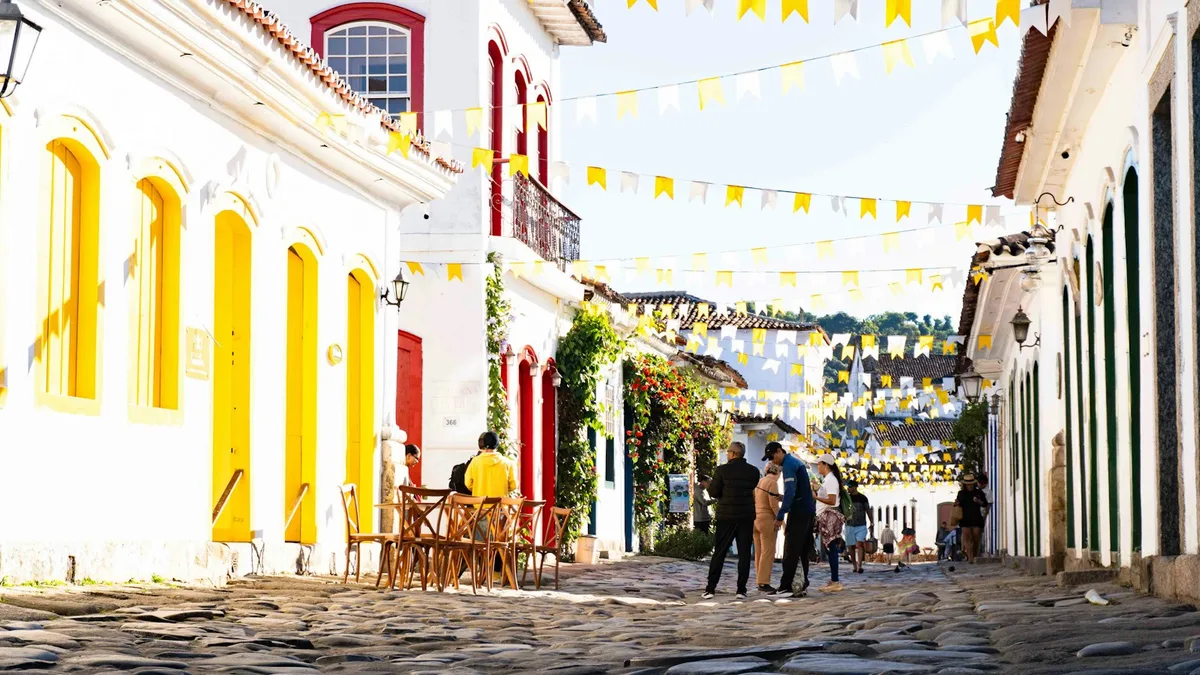 Paraty
Brazil
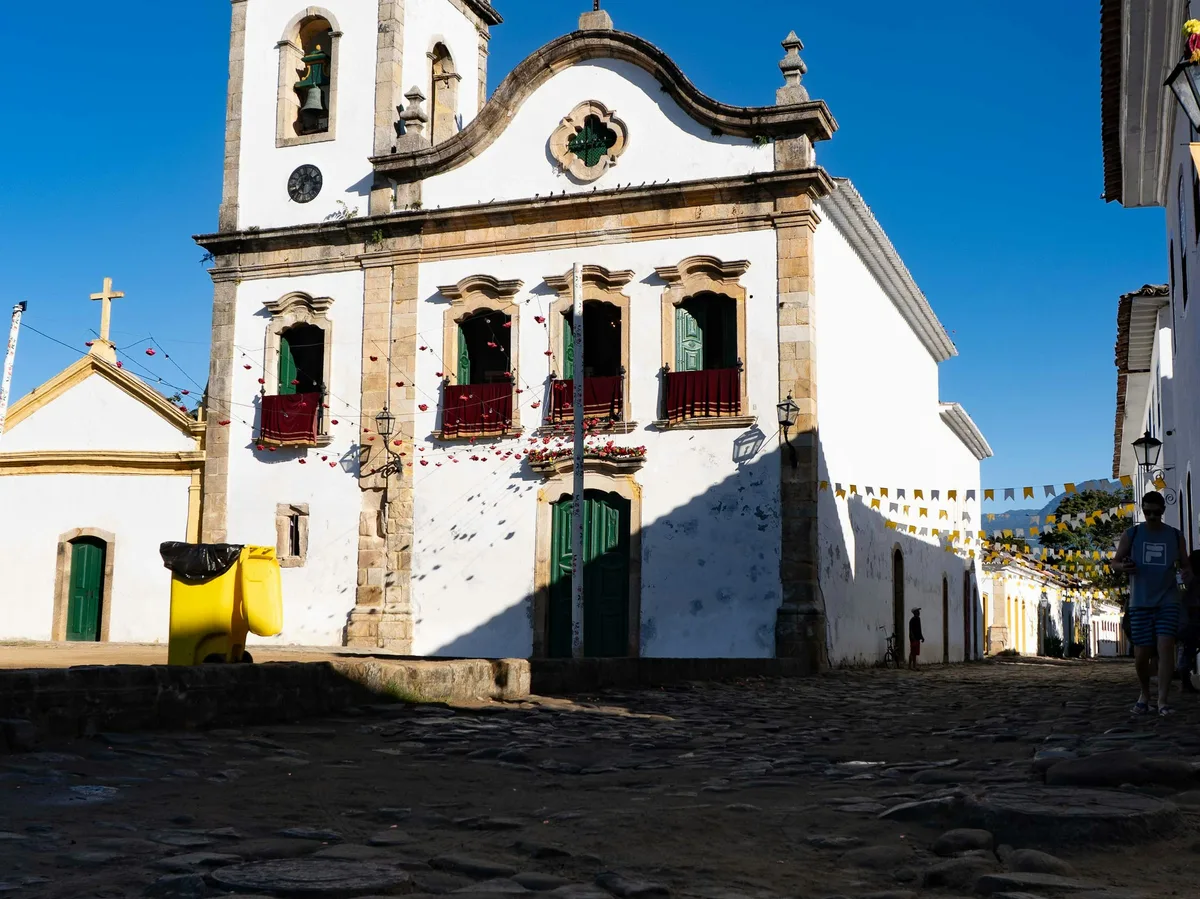
A preserved Portuguese colonial port town between Rio and São Paulo, its whitewashed, cobblestoned centre closed to cars and set against a backdrop of rainforest-covered mountains and a calm bay.
Multi-Day Tours
Paraty
Brazil
A preserved Portuguese colonial port town between Rio and São Paulo, its whitewashed, cobblestoned centre closed to cars and set against a backdrop of rainforest-covered mountains and a calm bay.
Multi-Day Tours
A two-country classic that pairs tango nights in Buenos Aires and the thunder of Iguazu Falls with a Rio de Janeiro finale — Argentina and Brazil in one private itinerary.
 Multi-Day Tours
Rio's icons, the Brazilian side of Iguazu Falls, and three nights deep in an Amazon lodge — a complete, entirely Brazil-based introduction to the country's headline sights.
 Multi-Day Tours
A single-city Rio stay built around one of the world's great New Year's Eve celebrations, with the city's landmark sights woven in around the countdown.
 Multi-Day Tours
A private-residence family trip pairing Rio's beaches and food culture with the slower, colonial charm of Paraty — space to relax between the sightseeing.
 Multi-Day Tours Popular Pick
Our best all-around introduction to Brazil — São Paulo, Iguazu Falls, Rio de Janeiro, and the coast at Paraty and Ilha Grande, all in a realistic ten days.
 Multi-Day Tours
Beyond the capital — the mountain trails of Serra dos Órgãos and the colonial coast at Paraty, alongside Rio's own city highlights.
 Multi-Day Tours
The colonial gold-rush towns of Ouro Preto and Tiradentes, then Rio and the coast at Paraty, on a route originally built for a rental car — run instead with your own private driver.
 Multi-Day Tours
A sweeping family itinerary from the Bahia coast to the Amazon jungle, Iguazu Falls, and Rio de Janeiro — a genuine tour of Brazil's four faces.
 Multi-Day Tours
Three different corners of the Brazilian Amazon — Manaus, Tefé, and Santarém — built around real community visits, conservation science, and riverside life.
May through September (Southern Hemisphere winter/dry season) is best for the Amazon and Pantanal, when trails are drier and wildlife easier to spot. Rio and the beaches are enjoyable nearly year-round but hottest and most crowded around Carnival (February-March) and New Year's Eve.
Rio de Janeiro and São Paulo are Brazil's main international gateways, with direct long-haul flights from North America and Europe; the Amazon and Pantanal are usually reached by a domestic connecting flight from one of these hubs.
Brazil is the largest country in South America, and its highlights — Rio, the Amazon, the Pantanal, Bahia, Minas Gerais — are often a flight apart, so multi-region trips combine domestic flights with private ground transport in each area.
Brazil uses the real (BRL). A 10% service charge is often already included in restaurant bills; if not, tipping around 10% is standard. Cards are widely accepted in cities, though cash is useful in the Amazon and Pantanal.
Portuguese is Brazil's official language, not Spanish — worth knowing, since English is less consistently spoken outside major tourist areas than in some neighboring Spanish-speaking countries.
Brazil's major tourist areas are generally safe for visitors who take standard precautions, though petty theft is a real concern in crowded areas of large cities like Rio — sticking to well-trafficked areas and avoiding displaying valuables is standard local advice.
Tell us your group size and dates — we'll take care of the rest.