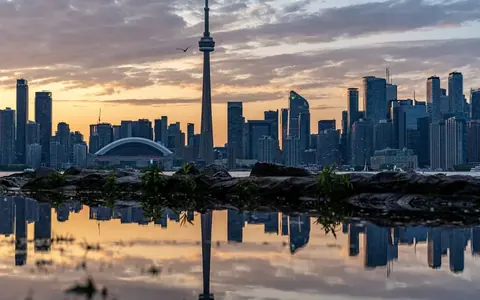
 TorontoOntario · 17 tours
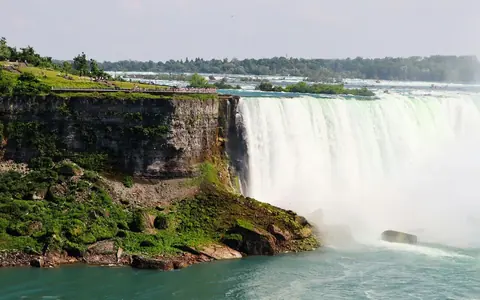 Niagara FallsOntario · 17 tours
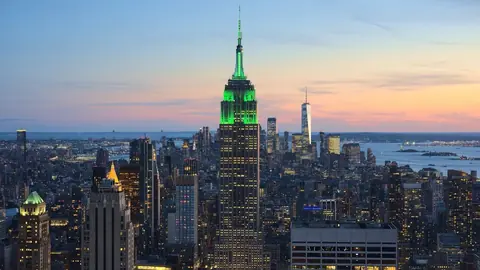 New York CityNew York · 8 tours
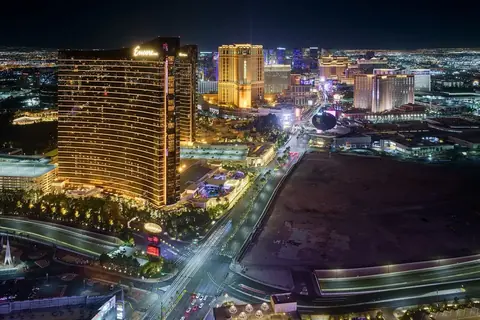 Las VegasNevada · 8 tours
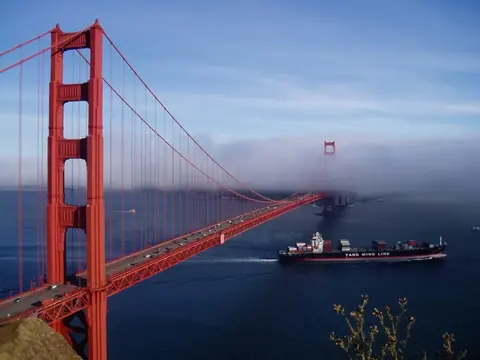 San FranciscoCalifornia · 16 tours
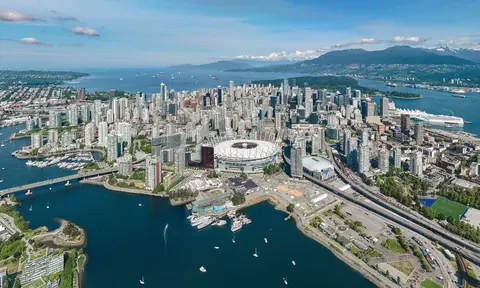 VancouverBritish Columbia · 17 tours
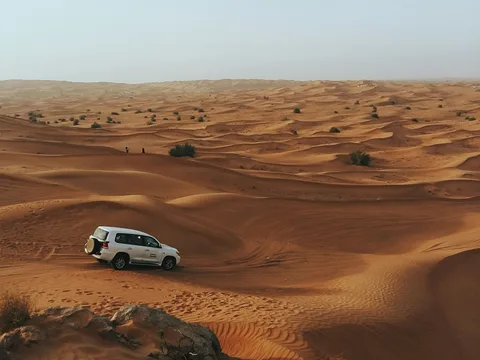 DubaiUAE · 44 tours
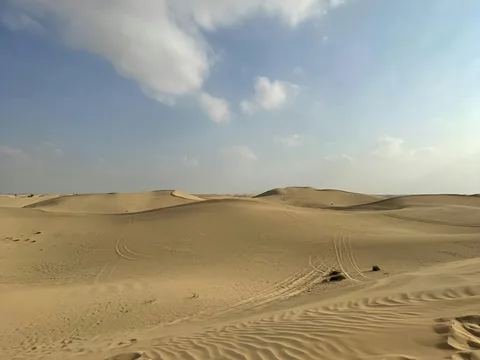 Abu DhabiUAE · 5 tours
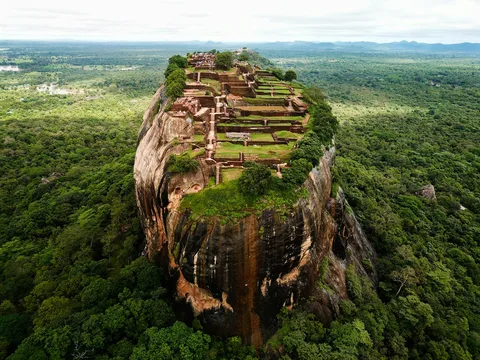 Sri LankaSri Lanka · 16 tours
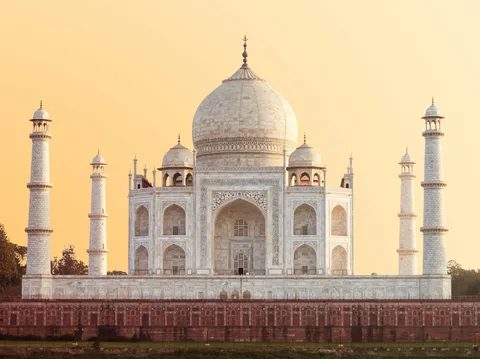 IndiaIndia · 13 tours
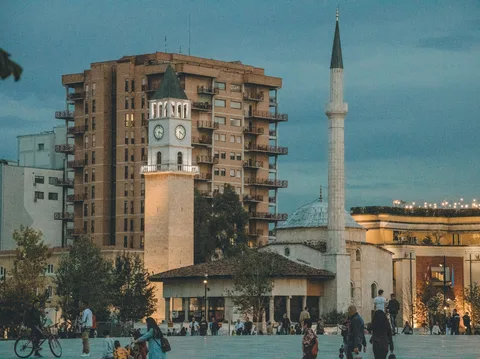 AlbaniaAlbania · 10 tours
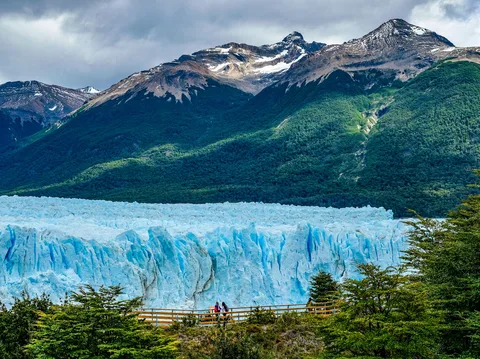 ArgentinaArgentina · 8 tours
No destinations match “”.
Voyzo runs 7 private tours across 1 destination in Egypt, covering 10 attractions — each with your own guide, driver, and vehicle, and an itinerary built around your group rather than a fixed bus schedule.
Egypt sits at the northeastern corner of Africa, with the Sinai Peninsula extending into Asia, making it one of the few transcontinental countries in the world. Around 95% of the country is desert, and nearly all of its population is concentrated in the Nile Valley and Delta, which together make up only a small fraction of the country's total land area — a concentration that has held since the pharaohs, and one reason the Nile still feels like the country's central nervous system rather than just a river.
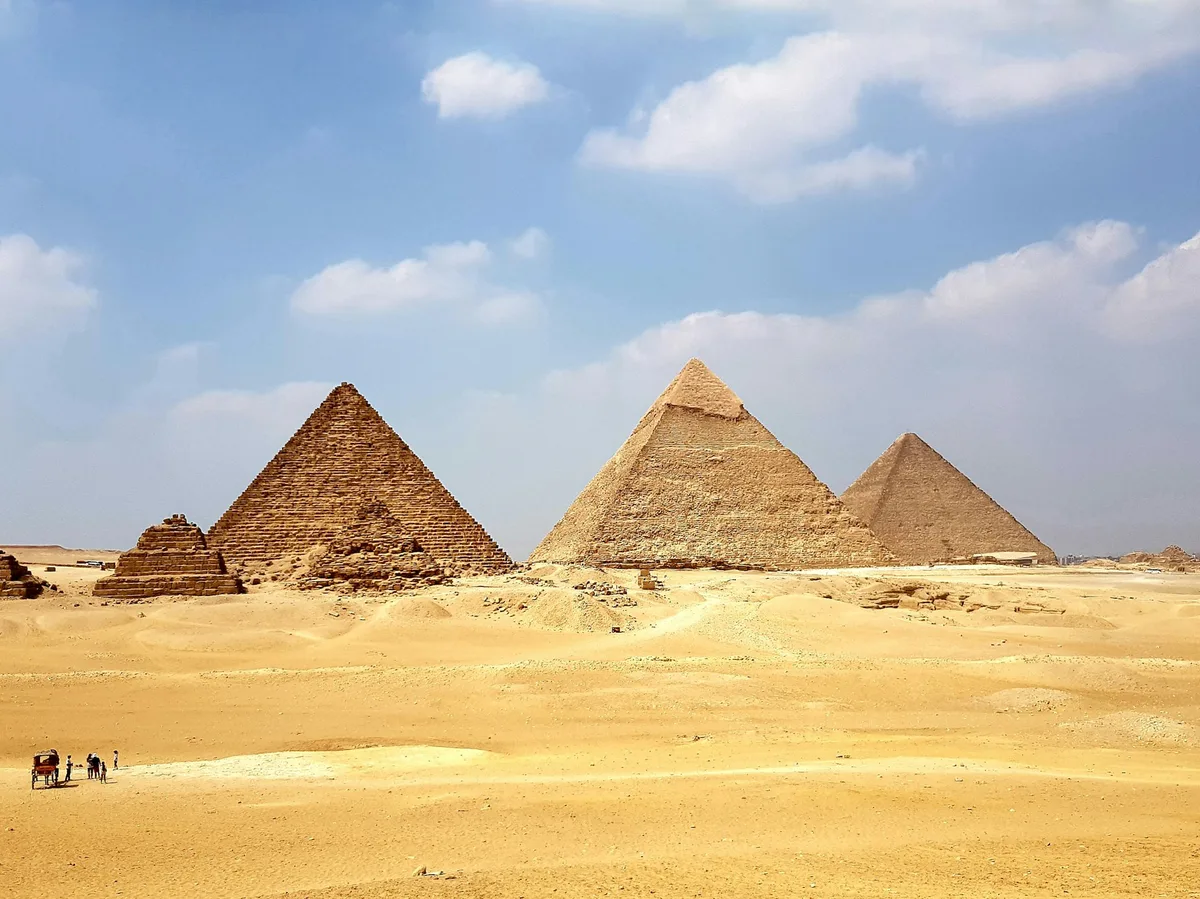
The Pyramids of Giza and the Great Sphinx, still standing at the edge of Cairo, are around 4,500 years old, and the temple complexes at Luxor, Karnak, and Abu Simbel line a stretch of the Nile that pharaohs sailed more than three millennia ago. Modern Cairo, home to more than 20 million people in its greater metropolitan area, layers Islamic-era mosques and medieval markets over this ancient backdrop, while the Suez Canal — opened in 1869 and linking the Mediterranean to the Red Sea — remains one of the world's most important shipping routes.
Voyzo runs private, driver-led trips across Egypt shaped around what you actually want to see, from compact Cairo-and-Luxor introductions to two-week routes pairing a genuine Nile cruise with Red Sea beach time or the Western Desert oases of Siwa and Bahariya.
The real stops Voyzo's own itineraries are built around — tap any attraction to learn more.
 Pyramids of Giza & the Great Sphinx
Egypt
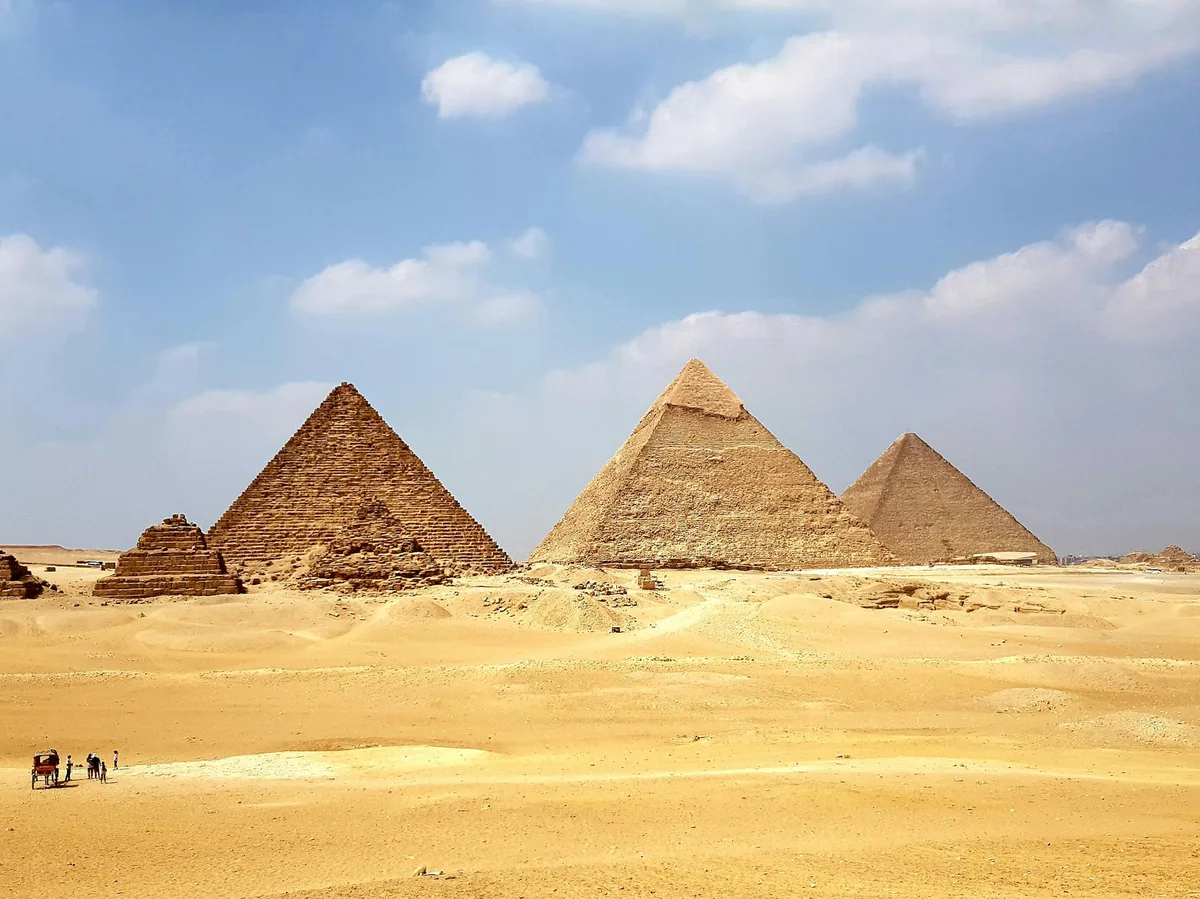
The last surviving wonder of the ancient world — the Pyramids of Khufu, Khafre, and Menkaure stand on the Giza Plateau alongside the Great Sphinx, on the edge of modern Cairo.
2
Pyramids of Giza & the Great Sphinx
Egypt
The last surviving wonder of the ancient world — the Pyramids of Khufu, Khafre, and Menkaure stand on the Giza Plateau alongside the Great Sphinx, on the edge of modern Cairo.
2
 The Egyptian Museum, Cairo
Egypt
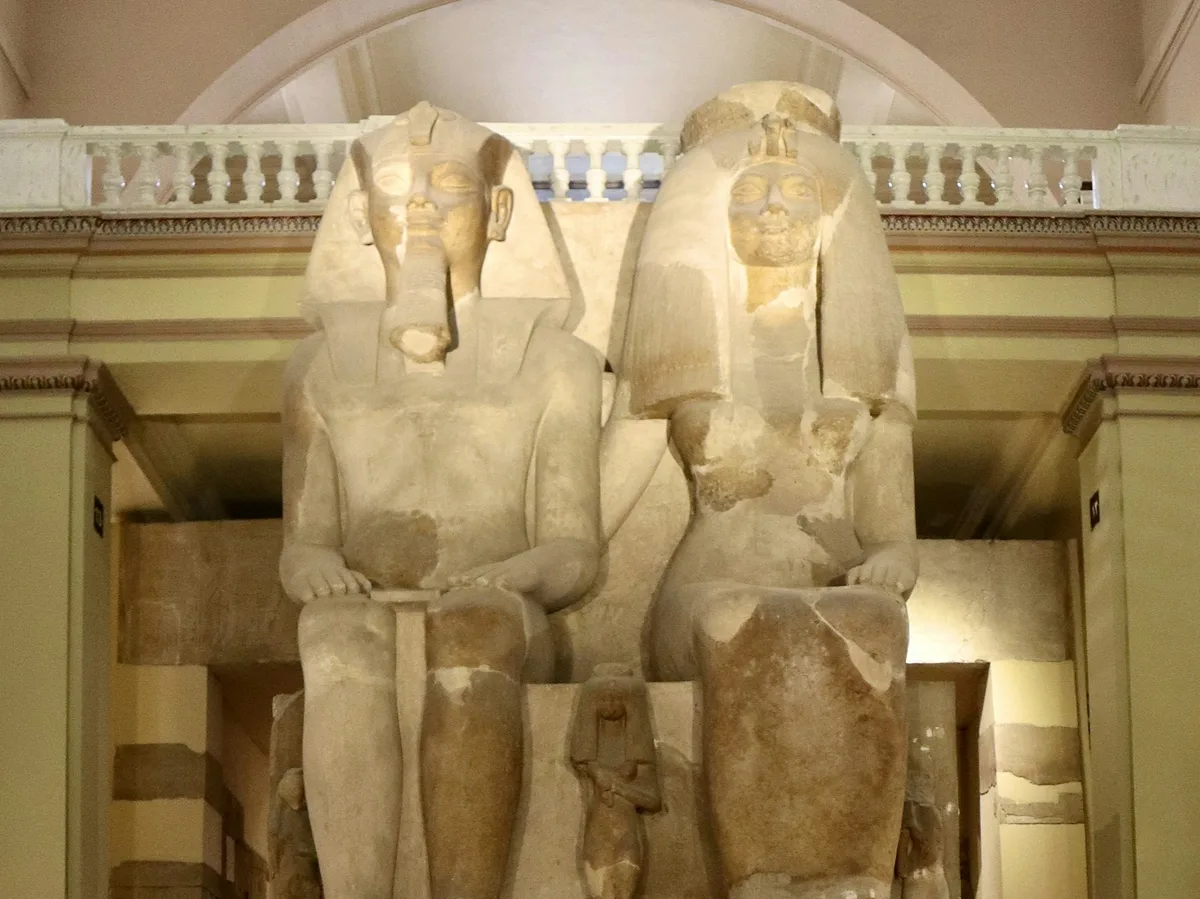
Home to one of the world's largest collections of Pharaonic antiquities, including treasures from Tutankhamun's tomb, in a landmark pink building in downtown Cairo.
3
The Egyptian Museum, Cairo
Egypt
Home to one of the world's largest collections of Pharaonic antiquities, including treasures from Tutankhamun's tomb, in a landmark pink building in downtown Cairo.
3
 Karnak Temple, Luxor
Egypt
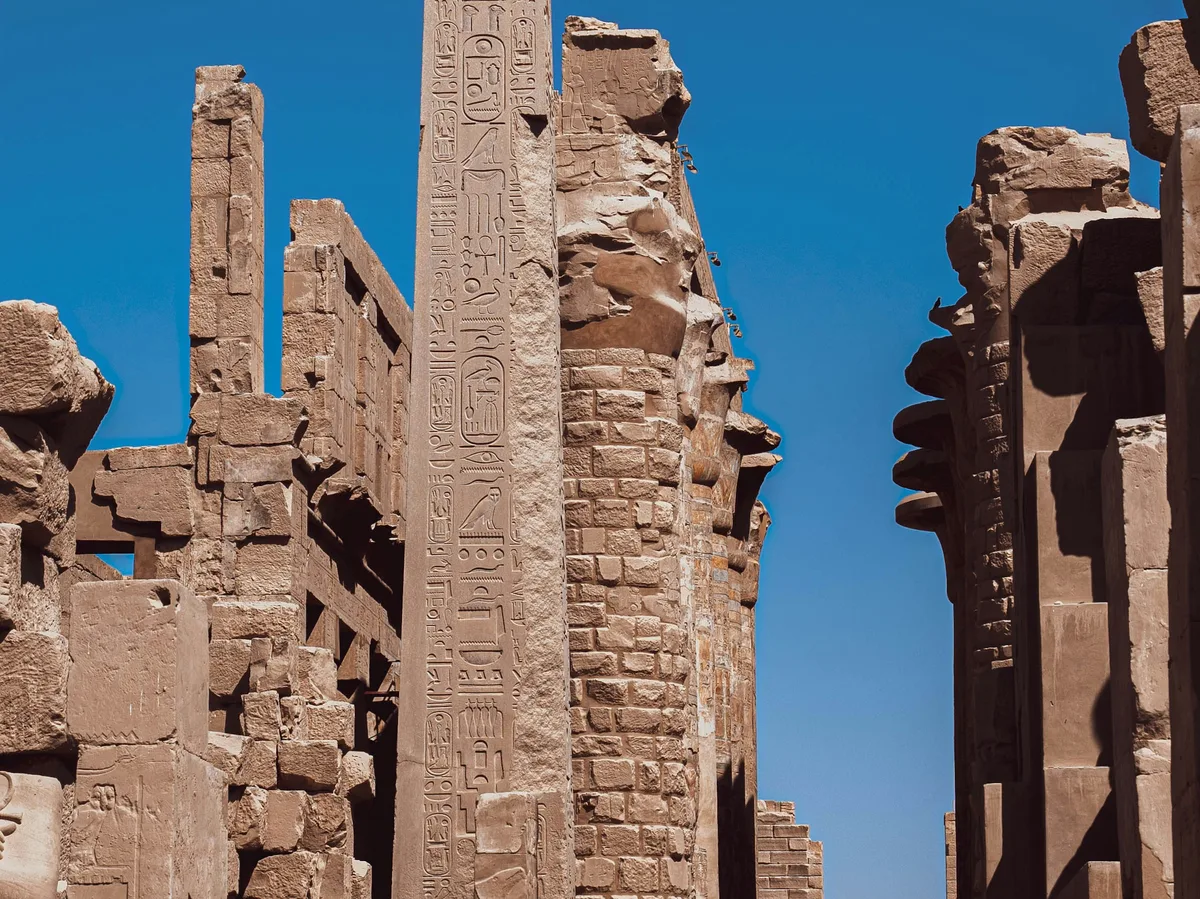
The largest religious complex ever built in ancient Egypt, with a vast hypostyle hall of towering columns dedicated to the god Amun-Ra, built up over some 2,000 years.
4
Karnak Temple, Luxor
Egypt
The largest religious complex ever built in ancient Egypt, with a vast hypostyle hall of towering columns dedicated to the god Amun-Ra, built up over some 2,000 years.
4
 Valley of the Kings
Egypt
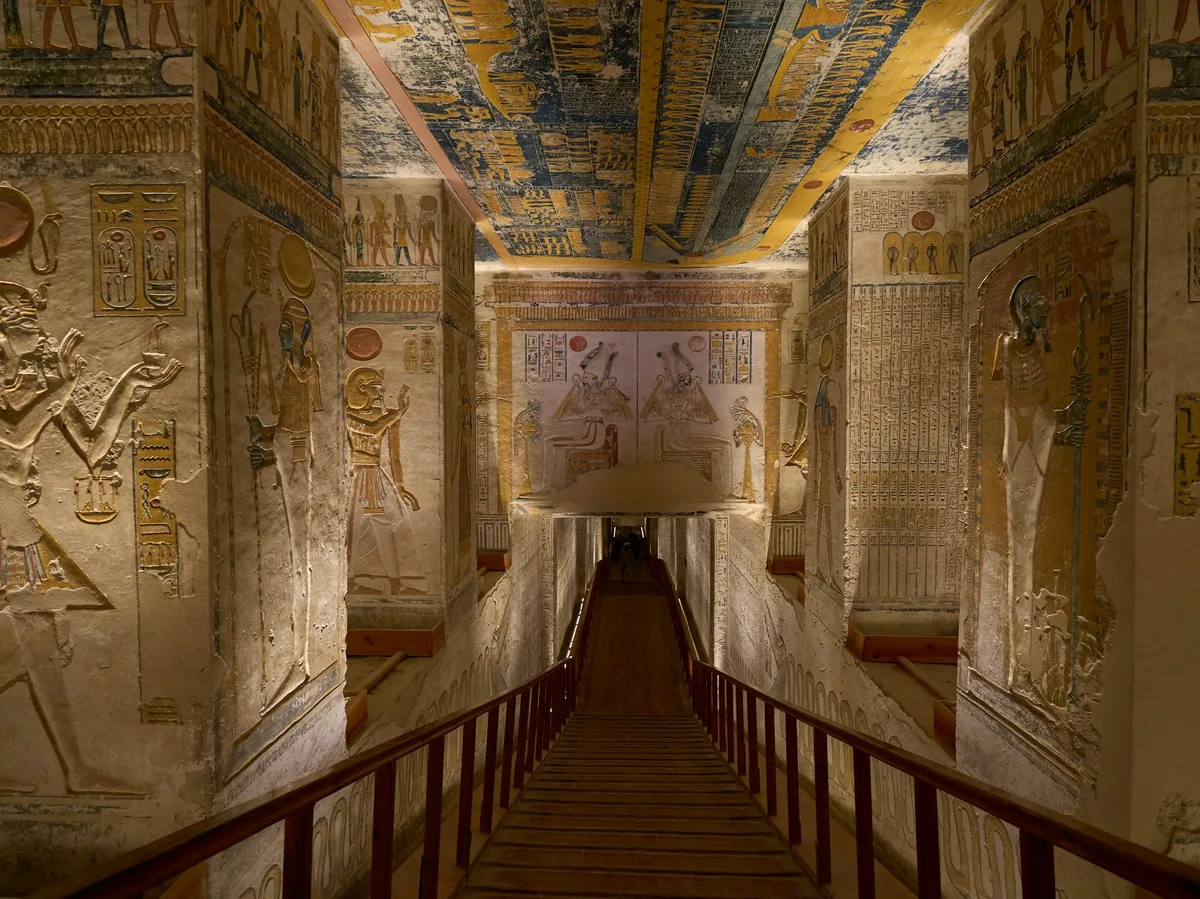
The royal burial ground of Egypt's New Kingdom pharaohs on Luxor's West Bank, including the tomb of Tutankhamun, with elaborately painted chambers carved deep into the rock.
5
Valley of the Kings
Egypt
The royal burial ground of Egypt's New Kingdom pharaohs on Luxor's West Bank, including the tomb of Tutankhamun, with elaborately painted chambers carved deep into the rock.
5
 Abu Simbel Temples
Egypt
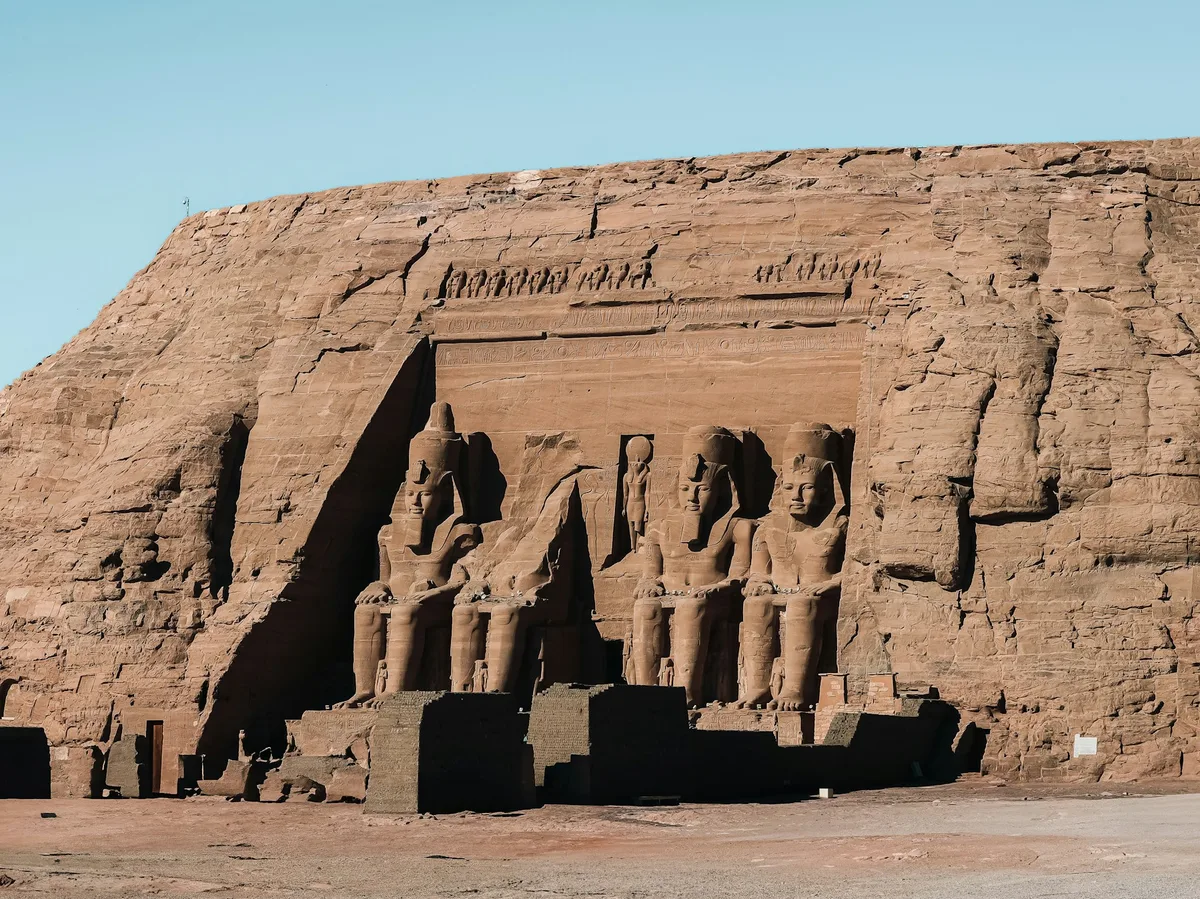
Two colossal rock-cut temples built by Ramses II near Egypt's border with Sudan, famously relocated in the 1960s to save them from the rising waters of Lake Nasser.
6
Abu Simbel Temples
Egypt
Two colossal rock-cut temples built by Ramses II near Egypt's border with Sudan, famously relocated in the 1960s to save them from the rising waters of Lake Nasser.
6
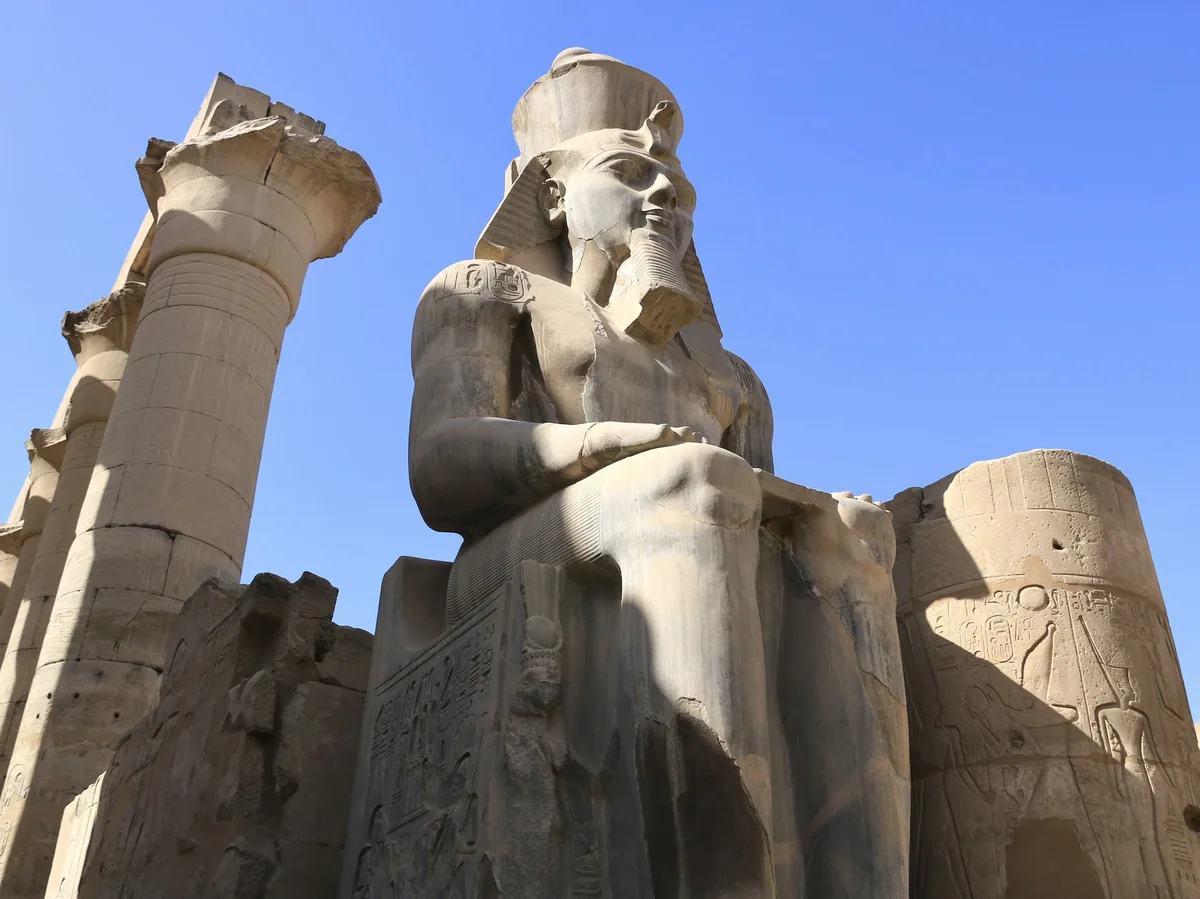
 Luxor Temple
Egypt
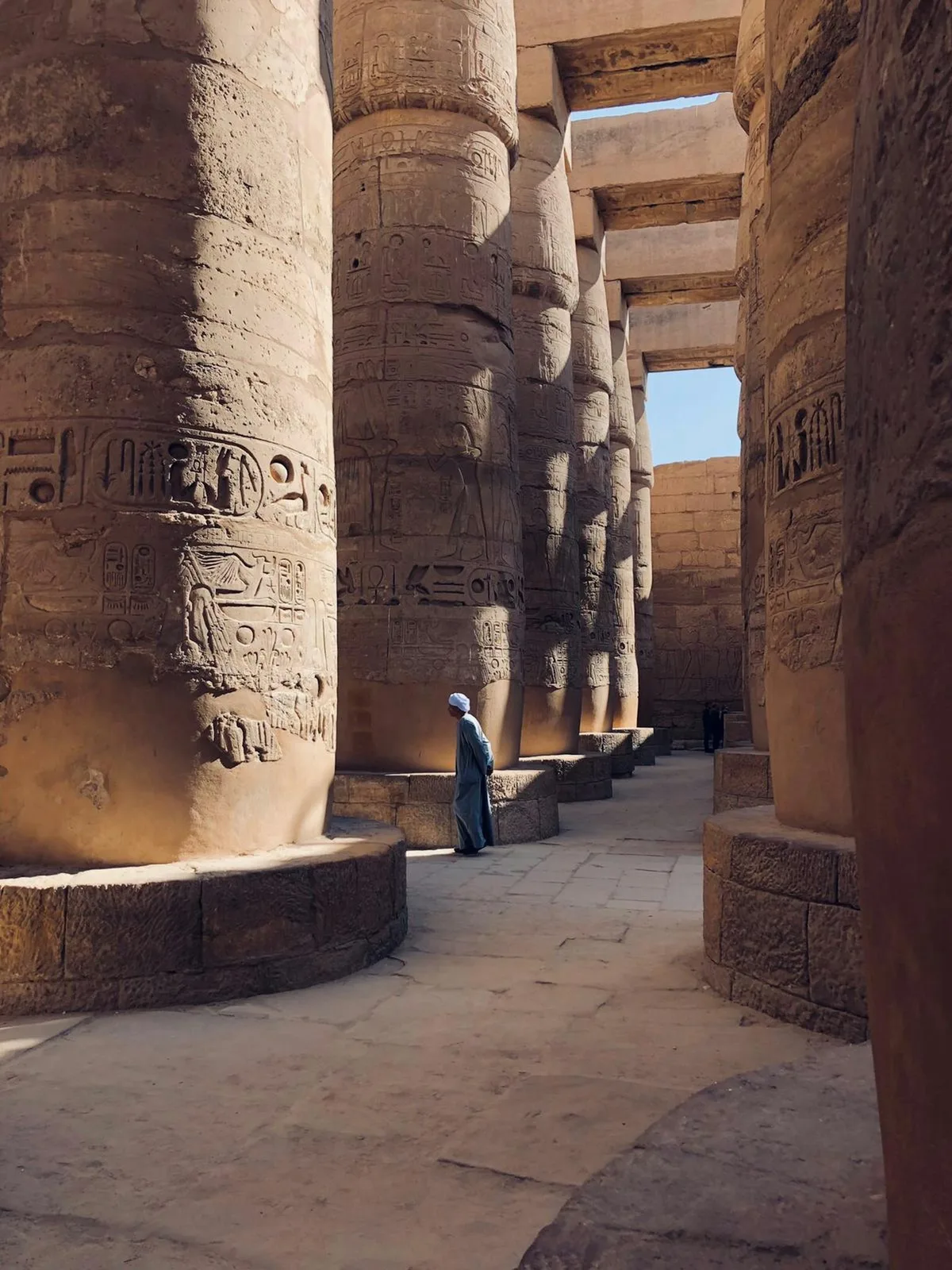
A large Ancient Egyptian temple complex on the east bank of the Nile in Luxor, built primarily by Amenhotep III and Ramesses II, with a colonnade and pylon that remain largely intact and are illuminated at night.
7
Luxor Temple
Egypt
A large Ancient Egyptian temple complex on the east bank of the Nile in Luxor, built primarily by Amenhotep III and Ramesses II, with a colonnade and pylon that remain largely intact and are illuminated at night.
7
 Philae Temple
Egypt
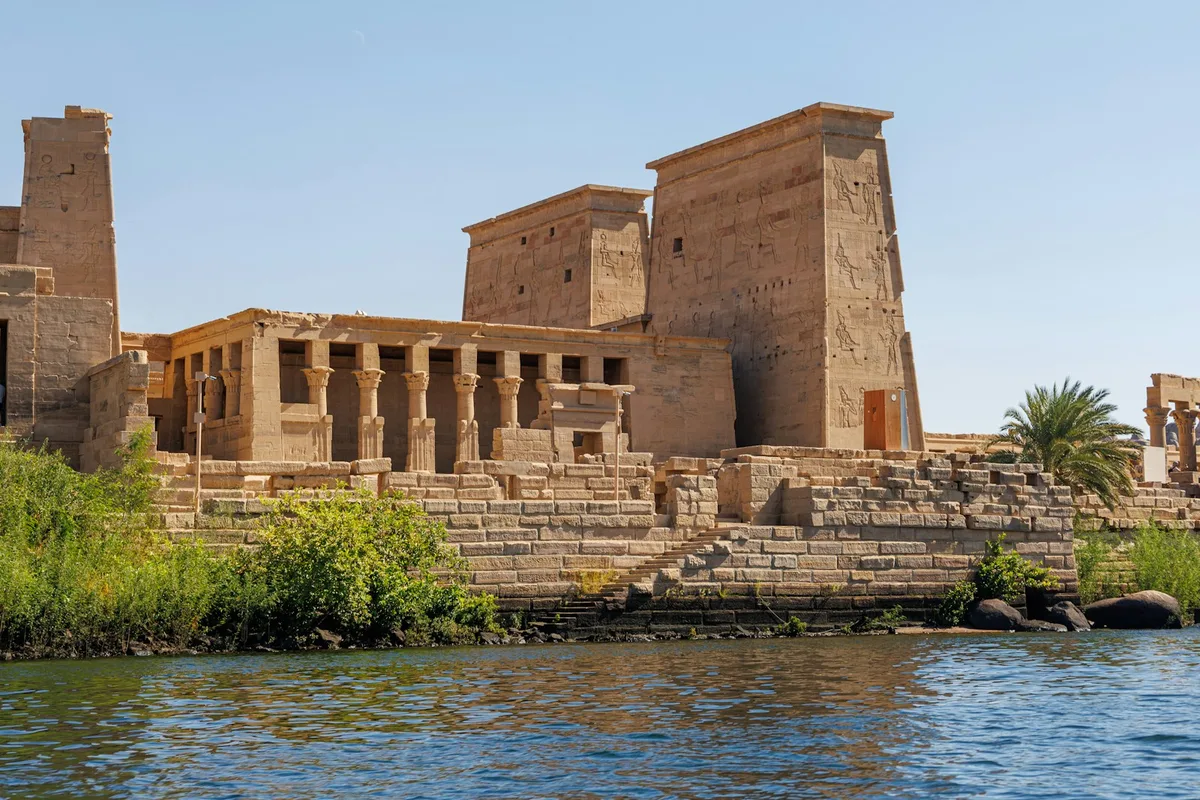
A temple complex dedicated to the goddess Isis, relocated block by block to Agilkia Island near Aswan in the 1970s to save it from flooding after the Aswan High Dam was built.
8
Philae Temple
Egypt
A temple complex dedicated to the goddess Isis, relocated block by block to Agilkia Island near Aswan in the 1970s to save it from flooding after the Aswan High Dam was built.
8
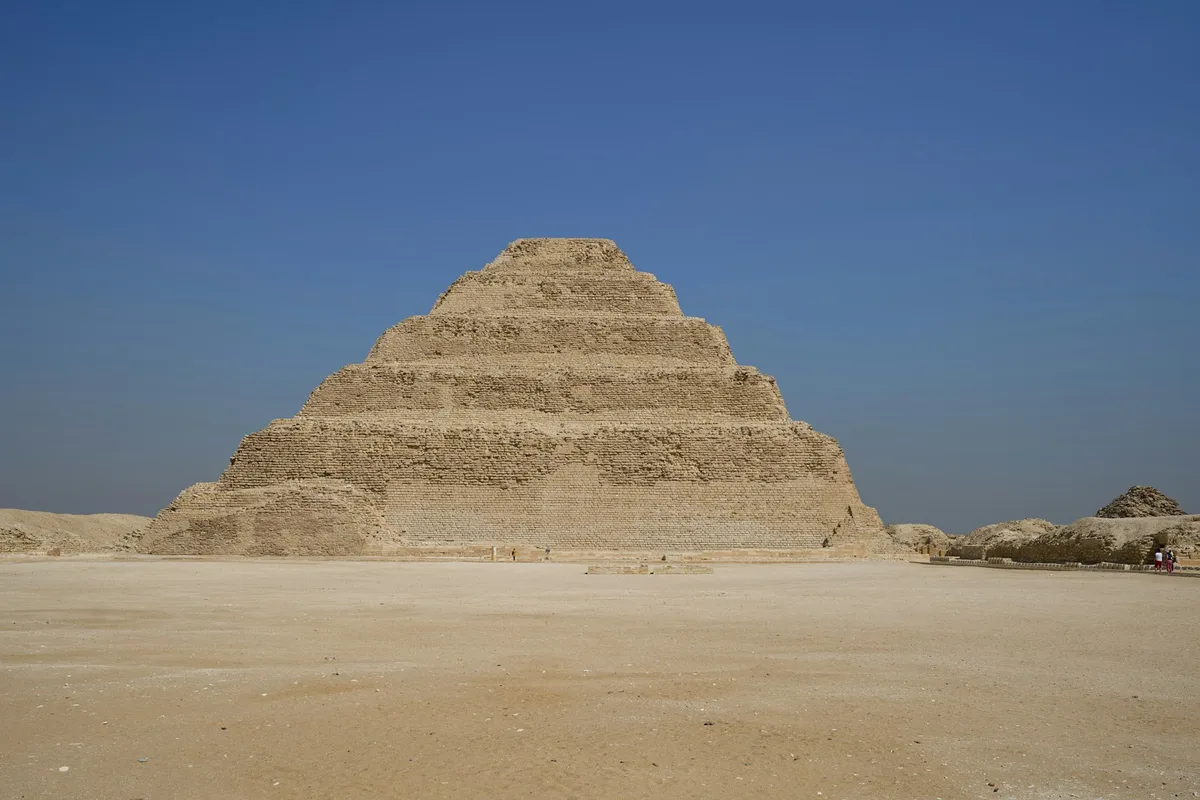 Saqqara Step Pyramid
Egypt
The Step Pyramid of Djoser at Saqqara, built around 2670 BC as Egypt's earliest large stone monument and the predecessor to the smooth-sided pyramids of Giza.
9
Saqqara Step Pyramid
Egypt
The Step Pyramid of Djoser at Saqqara, built around 2670 BC as Egypt's earliest large stone monument and the predecessor to the smooth-sided pyramids of Giza.
9
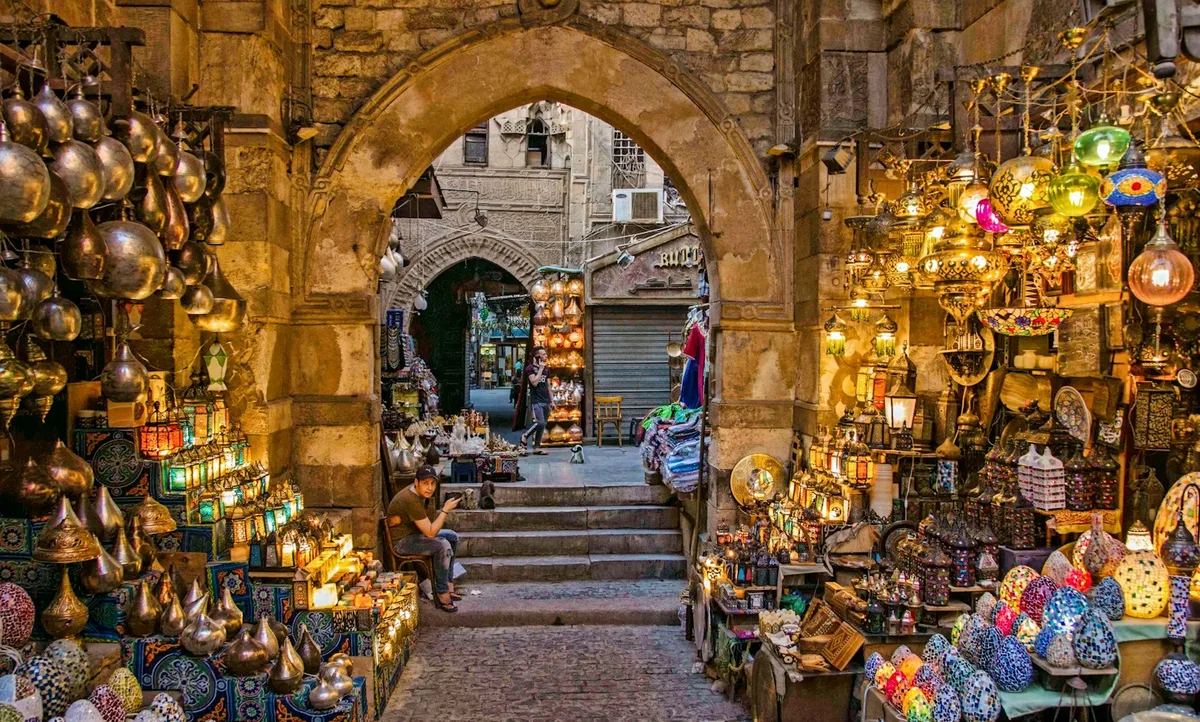 Khan el-Khalili Bazaar
Egypt
A centuries-old market in Islamic Cairo, dating to the 14th century, with narrow lanes of stalls selling spices, jewelry, brassware, and souvenirs around the al-Hussein Mosque.
10
Khan el-Khalili Bazaar
Egypt
A centuries-old market in Islamic Cairo, dating to the 14th century, with narrow lanes of stalls selling spices, jewelry, brassware, and souvenirs around the al-Hussein Mosque.
10
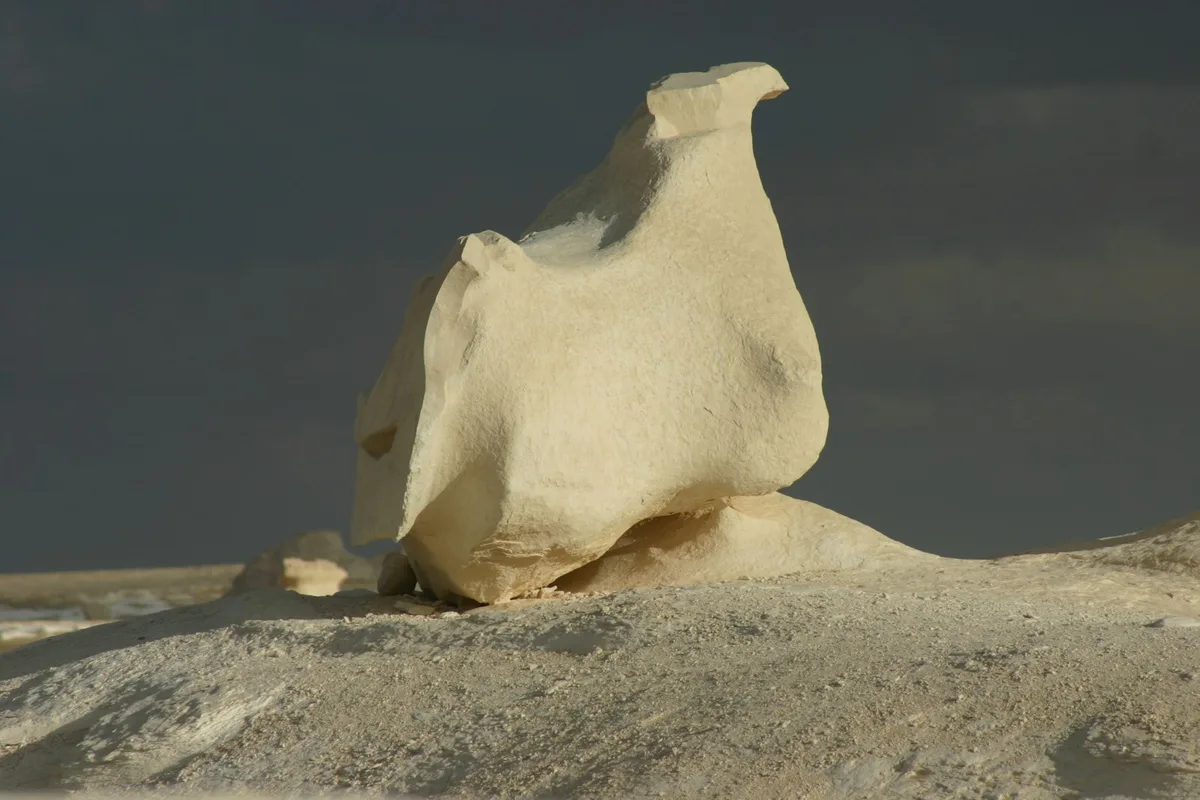 White Desert National Park
Egypt
A protected desert landscape near the Farafra and Bahariya oases where wind-carved chalk-white rock formations rise from the sand, a highlight of Egypt's Western Desert.
Multi-Day Tours Popular Pick
White Desert National Park
Egypt
A protected desert landscape near the Farafra and Bahariya oases where wind-carved chalk-white rock formations rise from the sand, a highlight of Egypt's Western Desert.
Multi-Day Tours Popular Pick
Ten days through Egypt's greatest hits — the Giza Plateau, a Luxor-to-Aswan Nile cruise, Abu Simbel, and Cairo's museums — with a private guide and driver throughout.
 Multi-Day Tours
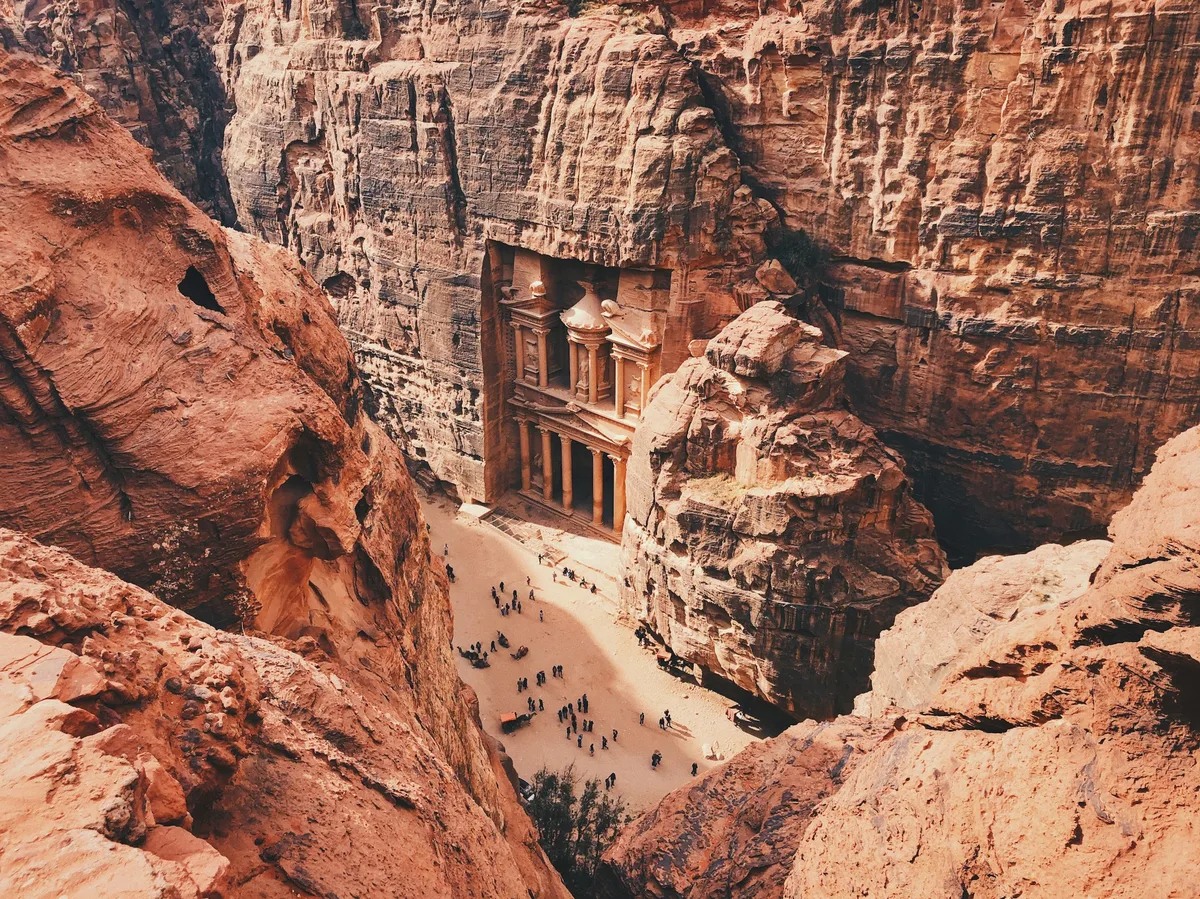
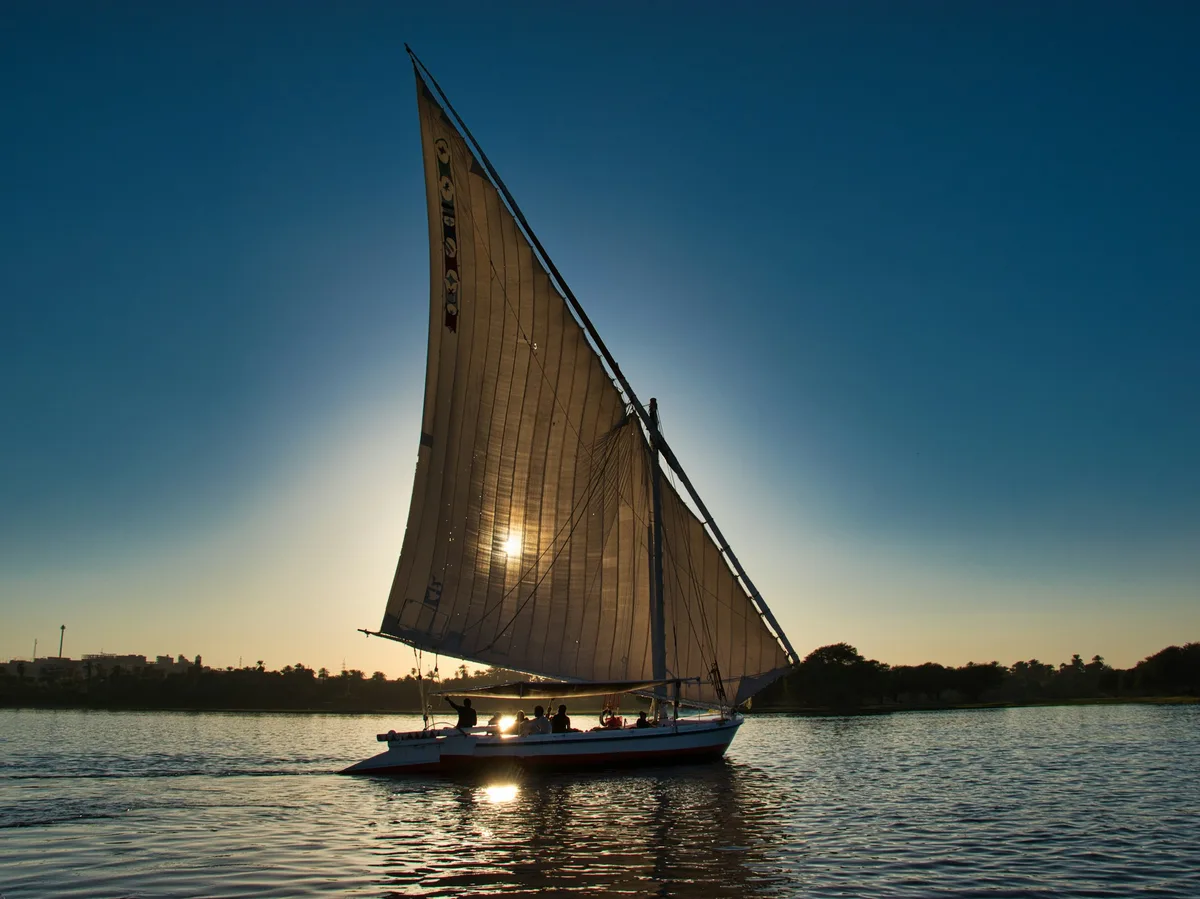
A two-country adventure that opens with Cairo, Luxor, and a Nile cruise to Aswan, then continues overland into Jordan to Petra, Wadi Rum, and the Dead Sea.
 Multi-Day Tours
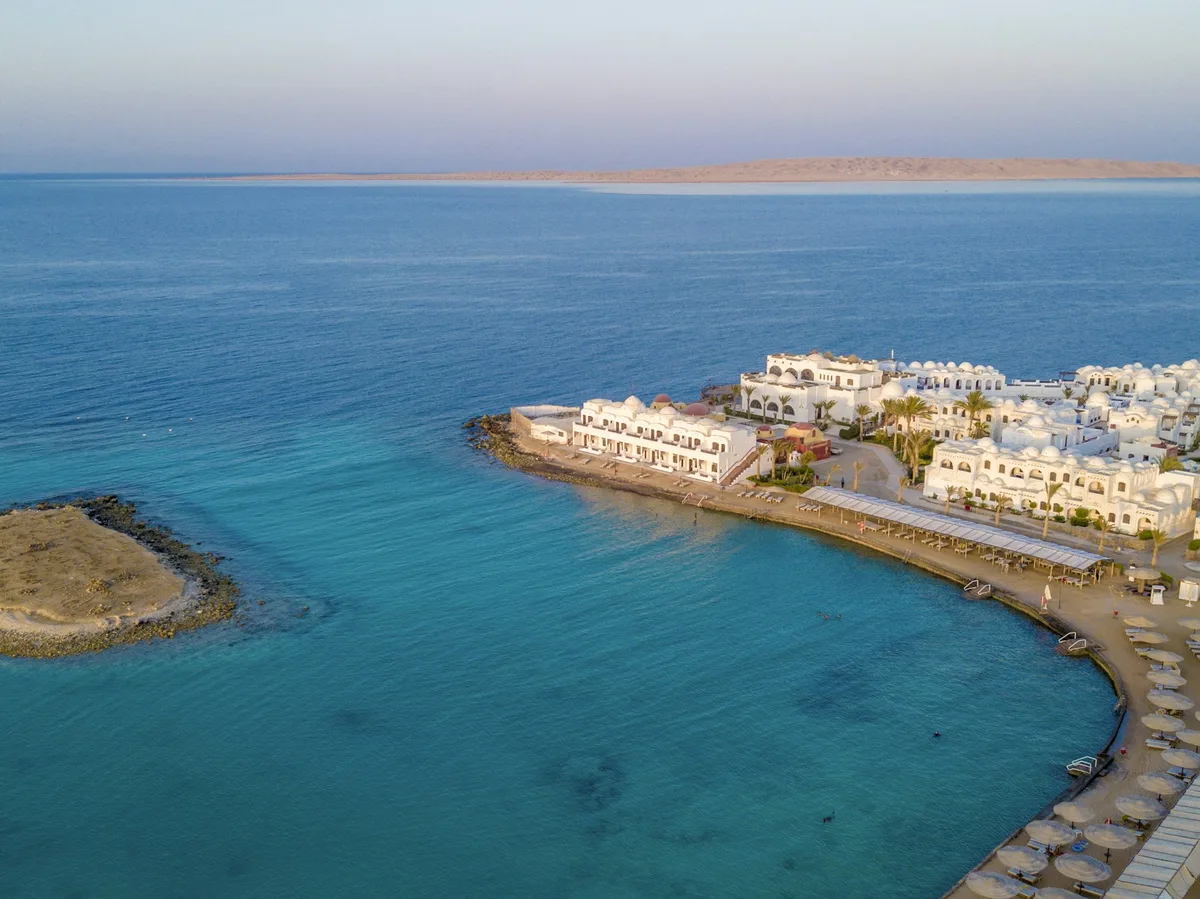
Two weeks combining Cairo's ancient sites, a Nile cruise from Aswan to Luxor, and four unhurried days on the Red Sea coast at Hurghada.
 Multi-Day Tours
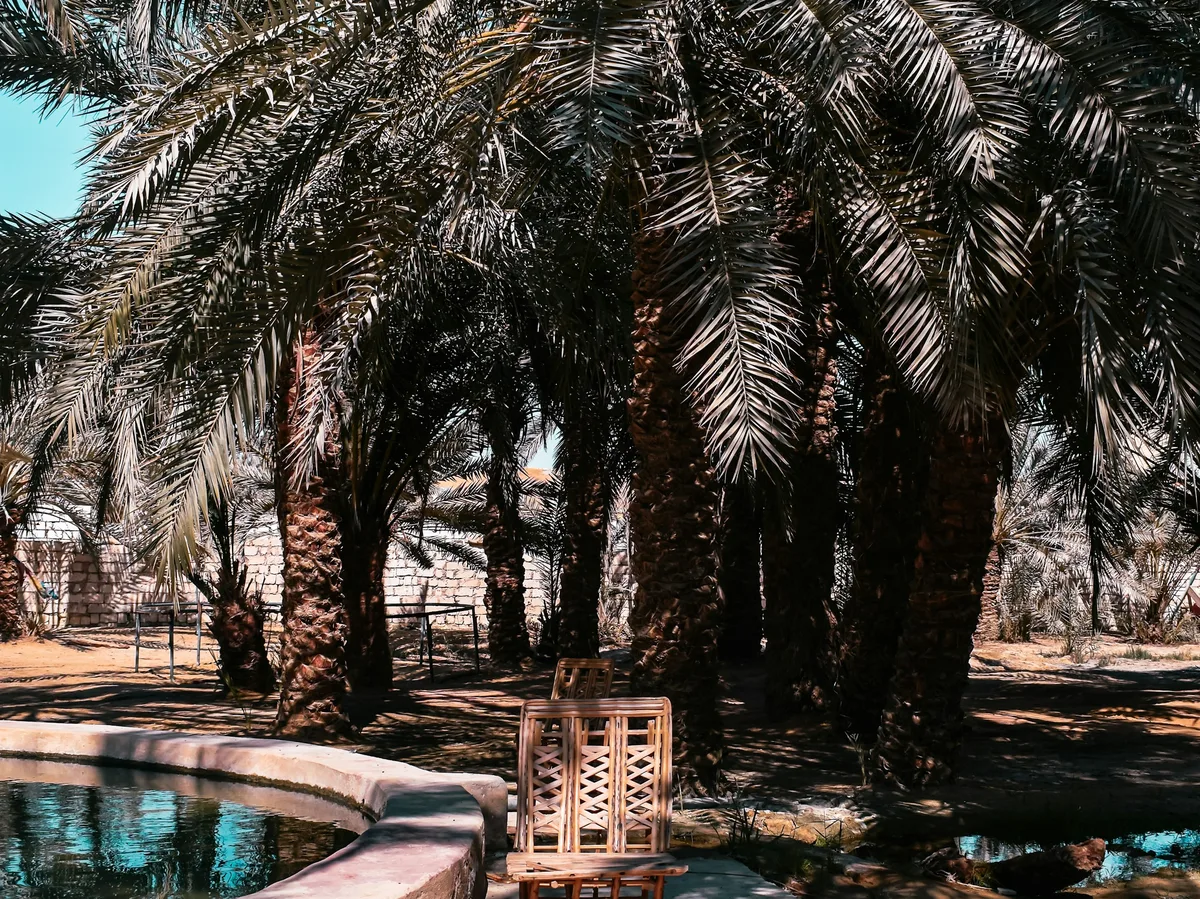
A week away from the Nile Valley entirely, exploring the Western Desert's Siwa and Bahariya oases — old mud-brick towns, hot springs, sand seas, and the White Desert's chalk formations.
 Multi-Day Tours
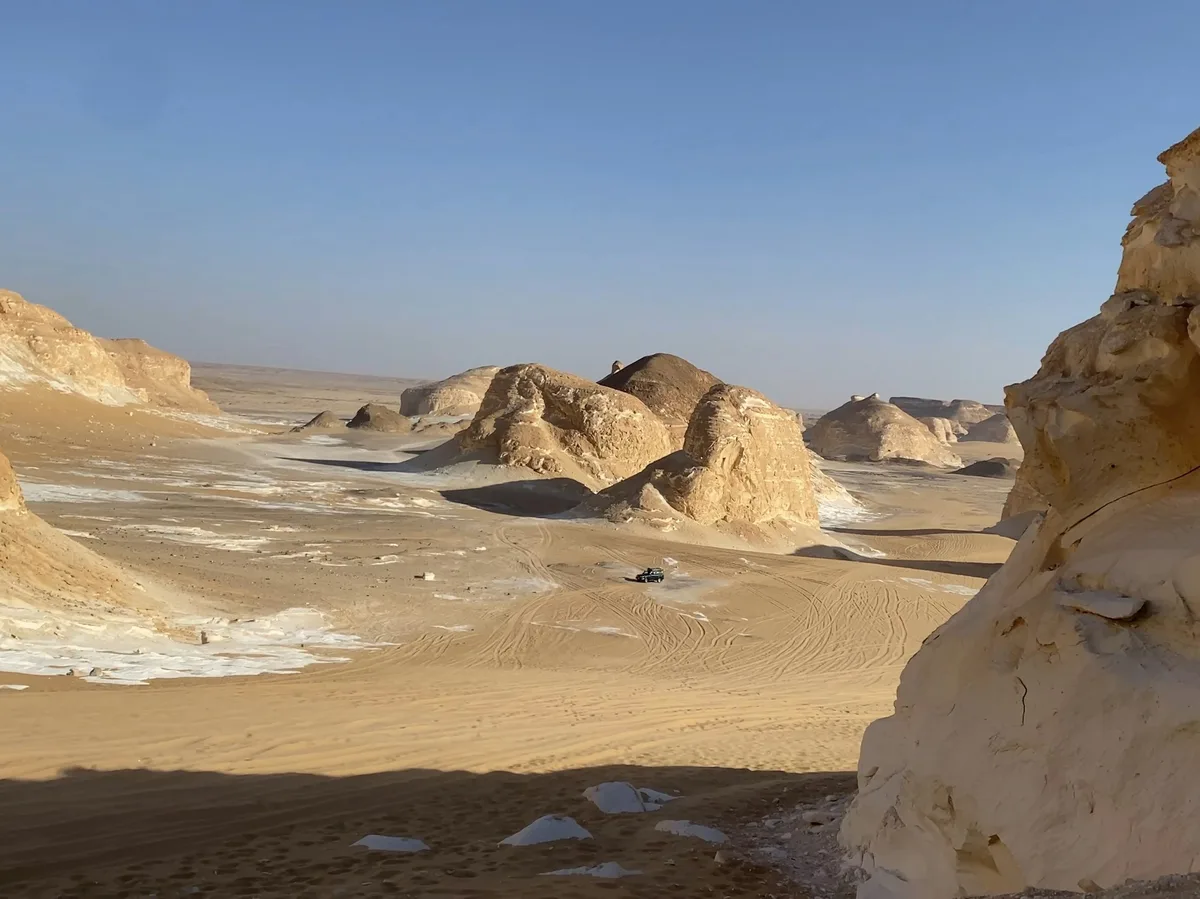
Eleven days pairing Cairo's pyramids with a deep run through the Western Desert — Siwa Oasis, the Black and White Deserts, and the Wadi Hitan whale fossil site.
 Multi-Day Tours
A 10-day route built for families, mixing Cairo's pyramids, an overnight sleeper train to Aswan, Luxor's temples, and beach downtime in Hurghada.
 Multi-Day Tours
A compact five-day introduction to Egypt's essentials — the Giza Plateau, the Egyptian Museum, Islamic and Coptic Cairo, and Luxor's temples and tombs, with a short domestic flight between the two cities.
Most visitors can get an Egyptian e-visa online in advance, or a visa on arrival at major airports, valid for a single entry of up to 30 days. Requirements vary by nationality, so confirm current options before you fly.
Cairo, Luxor, and Aswan are spread across a country over 1,000 km long, so most itineraries combine road transfers with either a domestic flight or a multi-day Nile cruise between Luxor and Aswan.
Arabic is the official language. English is widely spoken in tourism, hospitality, and by guides at major sites, though less so in smaller towns and rural areas.
The Egyptian pound (EGP) is the local currency. Tipping (baksheesh) is customary and genuinely expected throughout the country, well beyond restaurants — small bills are useful for guides, drivers, and site attendants.
Modest dress is expected at mosques and religious sites — shoulders and knees covered. Otherwise pack light, breathable clothing for daytime heat, plus a layer for cool desert nights and heavily air-conditioned interiors.
The main tourist circuit — Cairo, Luxor, Aswan, the Red Sea resorts — sees heavy tourism and a significant security presence. Some border areas, including parts of the Sinai interior away from Sharm el-Sheikh, carry travel advisories; standard itineraries don't go near them.
Tell us your group size and dates — we'll take care of the rest.