TorontoOntario · 36 tours
 Niagara FallsOntario · 25 tours
 New York CityNew York · 30 tours
 Las VegasNevada · 8 tours
 San FranciscoCalifornia · 16 tours
 VancouverBritish Columbia · 17 tours
 DubaiUAE · 54 tours
 Abu DhabiUAE · 5 tours
 Buenos AiresArgentina · 23 tours
 AthensGreece · 31 tours
 AucklandNew Zealand · 38 tours
 CancunMexico · 54 tours
No destinations match “”. Try searching all tours instead — that search understands full questions, not just place names.
Voyzo runs 91 tours across 1 destination in Germany, covering 12 attractions. A private tour means your own guide, driver, and vehicle and an itinerary built around your group rather than a fixed bus schedule.
 Multi-Day Tours
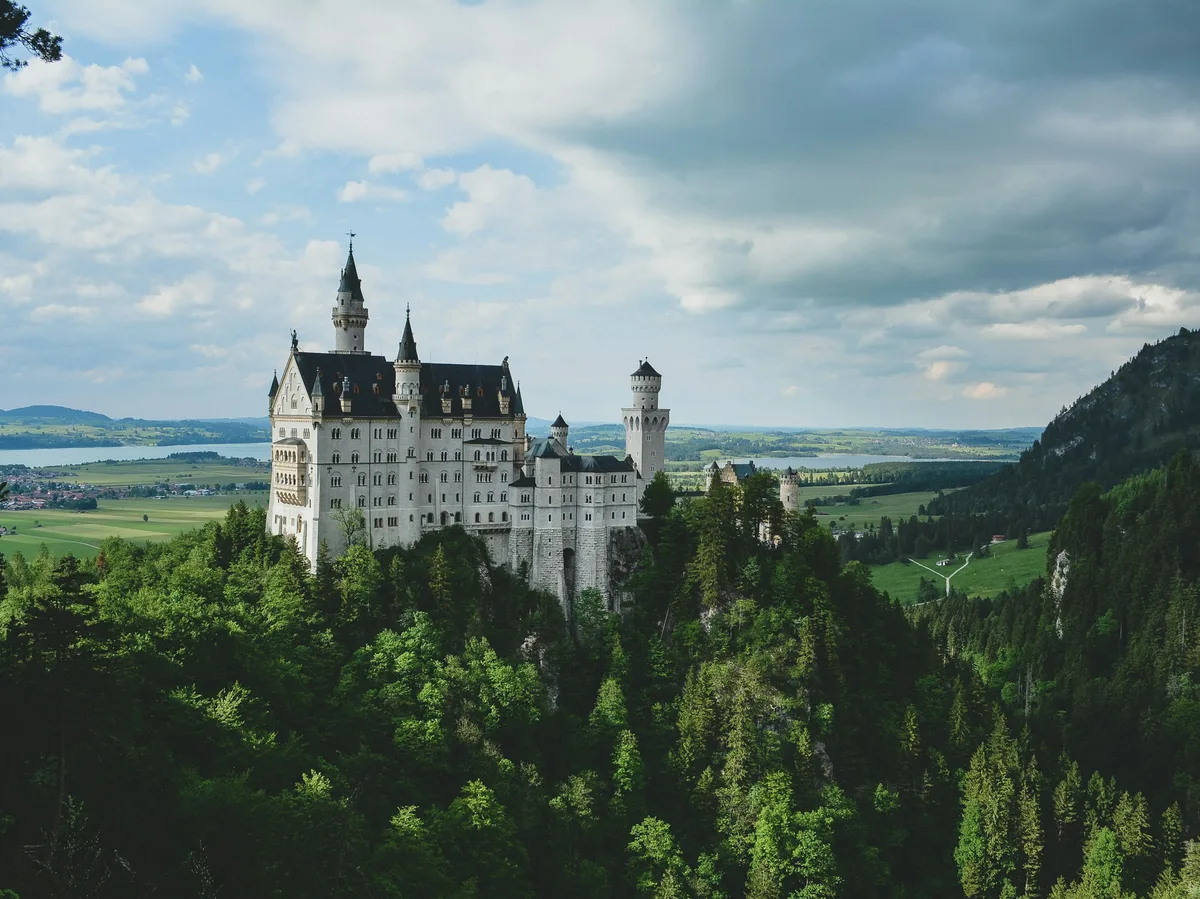
A 9-day private journey through three countries' iconic cities — Vienna and a Wachau Valley wine tasting, the Sound of Music charm of Salzburg, Munich and a day trip to Neuschwanstein Castle, finishing with Swiss chocolate and culture in Zürich.
 Multi-Day Tours
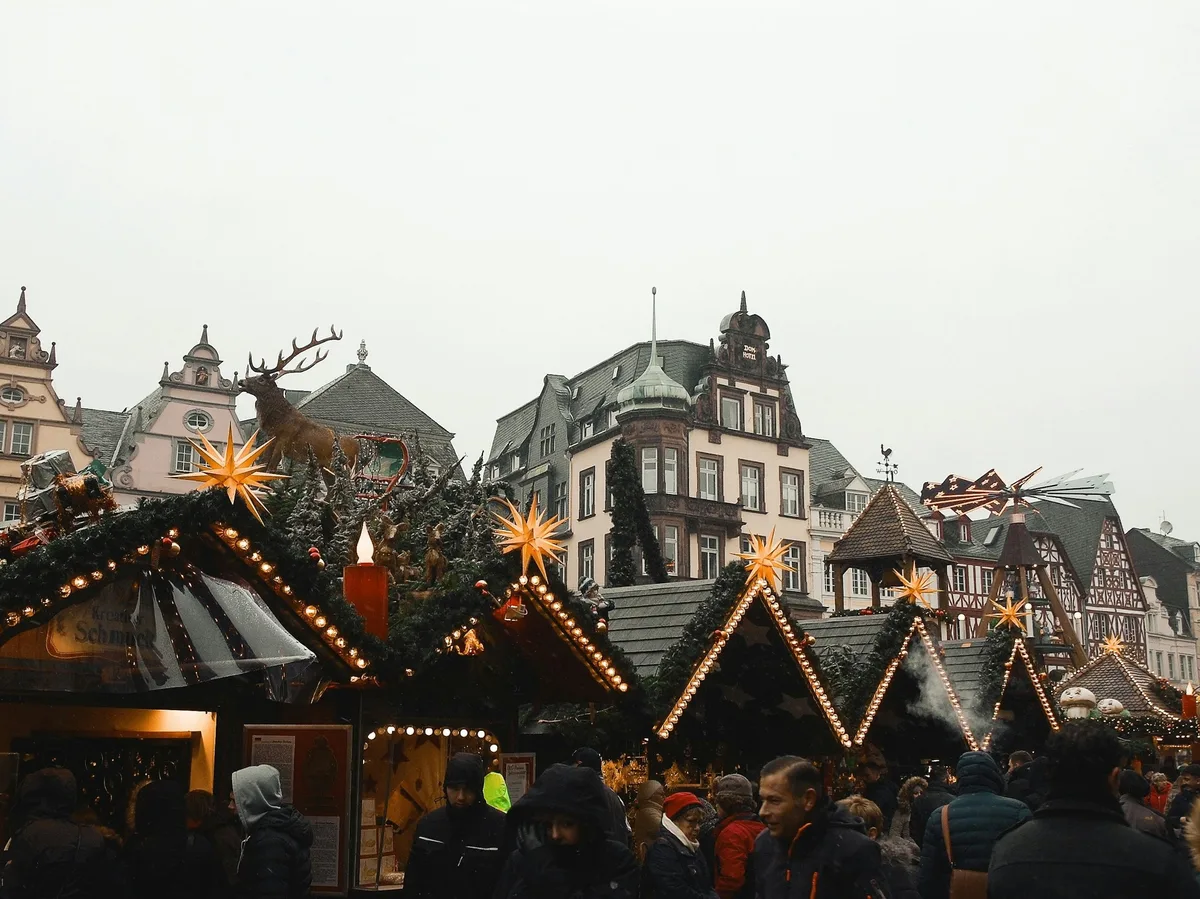
A 15-day festive circuit through Austria, Germany, and Czechia — Vienna's palaces and Christmas market, Salzburg's Sound of Music sights, Munich's castles and markets, Dresden's old town, and Prague's holiday spirit, starting and ending in Vienna.
 Multi-Day Tours
A 14-day private circuit across Germany — Munich's Old Town and Nymphenburg Palace, Neuschwanstein Castle, Nuremberg and fairy-tale Rothenburg ob der Tauber, a Frankfurt bike tour, Dresden and Saxon Switzerland, and a Berlin and Hamburg finale.
Private Tours Popular Pick
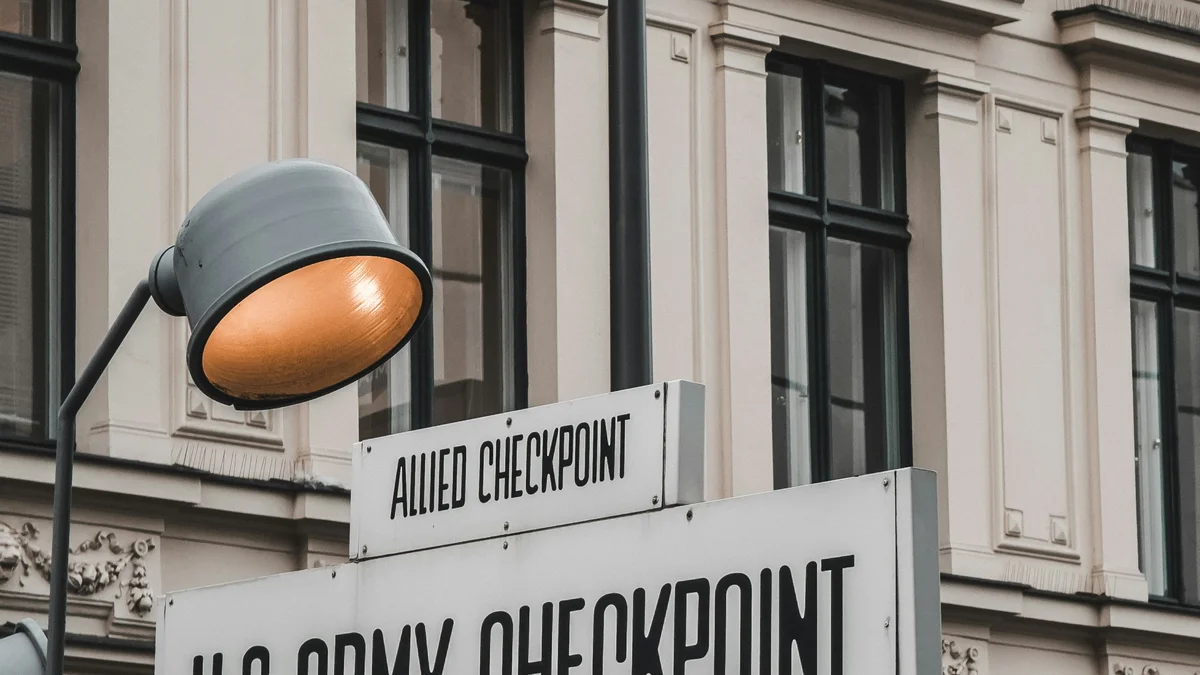
Travel by private car to Checkpoint Charlie, the Brandenburg Gate, and the Reichstag Building with a guide who unpacks the events of WWII along the way.
 Private Tours
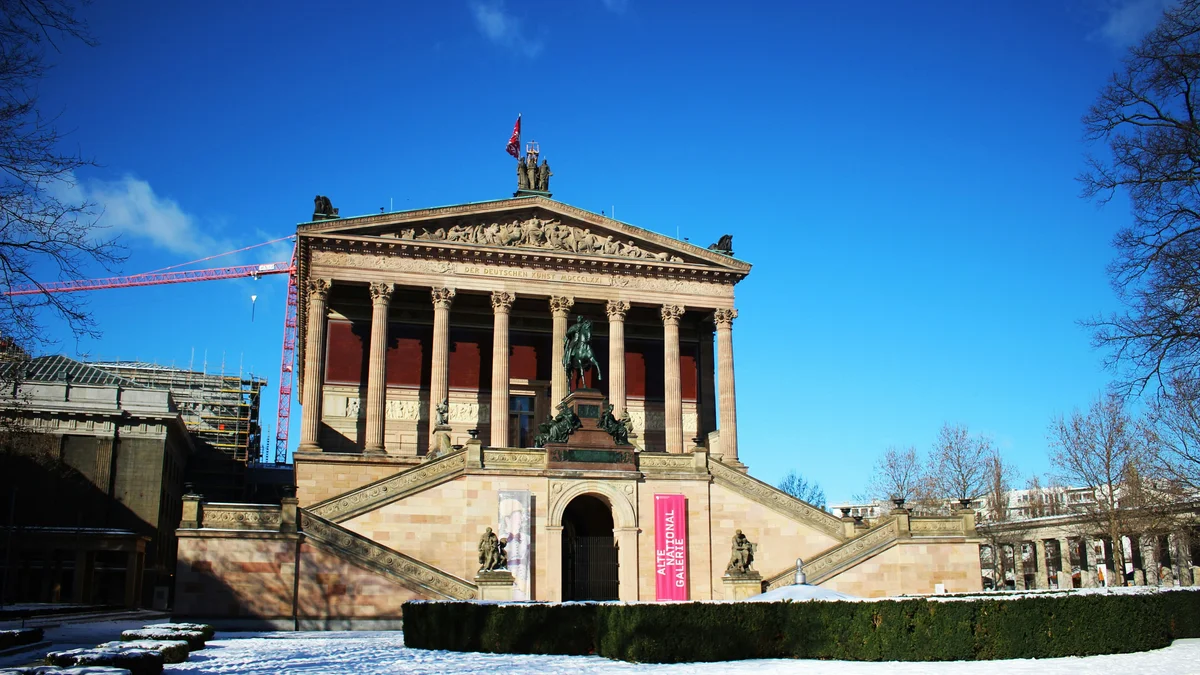
Enjoy personalized attention and a completely customizable itinerary as your private guide leads you to the Brandenburg Gate, Potsdamer Platz, Museum Island, the Holocaust Memorial, and the remains of the Berlin Wall.
 Private Tours
A completely customizable itinerary with private round-trip transportation, including convenient hotel pickup and drop-off.
 Private Tours
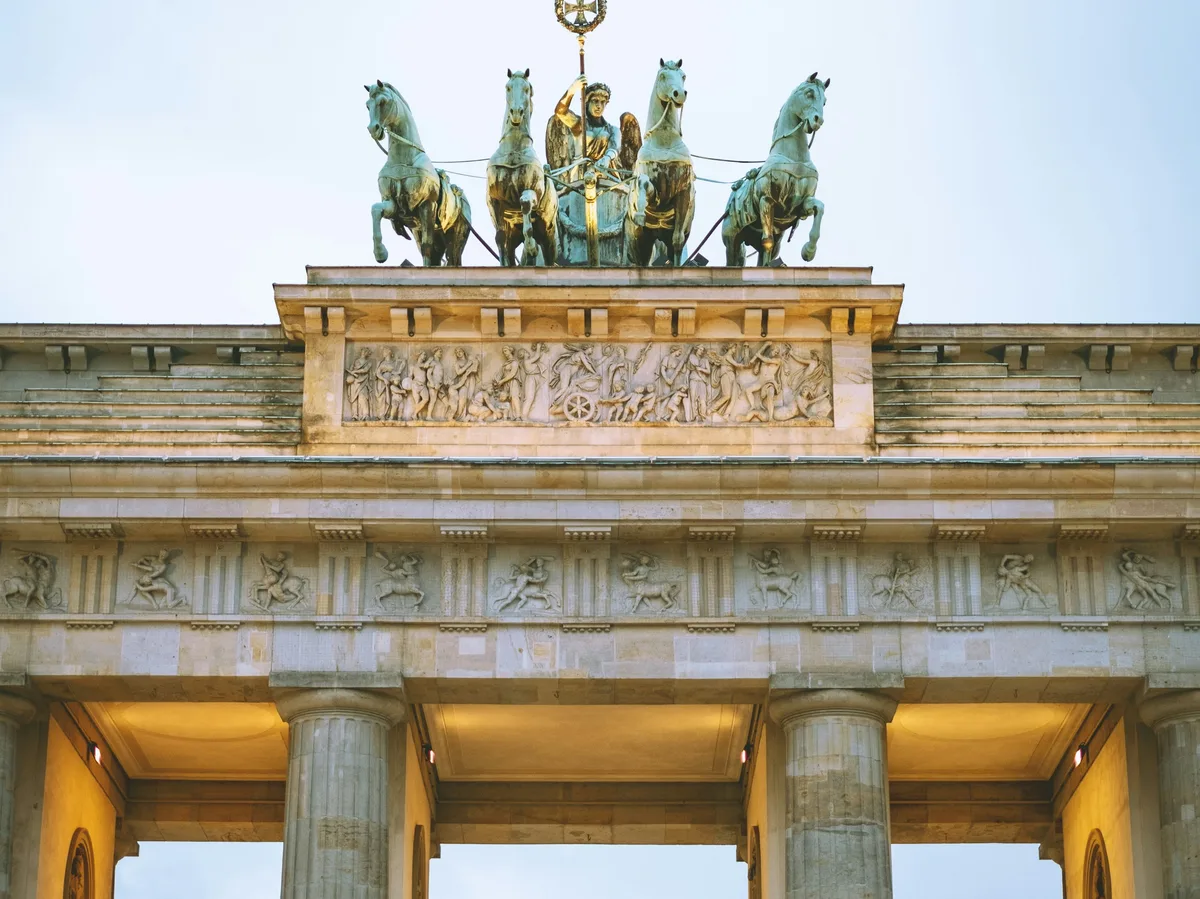
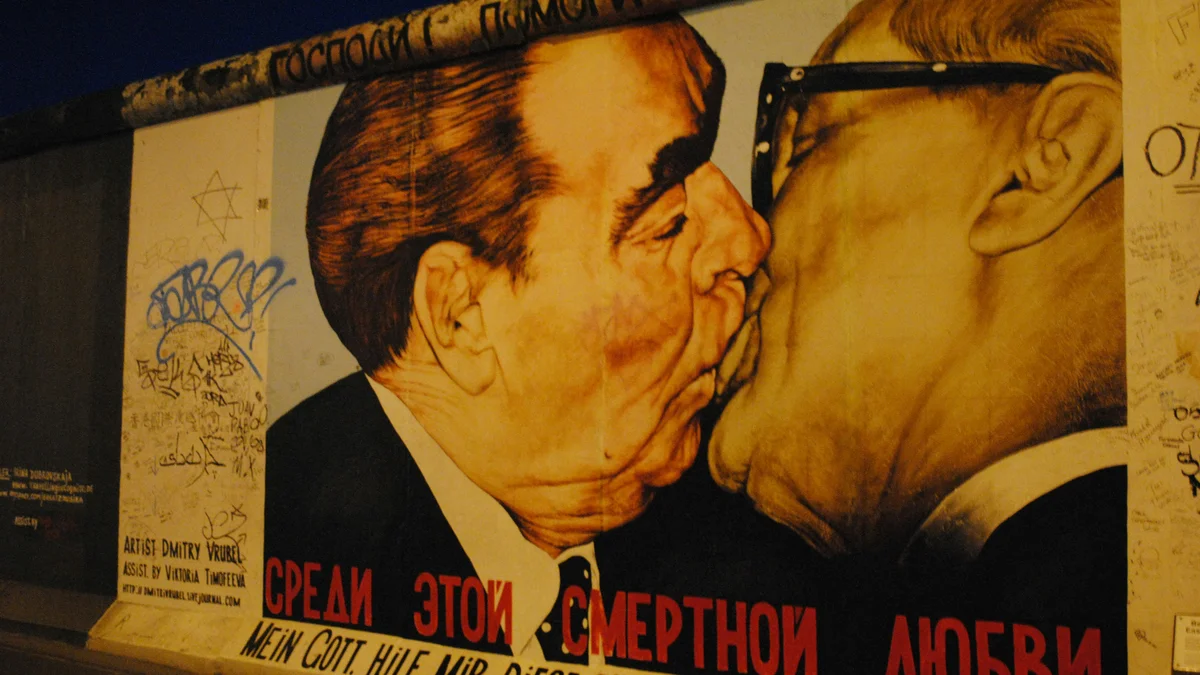
With a private guide and chauffeur, delve into the city's history at the Brandenburg Gate and UNESCO-listed Museum Island, admire the East Side Gallery, and marvel at Unter den Linden.
 Private Tours
Travel in a luxury private vehicle to the Brandenburg Gate and the Reichstag, then adapt your itinerary to visit the East Side Gallery or the Holocaust Memorial.
The real stops Voyzo's own itineraries are built around — tap any attraction to learn more.
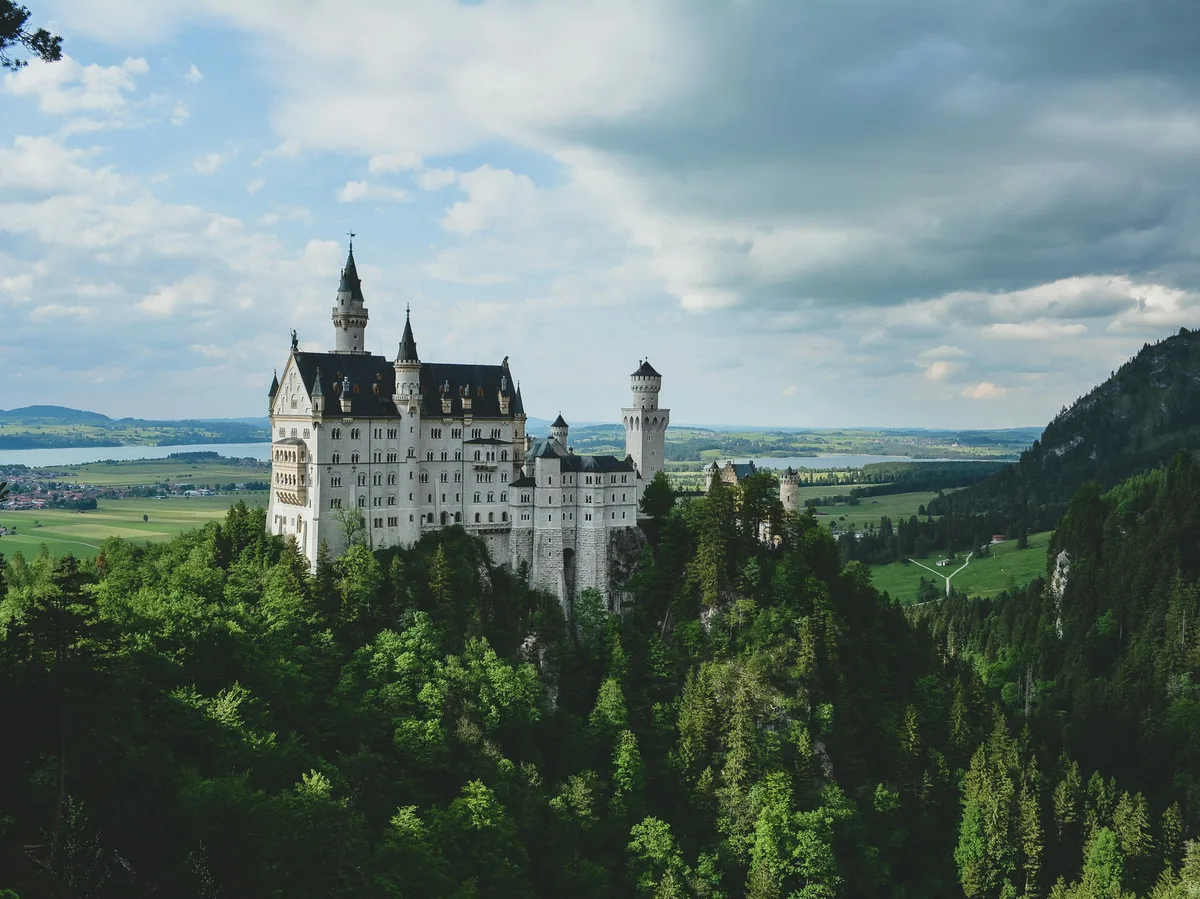 Neuschwanstein Castle
Germany
King Ludwig II's 19th-century fairy-tale castle in the Bavarian Alps near Füssen, the real-world inspiration behind Disney's Sleeping Beauty Castle and one of Germany's most-visited sights.
2
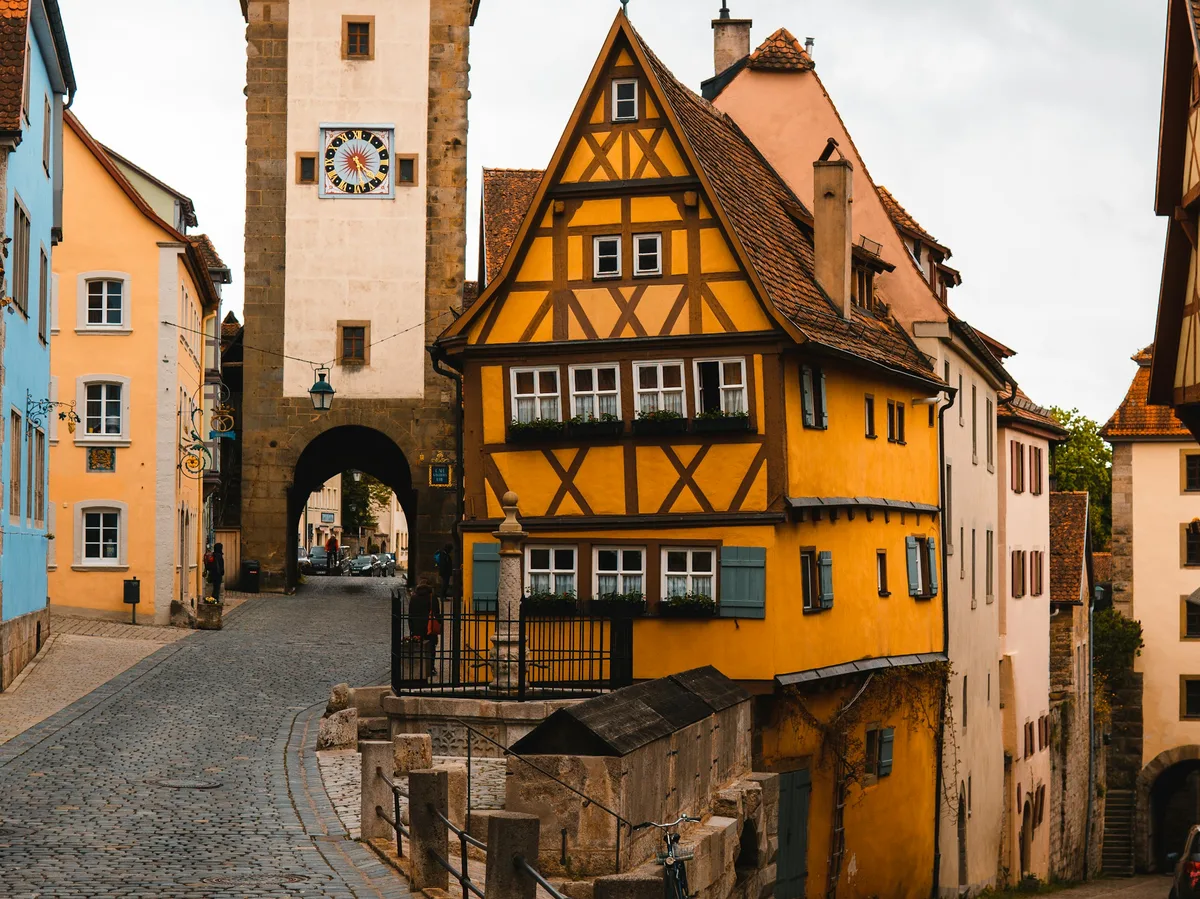 Rothenburg ob der Tauber
Germany
A near-perfectly preserved medieval walled town on the Romantic Road, known for its cobblestone lanes, half-timbered houses, and a town center that looks much as it did centuries ago.
3
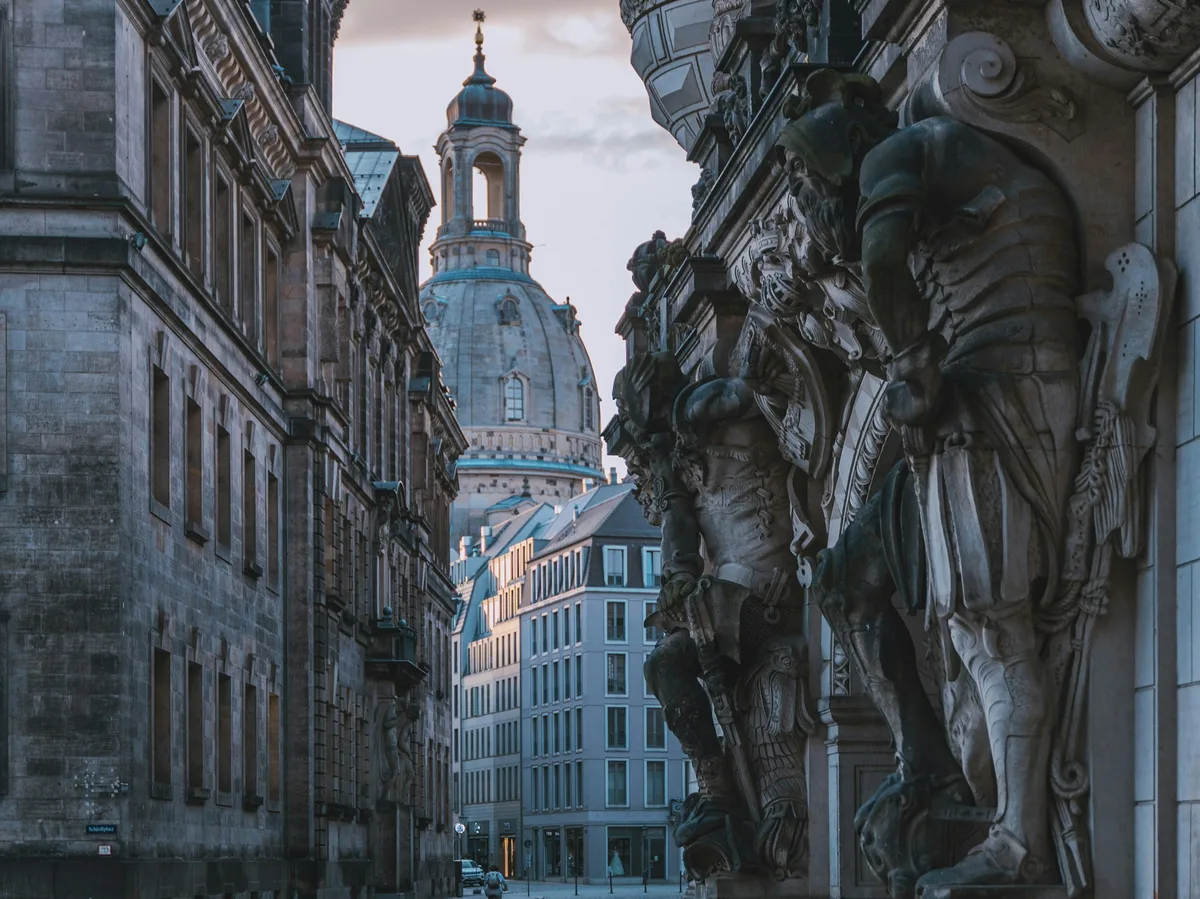 Dresden Old Town & Zwinger Palace
Germany
Known as the 'Florence on the Elbe', Dresden's rebuilt Baroque old town centers on the Zwinger Palace, Dresden Castle, and the Hofkirche along the banks of the River Elbe.
4
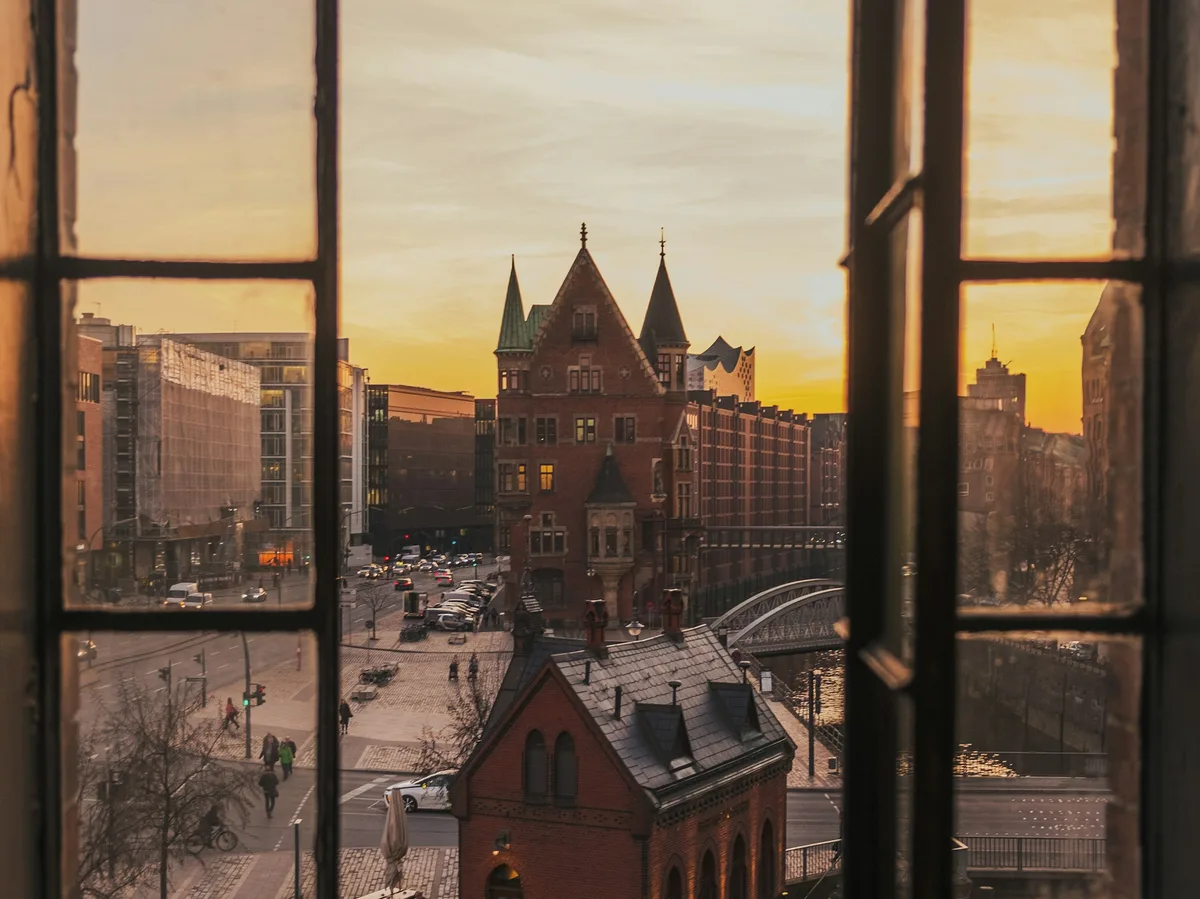 Hamburg Speicherstadt
Germany
Described as the world's largest warehouse district built on timber-pile foundations, a UNESCO World Heritage Site of red-brick warehouses laced with canals, bordering the modern Hafencity and the Elbphilharmonie concert hall.
5
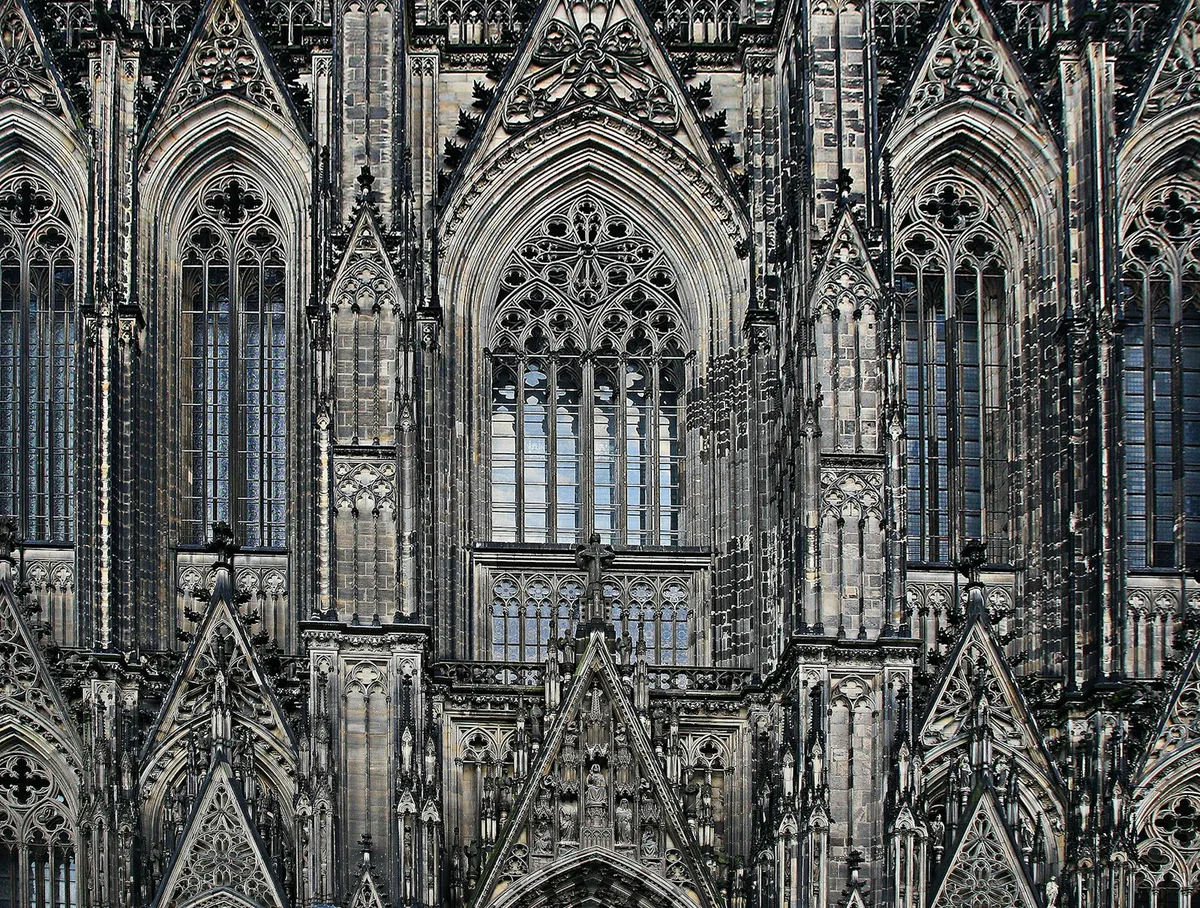 Cologne Cathedral
Germany
A Gothic cathedral begun in 1248 and not completed until 1880, its twin spires dominating Cologne's skyline as Germany's most-visited landmark and a UNESCO World Heritage Site.
6
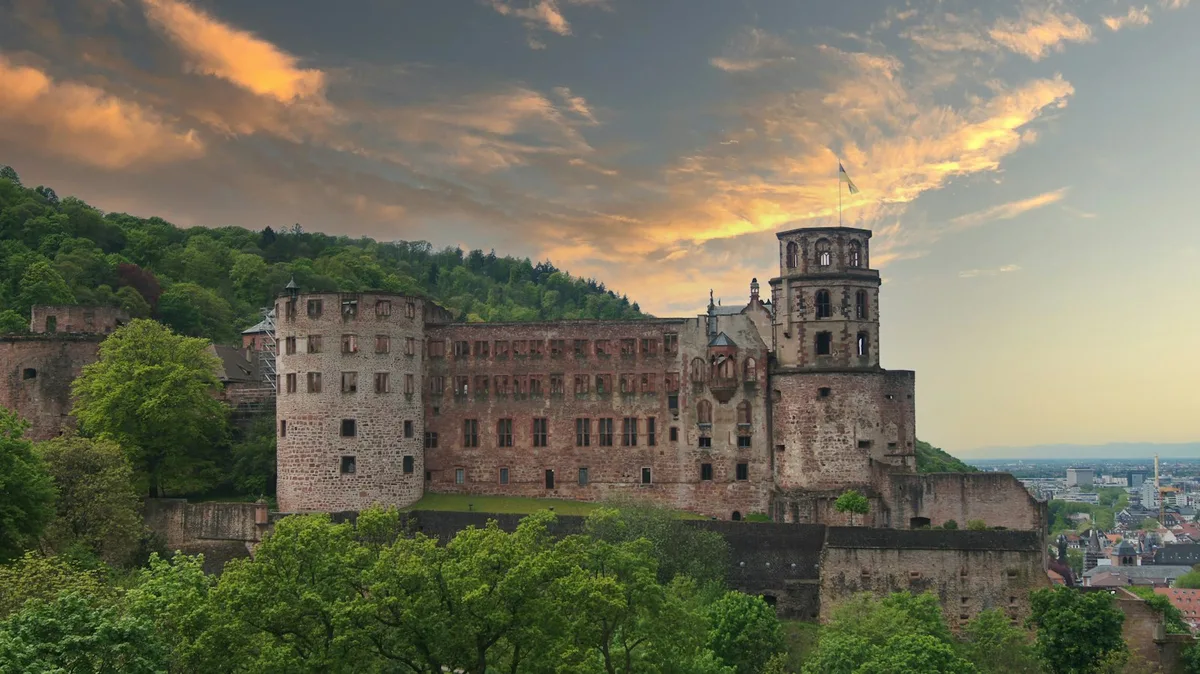 Heidelberg Castle
Germany
A partly ruined Renaissance castle overlooking the Neckar River and Heidelberg's old town, damaged by fire and war in the 17th and 18th centuries and left as a romantic ruin ever since.
7
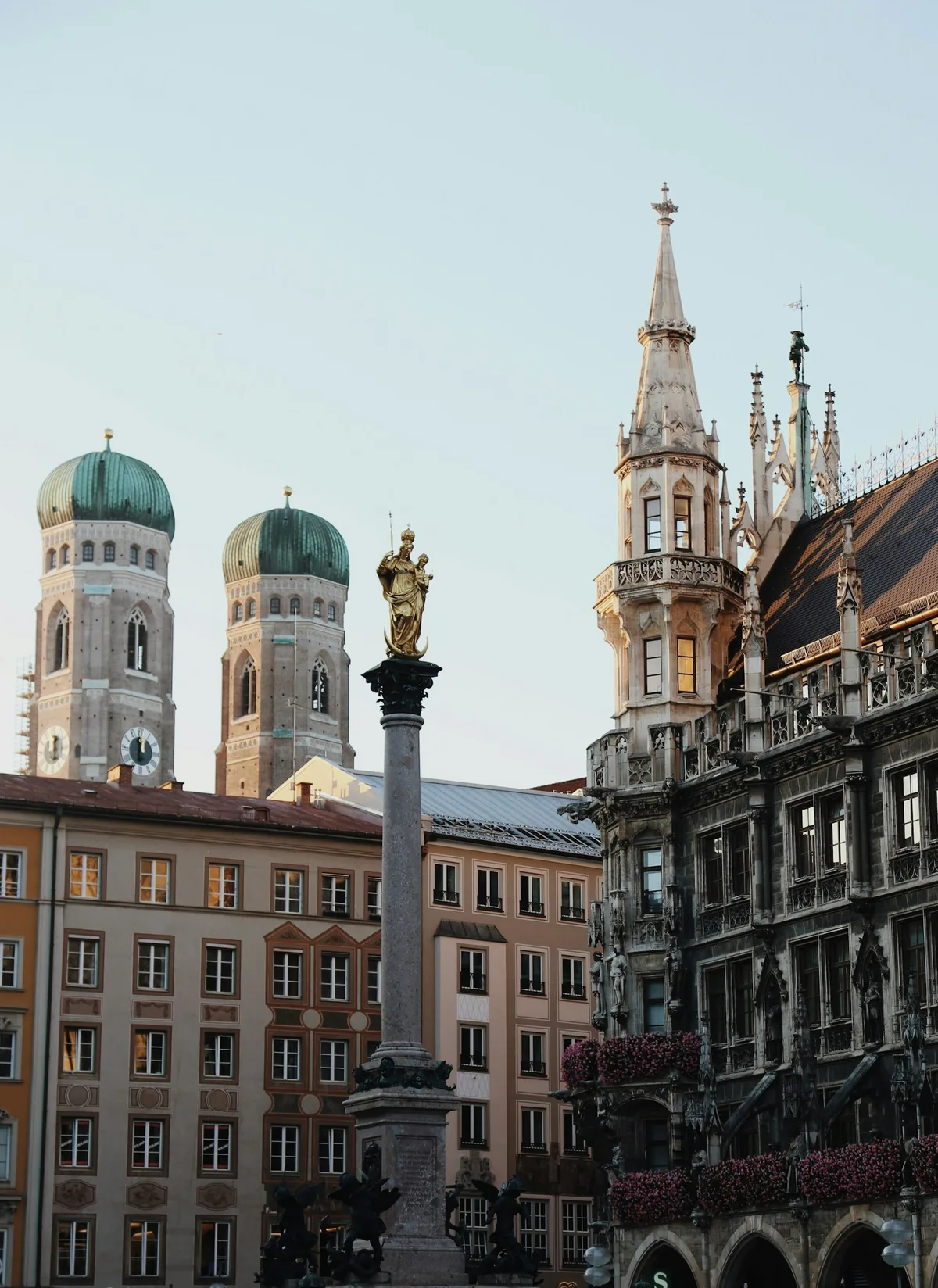 Marienplatz, Munich
Germany
Munich's central square since 1158, home to the neo-Gothic Neues Rathaus and its Glockenspiel figures, which re-enact 16th-century scenes several times a day.
8
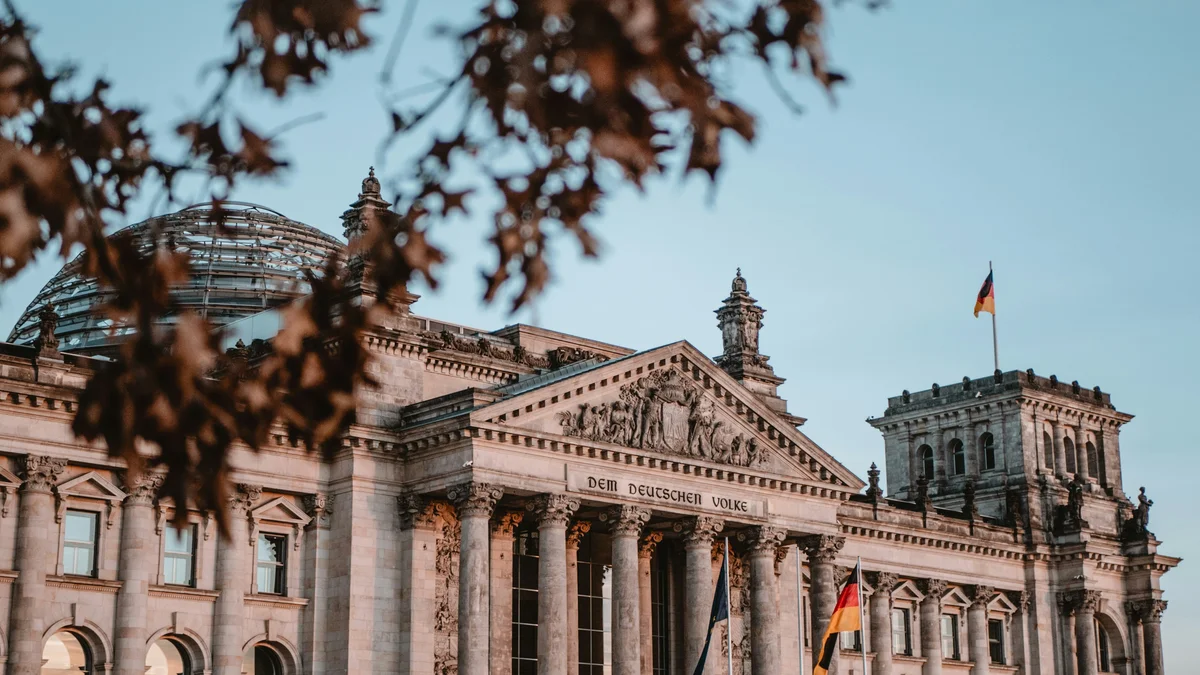
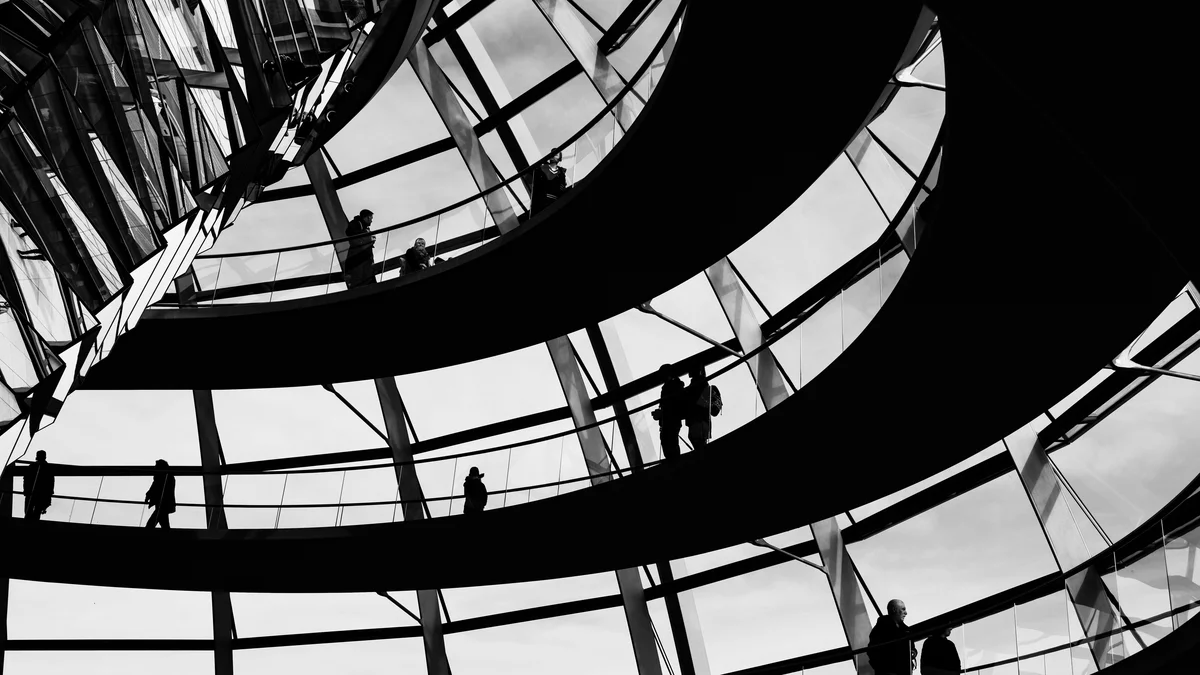 Reichstag Building
Berlin
Home to the German Bundestag (parliament) since 1999, the Reichstag has stood at the center of German political history since 1894, surviving a 1933 fire, WWII bombardment, and decades as a near-abandoned building at the edge of the Berlin Wall. Its modern glass dome, added during a 1990s renovation, offers panoramic views over the government district and can be visited with advance registration.
9
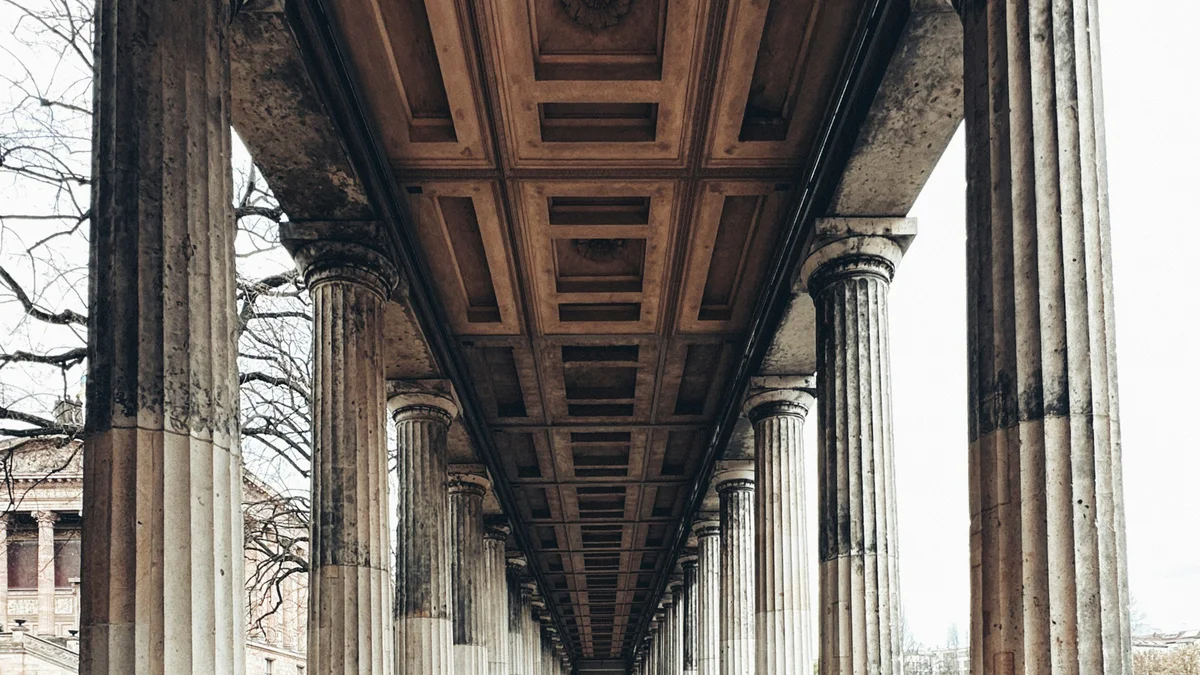 Museum Island
Berlin
A UNESCO World Heritage Site since 1999, Museum Island sits on the Spree in central Berlin and houses five major museums, including the Neues Museum (home to the Bust of Nefertiti) and the Pergamon Museum, known for its monumental reconstructed ancient architecture. The complex was built up over the 19th and early 20th centuries as a dedicated home for Prussian and German royal collections.
10
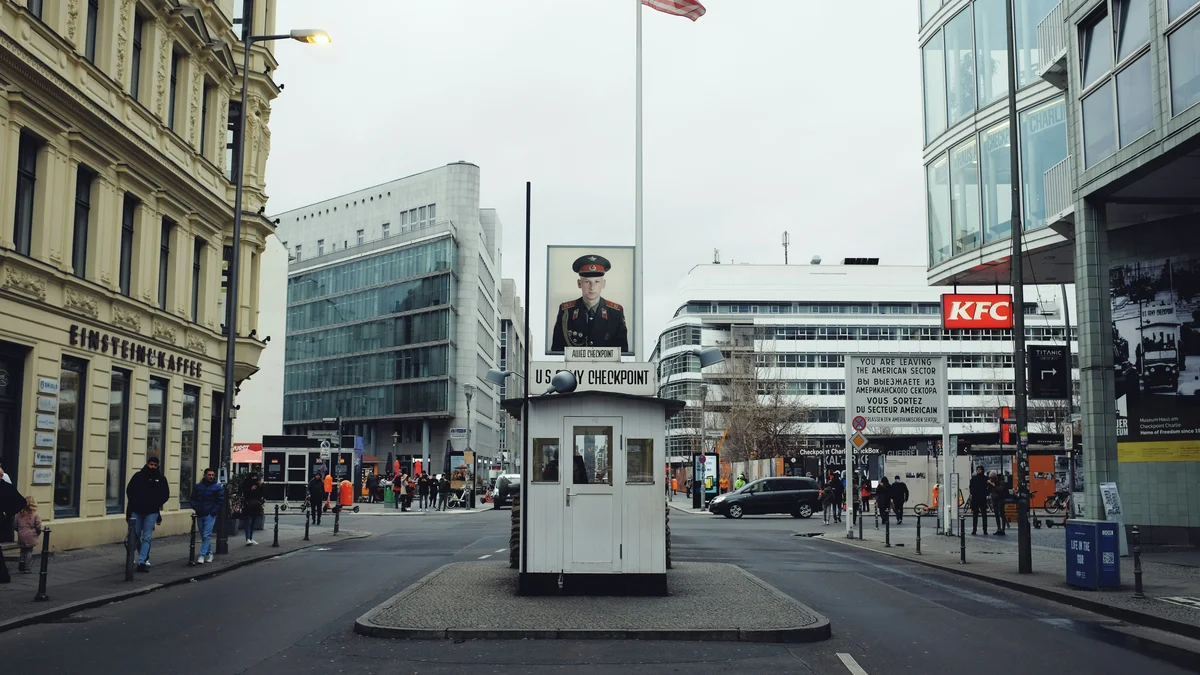 Checkpoint Charlie
Berlin
The best-known Allied border crossing point between East and West Berlin during the Cold War, Checkpoint Charlie was the site of a tense 1961 standoff between American and Soviet tanks. Today a replica guard booth and sign mark the spot, and the nearby Mauermuseum (Wall Museum) documents real escape attempts made across the border here.
11
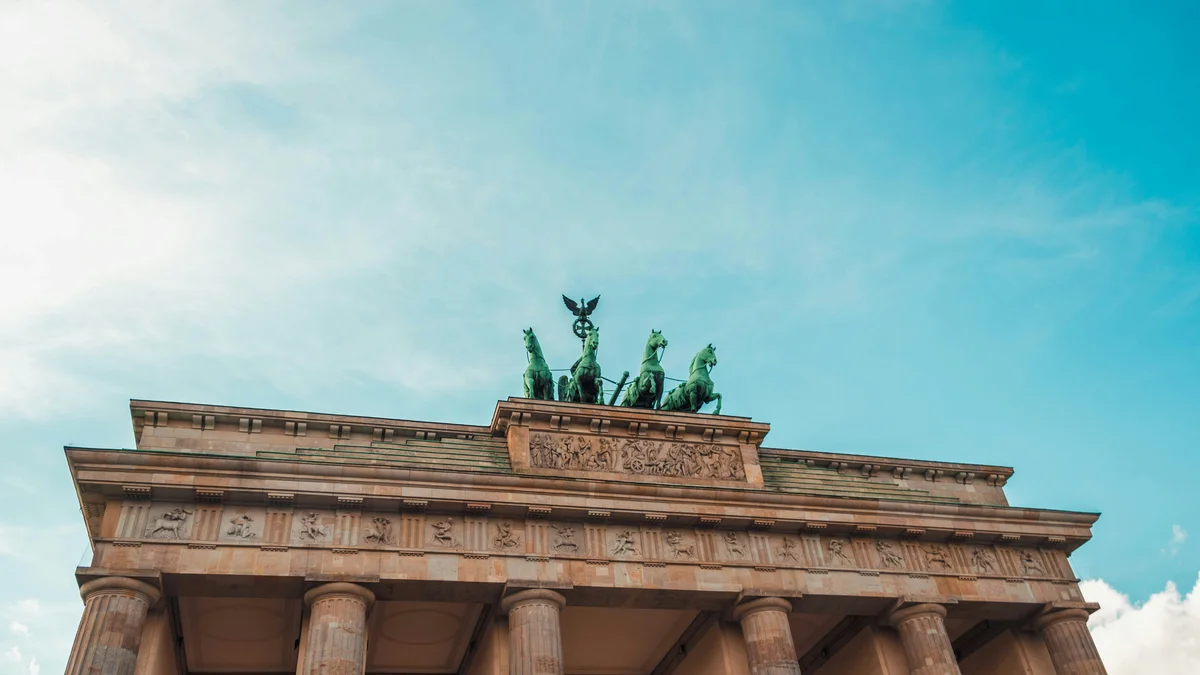
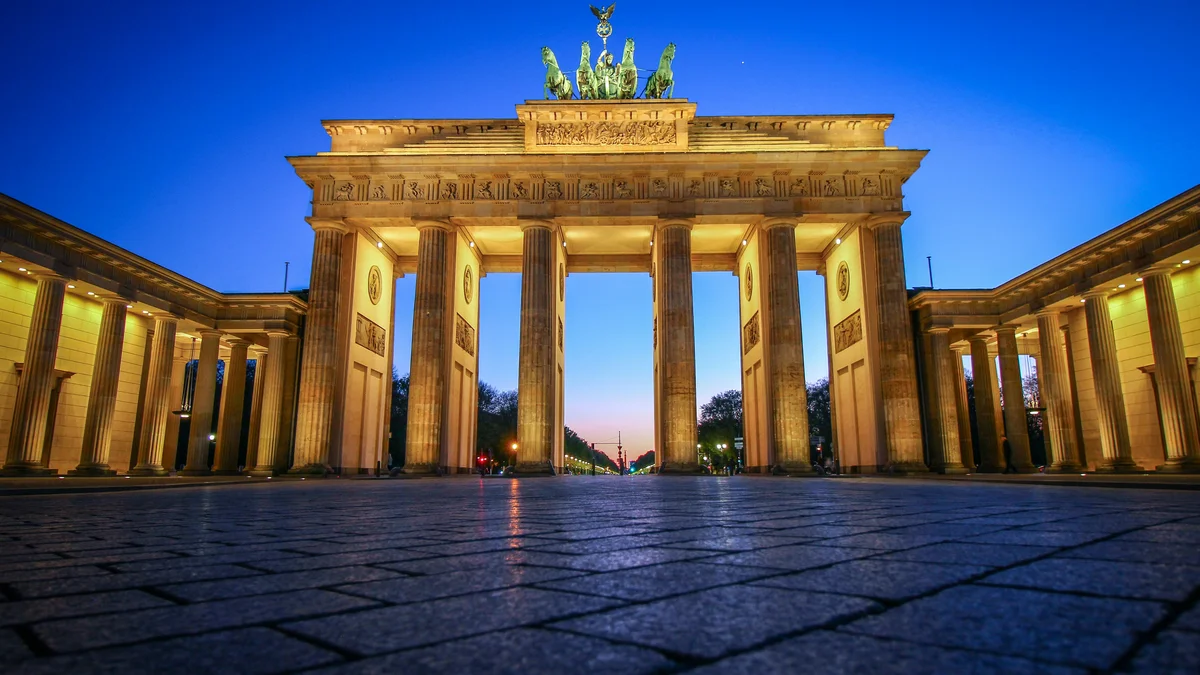 Brandenburg Gate
Berlin
Built in 1791 as a neoclassical city gate, the Brandenburg Gate is Berlin's most recognizable landmark and a symbol of both the city's division and its reunification. It stood just behind the Berlin Wall for nearly three decades before crowds gathered here to celebrate the Wall's fall in 1989, and it remains the ceremonial heart of the reunified city.
12
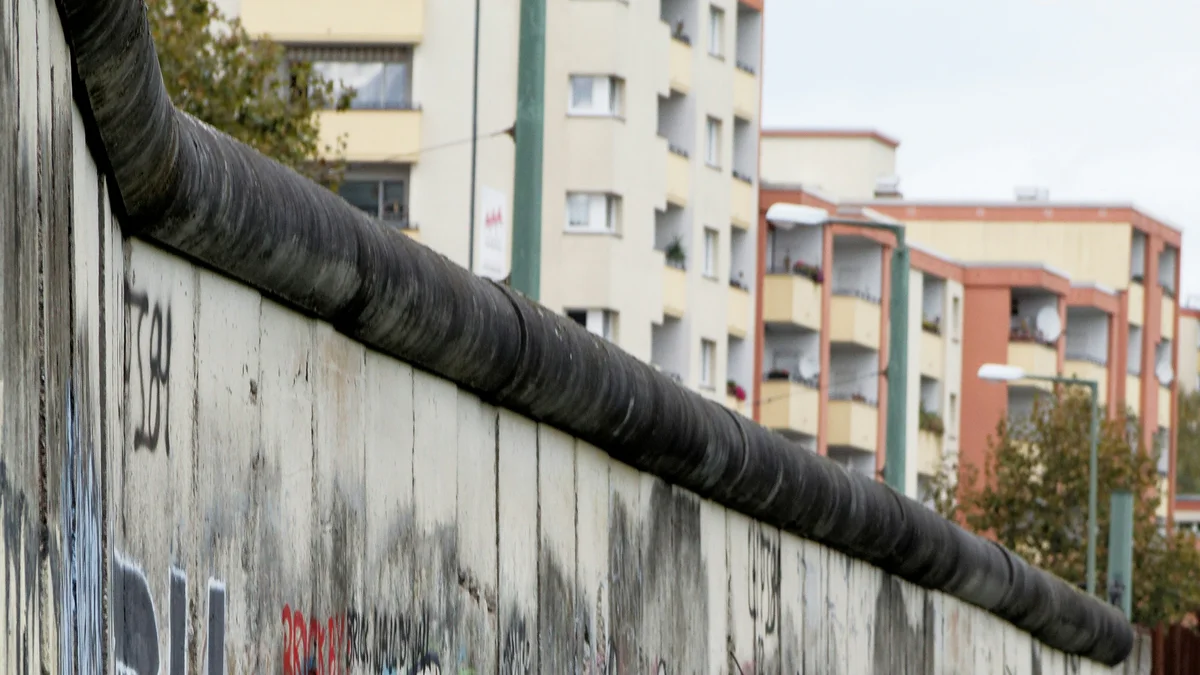 Berlin Wall Memorial
Berlin
Stretching along Bernauer Strasse, the Berlin Wall Memorial preserves an original, protected section of the Wall along with its death strip, a documentation center, and a chapel of reconciliation. It is the most complete surviving record of how the Wall divided the city from 1961 to 1989, distinct from the East Side Gallery's painted murals on another preserved stretch near the Spree.
Warm-weather sightseeing runs May–September; late November through December is Christmas market season in cities like Nuremberg, Dresden, and Munich, with markets running into the cold of a Central European winter.
Germany's rail network is extensive and connects major cities well, but reaching the small towns of the Romantic Road, Bavaria's castles, and the countryside beyond the rail line is more direct with a private driver.
A temperate, four-season climate — summers run roughly 20–25°C/68–77°F, while winters, especially in Bavaria and the south, regularly dip below freezing. Layers cover most of the year, and a warm coat is essential for a winter Christmas-market trip.
Germany uses the euro. Rounding up the bill or adding roughly 5–10% at restaurants is customary — done verbally when paying, by telling the server the total you want to pay, rather than left as cash on the table.
A few multi-day routes continue into Austria, Switzerland, or Czechia. Travelers from outside the Schengen Area should check their own visa requirements for the full route, not just Germany.
German is the national language; English is widely spoken in tourist areas, hotels, and restaurants in the cities Voyzo's routes visit.
Germany sits at the geographic and economic center of Europe, bordered by nine countries, with a population of over 80 million spread across 16 federal states. It's a federal parliamentary republic with Berlin as its capital, German as the official language, and the euro as its currency — Europe's largest economy, built on engineering, automotive manufacturing, and export trade.
The country's regions differ sharply from one another: Bavaria in the south holds the alpine scenery and fairy-tale castles most visitors picture, including Neuschwanstein near Munich; the Romantic Road links walled medieval towns like Rothenburg ob der Tauber and Nuremberg; Dresden and Saxony carry a rebuilt Baroque grandeur after wartime destruction; and Berlin itself remains a living record of the 20th century, from the Brandenburg Gate to remnants of the Wall. Christmas markets, running from late November through December in cities like Nuremberg and Dresden, are a genuine seasonal tradition rather than a tourist-board invention.
Because Germany borders Austria, Switzerland, and Czechia, several of Voyzo's private routes continue on from German cities into those neighboring countries rather than stopping at the border — every route discloses exactly which nights fall in which country. Two of Voyzo's three private Germany routes were adapted from self-drive itineraries and are run instead with a private driver and vehicle, so the Alps, castles, and market stalls stay part of the trip rather than something to reach after a day of driving.
Tell us your group size and dates — we'll take care of the rest.