 TorontoOntario · 17 tours
 Niagara FallsOntario · 17 tours
 New York CityNew York · 8 tours
 Las VegasNevada · 8 tours
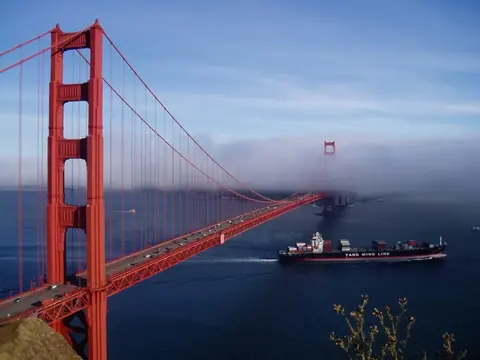 San FranciscoCalifornia · 16 tours
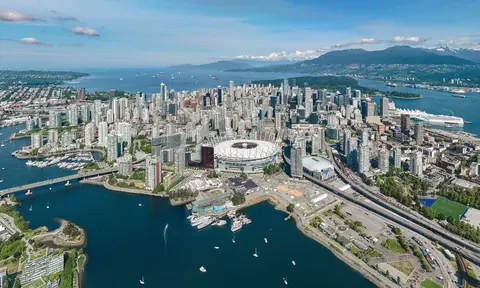 VancouverBritish Columbia · 17 tours
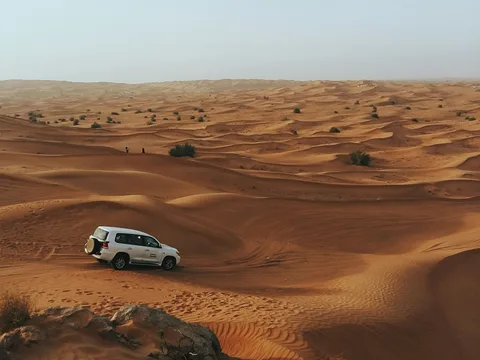 DubaiUAE · 44 tours
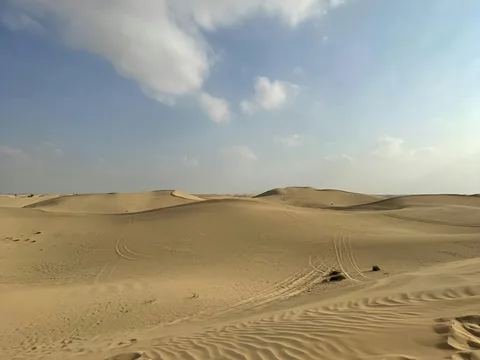 Abu DhabiUAE · 5 tours
 Sri LankaSri Lanka · 16 tours
 IndiaIndia · 13 tours
 AlbaniaAlbania · 10 tours
 ArgentinaArgentina · 8 tours
No destinations match “”.
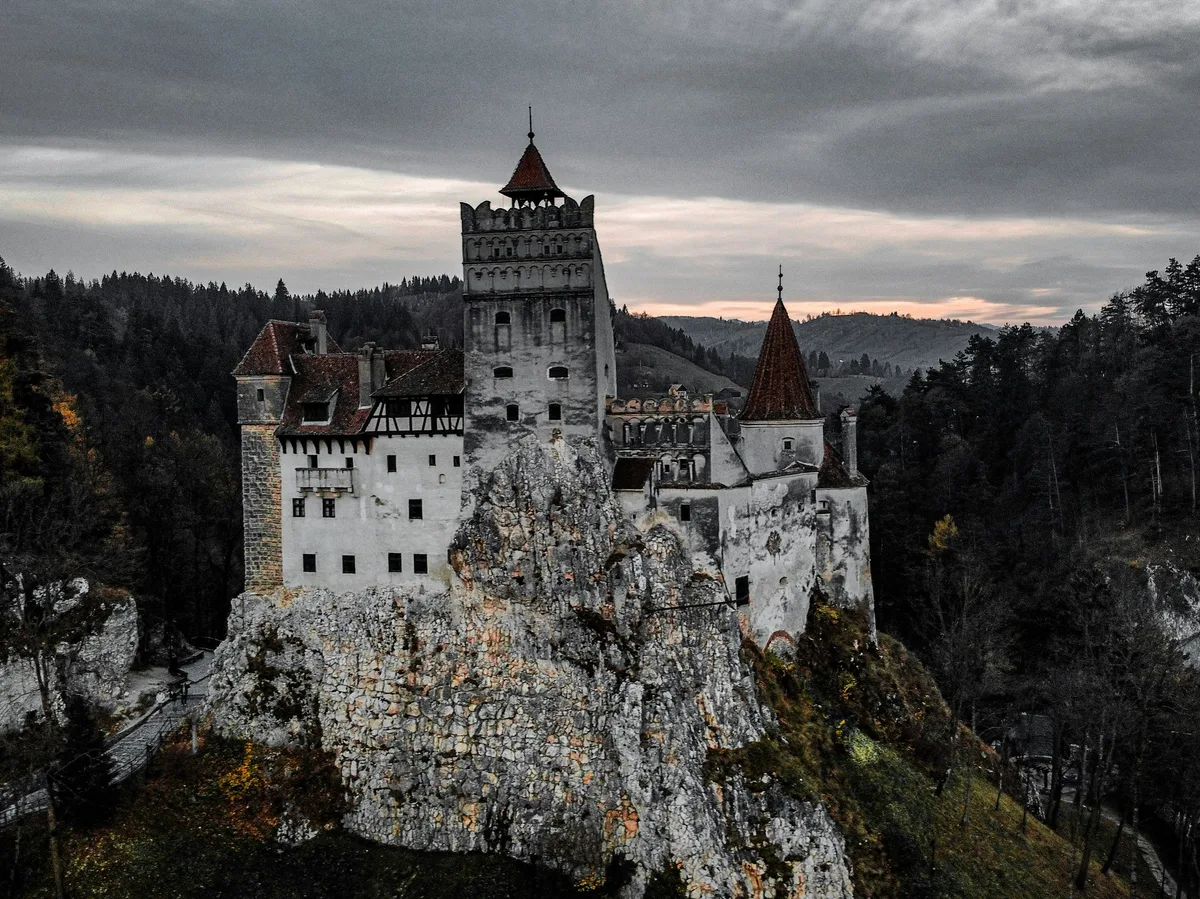
Voyzo runs 11 private tours across 1 destination in Romania, covering 8 attractions — each with your own guide, driver, and vehicle, and an itinerary built around your group rather than a fixed bus schedule.
Romania is a Southeastern European republic of about 19 million people on the eastern side of the Carpathian Mountains, which arc through the middle of the country. It's an EU and NATO member that kept its own currency, the Romanian leu, rather than adopting the euro, and Romanian is unusual in the region for being a Romance language — a legacy of the Roman province of Dacia, whose name still surfaces in Romanian identity today. Bucharest, the capital, sits on the southern plain, while Transylvania — the country's best-known region abroad — lies across the mountains to the north and west.
Voyzo's routes lean into Transylvania's real draws: Bran Castle (marketed as 'Dracula's Castle,' though the Bram Stoker link is fictional rather than historical), the medieval walled town of Sighișoara, Corvin Castle, and Sibiu, plus two of Europe's most celebrated mountain drives, the Transfăgărășan and Transalpina, both crossing the Carpathians. Bucharest's own capital-city sights and the Danube Delta's wetlands, a UNESCO biosphere reserve, round out the routes that head beyond Transylvania.
Because Transylvania's towns and mountain passes are spread across a large stretch of the country and public transit doesn't reach many of the smaller historic towns directly, Voyzo pairs a private driver and vehicle for every day of ground transport with English-speaking guides at the historic sites — including on the routes originally sold as self-drive or self-guided rentals, which Voyzo runs the same way but with a private driver instead of handing you a rental car.
The real stops Voyzo's own itineraries are built around — tap any attraction to learn more.
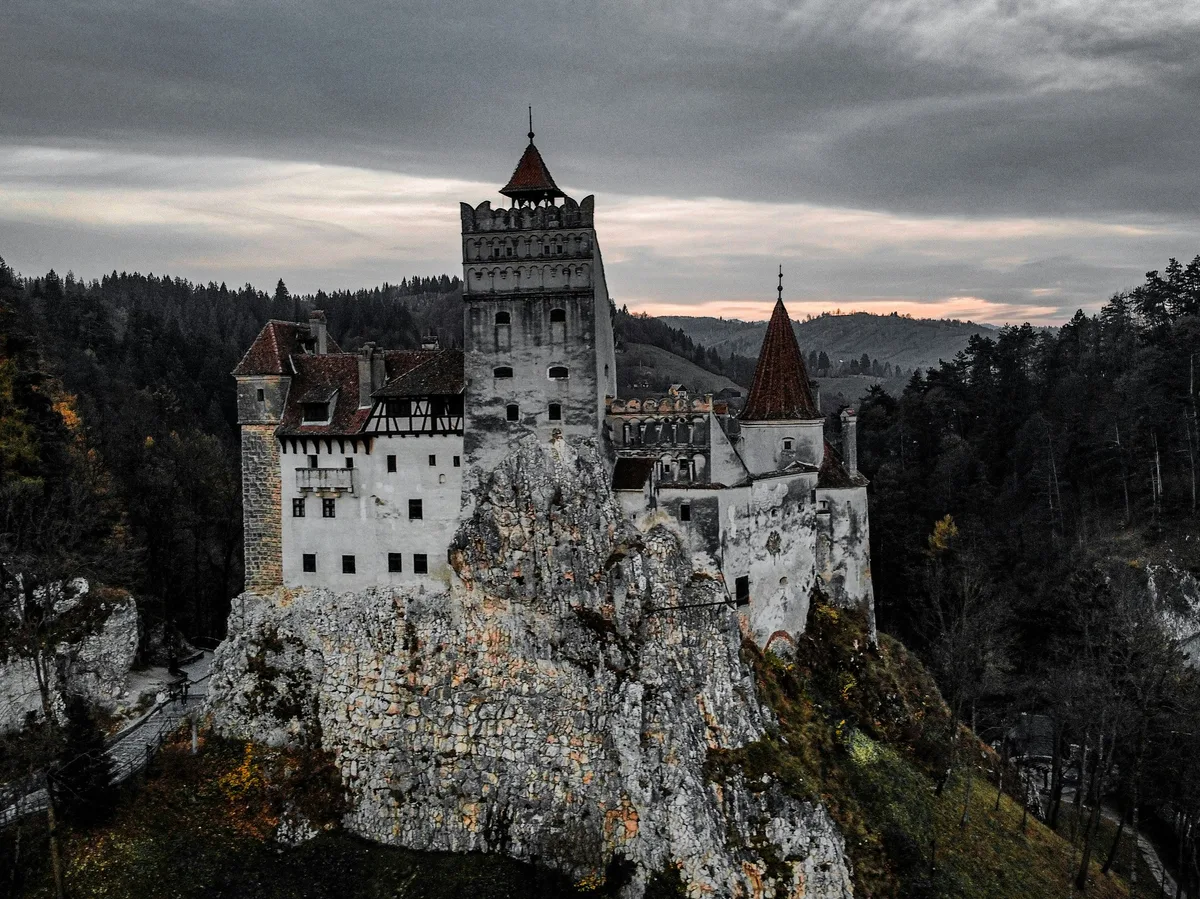
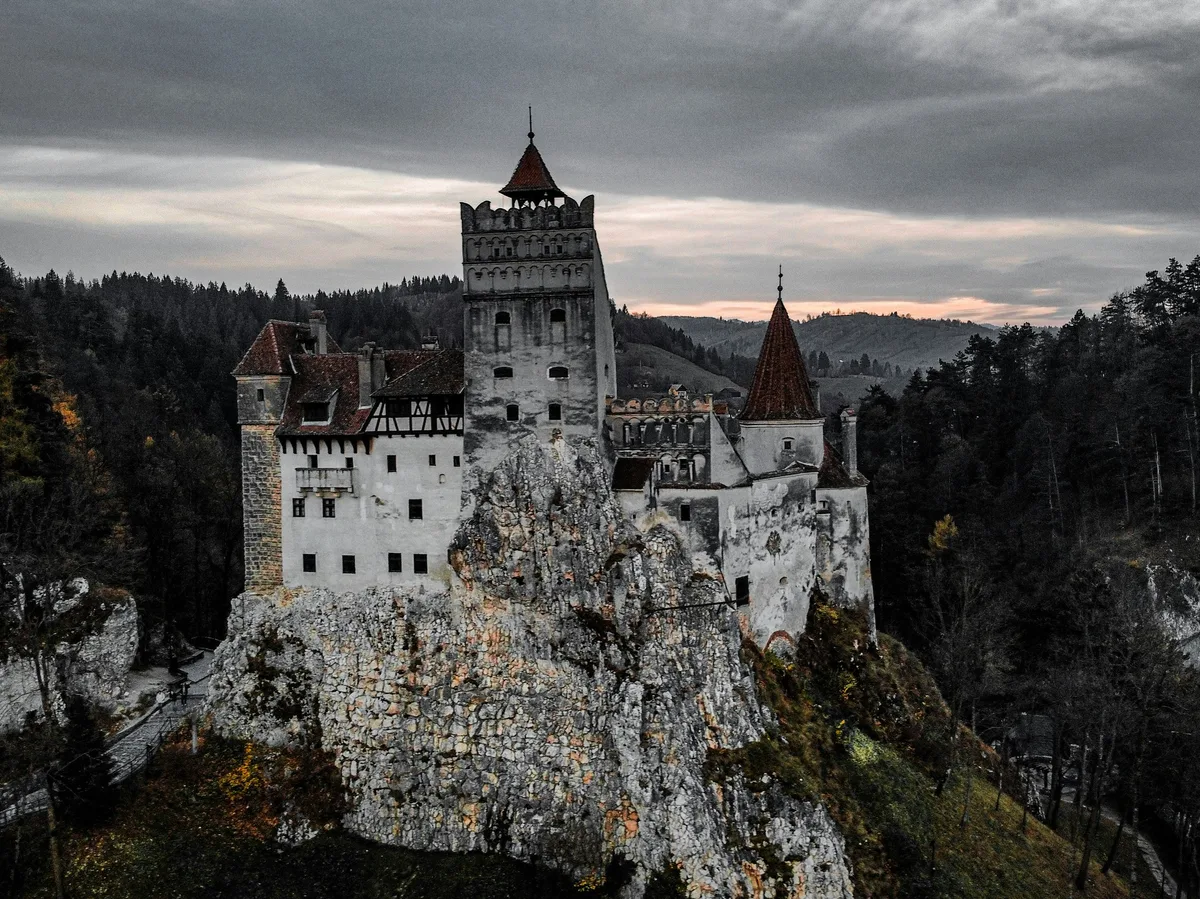
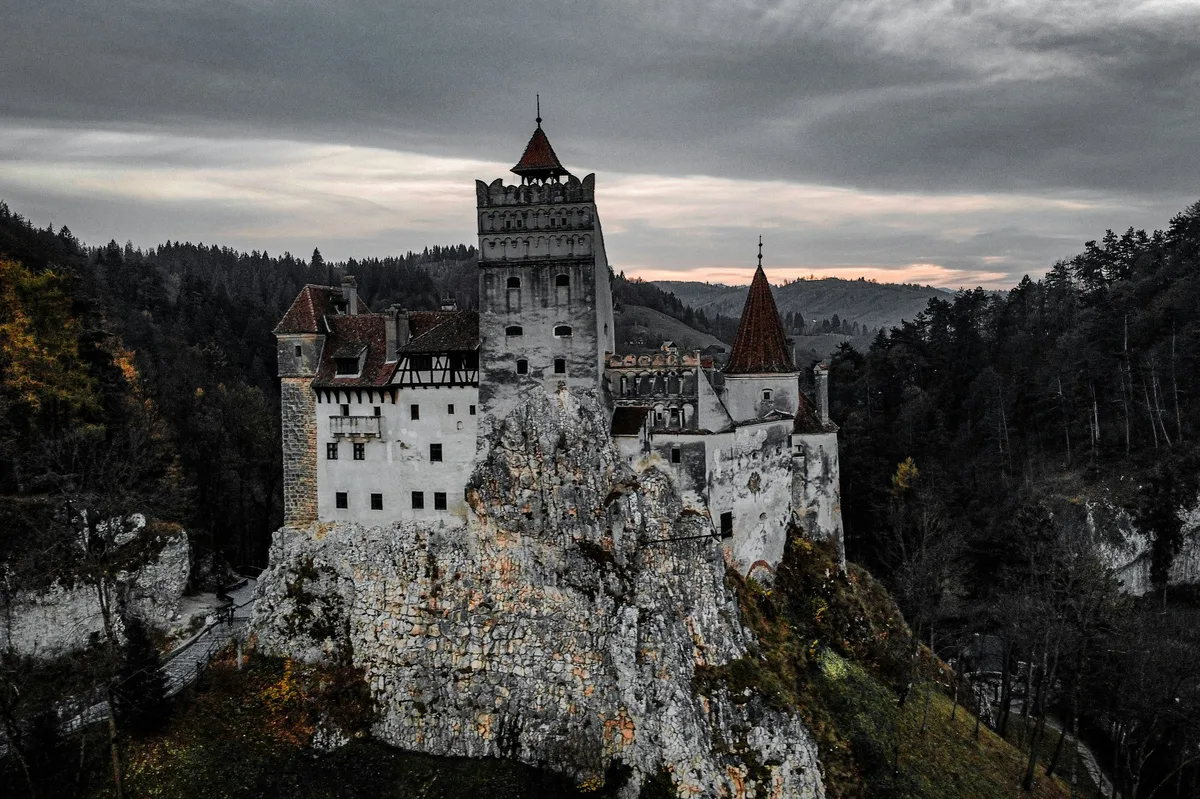 Bran Castle
Romania
A 14th-century castle near Brașov popularly known as "Dracula's Castle" for its association with the Dracula legend, standing on a rocky outcrop above the surrounding forest.
2
Bran Castle
Romania
A 14th-century castle near Brașov popularly known as "Dracula's Castle" for its association with the Dracula legend, standing on a rocky outcrop above the surrounding forest.
2
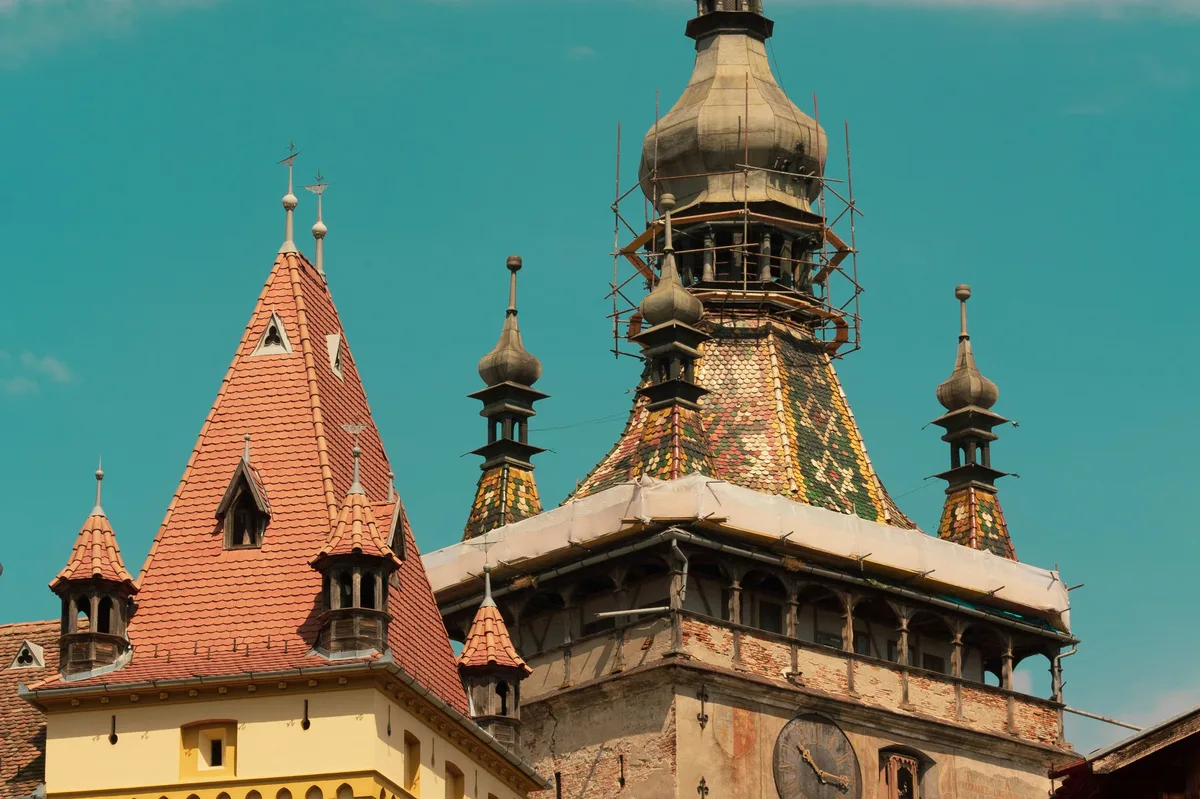 Sighișoara Citadel
Romania
A UNESCO World Heritage medieval citadel in Transylvania — the only inhabited fortified town of its kind still standing in Europe — and the birthplace of Vlad the Impaler.
3
Sighișoara Citadel
Romania
A UNESCO World Heritage medieval citadel in Transylvania — the only inhabited fortified town of its kind still standing in Europe — and the birthplace of Vlad the Impaler.
3
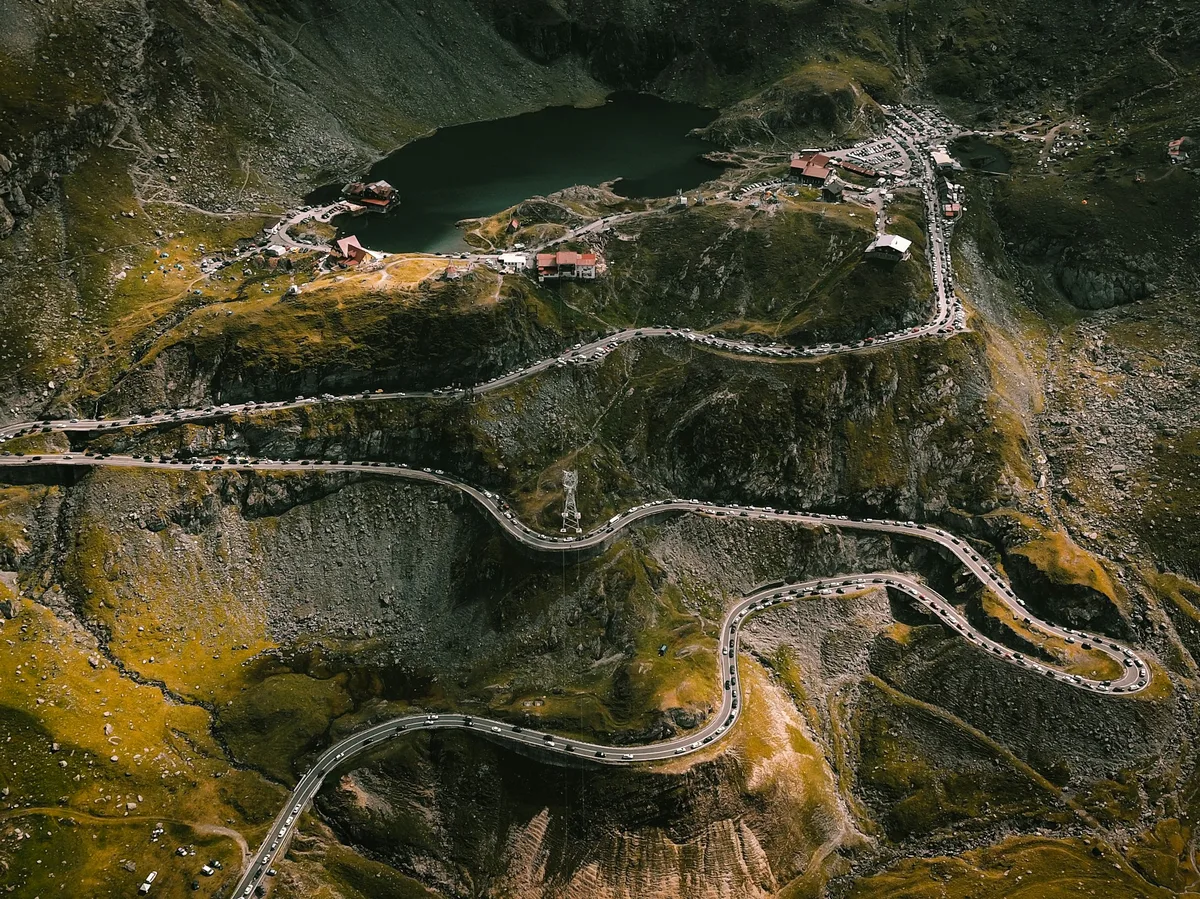
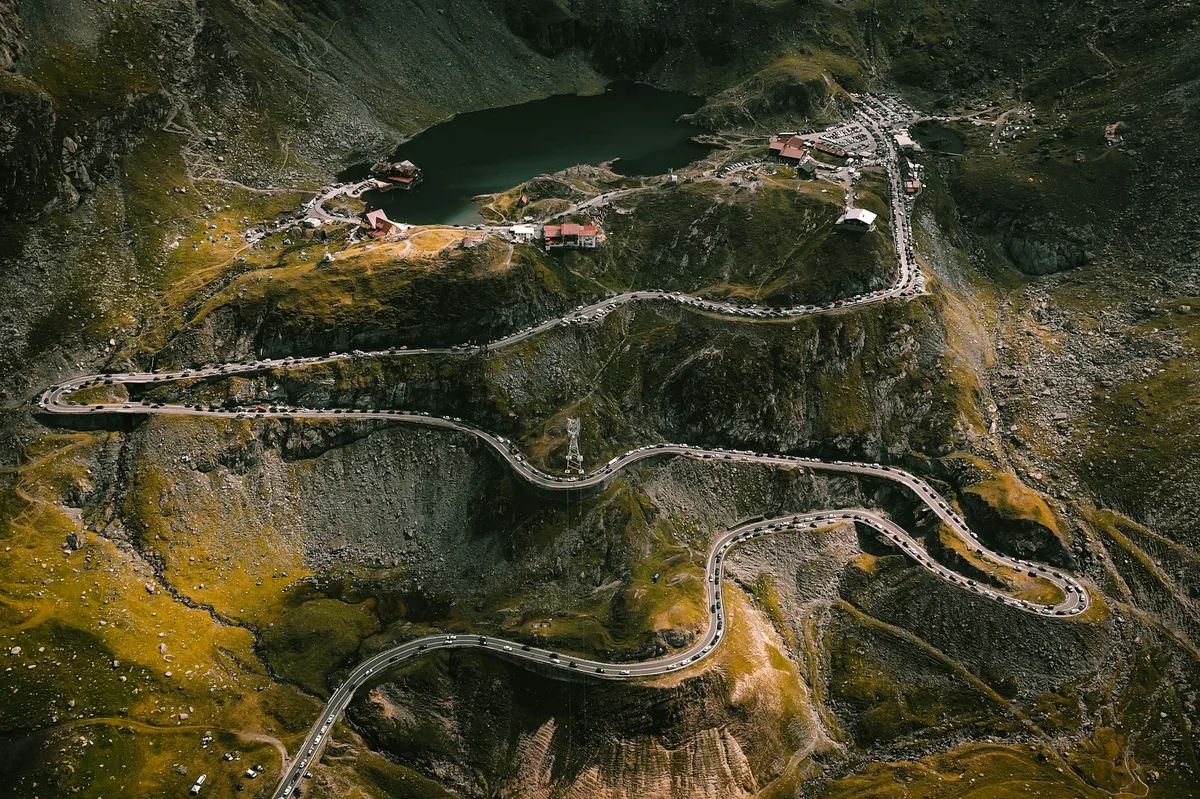 Transfăgărășan Road
Romania
A high-altitude mountain road crossing the Carpathians via the Bâlea Lac pass, once voted the world's most beautiful road by Top Gear, with hairpin switchbacks and views of Poenari Fortress below.
4
Transfăgărășan Road
Romania
A high-altitude mountain road crossing the Carpathians via the Bâlea Lac pass, once voted the world's most beautiful road by Top Gear, with hairpin switchbacks and views of Poenari Fortress below.
4
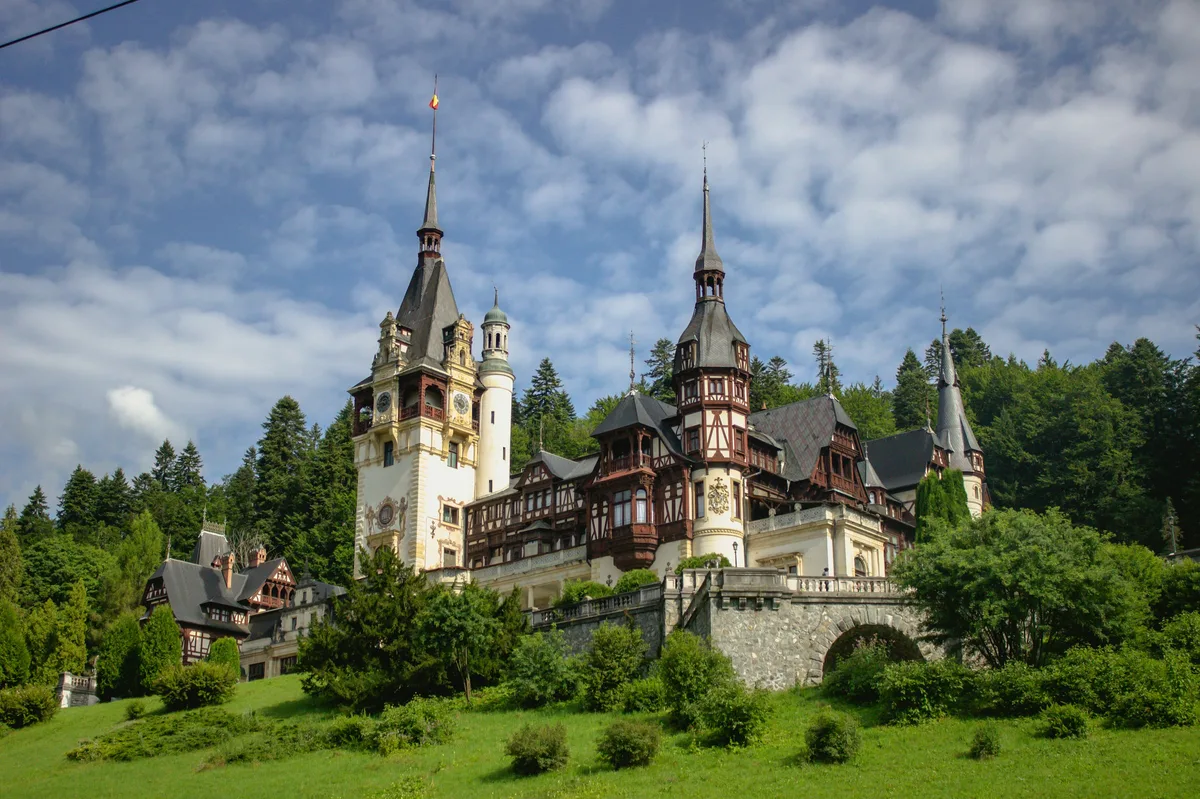
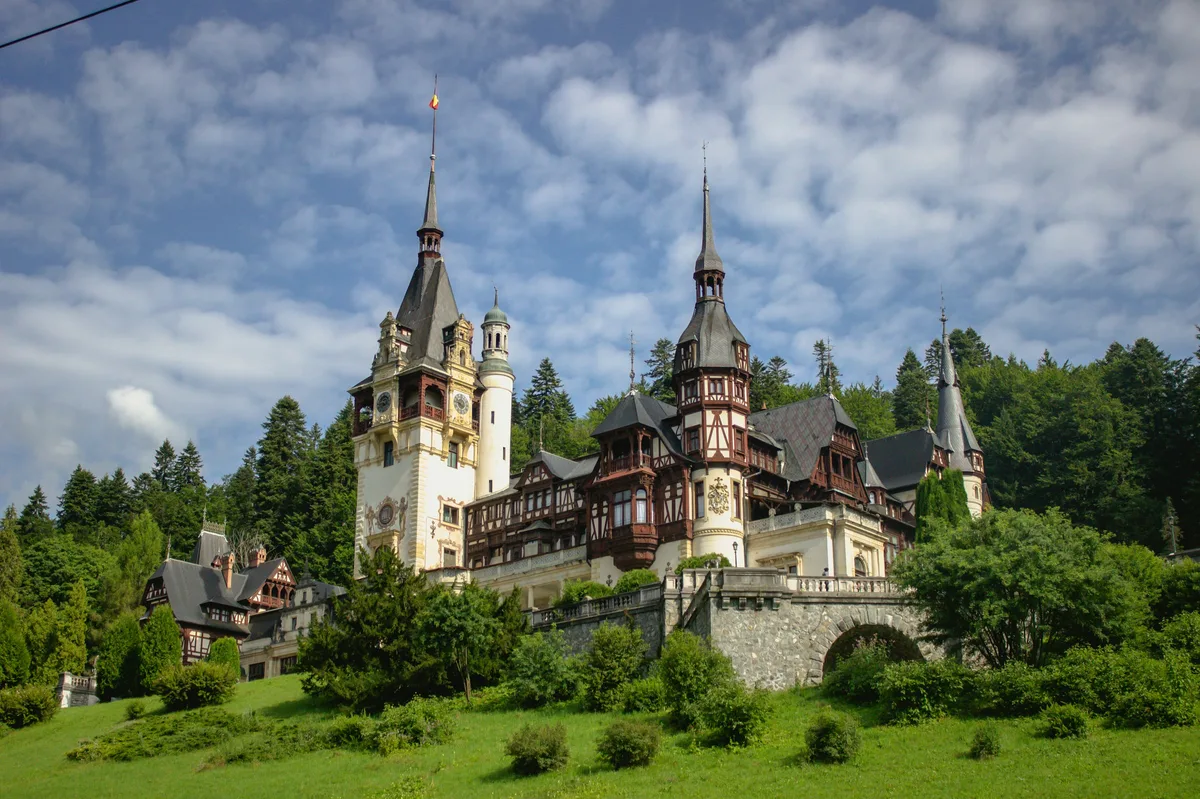 Peleș Castle
Romania
A Neo-Renaissance royal castle in the mountain resort town of Sinaia, built for King Carol I in the late 19th century and widely considered one of Europe's most beautiful castles.
5
Peleș Castle
Romania
A Neo-Renaissance royal castle in the mountain resort town of Sinaia, built for King Carol I in the late 19th century and widely considered one of Europe's most beautiful castles.
5
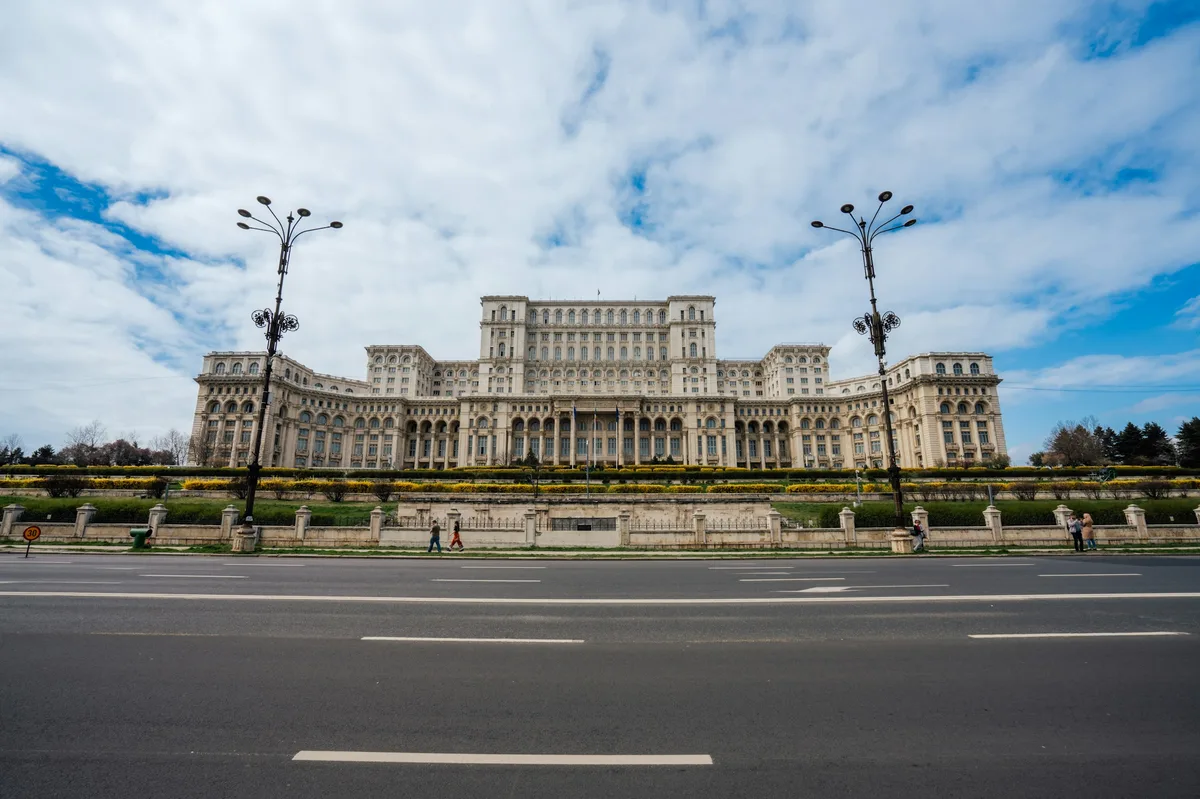
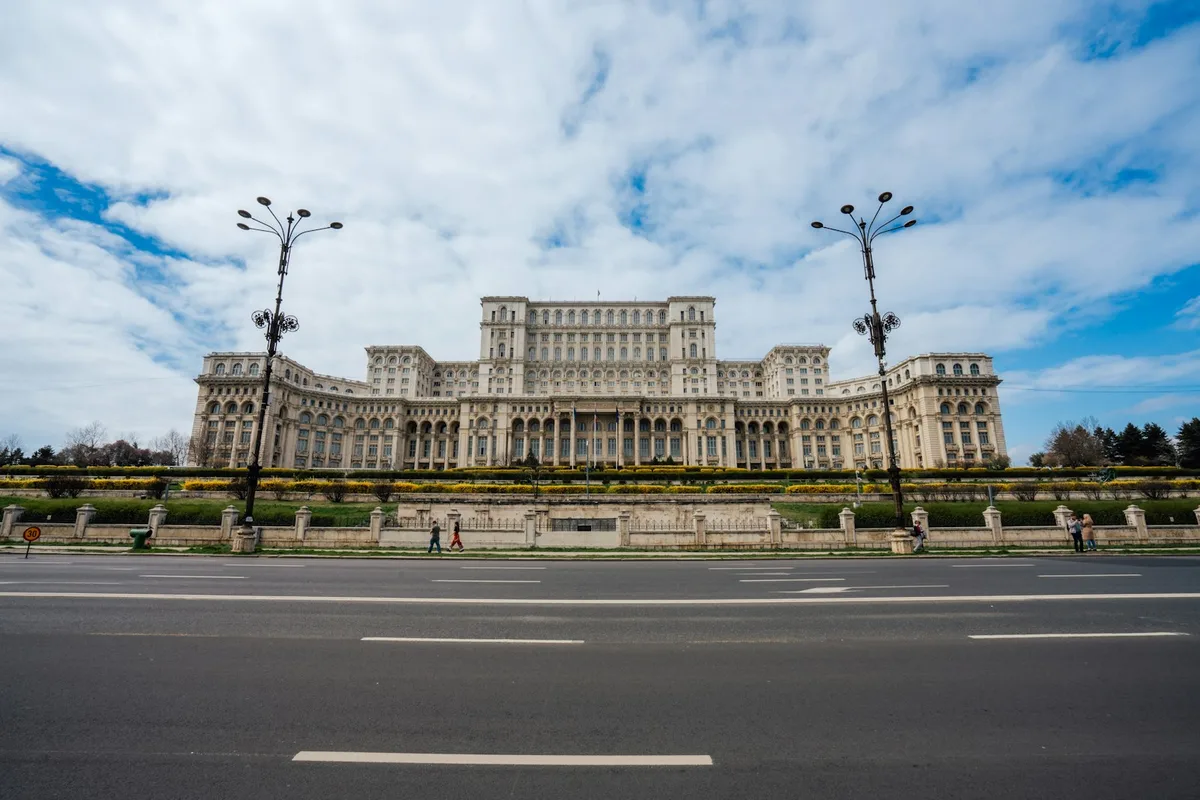 Palace of Parliament
Romania
The world's heaviest building and second-largest administrative building after the Pentagon, built under Ceaușescu in the 1980s, now housing Romania's parliament and a contemporary art museum.
6
Palace of Parliament
Romania
The world's heaviest building and second-largest administrative building after the Pentagon, built under Ceaușescu in the 1980s, now housing Romania's parliament and a contemporary art museum.
6
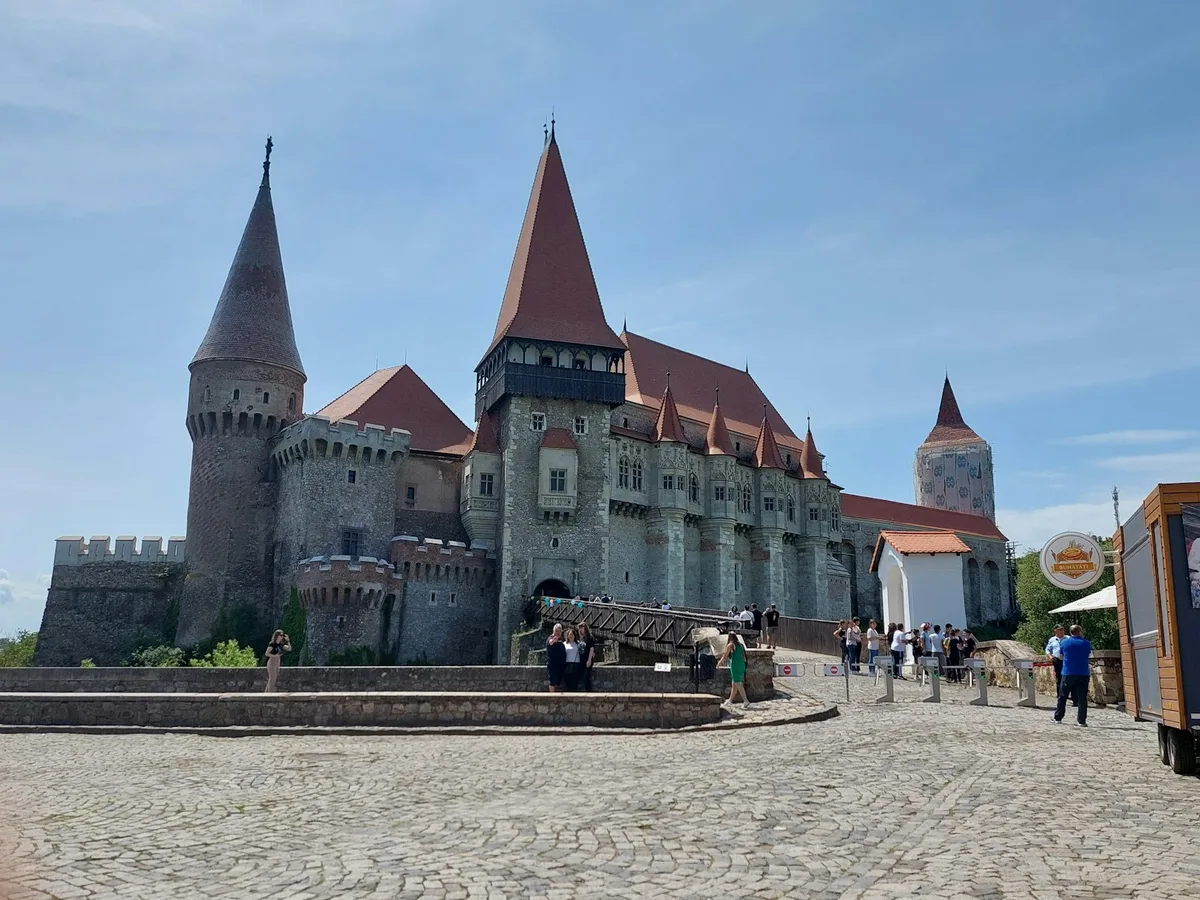 Corvin Castle
Romania
A Gothic-Renaissance castle in Hunedoara built on the foundations of a 14th-century fortress, its towers, drawbridge, and inner courtyard among the largest castles in Europe.
7
Corvin Castle
Romania
A Gothic-Renaissance castle in Hunedoara built on the foundations of a 14th-century fortress, its towers, drawbridge, and inner courtyard among the largest castles in Europe.
7
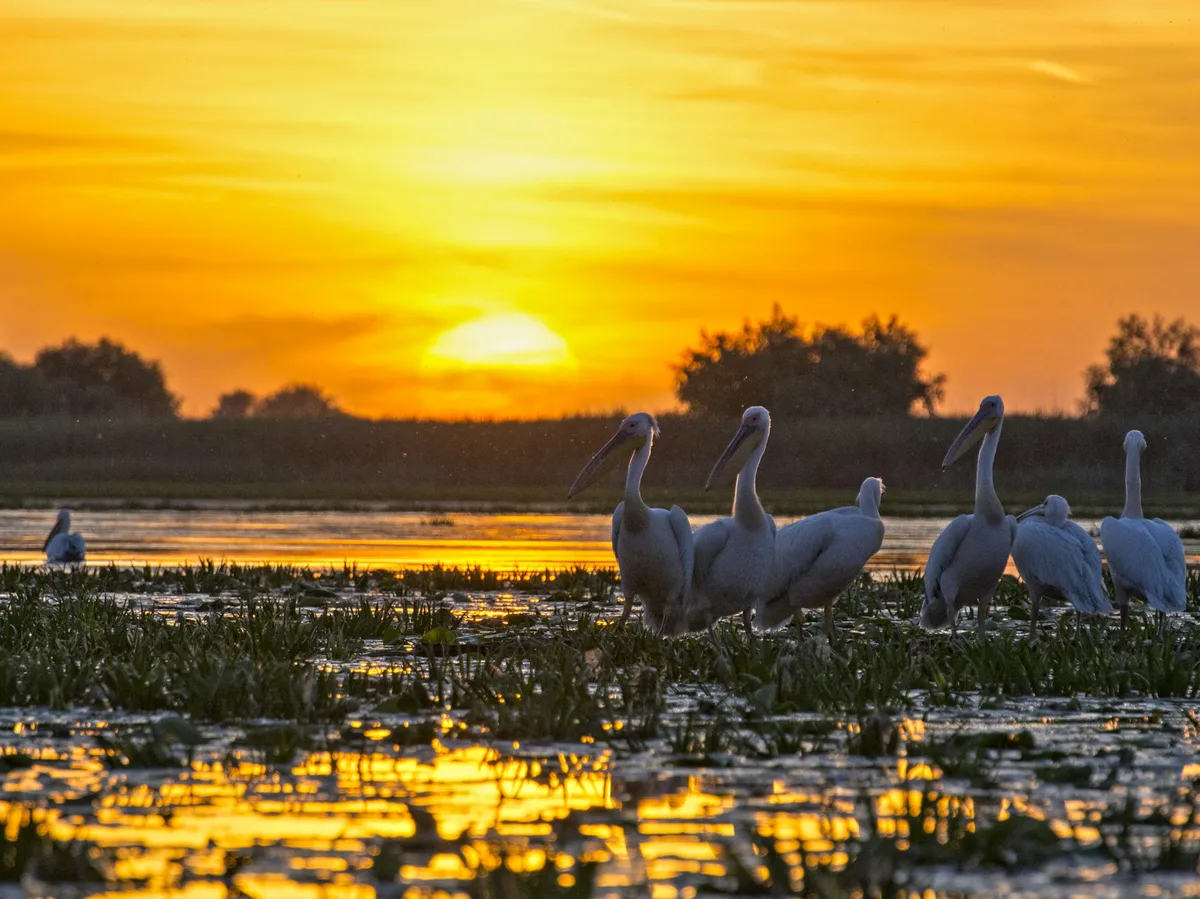
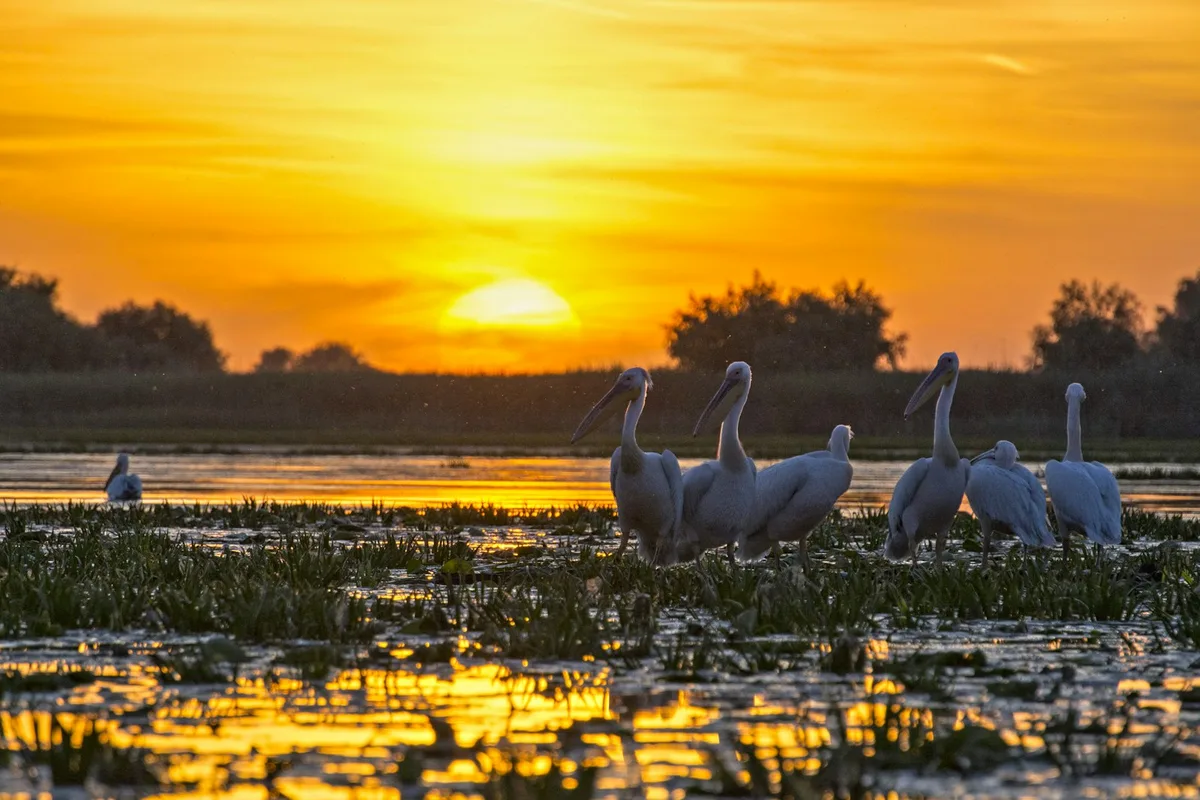 Danube Delta
Romania
Europe's largest and best-preserved river delta, where the Danube splits into channels and reed marshes before reaching the Black Sea — a UNESCO Biosphere Reserve home to pelicans and over 300 bird species.
8
Danube Delta
Romania
Europe's largest and best-preserved river delta, where the Danube splits into channels and reed marshes before reaching the Black Sea — a UNESCO Biosphere Reserve home to pelicans and over 300 bird species.
8
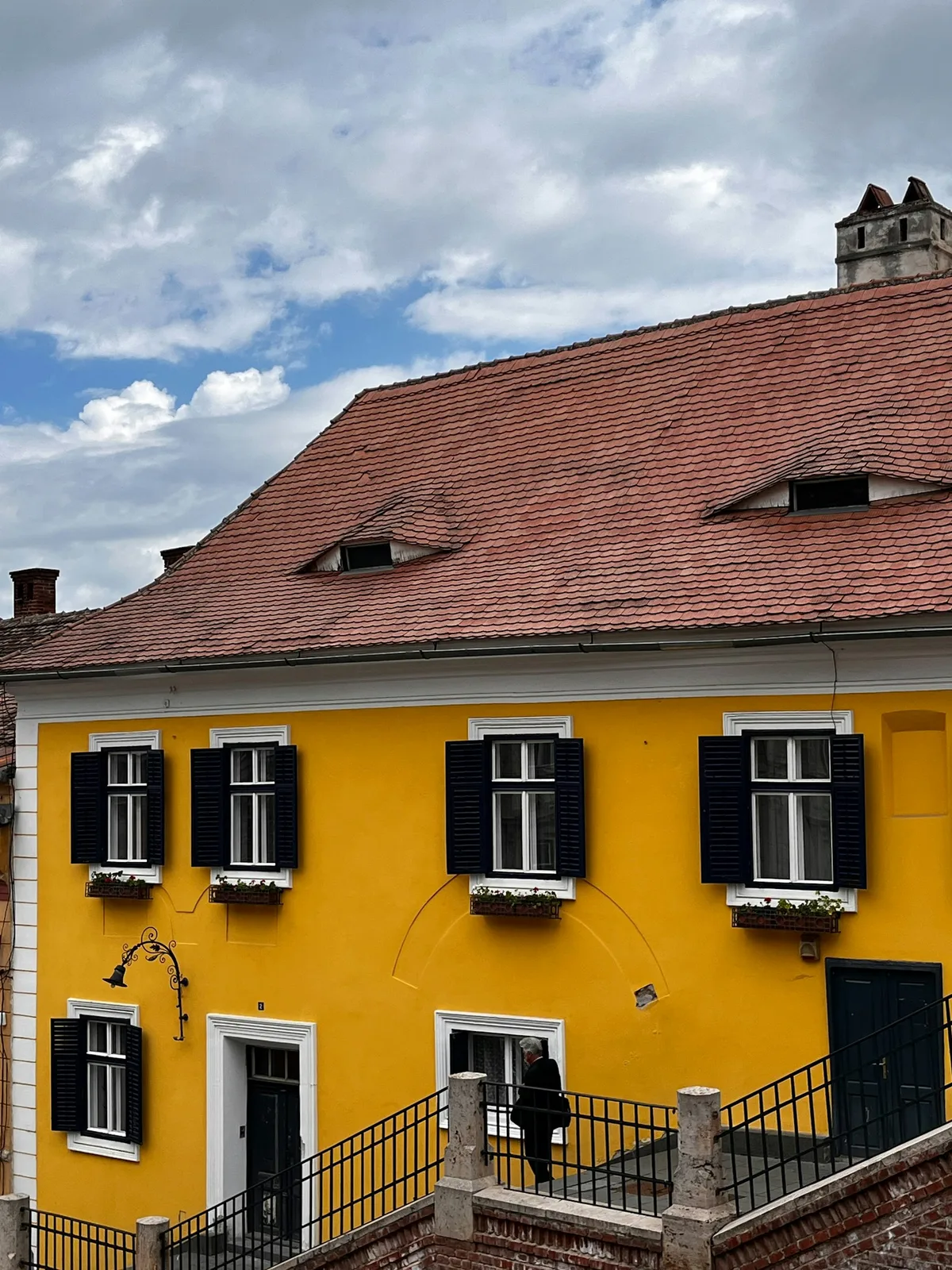 Sibiu Old Town
Romania
A Transylvanian Saxon city with a fortified medieval center, its rooftops set with dormer windows shaped like half-closed eyes, connected by covered passageways and the wrought-iron Liars' Bridge.
Multi-Day Tours
Sibiu Old Town
Romania
A Transylvanian Saxon city with a fortified medieval center, its rooftops set with dormer windows shaped like half-closed eyes, connected by covered passageways and the wrought-iron Liars' Bridge.
Multi-Day Tours
An 8-day Transylvania route tracing the Dracula legend and the real history of Vlad the Impaler — Bran Castle, medieval Sighișoara, Corvin Castle, and the sites of Vlad's own life in Târgoviște and Poenari, alongside Brașov, Cluj-Napoca, and Sibiu.
 Multi-Day Tours
A 7-day route along Romania's most celebrated mountain roads — Bran Castle, the Transfăgărășan through the Carpathians, Poenari Fortress, medieval Sibiu, the high-altitude Transalpina, and the pottery village of Horezu.
 Multi-Day Tours
A 5-day city break based entirely in Bucharest, with the Palace of the Parliament and Old Town on day one, a day trip to Comana Monastery and the Neajlov Delta, and a day out to Peleș and Bran Castles.
 Multi-Day Tours
A 5-day trip to Europe's second-largest and best-preserved river delta, with a private boat exploration of the Danube Delta's waterways and wildlife, the fishing villages and gorge of Dobrogea, and a stop on the Black Sea coast at Constanța and Mamaia.
 Multi-Day Tours
A 12-day, family-paced loop from Bucharest through the Carpathian resorts of Sinaia and Brașov, Bran Castle, the medieval citadel of Sighișoara, Turda Salt Mine, mountain trekking near Arieșeni, Bear Cave, Corvin Castle, and the pottery village of Horezu.
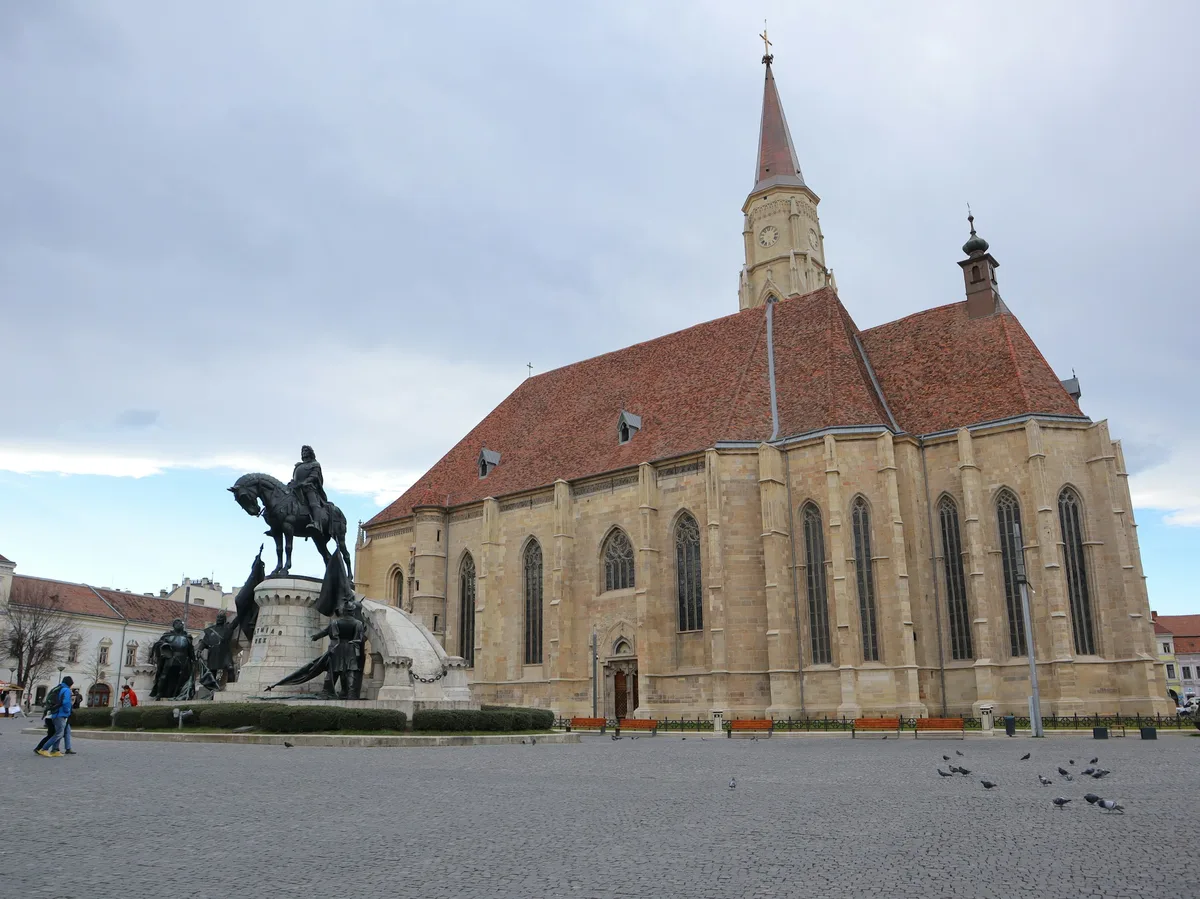 Multi-Day Tours
A 10-day loop through Transylvania's castles and citadels — Sibiu, Alba Iulia's star-shaped fortress, Corvin Castle, Turda Salt Mine, Cluj-Napoca, Târgu Mureș, the medieval citadels of Sighișoara and Biertan, the Saxon village of Viscri, and Bran and Peleș Castles.
 Multi-Day Tours
A 5-day luxury route from Bucharest's Parliament Palace and the Therme wellness complex, to Bran Castle, the Saxon village of Viscri, and Peleș Castle, with a home-cooked Transylvanian lunch and a spa treatment included.
 Multi-Day Tours
A 6-day food and wine route from Bucharest's National Village Museum, to Bran Castle and Brașov, an underground salt mine and wine tasting at Slănic Prahova, and vineyard tours in the Drăgășani wine region.
 Multi-Day Tours
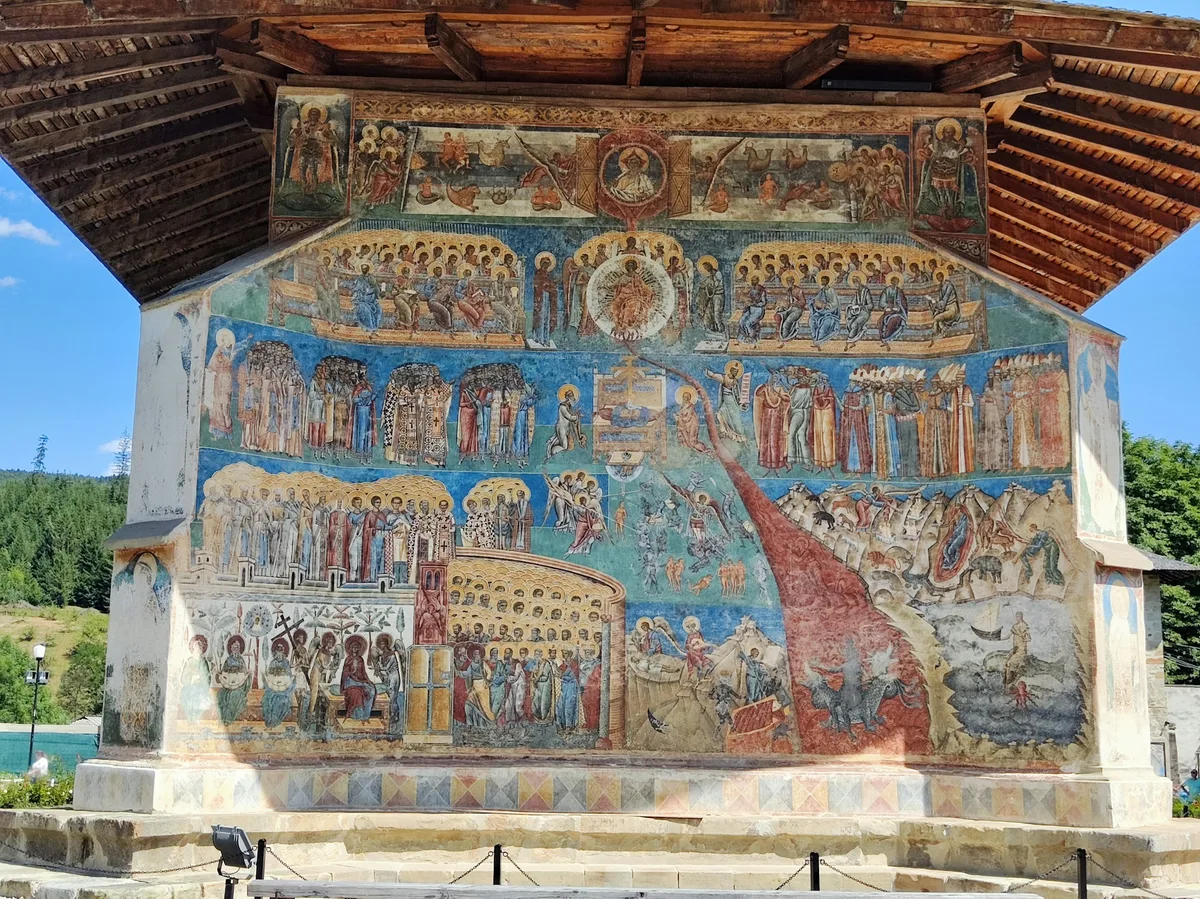
An 11-day luxury route combining a private Danube Delta boat excursion, the UNESCO painted monasteries of Bucovina, Cluj-Napoca and Turda Salt Mine, medieval Sibiu, and Bran, Brașov, and Peleș Castle, staying in 4- and 5-star hotels throughout.
Romania is an EU member, and most Western nationalities — including US, UK, Canadian, and Australian citizens — can enter visa-free for short tourist stays; Romania's Schengen status has been evolving in recent years, so it's worth confirming current entry and border requirements before you travel.
Romanian is the official language and, unusually for the region, a Romance language related to Italian, French, and Spanish rather than a Slavic one; English is widely spoken among younger Romanians and in the tourism industry.
Romania is generally regarded as a safe country for travelers, with low violent crime rates; ordinary precautions around petty theft apply in Bucharest's busier tourist areas, as in most European capitals.
Romania uses the Romanian leu (RON) rather than the euro, despite its EU membership; card payment is widely accepted in cities, but local cash is useful in smaller Transylvanian towns.
Bran Castle's 'Dracula's Castle' branding rests on Bram Stoker's 1897 novel rather than a documented historical connection — Vlad the Impaler, the 15th-century Wallachian ruler often cited as Stoker's inspiration, has his own real and separate history worth learning alongside the legend.
Romania was under communist rule from 1947 until the 1989 revolution that ended Nicolae Ceaușescu's regime; Bucharest's Palace of Parliament, one of the largest administrative buildings in the world, dates from that era and remains one of the city's most visited sights.
Tell us your group size and dates — we'll take care of the rest.