TorontoOntario · 36 tours
 Niagara FallsOntario · 25 tours
 New York CityNew York · 30 tours
 Las VegasNevada · 8 tours
 San FranciscoCalifornia · 16 tours
 VancouverBritish Columbia · 17 tours
 DubaiUAE · 54 tours
 Abu DhabiUAE · 5 tours
 Buenos AiresArgentina · 23 tours
 AthensGreece · 31 tours
 AucklandNew Zealand · 38 tours
 CancunMexico · 54 tours
No destinations match “”. Try searching all tours instead — that search understands full questions, not just place names.
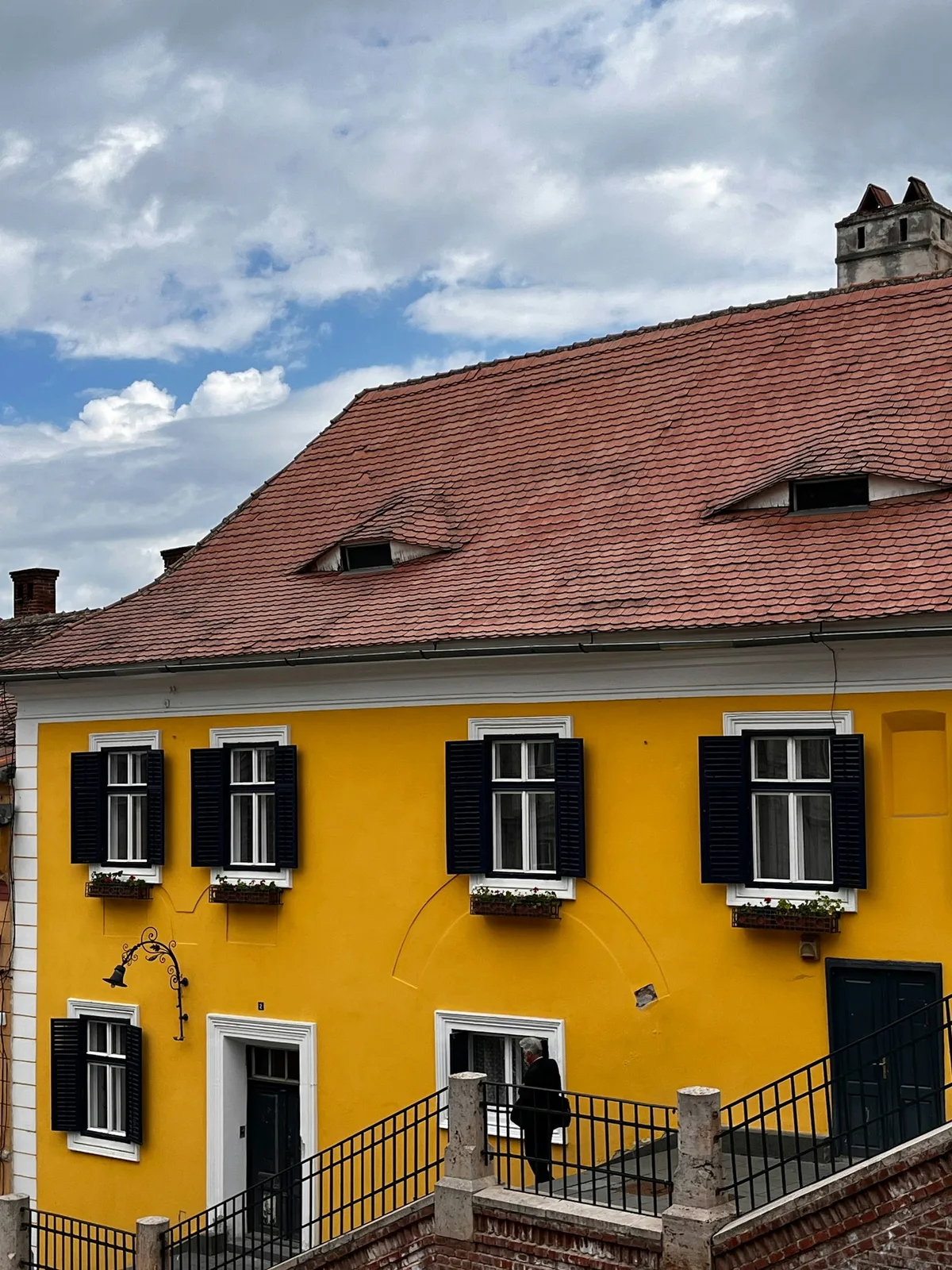
A Transylvanian Saxon city with a fortified medieval center, its rooftops set with dormer windows shaped like half-closed eyes, connected by covered passageways and the wrought-iron Liars' Bridge.
Visitor guide
Sibiu Old Town is the historic center of Sibiu, a city on the Cibin River in the Transylvania region of central Romania. Founded by Transylvanian Saxon settlers in the 12th century, it is known for its medieval fortifications, its large squares and for the rooftop dormer windows that look like eyes, which have earned the city the nickname The Town with Eyes.
Wikipedia says the town was founded by Saxon settlers from the Holy Roman Empire and neighboring territories, brought by King Geza II of Hungary in the mid to late 12th century, around 1147. The area appears in records from 1191 as Cibinium, when Pope Celestine III confirmed a Saxon church province with its headquarters in Sibiu. The German name Hermannstadt, meaning Hermann's city, dates from 1366. By the 14th century Sibiu was already an important trade center, and in 1376 its craftsmen were organized into 19 guilds. It became the most important German city among the seven that gave Transylvania its German name Siebenburgen. Sibiu was the capital of the Principality of Transylvania in the late 17th and 18th centuries and again from 1849 to 1865, and a large part of its population was ethnic German until 1941.
The old center is arranged around the Grand Square, the Lesser Square and the Huet Square. Wikipedia notes that the town is nicknamed for the eyebrow-shaped dormers on many old buildings. The Lesser Square is home to the Bridge of Lies, described as the first cast iron bridge built in what is now Romania. It rests on four cast-iron arches with Neo-Gothic decoration and carries the inscription 1859 and the name of the Friedrichshutte foundry. Many legends explain its name, such as that it collapses if someone tells a lie, but the explanation is probably that its original name, Liegebrucke, meaning lying bridge in the sense of reclining, sounded like Lugenbrucke, bridge of lies. The legends are folklore rather than history.
Sibiu's museums are organized around the Brukenthal National Museum, which includes an art gallery and an old books library in the Brukenthal Palace, a history museum in the old town hall, and a pharmacy museum in what Wikipedia calls one of the first apothecaries in Europe, dating from the 16th century. The ASTRA National Museum Complex focuses on ethnography and includes a 96-hectare open-air museum in Dumbrava Forest. The Radu Stanca National Theatre, with roots in 1787, has both Romanian and German sections, and the city hosts the Sibiu International Theatre Festival each year.
Sibiu was named European Capital of Culture in 2007 alongside Luxembourg City. Wikipedia records that in 2019 it was European Region of Gastronomy and that its Christmas market, started in 2007, was the first of its kind in Romania. Its historic center was added to Romania's tentative list of UNESCO World Heritage Sites in 2004, though it has not been officially inscribed; nearby fortified Saxon villages such as Biertan were inscribed in 1993.
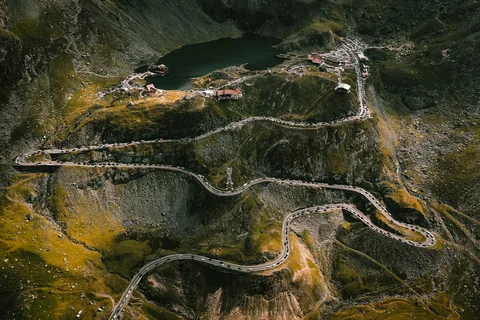
The old center is compact enough to explore on foot, and the city lies close to the Fagaras Mountains and to the Transfagarasan road. A private tour with a driver and guide suits a stop here between Brasov, Sighisoara and the Carpathian roads.
See every tour and attraction we cover in Romania.