TorontoOntario · 36 tours
 Niagara FallsOntario · 25 tours
 New York CityNew York · 30 tours
 Las VegasNevada · 8 tours
 San FranciscoCalifornia · 16 tours
 VancouverBritish Columbia · 17 tours
 DubaiUAE · 54 tours
 Abu DhabiUAE · 5 tours
 Buenos AiresArgentina · 23 tours
 AthensGreece · 31 tours
 AucklandNew Zealand · 38 tours
 CancunMexico · 54 tours
No destinations match “”. Try searching all tours instead — that search understands full questions, not just place names.
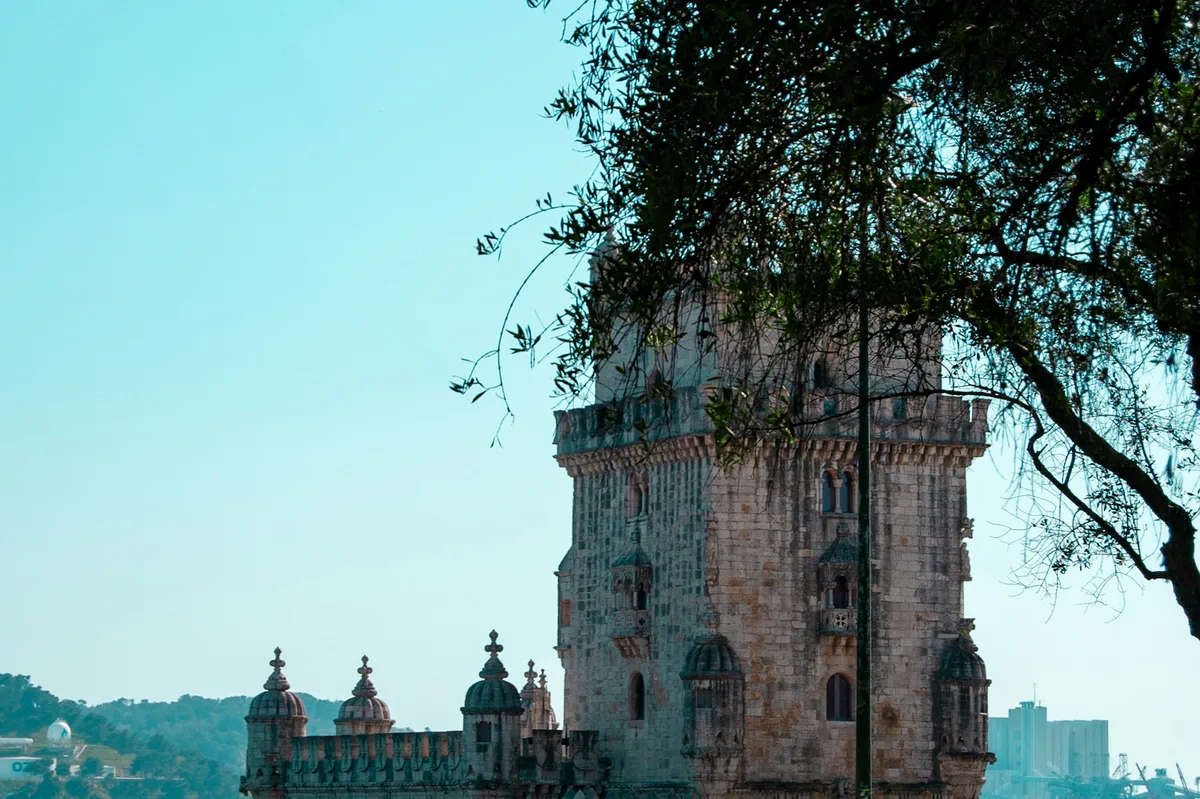
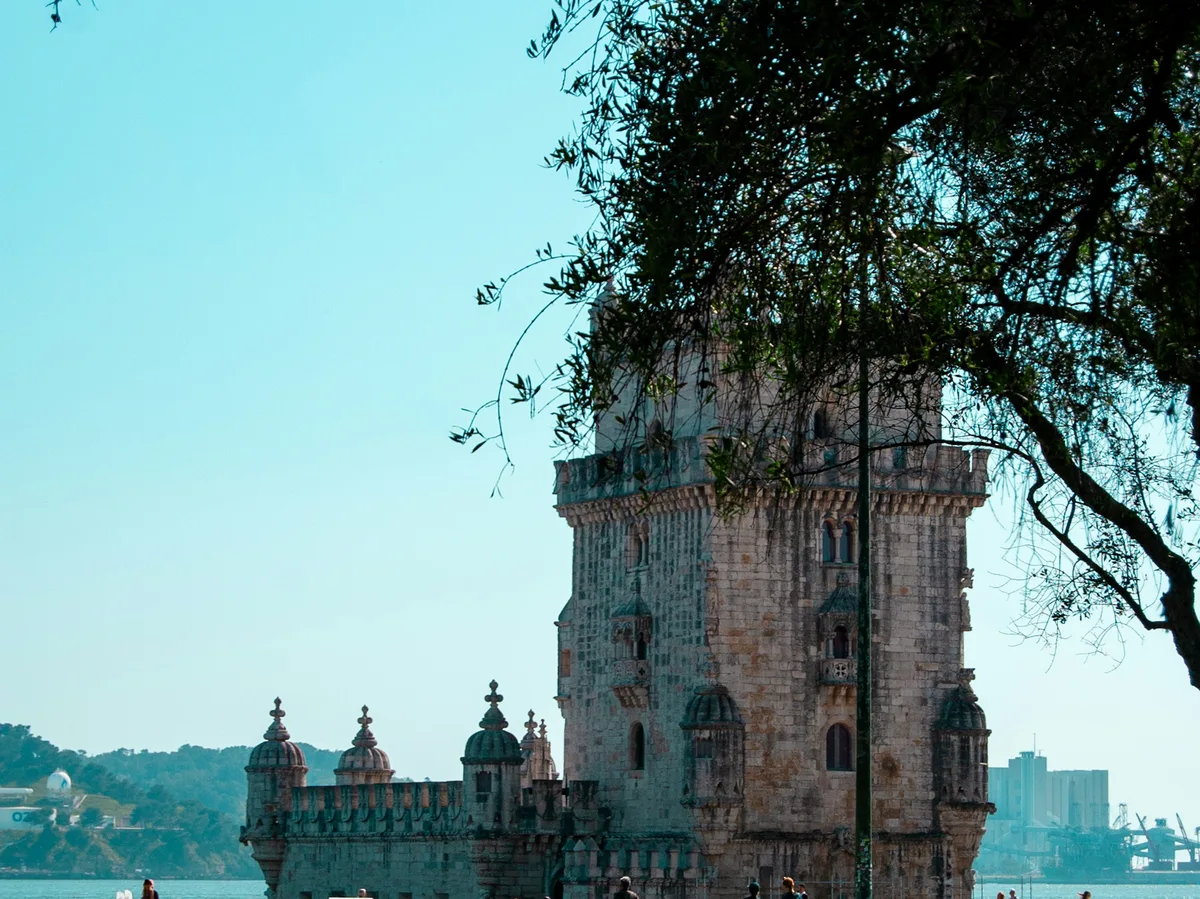
A 16th-century fortified tower on the banks of the Tagus River, built to defend Lisbon's harbor and now a UNESCO World Heritage Site marking the city's Age of Discoveries.
Visitor guide
Belém Tower (Torre de Belém), officially the Tower of Saint Vincent, is a 16th-century fortification on the north bank of the Tagus in Lisbon, Portugal. It served as a point of embarkation for Portuguese explorers and as a ceremonial gateway to the city, and it is inscribed on the UNESCO World Heritage list together with the nearby Jerónimos Monastery.
According to Wikipedia, King John II planned a defence system for the mouth of the Tagus in the late 15th century, relying on the fortresses of Cascais and Caparica, but these did not fully protect the estuary. He ordered a new fort but died before plans were drawn. His successor Manuel I revived the idea some twenty years later and ordered a fortification at Belém, designed by the military architect Francisco de Arruda.
Dates vary by source: Portugal's heritage directorate (DGPC) gives 1514 to 1520, UNESCO's summary gives 1515 to 1521, and Wikipedia gives work beginning around 1516 and finishing in 1519. It was built on a basalt outcrop close to the riverbank, and a heavily armed ship guarded the estuary until it was ready. Francisco de Arruda's work also celebrated the Portuguese voyages to India, and the fortress was named for Saint Vincent, the patron saint of Lisbon.
The tower is built of lioz limestone, a pale stone from the Lisbon area, and is regarded as a leading example of the Manueline style. A rectangular four-storey tower roughly 30 metres tall stands beside an irregular hexagonal bastion that projects toward the river. Typical Manueline motifs appear throughout, including rib vaulting, crosses of the Order of Christ, armillary spheres and twisted rope carving, while arched windows, balconies and ribbed watchtower cupolas show Moorish influence.
The lower bastion has room for 17 cannons, and its open design was intended to disperse cannon smoke. Wikipedia describes it as the first Portuguese fortification with a two-level gun emplacement. Niches hold statues of Saint Vincent and the Archangel Michael, and a carved rhinoceros at the base of a turret is considered an early sculpture of the animal in Western European art, probably recalling the rhinoceros Manuel sent to Pope Leo X in 1515.
The tower saw military service rather than constant combat. In 1580 its garrison surrendered to Spanish forces after a short battle, and French troops were quartered there from 1808 to 1814 during the Peninsular War. Its dungeons served as a prison from 1580 until 1830, and another level housed a customs post for ships until duties on foreign vessels were abolished in 1833.
In the 19th century the building had deteriorated, and the writer Almeida Garrett protested its condition. Later alterations removed the barracks added over the bastion, and a major restoration in 1997 and 1998 reinforced the structure and won a Europa Nostra award in 1999. The tower became a national monument in 1907 and was added to the Seven Wonders of Portugal in 2007.
UNESCO inscribed the Monastery of the Hieronymites and Tower of Belém in 1983 under cultural criteria iii and vi. The tower stands in the Santa Maria de Belém parish, with the Jerónimos Monastery to the east and the Fort of Bom Sucesso to the west. Wikipedia notes that the tower was built on a small island near the shore, not in mid-river, and that the popular claim that the 1755 earthquake moved the river is incorrect; instead the shoreline gradually extended southward.
For visitors, the tower is best appreciated alongside the neighbouring monuments of Belém. A private guided visit with a local driver suits the district well, since the main sights lie close together along the riverfront.
See every tour and attraction we cover in Portugal.