 TorontoOntario · 17 tours
 Niagara FallsOntario · 17 tours
 New York CityNew York · 8 tours
 Las VegasNevada · 8 tours
 San FranciscoCalifornia · 16 tours
 VancouverBritish Columbia · 17 tours
 DubaiUAE · 44 tours
 Abu DhabiUAE · 5 tours
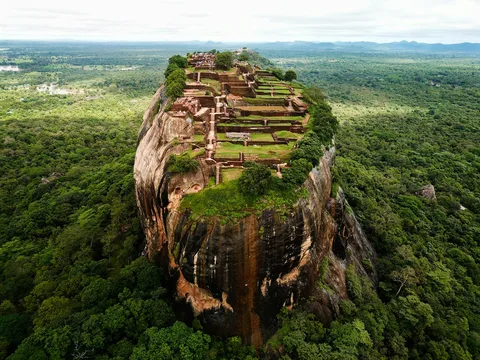 Sri LankaSri Lanka · 16 tours
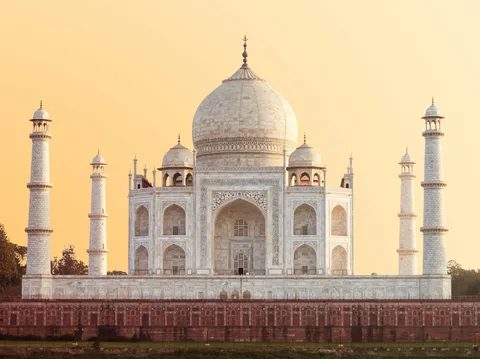 IndiaIndia · 13 tours
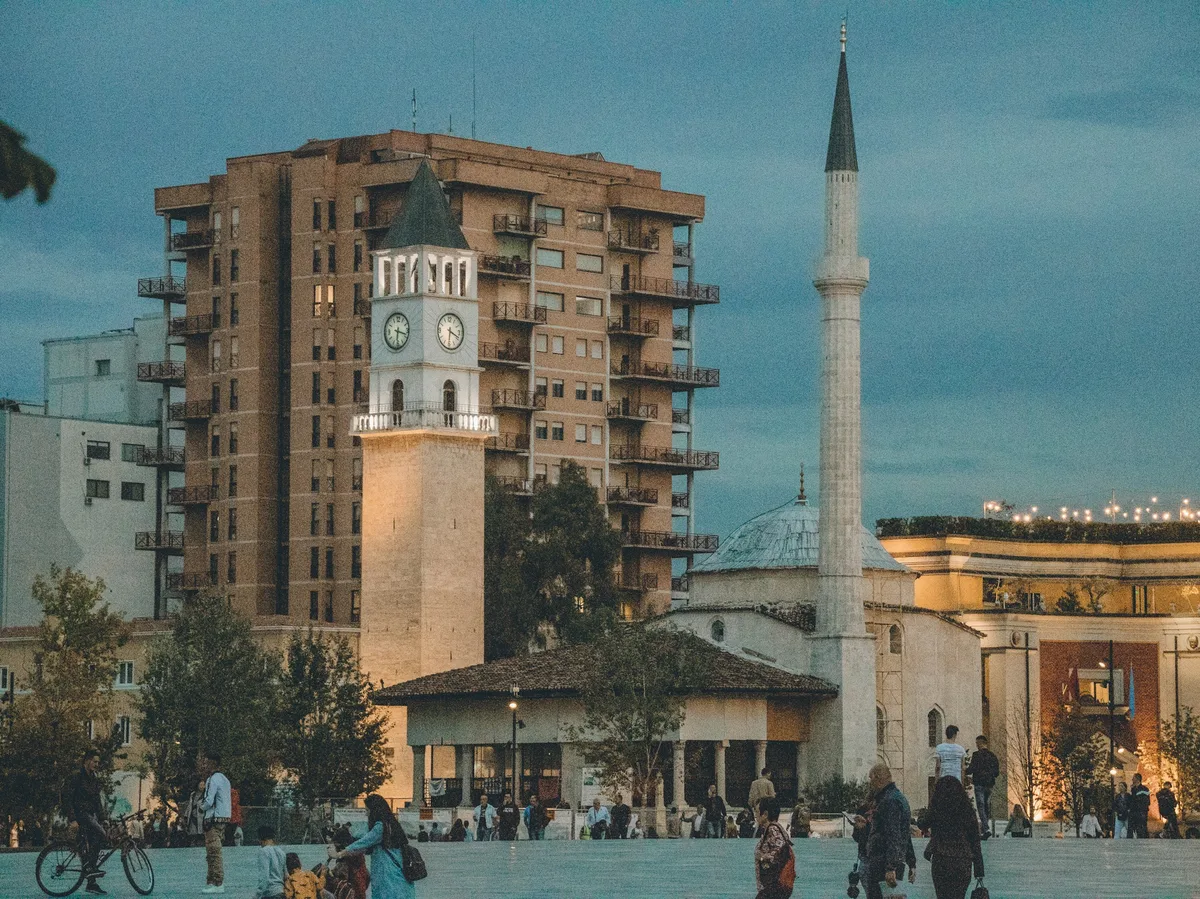
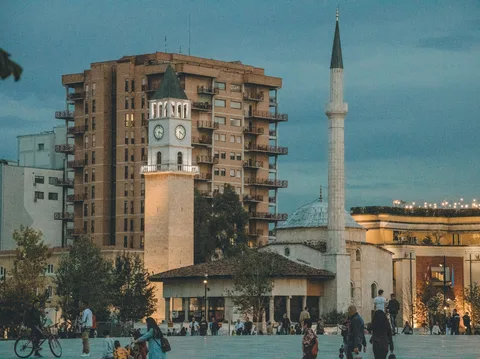 AlbaniaAlbania · 10 tours
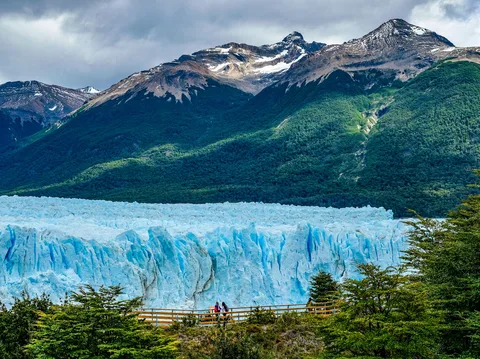 ArgentinaArgentina · 8 tours
No destinations match “”.
Voyzo runs 5 private tours across 1 destination in Bulgaria, covering 9 attractions — each with your own guide, driver, and vehicle, and an itinerary built around your group rather than a fixed bus schedule.
Bulgaria sits in the eastern Balkans, bordered by Romania to the north, Serbia and North Macedonia to the west, Greece and Turkey to the south, and the Black Sea to the east. It's been a European Union member since 2007, but it still uses its own currency, the lev, rather than the euro. Its history runs deep and layered — Thracian tombs, Roman ruins, and the medieval Bulgarian empires that once rivaled Byzantium — a legacy that's easy to underestimate from outside the region.
Sofia, Plovdiv, and Veliko Tarnovo anchor most Voyzo itineraries here, alongside the Balkan Mountains, the Rhodopes, and monasteries like Rila that have drawn pilgrims for a thousand years. It's a country that rewards slower travel through smaller towns, rose-growing valleys, and fortress ruins rather than a checklist of capital-city sights.
Because Bulgaria sits at a Balkan crossroads, several Voyzo routes continue into neighboring Serbia or Romania rather than staying inside one border. Where that happens, it's disclosed plainly — which nights are in Bulgaria and which are across the border — so there are no surprises about where you'll actually be sleeping each night.
The real stops Voyzo's own itineraries are built around — tap any attraction to learn more.
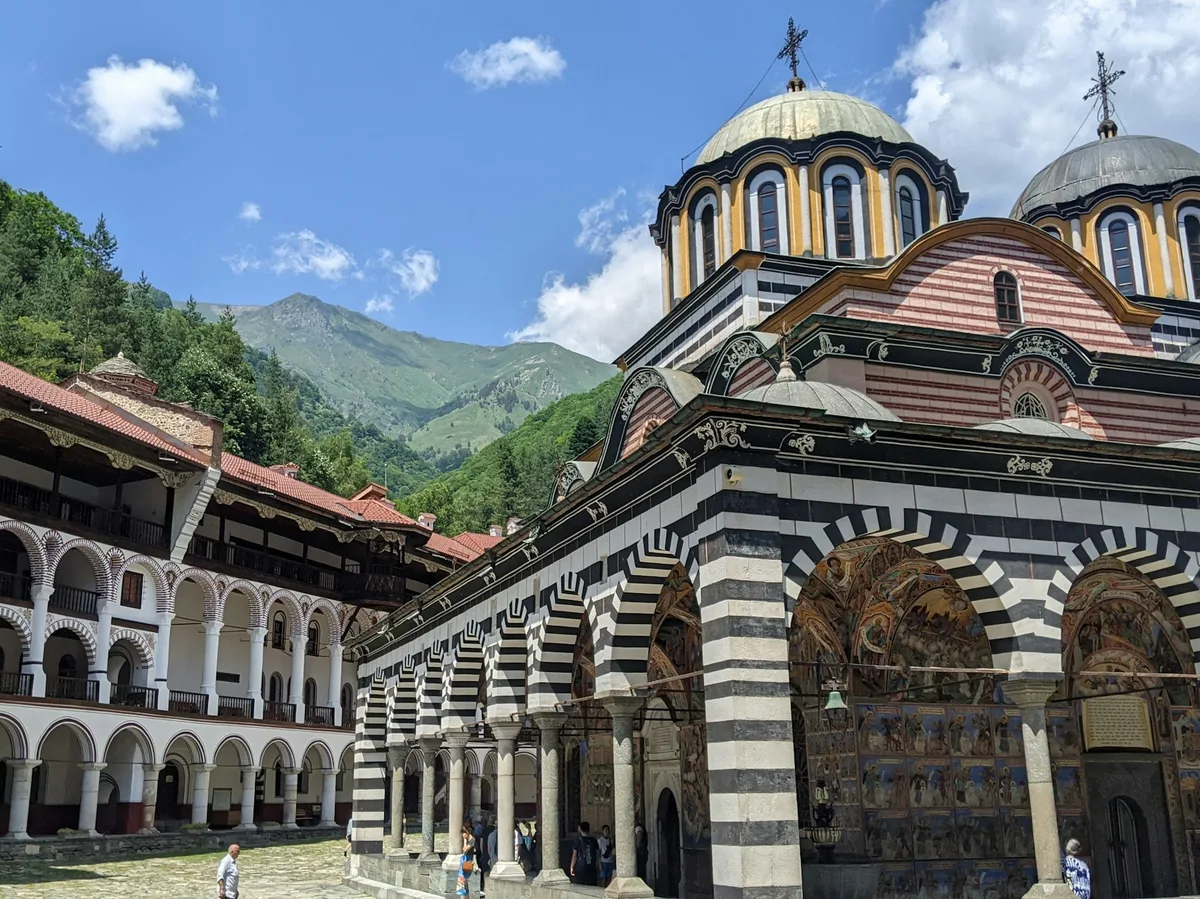
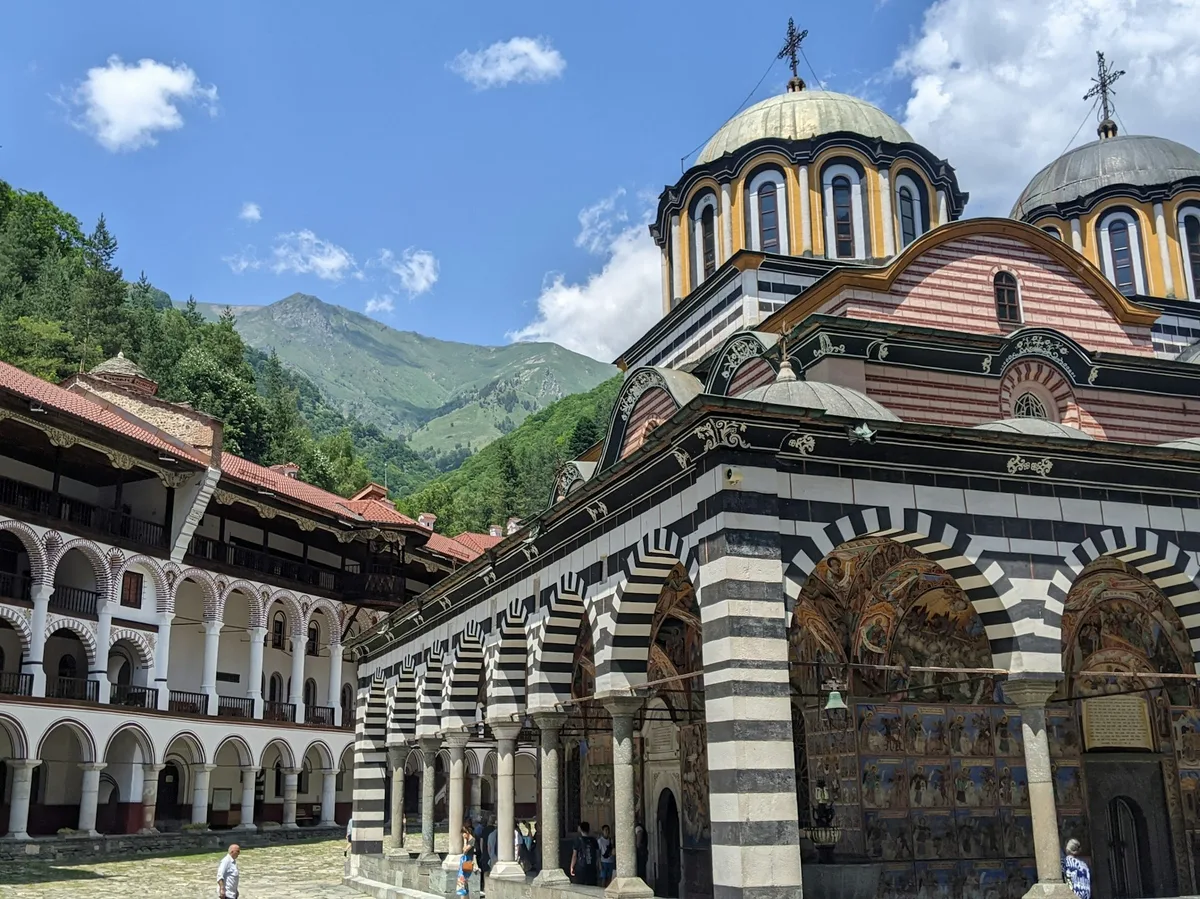 Rila Monastery
Bulgaria
Founded in the 10th century and nestled in the Rila Mountains, this is Bulgaria's largest and most important Eastern Orthodox monastery, famed for its striped arches, vivid frescoes, and rich collection of icons.
2
Rila Monastery
Bulgaria
Founded in the 10th century and nestled in the Rila Mountains, this is Bulgaria's largest and most important Eastern Orthodox monastery, famed for its striped arches, vivid frescoes, and rich collection of icons.
2
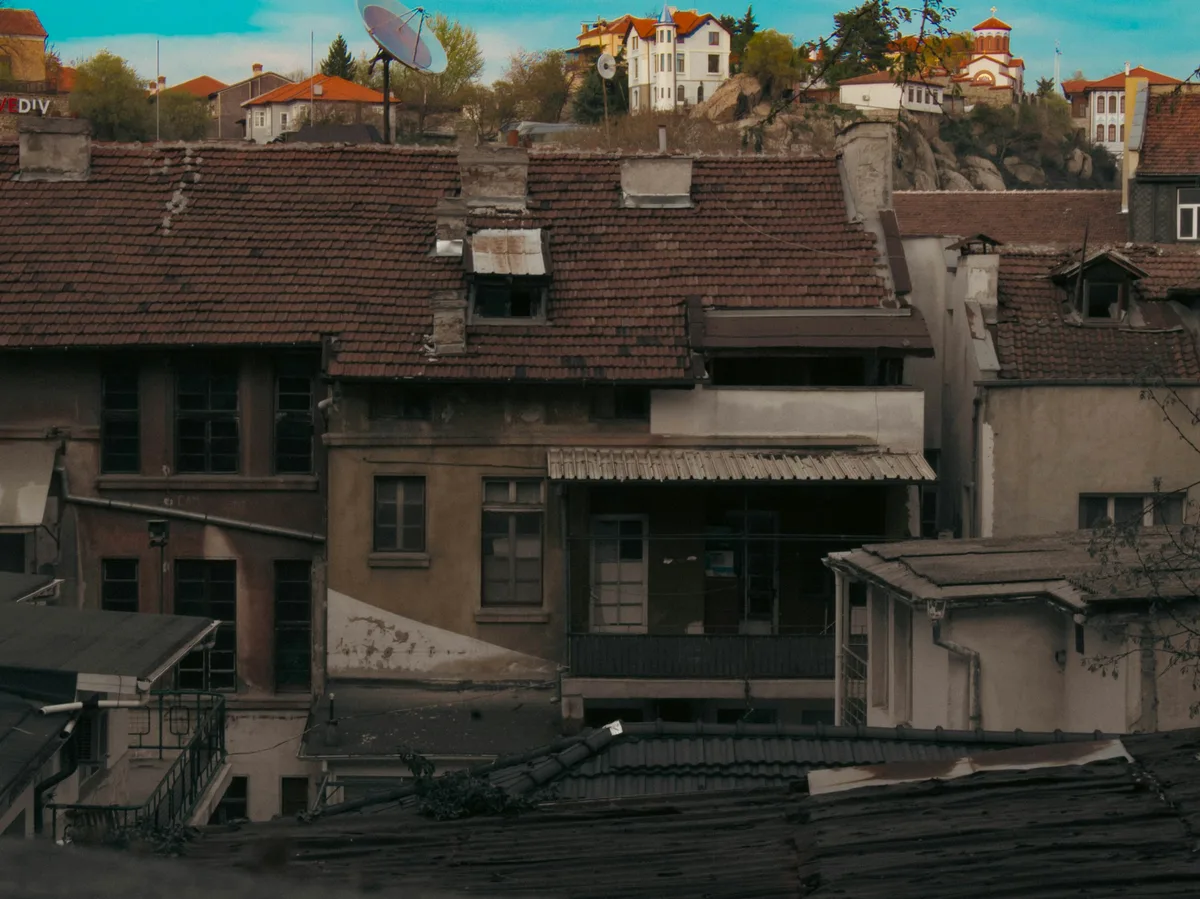 Plovdiv Old Town
Bulgaria
One of the oldest continuously inhabited cities in Europe, Plovdiv's old town mixes a Roman amphitheatre and stadium with cobbled streets and Bulgarian Revival-era houses.
3
Plovdiv Old Town
Bulgaria
One of the oldest continuously inhabited cities in Europe, Plovdiv's old town mixes a Roman amphitheatre and stadium with cobbled streets and Bulgarian Revival-era houses.
3
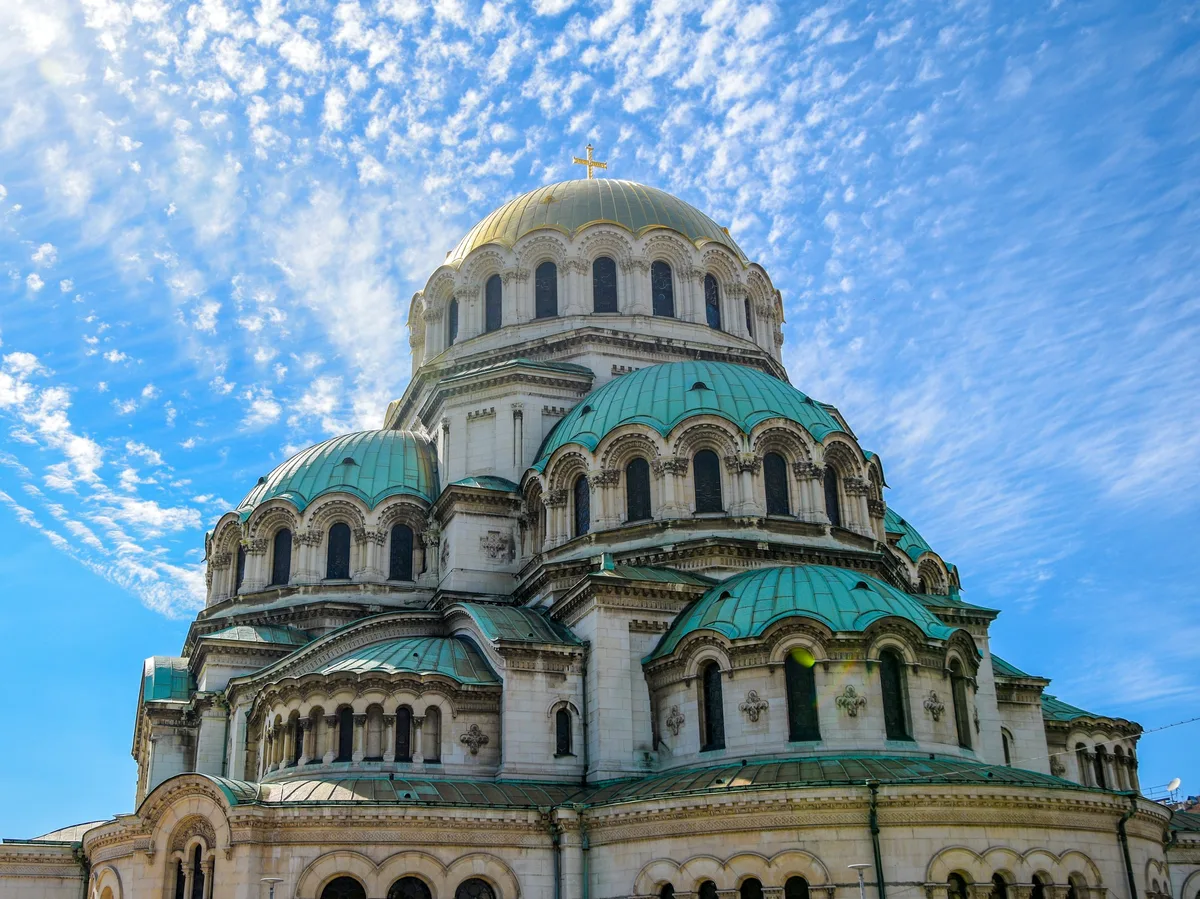 Alexander Nevsky Cathedral
Bulgaria
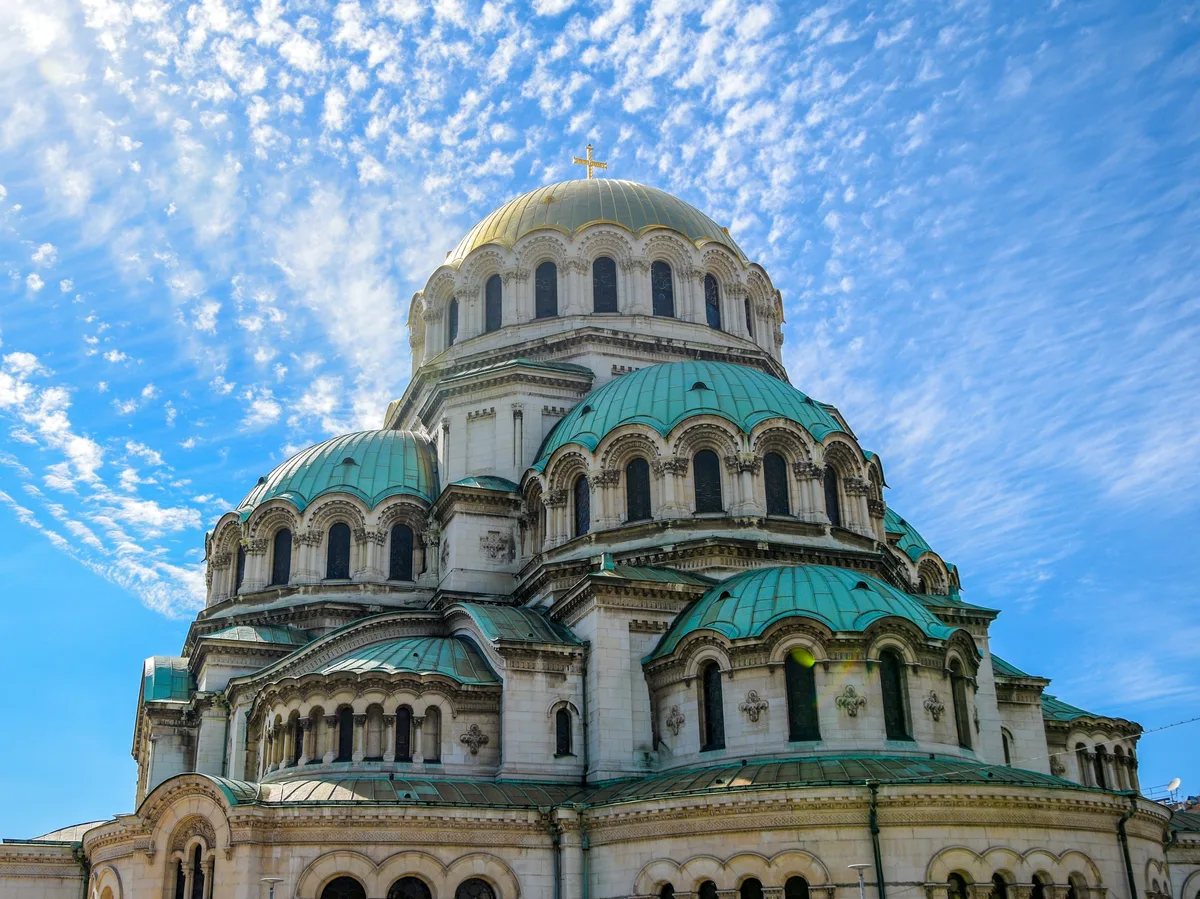
The neo-Byzantine cathedral in central Sofia is one of the largest Eastern Orthodox churches in the world and the city's best-known landmark.
4
Alexander Nevsky Cathedral
Bulgaria
The neo-Byzantine cathedral in central Sofia is one of the largest Eastern Orthodox churches in the world and the city's best-known landmark.
4
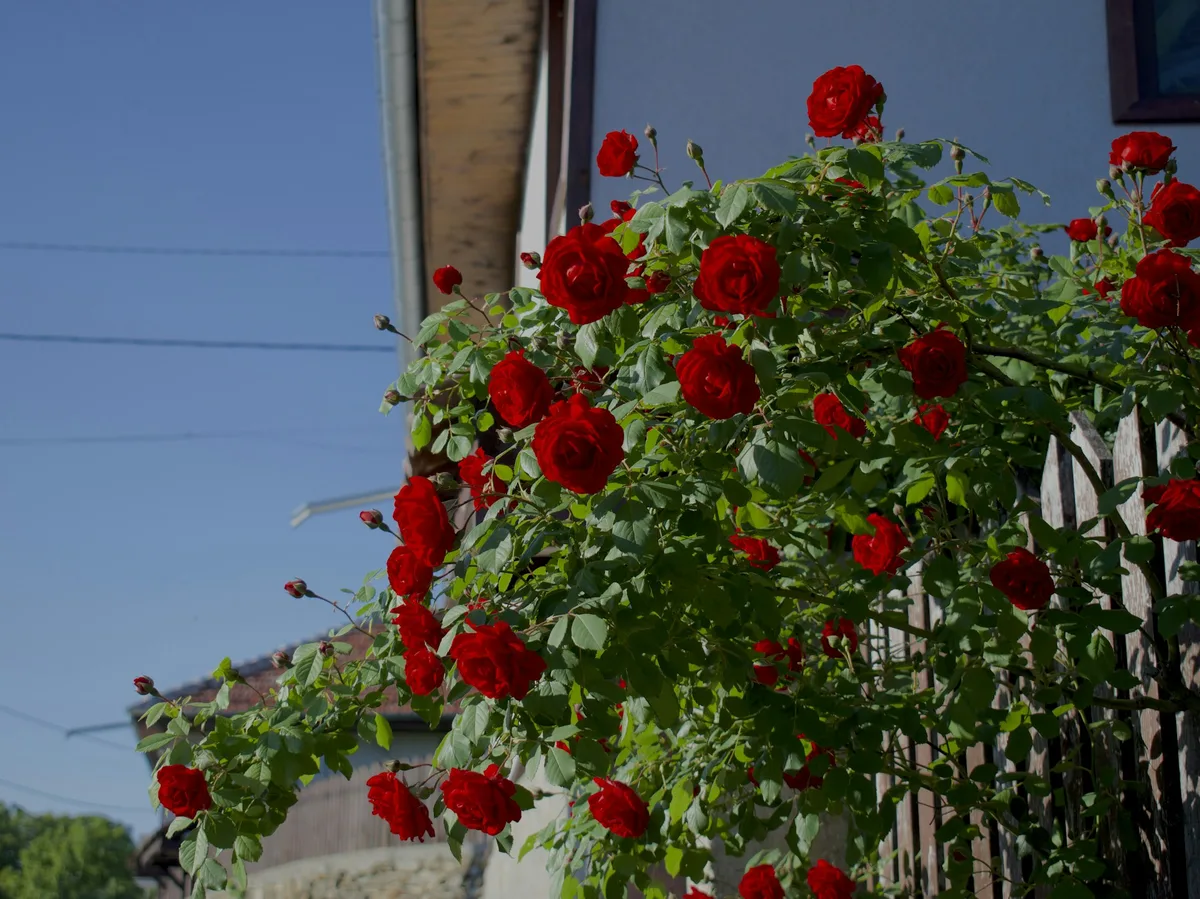 Valley of the Roses
Bulgaria
The region around Kazanlak has grown the Damask rose for centuries and remains one of the world's largest sources of rose oil, with distilleries and rose gardens open to visitors, especially during the spring harvest.
5
Valley of the Roses
Bulgaria
The region around Kazanlak has grown the Damask rose for centuries and remains one of the world's largest sources of rose oil, with distilleries and rose gardens open to visitors, especially during the spring harvest.
5
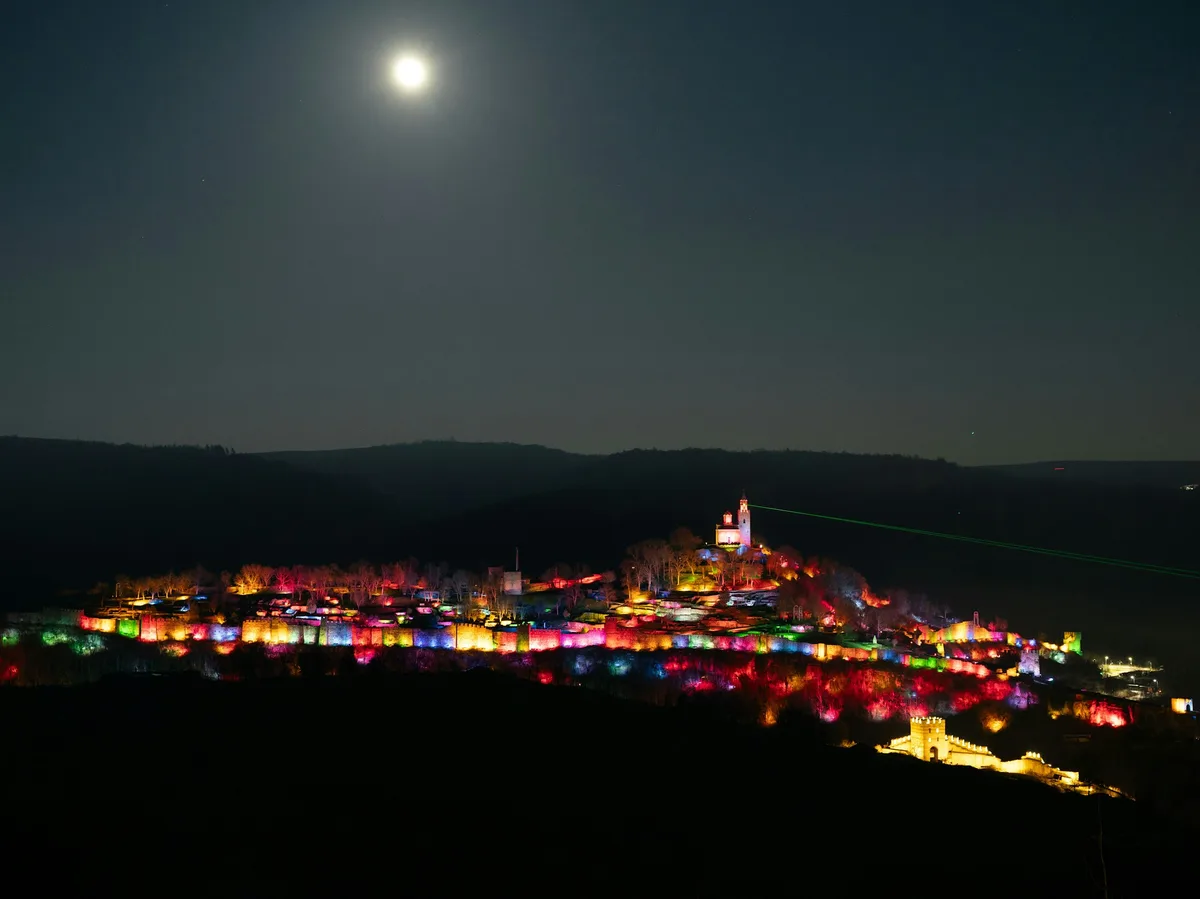
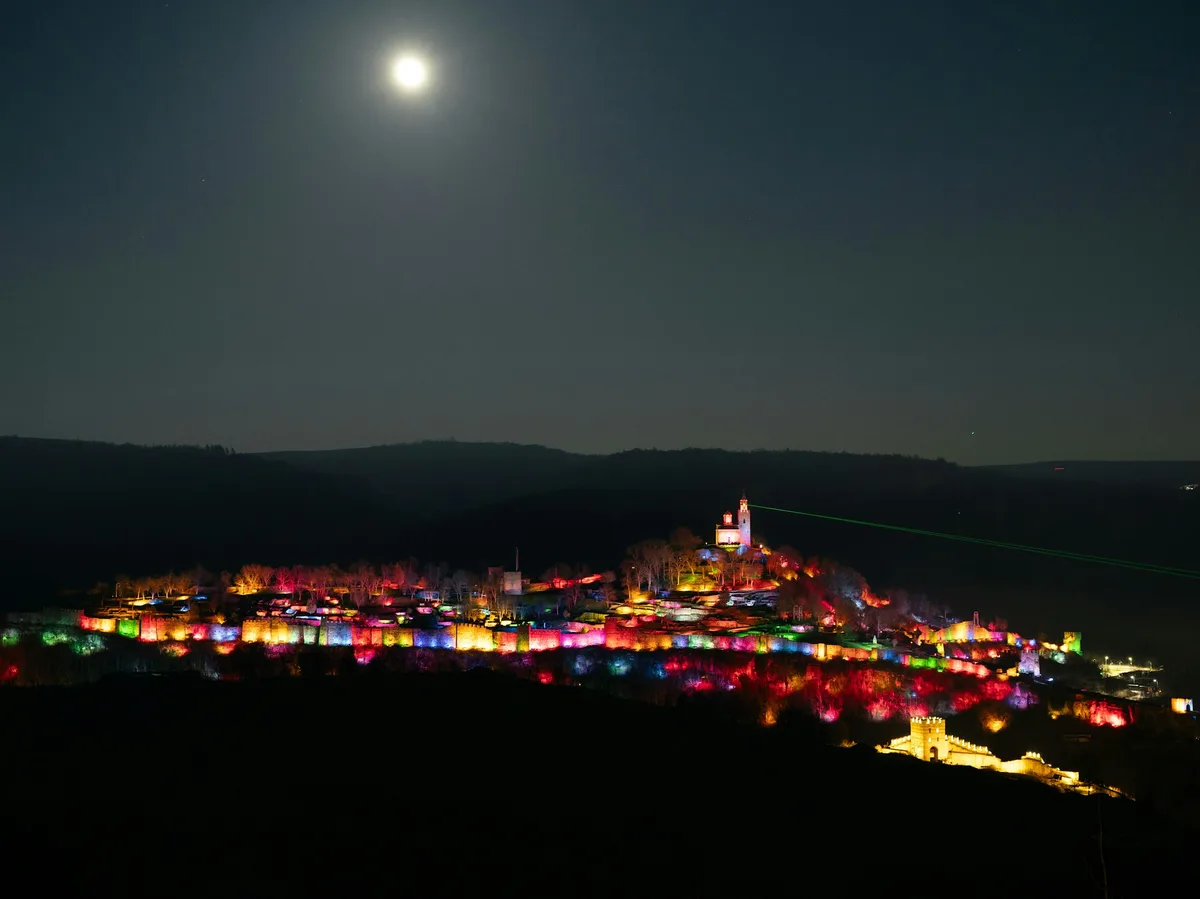 Tsarevets Fortress, Veliko Tarnovo
Bulgaria
The medieval fortress that once housed the royal and patriarchal palaces of the Second Bulgarian Empire, perched on a hill above the old capital of Veliko Tarnovo.
6
Tsarevets Fortress, Veliko Tarnovo
Bulgaria
The medieval fortress that once housed the royal and patriarchal palaces of the Second Bulgarian Empire, perched on a hill above the old capital of Veliko Tarnovo.
6
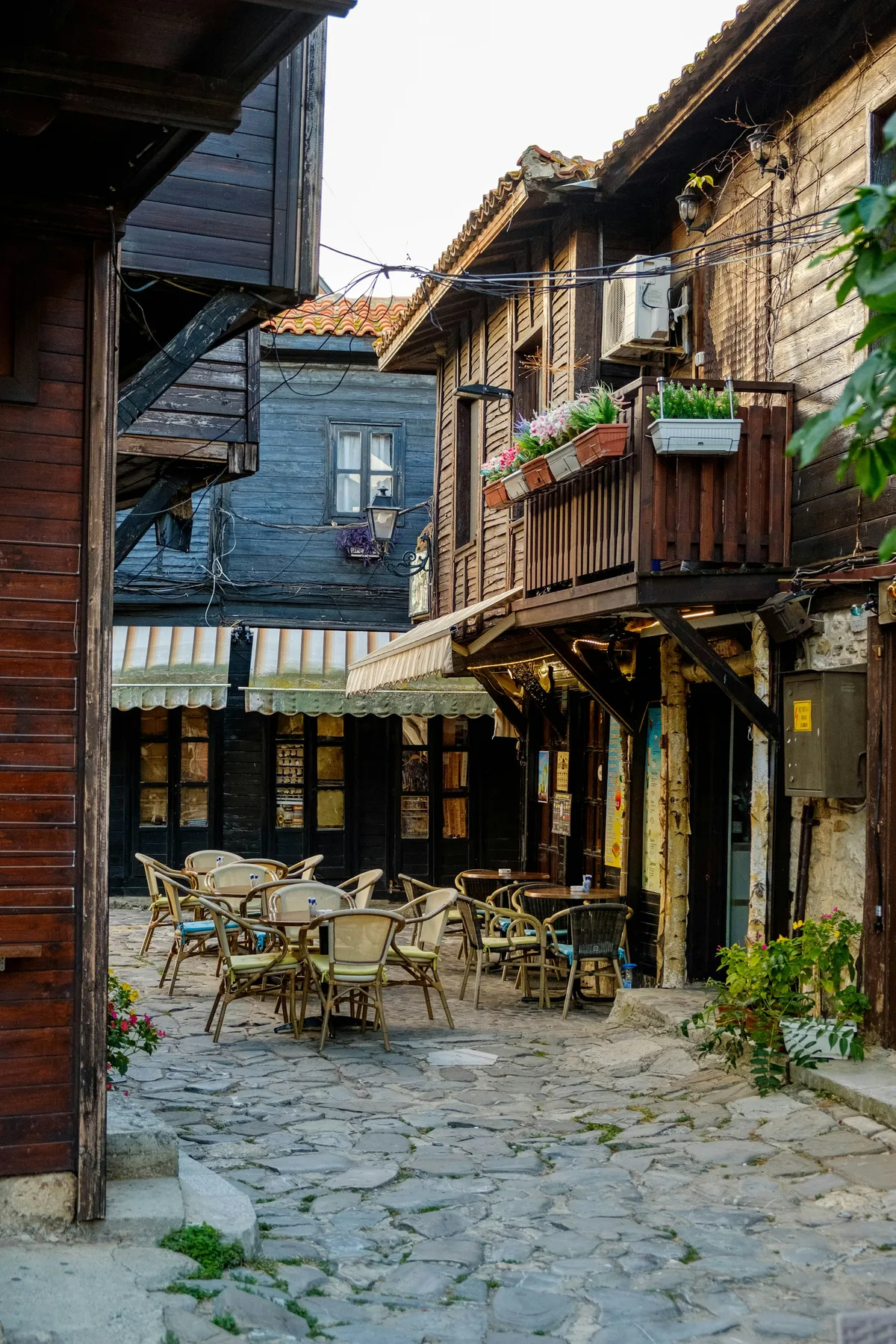 Nessebar Old Town
Bulgaria
A UNESCO-listed ancient town on a small peninsula on the Black Sea coast, its cobblestone lanes lined with wooden Bulgarian Revival-era houses and the ruins of dozens of churches spanning Byzantine to medieval periods.
7
Nessebar Old Town
Bulgaria
A UNESCO-listed ancient town on a small peninsula on the Black Sea coast, its cobblestone lanes lined with wooden Bulgarian Revival-era houses and the ruins of dozens of churches spanning Byzantine to medieval periods.
7
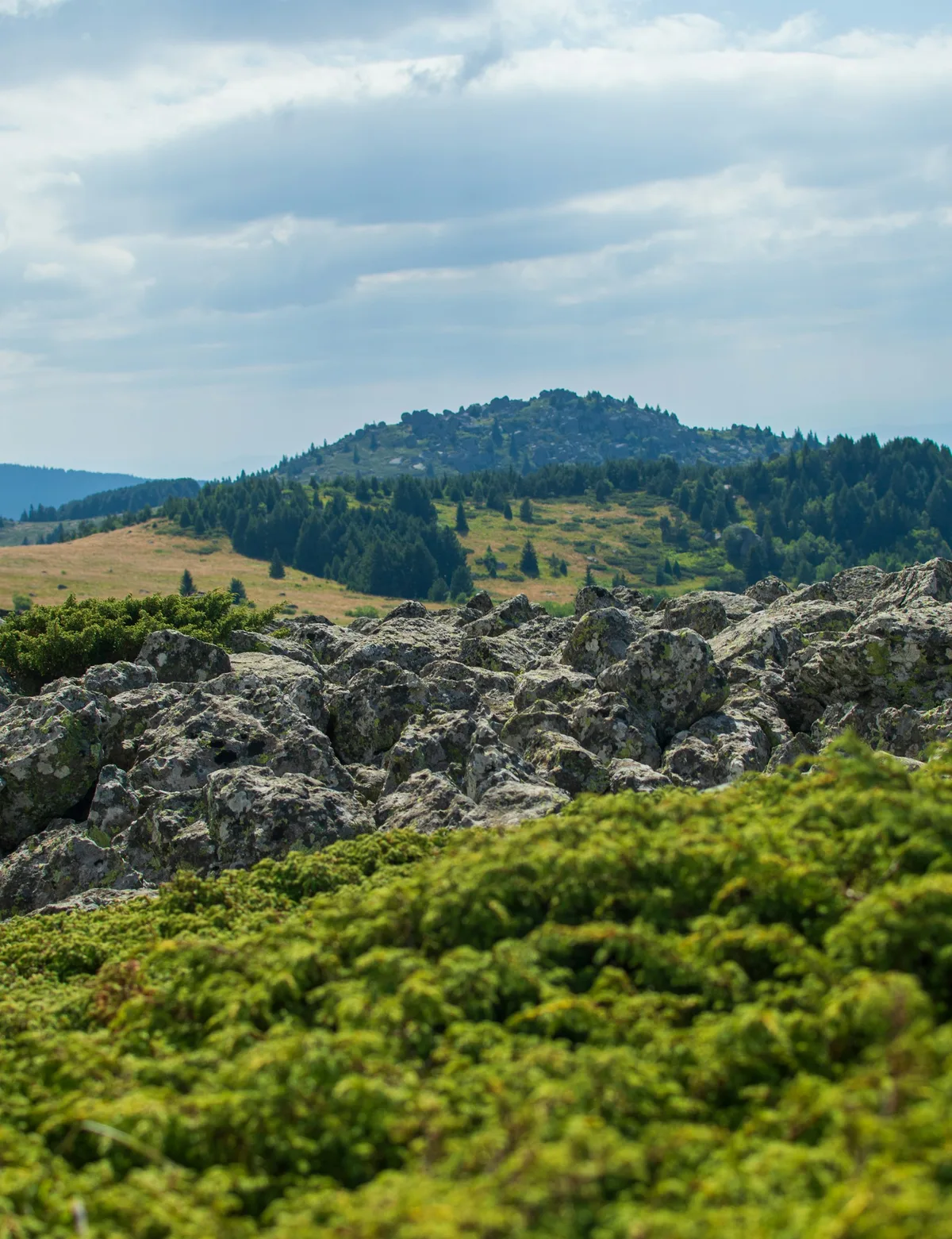 Vitosha Mountain
Bulgaria
The mountain rising directly above Sofia, protected since 1934 as Bulgaria's oldest nature park, with hiking trails, a boulder river known as the Golden Bridges, and ski slopes that make it a year-round day trip from the capital.
8
Vitosha Mountain
Bulgaria
The mountain rising directly above Sofia, protected since 1934 as Bulgaria's oldest nature park, with hiking trails, a boulder river known as the Golden Bridges, and ski slopes that make it a year-round day trip from the capital.
8
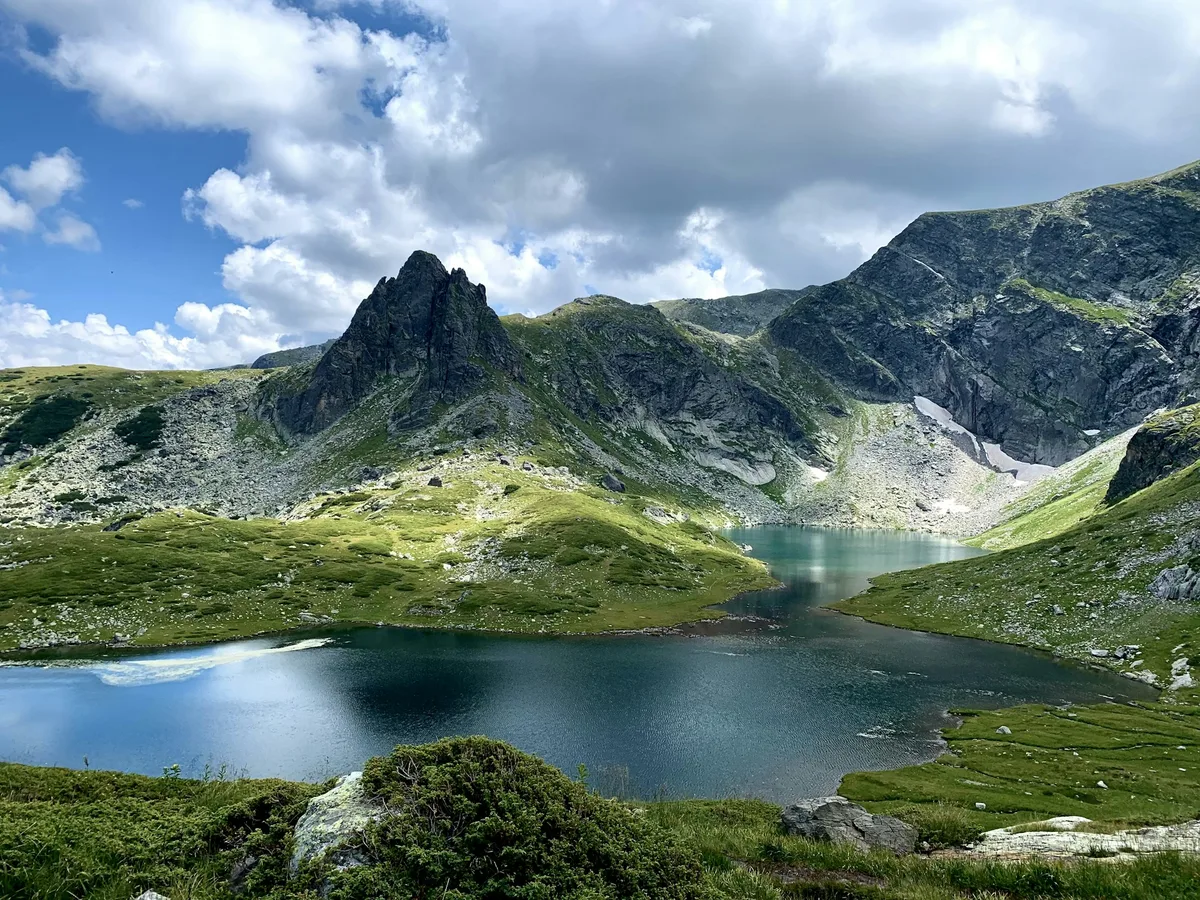 Seven Rila Lakes
Bulgaria
A chain of seven glacial lakes in the Rila Mountains, each named for its shape or color, reached by hiking trail or chairlift and considered one of Bulgaria's most striking natural landmarks.
9
Seven Rila Lakes
Bulgaria
A chain of seven glacial lakes in the Rila Mountains, each named for its shape or color, reached by hiking trail or chairlift and considered one of Bulgaria's most striking natural landmarks.
9
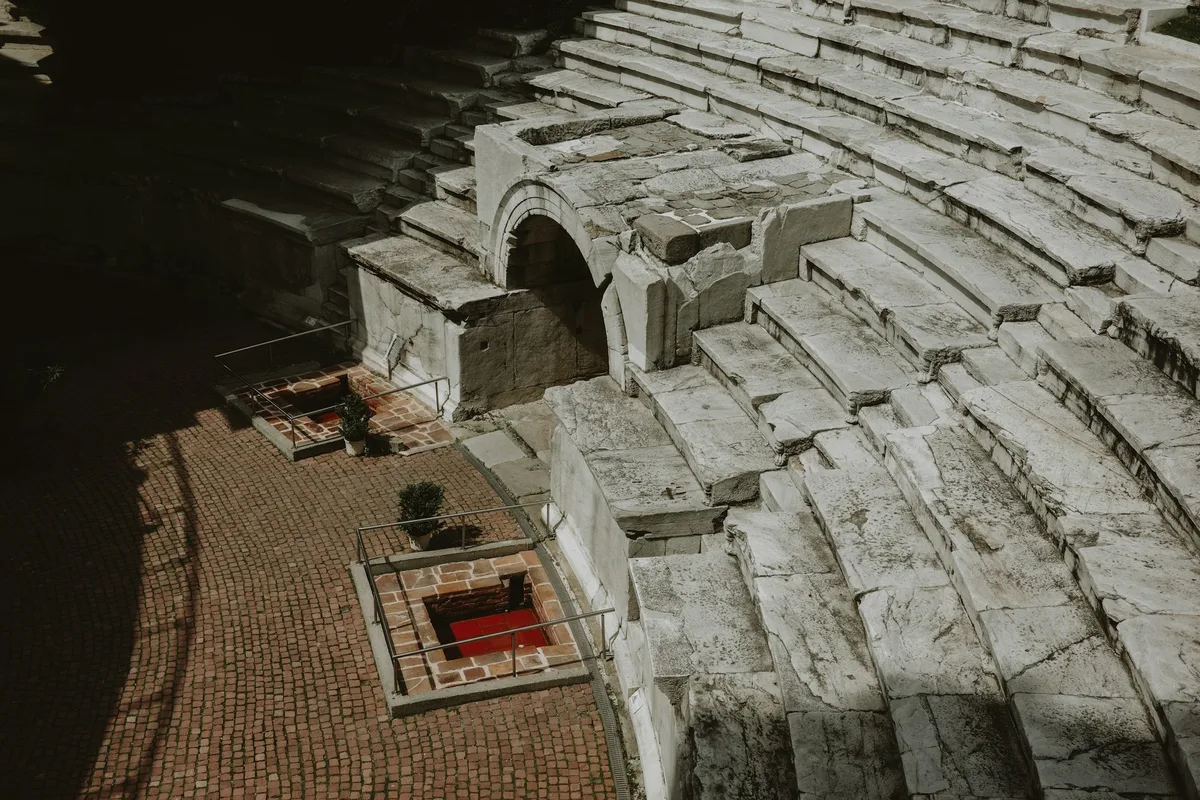 Ancient Theatre of Philippopolis
Bulgaria
A restored 1st-2nd-century Roman theatre built into Plovdiv's Three Hills, still used for concerts today and one of the best-preserved Roman theatres in the Balkans.
Multi-Day Tours
Ancient Theatre of Philippopolis
Bulgaria
A restored 1st-2nd-century Roman theatre built into Plovdiv's Three Hills, still used for concerts today and one of the best-preserved Roman theatres in the Balkans.
Multi-Day Tours
An 8-day private circuit built for photographers, from Sofia's cathedrals to Rila Monastery, a scenic mountain train through the Rhodopes, the Valley of Roses, and the fortress town of Veliko Tarnovo.
 Multi-Day Tours
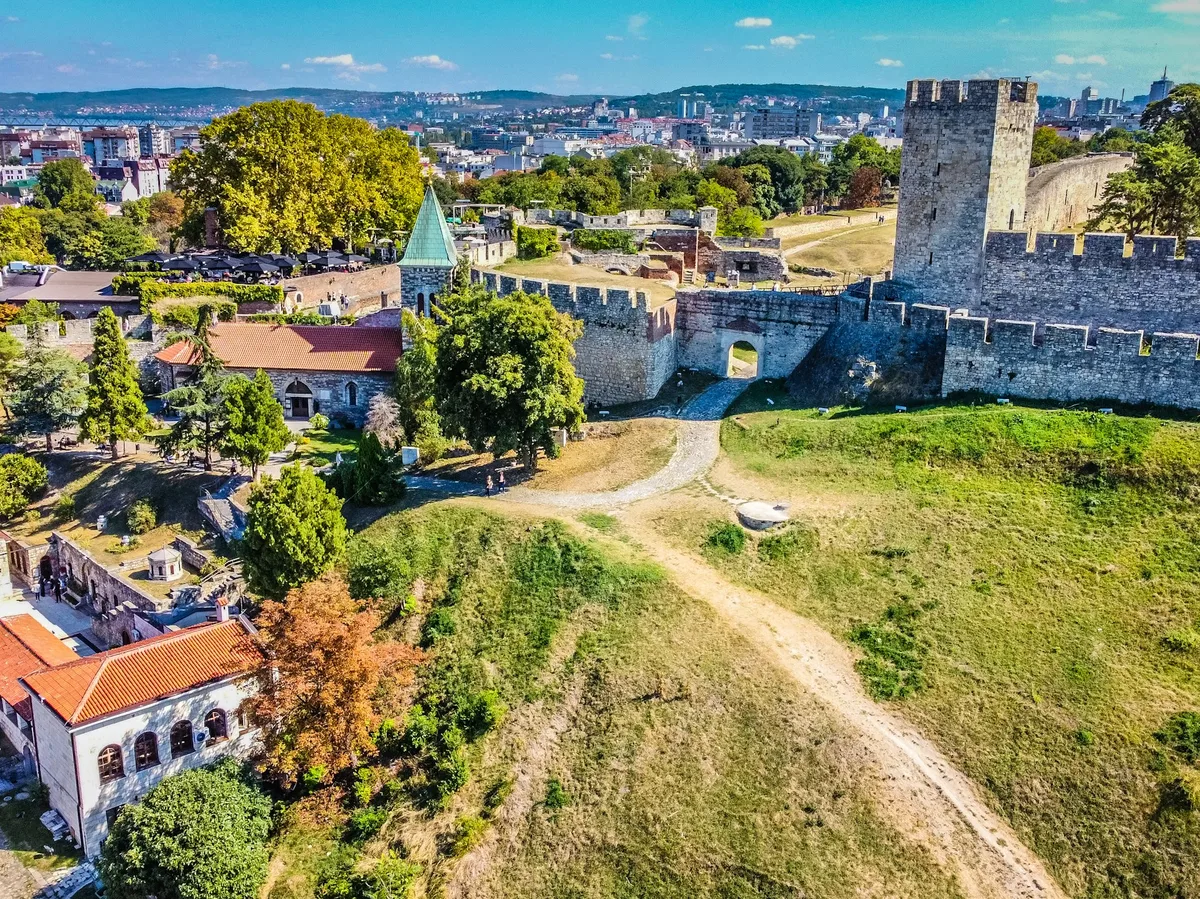
An 8-day journey pairing Serbia and Bulgaria — starting in Belgrade's fortresses and royal complexes, then crossing into Bulgaria for Sofia, Plovdiv, the Valley of Roses, Veliko Tarnovo, and the Belogradchik Rocks.
 Multi-Day Tours Popular Pick
An 8-day deep dive into Bulgaria's Thracian and Roman past — Sofia, the Starosel Thracian royal complex, the Valley of Roses, the Rhodope sanctuaries of Orpheus, Perperikon, Plovdiv, and Rila Monastery.
 Multi-Day Tours
An 8-day route through Bulgaria's former capitals — Sofia and Veliko Tarnovo — before crossing into Romania for Bucharest and the historic capitals of Targoviste, Curtea de Argeș, and Alba Iulia.
 Multi-Day Tours
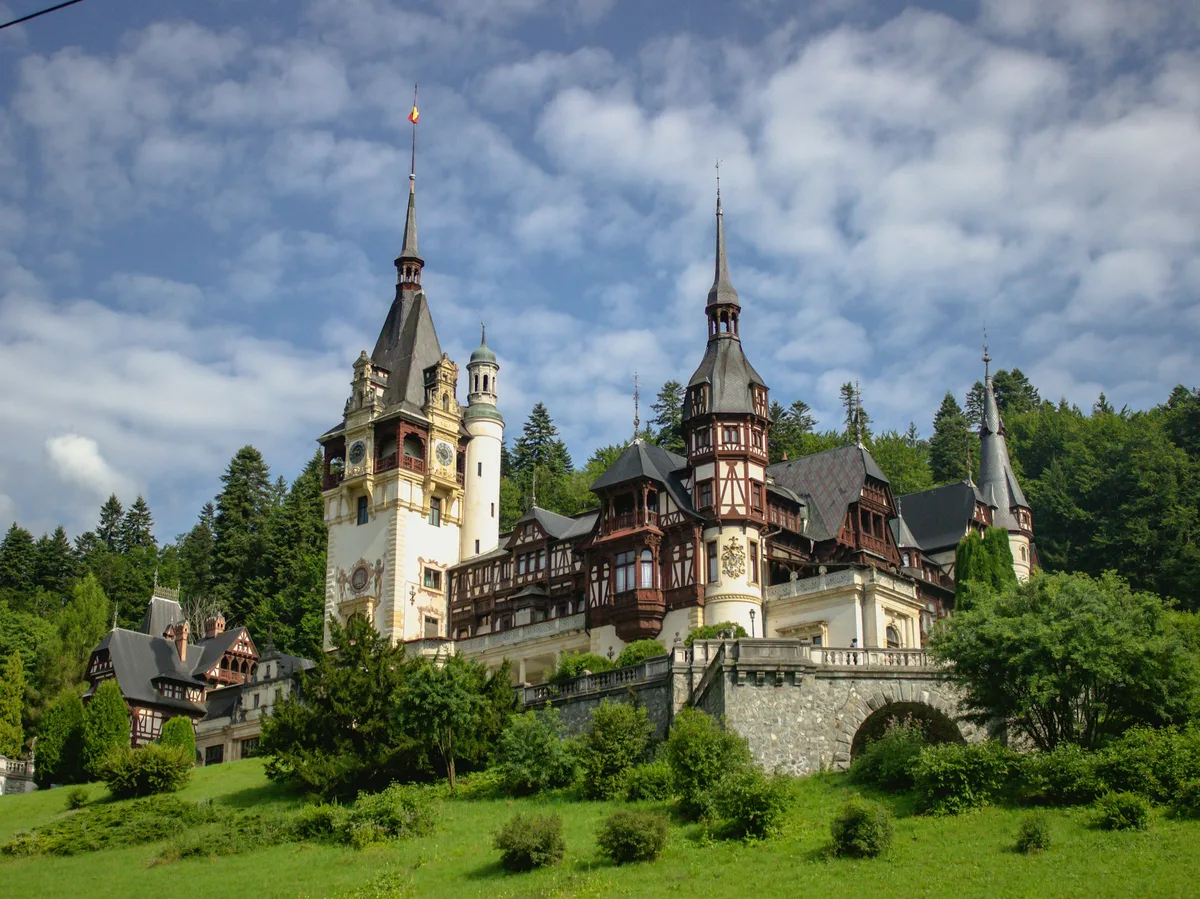
Voyzo's longest itinerary — a guided 21-day journey from Sofia through Bulgaria's Rila Monastery, Plovdiv, the Black Sea coast, and Veliko Tarnovo, before crossing into Romania for Bucharest, Transylvania's painted monasteries, Bran and Peleș castles, and Sighișoara.
May-June and September are ideal: mild temperatures, the Valley of Roses in bloom during the late-May/early-June harvest, and fewer crowds than peak summer heat.
Sofia Airport is Bulgaria's main international gateway, with direct flights from major European hubs; some itineraries also fly into or out of Bucharest or Belgrade when they combine Bulgaria with Romania or Serbia.
Bulgaria's sights are spread across the country — Sofia, Plovdiv, Veliko Tarnovo, the Rhodopes, the Black Sea coast — so multi-day routes cover long driving distances; a private vehicle avoids the limited long-distance bus and rail schedules between smaller towns.
Bulgaria uses the lev (BGN), not the euro, despite EU membership. Tipping around 10% at restaurants is customary but not obligatory, and cash is still preferred in smaller towns and rural monasteries.
Bulgaria has a continental climate: hot, dry summers inland (July-August regularly tops 30°C/86°F), milder conditions along the Black Sea coast, and cold winters with regular snow in the mountains — pack layers for mountain monastery visits.
Several Voyzo Bulgaria itineraries continue into Serbia or Romania. Each tour page discloses exactly which nights are spent in which country, so there are no surprises about where you'll actually be sleeping.
Tell us your group size and dates — we'll take care of the rest.