TorontoOntario · 36 tours
 Niagara FallsOntario · 25 tours
 New York CityNew York · 30 tours
 Las VegasNevada · 8 tours
 San FranciscoCalifornia · 16 tours
 VancouverBritish Columbia · 17 tours
 DubaiUAE · 54 tours
 Abu DhabiUAE · 5 tours
 Buenos AiresArgentina · 23 tours
 AthensGreece · 31 tours
 AucklandNew Zealand · 38 tours
 CancunMexico · 54 tours
No destinations match “”. Try searching all tours instead — that search understands full questions, not just place names.
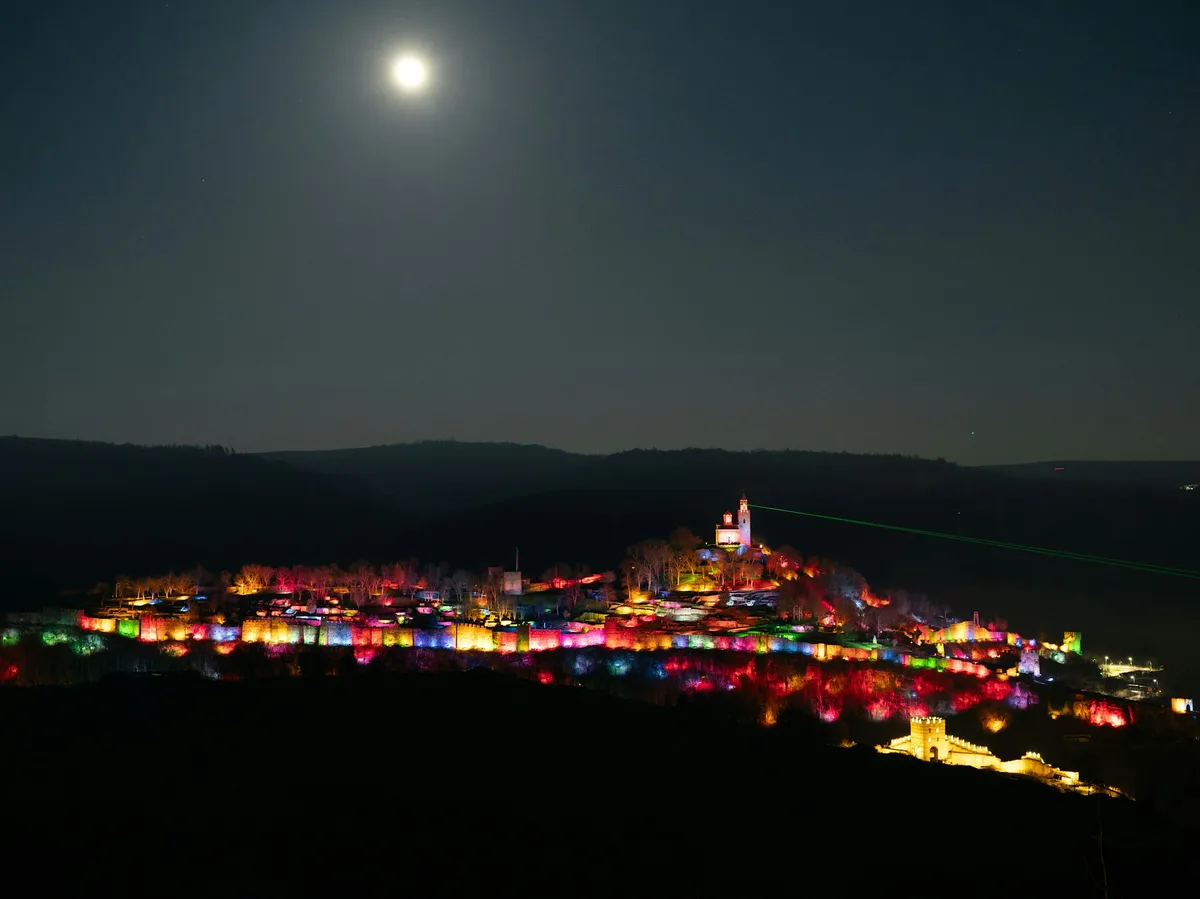
The medieval fortress that once housed the royal and patriarchal palaces of the Second Bulgarian Empire, perched on a hill above the old capital of Veliko Tarnovo.
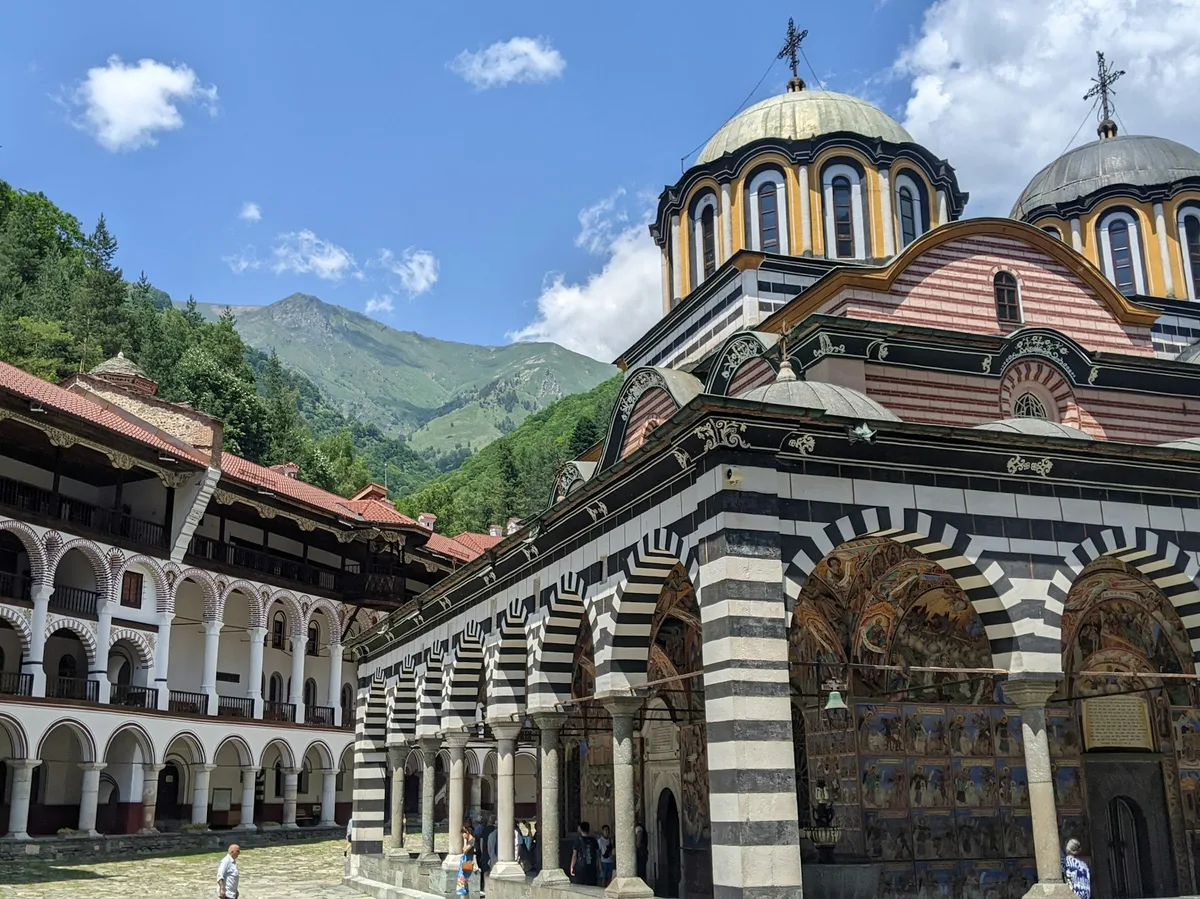 Multi-Day Tours
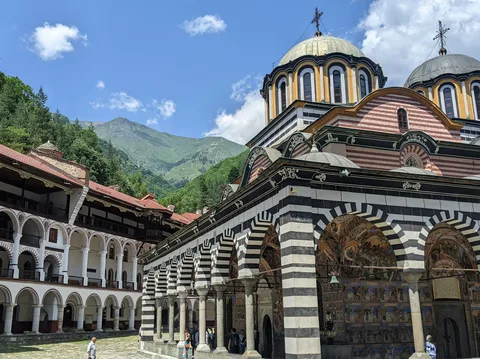
An 8-day private circuit built for photographers, from Sofia's cathedrals to Rila Monastery, a scenic mountain train through the Rhodopes, the Valley of Roses, and the fortress town of Veliko Tarnovo.
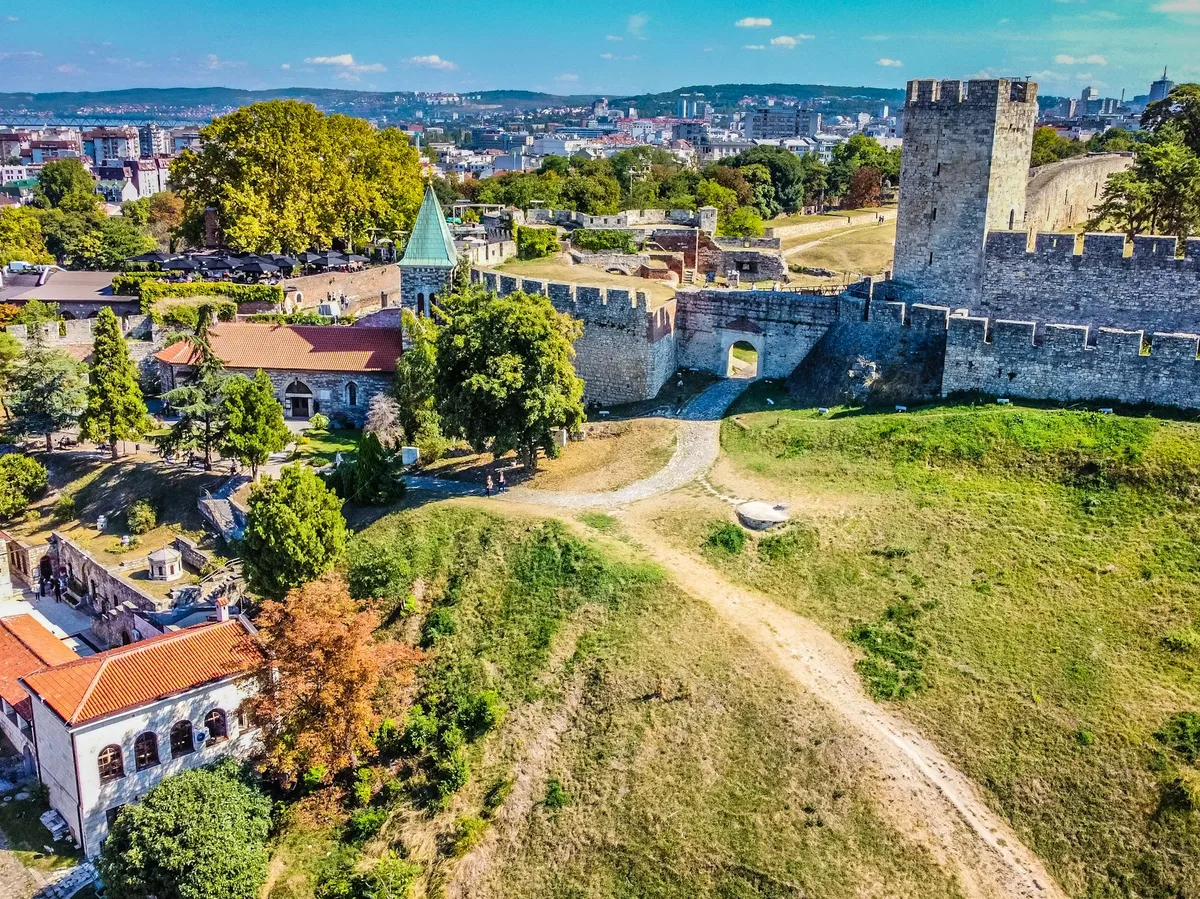 Multi-Day Tours
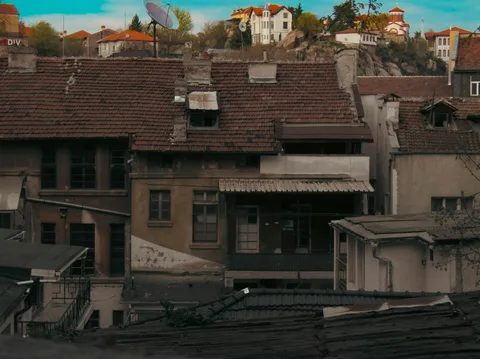
An 8-day journey pairing Serbia and Bulgaria — starting in Belgrade's fortresses and royal complexes, then crossing into Bulgaria for Sofia, Plovdiv, the Valley of Roses, Veliko Tarnovo, and the Belogradchik Rocks.
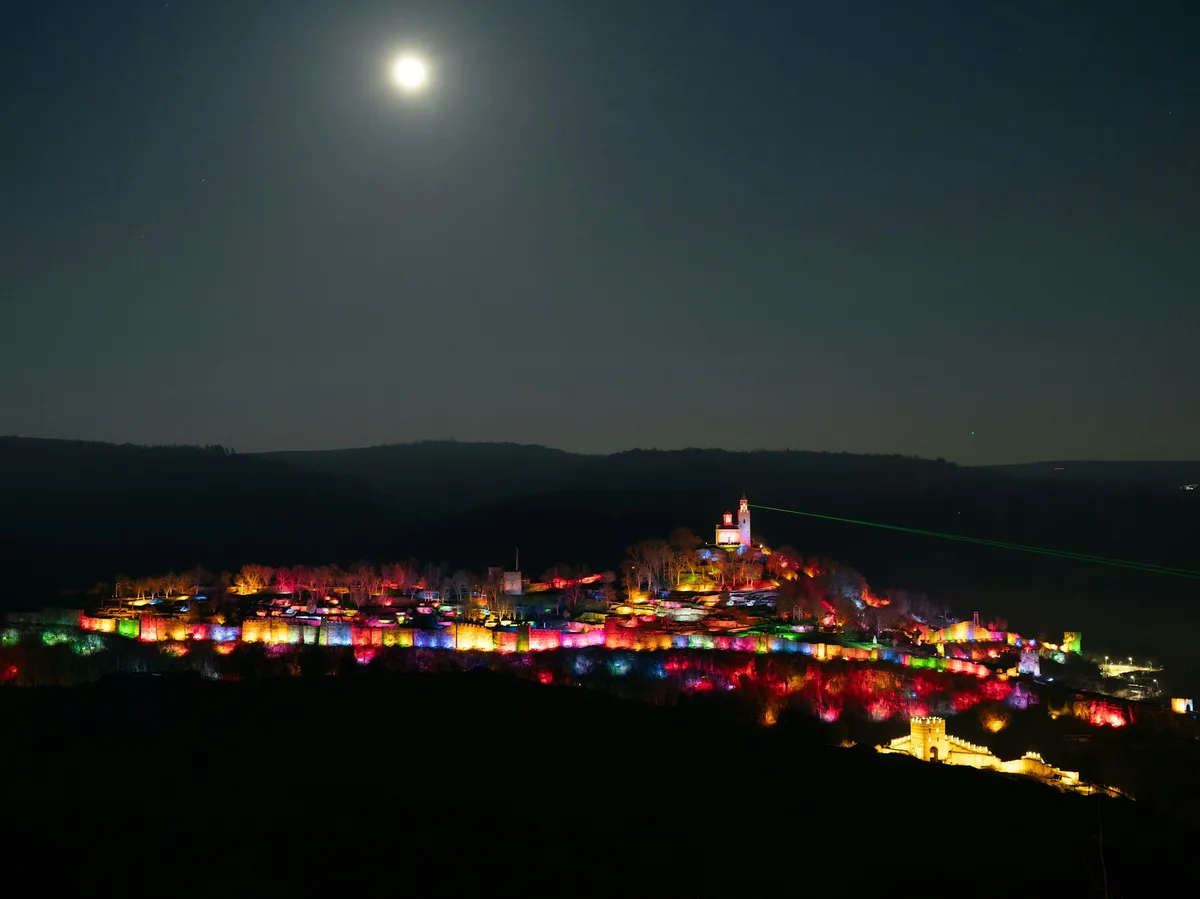 Multi-Day Tours
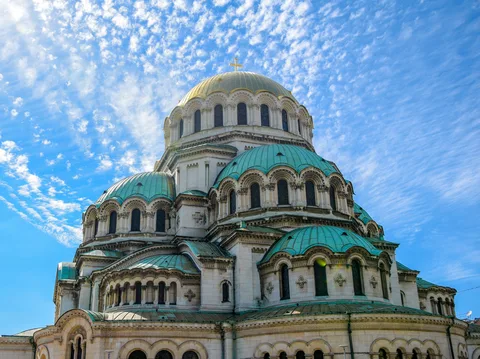
An 8-day route through Bulgaria's old and new capitals — Sofia and Veliko Tarnovo — before crossing into Romania for Bucharest and the historic capitals of Targoviste, Curtea de Argeș, and Alba Iulia.
 Multi-Day Tours
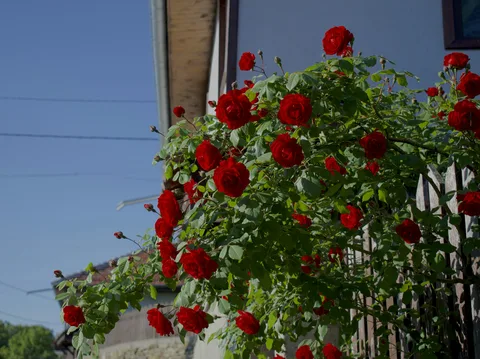
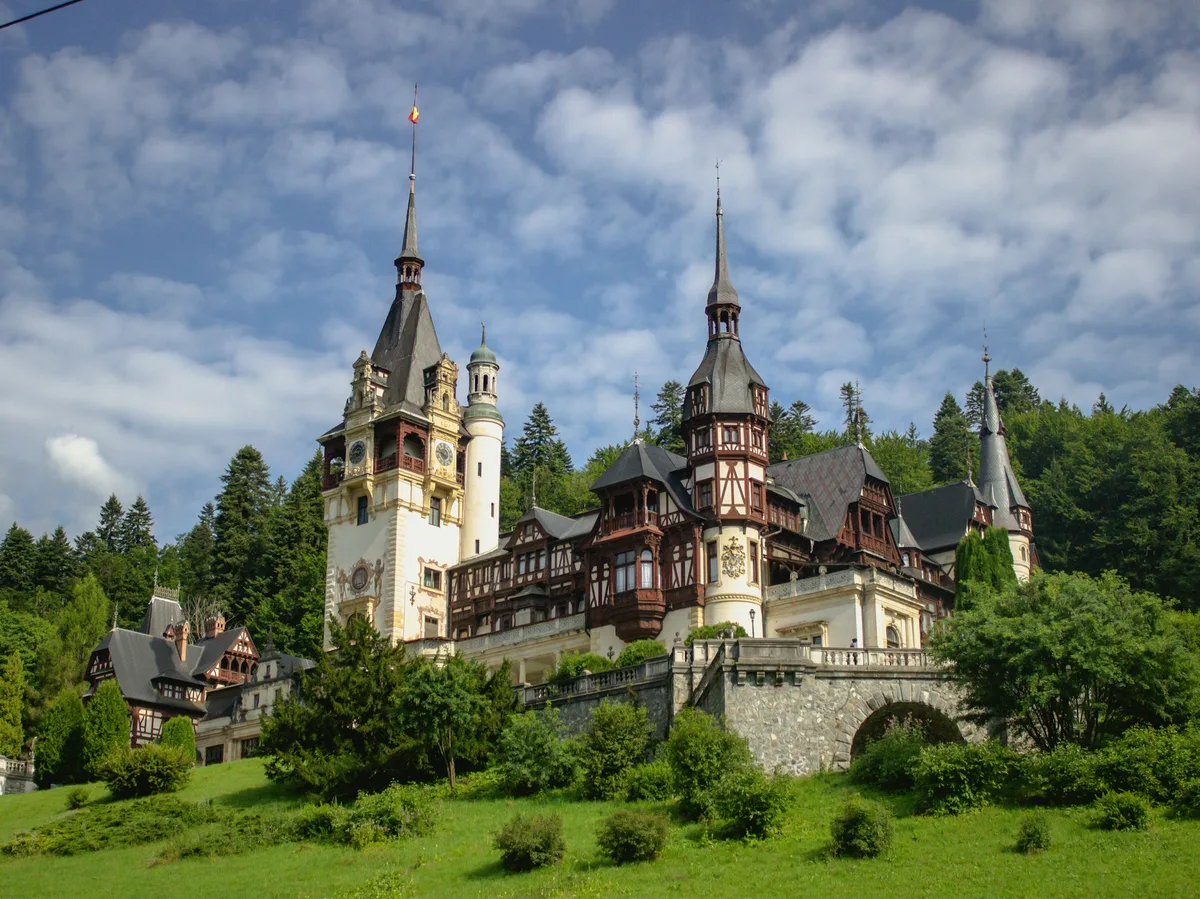
Voyzo's longest itinerary — a guided 21-day journey from Sofia through Bulgaria's Rila Monastery, Plovdiv, the Black Sea coast, and Veliko Tarnovo, before crossing into Romania for Bucharest, Transylvania's painted monasteries, Bran and Peleș castles, and Sighișoara.
Visitor guide
Tsarevets is a medieval fortress on a hill in Veliko Tarnovo, northern Bulgaria, about 206 metres above sea level. It was the primary stronghold of the Second Bulgarian Empire from 1185 to 1393 and held the royal and patriarchal palaces.
Human presence on the hill dates to the second millennium BCE, and a Byzantine city, possibly Zikideva, was built near the end of the 5th century. Construction of the Bulgarian stronghold began in the 12th century. The uprising of the brothers Asen and Peter began on 26 October 1185, the feast day of Saint Demetrius of Thessaloniki, and restored Bulgaria as the Second Bulgarian Empire under the Asen dynasty with Veliko Tarnovo as its capital. Kings Petar, Asen, Kaloyan and Ivan Asen II lived at Tsarevets, and Wikipedia says it was the largest castle in the 14th century.
Walls about 1,100 metres long, up to about 3.4 metres thick and over 10 metres high surround the stronghold, which had three gates. The main gate, on the westernmost part of the hill, had a drawbridge. The central royal palace covered 4,872 square metres and enclosed a throne room, a palace church and a residential section, and the patriarchate on the hilltop covers about 3,000 square metres. Archaeologists have found about 470 residential buildings, 23 temples and 4 monasteries on the hill's slopes.
In 1393 Ottoman forces besieged the fortress for three months, then conquered and burned it on 17 July, marking the fall of the Bulgarian Empire. The Yantra River winds around the city's hills, including Tsarevets and the neighbouring Trapezitsa, which was known for its churches and as the main residence of the nobility.
The Cathedral of the Ascension of the Lord stands on the remains of a late Roman basilica, was reconstructed in 1981 and was painted in 1985 in a modernist style. Baldwin's Tower is a 1930 reconstruction modelled on the tower at Cherven, built where Latin Emperor Baldwin I died as a prisoner of Kaloyan. Execution Rock is an outcrop above the Yantra from which traitors were thrown, and Patriarch Joachim was executed there by Tsar Theodore Svetoslav in 1300.
Restoration began in 1930 and was completed in 1981, timed to the 1300th anniversary of the Bulgarian state. A sound and light show has been held since 1985, using lasers, lighting, music and church bells to retell the fall of Tarnovo and other key moments in Bulgarian history. A ceremonial changing of the guard has been performed on summer weekends since 15 April 2011.
The first National Assembly met in Veliko Tarnovo on 17 April 1879 to ratify Bulgaria's first constitution, and the Church of the Forty Martyrs, built by Ivan Asen II to honour victory at Klokotnitsa, was where Tsar Ferdinand declared Bulgaria's full independence in 1908. A private guided visit can walk the ramparts and combine Tsarevets with these sites.
See every tour and attraction we cover in Bulgaria.