TorontoOntario · 36 tours
 Niagara FallsOntario · 25 tours
 New York CityNew York · 30 tours
 Las VegasNevada · 8 tours
 San FranciscoCalifornia · 16 tours
 VancouverBritish Columbia · 17 tours
 DubaiUAE · 54 tours
 Abu DhabiUAE · 5 tours
 Buenos AiresArgentina · 23 tours
 AthensGreece · 31 tours
 AucklandNew Zealand · 38 tours
 CancunMexico · 54 tours
No destinations match “”. Try searching all tours instead — that search understands full questions, not just place names.
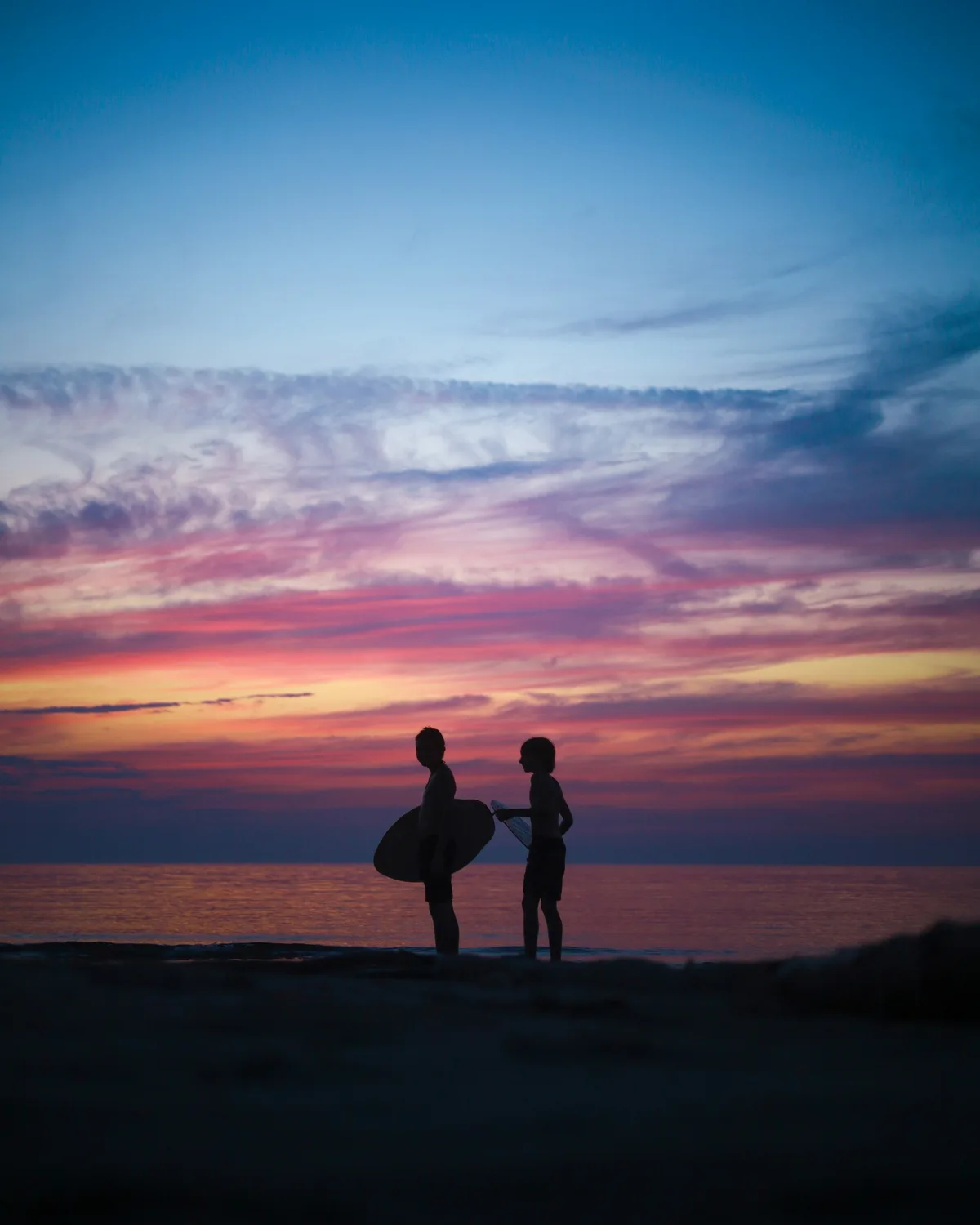
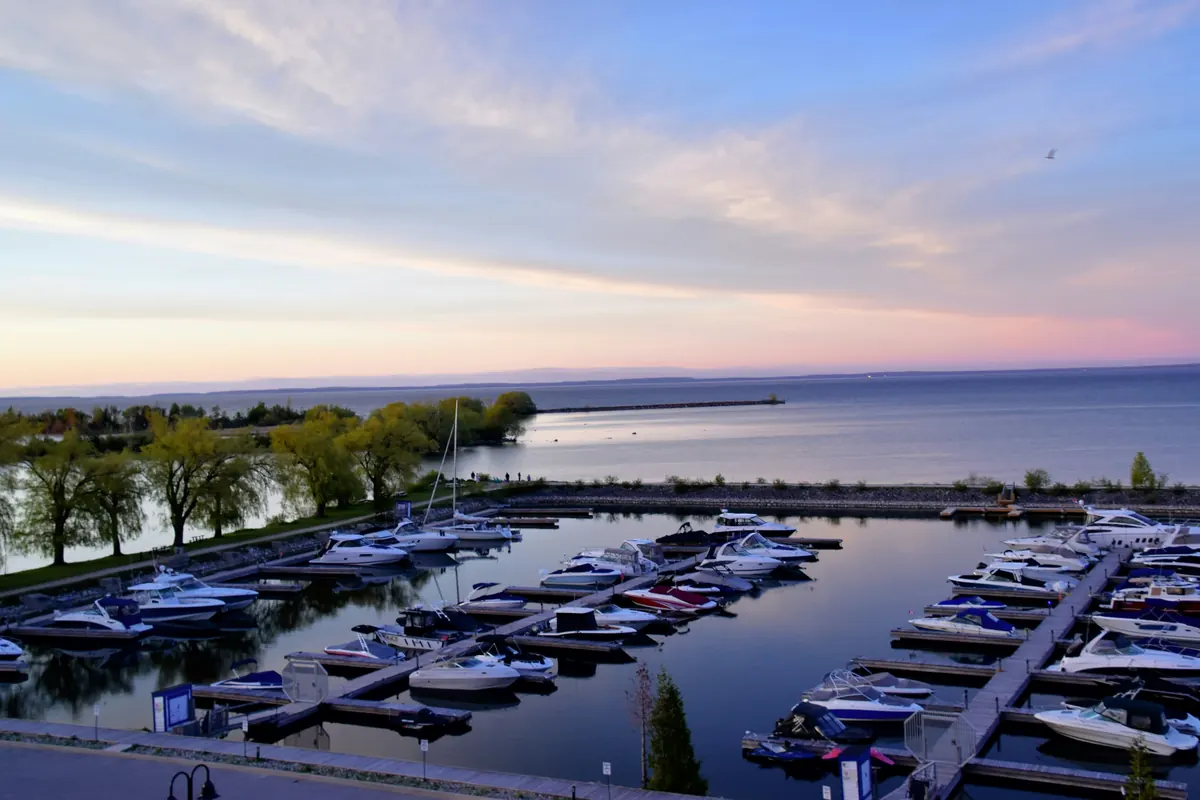
Billed as the world's longest freshwater beach, stretching roughly 14 kilometres along Georgian Bay with warm, shallow water that makes it Ontario's best-known summer beach destination.
Visitor guide
Wasaga Beach is a long strip of sand on the southern shore of Nottawasaga Bay, an arm of Georgian Bay, about 150 km north of Toronto. The Ontario government describes it as more than 14 kilometres of white sandy coastline and calls it the world's longest freshwater beach, a claim worth treating as a local boast rather than a certified record.
Wasaga Beach Provincial Park, established in 1959, is a recreation-class park of about 1,844 hectares. The province designated the shoreline a Crown beach that year, which led to the park. Ontario Parks describes about 7 km of sandy shore reached from four beach areas, plus a dog beach, and the wider town beach is divided into numbered areas. Wikipedia says the main tourist focus has historically been Beach Areas One and Two, while Areas Two to Six are park areas.
The park is also an ecological site. Ontario Parks states that it protects habitat for several species at risk, and in summer it is the starting point for more than 50 km of trails, including sections of the Ganaraska Trail. In winter the Nordic and Trail Centre offers cross-country and skate skiing, snowshoeing and fat-biking, so the area is not strictly a summer destination.
The town of Wasaga Beach had 24,862 residents in 2021, and Wikipedia estimates a further 16,000 or so seasonal and part-time residents. The provincial park recorded 1,693,731 visitors in 2022, which Wikipedia says made it the most-visited operating provincial park in Ontario. The first permanent settler, John Van Vlack, arrived in 1869, the first beachfront hotel (the Capstan Inn) opened in 1915, and in 1934 the beach was the departure point for a transatlantic flight from mainland Canada. The Playland amusement park closed in 1985, and a fire in 2007 destroyed most of the Beach One street mall. The province has announced a revitalization of the waterfront; check current plans before you visit.
Wasaga's history includes a notable ship. HMS Nancy was a two-masted schooner built near Detroit in 1789 for a Montreal fur-trading firm. During the War of 1812 the British used her as a transport and supply vessel, and after the American victory at the Battle of Lake Erie she was the only British ship left on the upper lakes. In 1814 American forces trapped her near the Nottawasaga River, and her crew burned her on 14 August 1814 so she would not be captured. Some sources, including the Georgian Bay article, cite 17 August, so the exact day is worth hedging.
The wreck was rediscovered in 1911 and excavated in the 1920s. According to Ontario's park planning material, the hull was uncovered, raised and placed on Nancy Island in 1928, though some sources give 1927 for the raising. A museum opened there in 1928, and a newer one in 1968. The Nancy Island Historic Site displays the charred hull, and Ontario has described its role in the story of the British ship and her Anishinaabe-Ojibwe and French-Canadian voyageur allies. The province has announced plans to redevelop the site, so confirm its current status.
The beach is gently sloping and sandy, and swimming conditions depend on weather and water quality, so check posted advisories. Summer weekends bring heavy crowds. Parking, park entry and facility details vary, and you should confirm them with Ontario Parks and the Town of Wasaga Beach.
Wasaga Beach is a manageable drive from Toronto and sits close to Collingwood and Blue Mountain. Voyzo's private tours use a private vehicle and driver with door-to-door pickup, which suits a beach day combined with the Nancy Island site and a Georgian Bay lunch stop without anyone driving.
See every tour and attraction we cover in Blue Mountain.