TorontoOntario · 36 tours
 Niagara FallsOntario · 25 tours
 New York CityNew York · 30 tours
 Las VegasNevada · 8 tours
 San FranciscoCalifornia · 16 tours
 VancouverBritish Columbia · 17 tours
 DubaiUAE · 54 tours
 Abu DhabiUAE · 5 tours
 Buenos AiresArgentina · 23 tours
 AthensGreece · 31 tours
 AucklandNew Zealand · 38 tours
 CancunMexico · 54 tours
No destinations match “”. Try searching all tours instead — that search understands full questions, not just place names.
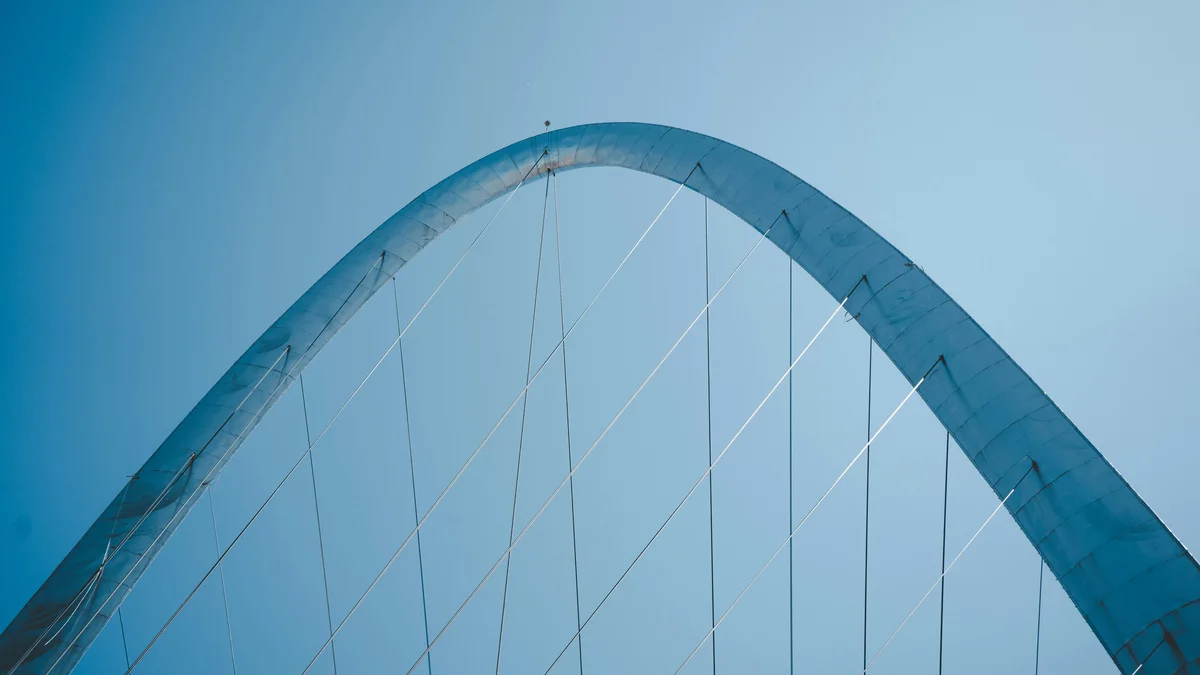
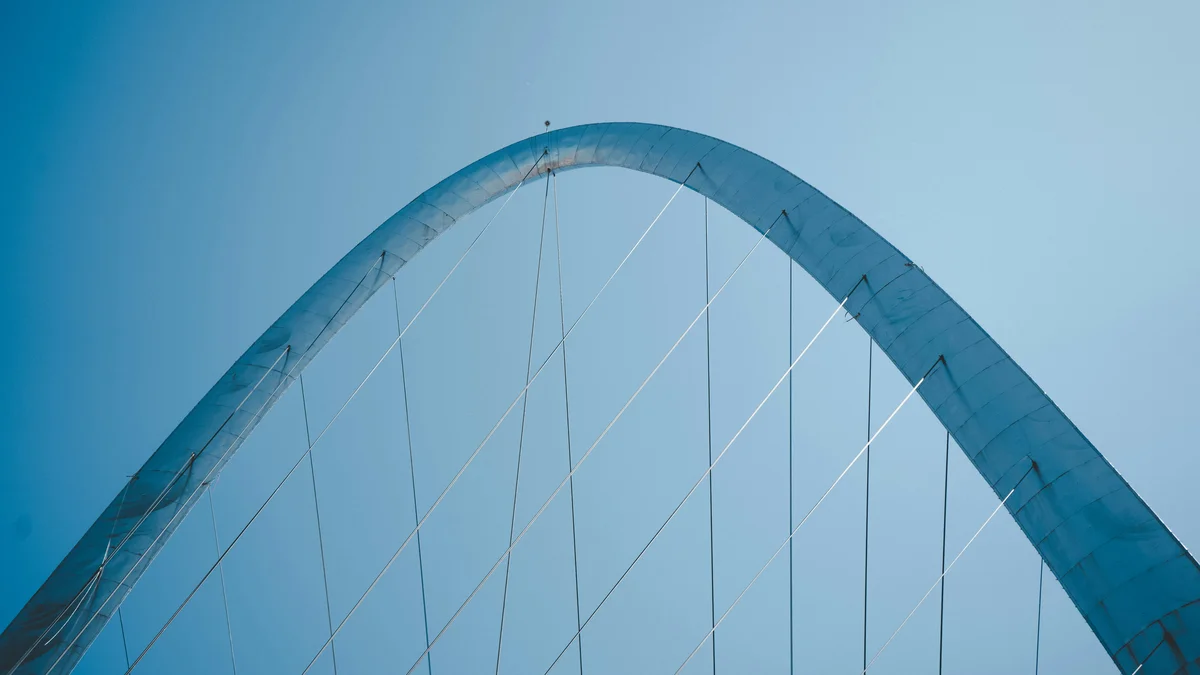
The Tijuana Arch, known locally as the Arco Monumental, is the city's defining steel landmark, marking the start of Avenida Revolución in downtown Tijuana.
Visitor guide
The Tijuana Arch, known locally as the Arco Monumental, is a large steel arch spanning Avenida Revolucion in downtown Tijuana, Baja California, Mexico. It marks the northern entrance to the city's best-known tourist street and has become one of Tijuana's most photographed landmarks.
The arch goes by several names. It is called the Arco Monumental or Monumental Arch, the Millennium Arch, the Friendship Arch and, because it once carried a large clock, el Reloj. The listing used for this page also gave the name Puerta de Mexico, but that name is also used for a different structure, the border-crossing building known as La Concha at San Ysidro, so the name should be used with care.
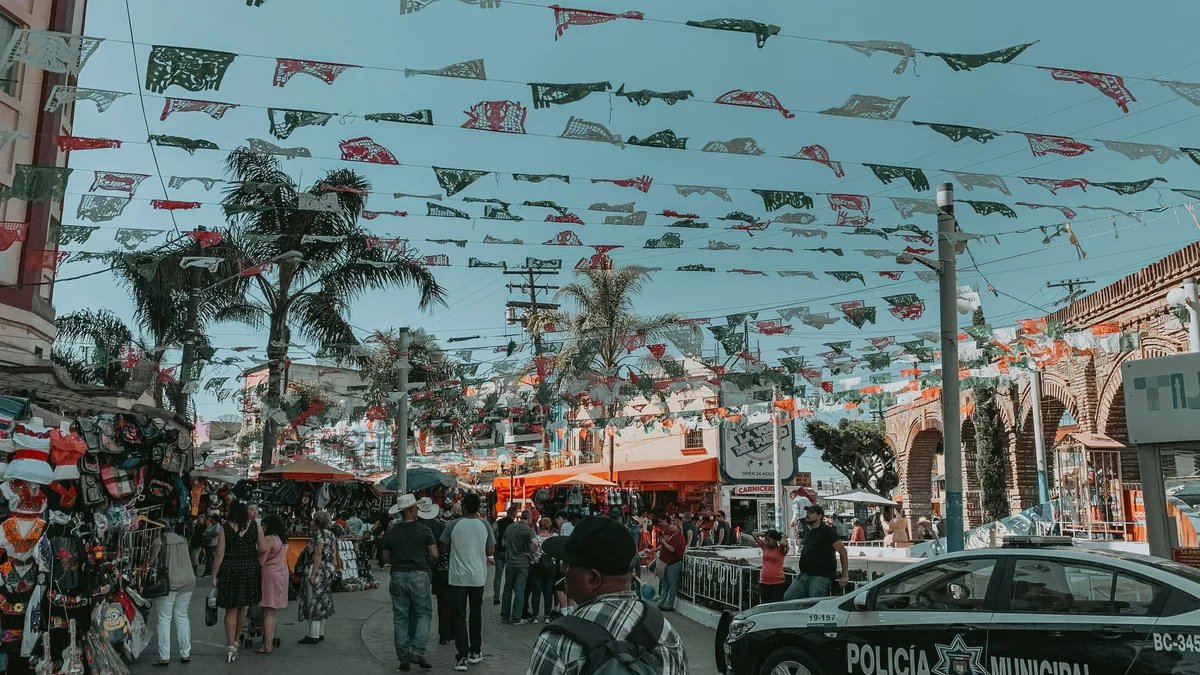
The arch crosses Avenida Revolucion at the intersection with Calle Primera in the northern part of the Zona Centro, and sources describe it as rising above Plaza Santa Cecilia, a pedestrian area decorated with papel picado. Wikipedia places the Tijuana Arch at Primera on the Puente Mexico pedestrian route and lists it as the first landmark on the avenue.
Travel listings describe the arch as steel with copper and say it was built to revitalize the area and welcome travelers into the city. One source places its construction around the turn of the millennium, and another says the mayor at the time commissioned it in 2001, though the exact date and the designer were not found in the sources consulted. Local reporting compares it in form to the Gateway Arch in St. Louis at roughly a quarter of the scale, and one listing says it rises about 14 stories.
The clock that once hung in the arch was removed in early January 2015, and a large LED screen made up of 80 smaller monitors was installed that February. A local newspaper reported the screen as 35 meters, without specifying which dimension.
The arch frames the entrance to Avenida Revolucion, the tourist center of the Zona Centro. Wikipedia says it was the first road in Tijuana to be paved, early in the twentieth century, when it was called Avenida Olvera. It was renamed several times, including Avenida A in 1920, Alvaro Obregon and Libertad, and received its current name in 1932. Its biggest period of growth came during US Prohibition, between 1920 and 1933, when American tourists crossed to drink legally. Caesar Cardini, owner of the Hotel Caesar on the avenue, is credited by Wikipedia with inventing the Caesar salad there in this era.
Other landmarks along the avenue include El Foro, the former jai alai palace now used as a concert venue, and Pasaje Rodriguez, repurposed as a design and cultural destination after tourism declined following 2001. Wikipedia notes the avenue was remodeled in the mid-2010s with wider sidewalks and fewer lanes for cars. Visitors photograph themselves with a zonkey, a donkey painted to look like a zebra, a tradition Wikipedia notes without a source.
Tijuana's city dates its founding to 11 July 1889, according to Wikipedia, and was counted by INEGI in the 2020 census at 1,922,523 inhabitants for the municipality, which Zeta Tijuana reports as the most populous municipality in Mexico. The Agua Caliente tourist complex, with a hotel, casino and racetrack, opened in 1928 and closed after gambling was ended in Baja California in 1935. Wikipedia describes Tijuana and the nearby Valle de Guadalupe as known for Baja Med cuisine.
The arch is easy to reach on foot from downtown Tijuana and is a natural starting point for a walk along Avenida Revolucion. A private guided visit can combine it with the avenue, the Cultural Center and the food markets.
See every tour and attraction we cover in Tijuana.