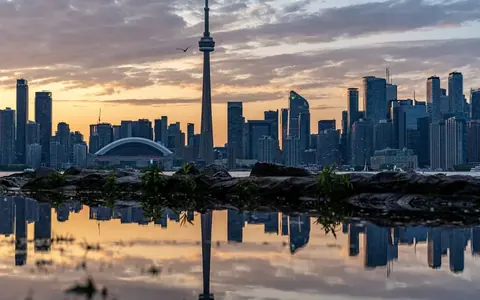
 TorontoOntario · 17 tours
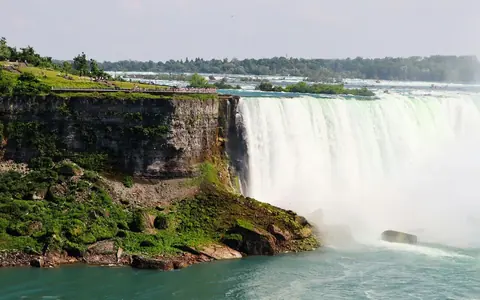 Niagara FallsOntario · 17 tours
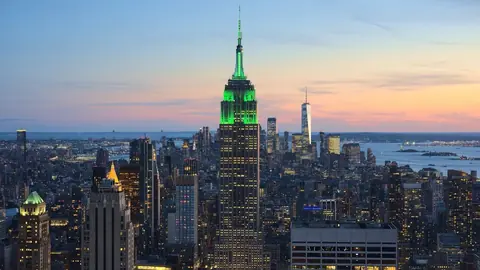 New York CityNew York · 8 tours
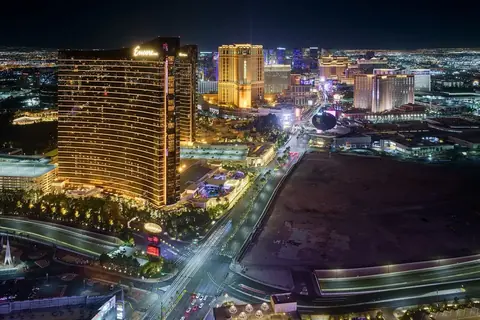 Las VegasNevada · 8 tours
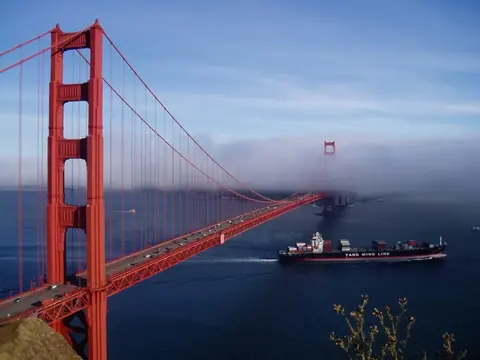 San FranciscoCalifornia · 16 tours
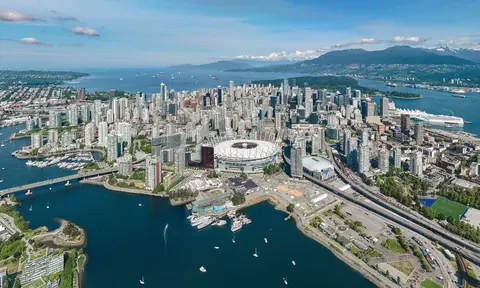 VancouverBritish Columbia · 17 tours
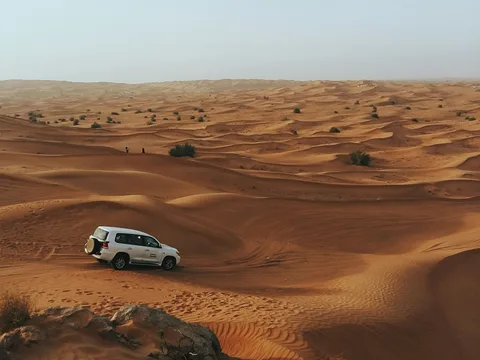 DubaiUAE · 44 tours
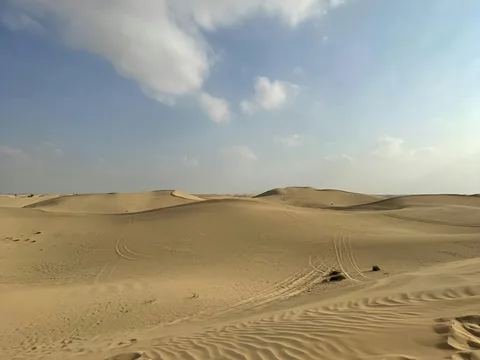 Abu DhabiUAE · 5 tours
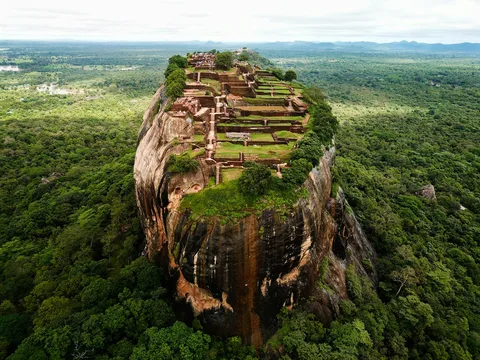 Sri LankaSri Lanka · 16 tours
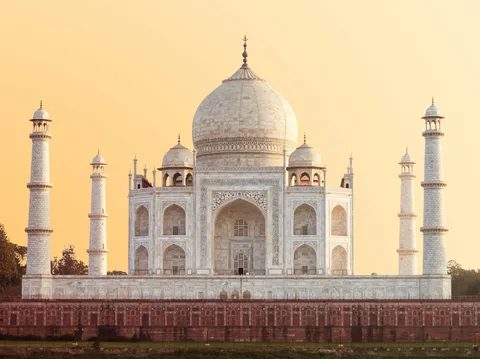 IndiaIndia · 13 tours
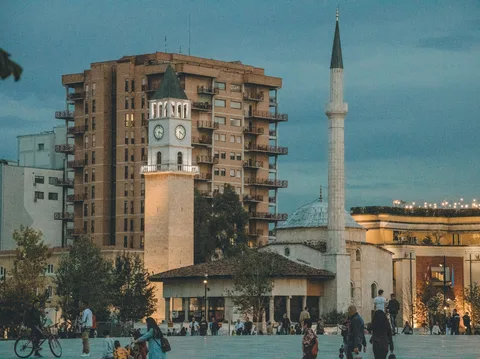 AlbaniaAlbania · 10 tours
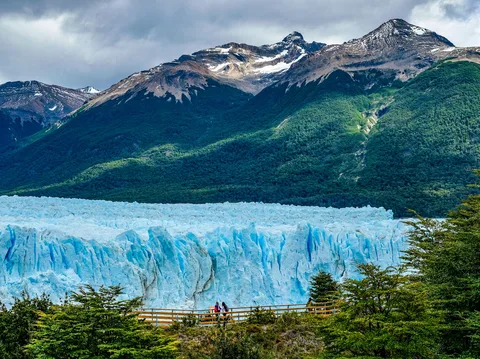 ArgentinaArgentina · 8 tours
No destinations match “”.
Voyzo runs 22 private tours across 1 destination in Bolivia, covering 9 attractions — each with your own guide, driver, and vehicle, and an itinerary built around your group rather than a fixed bus schedule.
Bolivia is a landlocked country of extremes in the heart of South America — the windswept Andean Altiplano and its Aymara and Quechua highland culture in the west, colonial cities like Sucre and Potosí built on centuries-old silver-mining wealth, and the blinding white expanse of the Salar de Uyuni, the world's largest salt flat. La Paz, the country's seat of government, is the world's highest capital, anchoring the highlands with its markets, cable cars and mountain backdrop, while Lake Titicaca, the highest navigable lake on Earth, straddles the border with Peru.
Beyond the highlands, Bolivia drops steeply into the Amazon basin around Rurrenabaque and Madidi National Park, one of the most biodiverse places on the planet — a contrast in altitude and climate that few countries offer within one border. Voyzo's Bolivia tours cover this same range: the Salar de Uyuni, Lake Titicaca, La Paz and the Amazon lowlands.
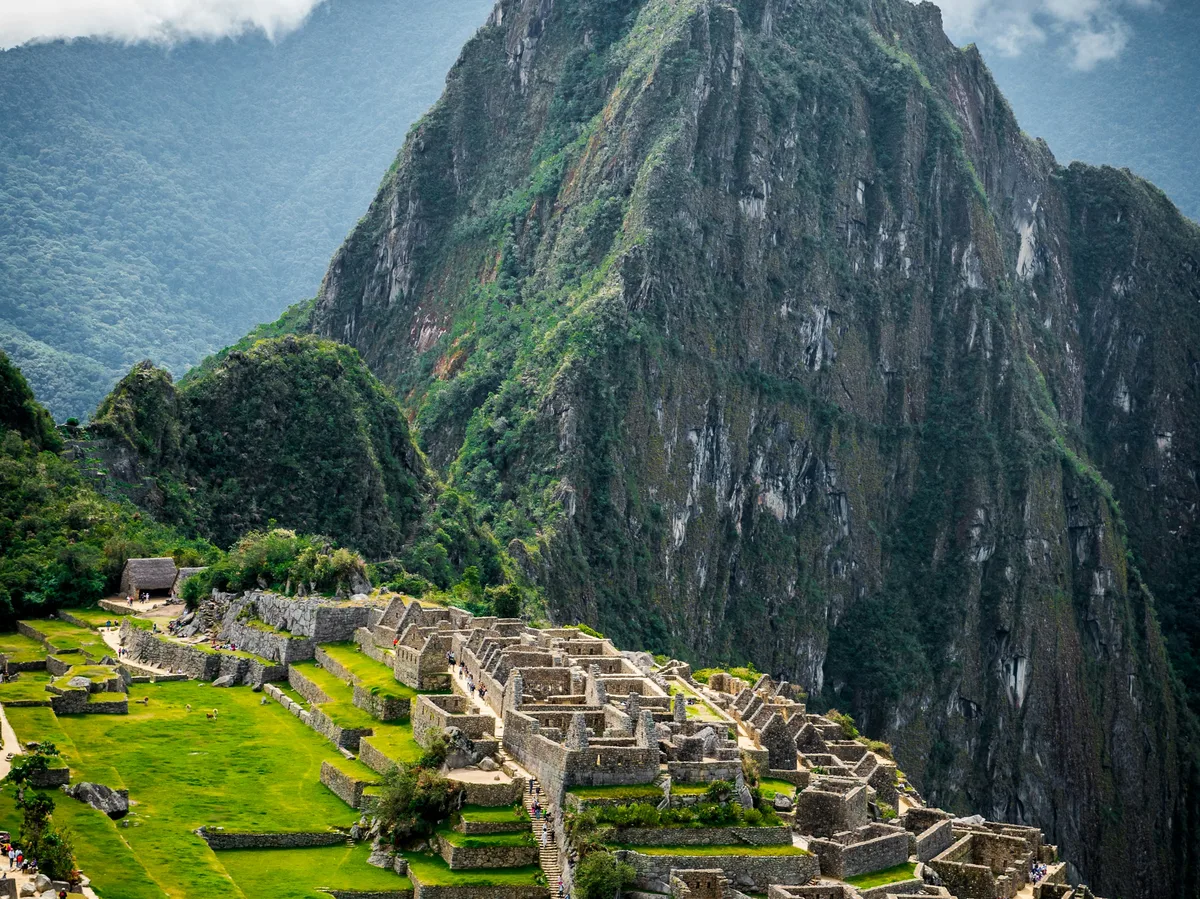
Because Bolivia sits at the crossroads of Peru, Chile and Argentina, several routes continue across those borders — into Peru for Machu Picchu, into Chile's Atacama Desert, or into Argentina's Salta region — with every itinerary disclosing honestly which nights are actually spent in Bolivia versus its neighbors, and domestic flights combined with private ground transport covering the altitude and terrain changes within the country itself.
The real stops Voyzo's own itineraries are built around — tap any attraction to learn more.
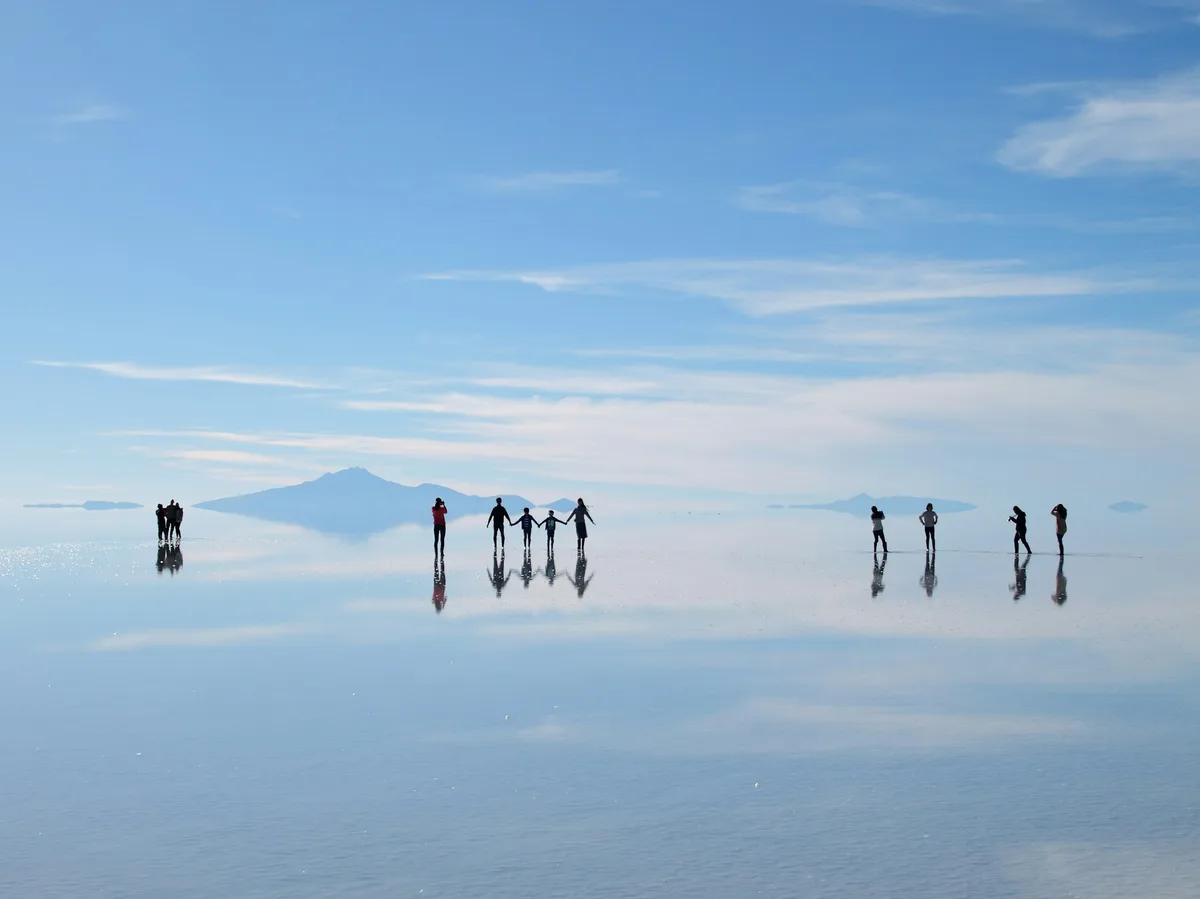 Salar de Uyuni
Bolivia
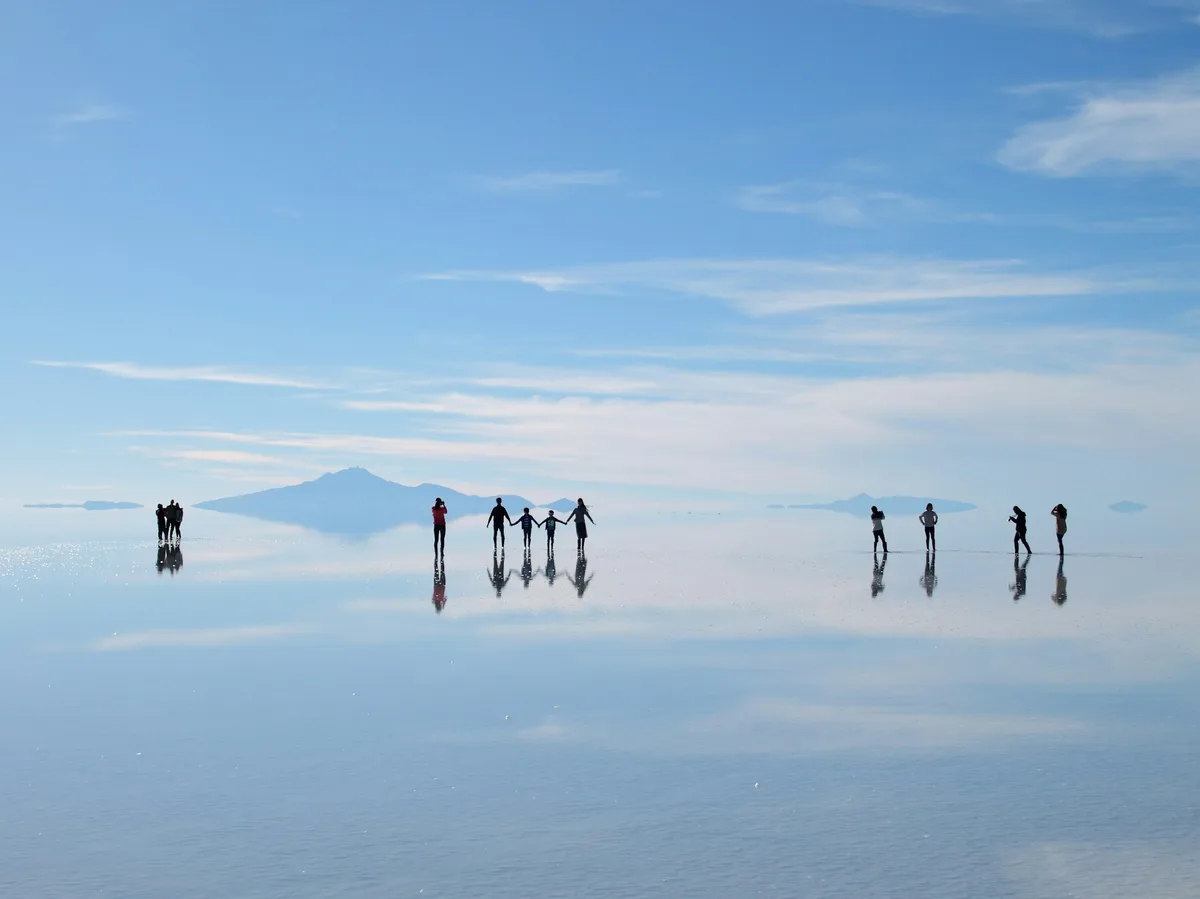
The world's largest salt flat, a blinding-white expanse of over 10,000 square kilometers in the Bolivian Altiplano that turns into a giant mirror during the rainy season.
2
Salar de Uyuni
Bolivia
The world's largest salt flat, a blinding-white expanse of over 10,000 square kilometers in the Bolivian Altiplano that turns into a giant mirror during the rainy season.
2
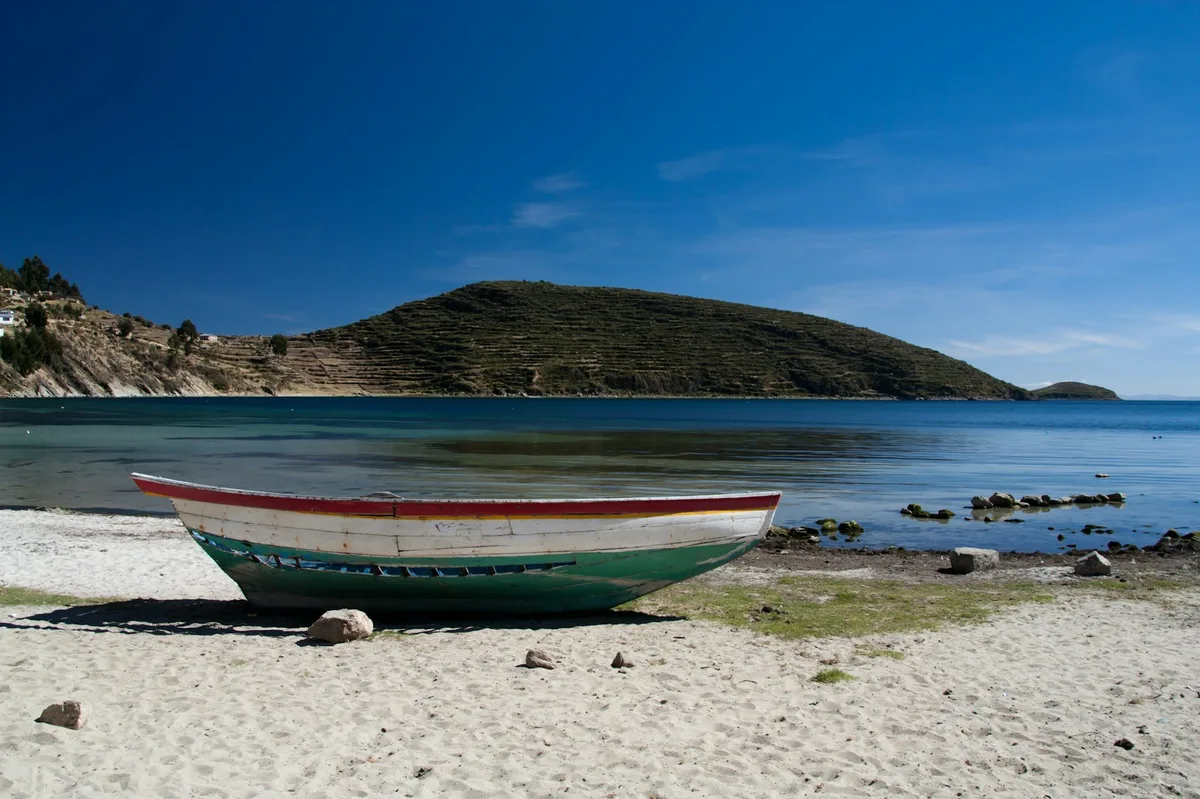 Lake Titicaca
Bolivia
The highest navigable lake in the world, shared between Bolivia and Peru, ringed by Andean peaks and home to the sacred Isla del Sol with its Inca-era terraces and ruins.
3
Lake Titicaca
Bolivia
The highest navigable lake in the world, shared between Bolivia and Peru, ringed by Andean peaks and home to the sacred Isla del Sol with its Inca-era terraces and ruins.
3
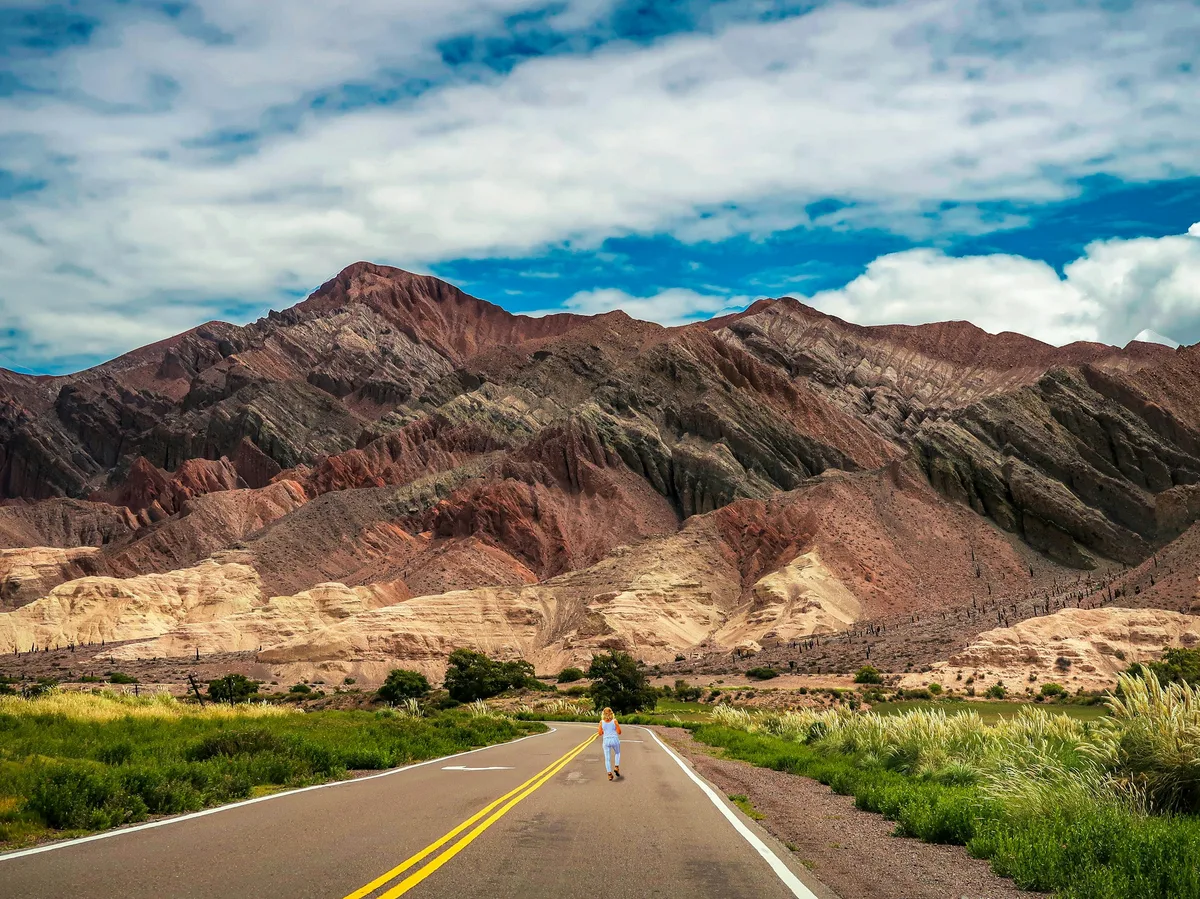 Valle de la Luna (Moon Valley)
Bolivia
A striking badlands landscape on the outskirts of La Paz, carved by wind and rain into a maze of spires and canyons that resemble a lunar surface.
4
Valle de la Luna (Moon Valley)
Bolivia
A striking badlands landscape on the outskirts of La Paz, carved by wind and rain into a maze of spires and canyons that resemble a lunar surface.
4
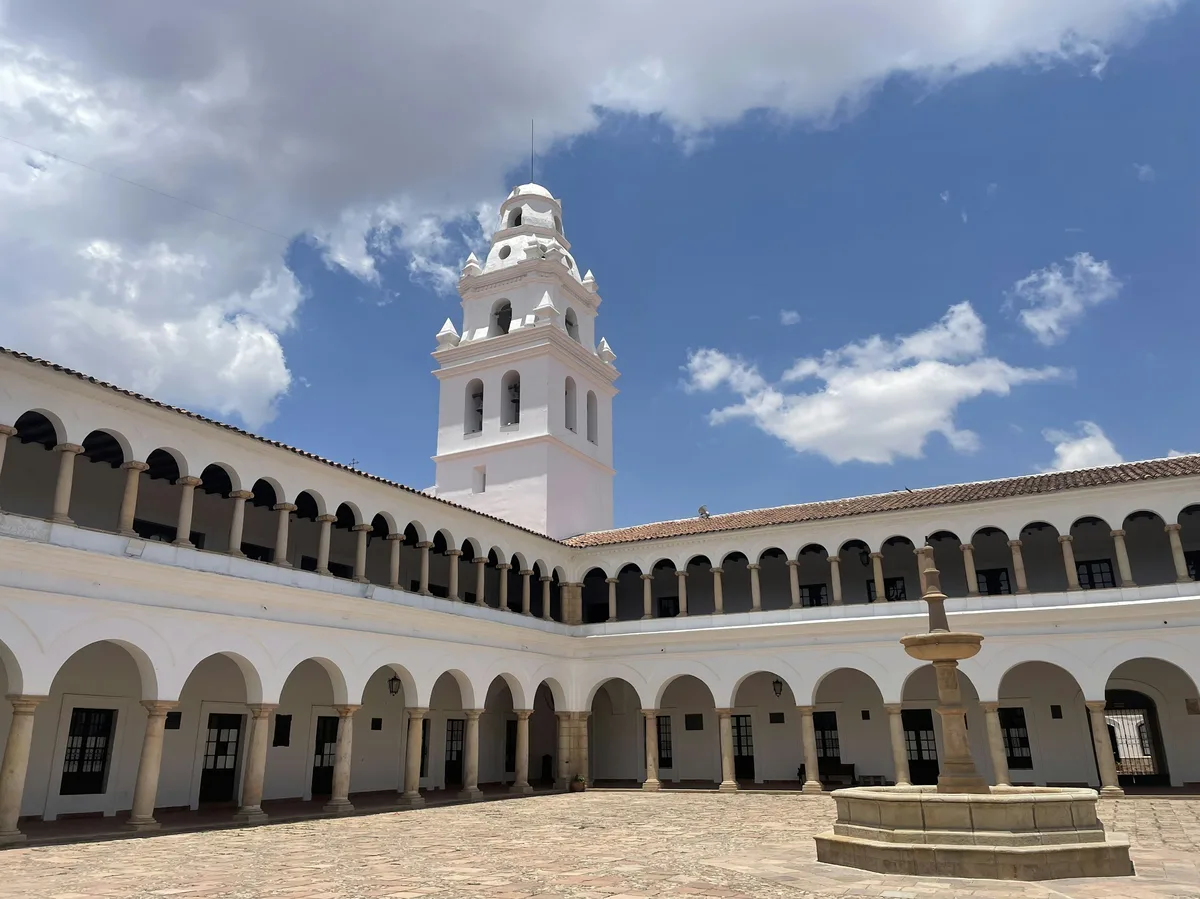 Sucre Historic Center
Bolivia
Bolivia's constitutional capital and a UNESCO World Heritage Site, known for its immaculately preserved whitewashed colonial architecture and cool highland climate.
5
Sucre Historic Center
Bolivia
Bolivia's constitutional capital and a UNESCO World Heritage Site, known for its immaculately preserved whitewashed colonial architecture and cool highland climate.
5
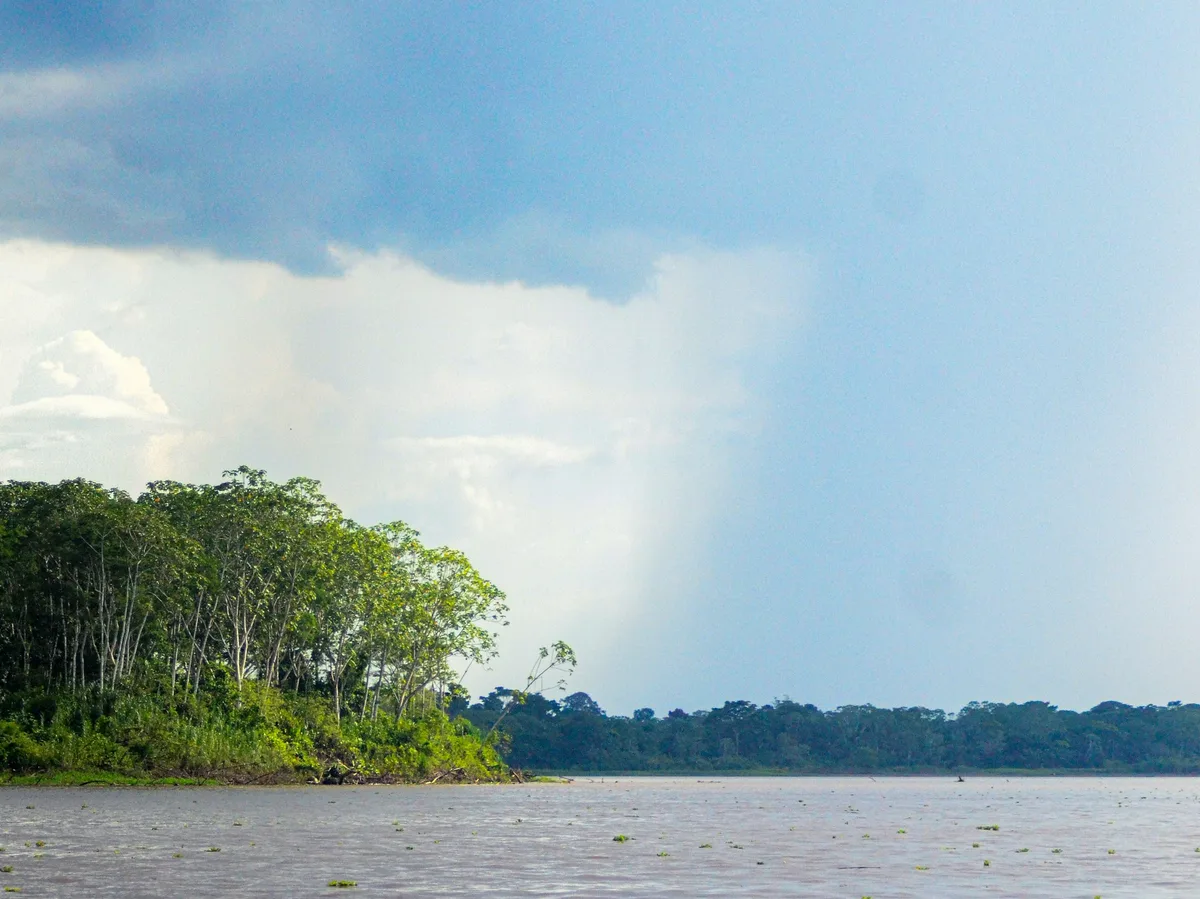 Madidi National Park
Bolivia
One of the most biodiverse protected areas on Earth, spanning Amazon rainforest and cloud forest in Bolivia's north and home to jaguars, macaws, monkeys and thousands of plant species.
6
Madidi National Park
Bolivia
One of the most biodiverse protected areas on Earth, spanning Amazon rainforest and cloud forest in Bolivia's north and home to jaguars, macaws, monkeys and thousands of plant species.
6
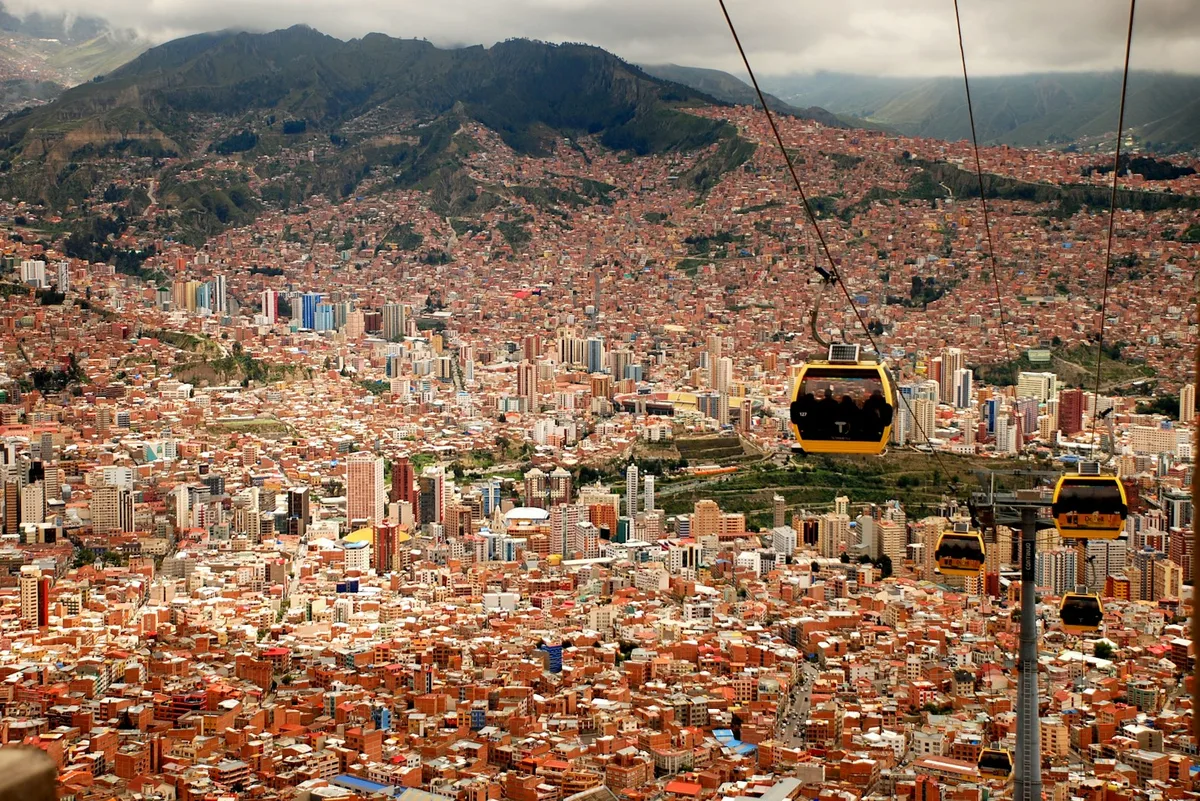 La Paz & Mi Teleférico
Bolivia
Bolivia's seat of government, set in a canyon beneath El Alto, connected to its neighboring city by Mi Teleférico, a network of cable car lines that doubles as urban transit and a scenic ride over the rooftops.
7
La Paz & Mi Teleférico
Bolivia
Bolivia's seat of government, set in a canyon beneath El Alto, connected to its neighboring city by Mi Teleférico, a network of cable car lines that doubles as urban transit and a scenic ride over the rooftops.
7
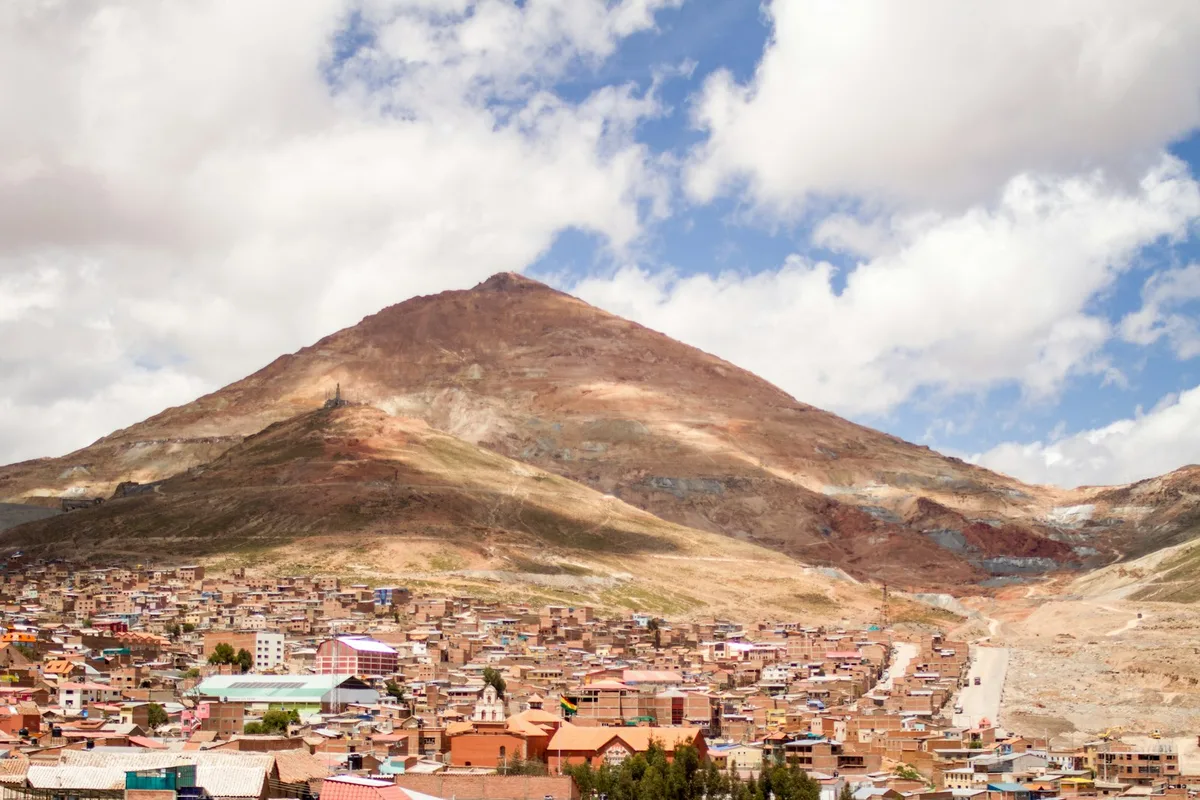 Potosí & Cerro Rico
Bolivia
A colonial mining city built on silver wealth extracted from Cerro Rico, the mountain looming over it, once one of the richest and largest cities in the world.
8
Potosí & Cerro Rico
Bolivia
A colonial mining city built on silver wealth extracted from Cerro Rico, the mountain looming over it, once one of the richest and largest cities in the world.
8
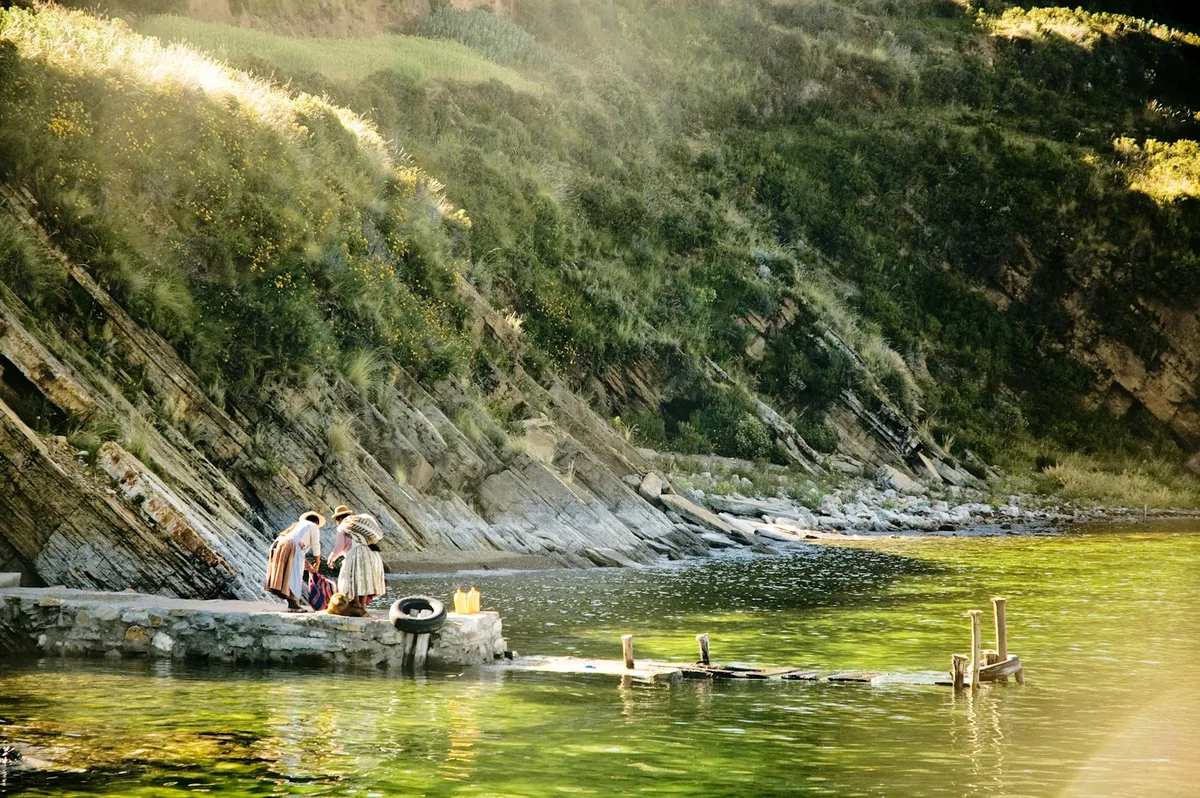 Isla del Sol, Lake Titicaca
Bolivia
An island on the Bolivian side of Lake Titicaca considered sacred in Inca mythology as the birthplace of the sun, reached by boat and explored on foot along its ridgeline trails and terraced villages.
9
Isla del Sol, Lake Titicaca
Bolivia
An island on the Bolivian side of Lake Titicaca considered sacred in Inca mythology as the birthplace of the sun, reached by boat and explored on foot along its ridgeline trails and terraced villages.
9
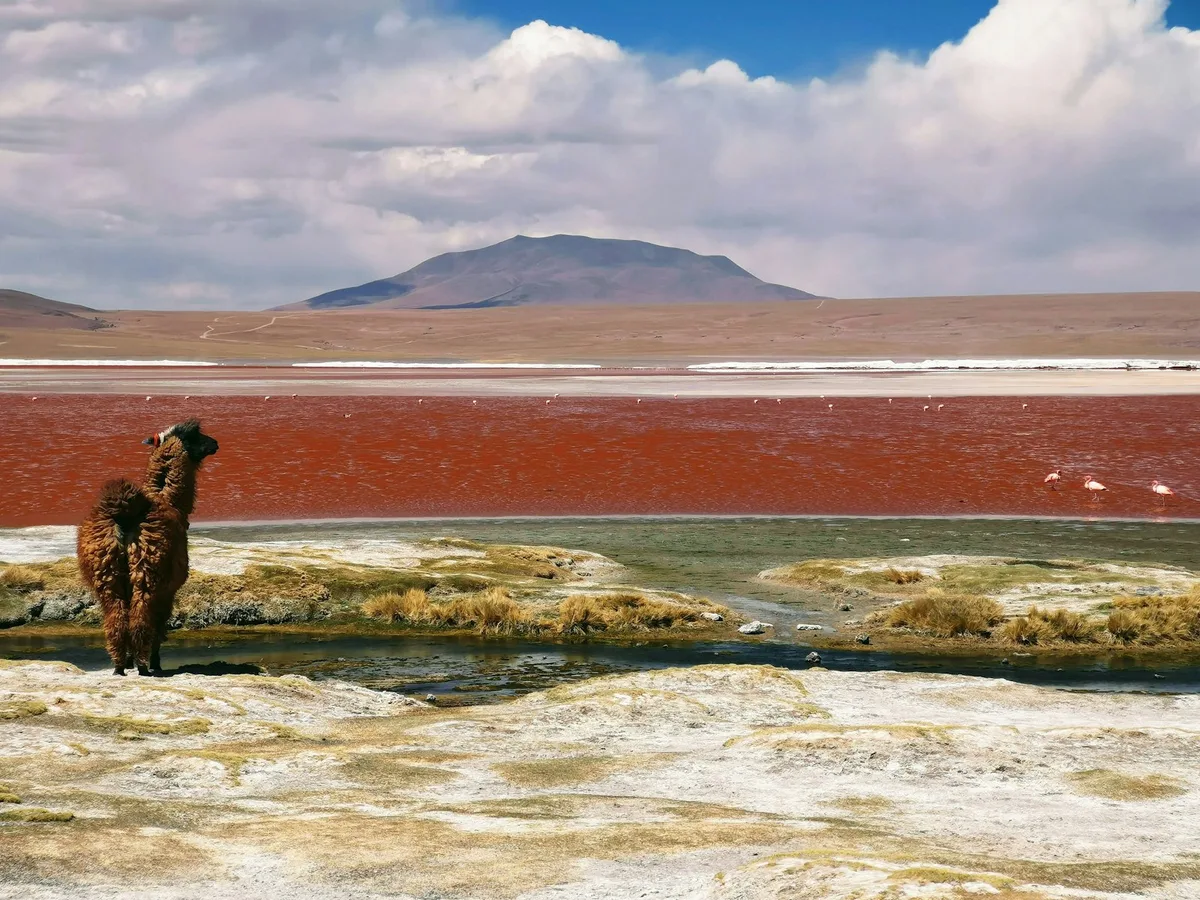 Eduardo Avaroa Andean Fauna National Reserve
Bolivia
A high-altitude reserve in Bolivia's far southwest bordering Chile, home to the mineral-red waters of Laguna Colorada and its resident flamingo colonies, alongside geysers and hot springs.
Multi-Day Tours
Eduardo Avaroa Andean Fauna National Reserve
Bolivia
A high-altitude reserve in Bolivia's far southwest bordering Chile, home to the mineral-red waters of Laguna Colorada and its resident flamingo colonies, alongside geysers and hot springs.
Multi-Day Tours
Ten days linking Peru's Inca heartland with Bolivia's surreal salt flats: explore Cusco, the Sacred Valley and Machu Picchu, hike Rainbow Mountain, then cross into La Paz and drive out across the Uyuni salt flats for sunset and stars.
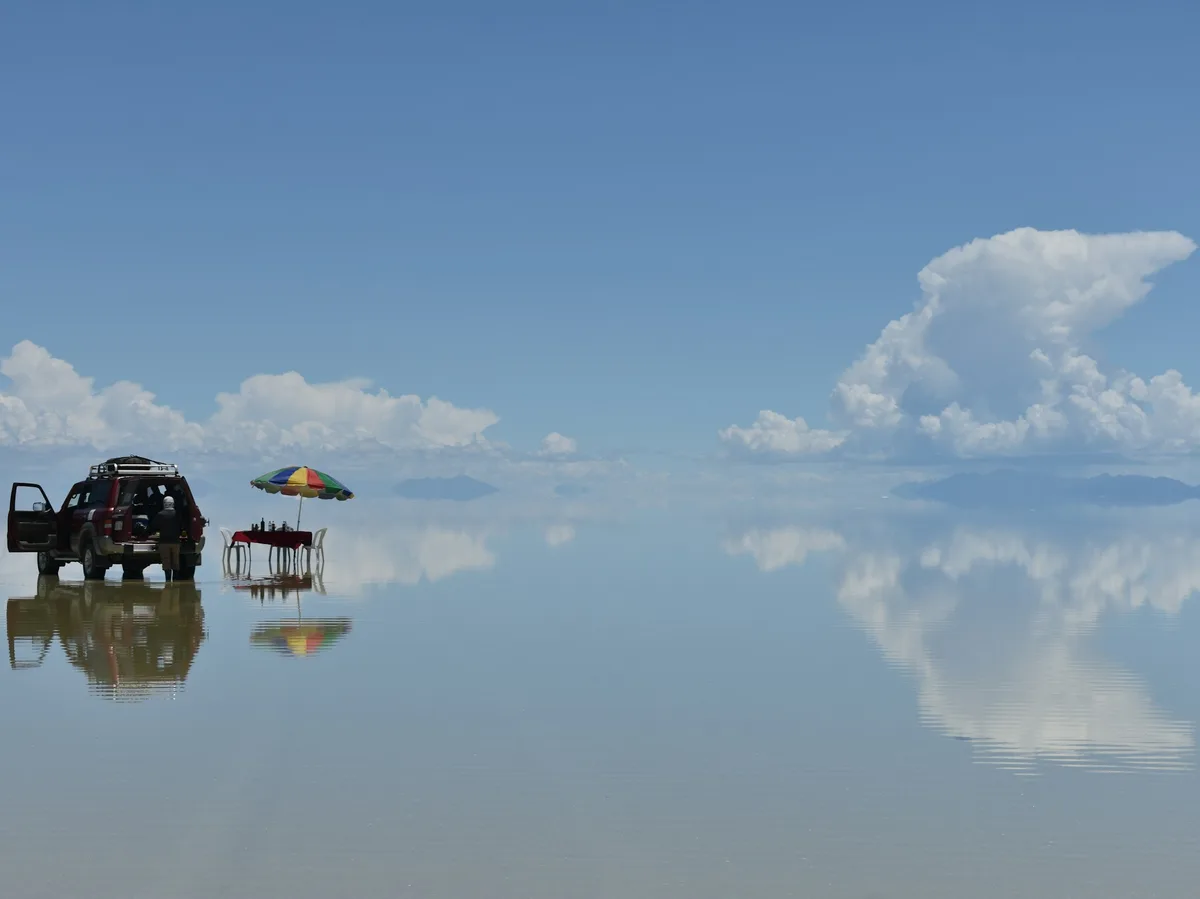 Multi-Day Tours Popular Pick
A week through Bolivia's most iconic landscapes — La Paz's historic center and cable cars, the ruins of Tiwanaku, a hike along Lake Titicaca's Isla del Sol, and a finale on the blinding-white Uyuni salt flats.
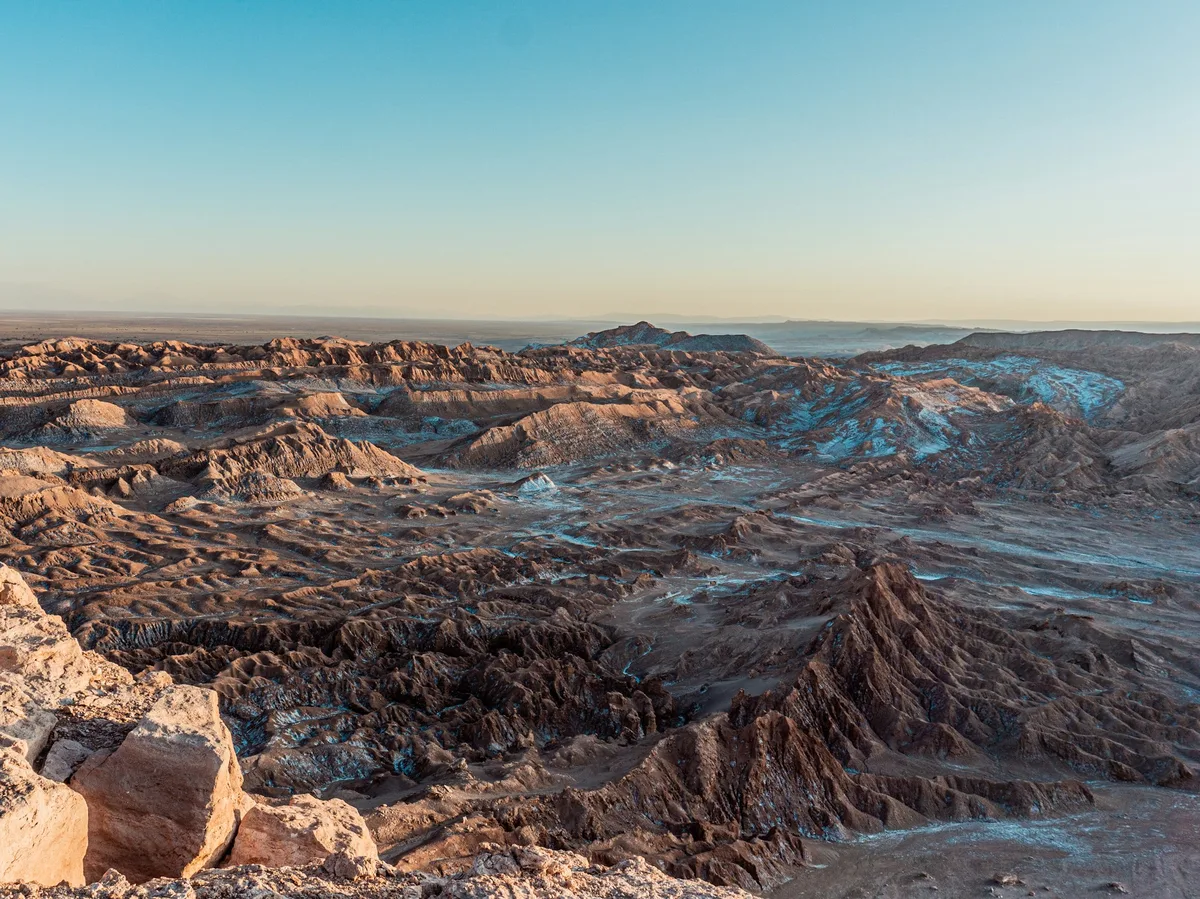 Multi-Day Tours
A grand 20-day journey across Peru and Bolivia — from Lima, Arequipa and Colca Canyon, across Lake Titicaca into La Paz, the Uyuni salt flats, Potosí and Sucre, before returning through Tiwanaku to Cusco and Machu Picchu.
 Multi-Day Tours
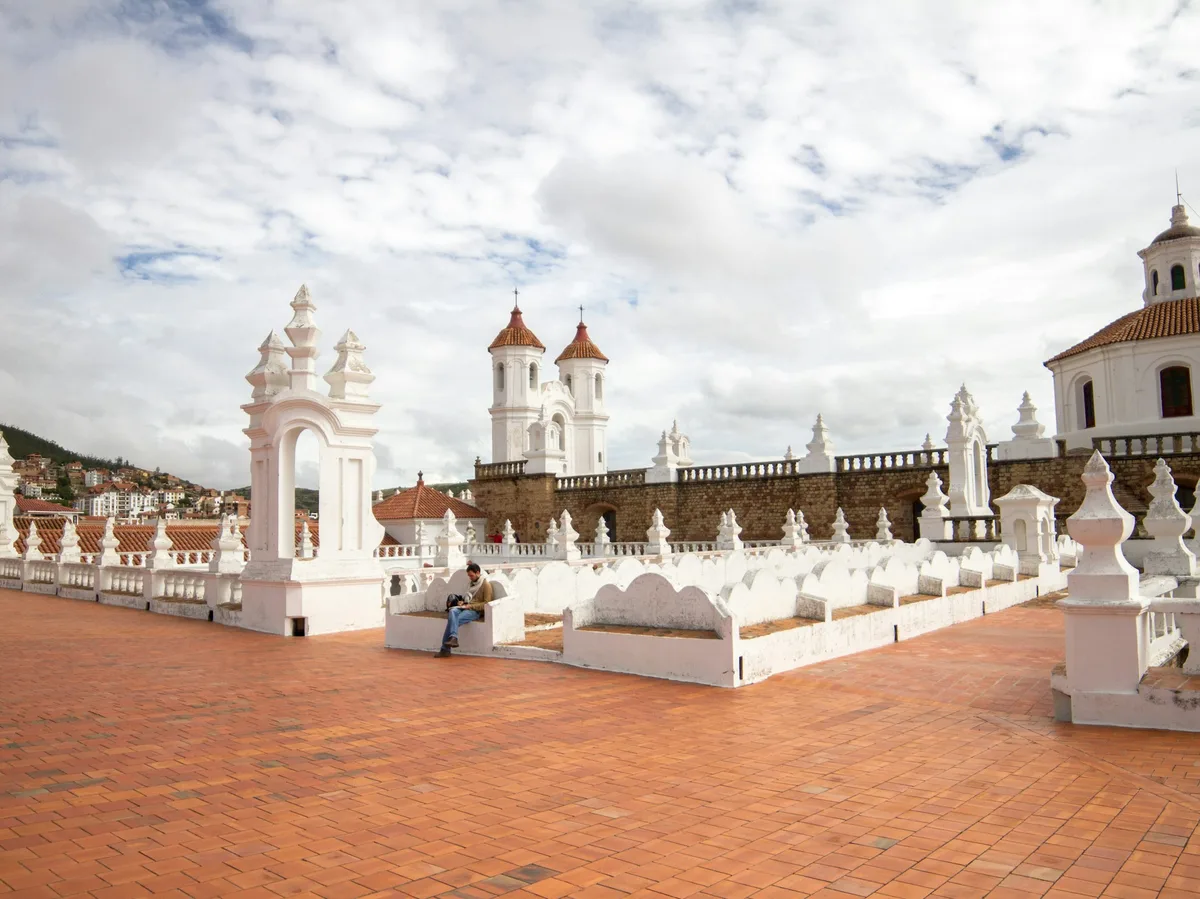
A week through Bolivia's colonial heart — La Paz's Valley of the Moon, the whitewashed streets of Sucre, the silver-mining history of Potosí, and a finale on the Uyuni salt flats.
 Multi-Day Tours
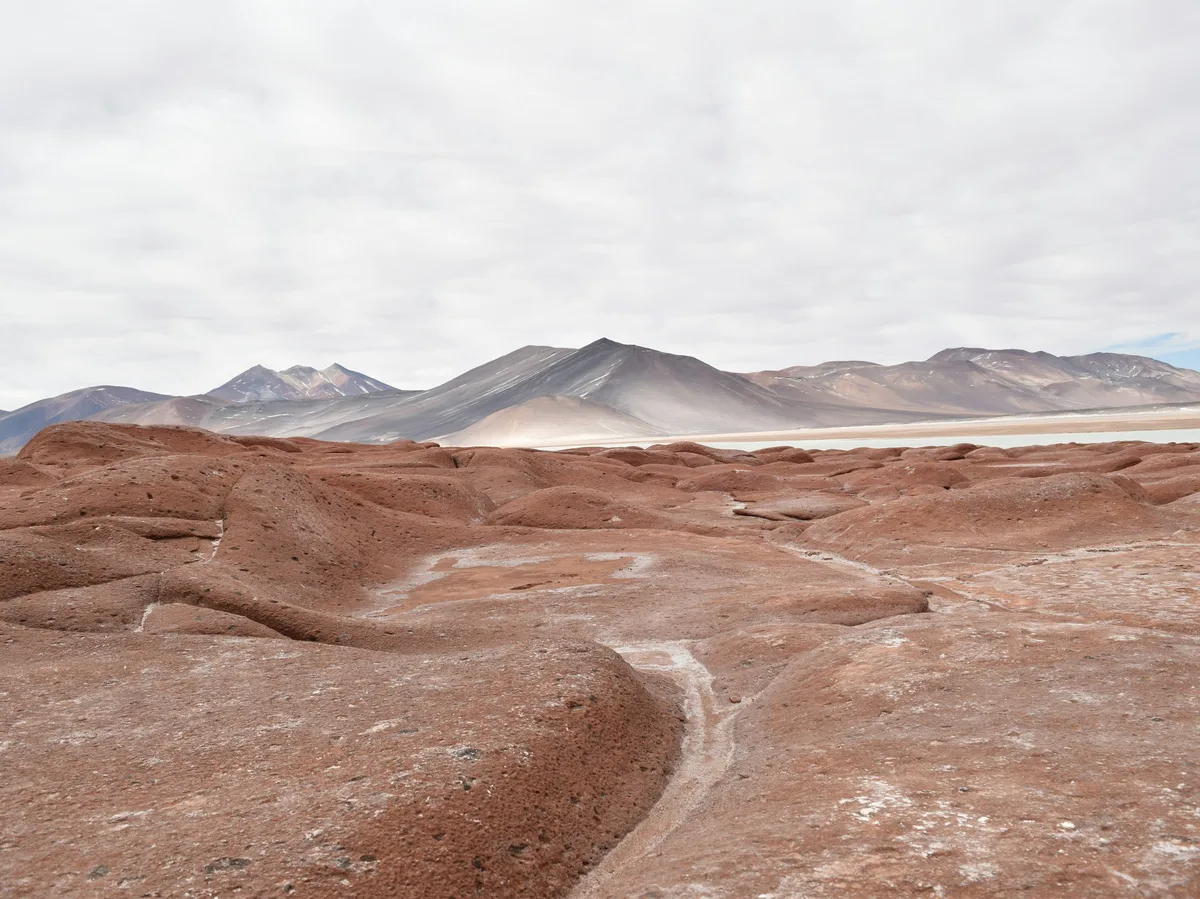
A week deep into Bolivia's southern wilderness — from La Paz across the high desert to the blood-red waters of Laguna Colorada, flamingo-filled lagoons, and the blinding white expanse of the Salar de Uyuni.
 Multi-Day Tours
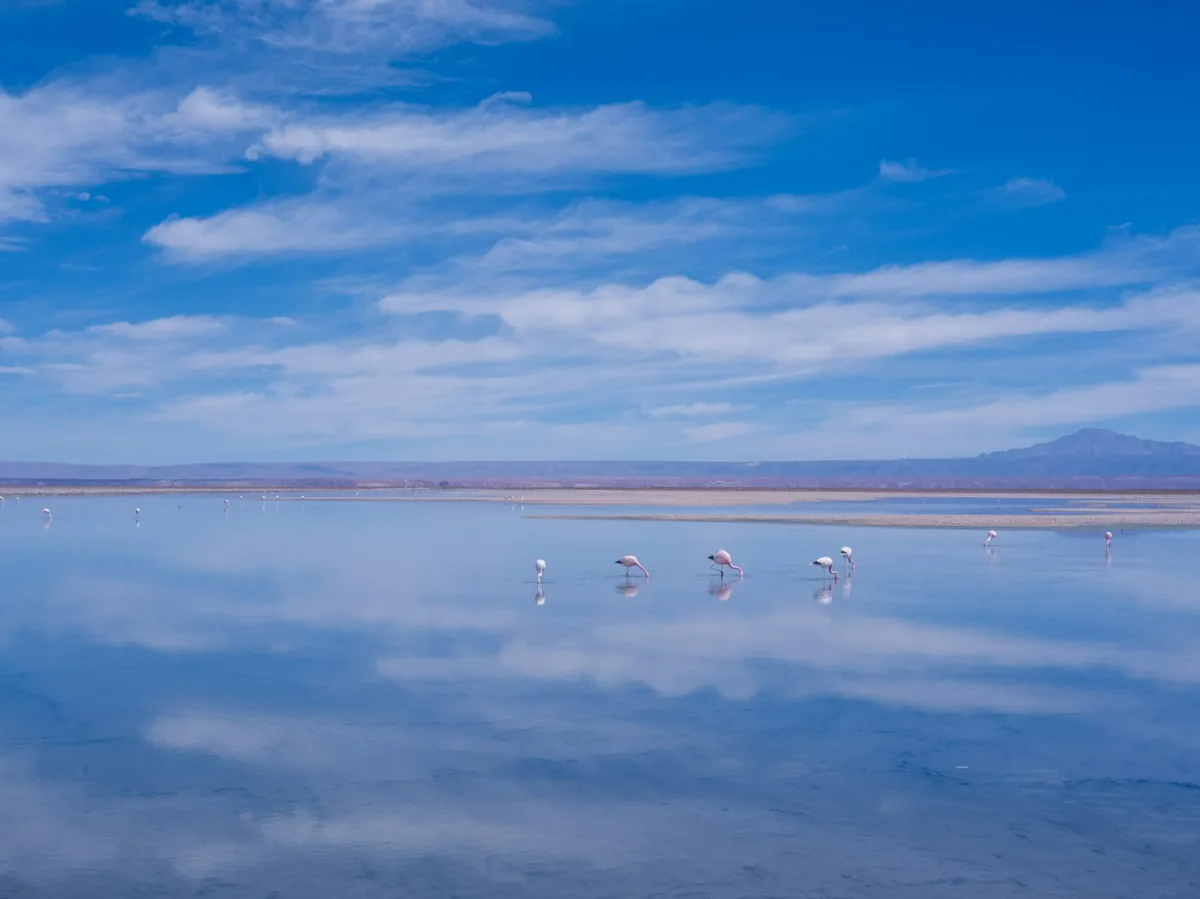
An eight-day desert crossing linking Bolivia's South Lipez region with Chile's San Pedro de Atacama — colored lagoons, geysers and hot springs on one side of the border, the Moon Valley and Atacama's salt flats on the other.
 Multi-Day Tours
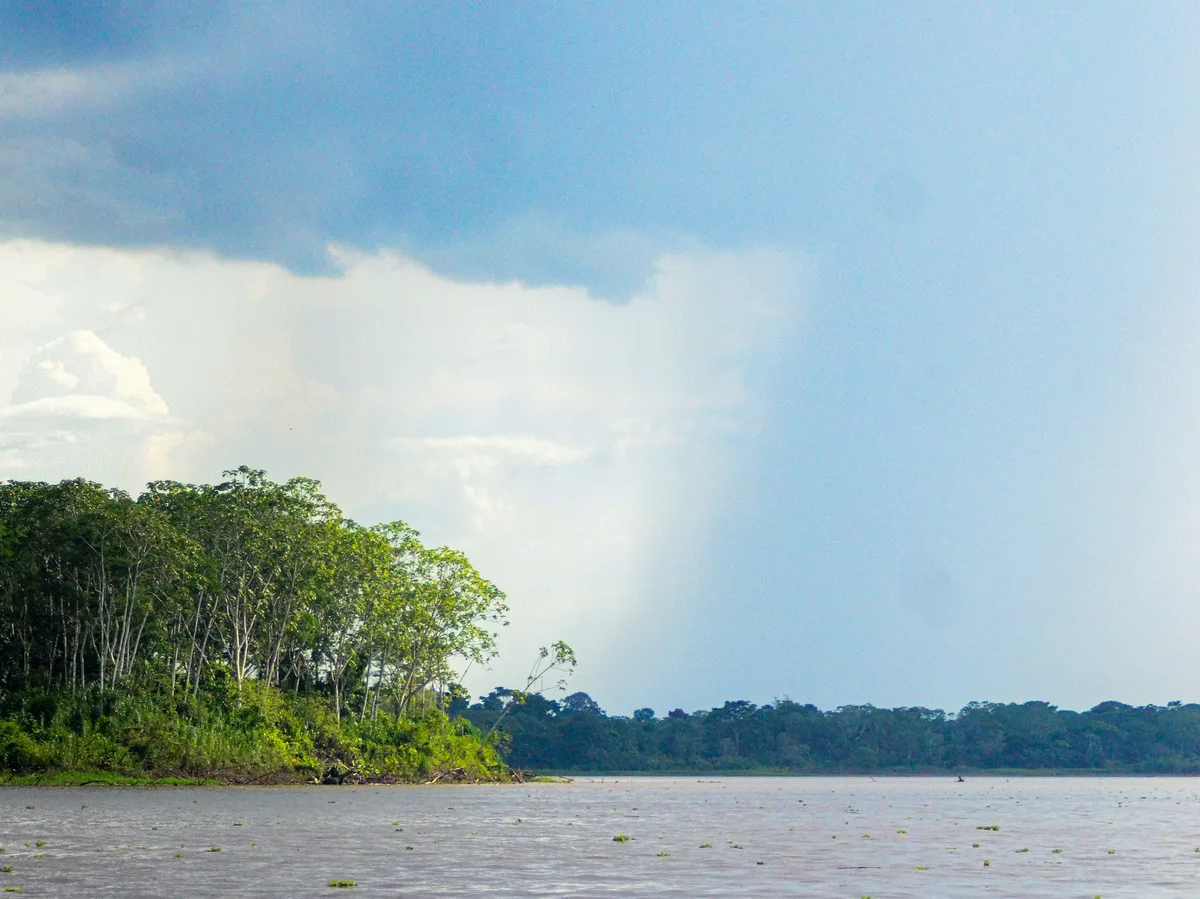
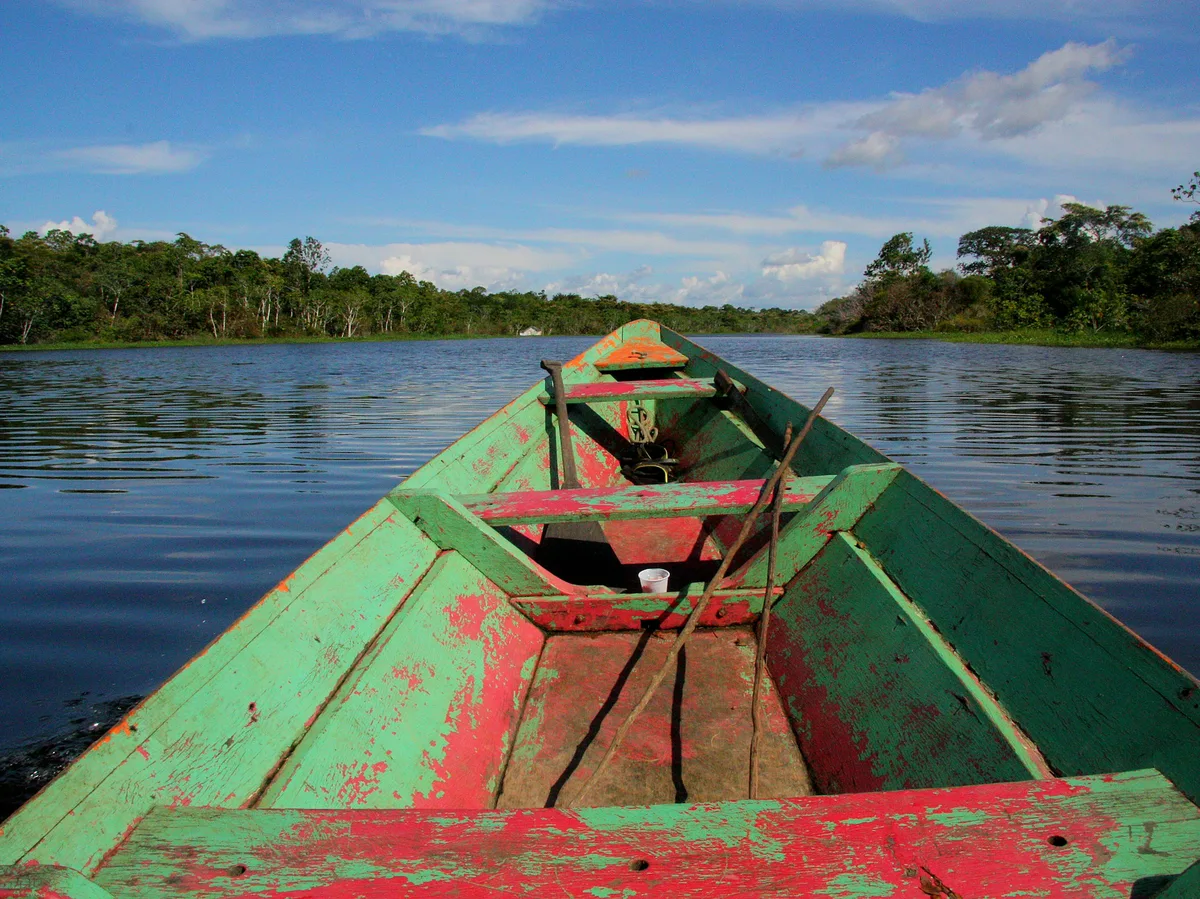
A week immersed in Bolivia's Amazon basin — cruising jungle rivers to Madidi National Park, camping in the rainforest, and searching the Rio Yacuma's waters and banks for anacondas, pink dolphins and caimans.
 Multi-Day Tours
Eight days from La Paz through Bolivia's dramatic south — the Uyuni salt flats, a hike up Tunupa Volcano, otherworldly desert lagoons, and hot spring soaks before returning to the capital.
 Multi-Day Tours
A week in Bolivia's Amazon basin focused on wildlife — the rivers and trails of Madidi National Park, immersive jungle experiences, and the wellness traditions of the rainforest, reached via Rurrenabaque.
May through October (the dry season) is best for the Salar de Uyuni salt flats and most of the Andean highlands; November through April brings rain that can flood parts of the salt flats, creating a mirror effect prized by photographers but complicating access.
Bolivia's major sights — the Salar de Uyuni, Lake Titicaca, La Paz and the Amazon lowlands — are spread across very different altitudes and terrain, so most multi-region trips combine domestic flights with private ground transport for each leg.
Altitude matters more than season here — La Paz and the Altiplano are cold, especially at night, even in summer, while the Amazon lowlands around Rurrenabaque are hot and humid; pack for both if the route covers each.
Bolivia uses the boliviano (BOB). La Paz sits above 3,600m and altitude sickness is common for new arrivals — a day to acclimatize, staying hydrated and avoiding alcohol on arrival are standard local advice.
Tipping around 10% at restaurants in tourist areas is appreciated but not universal practice outside them; cash is still preferred in smaller towns and at markets.
Because Bolivia sits at the crossroads of Peru, Chile and Argentina, popular routes into Peru for Machu Picchu or into Chile's Atacama Desert cross borders partway through, so it's worth checking which nights of any itinerary are actually spent in Bolivia.
Tell us your group size and dates — we'll take care of the rest.