TorontoOntario · 36 tours
 Niagara FallsOntario · 25 tours
 New York CityNew York · 30 tours
 Las VegasNevada · 8 tours
 San FranciscoCalifornia · 16 tours
 VancouverBritish Columbia · 17 tours
 DubaiUAE · 54 tours
 Abu DhabiUAE · 5 tours
 Buenos AiresArgentina · 23 tours
 AthensGreece · 31 tours
 AucklandNew Zealand · 38 tours
 CancunMexico · 54 tours
No destinations match “”. Try searching all tours instead — that search understands full questions, not just place names.
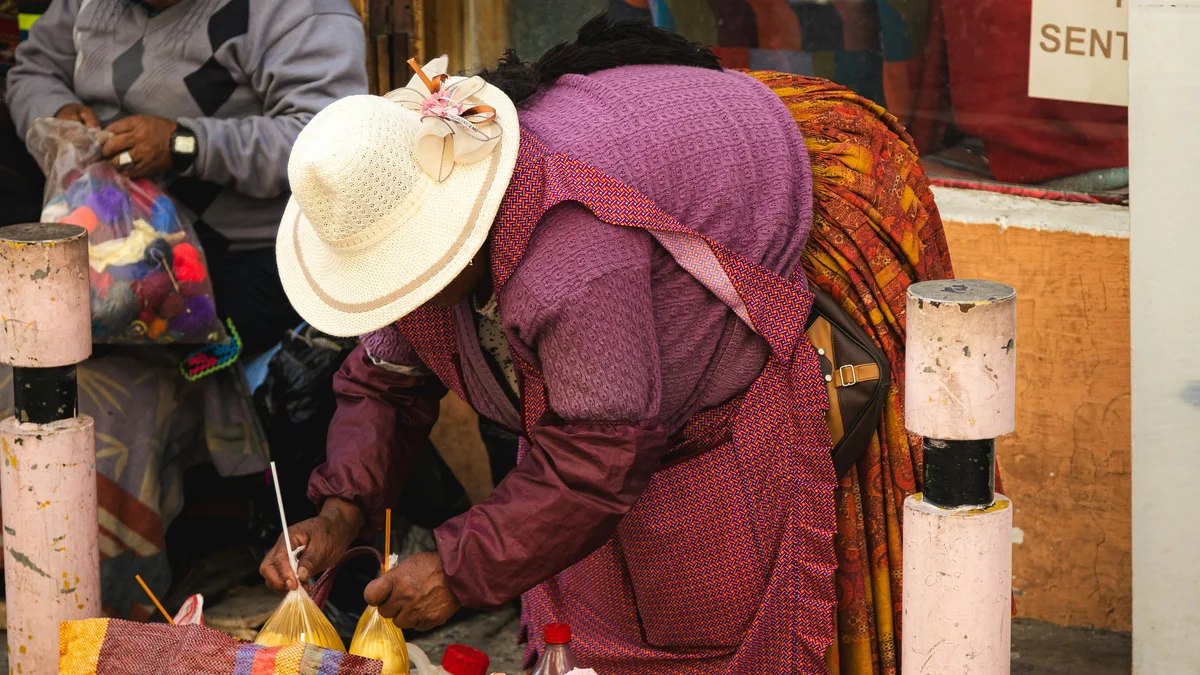
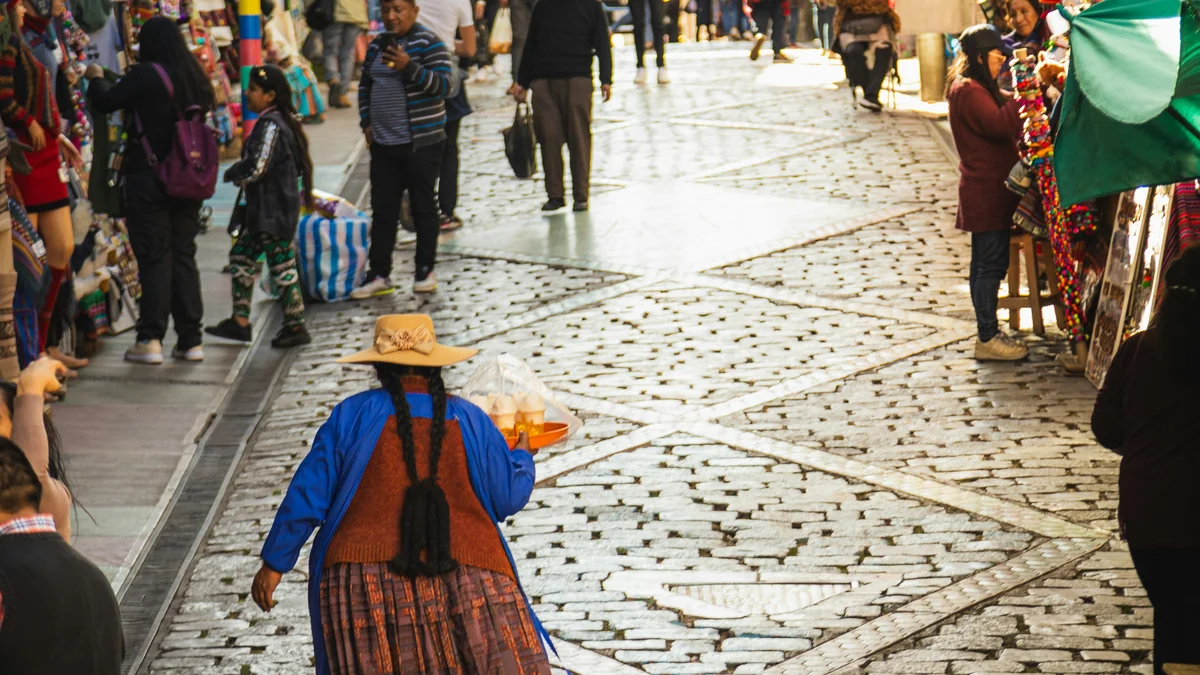
The Witches' Market runs along Calle Linares and Jiménez in La Paz's historic center, where Aymara vendors sell herbal remedies, amulets, and dried llama fetuses traditionally buried under the foundations of new buildings as an offering to Pachamama, the earth goddess. It's a real, still-functioning part of Aymara spiritual practice in the city, not a tourist recreation.
 Private Tours
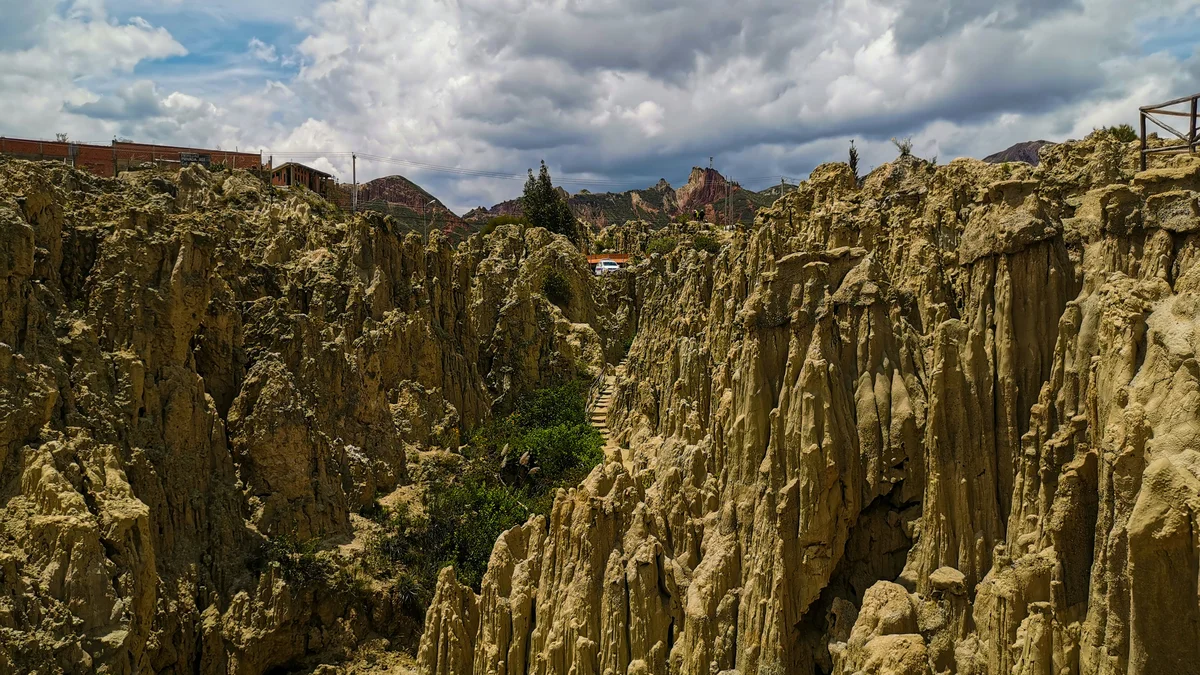
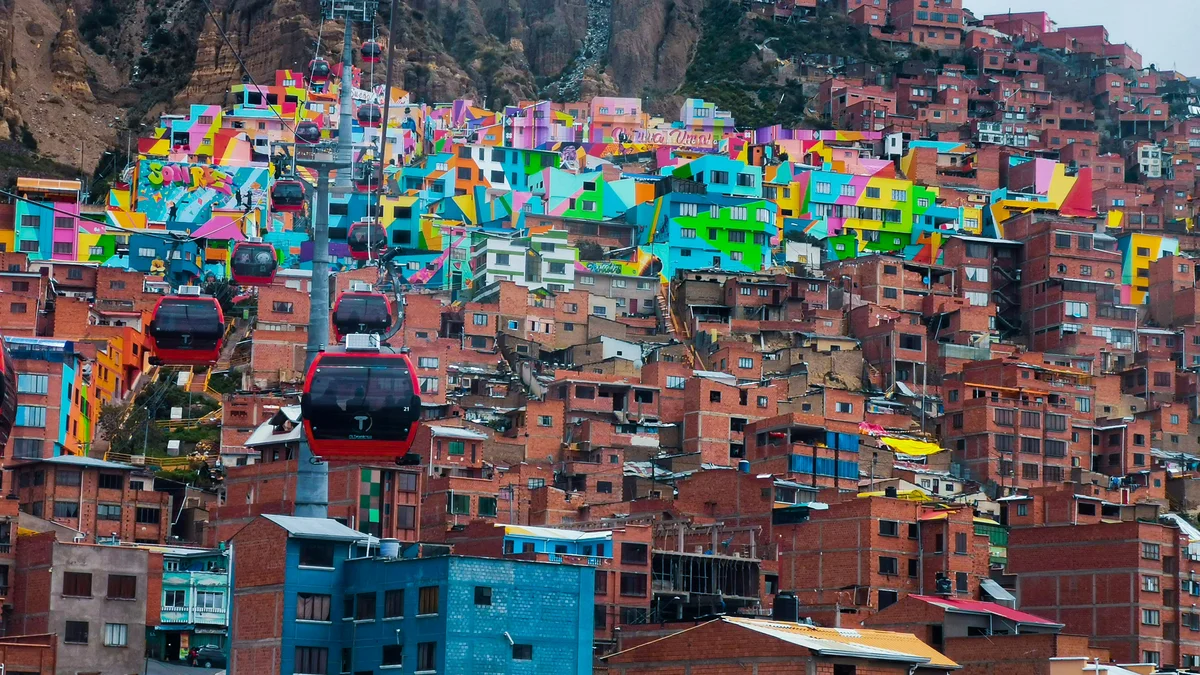
A private half-to-full-day tour through downtown La Paz — Plaza Murillo, San Francisco Church, the Witches' Market, and the otherworldly Valle de la Luna badlands on the city's edge.
 Private Tours
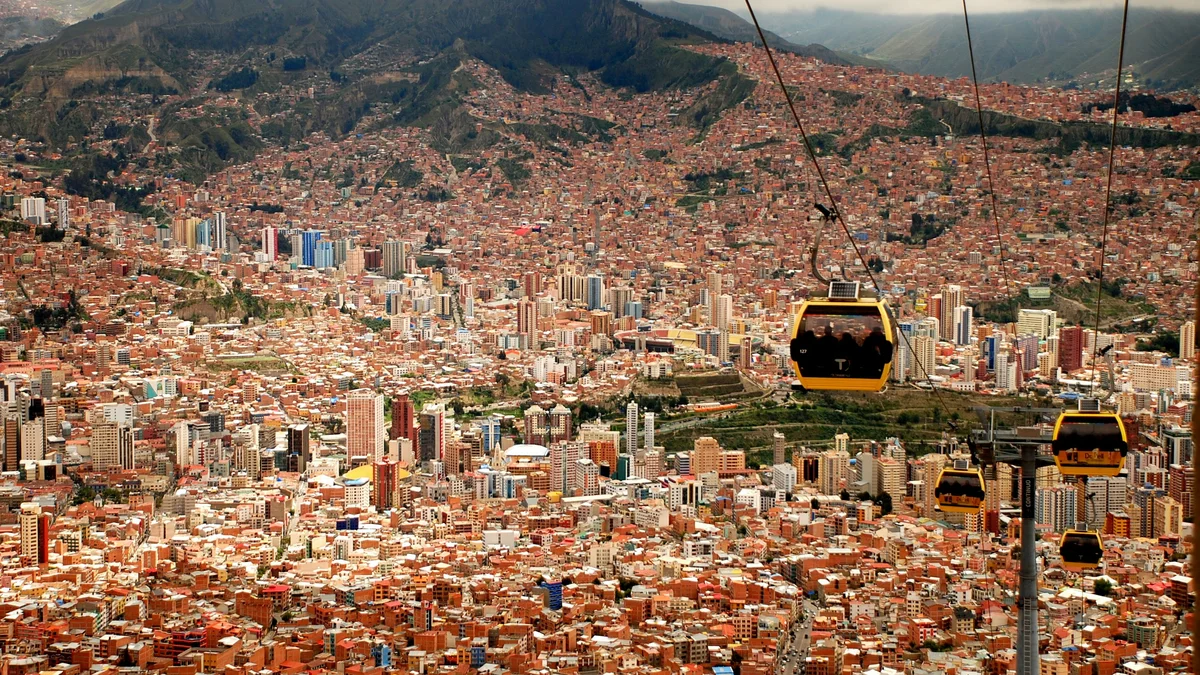
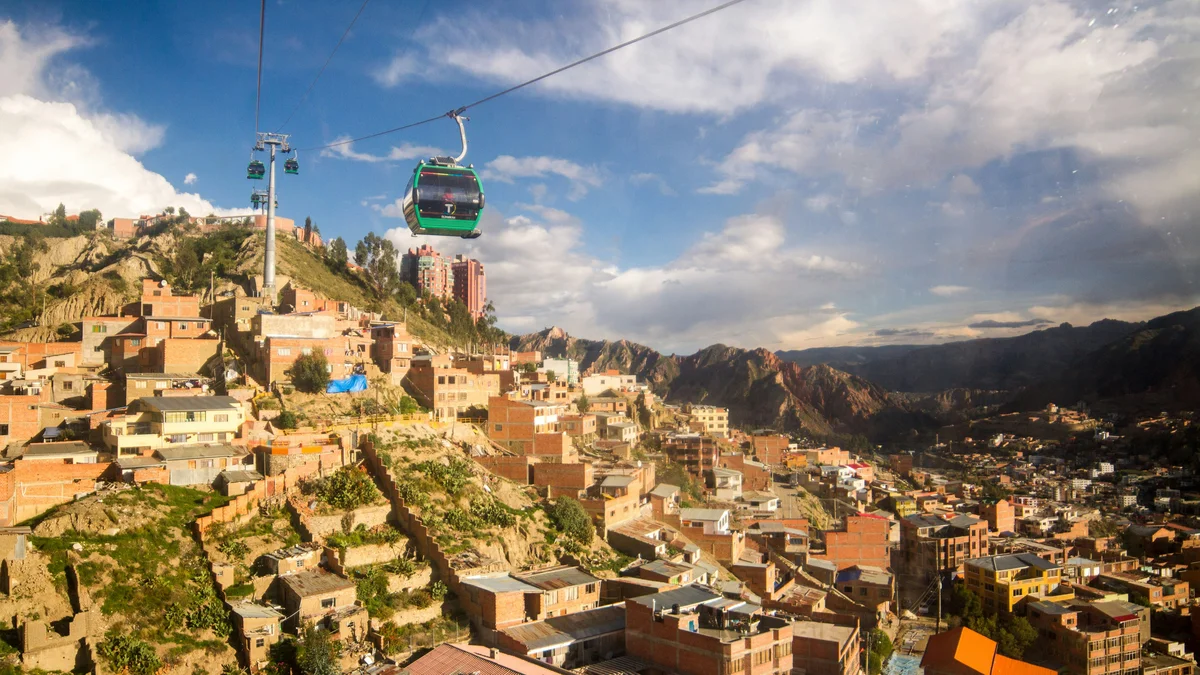
A private half-day tour to La Paz's General Cemetery and its open-air street art, then a cable car ride up to El Alto to meet a local Aymara yatiri (traditional healer) and browse the El Alto Witches' Market.
 Private Tours
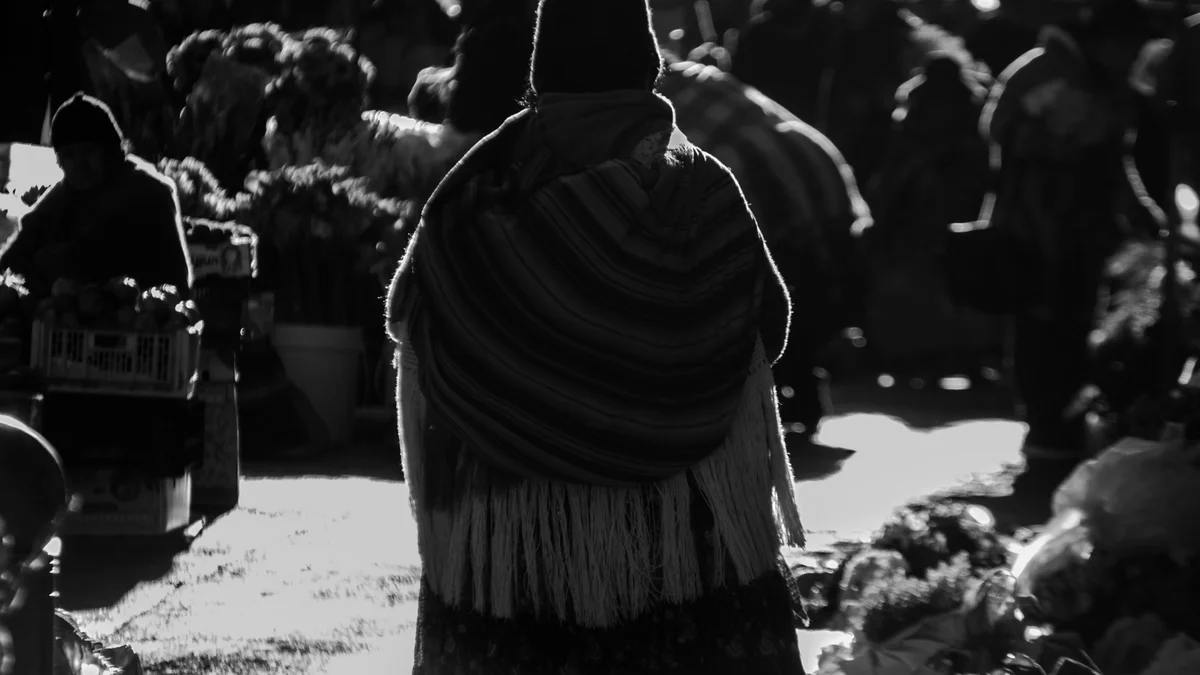
A deep, private dive into La Paz's Witches' Market — an Andean mural gallery, a traditional textile shop, an Afro-Bolivian coffee tasting, a purification ritual, and a vegetarian Bolivian lunch.
Visitor guide
The Witches' Market, or Mercado de las Brujas, is a market street in the old quarter of La Paz, Bolivia, where vendors sell amulets, herbs, talismans and ritual items connected to Aymara beliefs. Travel sources place it on Calle Linares, near the Church of San Francisco, and it is among the best-known curiosities of the city.
Older women in traditional Andean dress, with colourful skirts and bowler hats, sell a wide range of goods. These include amulets, talismans, herbs and good luck charms, along with dried animals such as frogs, turtles, starfish and snakes, and ceramic figures. Spanish Wikipedia lists potions, dried frogs, medicinal plants such as retama, and armadillos used in Andean rituals, and says the market also offers plants identified with Kallawaya medicine, the traditional healing system of the Bolivian Andes. Some goods are used in rituals honouring Aymara spirits, while others are meant to bring health, love, intelligence, happiness, wealth and longevity.
The market is best known for sullus, the dried llama fetuses that Spanish Wikipedia calls the item that most attracts tourist attention. One source says families bury a dried llama fetus under the foundations of a new home as an offering to Pachamama, the Andean earth goddess, for protection, health and luck. It adds that the fetuses come mostly from natural miscarriages and stillbirths, which explains why they appear in different sizes, though some sources say pregnant llamas are also slaughtered. Another source describes a class distinction in which poorer families use the market's fetuses while wealthier Bolivians sacrifice a live llama. These accounts come from travel writers rather than scholarly studies.
Spanish Wikipedia connects the goods on sale with the wajt'a, an offering to the earth that is burnt in a ritual, and with the ch'alla, a related Andean practice of offering and blessing. The article does not describe these practices in detail, so they are best understood through a local guide rather than from the market's stalls alone.
Some stalls are associated with yatiri, traditional healers and fortune tellers who are recognisable by black hats and coca pouches holding amulets, talismans and powders said to bring luck, beauty and fertility. The sources describe most Bolivians as nominally Catholic, with many also following older Andean traditions and consulting yatiri. Llama sacrifices remain part of some rituals, and one source notes that altiplano miners sacrifice llamas each year to appease El Tio, the lord of the underworld.
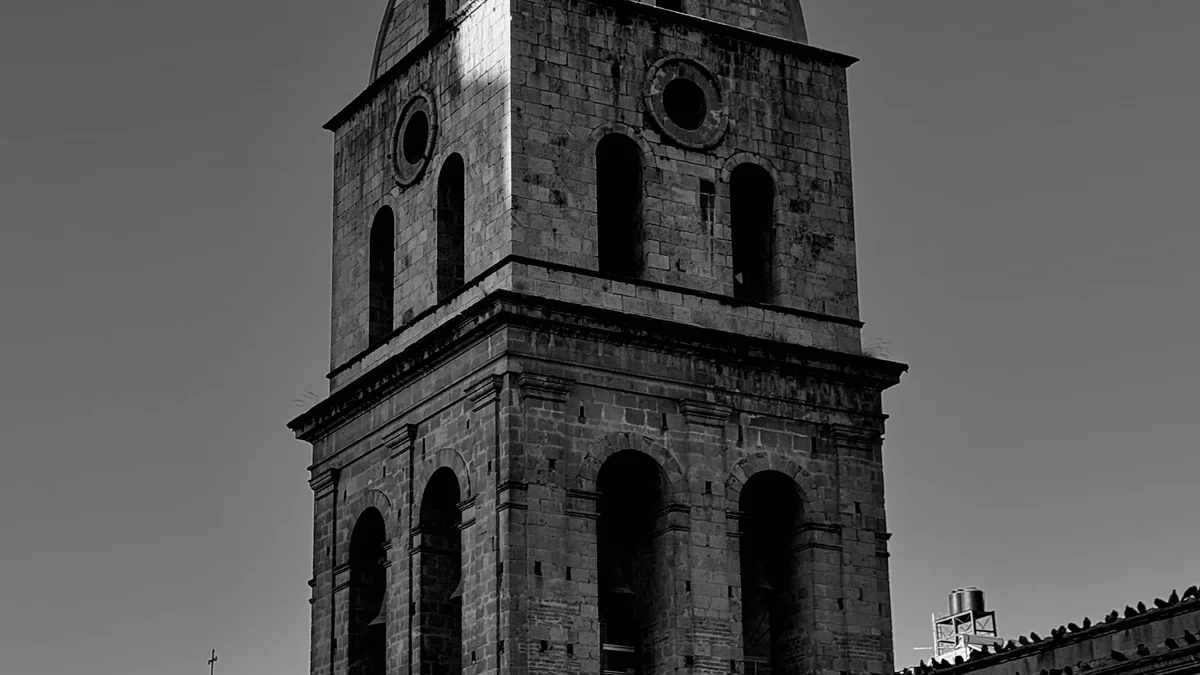
The market lies in the historic centre close to the Basilica of San Francisco. Spanish Wikipedia describes the plaza in front of the basilica as a space bounded by Calle Sagarnaga, a street associated with visitor-oriented shops, so the market is easy to reach on foot from the plaza. The plaza itself was remodelled in 2011 and is used for civic events, fairs and concerts.
Travel writing describes a market that serves both local ritual needs and visitors. One account notes that in recent years tourists have become the biggest customers, buying the items as souvenirs rather than for healing or spiritual reasons. Because the market sits in the historic centre, it is easy to include in a walk with nearby sights such as the Church of San Francisco. A guide can help visitors understand the beliefs behind the items and approach the stalls respectfully, for example by asking before photographing vendors.
The sources reviewed give no founding date or scholarly history of the market itself, so its exact origins are not documented here.
See every tour and attraction we cover in La Paz.