TorontoOntario · 36 tours
 Niagara FallsOntario · 25 tours
 New York CityNew York · 30 tours
 Las VegasNevada · 8 tours
 San FranciscoCalifornia · 16 tours
 VancouverBritish Columbia · 17 tours
 DubaiUAE · 54 tours
 Abu DhabiUAE · 5 tours
 Buenos AiresArgentina · 23 tours
 AthensGreece · 31 tours
 AucklandNew Zealand · 38 tours
 CancunMexico · 54 tours
No destinations match “”. Try searching all tours instead — that search understands full questions, not just place names.
Voyzo runs 99 tours across 2 destinations in Australia, covering 16 attractions. A private tour means your own guide, driver, and vehicle and an itinerary built around your group rather than a fixed bus schedule.
Multi-Day Tours
A 9-day private circuit through Australia's icons — Sydney Harbour Bridge and the Blue Mountains, sunset over Uluru in the Red Centre, and snorkeling the Great Barrier Reef from Port Douglas.
 Multi-Day Tours Popular Pick
An 18-day private journey across the continent — Melbourne and the Great Ocean Road, Kangaroo Island's wildlife, the Great Barrier Reef and Kakadu National Park, Uluru's Red Centre, and Sydney's icons.
 Multi-Day Tours
A 14-day private route from Melbourne along the Great Ocean Road to Adelaide — Phillip Island's penguins, the Twelve Apostles, the Grampians, Coonawarra and McLaren Vale wine country, and Kangaroo Island's wildlife.
 Multi-Day Tours
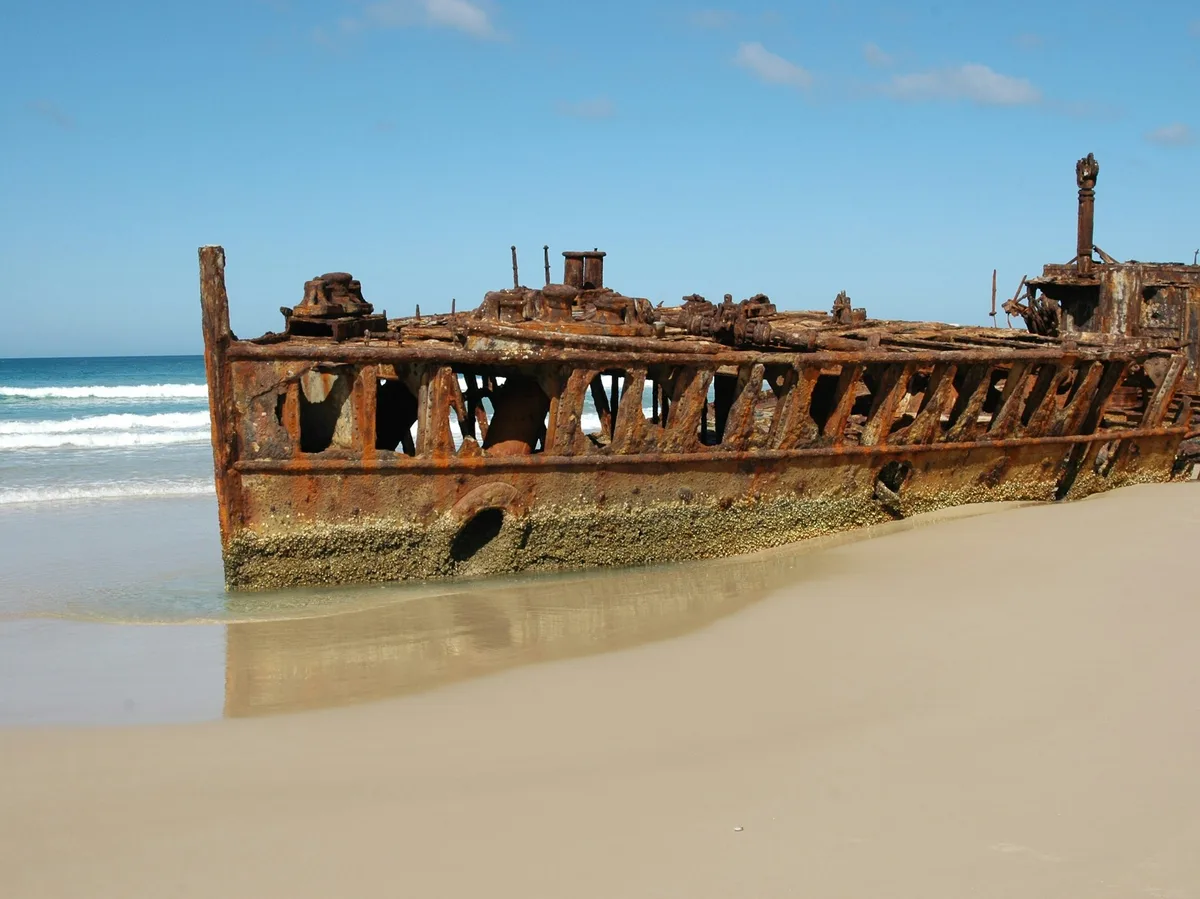
A 22-day private journey up Australia's east coast — Brisbane, Fraser Island, the Whitsundays, Magnetic Island, Port Douglas and the Great Barrier Reef, the Daintree Rainforest, and a finish in Sydney.
 Multi-Day Tours
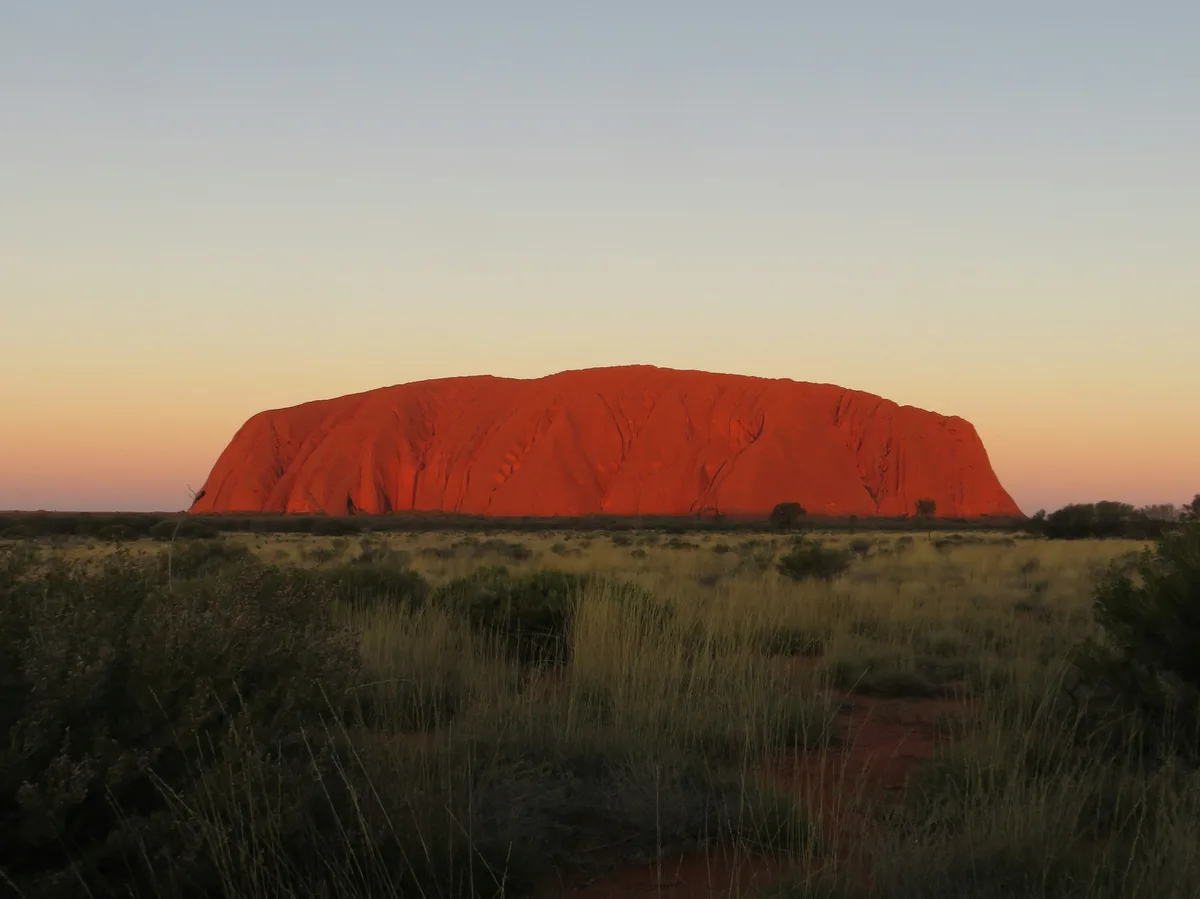
A 12-day private circuit blending Melbourne's food scene and the Great Ocean Road with Aboriginal cultural experiences in the Daintree, snorkeling the Great Barrier Reef, sunrise at Uluru, and a Hunter Valley wine day from Sydney.
 Multi-Day Tours
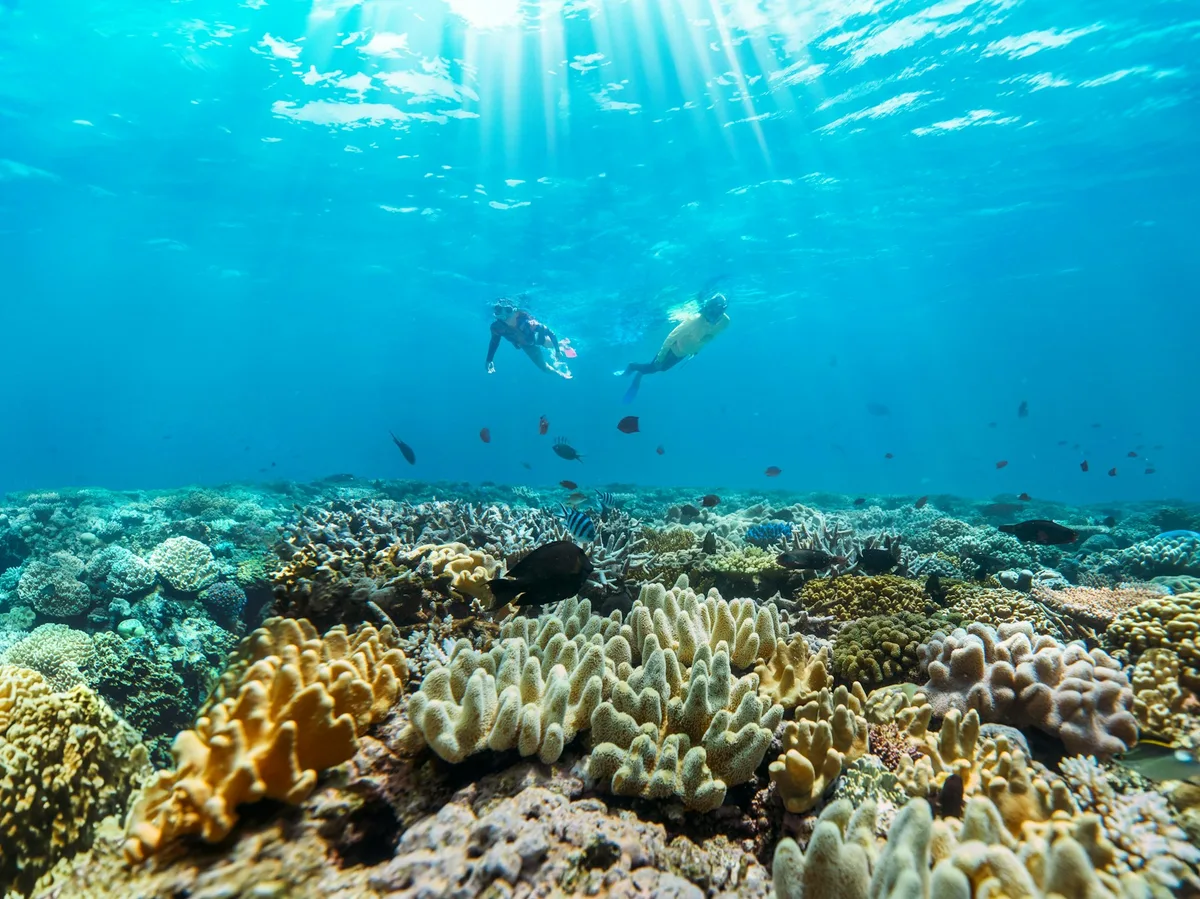
A 16-day private journey from Melbourne and the Great Ocean Road to Queensland's Sunshine Coast, Fraser Island, and Lady Elliot Island for manta ray snorkeling on the Great Barrier Reef, finishing with Sydney Harbour.
 Private Tours
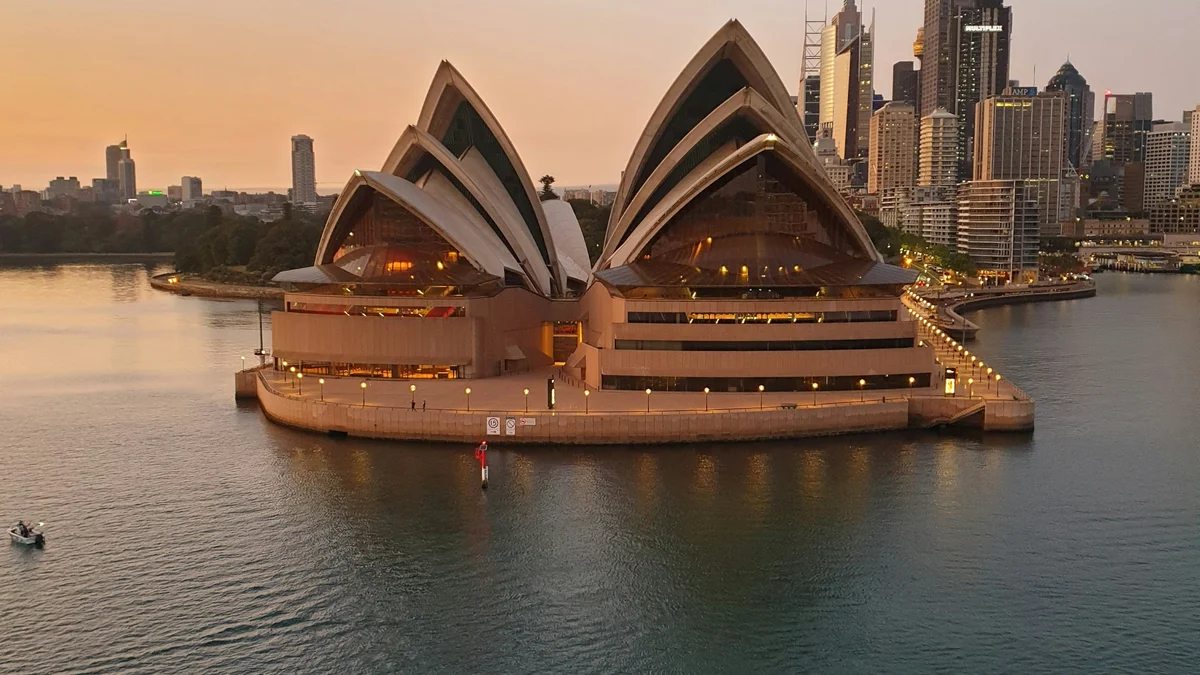
A private tour for your group only — 8 hours with a chauffeur in a luxury SUV, real stops at The Rocks, Mrs Macquarie's Chair, Bondi Beach, The Gap, and the Royal Botanic Gardens.
 Private Tours
A confirmed private walking tour for your group of up to 10 guests — real stops at The Rocks, the Royal Botanic Garden, and the Opera House forecourt.
The real stops Voyzo's own itineraries are built around — tap any attraction to learn more.
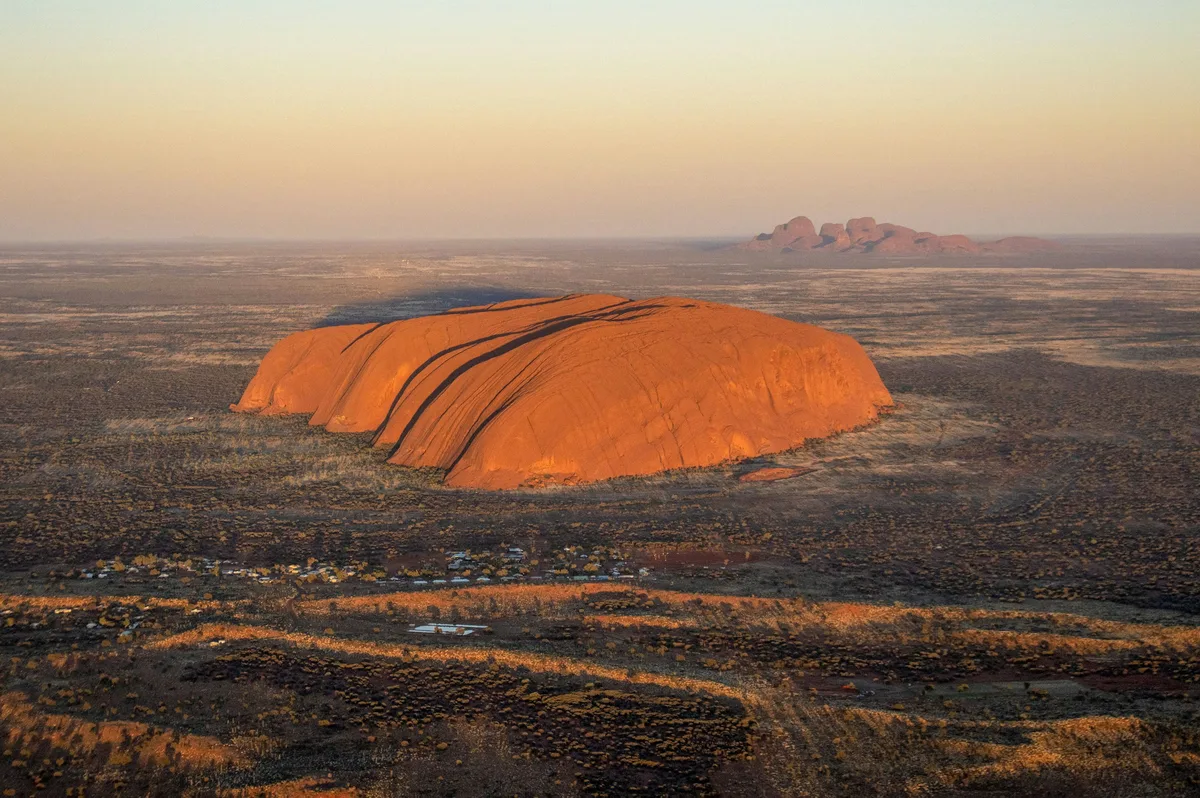 Uluru-Kata Tjuta National Park
Australia
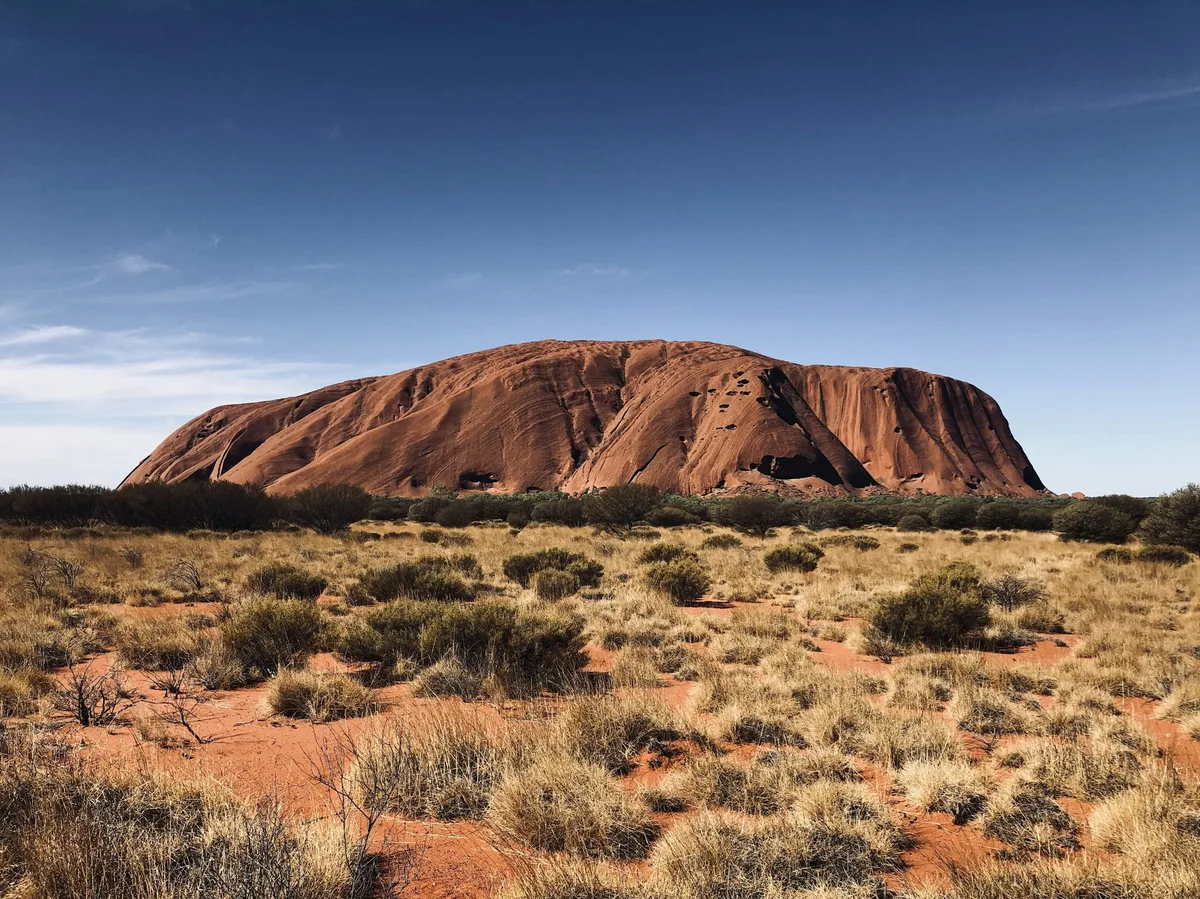
A World Heritage-listed site at the heart of the Red Centre, home to the monolith Uluru and the 36 domes of Kata Tjuta, both sacred to the local Anangu Aboriginal people.
2
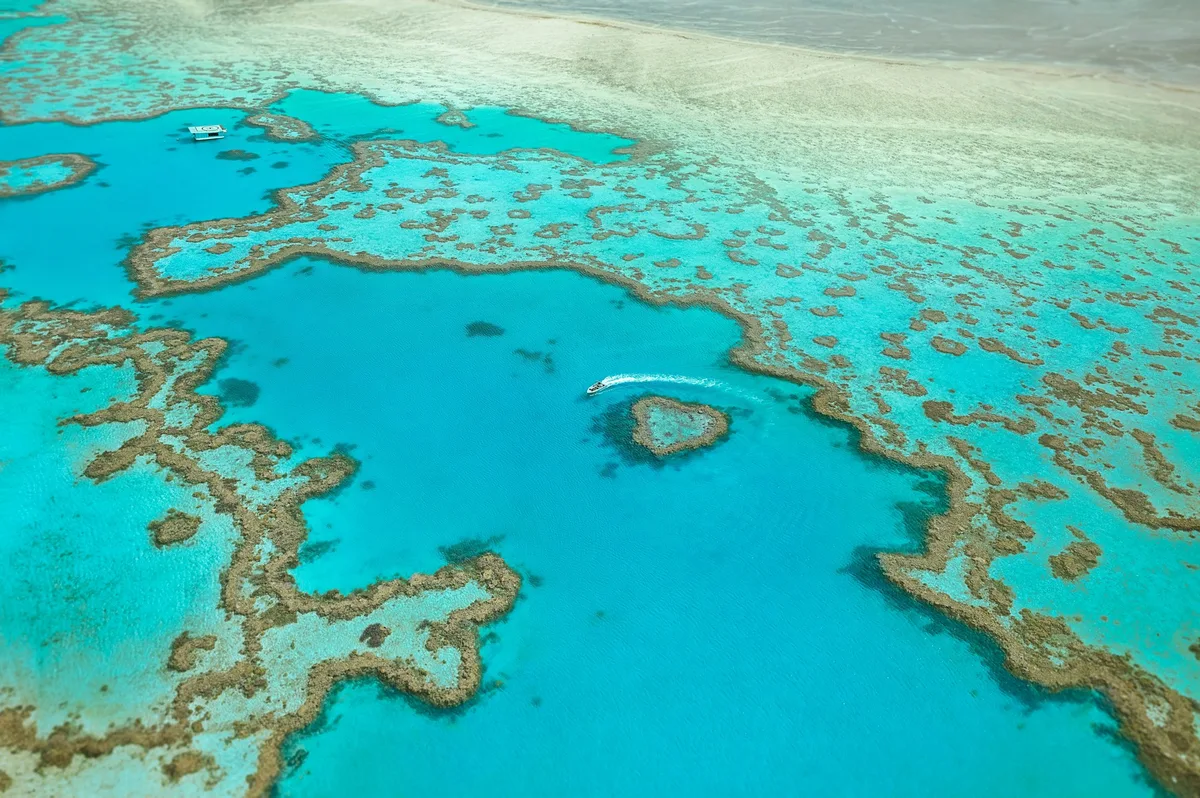 Great Barrier Reef
Australia
The world's largest coral reef system, made up of almost 3,000 individual reefs plus islands and coral cays off the Queensland coast — snorkel or dive among vibrant marine life on a day trip from Cairns, Port Douglas, or Lady Elliot Island.
3
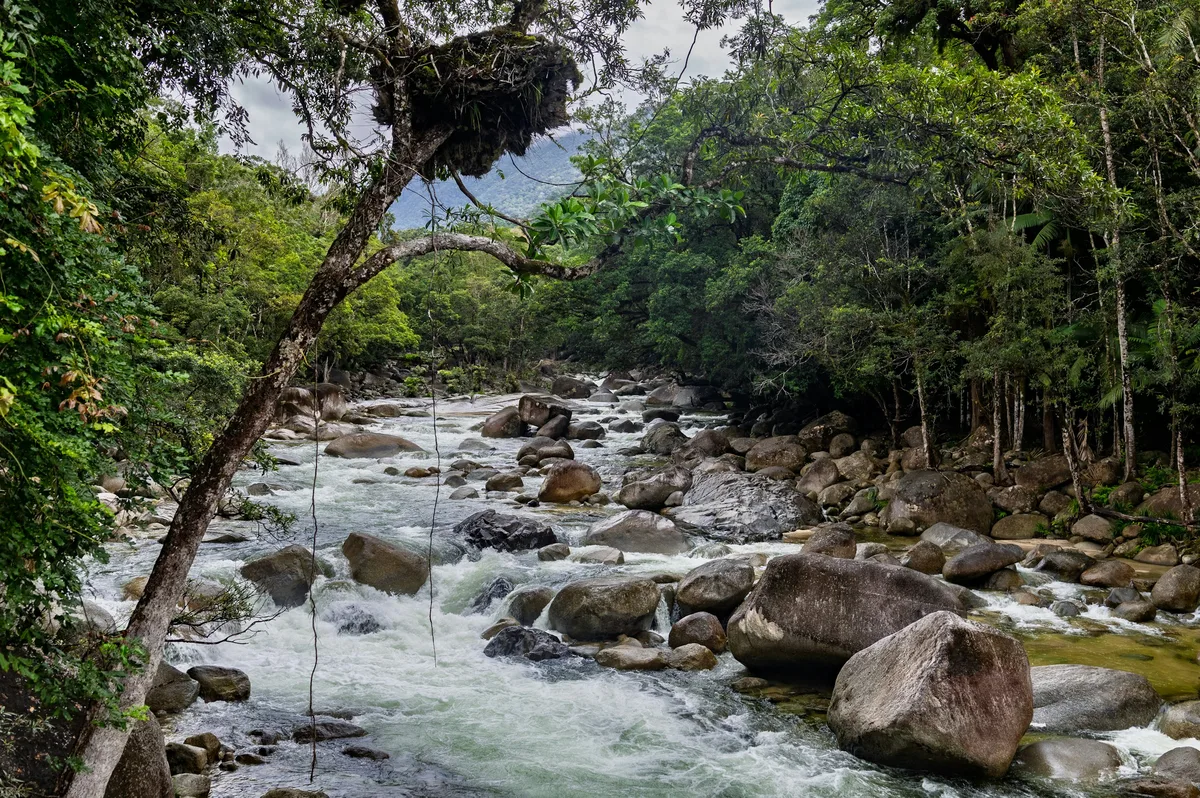 Daintree Rainforest
Australia
A UNESCO World Heritage-listed rainforest in Far North Queensland, among the oldest tropical rainforests on Earth, best explored with Kuku Yalanji Aboriginal guides on its ancestral land.
4
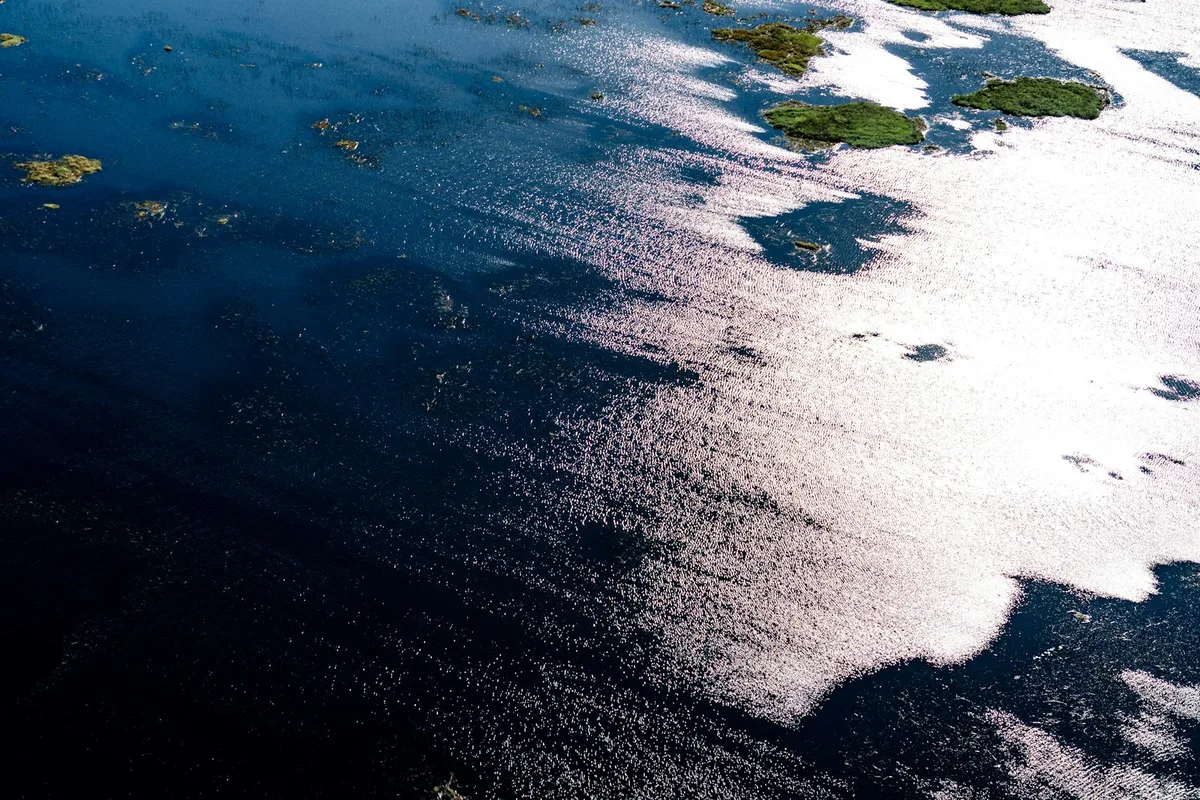 Kakadu National Park
Australia
Australia's largest national park, in the Northern Territory, spanning wetlands, sandstone escarpments and Aboriginal rock art sites some of which date back tens of thousands of years.
5
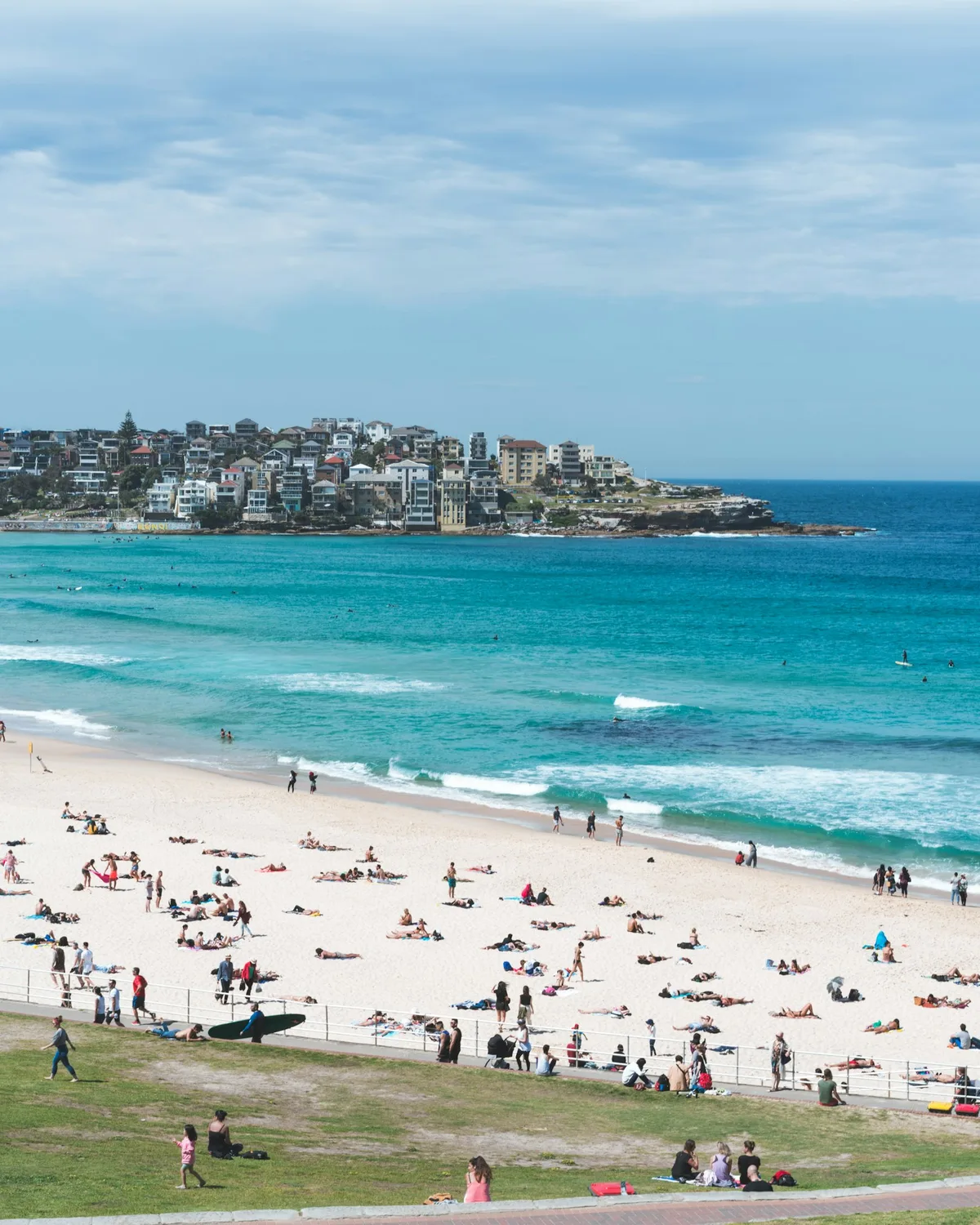 Bondi Beach
Australia
Sydney's best-known city beach, a curve of sand backed by the coastal Bondi to Coogee clifftop walk and a long-running ocean swimming pool cut into the rocks at its southern end.
6
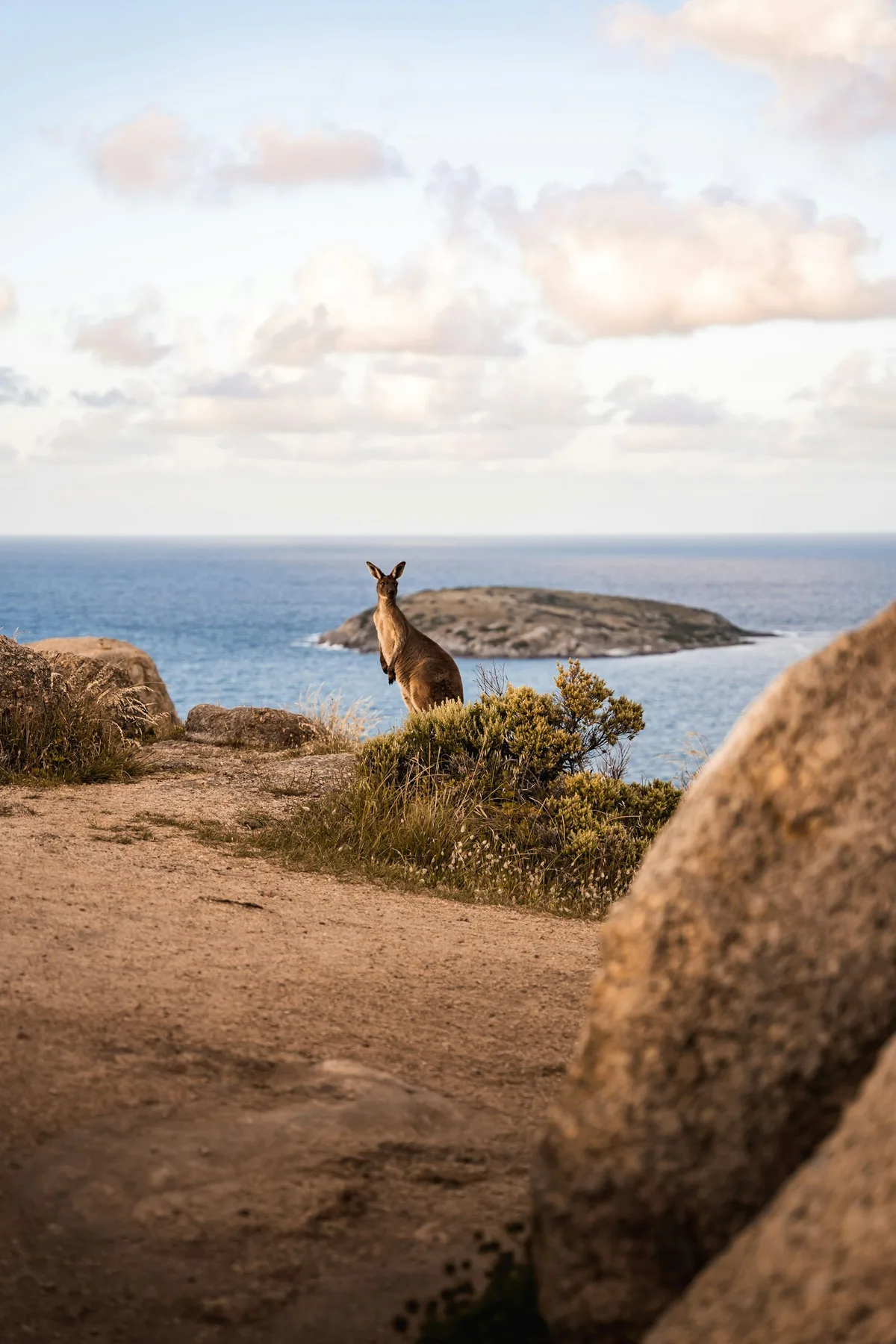 Kangaroo Island
Australia
An island off South Australia known for its wildlife density, with free-ranging kangaroos, koalas and sea lion colonies alongside coastal rock formations like Remarkable Rocks.
7
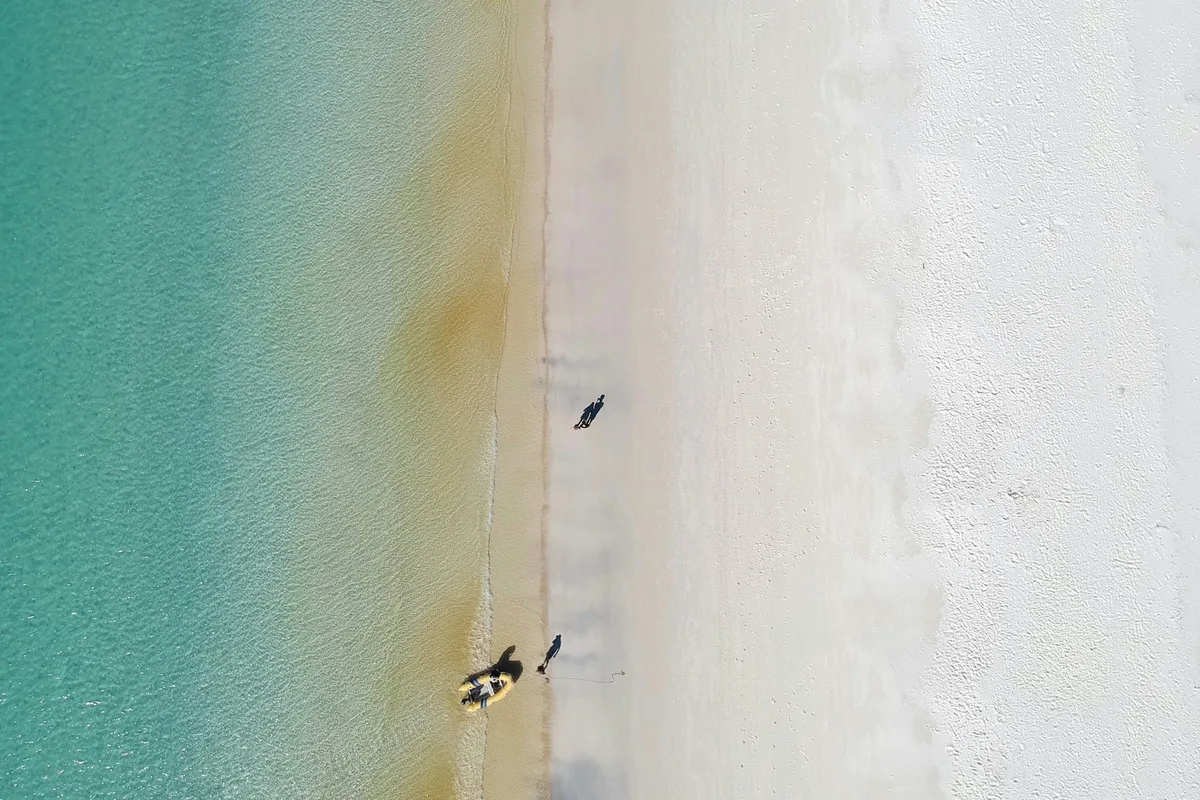 Whitehaven Beach, Whitsundays
Australia
A seven-kilometre beach of almost pure silica sand in the Whitsunday Islands, known for the swirling white-and-turquoise pattern where sand meets the tidal shallows at Hill Inlet.
8
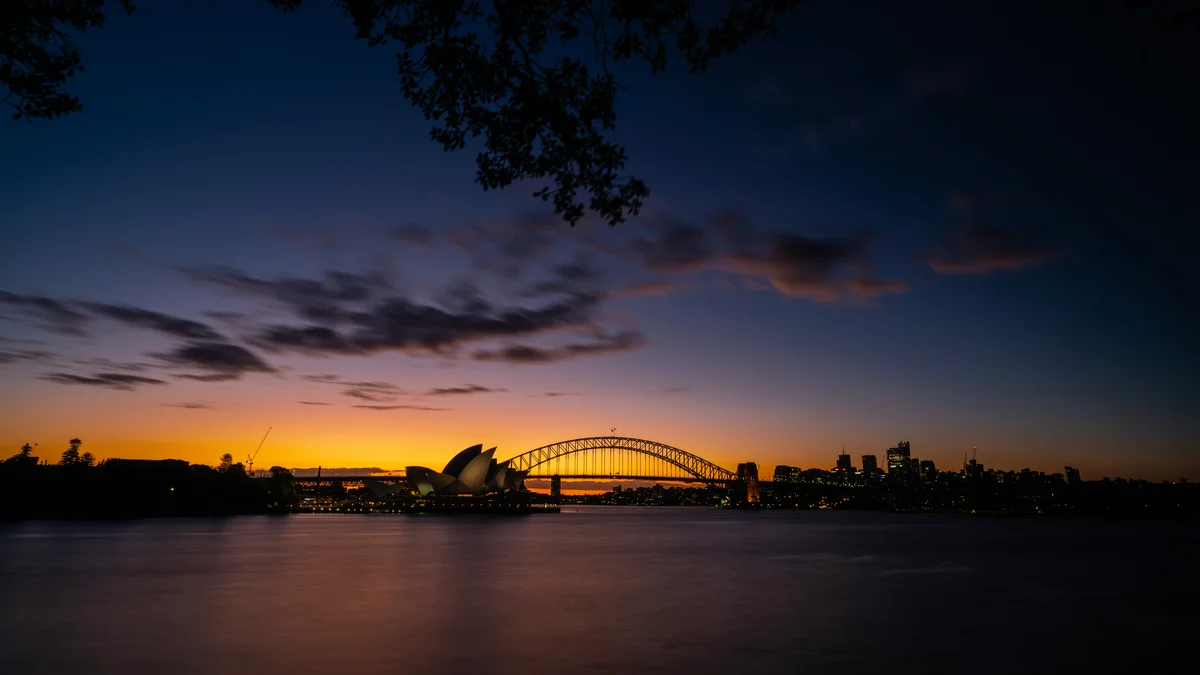
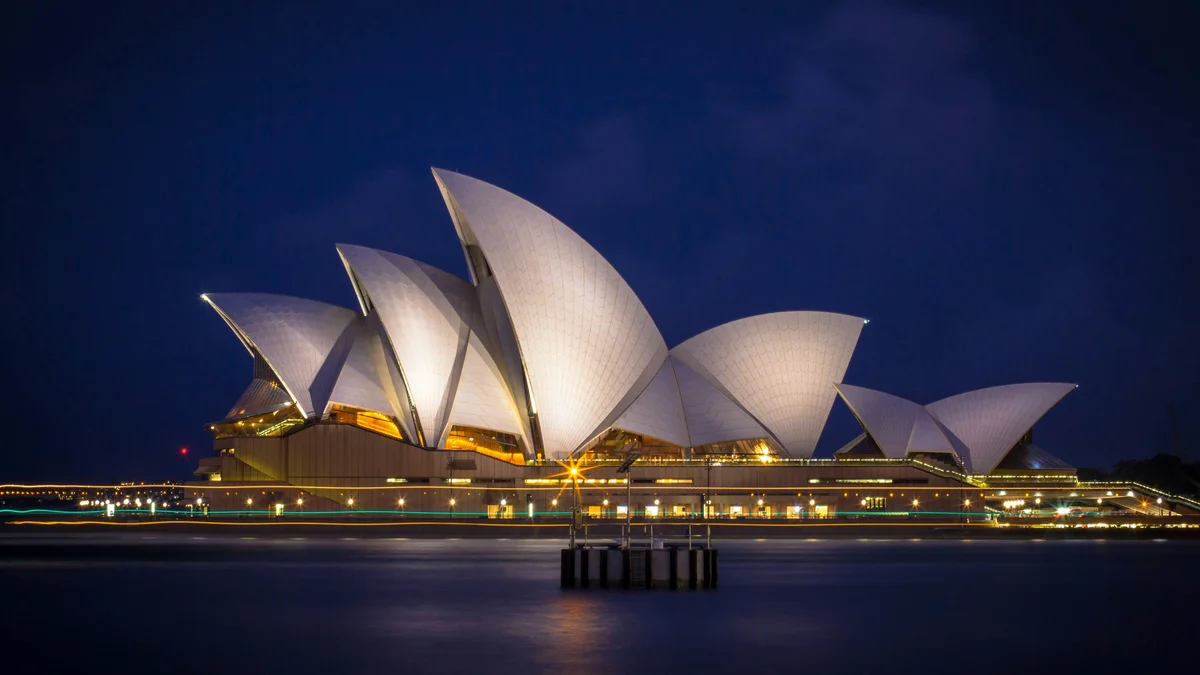 Sydney Opera House
Sydney
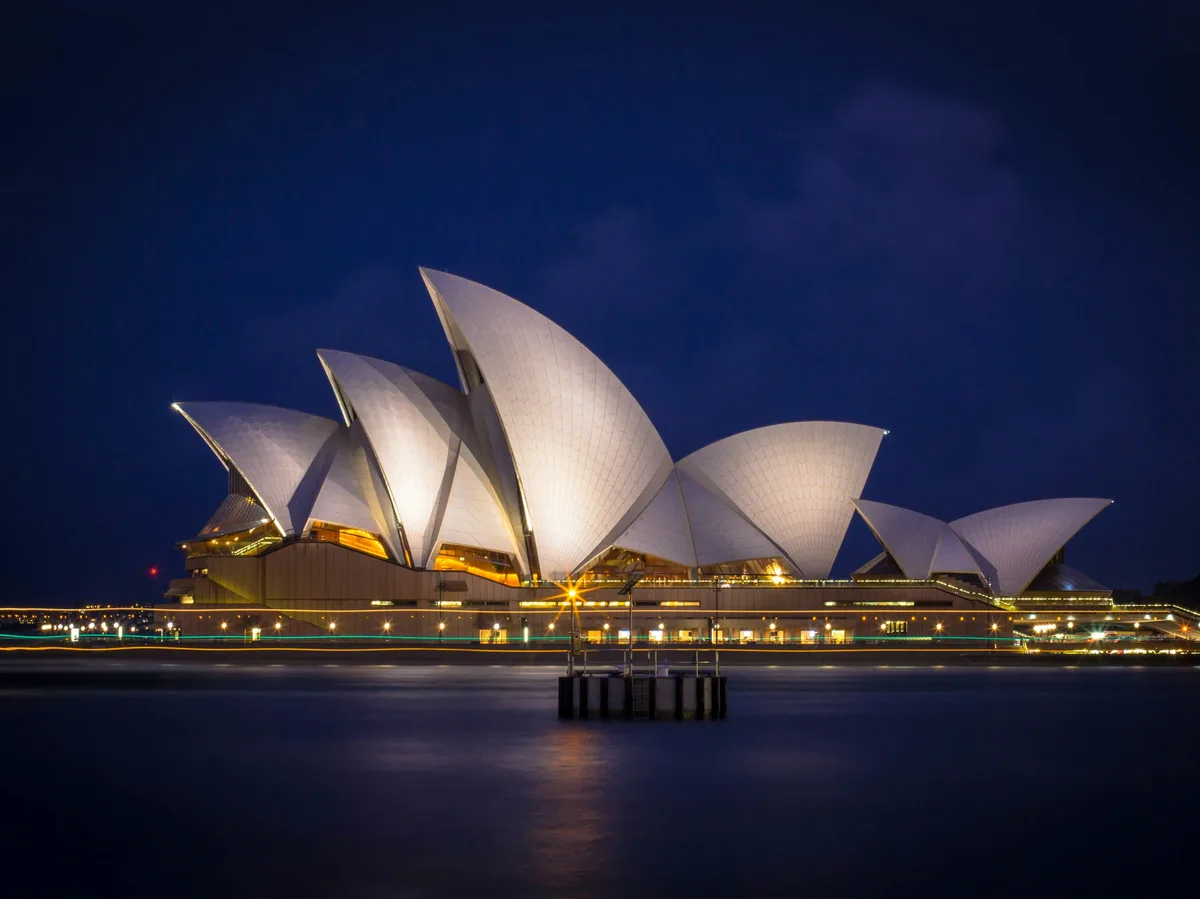
Designed by Danish architect Jørn Utzon and opened in 1973 after more than a decade of construction, the Opera House's sail-shaped shell roof has become one of the most recognizable silhouettes in the world. UNESCO added it to the World Heritage List in 2007, recognizing it as a masterpiece of 20th-century architecture. Inside, it houses multiple performance venues, including the Concert Hall and the Joan Sutherland Theatre, hosting opera, ballet, and orchestral performances year-round.
9
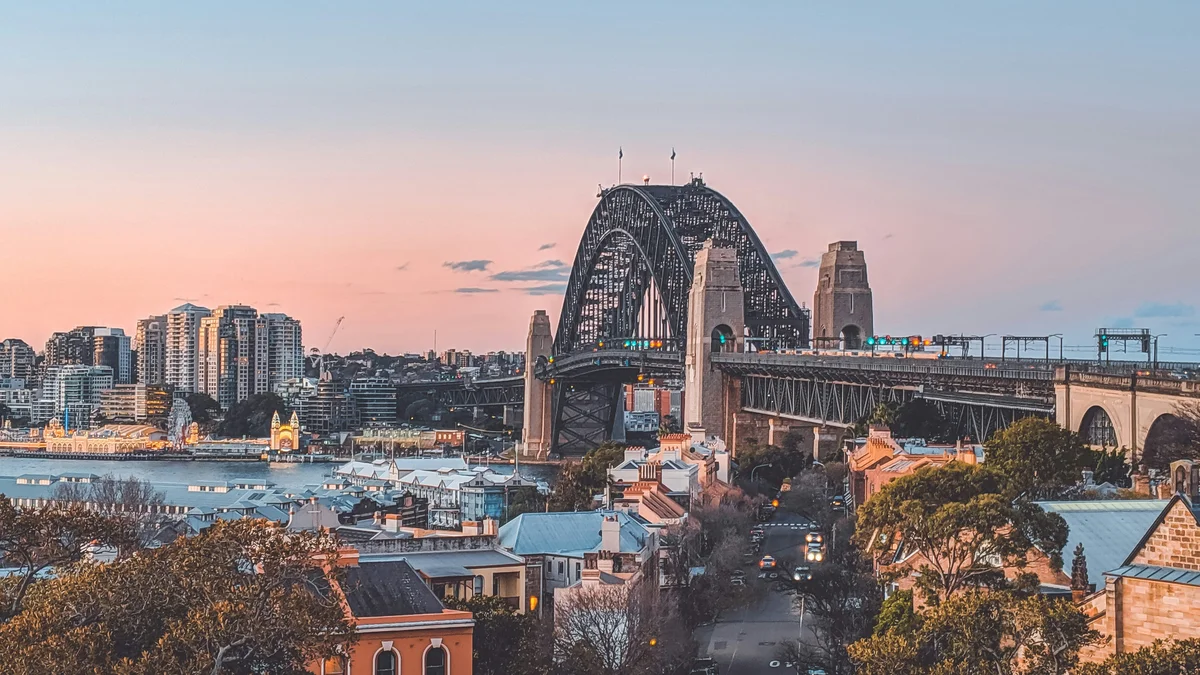 Sydney Harbour Bridge
Sydney
Opened in 1932, this steel arch bridge links Sydney's central business district to the North Shore across the harbour and quickly earned the nickname 'The Coathanger' for its shape. It remains one of the widest long-span bridges in the world, carrying road, rail, cyclists, and pedestrians. Since 1998, the BridgeClimb experience has let visitors climb to the very top of the arch for sweeping views over the harbour and city.
10
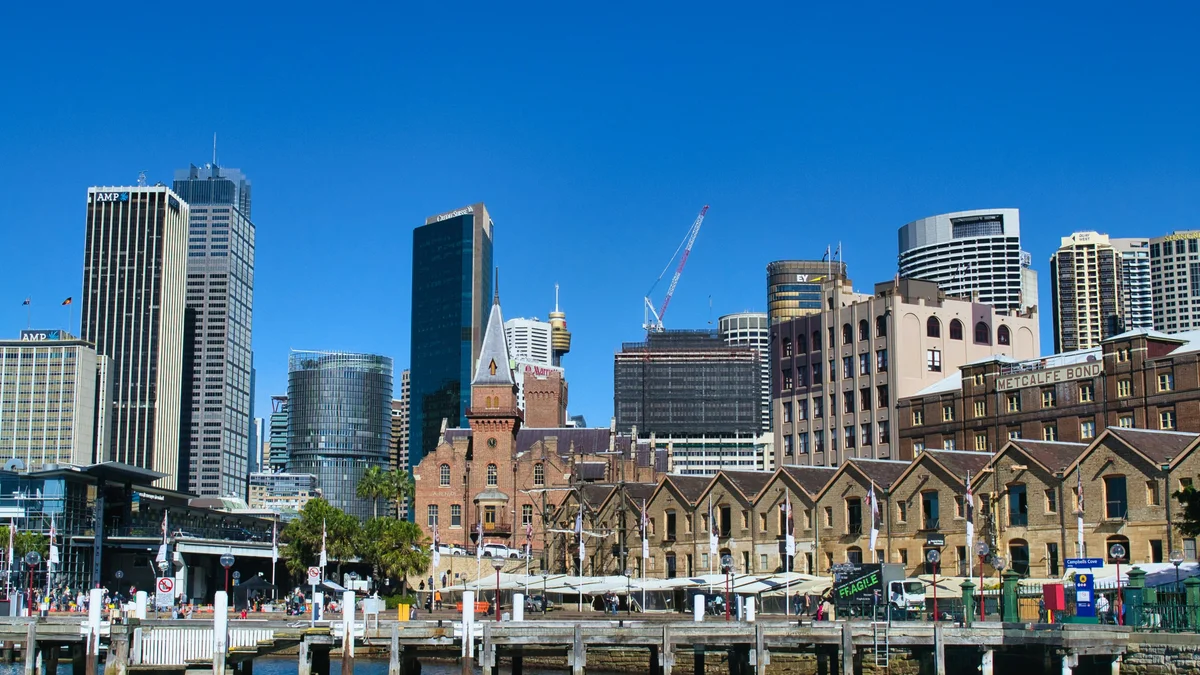 The Rocks
Sydney
This waterfront district was the site of Australia's first European settlement in 1788 and takes its name from the sandstone outcrops the early colony was built on. Narrow cobblestone lanes wind past preserved 19th-century warehouses and colonial buildings, including the historic Metcalfe Bond stores overlooking Campbell's Cove. A weekend market fills the streets with stalls, and the area sits directly beneath the southern pylons of the Harbour Bridge.
11
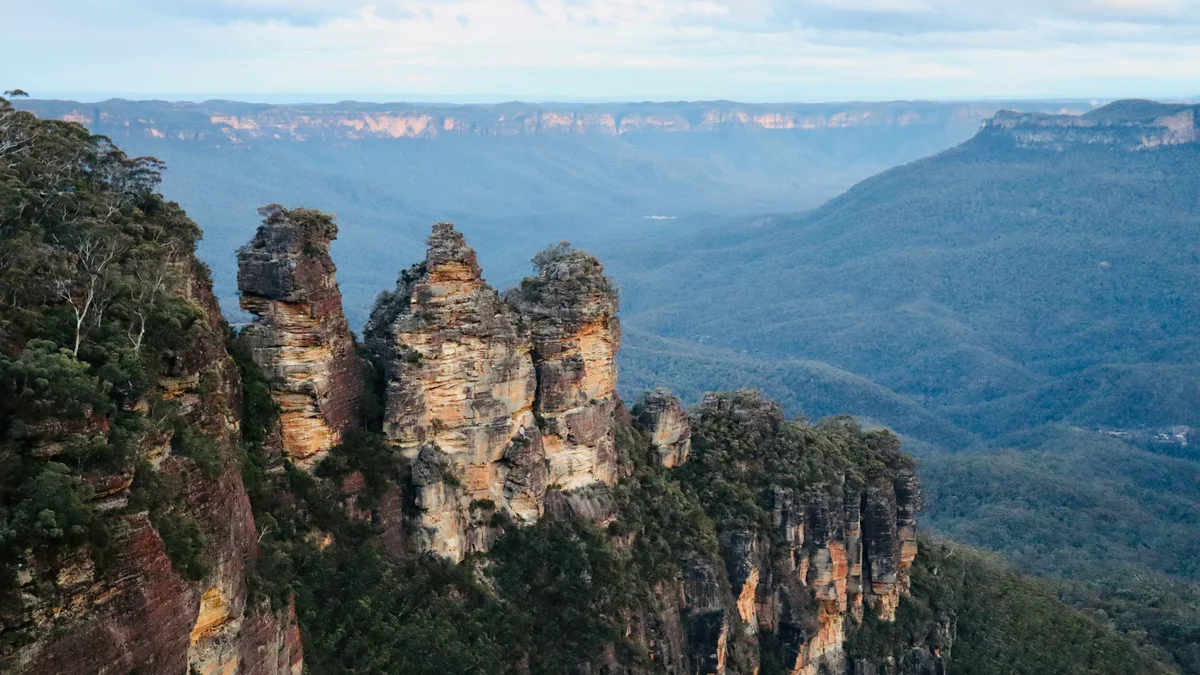 Blue Mountains & the Three Sisters
Sydney
This UNESCO World Heritage eucalyptus wilderness rises west of Sydney, named for the blue haze given off by oil released from the region's dense gum tree forests. Its most famous landmark, the Three Sisters, is a trio of sandstone rock pillars visible from the Echo Point lookout in Katoomba, tied to a Dreamtime legend of the local Gundungurra people. Nearby, the Scenic World cableway and railway carry visitors down into the valley floor for a closer look at the surrounding cliffs and rainforest.
12
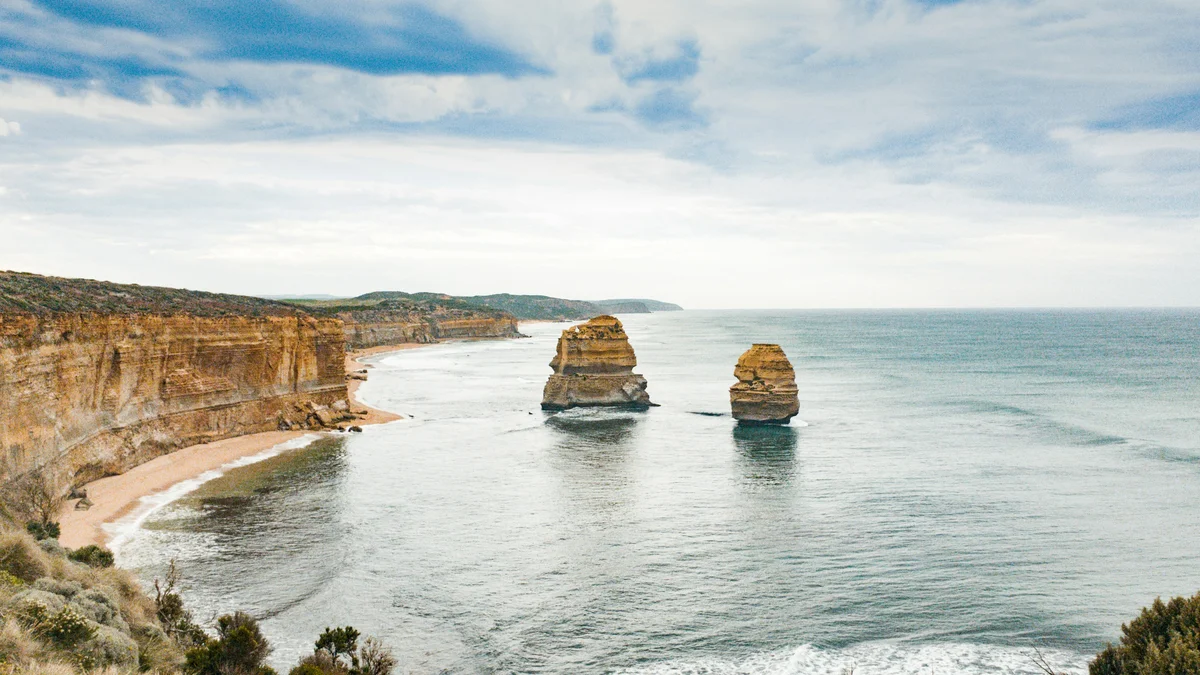
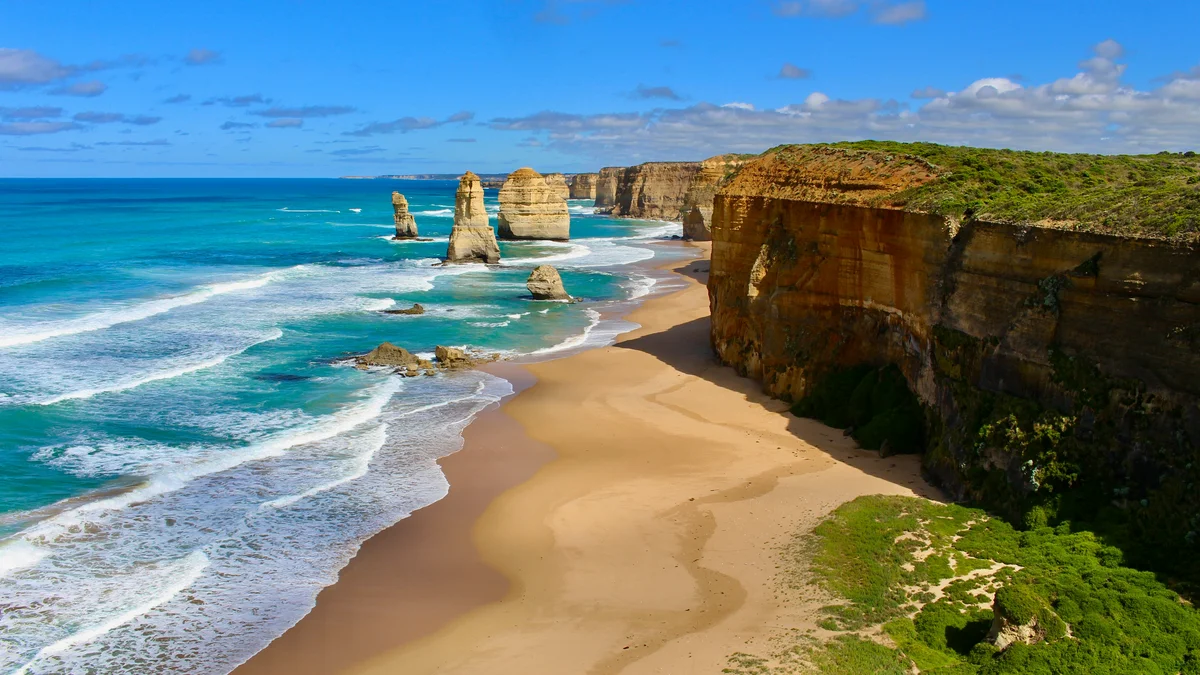 The Twelve Apostles
Melbourne
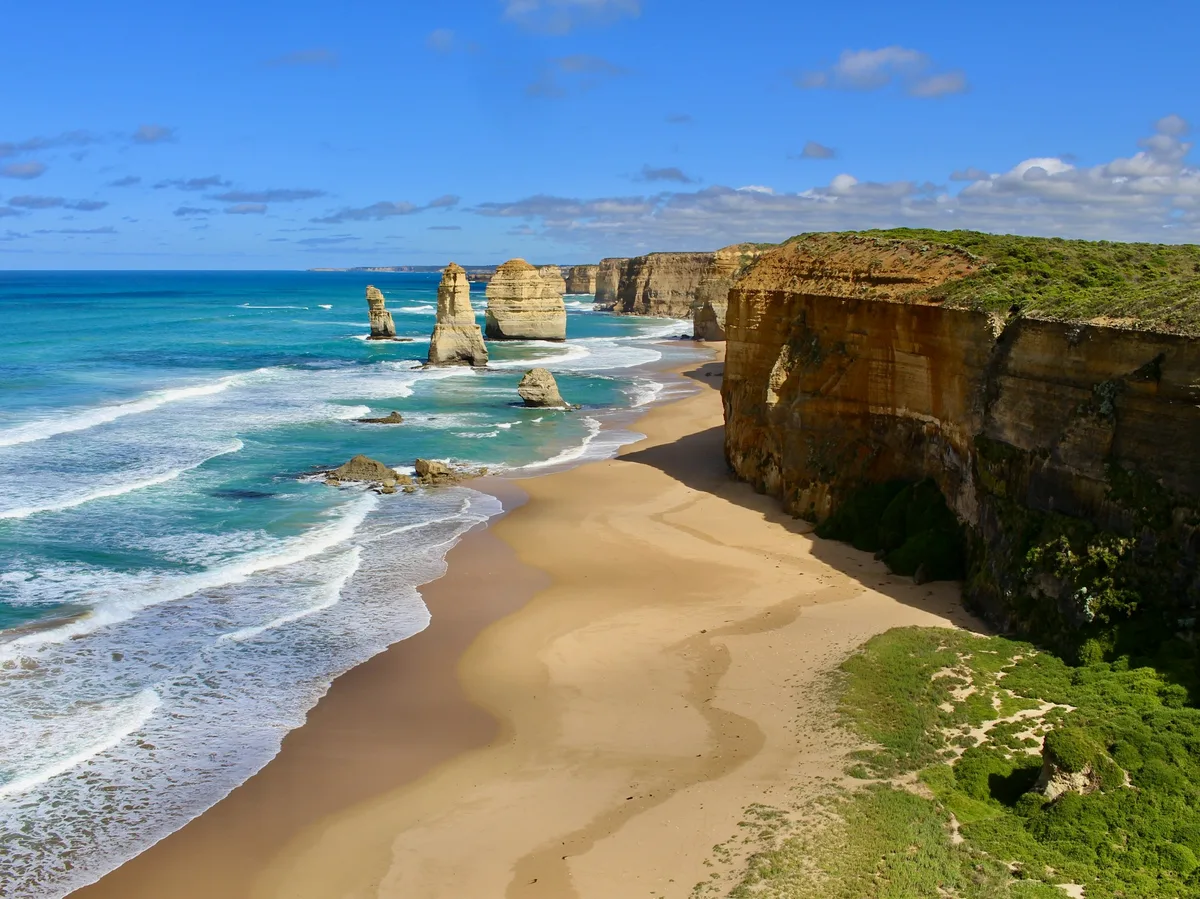
Rising out of the Southern Ocean along Victoria's Great Ocean Road, the Twelve Apostles are limestone sea stacks formed by centuries of wave erosion carving away the coastline's soft cliffs. Despite the name, only a handful of stacks remain today, as the same erosion that created them continues to wear them down, and the site's dramatic cliff-top viewing platforms make it one of Australia's most visited natural landmarks.
Australia's seasons run opposite the Northern Hemisphere's. Sydney and the east coast are best April-May or September-November (mild, fewer crowds), while the tropical north is best in the dry season, May through October.
Australia is a continent, not a country-sized trip — Sydney to Uluru and Sydney to Cairns are each about a three-hour flight, so multi-region itineraries combine domestic flights with private ground transport for each area.
Pack for contrast: coastal cities are temperate, the Red Centre around Uluru sees big day-to-night temperature swings and intense sun, and the tropical north is hot and humid with a distinct wet season (November-April).
Australia uses the Australian dollar (AUD). Tipping is not customary or expected — service staff are paid a legal minimum wage — though rounding up for exceptional service is welcome, not required.
Sun exposure is stronger than many visitors expect due to a thinner ozone layer over the region, so sunscreen and a hat matter even on overcast days. Dangerous-wildlife concerns are exaggerated for cities but genuine in the outback and tropical waters — swim only where signed as safe.
It's easy to underestimate Australia's scale on a map — Perth to Sydney is a longer flight than London to Moscow — so a realistic itinerary usually focuses on one or two regions rather than the whole country.
Australia is both a country and a continent — roughly the same size as the mainland United States but with a population concentrated almost entirely along its eastern and southeastern coasts, leaving the vast, arid interior known as the Outback sparsely inhabited. That scale produces real contrast: Sydney's harbour city and the rainforests of tropical Queensland in the east, the red desert heart around Uluru in the interior, and the wine country of South Australia and Victoria in the south.
Voyzo's Australia tours run along that same real geography — Sydney and the east coast up to the Great Barrier Reef, the Red Centre around Uluru, and Melbourne and South Australia's wine regions — as multi-day circuits rather than a single city, since Sydney to Uluru or Sydney to Cairns are each roughly a three-hour flight, not a drive.
Because reaching more than one of these regions means combining domestic flights with private ground transport in each area, Voyzo coordinates the flights, drivers and hotels as one itinerary rather than leaving each leg to be planned separately.
Tell us your group size and dates — we'll take care of the rest.