TorontoOntario · 36 tours
 Niagara FallsOntario · 25 tours
 New York CityNew York · 30 tours
 Las VegasNevada · 8 tours
 San FranciscoCalifornia · 16 tours
 VancouverBritish Columbia · 17 tours
 DubaiUAE · 54 tours
 Abu DhabiUAE · 5 tours
 Buenos AiresArgentina · 23 tours
 AthensGreece · 31 tours
 AucklandNew Zealand · 38 tours
 CancunMexico · 54 tours
No destinations match “”. Try searching all tours instead — that search understands full questions, not just place names.
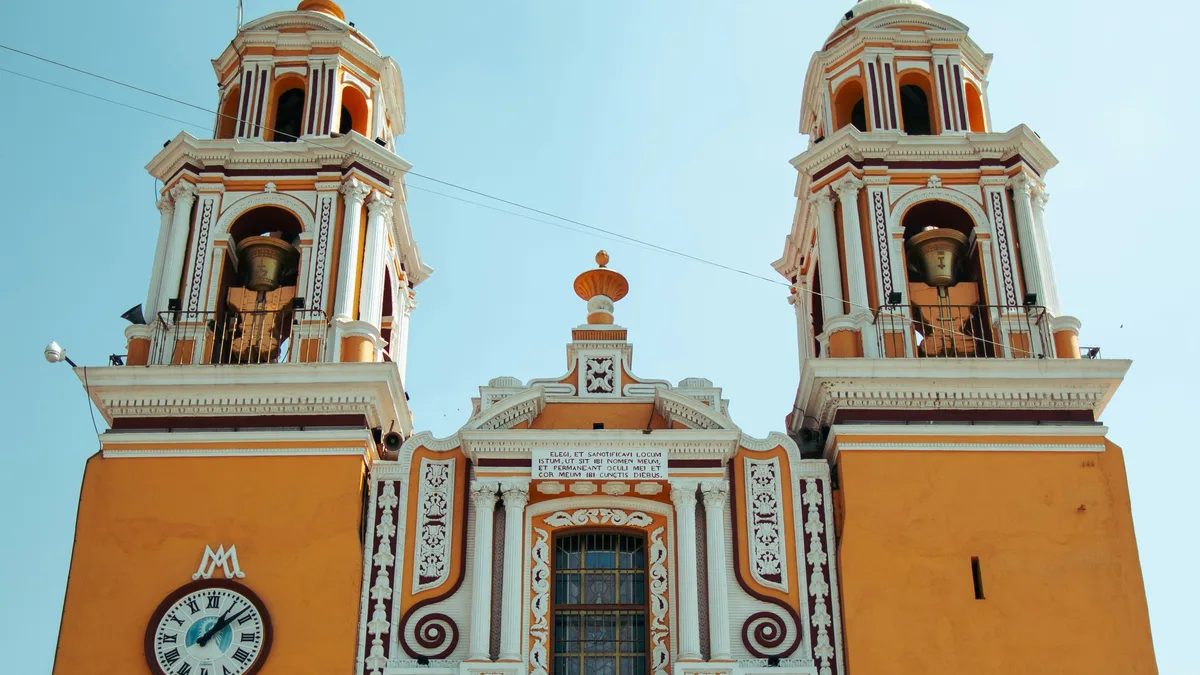
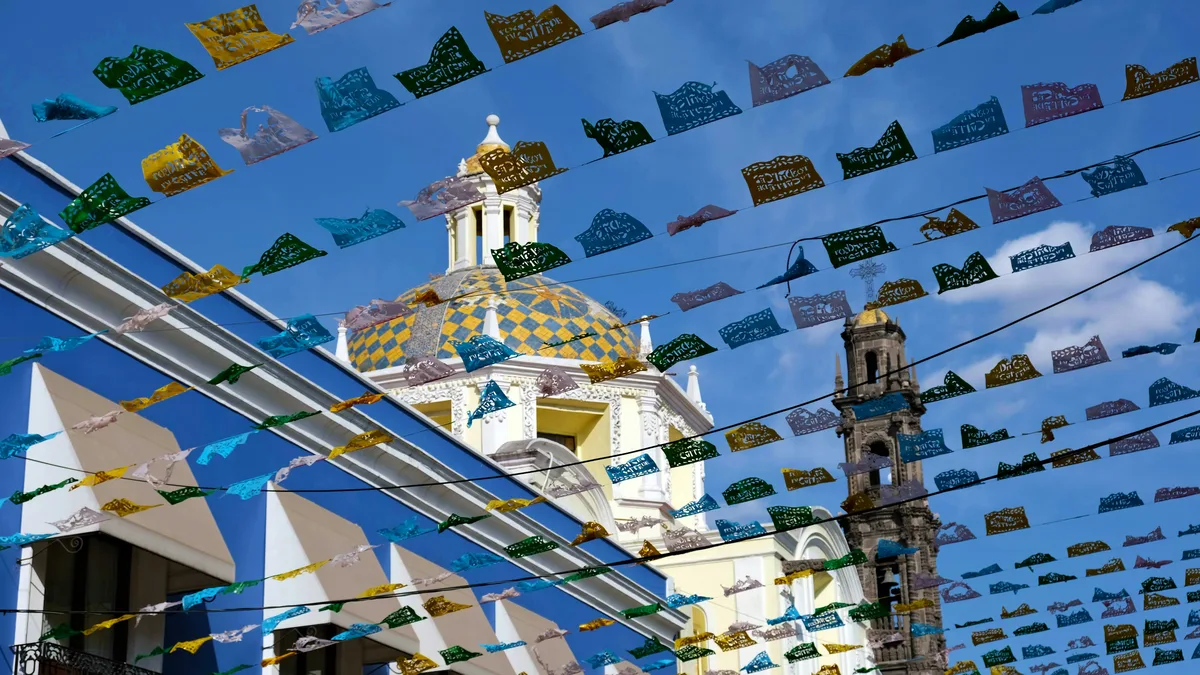
Completed in 1649, Puebla's cathedral is one of the earliest in the Americas built in a unified architectural style, with twin bell towers considered the tallest in Mexico at the time of their construction. Its interior holds a real onyx-and-marble altar and gold-leaf chapels, and the building anchors the UNESCO-listed historic center's main plaza.
 Private Tours
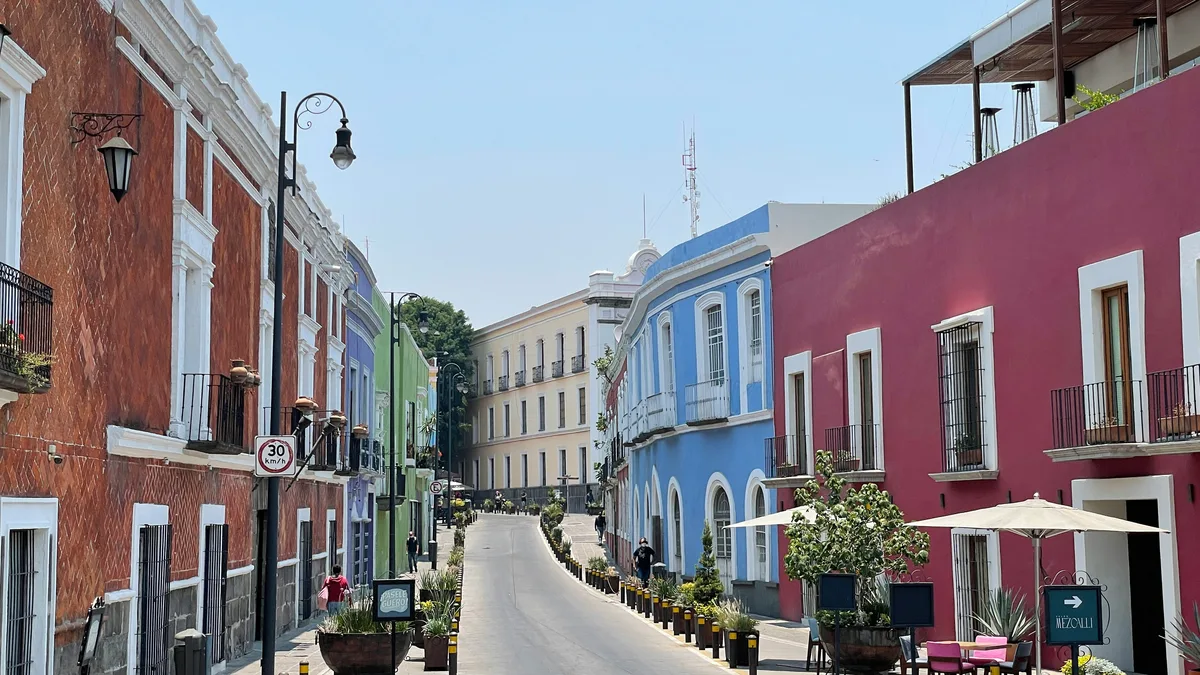
A private, at-your-own-pace walking tour of Puebla's historic center led by a guide raised in the heart of the neighborhood, covering the city's Novohispanic architecture, temples, plazas, and everyday culture.
 Private Tours
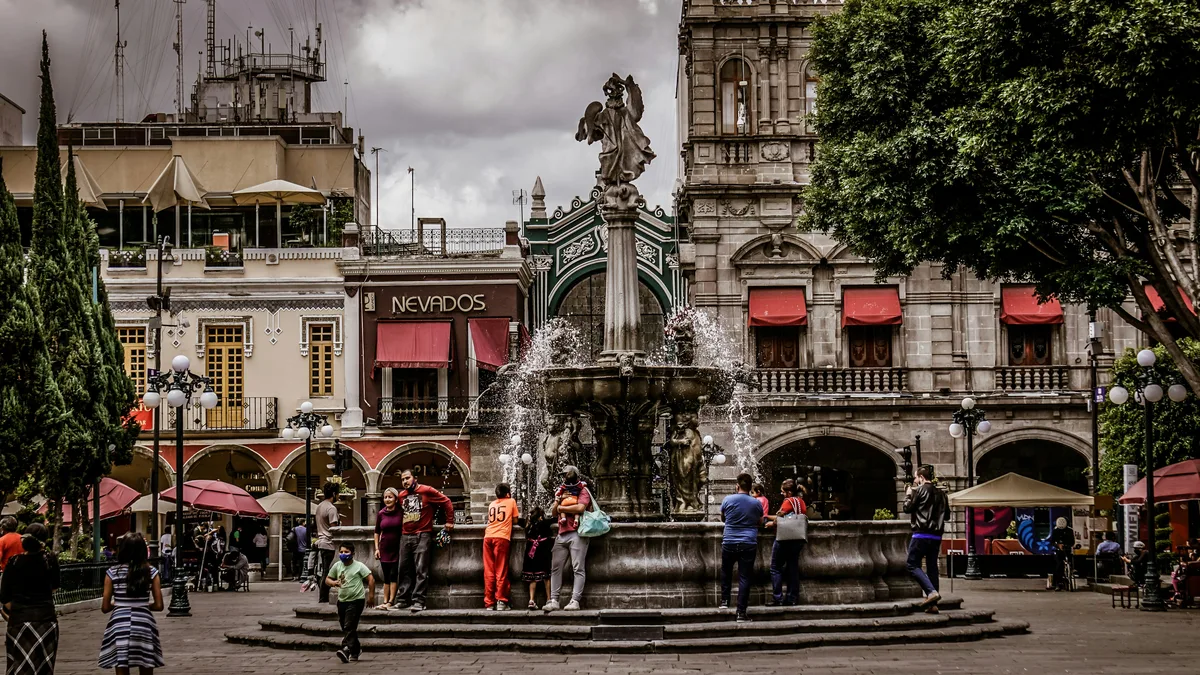
A private, all-inclusive walking tour through Puebla's historic center with your own private guide, taking in the Puebla Cathedral, the Rosary Chapel, the city's handicraft market, and its oldest bar.
Visitor guide
Puebla Cathedral, officially the Basilica Cathedral of Our Lady of the Immaculate Conception, is the seat of the Archdiocese of Puebla de los Angeles in Mexico. Consecrated in 1649, it is part of the Historic Centre of Puebla, which UNESCO inscribed in 1987.
Wikipedia traces the project through several stages. Construction of the current cathedral began on 18 November 1575. The architect Francisco Becerra left for Peru in 1580, leaving the work unfinished, and it resumed between 1587 and 1590 under a new design. Work was suspended between 1618 and 1640 until Bishop Juan de Palafox y Mendoza arrived and revived the project, employing around 1,500 workers. The cathedral was consecrated on 18 April 1649, though the towers and facade were not yet complete. The main portal, the Puerta del Perdon, was finished in 1664, the north tower in 1678, and the south tower was built between 1731 and 1768. Juan Gomez de Trasmonte reworked Becerra's plan into a more classical basilica design.
The style is mainly Herrerian, with Baroque and Neoclassical elements added later. The plan is a Greek cross with five naves, with a length of about 97.67 meters according to Wikipedia. Two nearly identical square towers rise at the front, each about 70 meters high, and Wikipedia says they were among the tallest in the American colonies at the time. The north tower has ten bells, including the large Campana Maria, which weighs more than eight tonnes. The main facade has three levels in Doric, Ionic and Doric styles, and the main dome rises about 43 meters from the floor to the lantern.
Fourteen large Doric columns support the vaults, and the building has 124 windows. The choir has 52 chairs and three organs; the so-called International organ was inaugurated in 1973 and has about 3,376 pipes. The Neoclassical high altar, called the Cypress, was designed by Manuel Tolsa, built between 1799 and 1819 and blessed on 5 December 1819, centered on a bronze Immaculate Conception. The Altar of the Kings, a Solomonic Baroque altarpiece completed in 1649, has a dome painted in tempera by Cristobal de Villalpando in 1688. The floor was paved with Santo Tomas marble in 1772. Descriptions of the altars as made of onyx are not confirmed by the sources consulted.
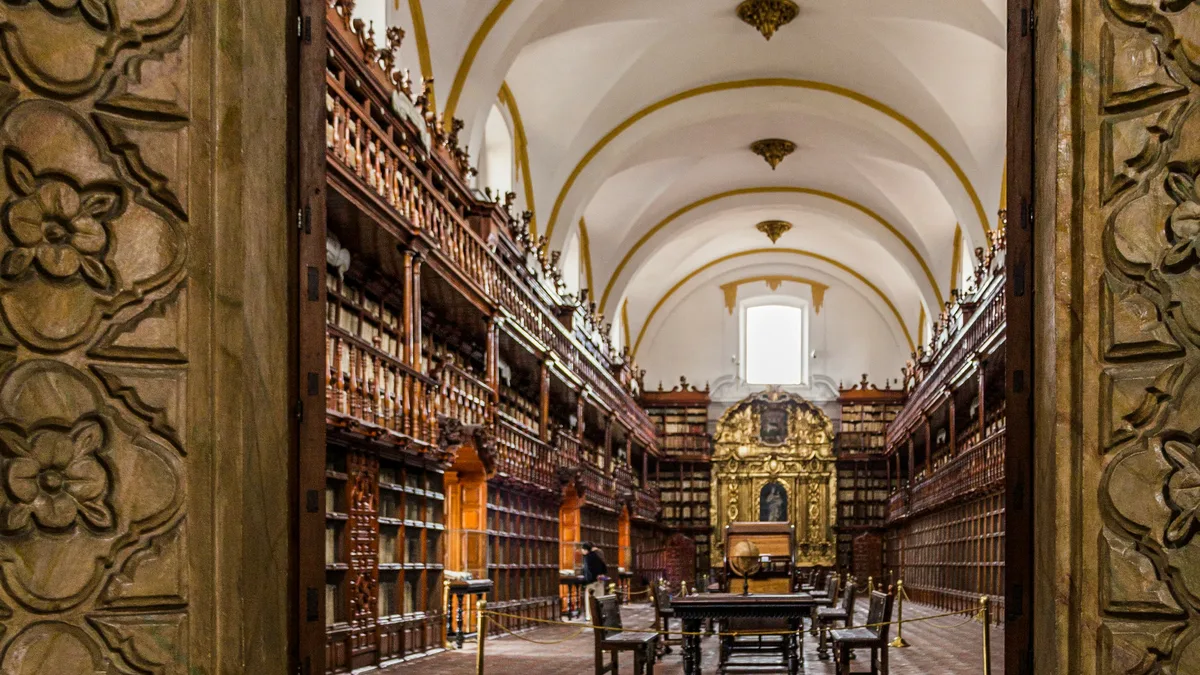
Wikipedia quotes a description of the cathedral as the first sumptuous temple built in the Americas under fine architectural designs and notes that it was consecrated before the Mexico City Metropolitan Cathedral, which was dedicated in 1653. UNESCO's listing of the Historic Centre of Puebla (reference 416, criteria ii and iv) covers the cathedral and the surrounding colonial city. A private guided visit can combine the cathedral with the main square and the nearby Rosary Chapel and Palafoxiana Library.
See every tour and attraction we cover in Puebla City.