TorontoOntario · 36 tours
 Niagara FallsOntario · 25 tours
 New York CityNew York · 30 tours
 Las VegasNevada · 8 tours
 San FranciscoCalifornia · 16 tours
 VancouverBritish Columbia · 17 tours
 DubaiUAE · 54 tours
 Abu DhabiUAE · 5 tours
 Buenos AiresArgentina · 23 tours
 AthensGreece · 31 tours
 AucklandNew Zealand · 38 tours
 CancunMexico · 54 tours
No destinations match “”. Try searching all tours instead — that search understands full questions, not just place names.
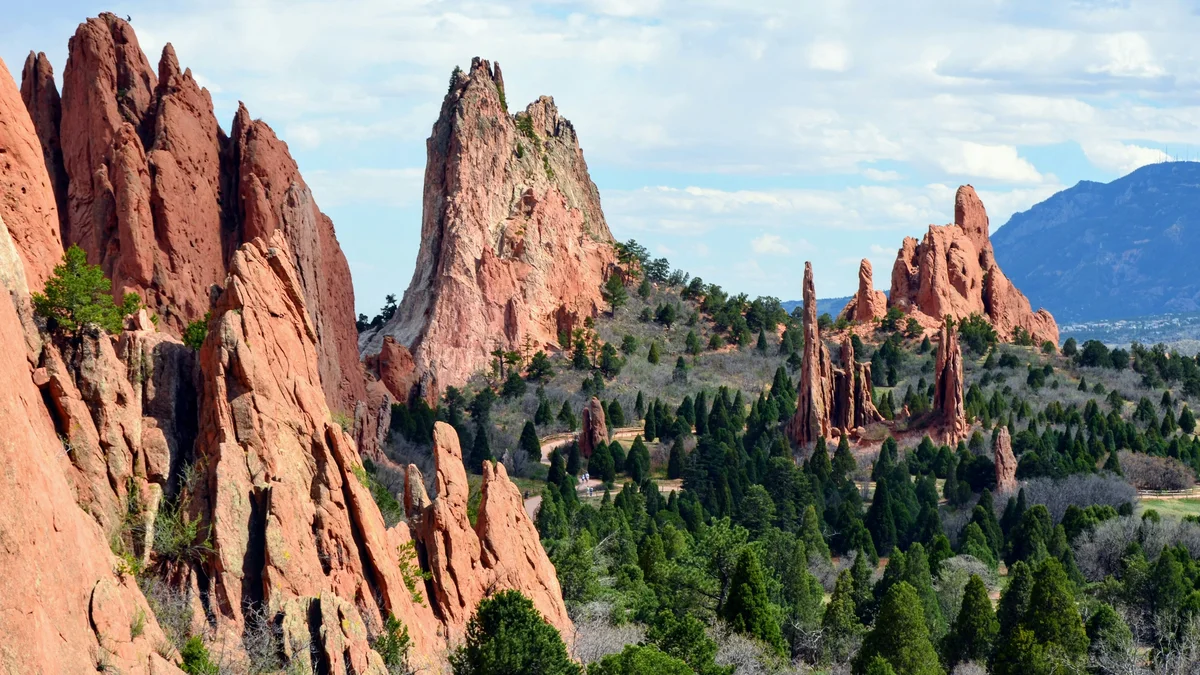
Garden of the Gods is a real, public park in Colorado Springs featuring towering red sandstone rock formations that were pushed upward by tectonic activity millions of years ago. The park's roughly 300-foot sandstone spires stand in dramatic contrast against the backdrop of Pikes Peak, making it one of the most photographed landscapes in Colorado. It offers miles of trails suitable for casual walkers as well as dedicated rock climbers who use its formations year-round.
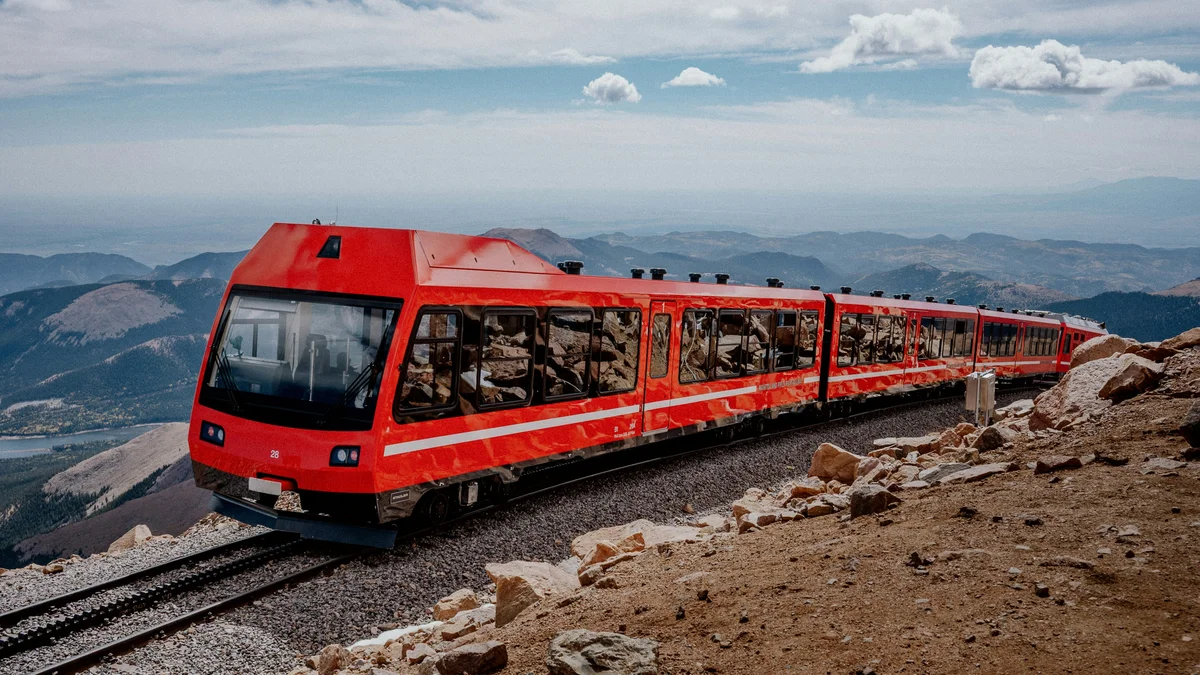 Private Tours
A private tour for your group only in a luxury Suburban — a real ride on the Pikes Peak Cog Railway to the 14,115-foot summit, plus Manitou Springs and Garden of the Gods.
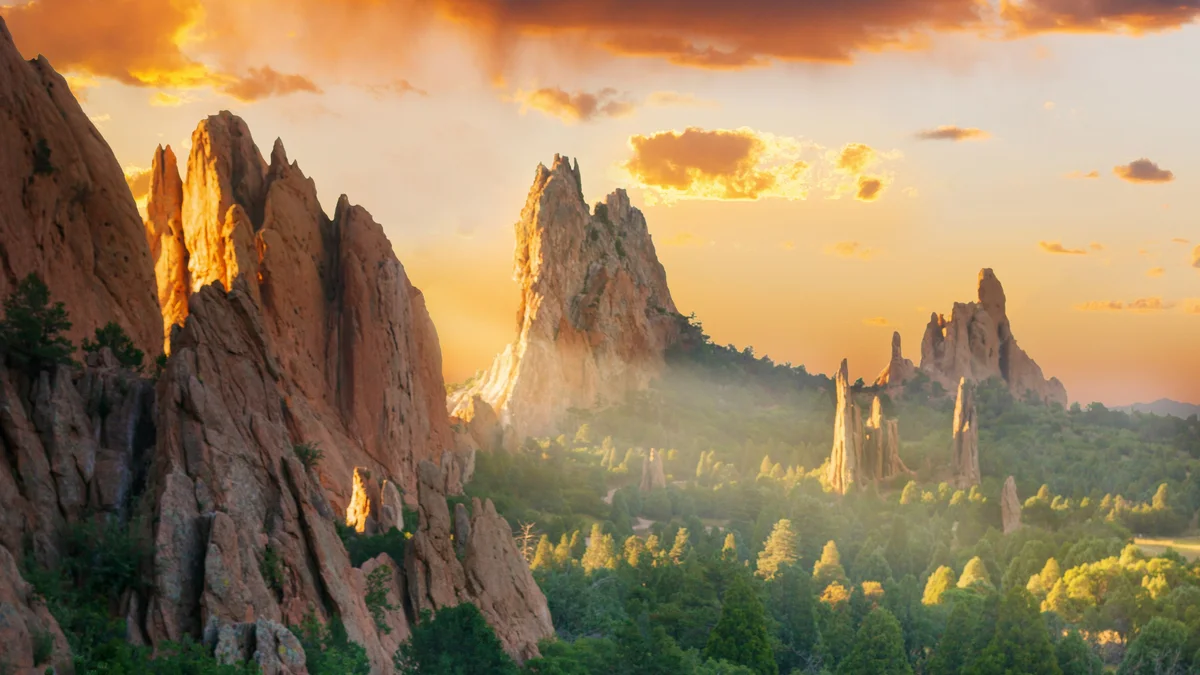 Private Tours
A private tour for your group only — a real scenic drive to the summit of Pikes Peak, plus Colorado Springs, Garden of the Gods, and Manitou Springs.
Visitor guide
Garden of the Gods is a city park in Colorado Springs, Colorado, known for towering red, pink and white sandstone fins standing against the backdrop of Pikes Peak. It covers about 1,341 acres, with 862 acres designated a National Natural Landmark, and the park also has a Visitor & Nature Center. It is a city park, not a national or state park.
Early Europeans called the area Red Rock Corral. In 1859, Melancthon S. Beach and Rufus Cable explored the site, and Cable reportedly said it was a fit place for the gods to assemble. An 1893 newspaper report credits Helen Hunt Jackson with the name, based on a garden tended by two servants named Jupiter and Juno; accounts of the naming vary. Native peoples with reported ties to the area include the Ute, Arapaho, Cheyenne, Comanche, Kiowa, Lakota, Apache, Pawnee and Shoshone.
Charles Elliott Perkins, a railroad executive, acquired land here, and his family gave it to the City of Colorado Springs in 1909. The park was deeded on the condition that it remain open to the public. Rock Ledge Ranch Historic Site, a living-history museum listed on the National Register of Historic Places in 1971, is part of the park. The American Planning Association named it a Great American Public Place in 2011.
The formations are tilted sedimentary beds of red, pink and white sandstone, conglomerate and limestone that were forced into steep fins during the Laramide Orogeny, the mountain-building episode that raised the Rockies roughly 70 to 60 million years ago. Garden materials describe the older Fountain Formation, deposited about 320 to 300 million years ago as sediment from the Ancestral Rockies, and the Lyons Sandstone, wind-blown dune sand laid down about 300 to 260 million years ago. Sources vary on the exact ages. Balanced Rock, the Siamese Twins and the Three Graces are in the Fountain Formation, while the tallest rocks, including the Gateway Rocks, are Lyons Sandstone. Iron oxide, essentially rust, gives the stone its red color.
Visitors tend to know Balanced Rock, a popular photography spot, along with Steamboat Rock, the Three Graces, Cathedral Spires, the Gateway Rocks and Kissing Camels atop a ridge. A dinosaur skull found in 1878 was identified in 2006 as Theiophytalia kerri, and the Visitor & Nature Center has a dinosaur exhibit.
The park has more than 22 miles of trails, according to the Garden of the Gods Visitor & Nature Center. The Perkins Central Garden Trail is a paved 1.5-mile path through the largest and most scenic red rocks and is wheelchair accessible. Climbing requires a permit from the city and follows technical regulations, and climbing is prohibited when the rock is wet or icy. The Visitor & Nature Center, just outside the park at 1805 N. 30th Street, has exhibits on geology, plants, wildlife and Native peoples, and a film about how the rocks formed. The park is open from 5 am, with closing time seasonal; check the city and Garden of the Gods Visitor & Nature Center for current hours and rules.
Parking can fill up in summer, which is one reason a private vehicle and driver suits the park; your driver can drop you at the trailhead you choose. It pairs easily with Pikes Peak, Manitou Springs and Old Colorado City in a day from Colorado Springs.
See every tour and attraction we cover in Denver.