 TorontoOntario · 17 tours
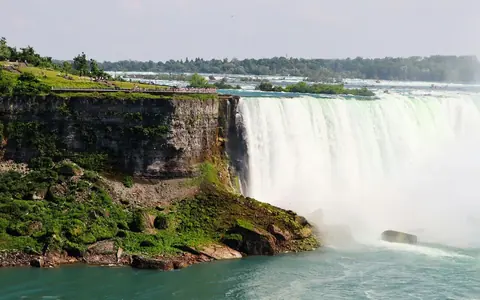 Niagara FallsOntario · 17 tours
 New York CityNew York · 8 tours
 Las VegasNevada · 8 tours
 San FranciscoCalifornia · 16 tours
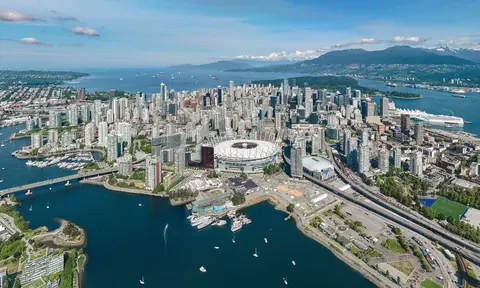 VancouverBritish Columbia · 17 tours
 DubaiUAE · 44 tours
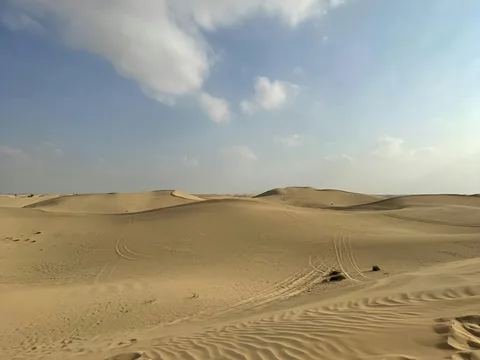 Abu DhabiUAE · 5 tours
 Sri LankaSri Lanka · 16 tours
 IndiaIndia · 13 tours
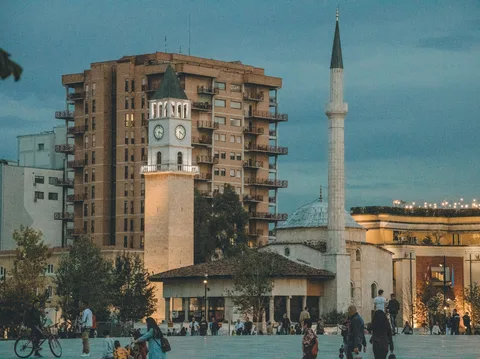 AlbaniaAlbania · 10 tours
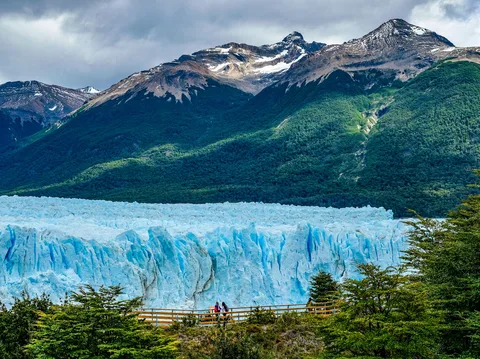 ArgentinaArgentina · 8 tours
No destinations match “”.
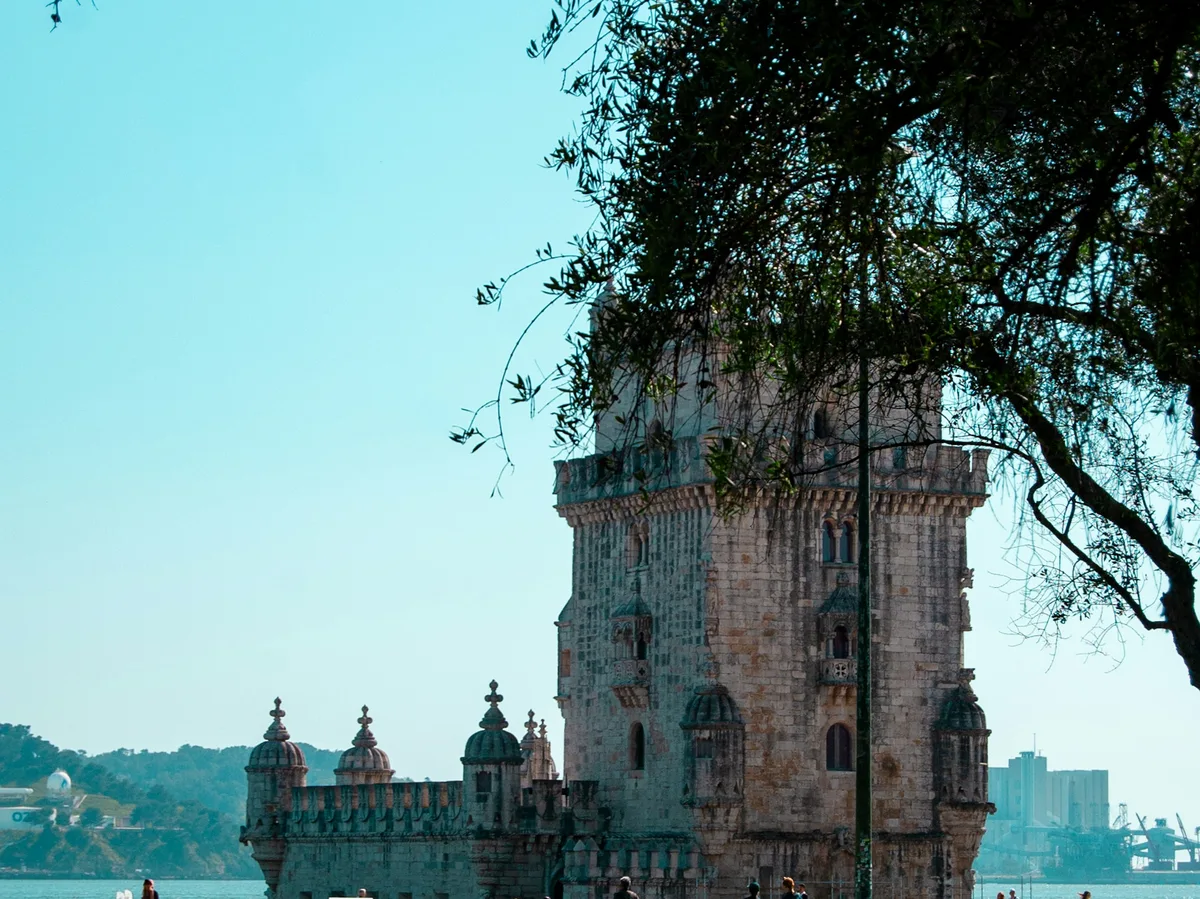
Voyzo runs 4 private tours across 1 destination in Portugal, covering 8 attractions — each with your own guide, driver, and vehicle, and an itinerary built around your group rather than a fixed bus schedule.
Portugal is a small country on the western edge of the Iberian Peninsula, and one of Europe's oldest nation-states — its borders have stayed largely unchanged since the 13th century. It's a founding-era EU and NATO member using the euro, with Portuguese as its official language and a population of about 10 million. Its history as a seafaring empire during the 15th- and 16th-century Age of Discovery — Vasco da Gama's route to India, colonies from Brazil to Goa to Macau — still shows up everywhere, from azulejo tile work to the melancholic fado music tradition.
Voyzo's routes run from Lisbon's Alfama and Belém, through the walled medieval town of Óbidos and the university city of Coimbra, to Porto's UNESCO-listed Ribeira district and the terraced vineyards of the Douro Valley, with the Alentejo's Évora and Beja adding a slower, food-and-wine-focused stretch further south, and the Algarve's cliff coastline and sea caves (like Benagil) on the family- and culinary-focused routes.
Because those highlights sit at genuinely different distances apart — Lisbon to Porto alone is about three hours by road — Voyzo pairs a private driver and vehicle for every day of ground transport with expert local guides at the wine estates and historic centers, so a Portugal trip can move from Atlantic coastline to inland vineyard country without the logistics of public transit connections.
The real stops Voyzo's own itineraries are built around — tap any attraction to learn more.
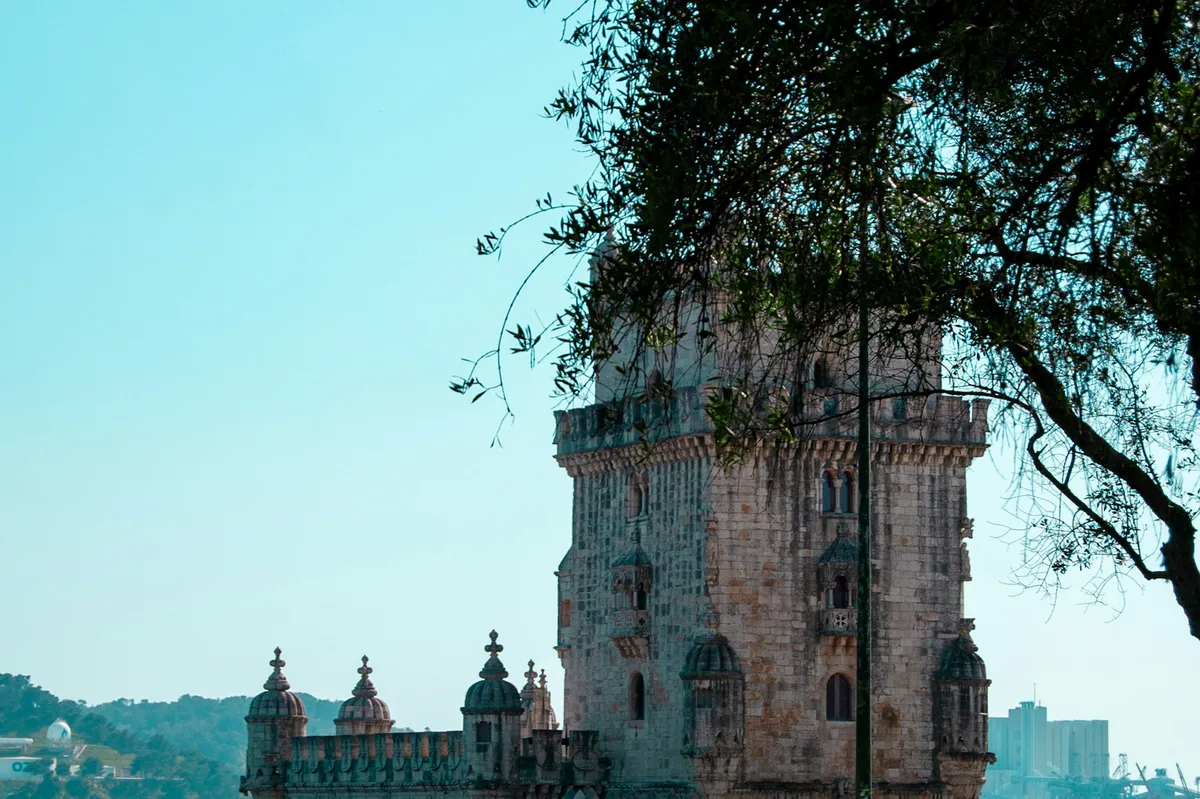 Belém Tower
Portugal
A 16th-century fortified tower on the banks of the Tagus River, built to defend Lisbon's harbor and now a UNESCO World Heritage Site marking the city's Age of Discoveries.
2
Belém Tower
Portugal
A 16th-century fortified tower on the banks of the Tagus River, built to defend Lisbon's harbor and now a UNESCO World Heritage Site marking the city's Age of Discoveries.
2
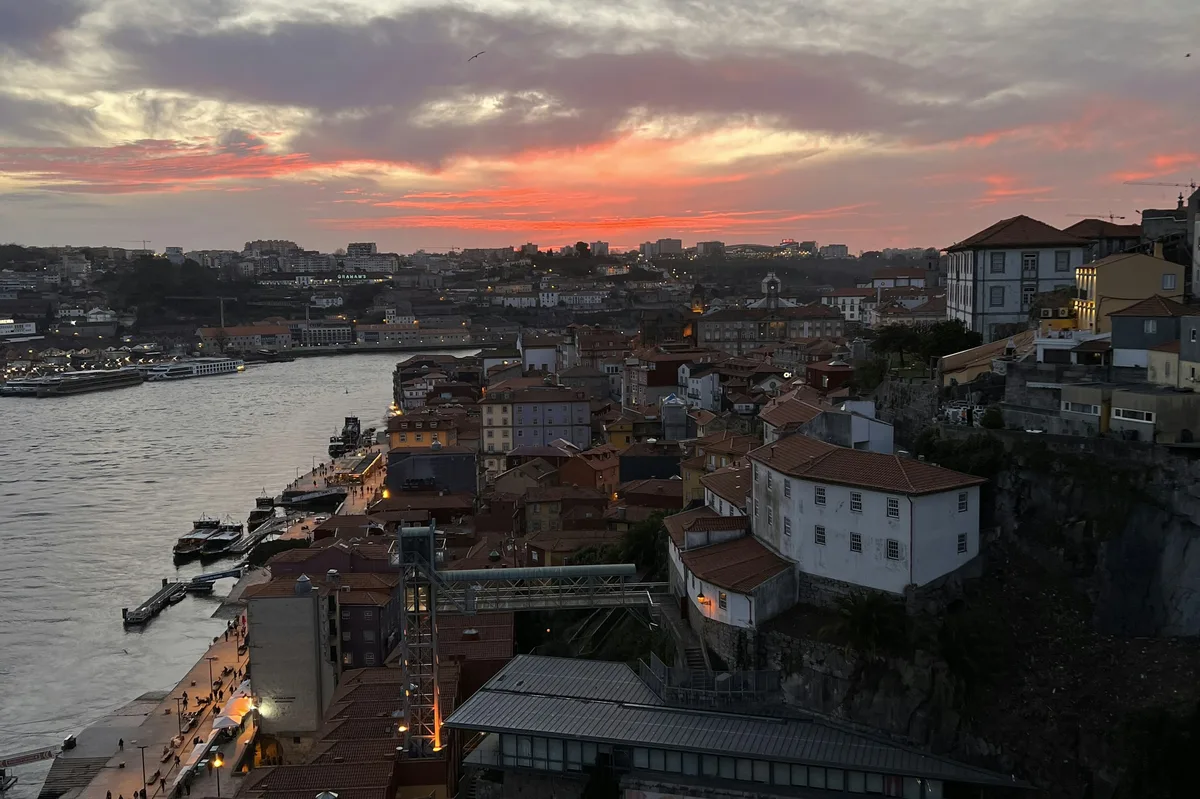 Ribeira, Porto
Portugal
Porto's UNESCO-listed old riverside quarter, with colorful narrow houses stacked along the Douro River beneath the Dom Luís I Bridge, and the Port wine cellars of Vila Nova de Gaia just across the water.
3
Ribeira, Porto
Portugal
Porto's UNESCO-listed old riverside quarter, with colorful narrow houses stacked along the Douro River beneath the Dom Luís I Bridge, and the Port wine cellars of Vila Nova de Gaia just across the water.
3
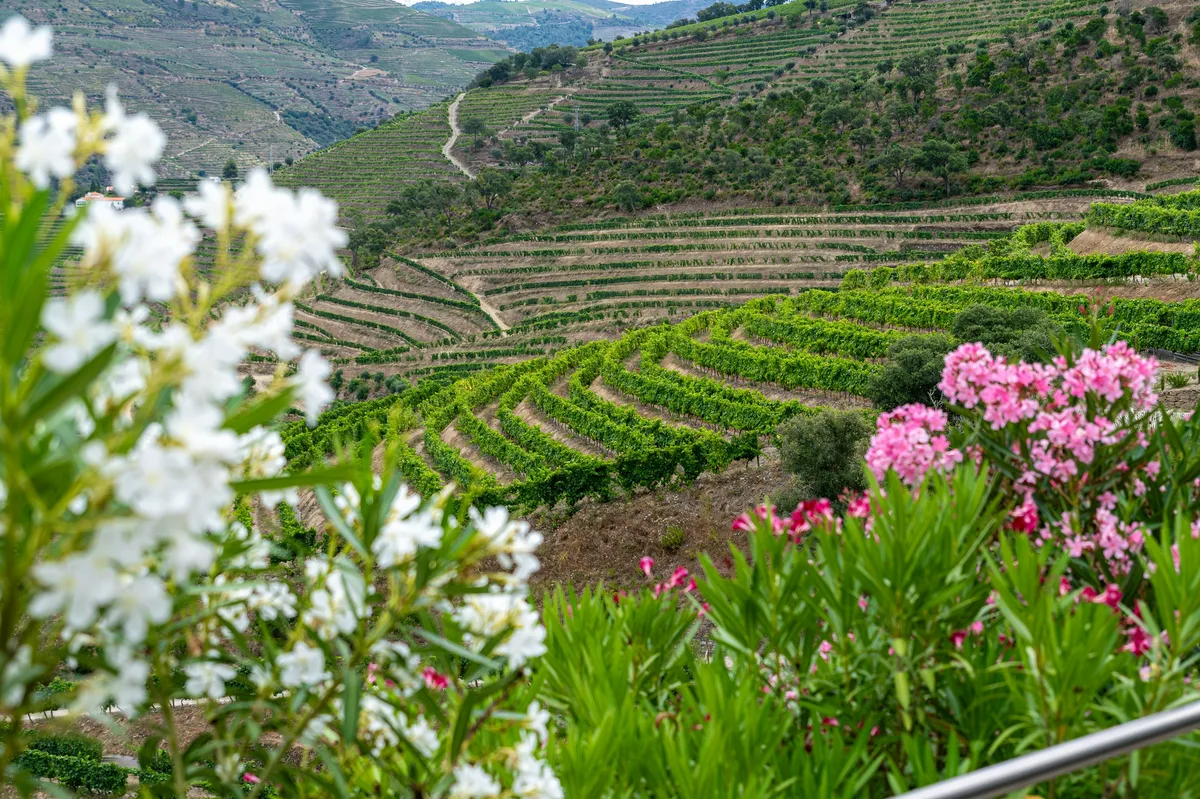 Douro Valley
Portugal
Portugal's terraced wine region along the Douro River, where centuries-old vineyard estates produce Port wine and can be visited by wine-estate tour and traditional rabelo boat cruise.
4
Douro Valley
Portugal
Portugal's terraced wine region along the Douro River, where centuries-old vineyard estates produce Port wine and can be visited by wine-estate tour and traditional rabelo boat cruise.
4
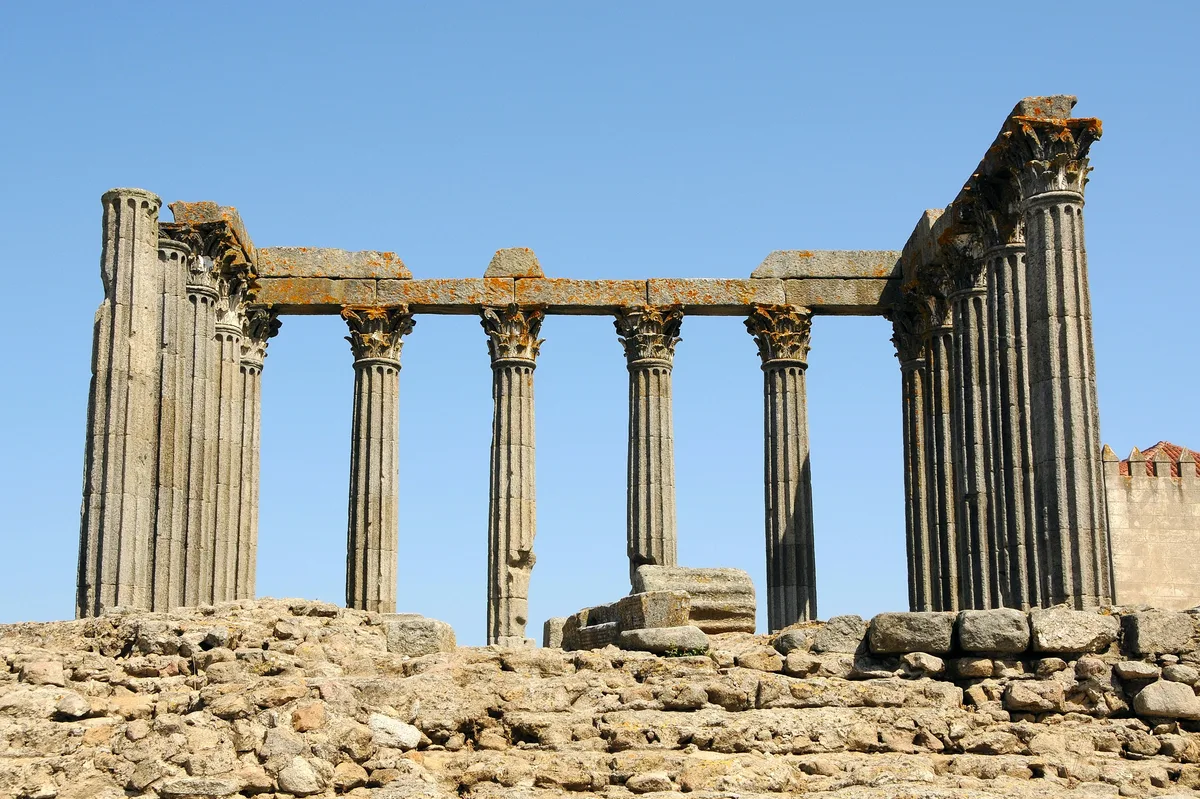 Roman Temple of Évora
Portugal
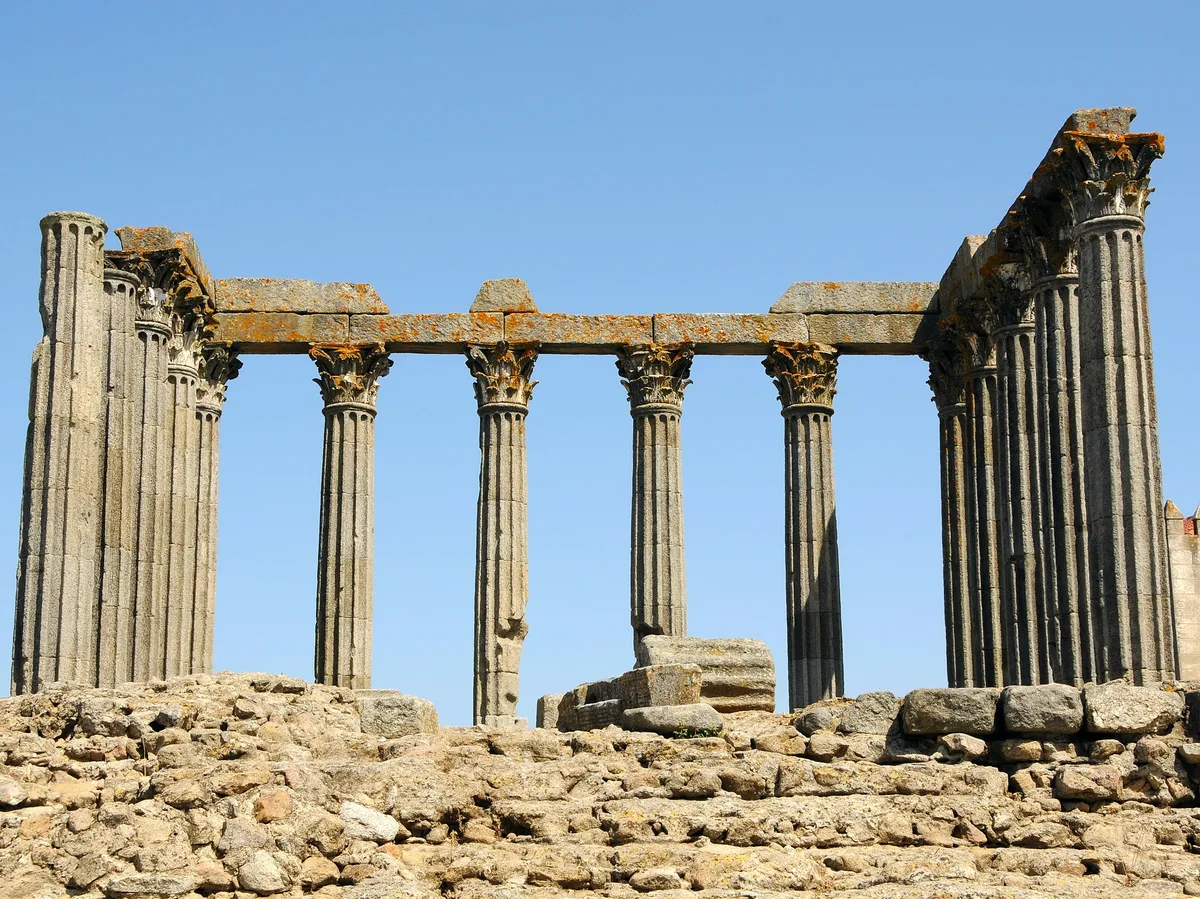
A well-preserved 1st-century Roman temple, popularly known as the Temple of Diana, standing at the center of Évora's UNESCO-listed old town in the Alentejo region.
5
Roman Temple of Évora
Portugal
A well-preserved 1st-century Roman temple, popularly known as the Temple of Diana, standing at the center of Évora's UNESCO-listed old town in the Alentejo region.
5
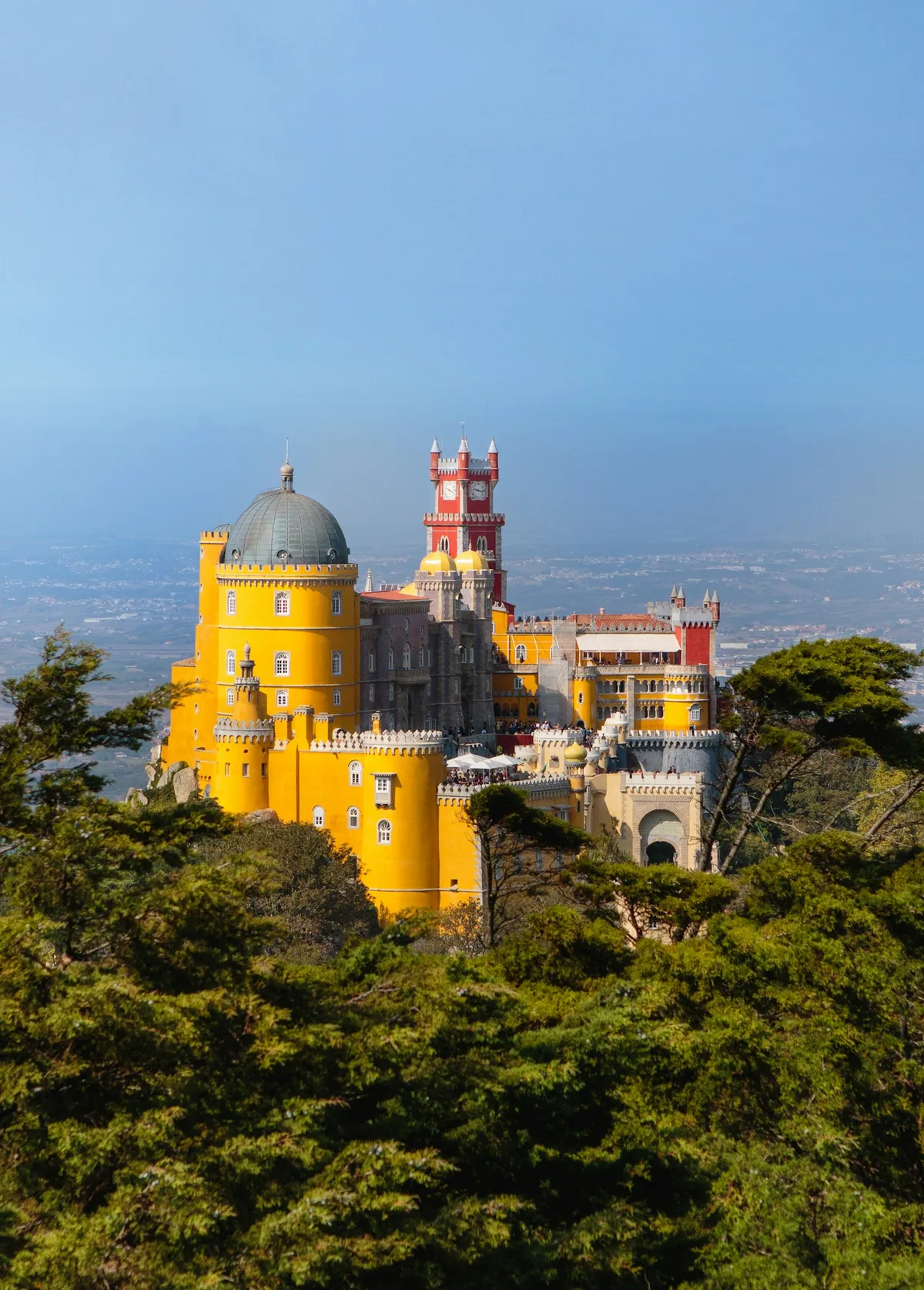 Pena Palace
Portugal
A 19th-century Romanticist palace on a hilltop above Sintra, its red, yellow, and violet-tiled towers visible from miles away — one of the Seven Wonders of Portugal.
6
Pena Palace
Portugal
A 19th-century Romanticist palace on a hilltop above Sintra, its red, yellow, and violet-tiled towers visible from miles away — one of the Seven Wonders of Portugal.
6
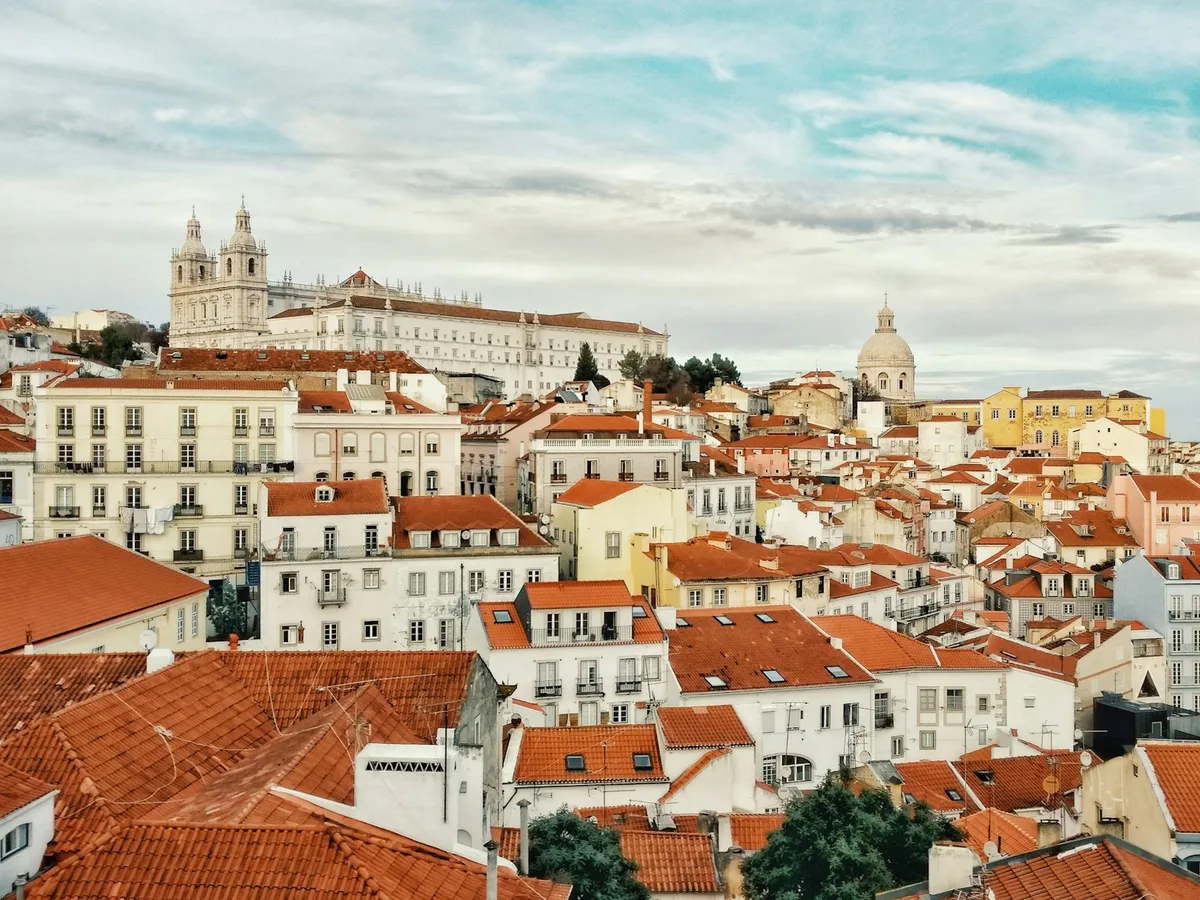 Alfama
Portugal
Lisbon's oldest district, a hillside maze of narrow lanes and red-tiled rooftops below São Jorge Castle that survived the 1755 earthquake, still home to fado music in its taverns.
7
Alfama
Portugal
Lisbon's oldest district, a hillside maze of narrow lanes and red-tiled rooftops below São Jorge Castle that survived the 1755 earthquake, still home to fado music in its taverns.
7
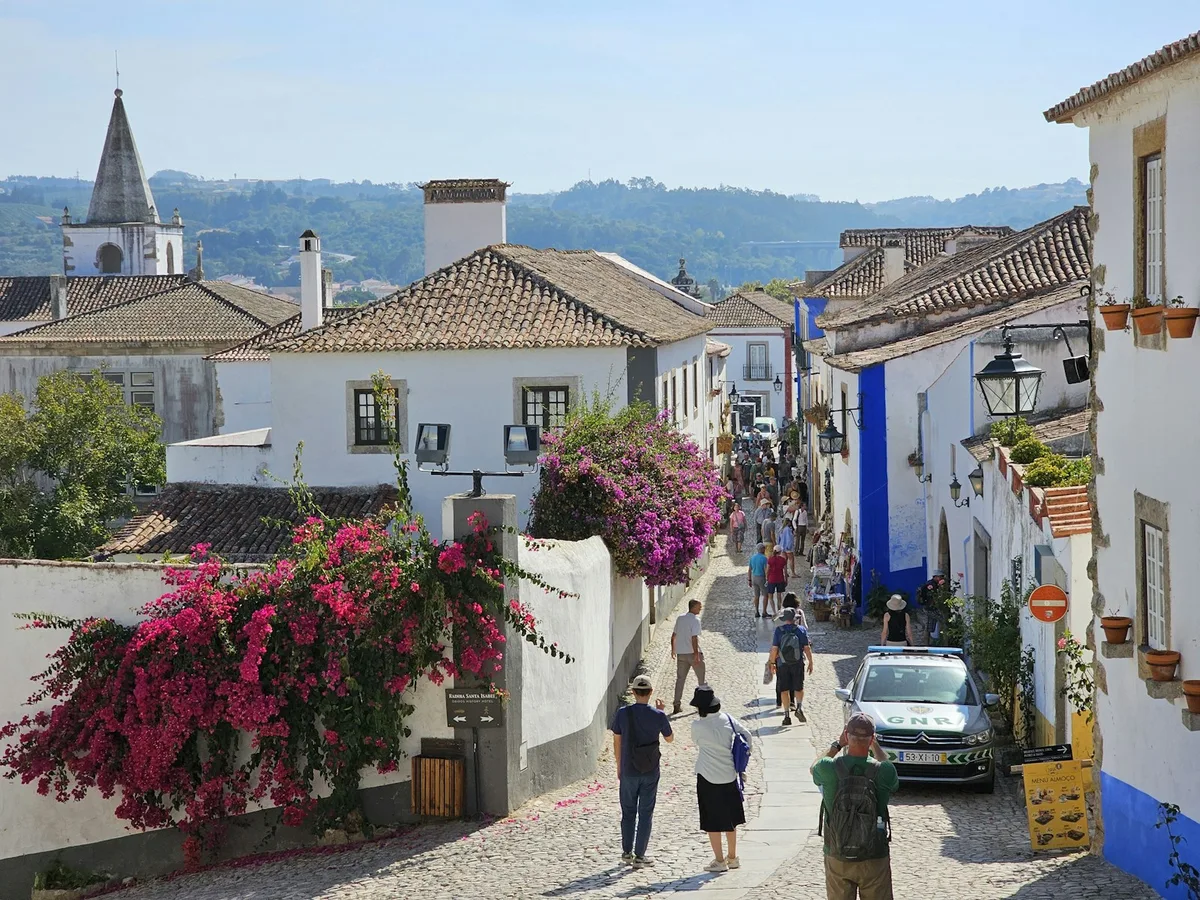 Óbidos
Portugal
A walled medieval hilltop town north of Lisbon, its whitewashed, bougainvillea-draped houses ringed by a 14th-century castle wall walkable end to end.
8
Óbidos
Portugal
A walled medieval hilltop town north of Lisbon, its whitewashed, bougainvillea-draped houses ringed by a 14th-century castle wall walkable end to end.
8
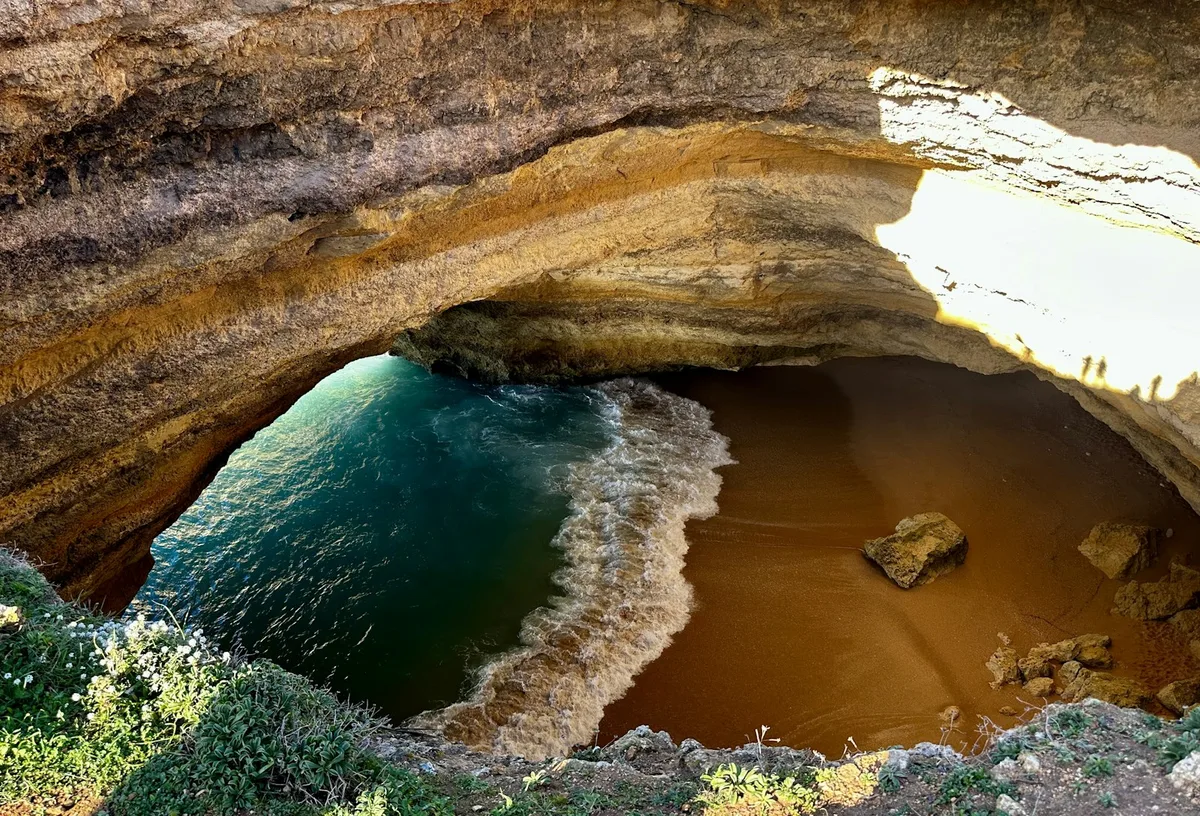 Benagil Cave
Portugal
A sea cave on the Algarve coast with a domed ceiling open to the sky, reached by kayak or paddleboard from Benagil beach, its interior beach only visible from the water.
Multi-Day Tours
Benagil Cave
Portugal
A sea cave on the Algarve coast with a domed ceiling open to the sky, reached by kayak or paddleboard from Benagil beach, its interior beach only visible from the water.
Multi-Day Tours
A 9-day route between Portugal's two great cities — Lisbon's Alfama, Belém, and a Sintra day trip, then north via Coimbra to Porto's UNESCO old town, a Douro Valley wine estate, and a choice of Aveiro or the Minho region, before returning south via Nazaré and Óbidos.
 Multi-Day Tours
A 10-day food-and-wine route from the Algarve to the Douro — an organic farm and olive oil tasting near Beja, Alentejo's UNESCO-listed Évora, Belmonte's Sephardic Jewish heritage, a Douro Valley wine estate, and Port wine cellars in Porto.
 Multi-Day Tours
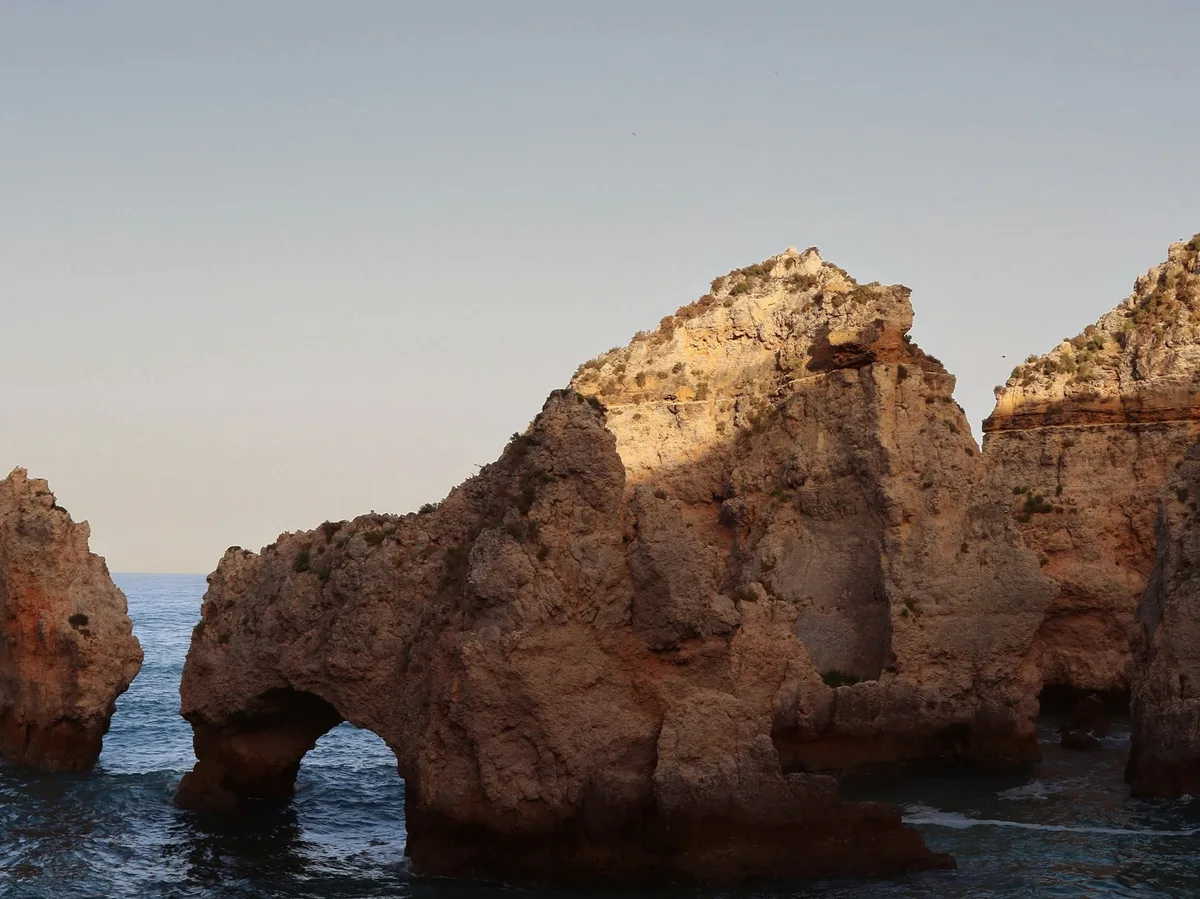
An 11-day family route from Porto's Douro Valley wine country to Lisbon's Alfama and Sintra's Pena Palace, then Algarve beach time and boat trips to the Ponta da Piedade sea caves in Lagos.
 Multi-Day Tours
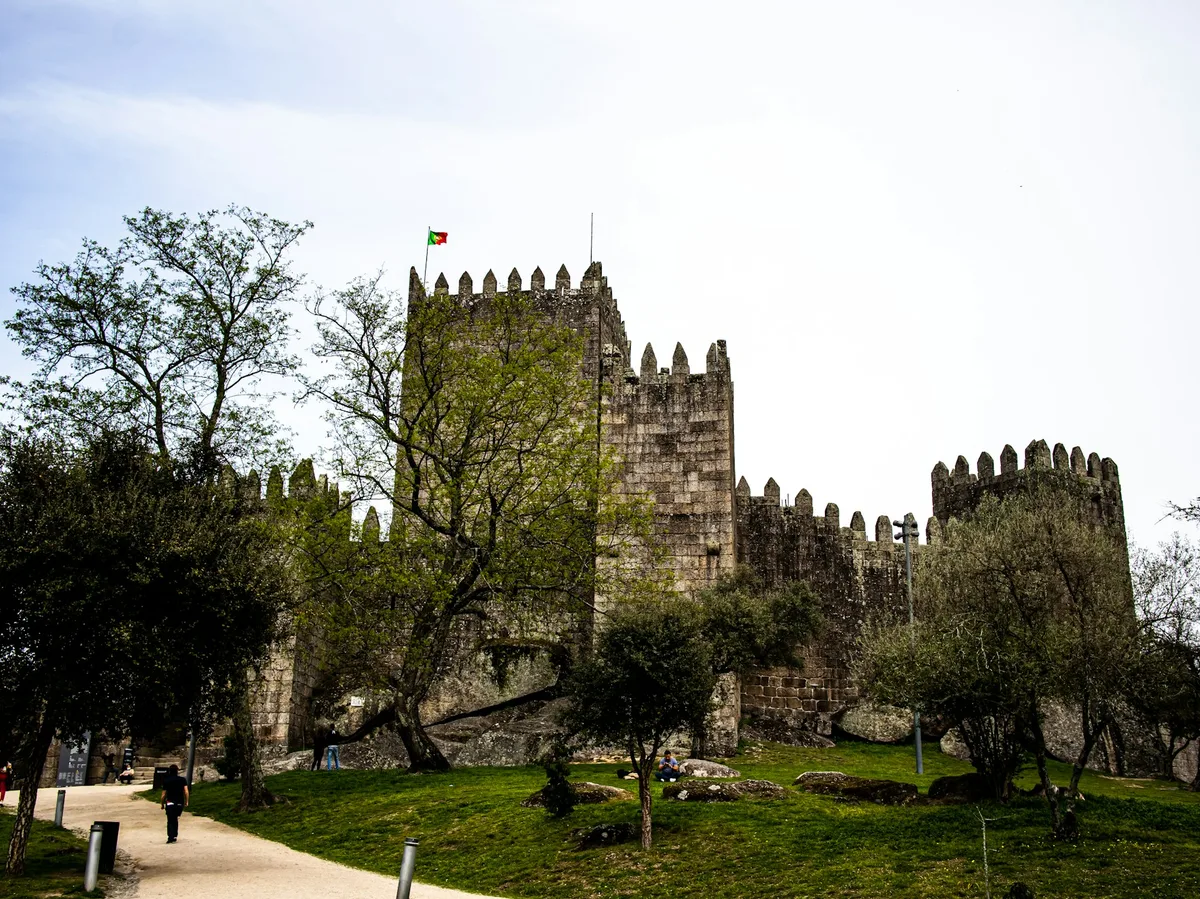
An 11-day slow-travel route around Porto and the Douro — a countess-led cooking class, wine tastings at Casa Santo António and Palácio da Brejoeira, the Mateus Palace gardens, and guided walks in Guimarães and Braga.
Portugal is part of the Schengen Area and the EU; citizens of the US, UK, Canada, Australia, and most EU countries can enter visa-free for short tourist stays under standard Schengen rules, though it's worth confirming current requirements for your nationality before you travel.
Portuguese is the official language; English is widely spoken in Lisbon, Porto, and the Algarve's tourism industry, though less so in smaller inland towns in the Alentejo or Douro Valley.
Portugal is consistently ranked among the safer countries in Europe for travelers, with low violent crime; ordinary precautions around pickpocketing apply in Lisbon's crowded trams and tourist areas, as in most European capitals.
Portugal uses the euro; card payment, including contactless, is accepted almost everywhere, though small cafes in rural areas sometimes prefer cash.
Port wine is a protected product of the Douro Valley specifically — genuine port can only legally come from there — and Portuguese cuisine leans heavily on seafood (bacalhau, or salt cod, above all) and pastries like the custard-filled pastel de nata.
Sintra's hilltop palaces are a common day trip from Lisbon but get genuinely crowded by mid-morning in high season — an early start, or visiting outside July–August, makes a real difference to the experience.
Tell us your group size and dates — we'll take care of the rest.