TorontoOntario · 36 tours
 Niagara FallsOntario · 25 tours
 New York CityNew York · 30 tours
 Las VegasNevada · 8 tours
 San FranciscoCalifornia · 16 tours
 VancouverBritish Columbia · 17 tours
 DubaiUAE · 54 tours
 Abu DhabiUAE · 5 tours
 Buenos AiresArgentina · 23 tours
 AthensGreece · 31 tours
 AucklandNew Zealand · 38 tours
 CancunMexico · 54 tours
No destinations match “”. Try searching all tours instead — that search understands full questions, not just place names.
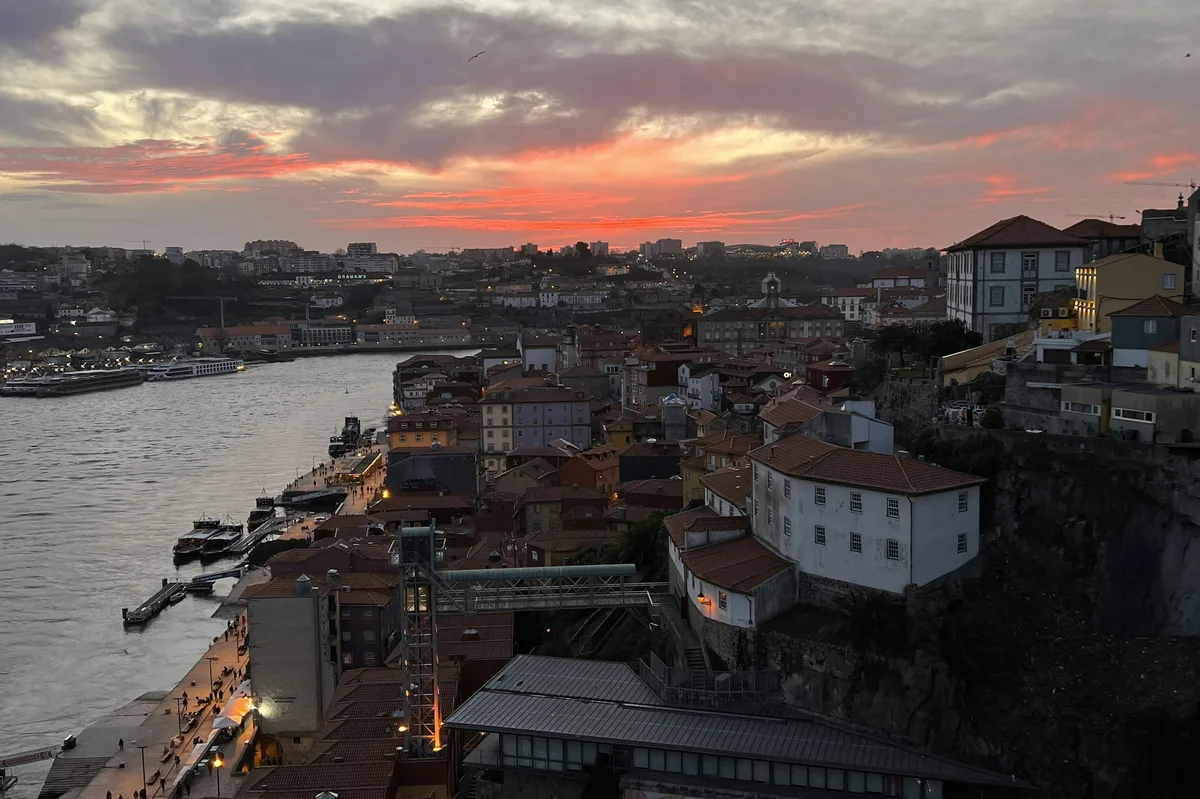
Porto's UNESCO-listed old riverside quarter, with colorful narrow houses stacked along the Douro River beneath the Dom Luís I Bridge, and the Port wine cellars of Vila Nova de Gaia just across the water.
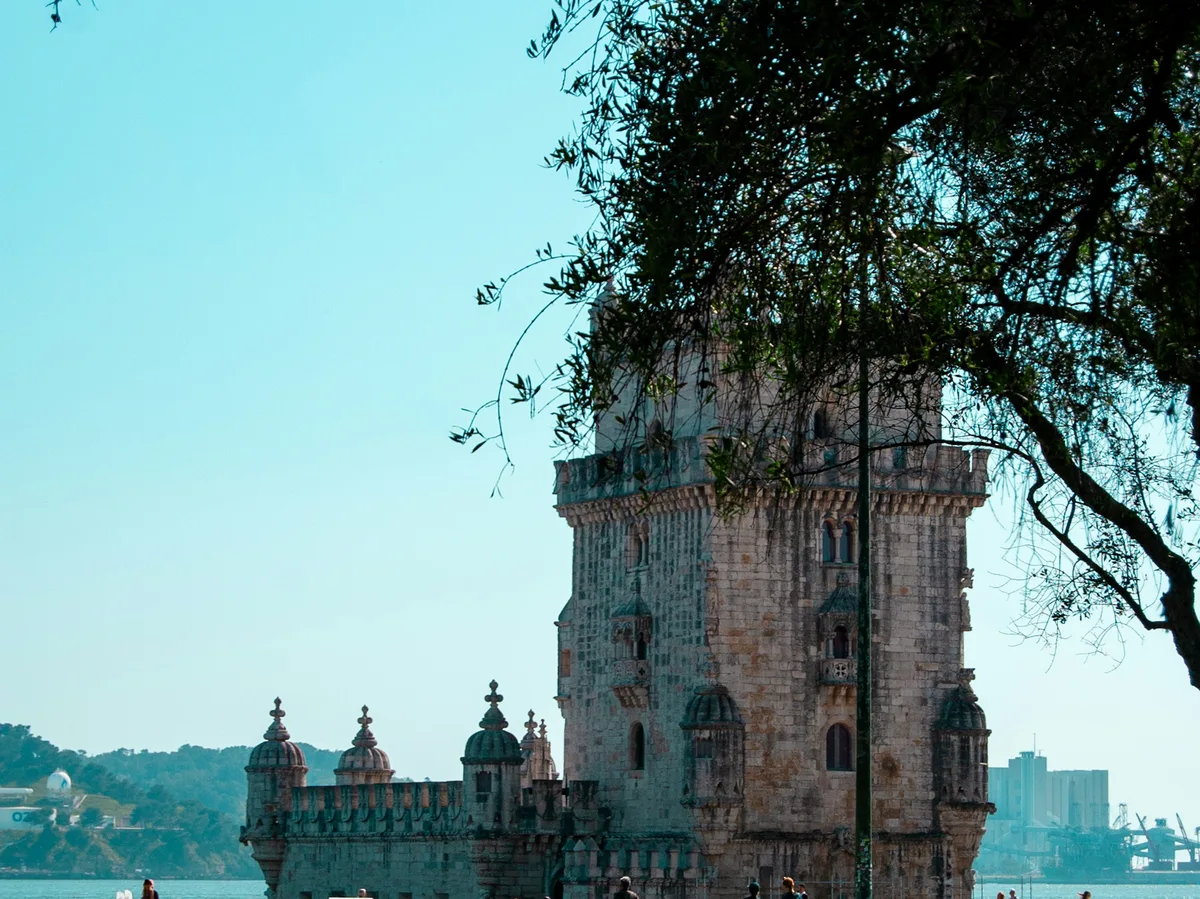 Multi-Day Tours
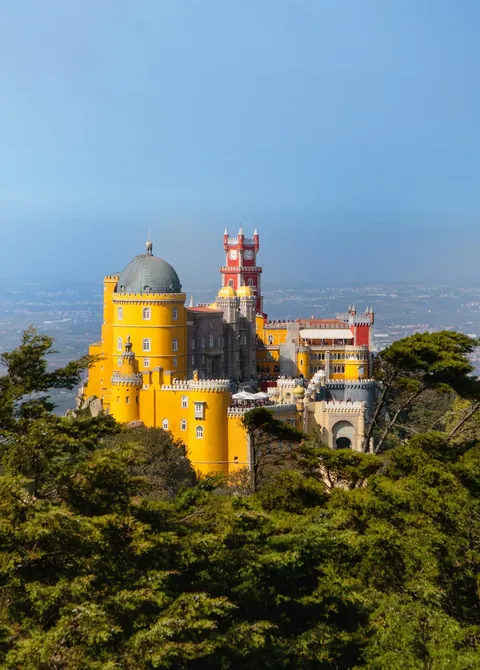
A 9-day route between Portugal's two great cities — Lisbon's Alfama, Belém, and a Sintra day trip, then north via Coimbra to Porto's UNESCO old town, a Douro Valley wine estate, and a choice of Aveiro or the Minho region, before returning south via Nazaré and Óbidos.
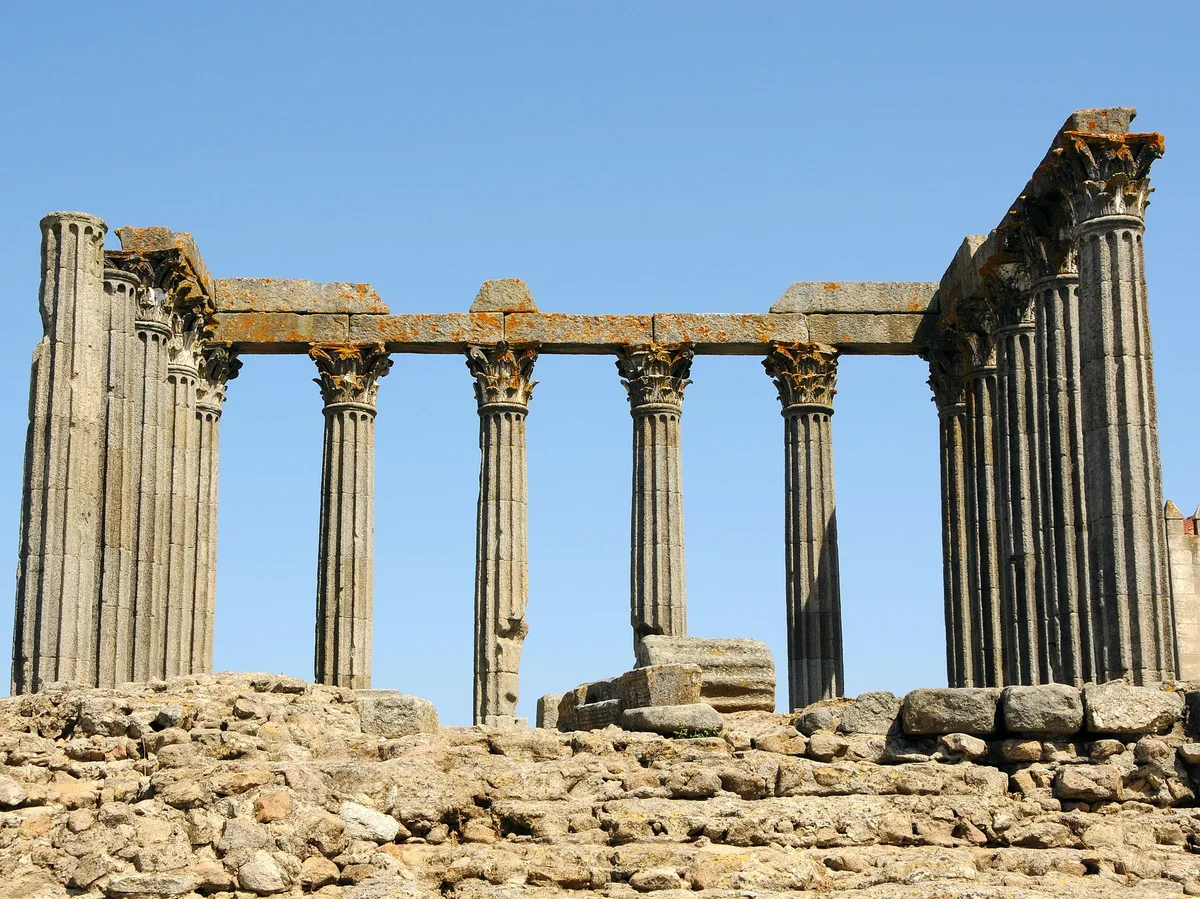 Multi-Day Tours
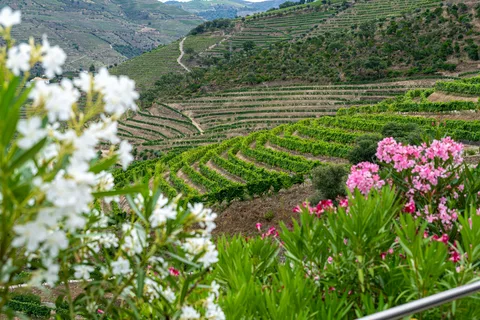
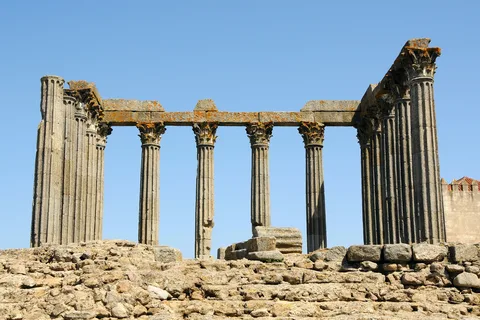
A 10-day food-and-wine route from the Algarve to the Douro — an organic farm and olive oil tasting near Beja, Alentejo's UNESCO-listed Évora, Belmonte's Sephardic Jewish heritage, a Douro Valley wine estate, and Port wine cellars in Porto.
Visitor guide
Ribeira is the old riverside quarter of Porto, Portugal, stretching along the north bank of the Douro beneath the Dom Luís I Bridge. Its name means riverside, and the district forms part of the UNESCO-listed historic centre of Porto, with the Port wine lodges of Vila Nova de Gaia facing it across the water.
From the Middle Ages, Ribeira was a centre of commercial and manufacturing activity on the Douro. Wikipedia notes that the main square, the Praça da Ribeira, was lined with shops selling fish, bread, meat and other goods. The quarter sat just inside the medieval Fernandine Walls, which separated the square from the river on its south side until they were demolished in 1821, opening the square to the water.
A fire in 1491 destroyed the buildings around the square. When they were rebuilt they were given arcades on their ground floors, and the rebuilding campaign also paved the square with stone slabs. In the 1700s the governor João de Almada e Melo opened São João Street to link Ribeira with the upper town, and the square was remodelled between 1776 and 1782, a work credited to the English consul John Whitehead.
The square is enclosed by arcaded buildings on its north, west and east sides. A three-storey fountain built in the 1780s and decorated with Portugal's coat of arms stands in its northern part, and its central niche holds a modern statue of Saint John the Baptist by the sculptor João Cutileiro. Nearby, a cubic sculpture by José Rodrigues, nicknamed the Cubo da Ribeira, stands over the remains of a 17th-century fountain. Since 1971 the square and its surroundings have been classified as a Property of Public Interest.
Above the quarter rises the Dom Luís I Bridge, a double-deck metal arch bridge designed by Théophile Seyrig, a former partner of Gustave Eiffel. Construction was awarded in 1881 and the bridge was inaugurated on 31 October 1886; its central arch spans about 172 metres, which Wikipedia says was the longest span of its type when completed. The upper deck now carries Porto Metro trains and pedestrians, and the bridge is part of the same UNESCO listing as the historic centre.
UNESCO inscribed the Historic Centre of Oporto, Luiz I Bridge and Monastery of Serra do Pilar in 1996. Across the river lies Vila Nova de Gaia, where Port wine is aged in lodges; Wikipedia explains that Port is typically matured in barrels stored in Gaia before bottling. Traditionally the barrels came downriver from the Douro Valley on flat-bottomed rabelo boats, and these boats can still be seen along the river in Porto and Gaia, where Port companies own them. Each 24 June the Festa de São João includes a rabelo race.
Other landmarks of the historic centre lie within walking distance uphill, including the 12th-century cathedral, Nicolau Nasoni's Clérigos Tower and the azulejo-lined São Bento station. Ribeira's lanes are narrow and steep, so a private tour with a local driver can help connect the waterfront with the upper town and the Gaia riverbank.
See every tour and attraction we cover in Portugal.