TorontoOntario · 36 tours
 Niagara FallsOntario · 25 tours
 New York CityNew York · 30 tours
 Las VegasNevada · 8 tours
 San FranciscoCalifornia · 16 tours
 VancouverBritish Columbia · 17 tours
 DubaiUAE · 54 tours
 Abu DhabiUAE · 5 tours
 Buenos AiresArgentina · 23 tours
 AthensGreece · 31 tours
 AucklandNew Zealand · 38 tours
 CancunMexico · 54 tours
No destinations match “”. Try searching all tours instead — that search understands full questions, not just place names.
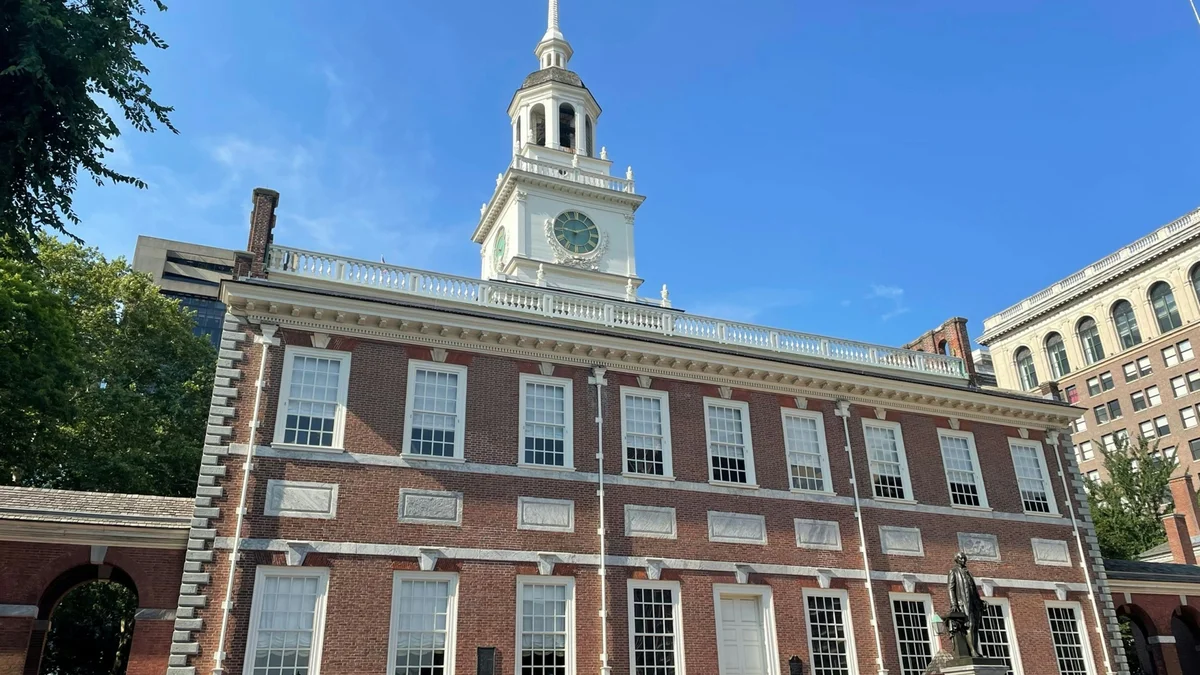
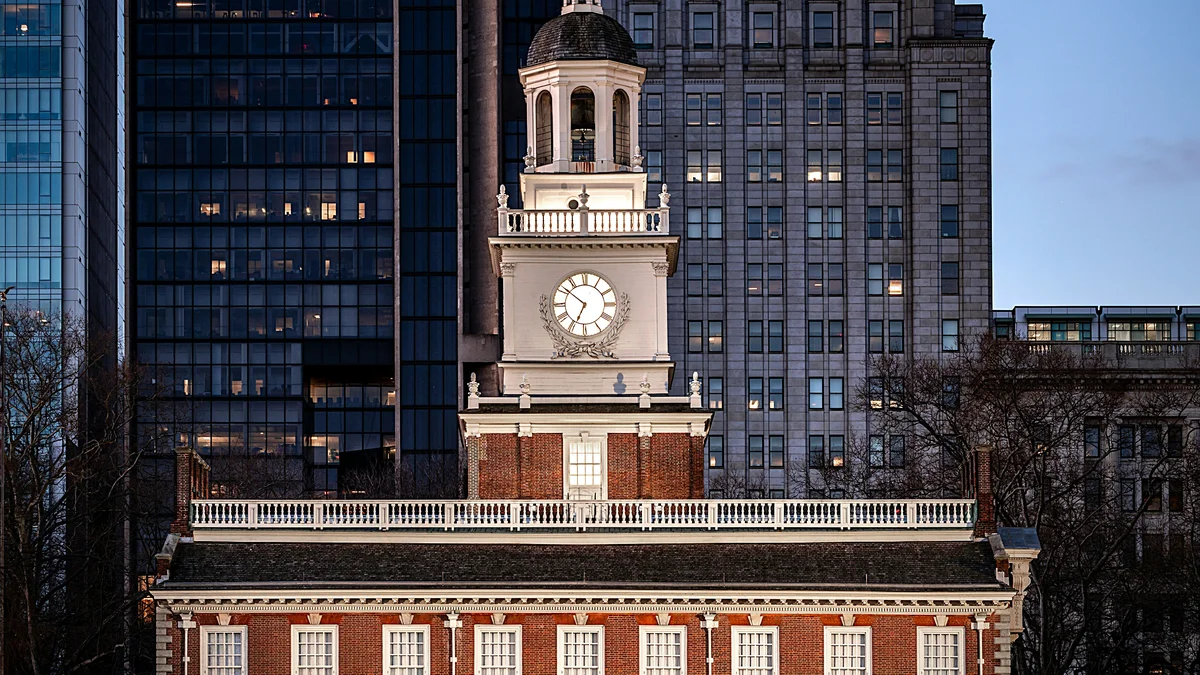
Built between 1732 and 1753 as the Pennsylvania State House, this Georgian brick building is where the Declaration of Independence was adopted on July 4, 1776, and where delegates later drafted the U.S. Constitution in 1787. It has been a UNESCO World Heritage Site since 1979. The Syng silver inkstand, which the National Park Service says is believed to have been used at the signing, is displayed in the building's West Wing.
Visitor guide
Independence Hall is the red-brick Georgian building on Chestnut Street in Philadelphia where the Declaration of Independence and the U.S. Constitution were debated and signed. It was built from 1732 as the Pennsylvania State House and is the centerpiece of Independence National Historical Park. It was inscribed as a UNESCO World Heritage Site in 1979.
Construction began in 1732, with the Provincial Assembly granting Andrew Hamilton authority over the project in 1733. Wikipedia credits the design to Hamilton and master builder Edmund Woolley, and says the building was finished in stages through 1753 as money allowed; a clock by Thomas Stretch was installed that year. The Park Service says it originally housed all three branches of Pennsylvania's colonial government. The original wooden steeple was removed in 1781, and the present tower, designed by William Strickland, dates from 1828.
The Pennsylvania legislature lent the Assembly Room to the Second Continental Congress in May 1775. That year Congress approved George Washington as Commander in Chief. On July 2, 1776 it voted for independence, and on July 4 it approved the Declaration. The National Park Service says the Declaration was signed in this room on August 2, 1776.
The Constitutional Convention met here from May to September 1787, and delegates produced the Constitution in four months. The speaker's chair carved with a sun, built by John Folwell in 1779, is one of only two objects the Park Service says are original to the room, along with a carved frieze. Benjamin Franklin's remark that he had come to see the sun on the chair as rising rather than setting is tied to it. The exact seating of the Congress and the Convention is not known, so the Park Service chose a layout with two rows of tables.
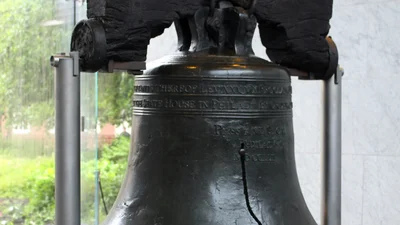
The state capital left Philadelphia in 1799, and in 1818 the state sold the building to the city. Philadelphians welcomed the Marquis de Lafayette in the room in 1824, when it was known as the Hall of Independence. In 1861 President-elect Abraham Lincoln spoke there, and in 1865 his body lay in the Assembly Room, with the Park Service noting upwards of 85,000 mourners. The Liberty Bell, originally hung in the building, was displayed on the ground floor from the 1850s until 1976 and is now in the Liberty Bell Center across the street.
Wikipedia notes a restoration in 1897-98, an interior restoration in 1948, the year Congress established Independence National Historical Park, and completion of the Assembly Room restoration in 1965. The Park Service describes that project as the most complex it had undertaken in Philadelphia and as setting standards for historic preservation.
The Park Service runs ranger-led tours of the building and describes them as about 20 to 35 minutes; check the Park Service for current entry arrangements, security screening, and any work underway in Independence Square.
On a private Philadelphia tour, a Voyzo driver can bring your group to the historic district with door-to-door pickup and wait or return when your tour time ends, so the group does not need to manage parking in Old City.
See every tour and attraction we cover in Philadelphia.