 TorontoOntario · 17 tours
 Niagara FallsOntario · 17 tours
 New York CityNew York · 8 tours
 Las VegasNevada · 8 tours
 San FranciscoCalifornia · 16 tours
 VancouverBritish Columbia · 17 tours
 DubaiUAE · 44 tours
 Abu DhabiUAE · 5 tours
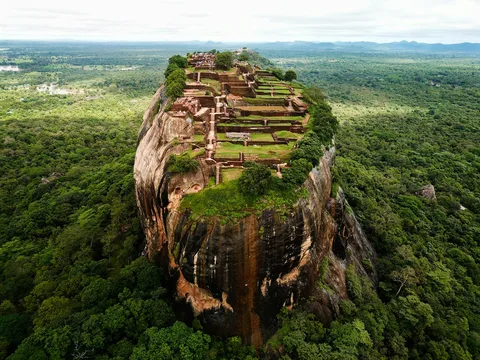 Sri LankaSri Lanka · 16 tours
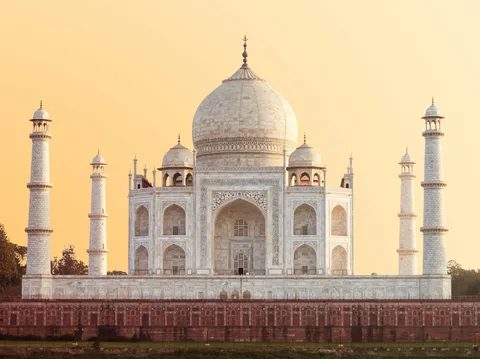 IndiaIndia · 13 tours
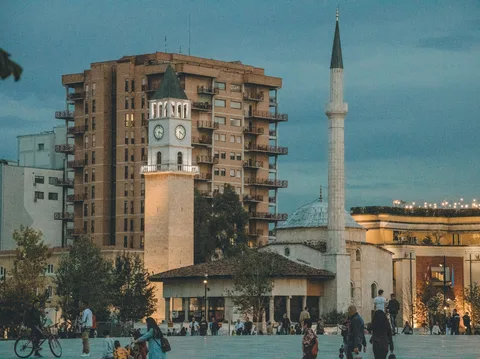 AlbaniaAlbania · 10 tours
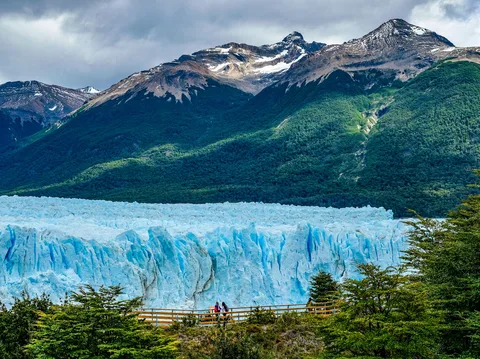 ArgentinaArgentina · 8 tours
No destinations match “”.
Voyzo runs 4 private tours across 1 destination in Pakistan, covering 8 attractions — each with your own guide, driver, and vehicle, and an itinerary built around your group rather than a fixed bus schedule.
Pakistan is a South Asian nation of around 240 million people — the world's fifth most populous country — created in 1947 when British India partitioned along religious lines. Urdu and English are its official languages, though dozens of regional languages are spoken across its provinces, and the Pakistani rupee is its currency. Geographically it's where three of the world's great mountain systems meet — the Karakoram, the Hindu Kush, and the western Himalaya — giving it more peaks over 7,000m than almost anywhere else on Earth, including K2, the world's second-highest mountain.
Voyzo's routes reflect that split personality: Lahore's Mughal-era mosques, forts, and Sufi shrines in Punjab to the south, and the high Karakoram valleys of Hunza, Chitral, and Skardu to the north, where centuries-old forts and glacier-fed lakes sit beneath peaks like Nanga Parbat and K2 itself. The Indus Valley's ancient ruins at Harappa and the Cholistan Desert add a third, older layer of history in the south.
Reaching the north means either a full day or more of mountain driving or a short domestic flight from Islamabad. Voyzo's routes combine a private driver and 4x4 for the mountain legs with heritage guesthouses and hotels arranged at every stop, so the trip stays private start to finish whether it's a week in Lahore or a multi-week loop into the Karakoram.
The real stops Voyzo's own itineraries are built around — tap any attraction to learn more.
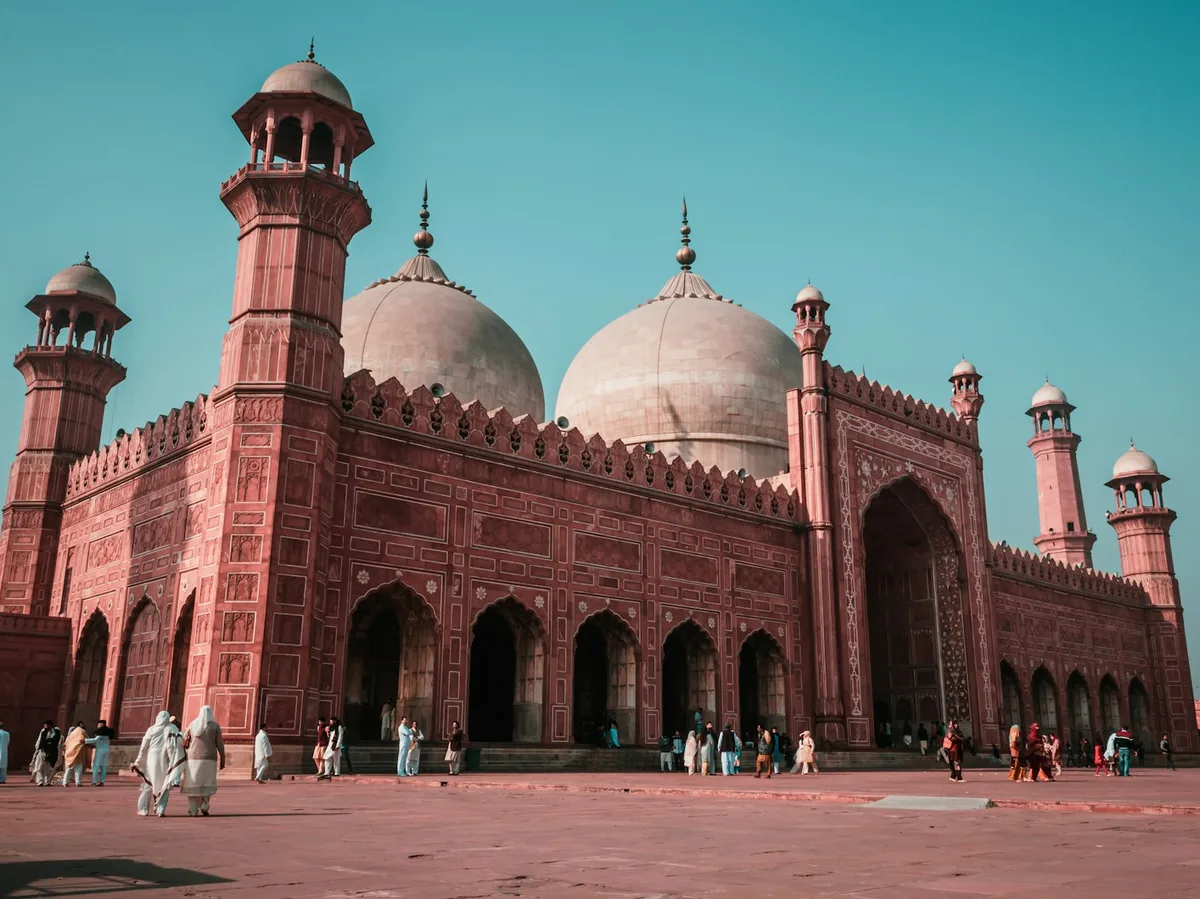
 Badshahi Mosque
Pakistan
A 17th-century Mughal mosque in Lahore's Walled City, its red sandstone courtyard among the largest of any mosque built under the Mughal emperors.
2
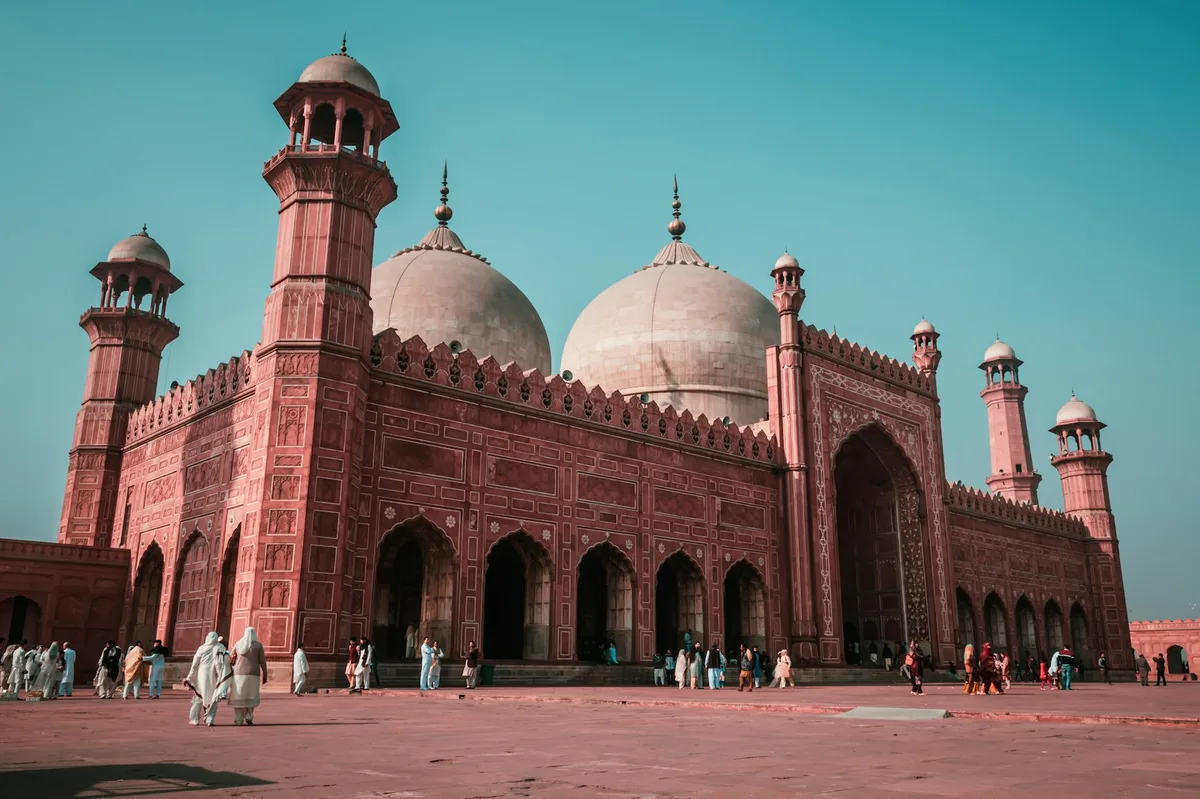
Badshahi Mosque
Pakistan
A 17th-century Mughal mosque in Lahore's Walled City, its red sandstone courtyard among the largest of any mosque built under the Mughal emperors.
2
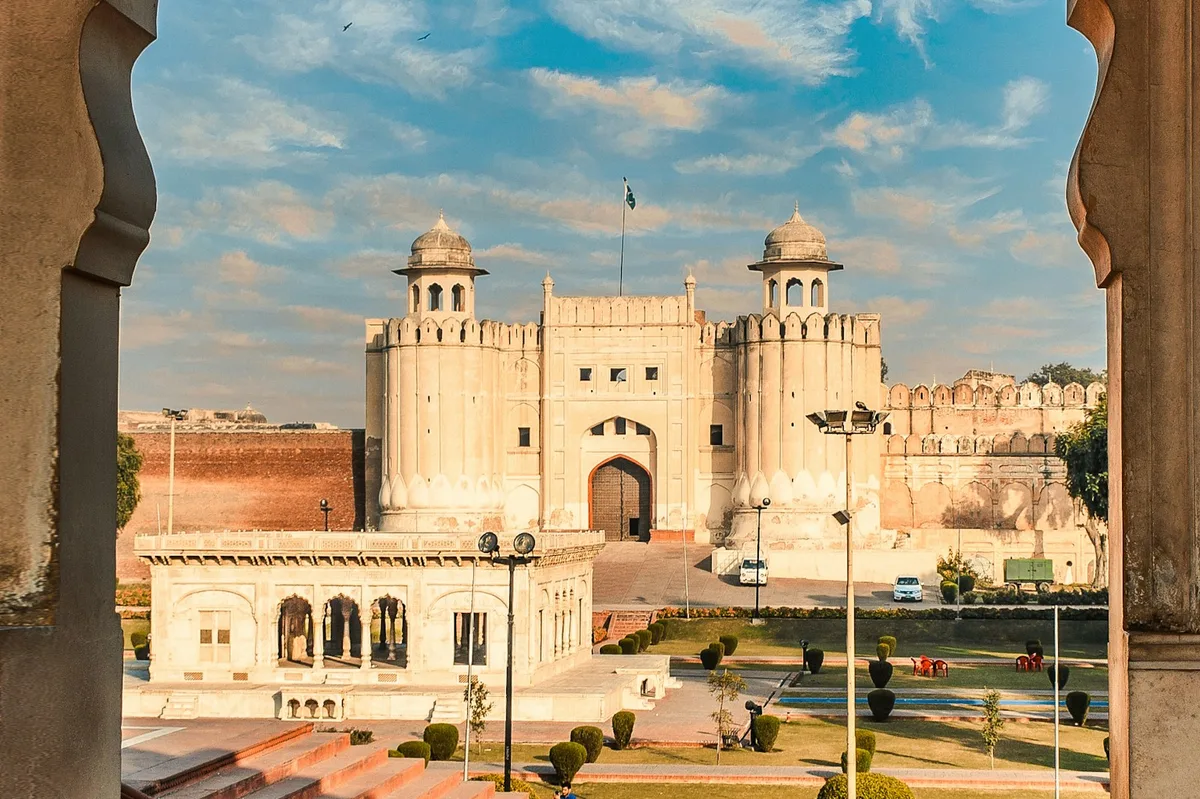 Lahore Fort
Pakistan
A citadel at the northern edge of the Walled City of Lahore, spread across more than 20 hectares with 21 monuments dating back to the era of Emperor Akbar.
3
Lahore Fort
Pakistan
A citadel at the northern edge of the Walled City of Lahore, spread across more than 20 hectares with 21 monuments dating back to the era of Emperor Akbar.
3
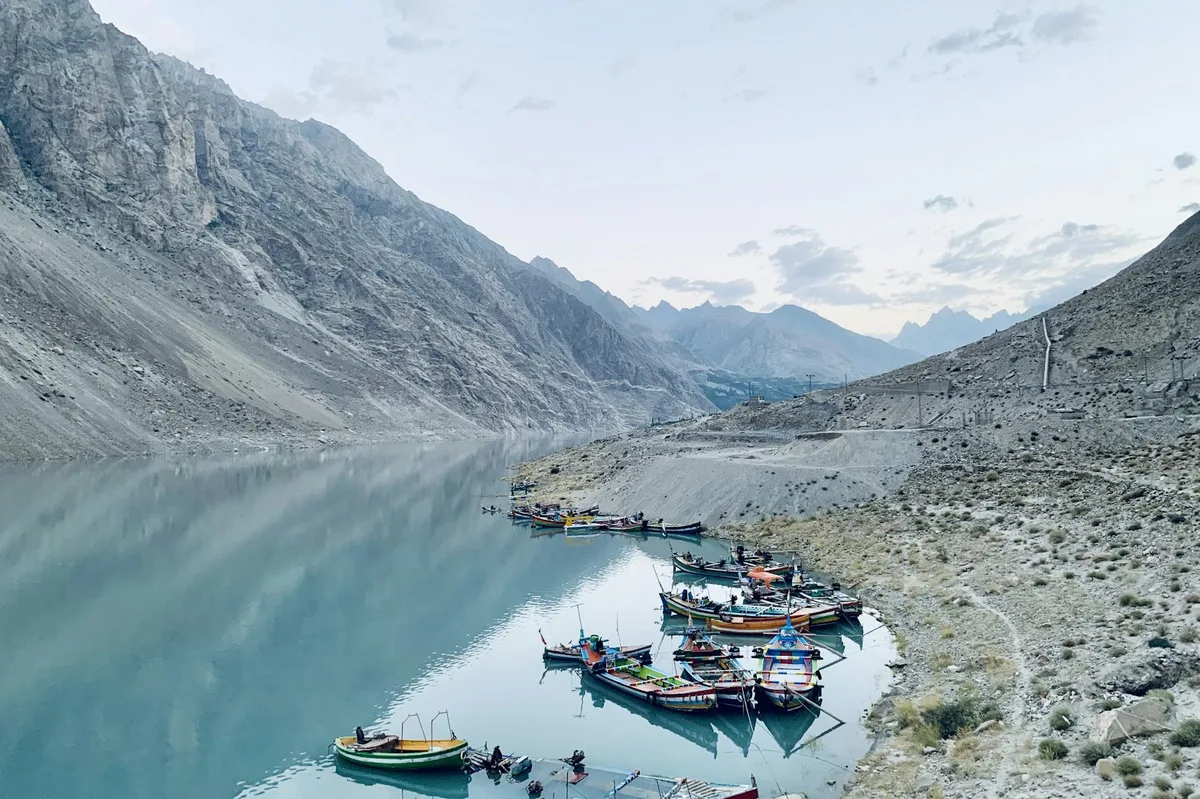 Attabad Lake
Pakistan
A turquoise lake in the Hunza Valley, Gilgit-Baltistan, formed by a 2010 landslide dam and now one of the region's most photographed stops.
4
Attabad Lake
Pakistan
A turquoise lake in the Hunza Valley, Gilgit-Baltistan, formed by a 2010 landslide dam and now one of the region's most photographed stops.
4
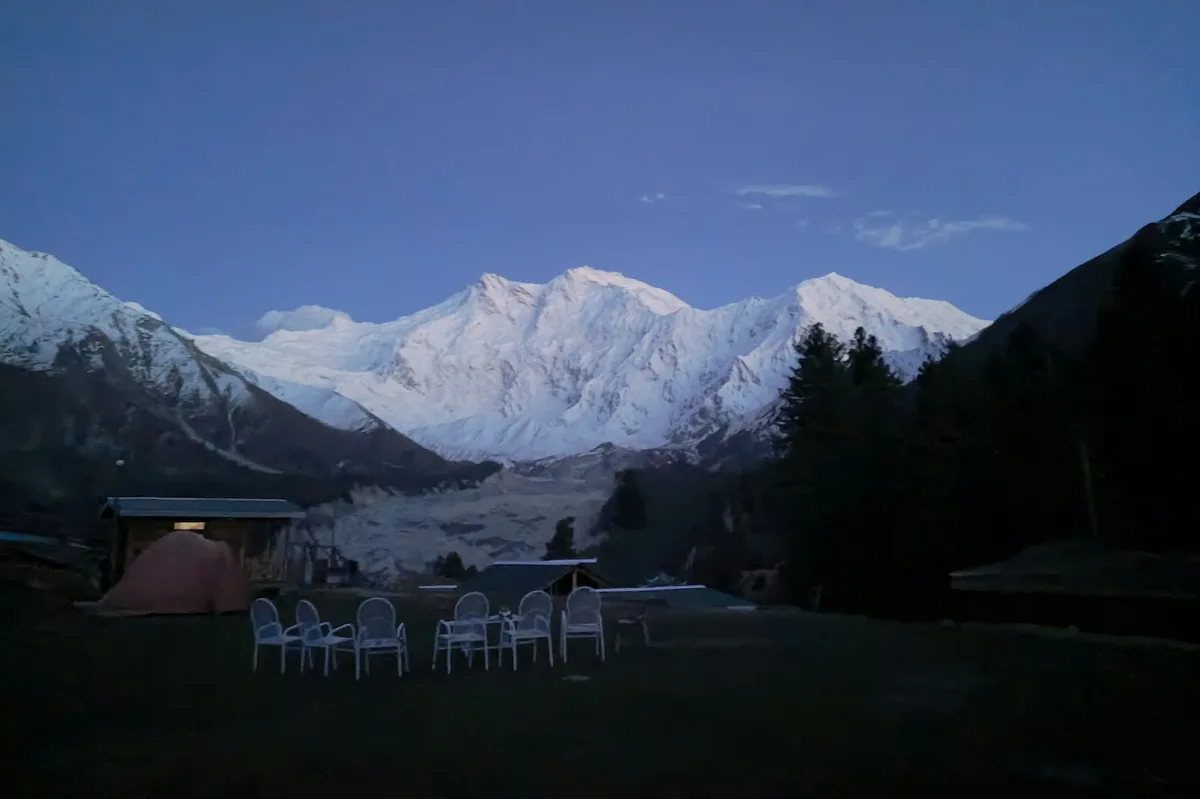 Fairy Meadows
Pakistan
A high alpine meadow in Gilgit-Baltistan with head-on views of Nanga Parbat, the world's ninth-highest peak, reached by jeep track and a hike.
5
Fairy Meadows
Pakistan
A high alpine meadow in Gilgit-Baltistan with head-on views of Nanga Parbat, the world's ninth-highest peak, reached by jeep track and a hike.
5
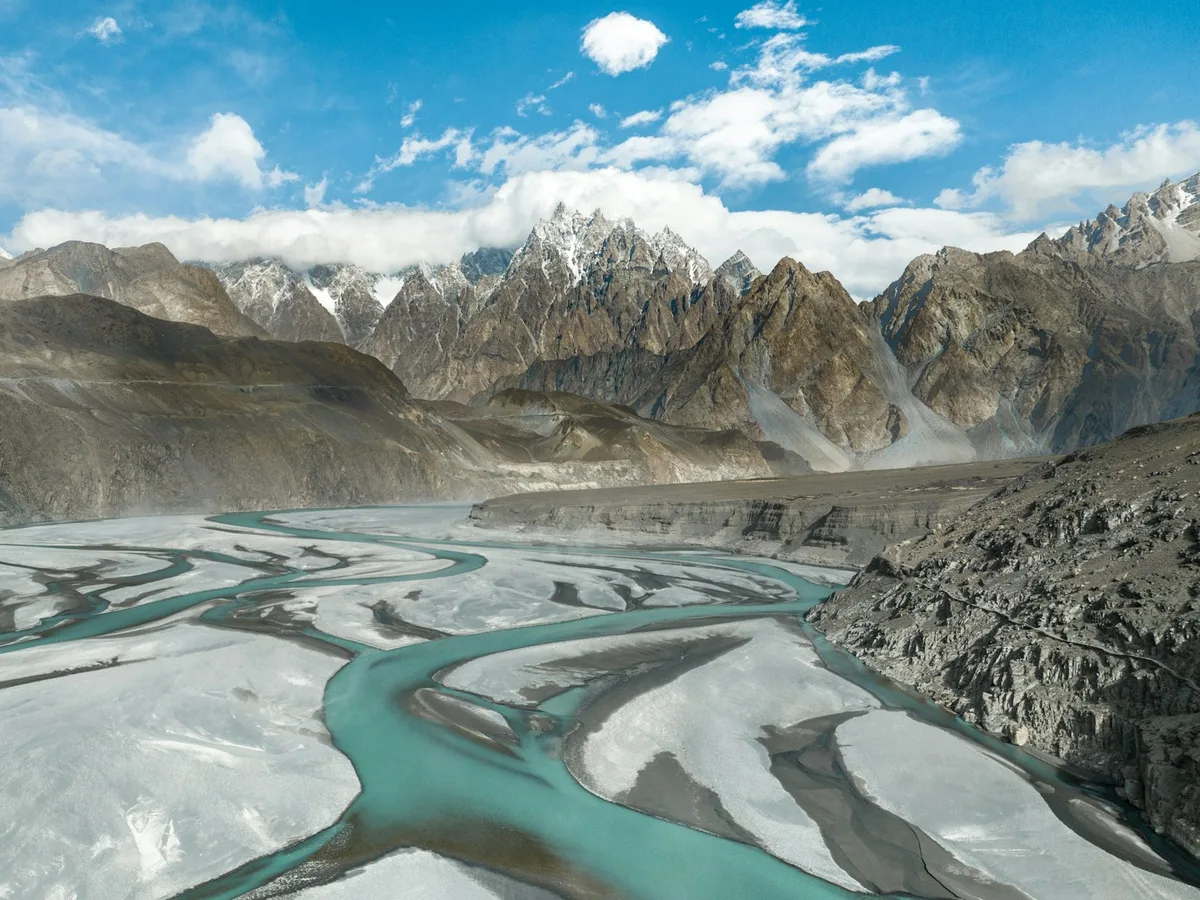 Hunza Valley
Pakistan
A high valley in Gilgit-Baltistan lined with apricot and cherry orchards beneath the Karakoram's Ultar Sar and Rakaposhi peaks, centered on the town of Karimabad.
6
Hunza Valley
Pakistan
A high valley in Gilgit-Baltistan lined with apricot and cherry orchards beneath the Karakoram's Ultar Sar and Rakaposhi peaks, centered on the town of Karimabad.
6
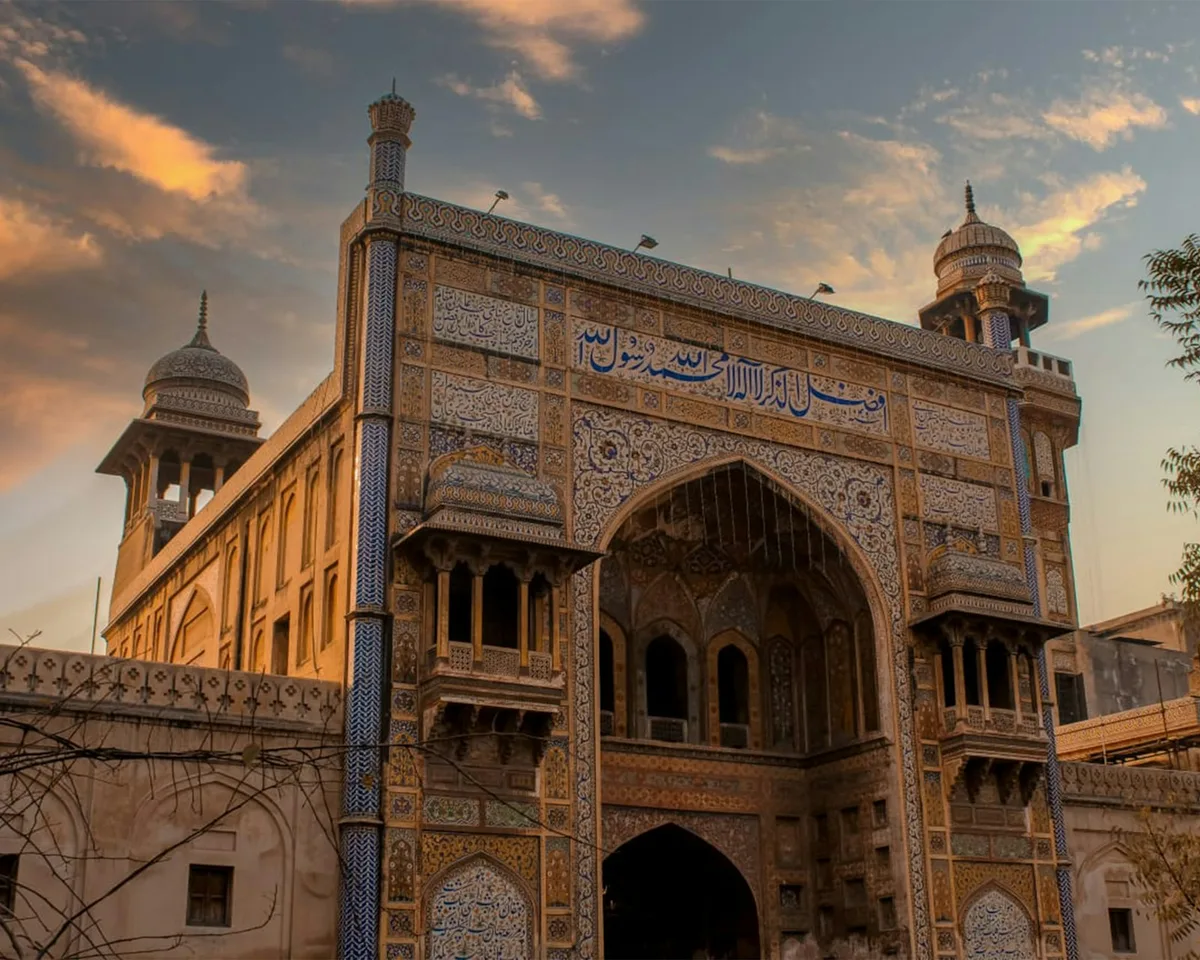 Wazir Khan Mosque
Pakistan
A 17th-century Mughal-era mosque in Lahore's Walled City known for its glazed tile mosaics (kashi-kari) and frescoed interior, built during Shah Jahan's reign.
7
Wazir Khan Mosque
Pakistan
A 17th-century Mughal-era mosque in Lahore's Walled City known for its glazed tile mosaics (kashi-kari) and frescoed interior, built during Shah Jahan's reign.
7
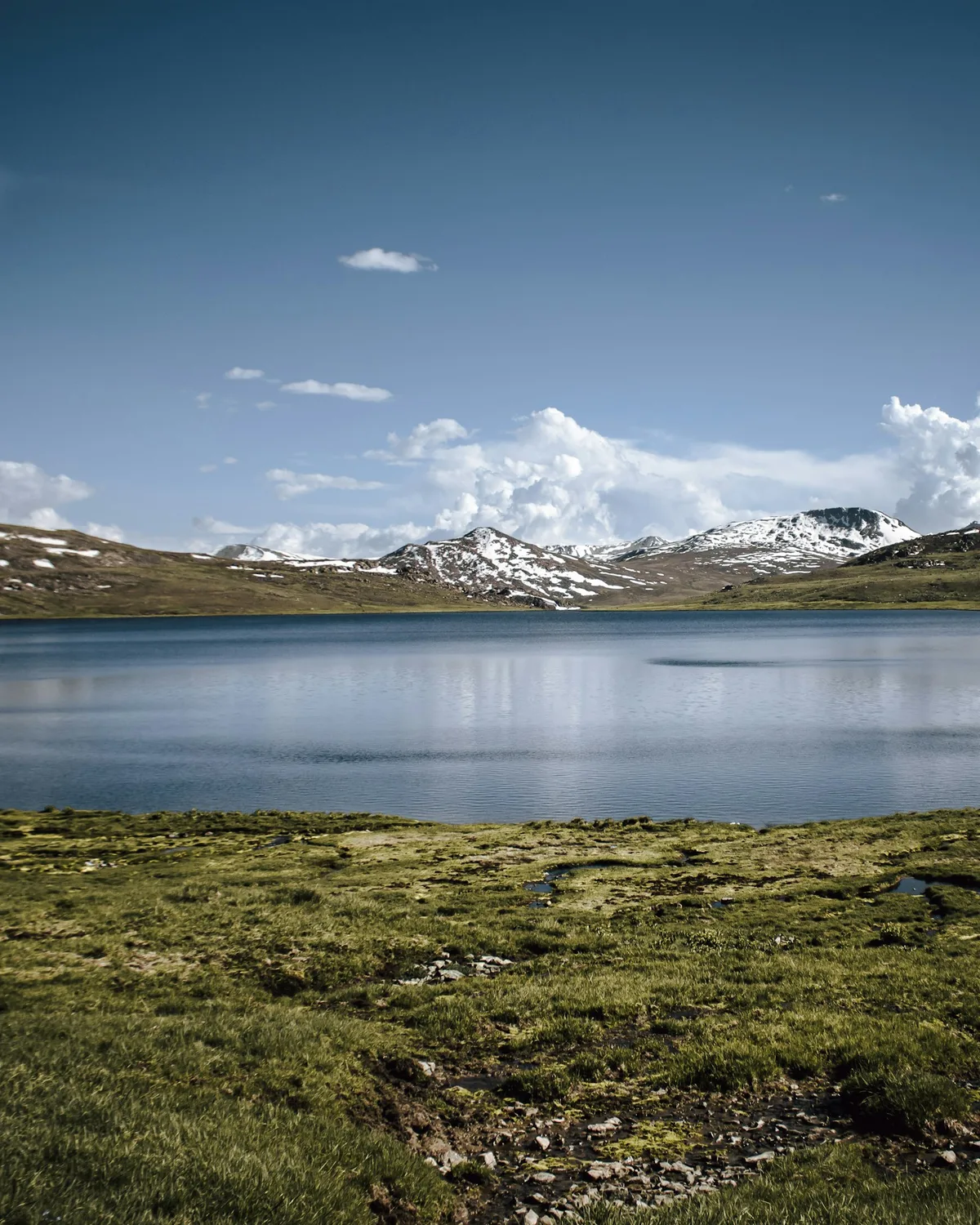 Deosai National Park
Pakistan
One of the highest plateaus in the world at over 4,000m, in Gilgit-Baltistan near Skardu, known for Sheosar Lake, wildflower meadows, and the Himalayan brown bear.
8
Deosai National Park
Pakistan
One of the highest plateaus in the world at over 4,000m, in Gilgit-Baltistan near Skardu, known for Sheosar Lake, wildflower meadows, and the Himalayan brown bear.
8
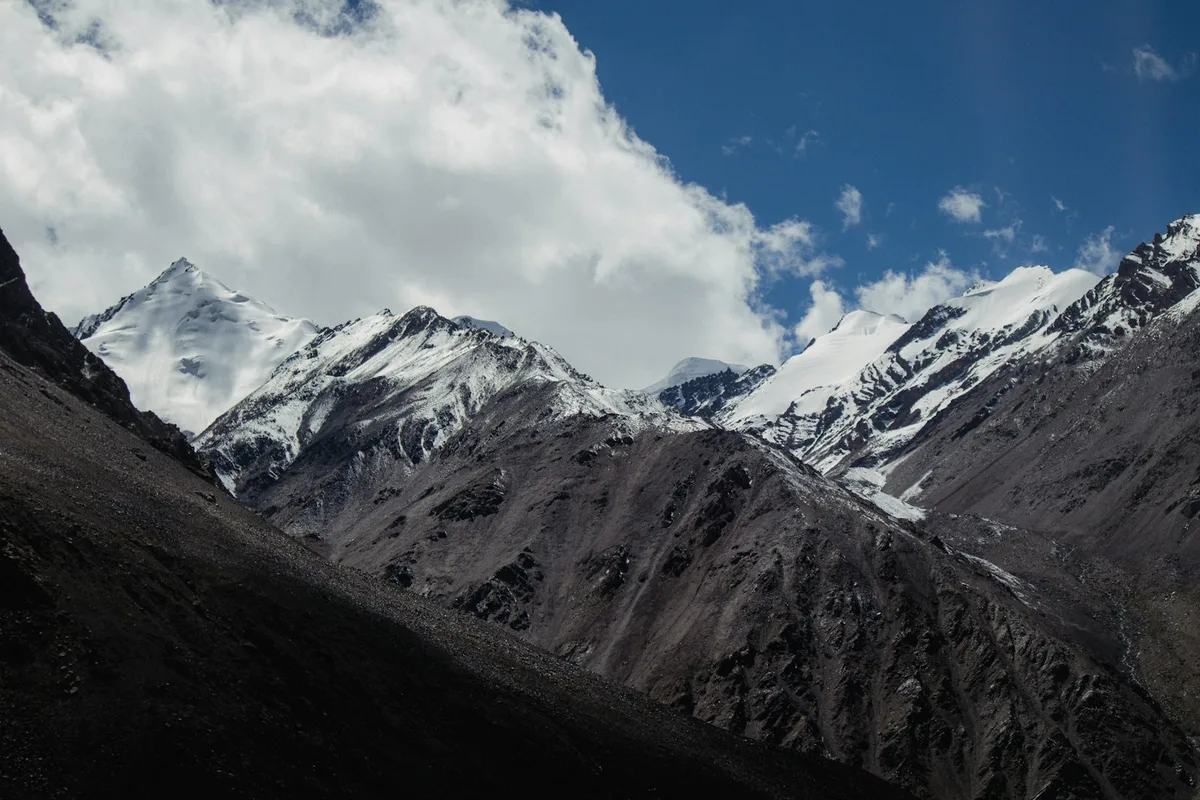 K2 Base Camp & the Karakoram
Pakistan
The trek to K2 Base Camp crosses the Baltoro Glacier past Concordia, where four of the world's fourteen 8,000m peaks come into view — one of the most remote treks in the world.
Multi-Day Tours
K2 Base Camp & the Karakoram
Pakistan
The trek to K2 Base Camp crosses the Baltoro Glacier past Concordia, where four of the world's fourteen 8,000m peaks come into view — one of the most remote treks in the world.
Multi-Day Tours
A 7-day private route through Lahore's walled city and South Punjab — Sufi shrines, the Wagah Border ceremony, a Cholistan Desert camel safari, and the ancient Indus Valley ruins at Harappa.
 Multi-Day Tours
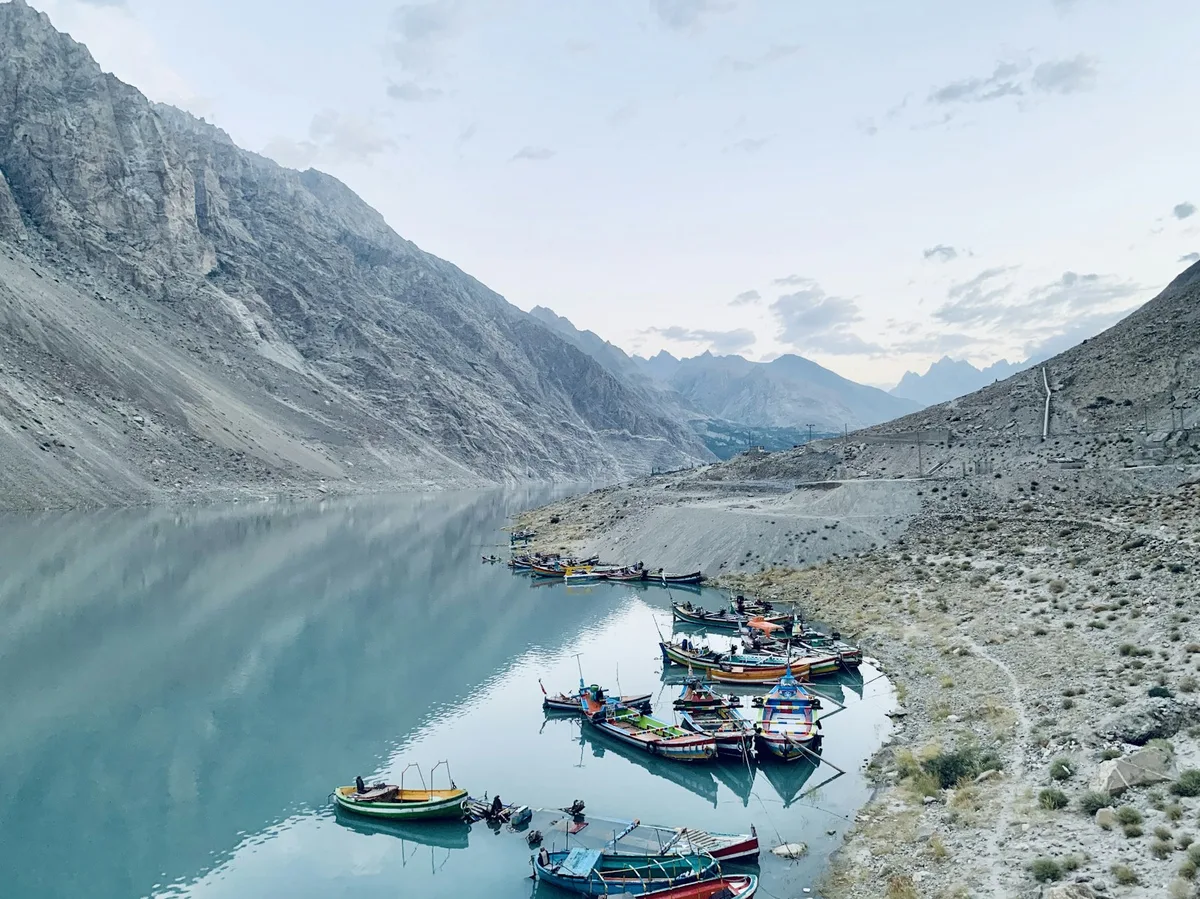
A 20-day private journey from Lahore's museums and forts through Peshawar and Swat's Buddhist sites, the Kalash Valley, Hunza's centuries-old forts, Fairy Meadows beneath Nanga Parbat, and the Skardu valleys, ending in Islamabad.
 Multi-Day Tours
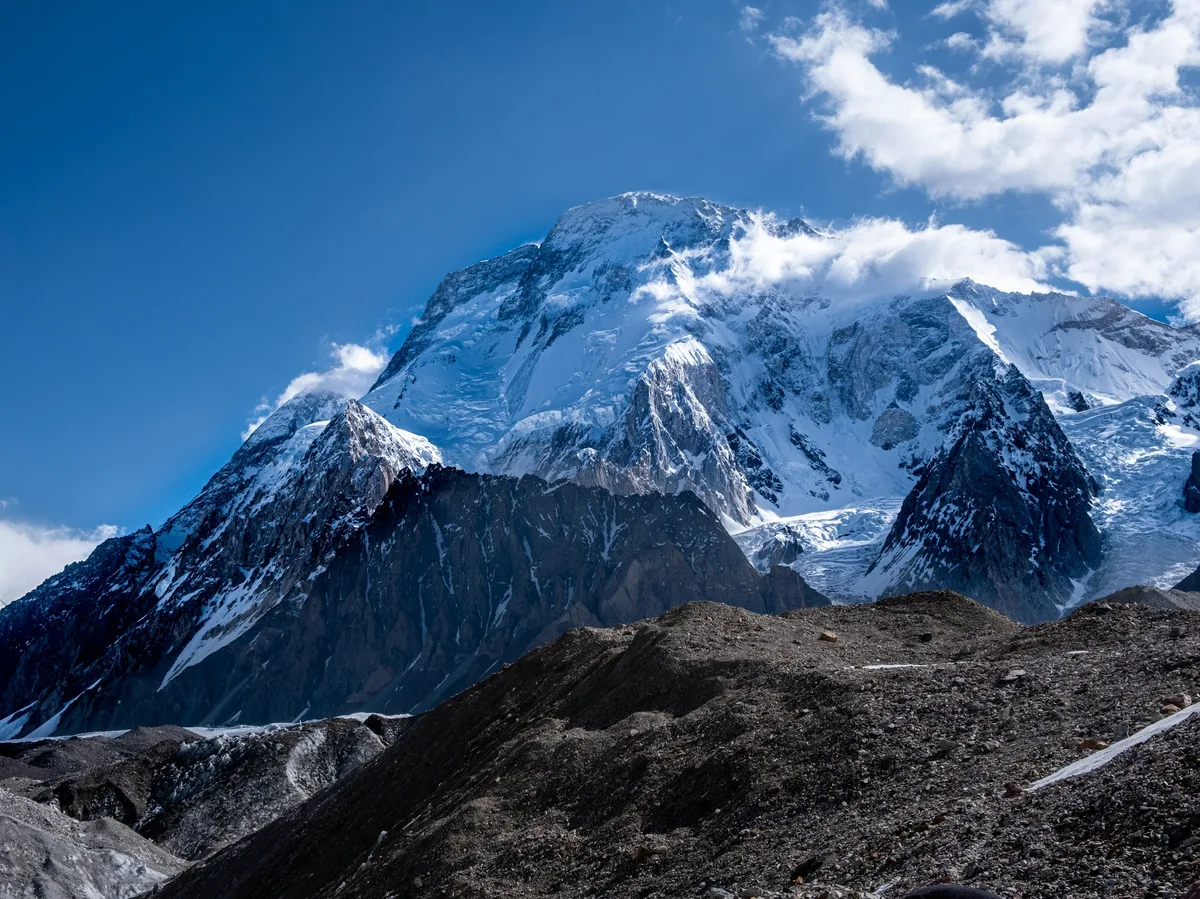
A 19-day private trek from Islamabad, via Skardu and Shigar, along the Baltoro Glacier to Concordia and K2 Base Camp — 13 nights of camping with views of five of the world's 8,000m peaks.
 Multi-Day Tours
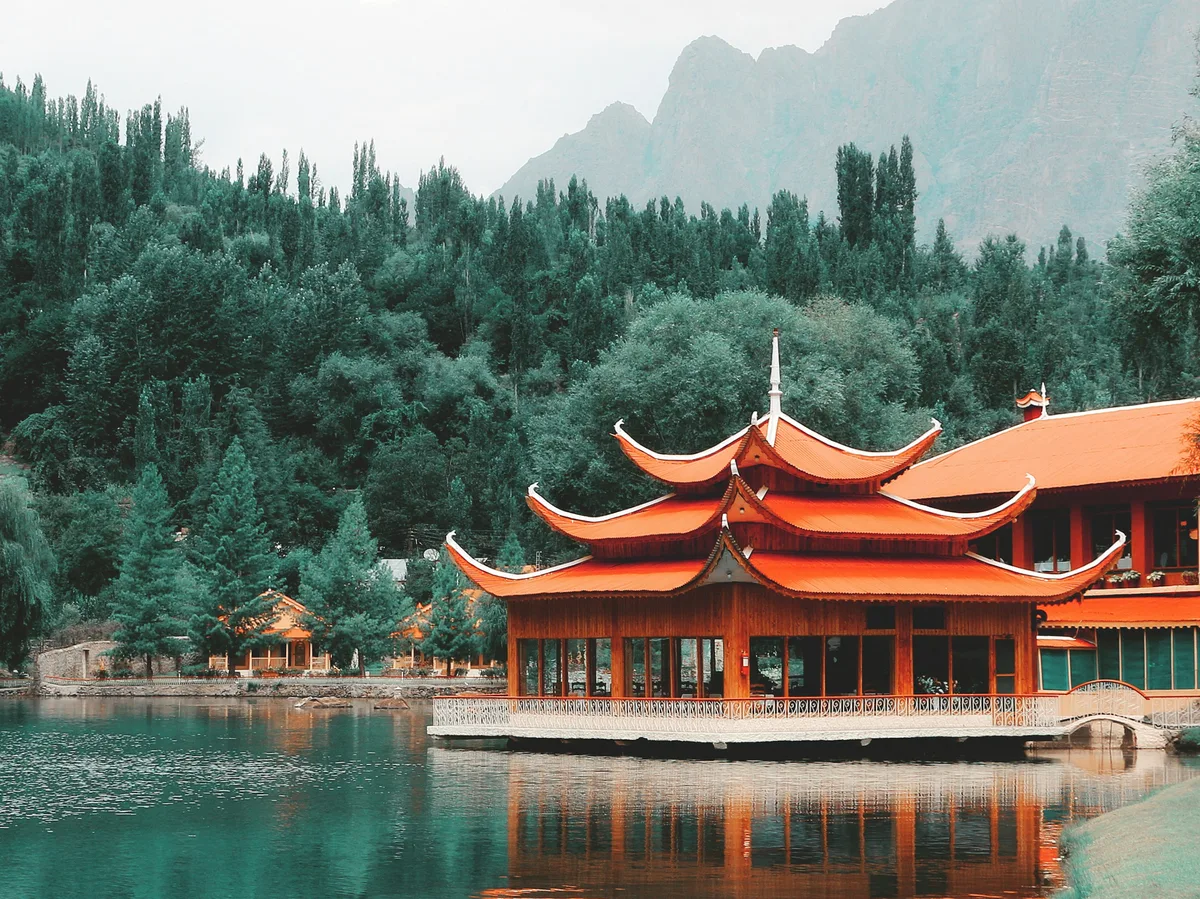
A 10-day private trek through Baltistan — Khaplu's 19th-century palace and the ruined Thoksikar Fort, a high-altitude crossing at Thalley Pass, a night at Shigar Fort, and Skardu's forts and lakes to close the trip.
Pakistan operates an online e-visa system for most nationalities, including US, UK, EU, Canadian, and Australian citizens — apply in advance rather than expecting a visa on arrival, and allow some processing time before your trip.
Government travel advisories vary by region within Pakistan — Lahore, Punjab, and the established routes into Hunza and the northern valleys are generally considered safe for travelers, but it's worth checking your government's current advisory for the specific regions on your itinerary, particularly areas near international borders.
Urdu and English are Pakistan's official languages; English is widely understood in cities and tourist areas, though dozens of regional languages (Punjabi, Pashto, Sindhi, Balochi, and others) are spoken day to day.
Pakistan is an Islamic republic; modest dress is expected in public, especially for women, and it's polite to ask before photographing people, particularly in more conservative or rural areas.
Pakistan's north and south run on different calendars — the high valleys (Hunza, Skardu, Fairy Meadows) are only accessible April through October, while Lahore and Punjab are best visited November through February to avoid summer heat.
Fairy Meadows sits above 3,300m and some northern routes require a jeep transfer followed by a hike on foot — check the physical demands of a specific itinerary, especially if it includes trekking toward K2 base camp or other high-altitude routes.
Tell us your group size and dates — we'll take care of the rest.