TorontoOntario · 36 tours
 Niagara FallsOntario · 25 tours
 New York CityNew York · 30 tours
 Las VegasNevada · 8 tours
 San FranciscoCalifornia · 16 tours
 VancouverBritish Columbia · 17 tours
 DubaiUAE · 54 tours
 Abu DhabiUAE · 5 tours
 Buenos AiresArgentina · 23 tours
 AthensGreece · 31 tours
 AucklandNew Zealand · 38 tours
 CancunMexico · 54 tours
No destinations match “”. Try searching all tours instead — that search understands full questions, not just place names.
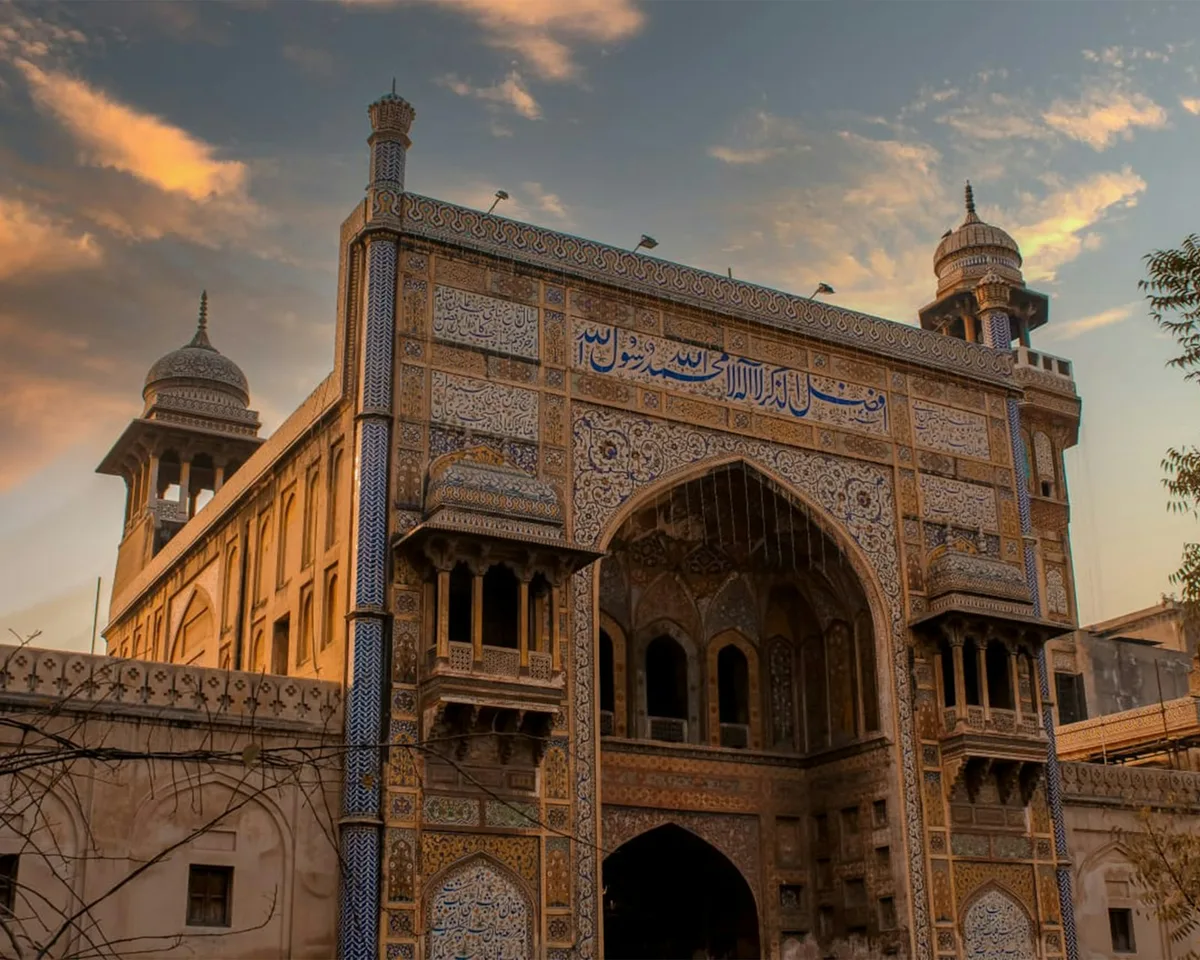
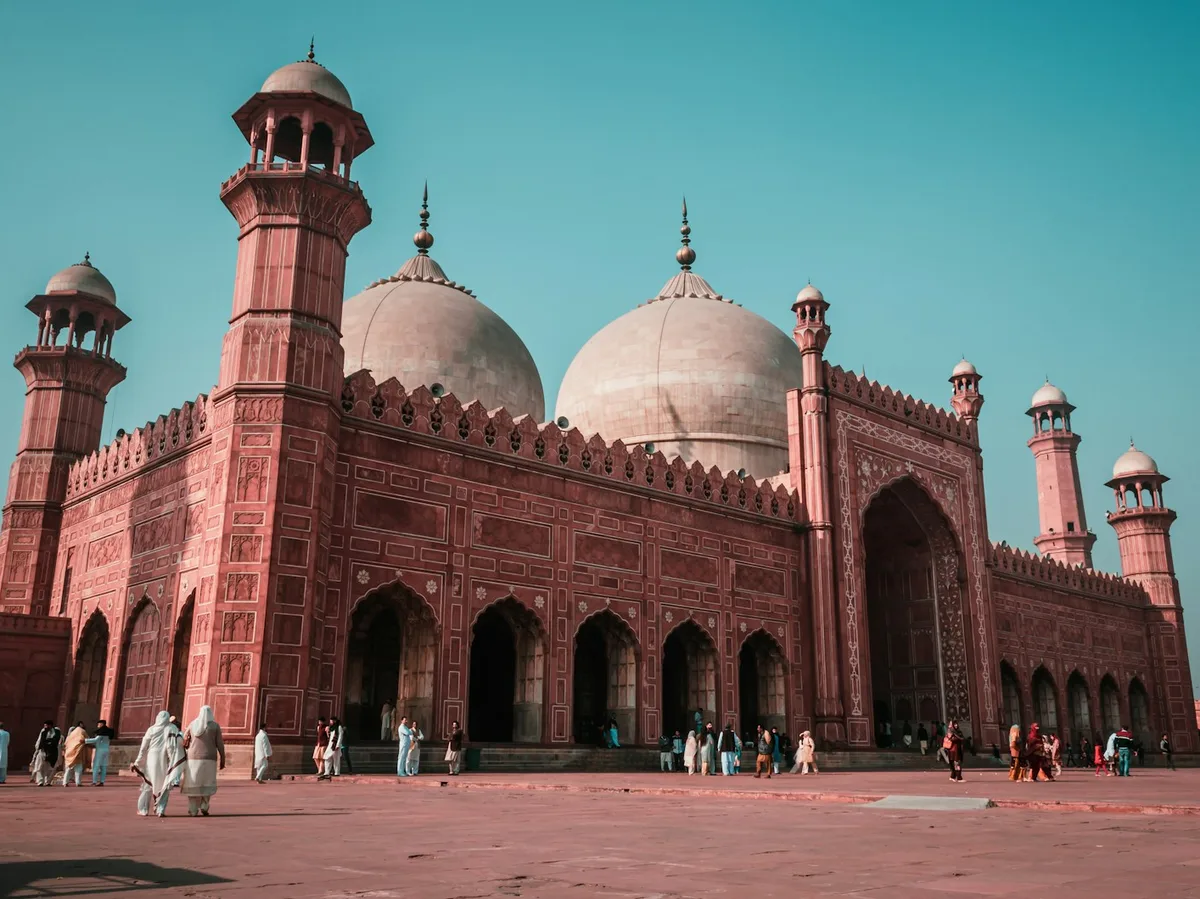
A 17th-century Mughal-era mosque in Lahore's Walled City known for its glazed tile mosaics (kashi-kari) and frescoed interior, built during Shah Jahan's reign.
Visitor guide
The Wazir Khan Mosque is a 17th-century Mughal mosque in the Walled City of Lahore, Punjab, Pakistan, famous for its glazed tile mosaics and fresco-covered interior. It is also a Sufi shrine and is on UNESCO's World Heritage tentative list.
According to Wikipedia, the mosque was commissioned by Hakim Ilam-ud-din Ansari, a royal physician and governor of Punjab known by the title Wazir Khan, during the reign of Shah Jahan. Construction began in 1634 or 1635 and took about seven years, with completion dated to 1641 or 1642. The architect is unknown, since no inscription names one; candidates active in Lahore at the time are mentioned but none is confirmed. Artisans from Chiniot, known for woodcarving and stonework, are said to have been employed.
The mosque was built to enclose the tomb of the Sufi saint Miran Badshah, whose tomb lies in a crypt in the courtyard. It replaced the older Maryam Zamani Mosque as Lahore's main place for Friday prayers. A shops-and-hammam complex, including the nearby Shahi Hammam, funded its upkeep through endowed rents.
Its exterior brickwork is covered in kashi-kari, the Punjabi-style glazed tile mosaic in cobalt blue, cerulean, white, green, orange, yellow and purple. The entrance facade carries tilework and calligraphy with Quranic verses and prayers, and the shahada is inscribed in tile above the large Timurid-style iwan. Wikipedia says the interior walls are plastered and covered in detailed true fresco, unlike the Shah Jahan Mosque in Thatta. The underside of the dome shows motifs such as paired trees and fruit platters that allude to Paradise. The calligrapher Haji Yousaf Kashmiri wrote the Quranic verses above the main prayer hall iwan.
The mosque stands on an elevated plinth with an outer perimeter of about 85 by 48 metres. Four minarets, each about 33 metres tall, rise at the courtyard corners. The courtyard of about 160 by 130 feet holds a 35-foot square ablution pool and is flanked by 32 small cells for religious scholars. The prayer hall has five compartments with a central dome on a square pavilion. The entrance niche has one of Lahore's earliest examples of muqarnas, or stalactite vaulting.
An octagonal chamber at the centre of the Calligrapher's Bazaar, a row of shops for calligraphers and bookbinders, is described as the first four-axis bazaar of its type in South Asia.
Fred Henry Andrews noted in 1903 that the mosque had fallen into disrepair. Restoration began in 2004 under the Punjab government, and in 2007 the Aga Khan Trust for Culture partnered with it, with a two-year survey beginning in 2009 and contributions from Germany, Norway and the United States. A project from 2012 to 2015 restored the Shahi Guzargah, the road leading from Delhi Gate, and removed illegal shops that had blocked views of the mosque. A 3D map was produced in 2015.
The mosque is an active place of worship, so a private guided visit is best timed outside prayer times with modest dress.
See every tour and attraction we cover in Pakistan.