TorontoOntario · 36 tours
 Niagara FallsOntario · 25 tours
 New York CityNew York · 30 tours
 Las VegasNevada · 8 tours
 San FranciscoCalifornia · 16 tours
 VancouverBritish Columbia · 17 tours
 DubaiUAE · 54 tours
 Abu DhabiUAE · 5 tours
 Buenos AiresArgentina · 23 tours
 AthensGreece · 31 tours
 AucklandNew Zealand · 38 tours
 CancunMexico · 54 tours
No destinations match “”. Try searching all tours instead — that search understands full questions, not just place names.
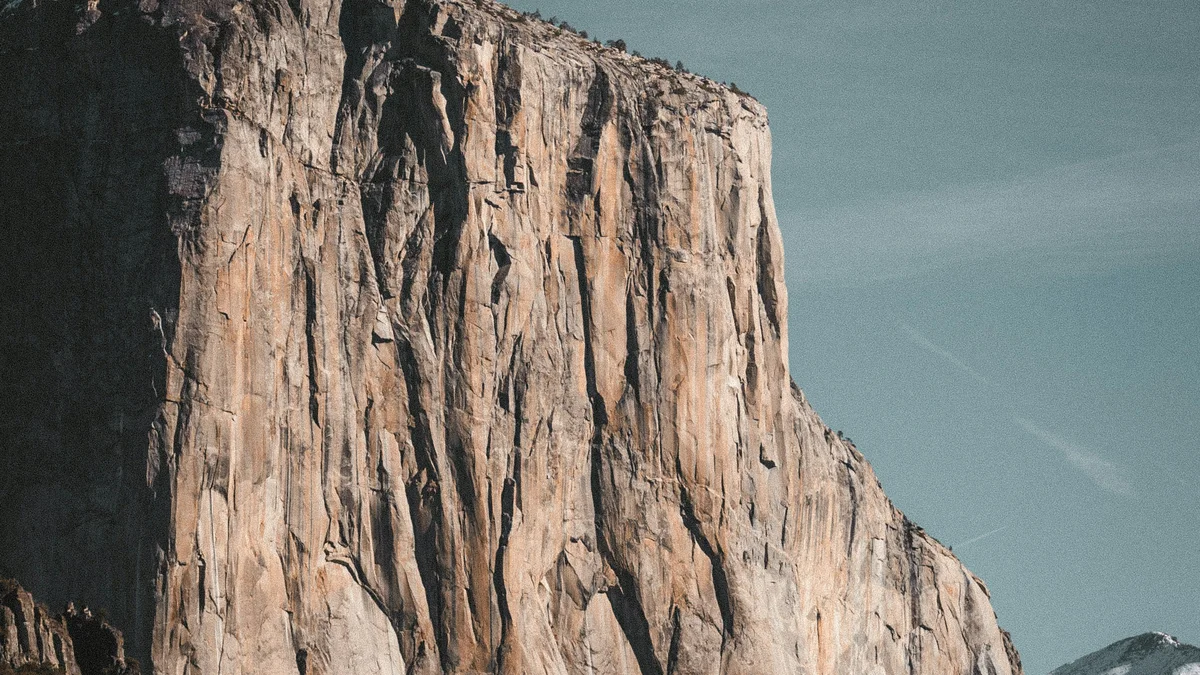
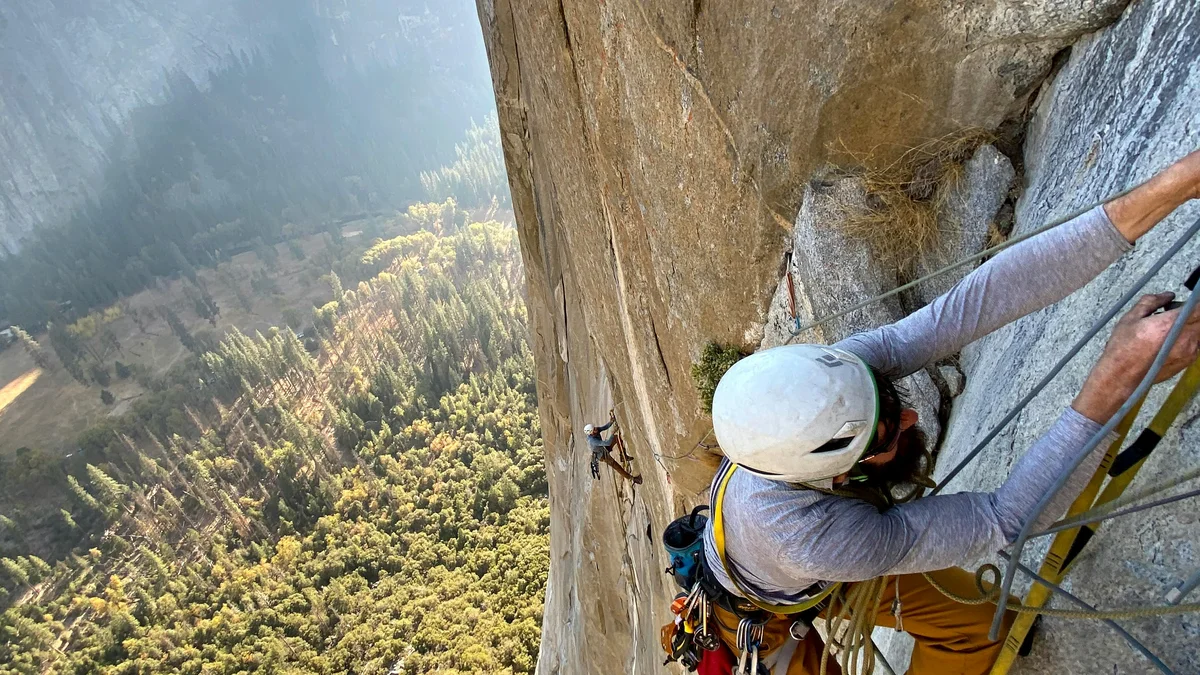
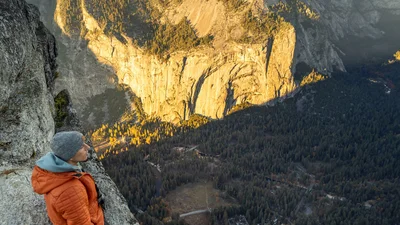
El Capitan is a sheer granite monolith rising about 3,000 feet from the floor of Yosemite Valley, one of the largest single blocks of exposed granite in the world. It's legendary among rock climbers as one of the sport's ultimate test pieces, made famous by climbers like Alex Honnold, who free-soloed the wall's Freerider route without ropes in 2017. Even without climbing, the meadow at its base is one of the best spots in the valley to watch tiny climbers on the wall through binoculars, especially in the golden evening light.
Visitor guide
El Capitan is a vertical granite monolith on the north side of Yosemite Valley, near the western end, rising about 3,000 feet from base to summit. Its summit stands at roughly 7,570 feet above sea level, and its sheer face is one of the most recognizable sights in any national park and a defining objective in the history of rock climbing. From the valley floor it is visible for miles, which makes it one of the easiest great monuments to see without leaving the road.
El Capitan is made mostly of pale, coarse-grained granite about 100 million years old, from the Cretaceous period. The uppermost cliff is Taft Granite, and dark diorite veins cut through the lighter rock, forming the pattern climbers call the North America Wall. Glaciers carved Yosemite Valley over several ice ages, and the granite here has few joints, so the ice eroded it less than the more fractured rock around it. That resistance is why the wall survived as a clean vertical face. The Texas Flake, a slowly detaching block roughly halfway up, reflects tension stored in the rock.
The Mariposa Battalion named the formation El Capitan, loosely 'the captain' or 'the chief', when it entered the valley in 1851. The Miwok name is recorded as Tutokanula. Sources disagree on its meaning: one early account gives 'rock chief,' while Miwok tradition links the name to a creation story featuring an inchworm, so it is safest to say the meaning is debated.
The first ascent of The Nose came on November 12, 1958, by Warren Harding, Wayne Merry and George Whitmore, after a siege-style effort lasting 47 days spread over about 17 months, according to the National Park Service. Royal Robbins and partners made the second ascent in 1960 in seven days. Robbins made the first solo ascent, on the Muir Wall, in 1968. Over the following decades the routes were gradually climbed free, including Lynn Hill's free ascent of The Nose in 1993, and the wall now carries well over 70 routes.
In January 2015 Tommy Caldwell and Kevin Jorgeson completed the first free climb of the Dawn Wall, a 19-day effort on one of the hardest big-wall routes in the world. On June 3, 2017, Alex Honnold climbed the Freerider line without ropes in 3 hours 56 minutes, the subject of the 2018 documentary Free Solo. Honnold and Caldwell later set the Nose speed record of 1 hour 58 minutes 7 seconds, in June 2018.
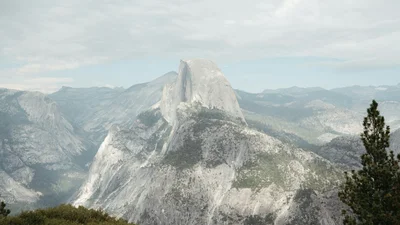
You do not need to be a climber to appreciate it. The open fields at the base of the cliff, known as El Capitan Meadow, along the valley road are the classic spot to watch for climbers' tiny silhouettes, and in good light you may spot the haul bags and portaledges of parties spending several days on the wall. Binoculars or a spotting scope help considerably. Sunset light turns the granite gold, and the view also frames well from Tunnel View and from Glacier Point, where the face is seen at an angle with Half Dome opposite.
Climbing parties generally start in spring and fall when the weather is moderate; traffic along the valley road can be heavy at peak times, which is one reason a private vehicle and driver is convenient: you can stop at pull-outs safely while someone else handles parking. Always check with the Park Service for current road conditions, closures and any climbing or wildlife-related restrictions.
See every tour and attraction we cover in Yosemite National Park.