 TorontoOntario · 17 tours
 Niagara FallsOntario · 17 tours
 New York CityNew York · 8 tours
 Las VegasNevada · 8 tours
 San FranciscoCalifornia · 16 tours
 VancouverBritish Columbia · 17 tours
 DubaiUAE · 44 tours
 Abu DhabiUAE · 5 tours
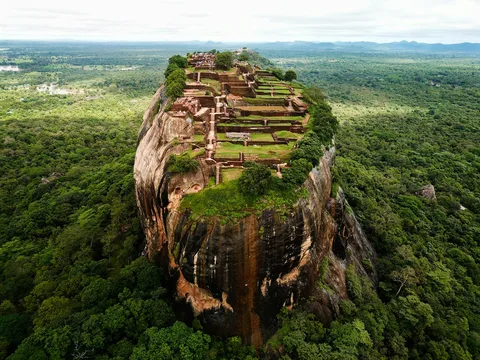 Sri LankaSri Lanka · 16 tours
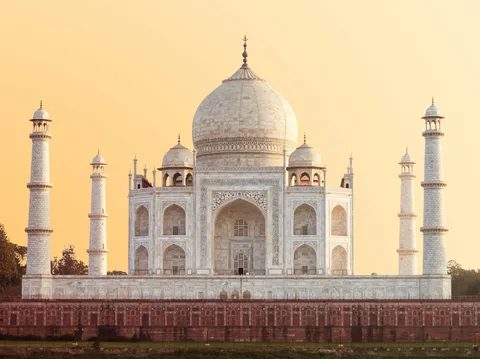 IndiaIndia · 13 tours
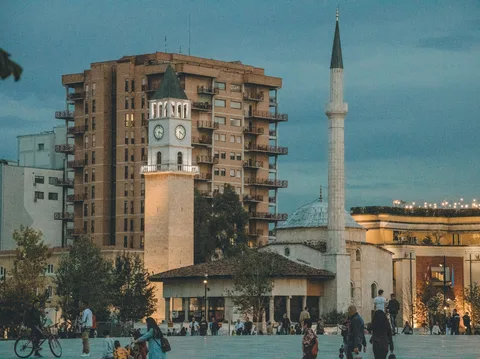 AlbaniaAlbania · 10 tours
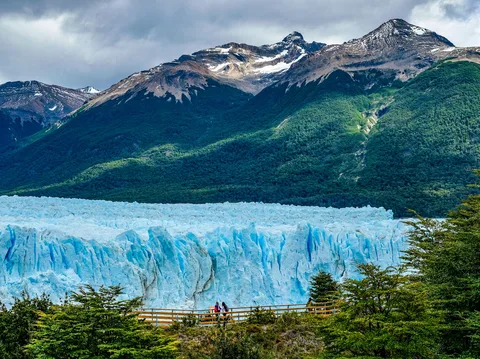 ArgentinaArgentina · 8 tours
No destinations match “”.
Voyzo runs 2 private tours across 1 destination in Panama, covering 7 attractions — each with your own guide, driver, and vehicle, and an itinerary built around your group rather than a fixed bus schedule.
Panama is a narrow isthmus connecting Central and South America — barely 80 km wide at its narrowest point — and that geography is the whole reason it exists as an independent country: the Panama Canal, which cuts through the middle of it, was central to Panama's 1903 separation from Colombia and remains one of the world's most important shipping routes, with Panama holding full control of it since 2000. Spanish is the official language, the population is around 4.4 million, and Panama uses the US dollar directly as everyday currency (officially called the balboa and pegged 1:1, but US bills are what actually circulates).
Voyzo's Panama routes take in Panama City's colonial Casco Viejo and the Miraflores Locks, where you can watch ships transit the canal, then head out to the coasts and highlands in either direction — the Caribbean-facing San Blas Islands, governed by the semi-autonomous Guna people, the cloud forests and coffee farms of Boquete in the Chiriquí highlands, and Bocas del Toro's Caribbean archipelago.
Panama's land-bridge geography also makes it unusually biodiverse for its size, with rainforest reserves close enough to the capital for day trips. Its highlights split across coast, canal, and highlands that don't sit on one road, so Voyzo runs every route as a private, driver-led circuit, with boats or short flights covering the legs a car genuinely can't reach (San Blas, Bocas del Toro) — including the one route originally sold as a self-drive rental, which Voyzo runs the same way but with a private driver instead.
The real stops Voyzo's own itineraries are built around — tap any attraction to learn more.
 Panama Canal (Miraflores Locks)
Panama
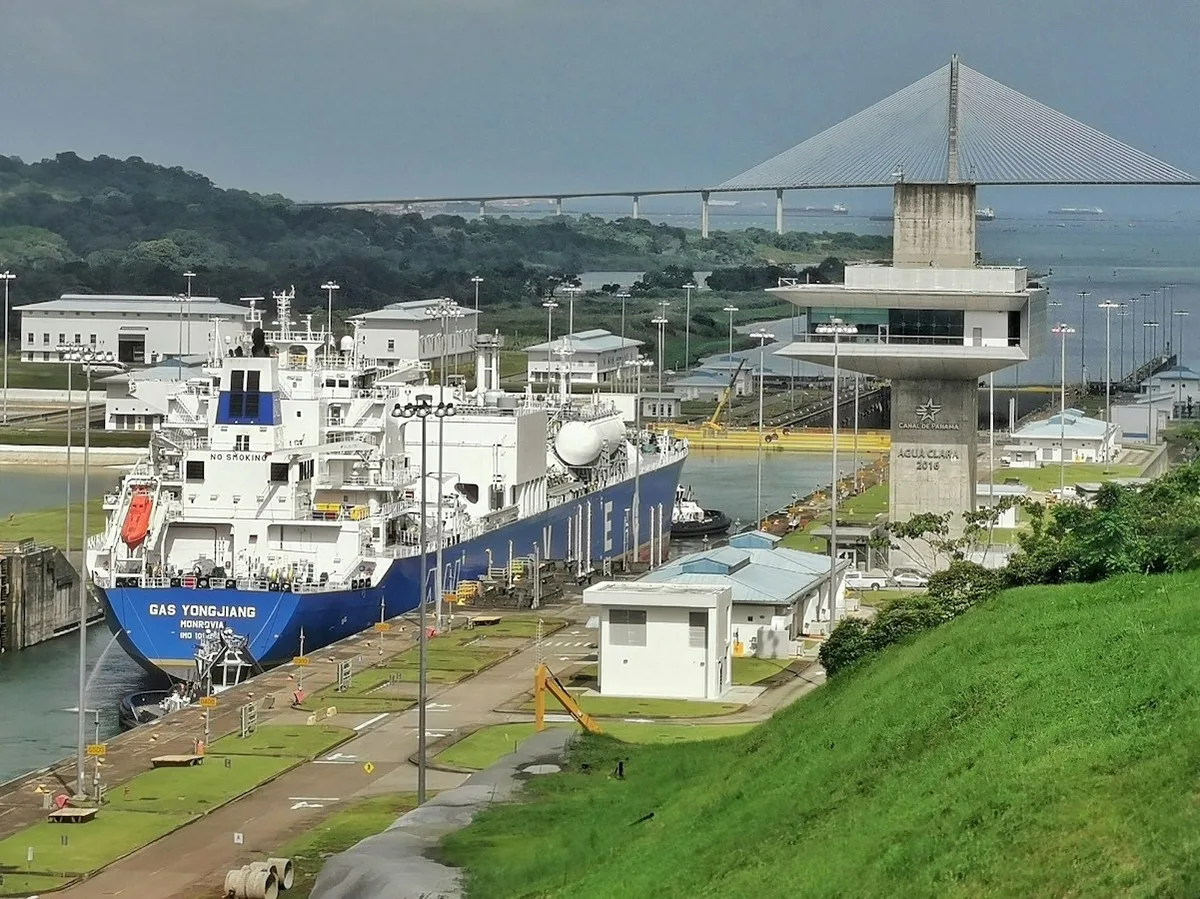
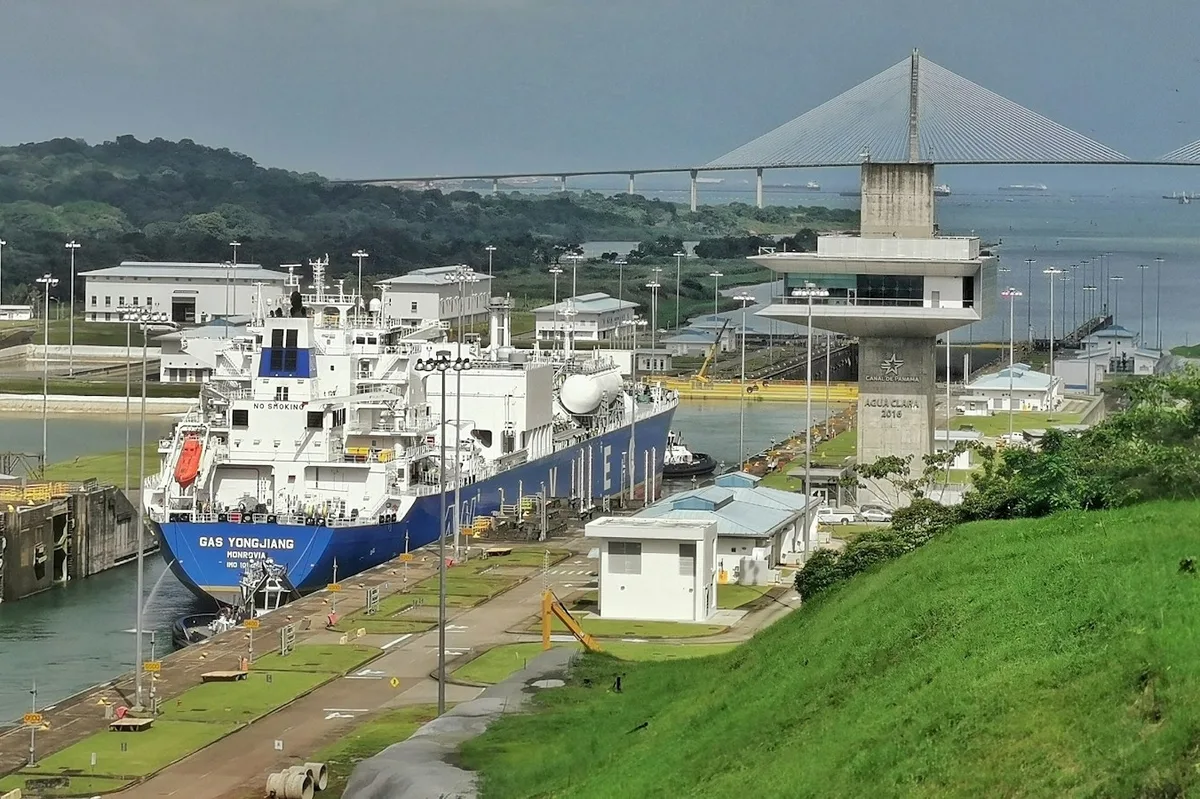
The Miraflores Locks visitor center lets you watch container ships and tankers transit the Panama Canal at close range, alongside an interoceanic canal museum.
2
Panama Canal (Miraflores Locks)
Panama
The Miraflores Locks visitor center lets you watch container ships and tankers transit the Panama Canal at close range, alongside an interoceanic canal museum.
2
 Casco Viejo
Panama
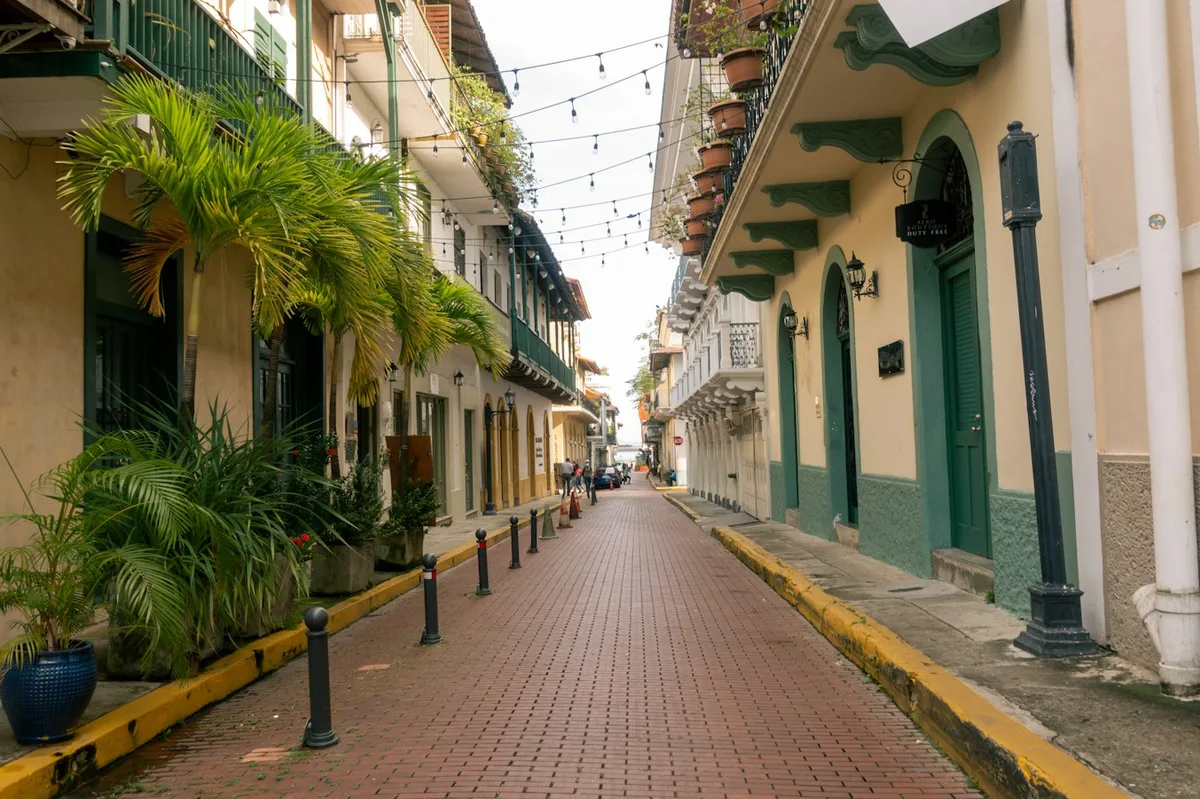
Panama City's colonial old town, a UNESCO World Heritage Site of restored Spanish-colonial buildings, plazas, and rooftop bars overlooking the bay.
3
Casco Viejo
Panama
Panama City's colonial old town, a UNESCO World Heritage Site of restored Spanish-colonial buildings, plazas, and rooftop bars overlooking the bay.
3
 San Blas Islands
Panama
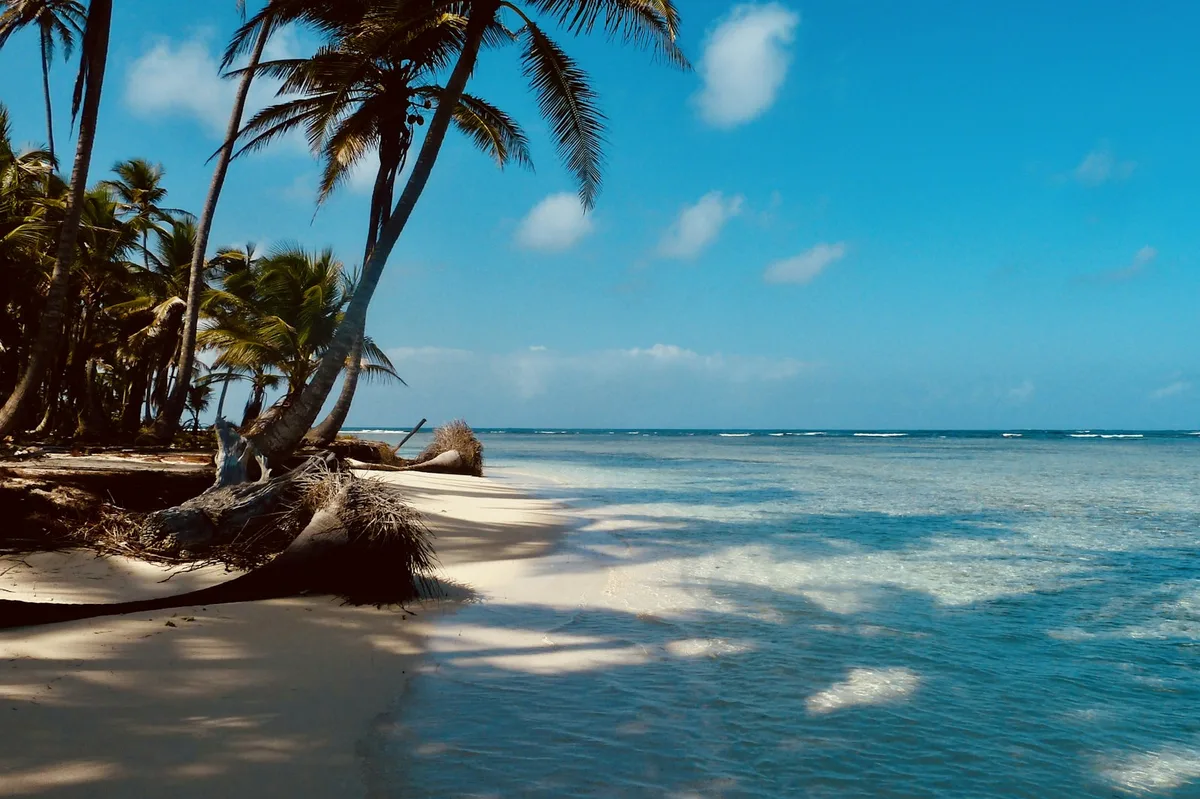
A Caribbean archipelago of small, palm-covered islands governed by the Guna people, reached by boat from Panama's northern coast.
4
San Blas Islands
Panama
A Caribbean archipelago of small, palm-covered islands governed by the Guna people, reached by boat from Panama's northern coast.
4
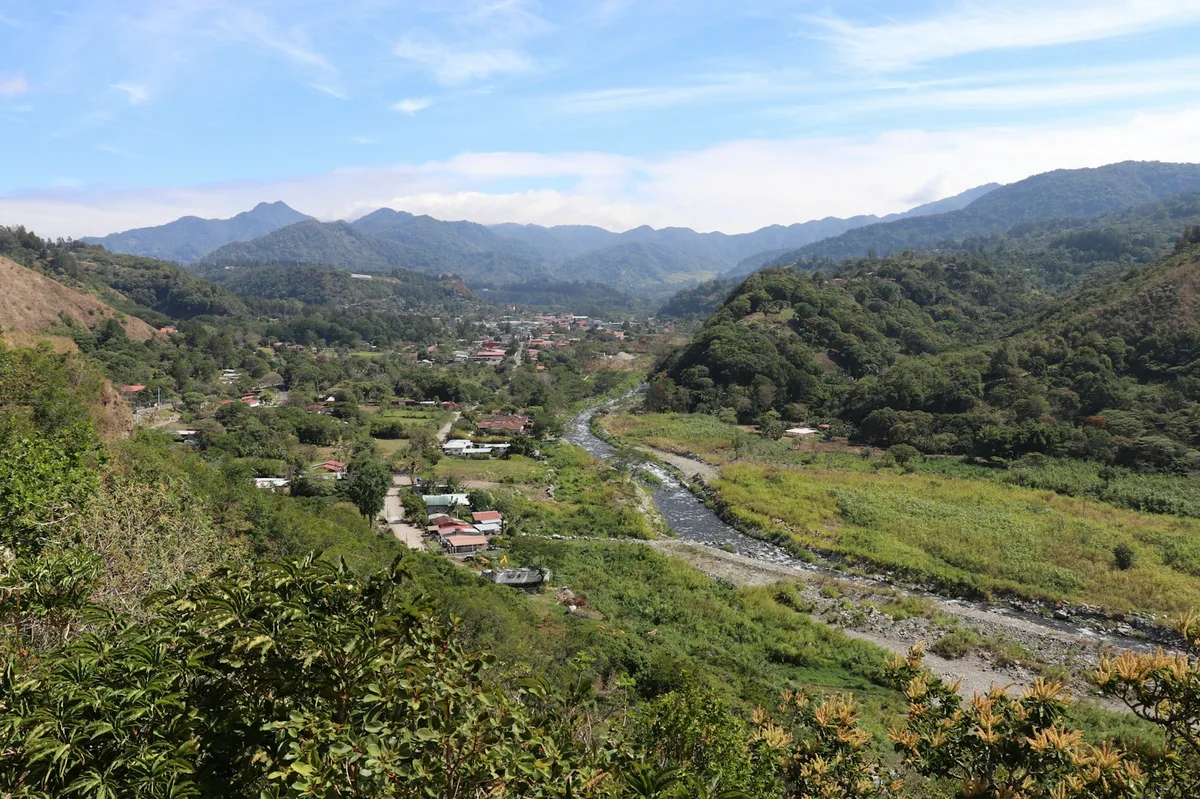 Boquete Highlands
Panama
A cool, mountainous coffee-growing region in Chiriquí province, with cloud-forest hikes in Baru Volcano National Park and views over the highlands.
5
Boquete Highlands
Panama
A cool, mountainous coffee-growing region in Chiriquí province, with cloud-forest hikes in Baru Volcano National Park and views over the highlands.
5
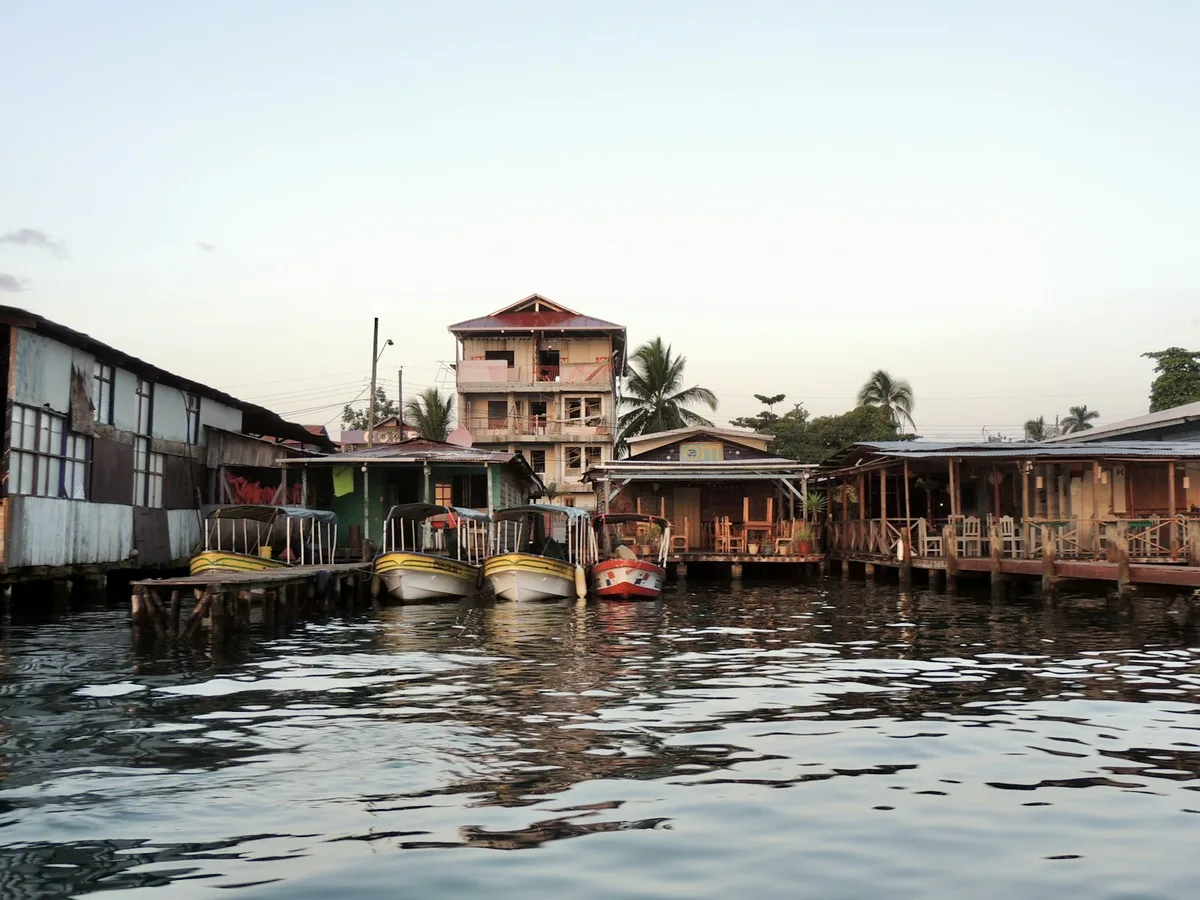 Bocas del Toro
Panama
A Caribbean archipelago off Panama's northwest coast, its main town built on stilts over the water, known for coral reefs, mangroves, and a laid-back surf-and-sail culture.
6
Bocas del Toro
Panama
A Caribbean archipelago off Panama's northwest coast, its main town built on stilts over the water, known for coral reefs, mangroves, and a laid-back surf-and-sail culture.
6
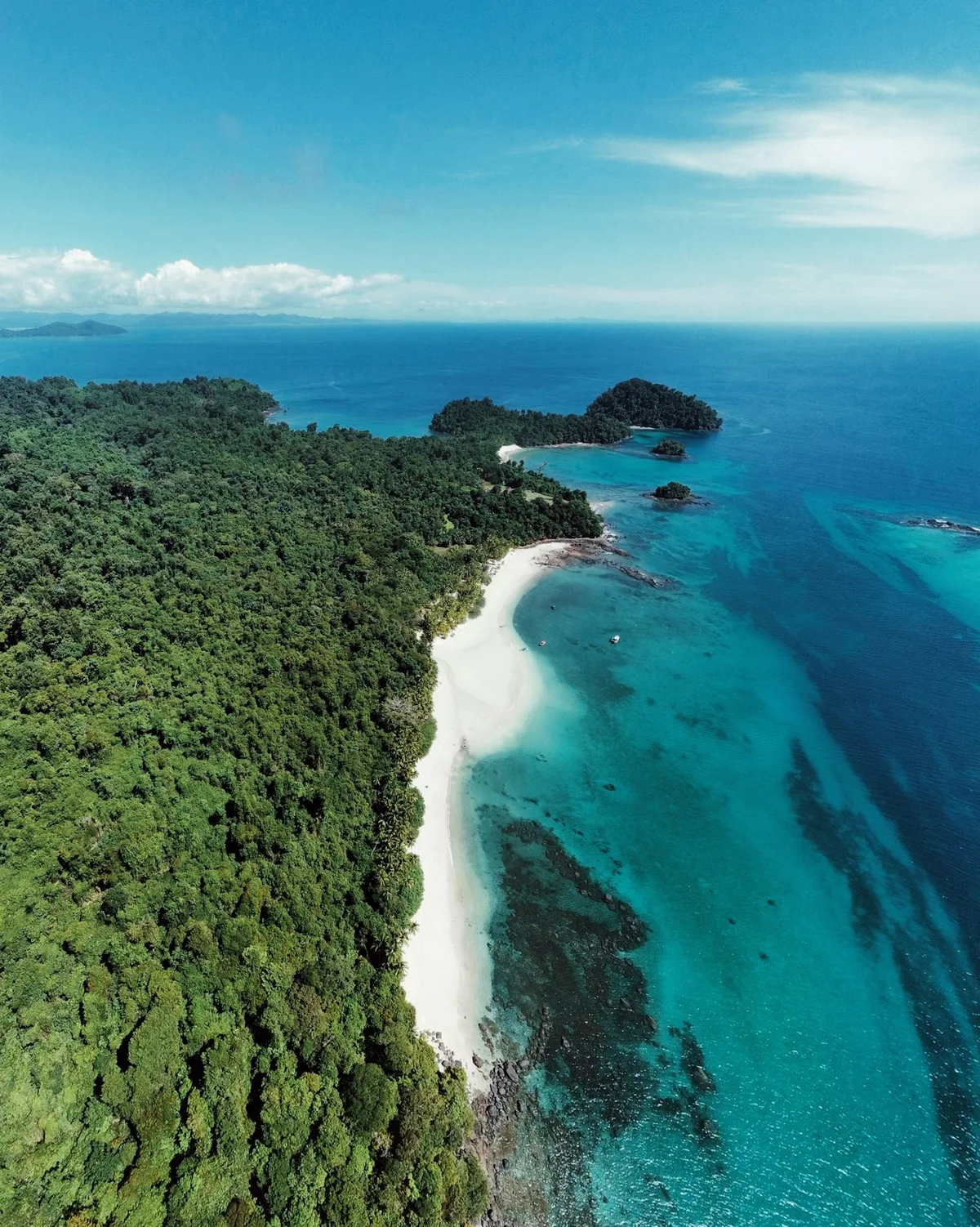 Coiba National Park
Panama
A UNESCO World Heritage marine park off Panama's Pacific coast, its largely uninhabited main island and surrounding reefs protecting some of the healthiest coral and biggest schools of fish in the Eastern Pacific.
7
Coiba National Park
Panama
A UNESCO World Heritage marine park off Panama's Pacific coast, its largely uninhabited main island and surrounding reefs protecting some of the healthiest coral and biggest schools of fish in the Eastern Pacific.
7
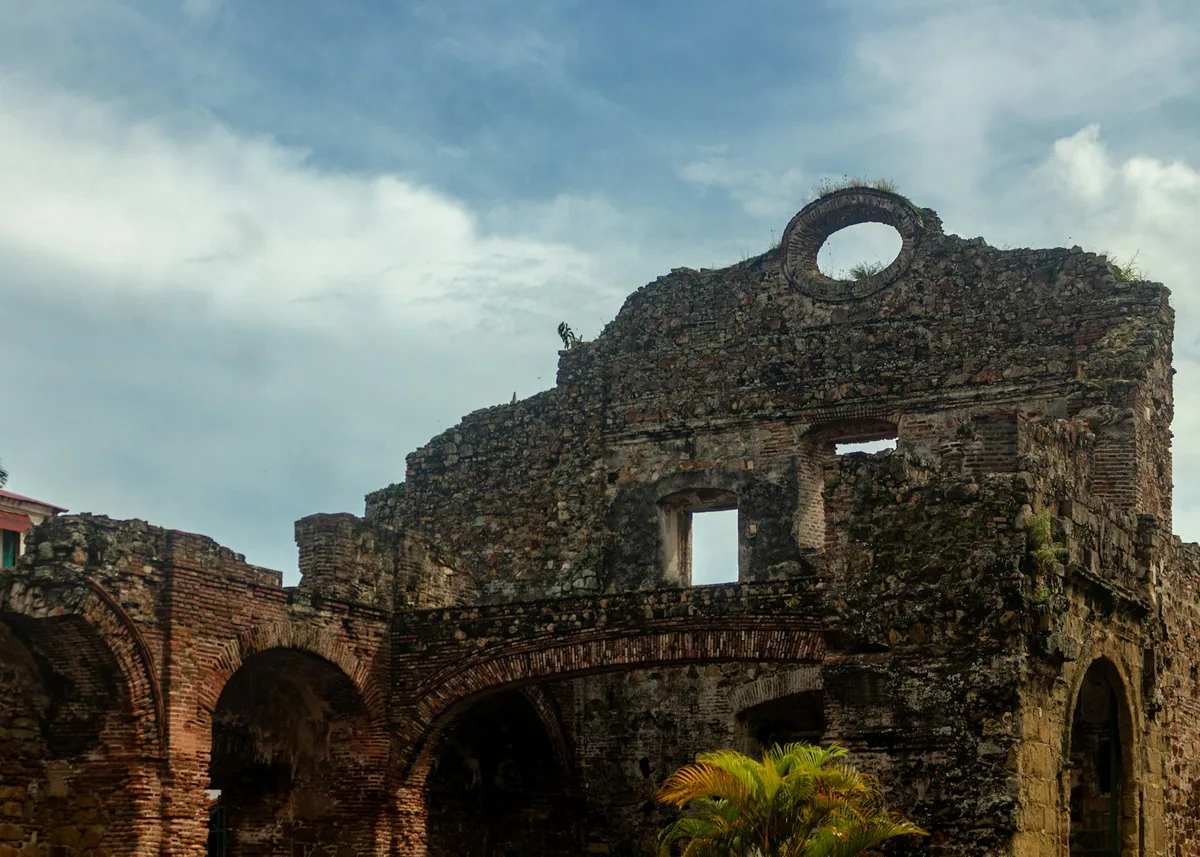 Panama Viejo
Panama
The stone ruins of the original Panama City, founded in 1519 and destroyed by the pirate Henry Morgan in 1671 — its cathedral tower still stands over the site, now a UNESCO World Heritage listing.
Multi-Day Tours
Panama Viejo
Panama
The stone ruins of the original Panama City, founded in 1519 and destroyed by the pirate Henry Morgan in 1671 — its cathedral tower still stands over the site, now a UNESCO World Heritage listing.
Multi-Day Tours
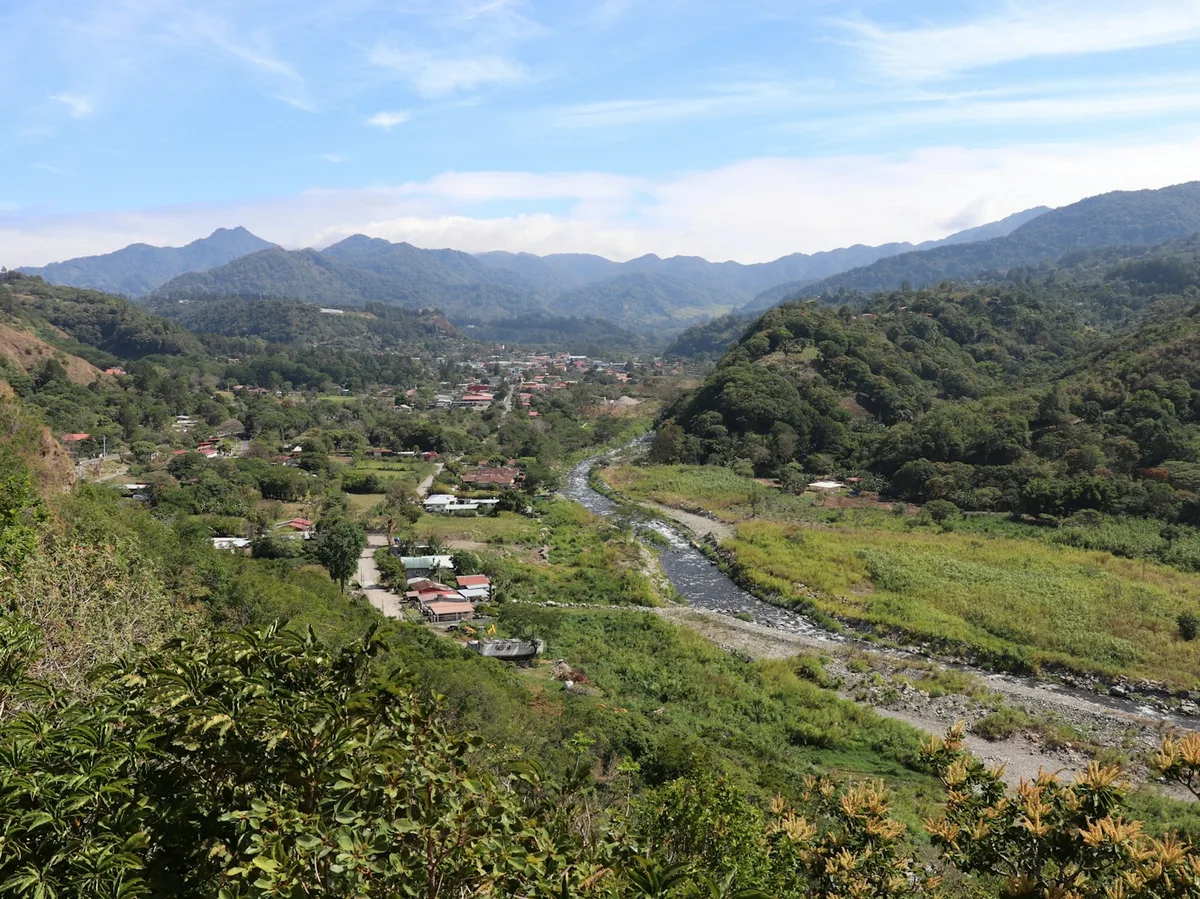
A 7-day private route from the San Blas mountain range's cloud forest and the Guna Yala islands, to the Panama Canal's Miraflores Locks, Panama City's colonial old town, and the volcanic crater town of El Valle de Antón.
 Multi-Day Tours
A 16-day route from the Caribbean coast and San Blas islands through Panama City and the Panama Canal, into the volcanic highlands of El Valle de Antón, the Coiba Archipelago, Boquete's cloud forest, and Bocas del Toro's islands.
Most Western nationalities — including US, UK, EU, Canadian, and Australian citizens — can enter Panama visa-free for tourism, typically for up to 90 days, though exact allowances vary by nationality, so it's worth confirming current rules before you travel.
Spanish is Panama's official language; English is common in Panama City's tourism industry and among Guna guides in San Blas, but less so once you're off the main tourist routes.
Panama City and the main tourist routes (the canal, Casco Viejo, Boquete, San Blas) are generally considered safe for travelers, with normal city precautions advisable in parts of Panama City after dark, as in most Latin American capitals.
Panama uses the US dollar directly as everyday currency (officially the balboa, pegged 1:1, but US bills are what circulates), which means no currency exchange is needed for US travelers and pricing is straightforward for everyone else too.
Panama's land-bridge geography between North and South America makes it unusually biodiverse for its size, with rainforest reserves close enough to Panama City for day trips — sloths, toucans, and monkeys are realistic sightings without traveling deep into the interior.
Panama uses US-style two- and three-pin plugs and 120V power, so US travelers don't need an adapter or converter; travelers from elsewhere will.
Tell us your group size and dates — we'll take care of the rest.