TorontoOntario · 36 tours
 Niagara FallsOntario · 25 tours
 New York CityNew York · 30 tours
 Las VegasNevada · 8 tours
 San FranciscoCalifornia · 16 tours
 VancouverBritish Columbia · 17 tours
 DubaiUAE · 54 tours
 Abu DhabiUAE · 5 tours
 Buenos AiresArgentina · 23 tours
 AthensGreece · 31 tours
 AucklandNew Zealand · 38 tours
 CancunMexico · 54 tours
No destinations match “”. Try searching all tours instead — that search understands full questions, not just place names.
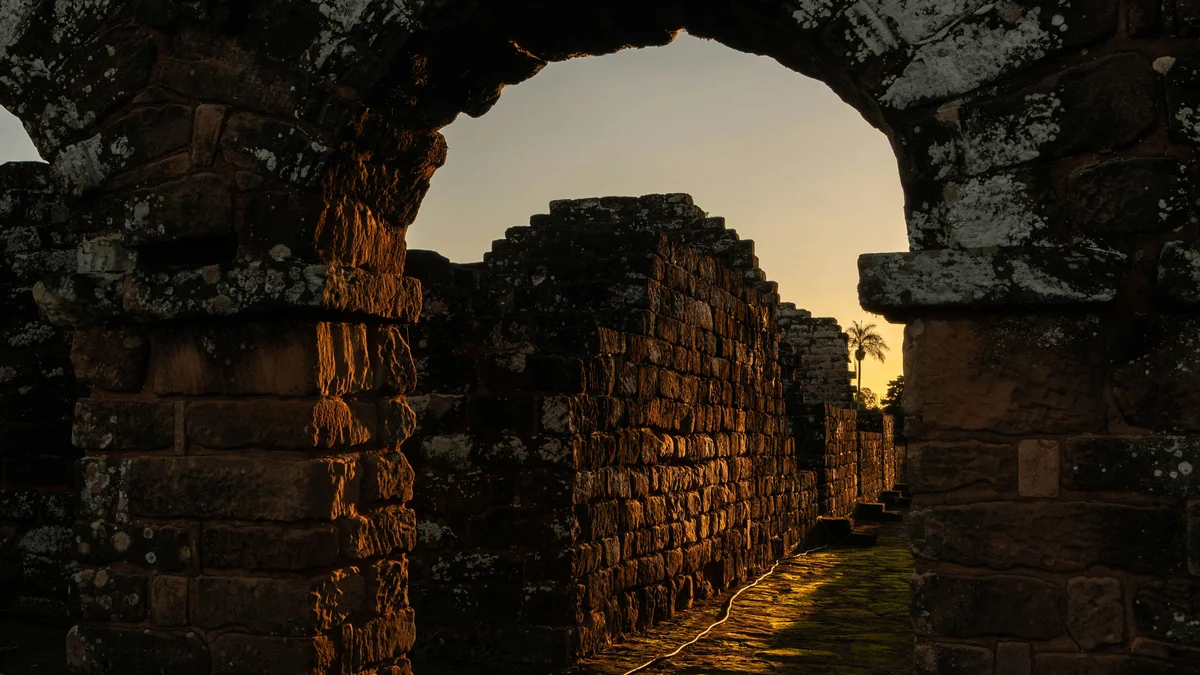
The largest and best-preserved of Paraguay's Jesuit reduction settlements, built in the early 1700s and inscribed as a UNESCO World Heritage Site in 1993. Its ruined stone church, bell tower, and central plaza remain remarkably intact, with carved reliefs made by Guaraní artisans under Jesuit missionaries.
 Multi-Day Tours
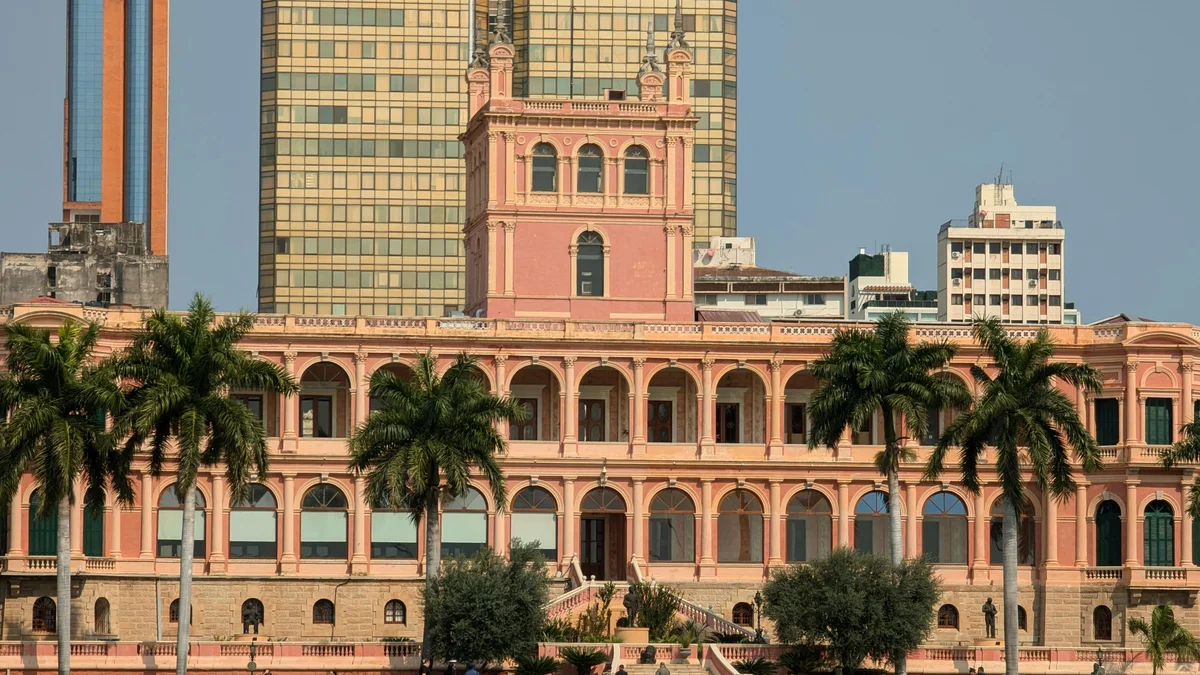
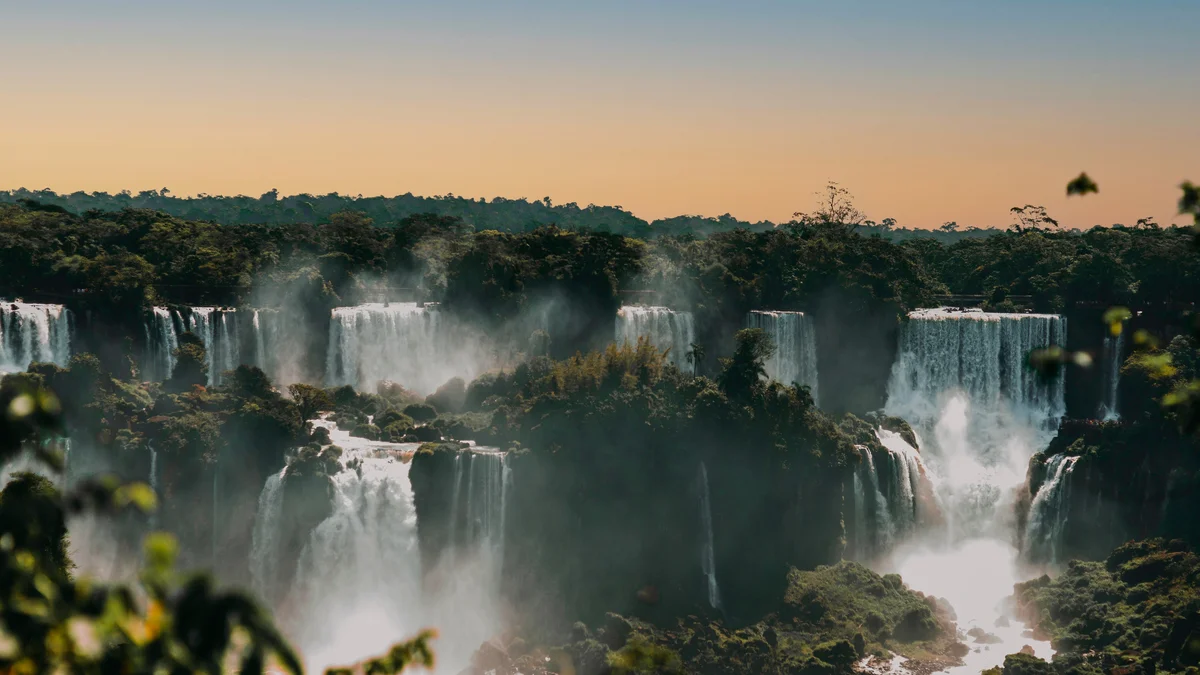
A comprehensive, custom-paced circuit through Paraguay's real highlights — colonial Asunción, the artisan towns of the Golden Circuit, the UNESCO Jesuit mission ruins, the Itaipu Dam, and a finish at Iguazu Falls.
 Multi-Day Tours
A focused private trip from Asunción through Paraguay's colonial mission towns and UNESCO-listed Jesuit ruins, finishing with a full day at Iguazu Falls.
Visitor guide
La Santisima Trinidad de Parana is the ruin of a former Jesuit mission settlement, or reduccion, in Itapua department in southern Paraguay, near the city of Encarnacion. Together with the nearby mission of Jesus de Tavarangue, it was inscribed as a UNESCO World Heritage Site in 1993 and is regarded as one of the best-preserved examples of the Jesuit mission system in the Rio de la Plata region.
The Jesuits founded about thirty missions in what are now Paraguay, Brazil, Argentina and Bolivia. According to Wikipedia, the reductions were designed as self-sufficient towns, and nomadic Guarani groups settled in them in communities of roughly 2,000 to 3,000 people. The missionaries studied the Guarani language and developed a written form for it, an important contribution to literacy in the region. UNESCO describes the Trinidad and Jesus sites as part of a series of missions established by the Society of Jesus, seven of which were located in Paraguay.
Sources differ on the date of Trinidad's foundation. Wikipedia's article on the site gives 1706 and calls it one of the last reductions built in the Parana River area, while the UNESCO-linked article says it was founded in 1712 by Indigenous people from the San Carlos mission, now in Argentina. Trinidad is generally described as the largest of the Paraguayan missions. It followed the typical plan of a central plaza surrounded by the church, a meeting hall, a school, workshops and housing, with the plaza serving as the place for Mass, weddings and community events.
The ruined church is described as the largest temple of any Jesuit mission, with an altar carved from a single piece of stone. Visitors can still see carved stone elements and sculpted figures, and Wikipedia says the sculptures are said to depict the persecution of Indigenous people of that era. A museum in the old sacristy displays sculpture and a scale model of the mission. Modern restoration has stabilised the ruins.
The Jesuits were expelled from the Spanish colonies in 1767 to 1768, and the reductions were abandoned. Wikipedia says the church was damaged afterwards, with statues defaced and the ruins searched for gold. The town's relatively recent construction is credited with helping the buildings withstand weathering, and historical societies have kept the ruins in their present well-preserved state.
The site was inscribed in 1993, at the seventeenth session of the World Heritage Committee, under cultural criterion iv. UNESCO's property table lists the Trinidad core zone at about 12 hectares with a buffer zone of about 17 hectares.
Trinidad and Jesus de Tavarangue lie on a road from Encarnacion, a short drive from each other, so a private vehicle and driver can combine both missions in a single outing and wait while visitors explore the grounds. The ruins are mostly outdoors, so weather and heat affect comfort, and a guide can explain how the reductions functioned and who lived in them.
See every tour and attraction we cover in Paraguay.