 TorontoOntario · 17 tours
 Niagara FallsOntario · 17 tours
 New York CityNew York · 8 tours
 Las VegasNevada · 8 tours
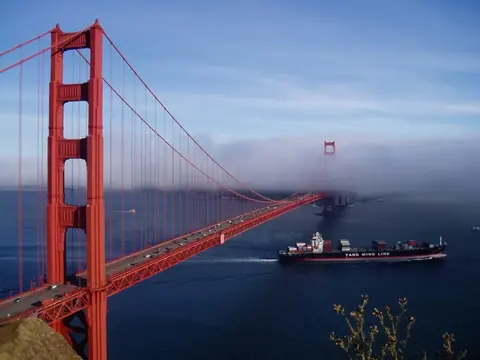 San FranciscoCalifornia · 16 tours
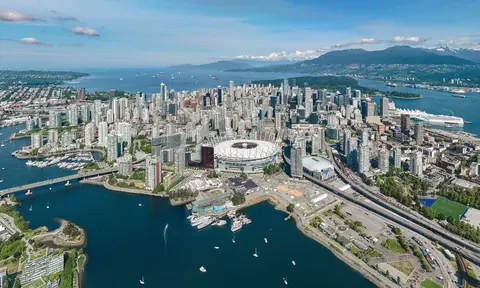 VancouverBritish Columbia · 17 tours
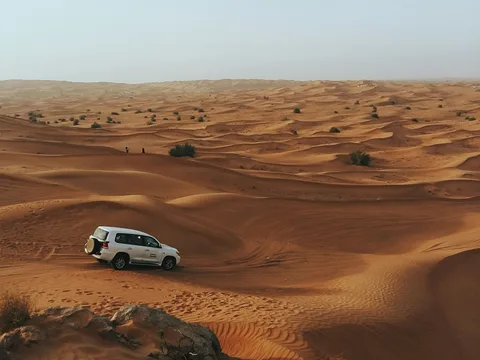 DubaiUAE · 44 tours
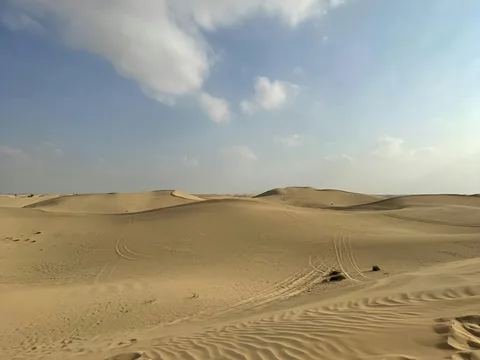 Abu DhabiUAE · 5 tours
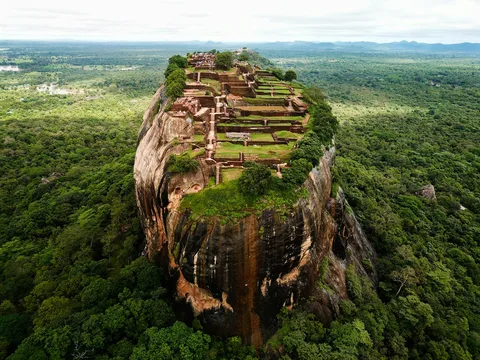 Sri LankaSri Lanka · 16 tours
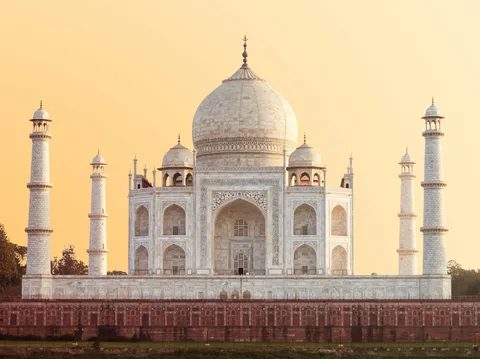 IndiaIndia · 13 tours
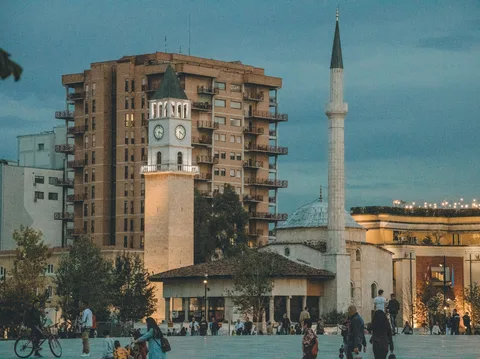 AlbaniaAlbania · 10 tours
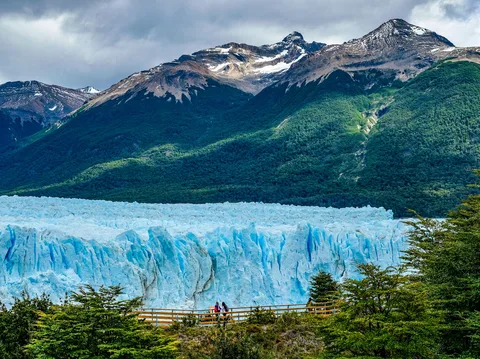 ArgentinaArgentina · 8 tours
No destinations match “”.
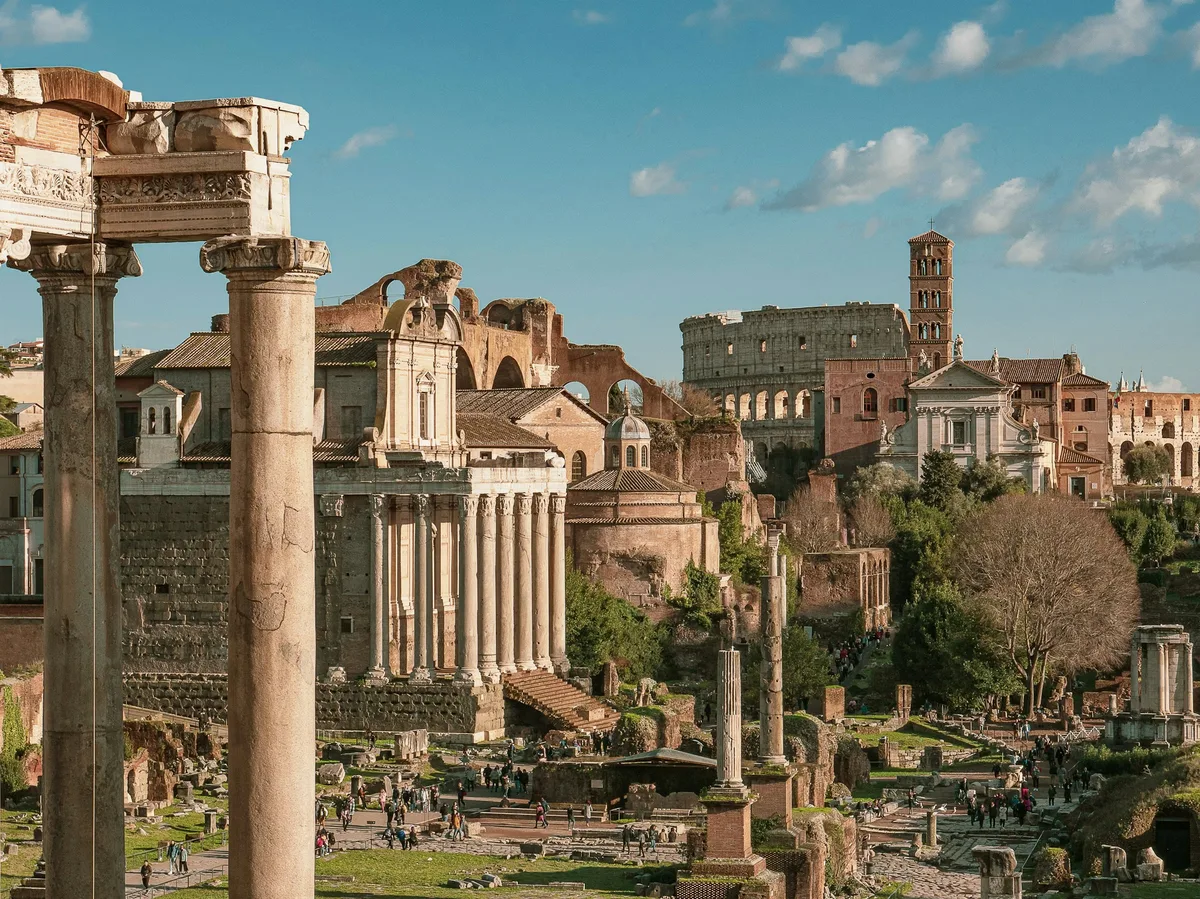
Voyzo runs 19 private tours across 1 destination in Italy, covering 11 attractions — each with your own guide, driver, and vehicle, and an itinerary built around your group rather than a fixed bus schedule.
Italy is a boot-shaped peninsula in southern Europe, stretching from the Alps along its northern border with France, Switzerland, Austria, and Slovenia down through the Mediterranean to Sicily and Sardinia, its two largest islands. It's a republic of about 59 million people organized into 20 regions, with Rome as its capital and Italian as the national language, though regional dialects and identities (Tuscan, Sicilian, Venetian, and others) remain distinct. Italy has been central to Western history for millennia, from the Roman Empire through the Renaissance, and Vatican City — an independent city-state — sits entirely within Rome itself.
Voyzo's Italy routes concentrate on the country's classic core and its most distinct regions: Rome, Florence, and Venice for art and history; Tuscany and Piedmont for hill towns and wine country; the Amalfi Coast and Sicily for coastline and ancient ruins; and the Italian Lakes and Dolomites in the north. It's a country where food and regional identity are inseparable — a meal in Bologna, Naples, or Palermo reflects genuinely different culinary traditions, not just a change of scenery.
As an EU and eurozone member, Italy is straightforward to enter and travel through for most visitors, but its regions differ sharply in how they're best covered. Voyzo runs every route with a private driver and vehicle, which matters most outside the big three cities — Tuscany's hill towns, the Amalfi Coast's cliff roads, and the Italian Lakes have limited public transit between smaller stops, unlike Rome, Florence, and Venice, which are well connected by train.
The real stops Voyzo's own itineraries are built around — tap any attraction to learn more.
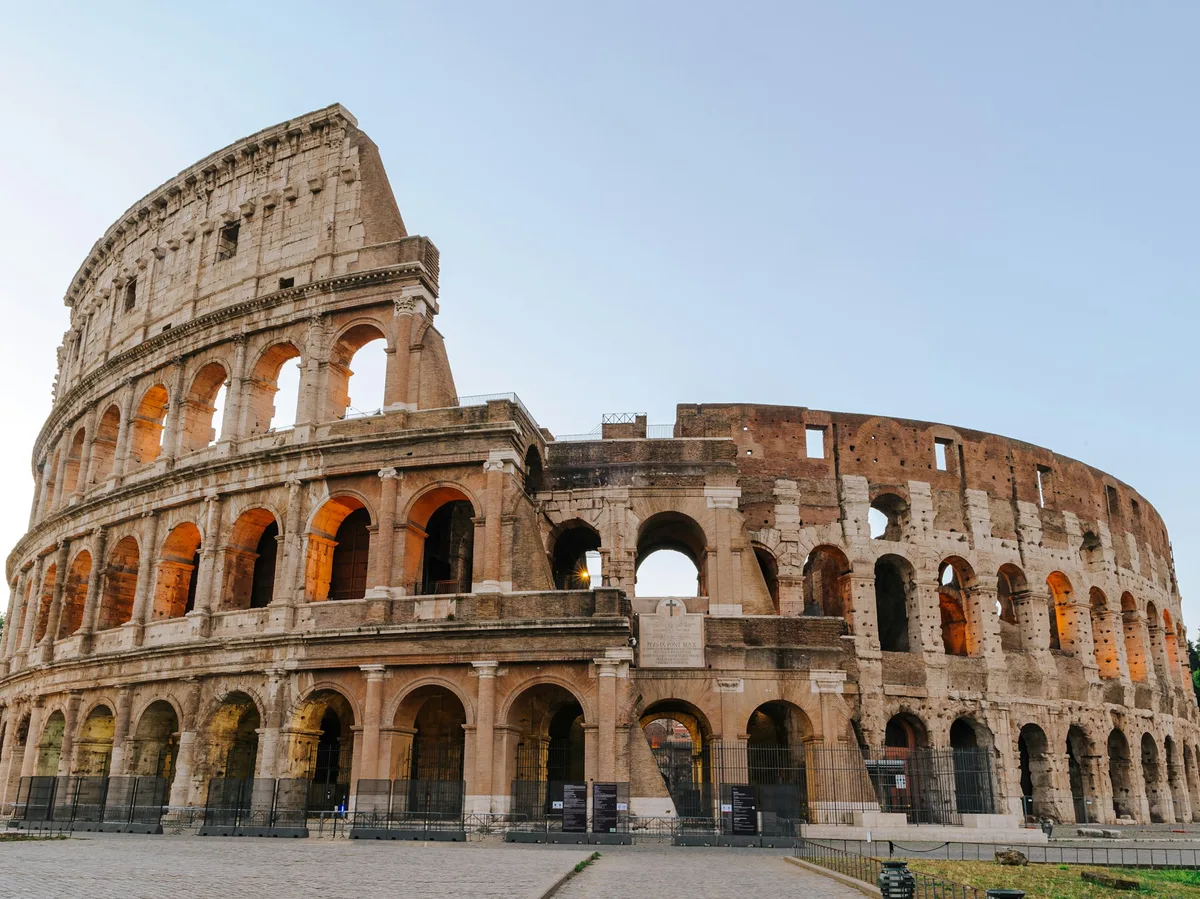 Colosseum
Italy
The largest amphitheater ever built by the Roman Empire, still standing at the heart of Rome nearly 2,000 years after gladiators fought inside it — paired on most itineraries with a walk through the neighboring Roman Forum.
2
Colosseum
Italy
The largest amphitheater ever built by the Roman Empire, still standing at the heart of Rome nearly 2,000 years after gladiators fought inside it — paired on most itineraries with a walk through the neighboring Roman Forum.
2
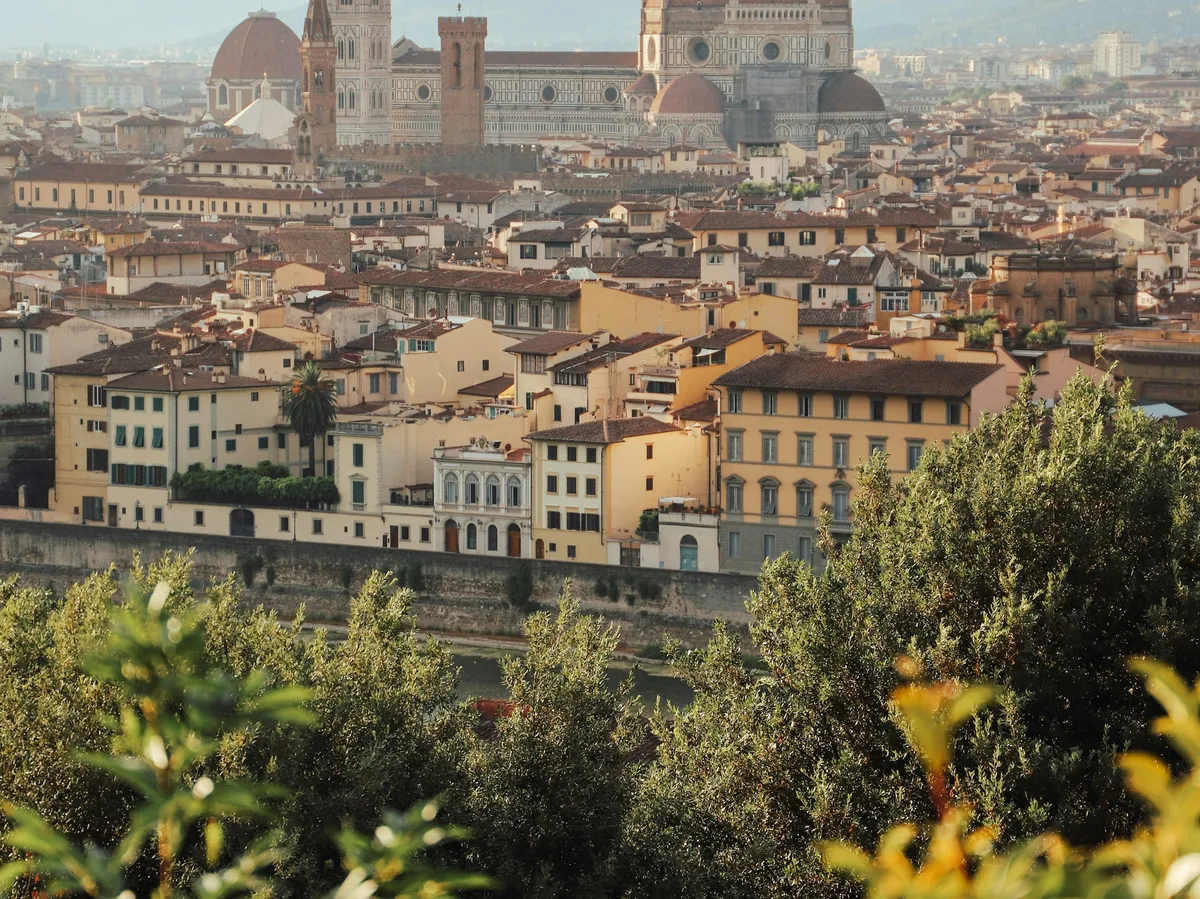 Duomo di Firenze
Italy
Florence's red-tiled cathedral dome, engineered by Brunelleschi and still the defining silhouette of the city's skyline — a fixture of nearly every Tuscany itinerary alongside the Uffizi and Accademia galleries.
3
Duomo di Firenze
Italy
Florence's red-tiled cathedral dome, engineered by Brunelleschi and still the defining silhouette of the city's skyline — a fixture of nearly every Tuscany itinerary alongside the Uffizi and Accademia galleries.
3
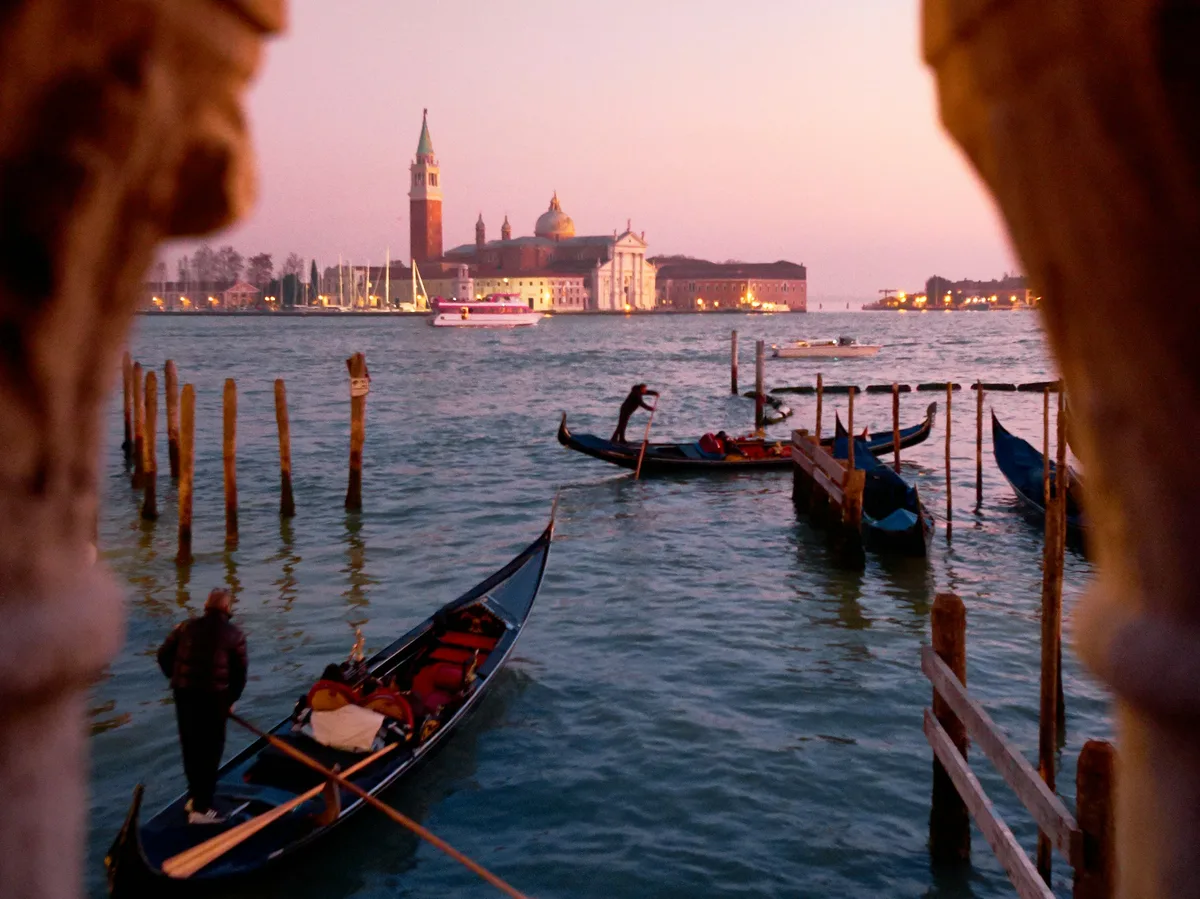 Venice's Grand Canal & St Mark's Square
Italy
Venice's main waterway winding past centuries of palazzos, opening onto St Mark's Square with its Basilica, Doge's Palace and Campanile — best seen from a gondola or private boat, as on most Venice itineraries.
4
Venice's Grand Canal & St Mark's Square
Italy
Venice's main waterway winding past centuries of palazzos, opening onto St Mark's Square with its Basilica, Doge's Palace and Campanile — best seen from a gondola or private boat, as on most Venice itineraries.
4
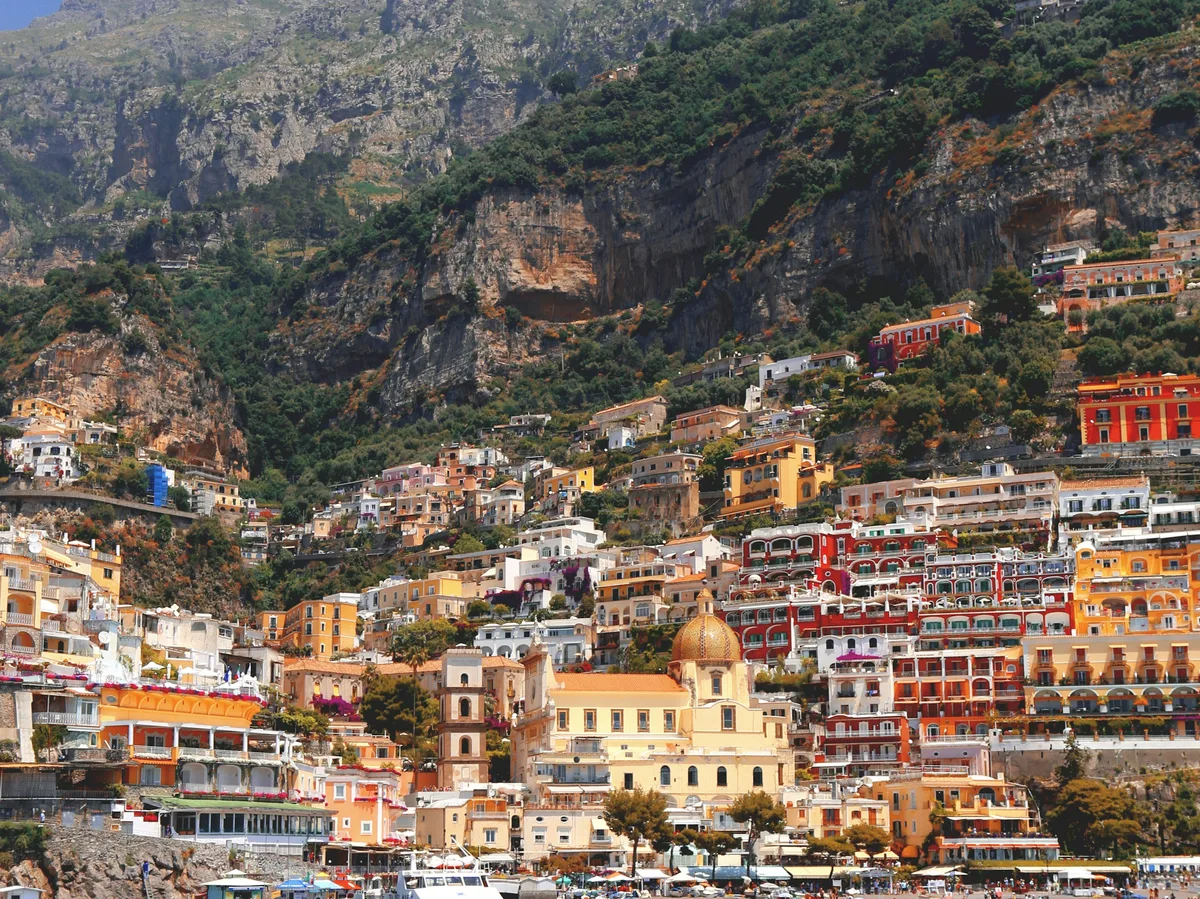
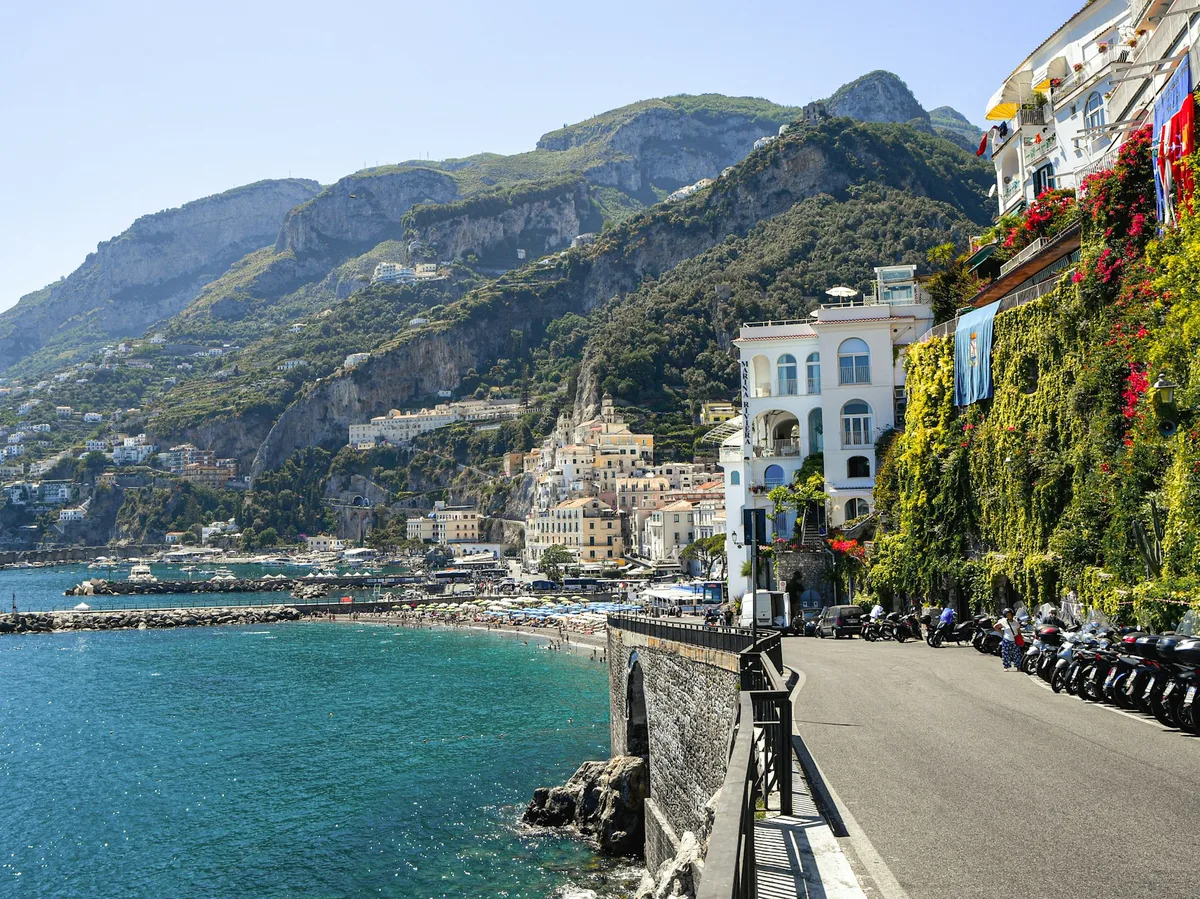 Amalfi Coast
Italy
A cliffside stretch of pastel-colored towns — Positano, Amalfi and Ravello — strung along hairpin coastal roads above the Tyrrhenian Sea, a highlight of nearly every southern Italy and honeymoon itinerary.
5
Amalfi Coast
Italy
A cliffside stretch of pastel-colored towns — Positano, Amalfi and Ravello — strung along hairpin coastal roads above the Tyrrhenian Sea, a highlight of nearly every southern Italy and honeymoon itinerary.
5
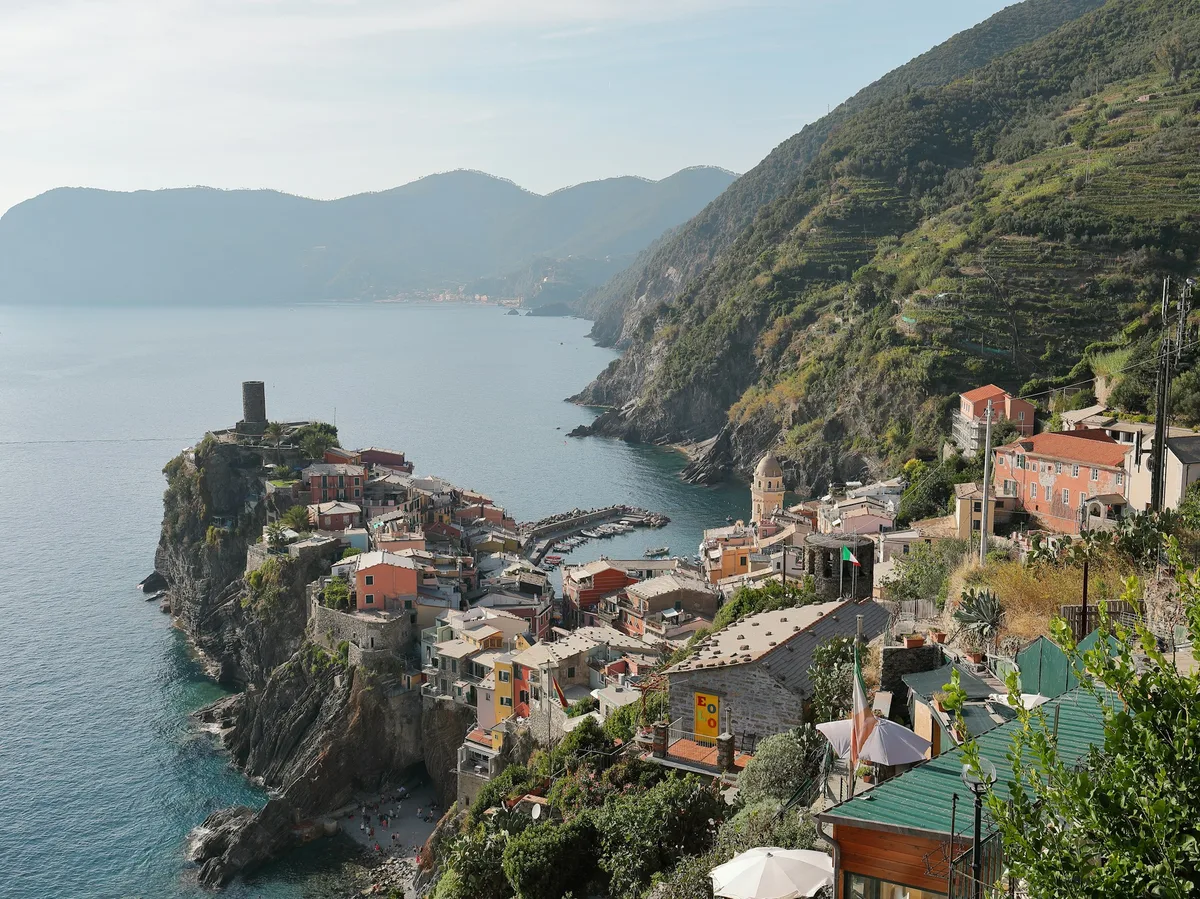 Cinque Terre
Italy
Five UNESCO-listed fishing villages — Monterosso, Vernazza, Corniglia, Manarola and Riomaggiore — clinging to cliffs along the Italian Riviera, linked by trains, boats and coastal footpaths.
6
Cinque Terre
Italy
Five UNESCO-listed fishing villages — Monterosso, Vernazza, Corniglia, Manarola and Riomaggiore — clinging to cliffs along the Italian Riviera, linked by trains, boats and coastal footpaths.
6
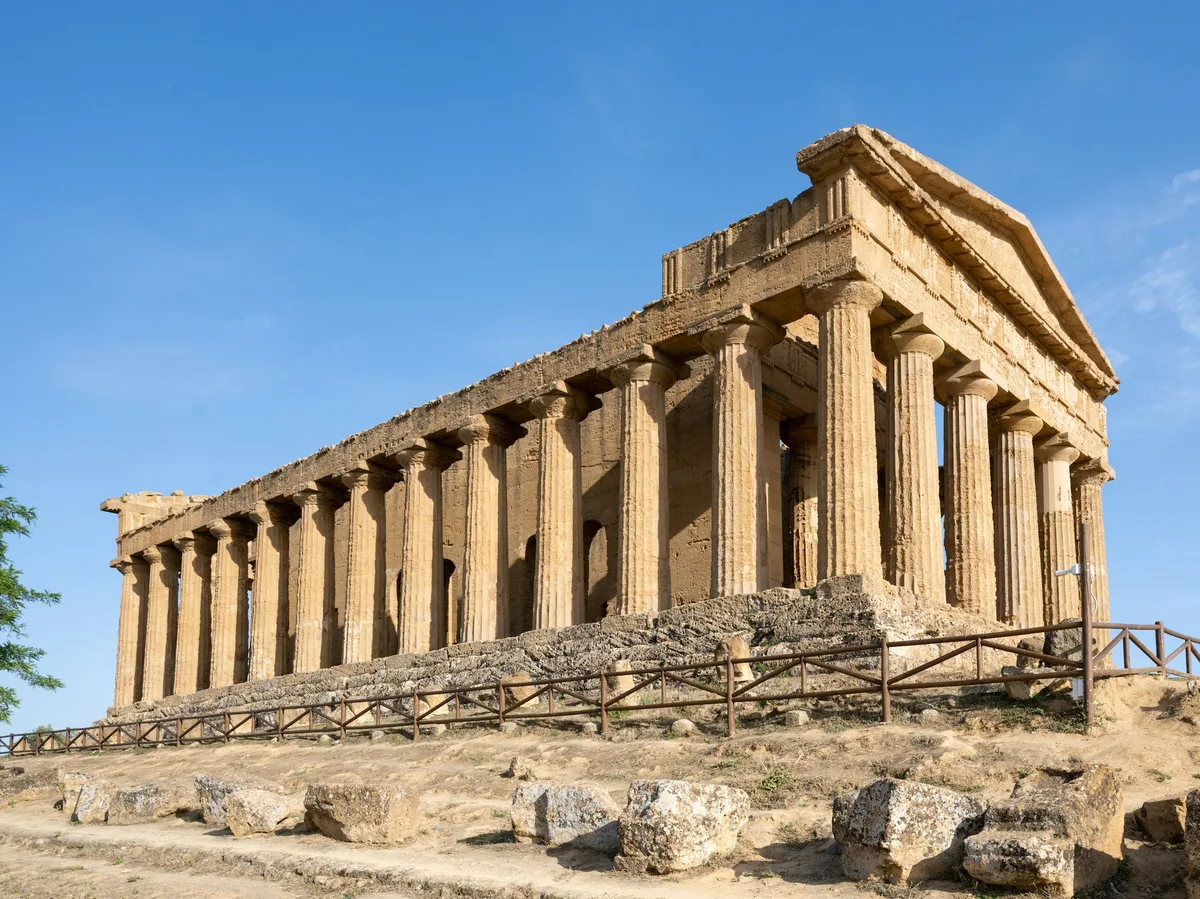
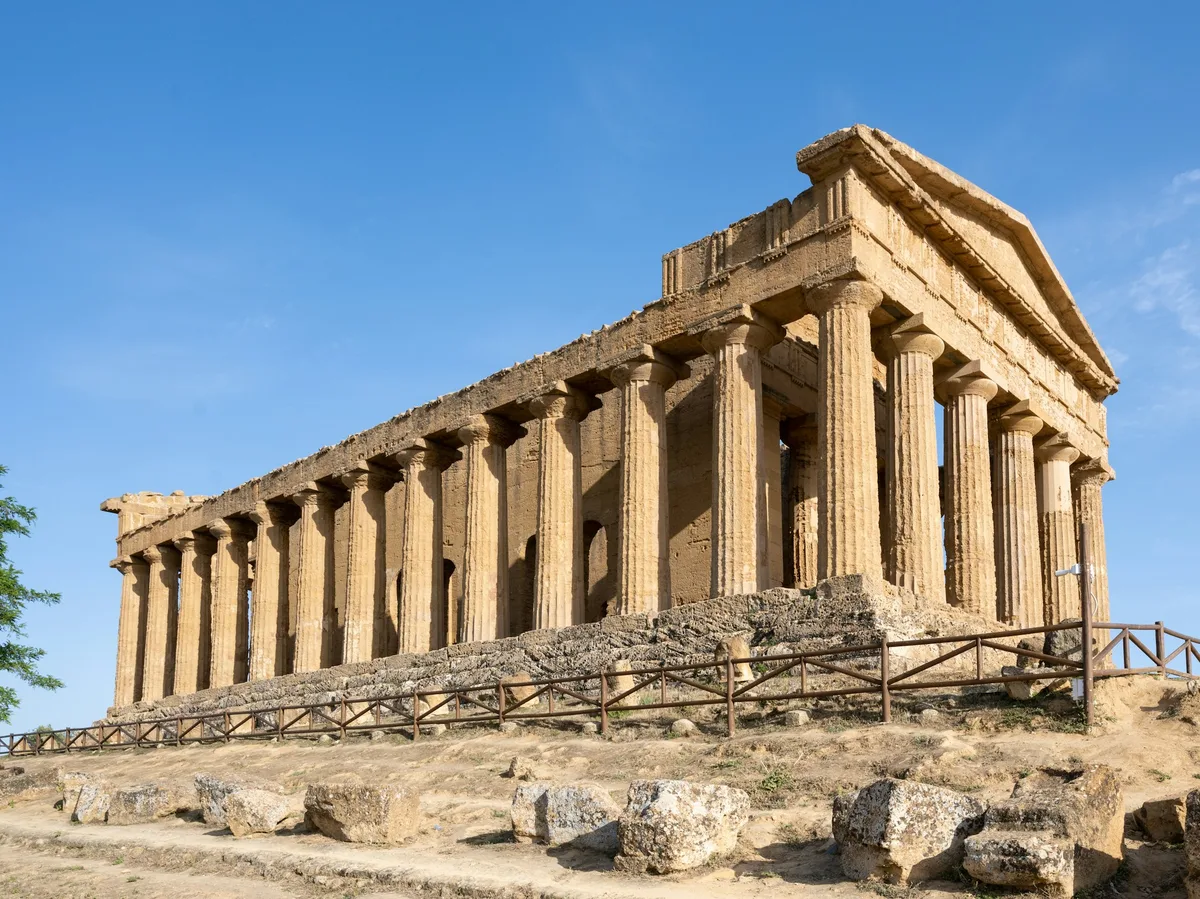 Valley of the Temples
Italy
A UNESCO World Heritage archaeological park outside Agrigento, Sicily, where the ruins of Greek Doric temples — including the well-preserved Temple of Concordia — stand above the coastline.
7
Valley of the Temples
Italy
A UNESCO World Heritage archaeological park outside Agrigento, Sicily, where the ruins of Greek Doric temples — including the well-preserved Temple of Concordia — stand above the coastline.
7
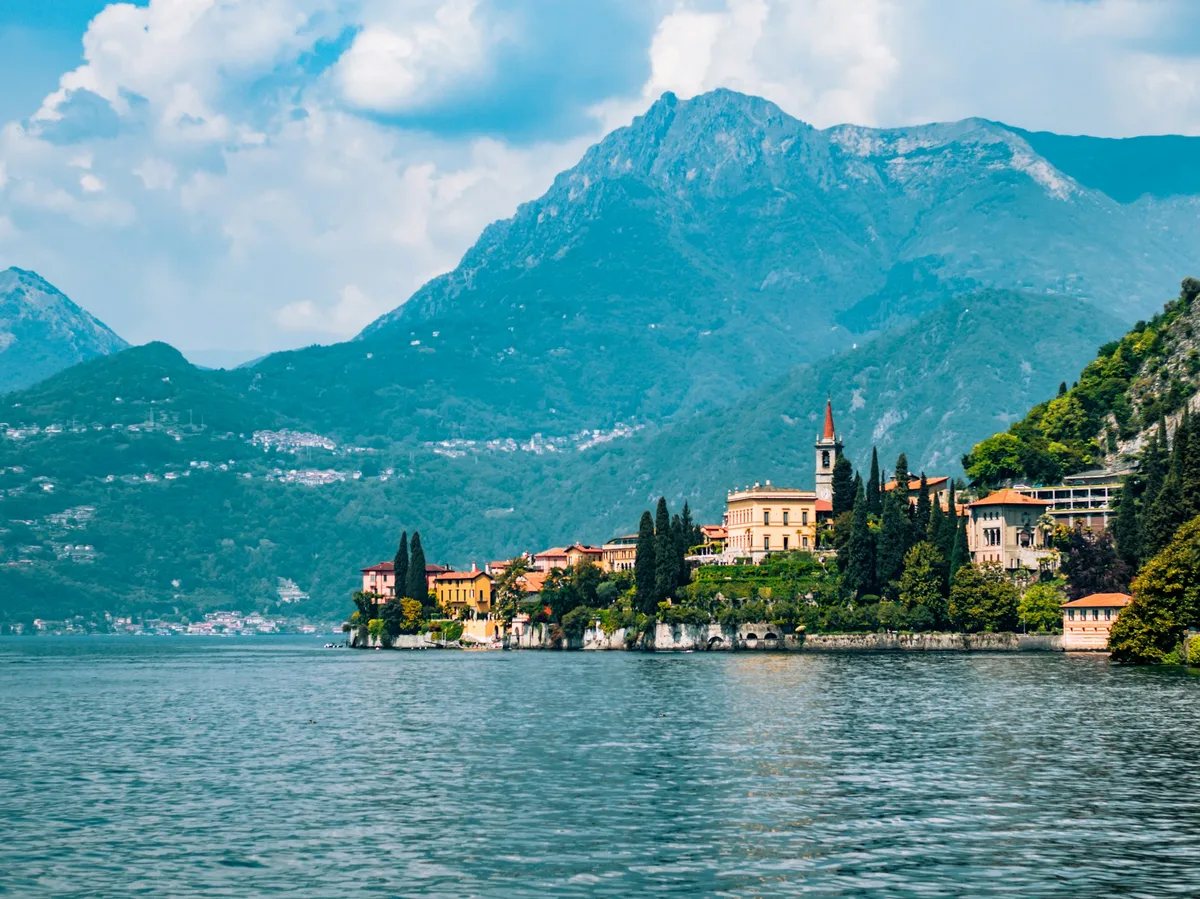
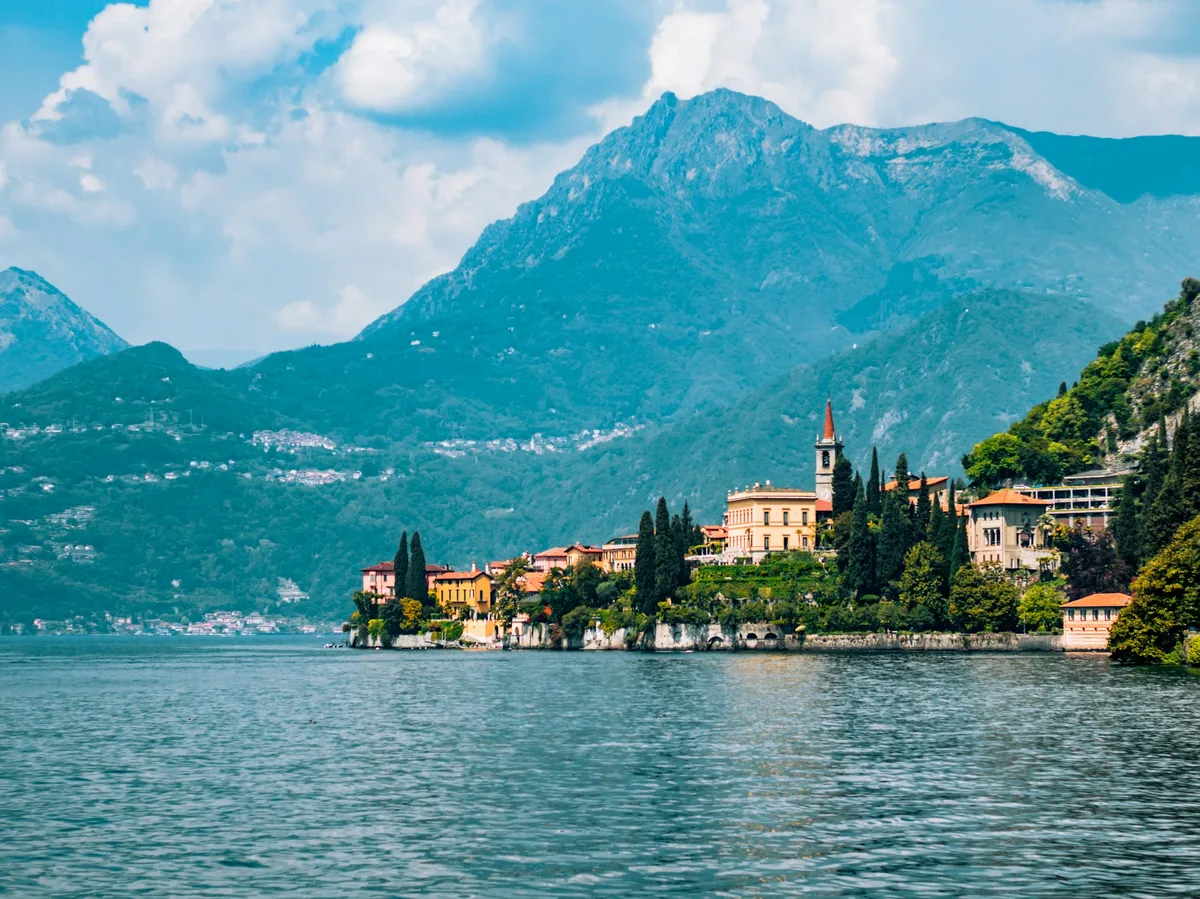 Lake Como
Italy
An Alpine lake ringed by villas, gardens and lakeside towns like Bellagio and Tremezzo, reached by boat from Milan and long favored for its mountain views and silk-manufacturing history in the town of Como.
8
Lake Como
Italy
An Alpine lake ringed by villas, gardens and lakeside towns like Bellagio and Tremezzo, reached by boat from Milan and long favored for its mountain views and silk-manufacturing history in the town of Como.
8
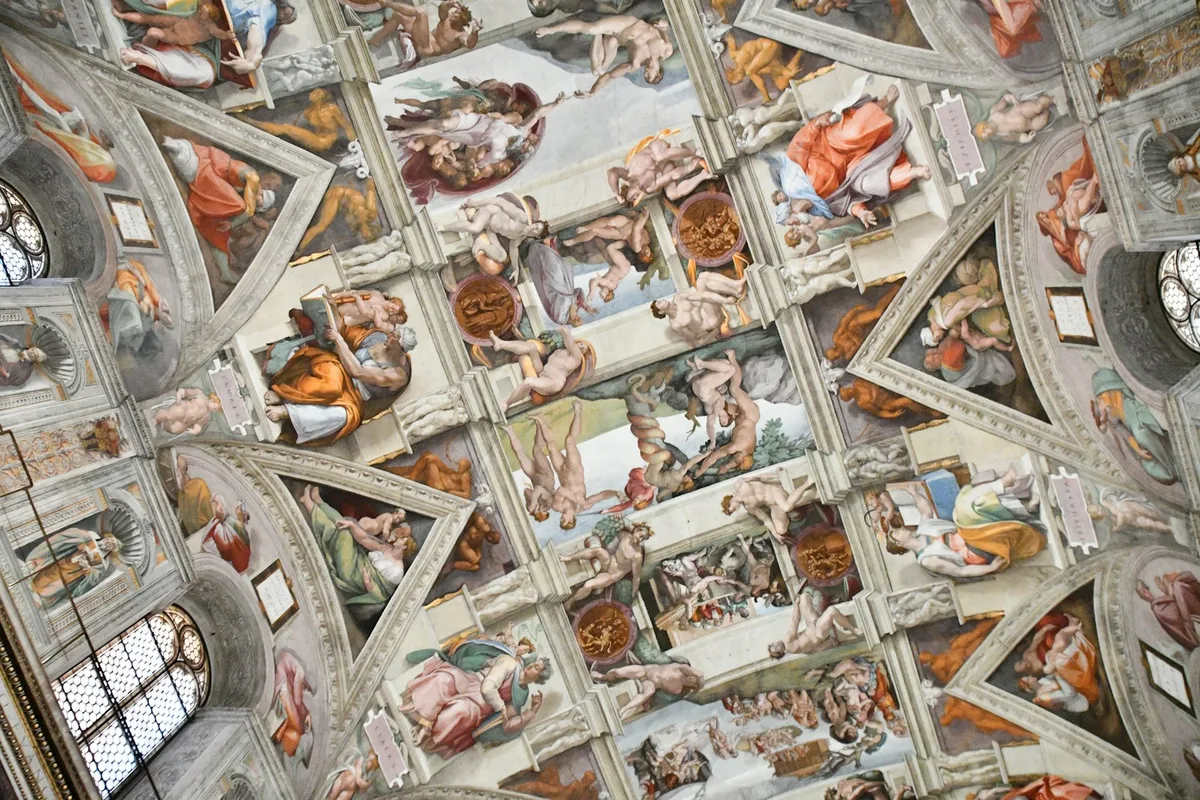 Vatican Museums & Sistine Chapel
Italy
A vast museum complex inside Vatican City housing centuries of papal art collections, ending in the Sistine Chapel beneath Michelangelo's ceiling frescoes.
9
Vatican Museums & Sistine Chapel
Italy
A vast museum complex inside Vatican City housing centuries of papal art collections, ending in the Sistine Chapel beneath Michelangelo's ceiling frescoes.
9
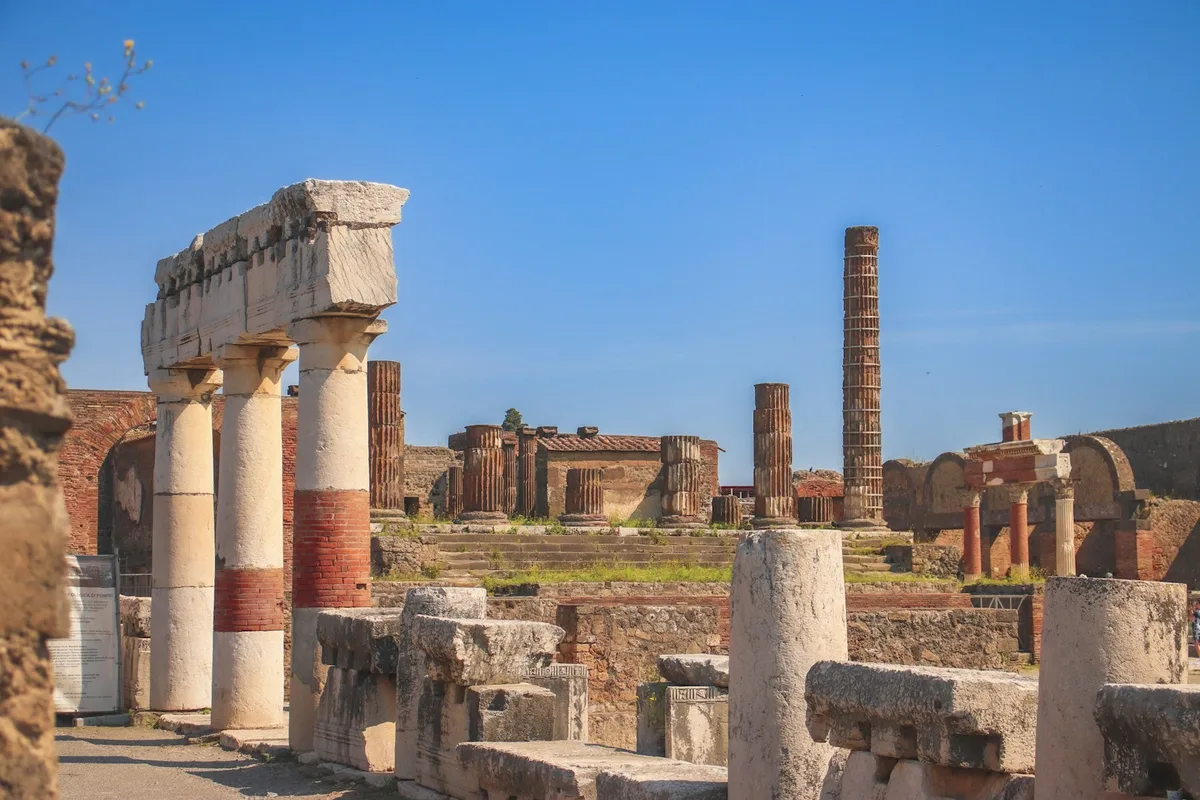 Pompeii
Italy
A Roman city buried and preserved by the eruption of Mount Vesuvius in 79 AD, its streets, villas, and plaster-cast victims now one of the world's best-preserved archaeological sites.
10
Pompeii
Italy
A Roman city buried and preserved by the eruption of Mount Vesuvius in 79 AD, its streets, villas, and plaster-cast victims now one of the world's best-preserved archaeological sites.
10
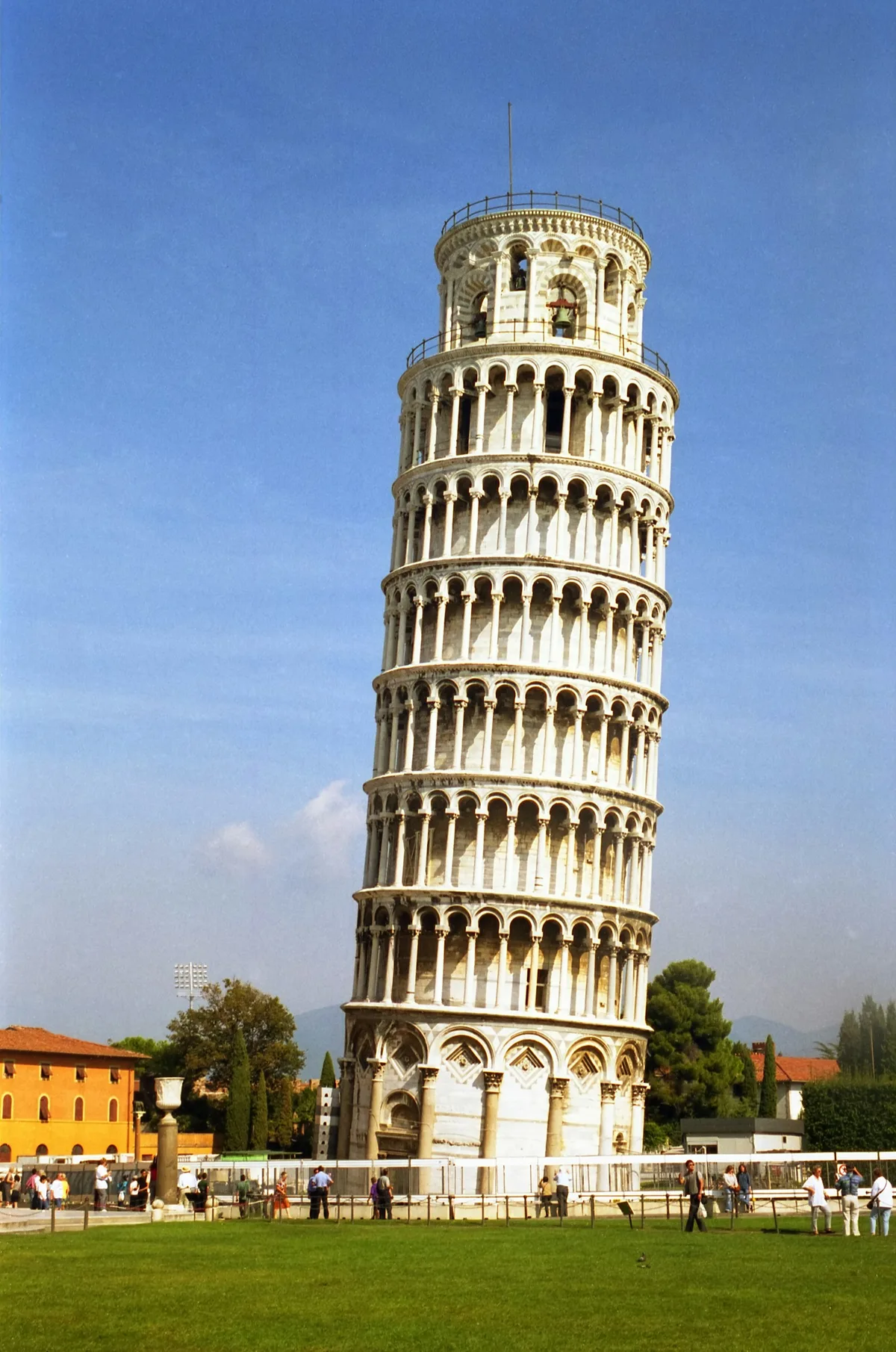 Leaning Tower of Pisa
Italy
The freestanding bell tower of Pisa's cathedral, tilting several degrees off vertical due to unstable subsoil beneath it since construction began in 1173.
11
Leaning Tower of Pisa
Italy
The freestanding bell tower of Pisa's cathedral, tilting several degrees off vertical due to unstable subsoil beneath it since construction began in 1173.
11
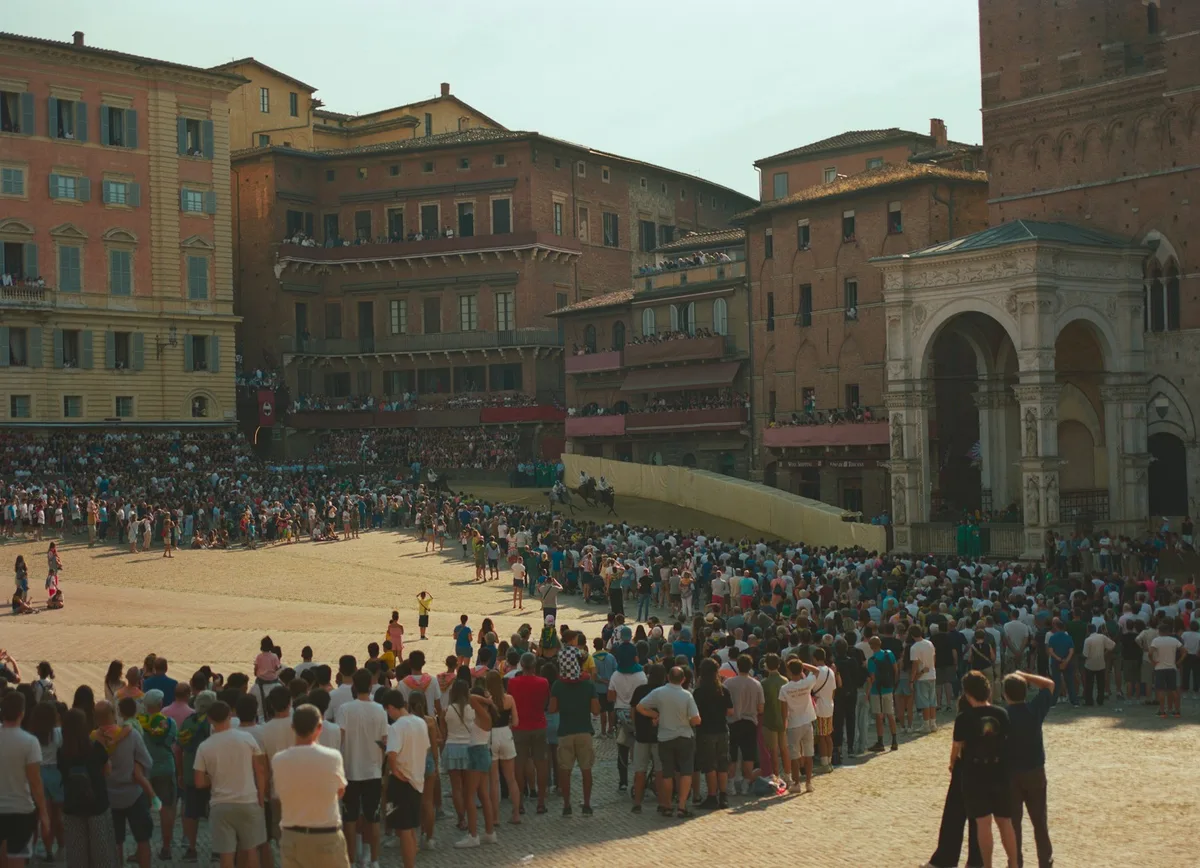 Piazza del Campo, Siena
Italy
Siena's shell-shaped medieval main square, ringed by Gothic palaces and twice a year transformed into the track for the Palio horse race.
Multi-Day Tours
Piazza del Campo, Siena
Italy
Siena's shell-shaped medieval main square, ringed by Gothic palaces and twice a year transformed into the track for the Palio horse race.
Multi-Day Tours
A 10-day journey through Italy's three most iconic cities — Vatican City and ancient Rome, Renaissance art and cuisine in Florence, and canal life and island-hopping in Venice.
 Multi-Day Tours
A 12-day circuit of Sicily from Palermo through the Valley of the Temples, Baroque Ragusa and Noto, to Mount Etna and Taormina — ancient ruins, coastal towns and real Sicilian food.
 Multi-Day Tours
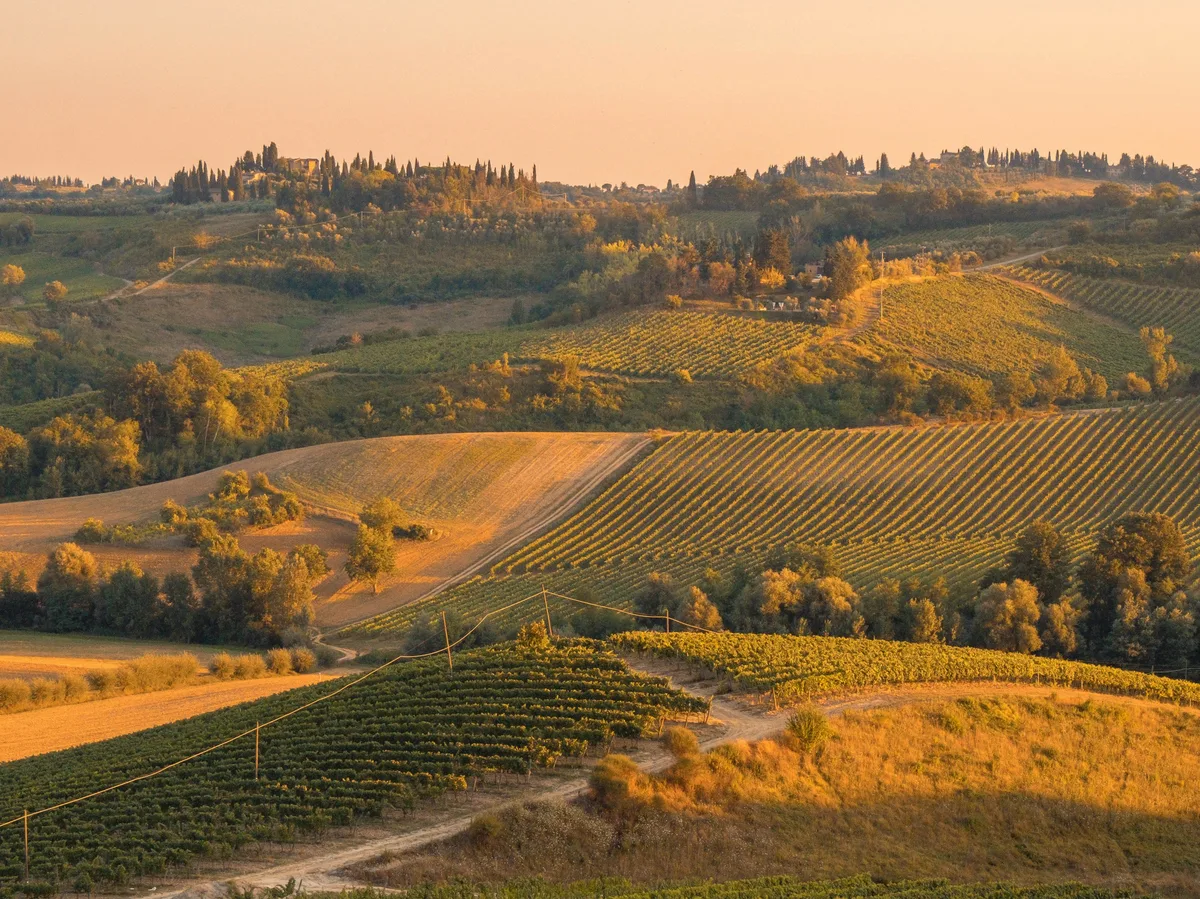
An 8-day immersion in Tuscany's art, wine and history — from Florence's galleries through Chianti and Montalcino's vineyards to Siena, San Gimignano, Volterra, Pisa and Lucca.
 Multi-Day Tours
A 15-day grand tour from Venice's canals through Florence, the Chianti wine trail and Sorrento to the Amalfi Coast and Capri, finishing with Pompeii and Rome.
 Multi-Day Tours
A 10-day circuit of northern Italy's lakes — Milan, Lake Como's Bellagio and Tremezzo, Lake Maggiore's Borromean Islands, and wine and hazelnut tastings in Monferrato.
 Multi-Day Tours
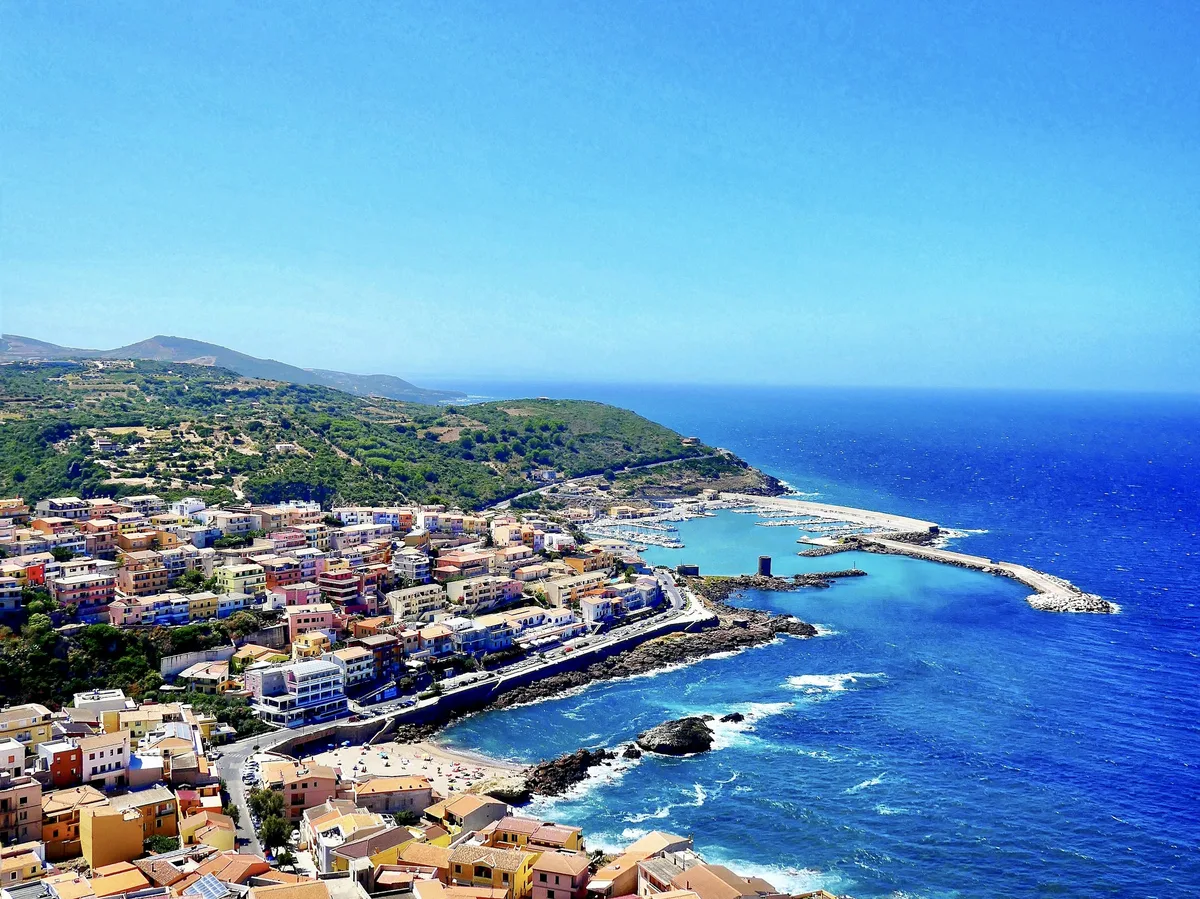
A 9-day circuit of Sardinia's coastline and interior — Cagliari's saltworks, Nuragic ruins at Barumini, a 4x4 excursion in Orgosolo, Neptune's Cave, and island-hopping in the Maddalena Archipelago.
 Multi-Day Tours
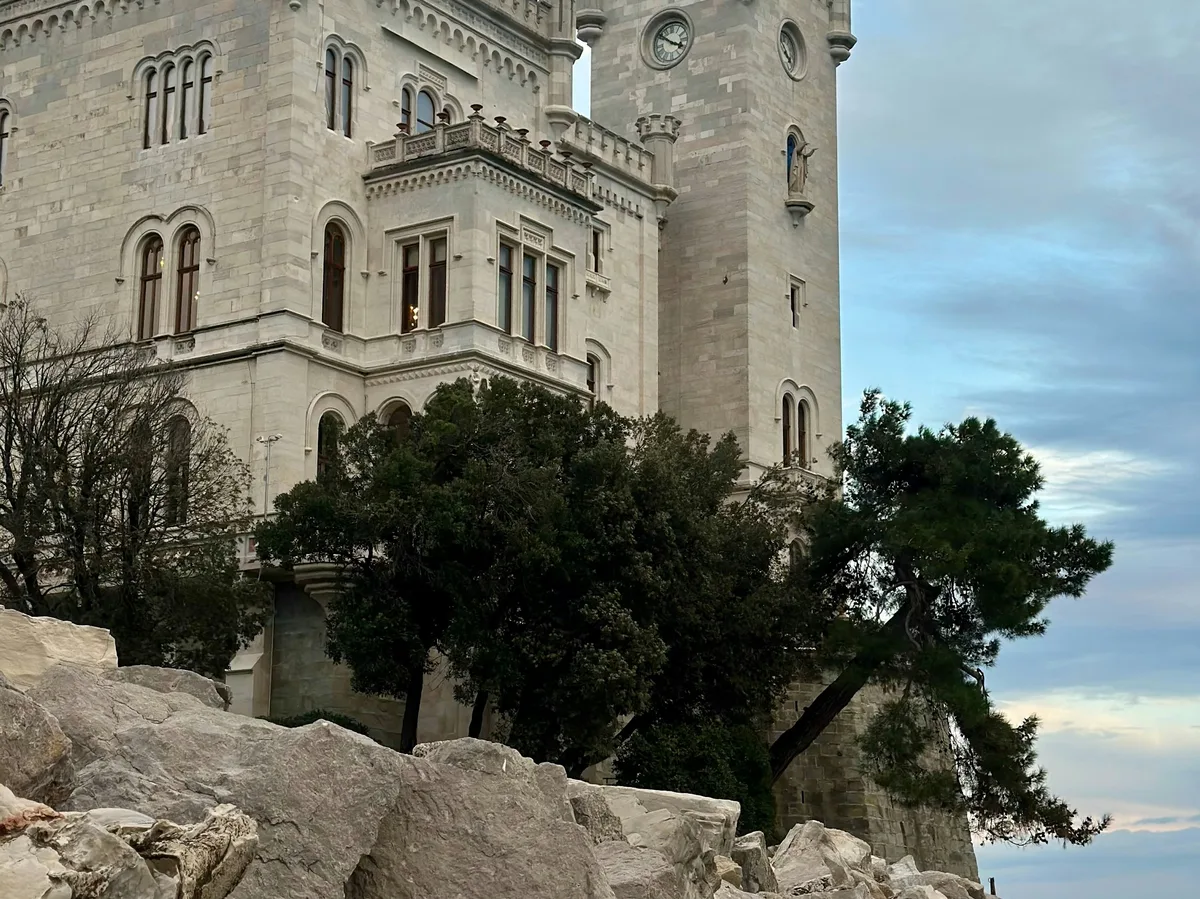
A 9-day route from Venice through the Prosecco hills of Friuli to Roman Aquileia, Collio wine country, and the Adriatic charms of Trieste.
 Multi-Day Tours
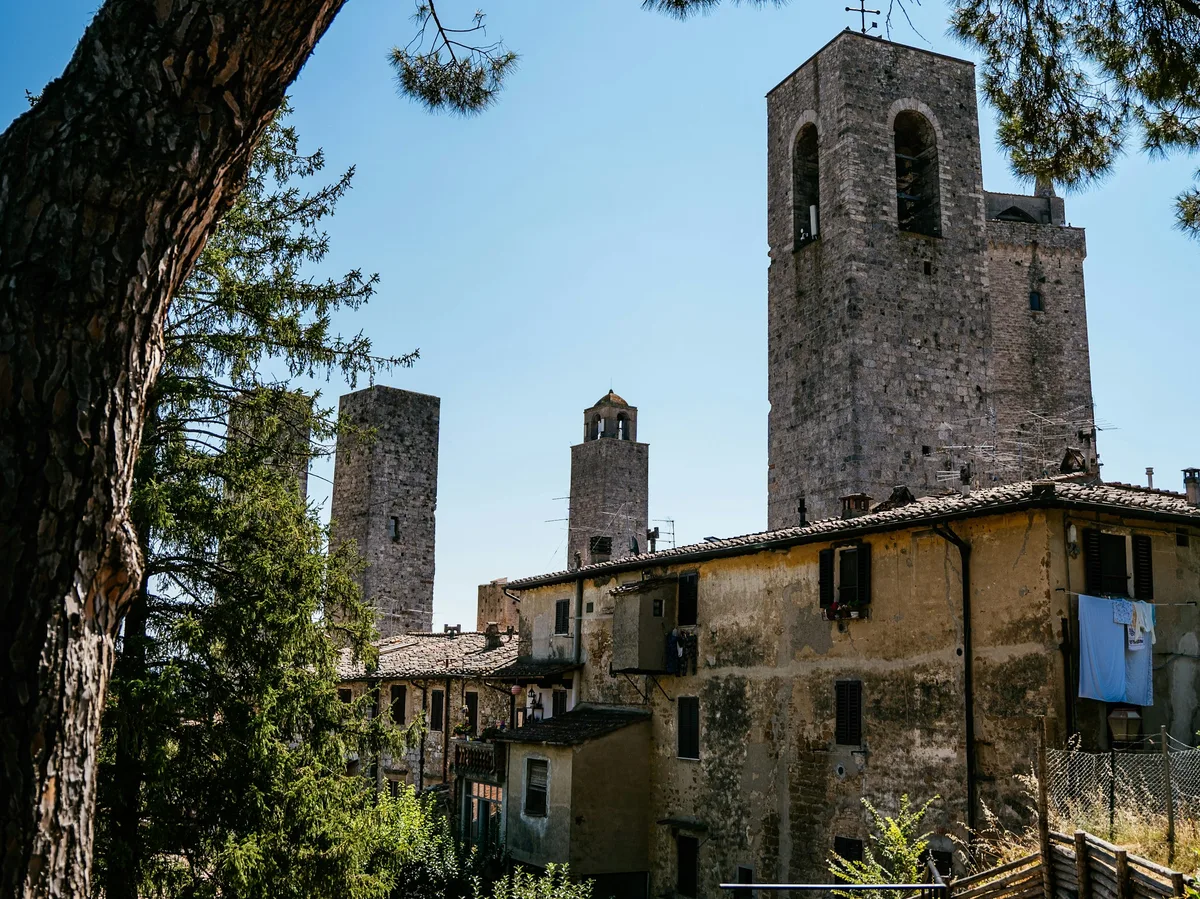
An 8-day Tuscan retreat based at a private villa with pool near San Gimignano — Siena, a Florence cooking class, Montalcino wine and Bagno Vignoni's hot springs, Pisa and Lucca.
 Multi-Day Tours
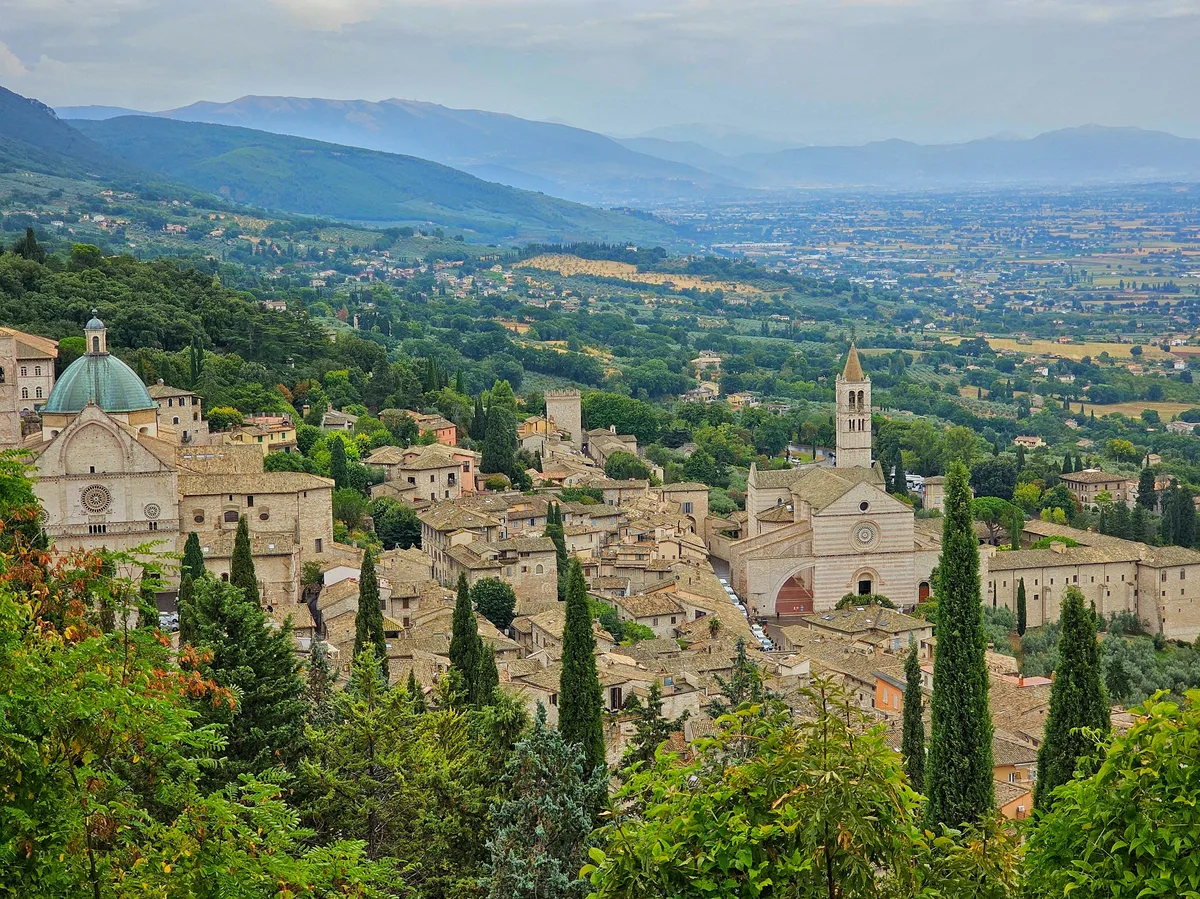
A 7-day eco-conscious circuit through Umbria's green heart — Todi, Assisi, Gubbio, Perugia, Orvieto, Spoleto's Marmore Falls, and the hilltop village of Civita di Bagnoregio.
Italy runs about 1,300 km from the Alps to its southern tip, organized into 20 regions with real cultural and culinary differences — the mountainous north, the central hill country of Tuscany and Umbria, and the south's Mediterranean coastline and islands each feel distinct.
Italian is the national language nationwide, though regional dialects remain part of everyday identity in places like Naples, Venice, and Sicily. English is widely understood in tourist areas and major cities, less so in smaller towns.
Italy uses the euro, as an EU and eurozone member. Card payment is accepted almost everywhere, including small restaurants, though carrying some cash is useful in rural hill towns.
Italy is part of the Schengen area, so most visitors from the US, UK, Canada, Australia, and much of the world can enter visa-free for short tourist stays — check current requirements for your nationality before traveling, as rules do change.
April-June and September-October give the best balance of warm weather and manageable crowds across the country; July-August is peak heat and peak crowds, particularly in Rome and along the coast.
Rome (Fiumicino) and Milan are Italy's main international gateways, with direct flights from North America, the UK, and across Europe; Venice, Florence, Naples, and Pisa also have international airports that work well for regional itineraries.
Tell us your group size and dates — we'll take care of the rest.