TorontoOntario · 36 tours
 Niagara FallsOntario · 25 tours
 New York CityNew York · 30 tours
 Las VegasNevada · 8 tours
 San FranciscoCalifornia · 16 tours
 VancouverBritish Columbia · 17 tours
 DubaiUAE · 54 tours
 Abu DhabiUAE · 5 tours
 Buenos AiresArgentina · 23 tours
 AthensGreece · 31 tours
 AucklandNew Zealand · 38 tours
 CancunMexico · 54 tours
No destinations match “”. Try searching all tours instead — that search understands full questions, not just place names.
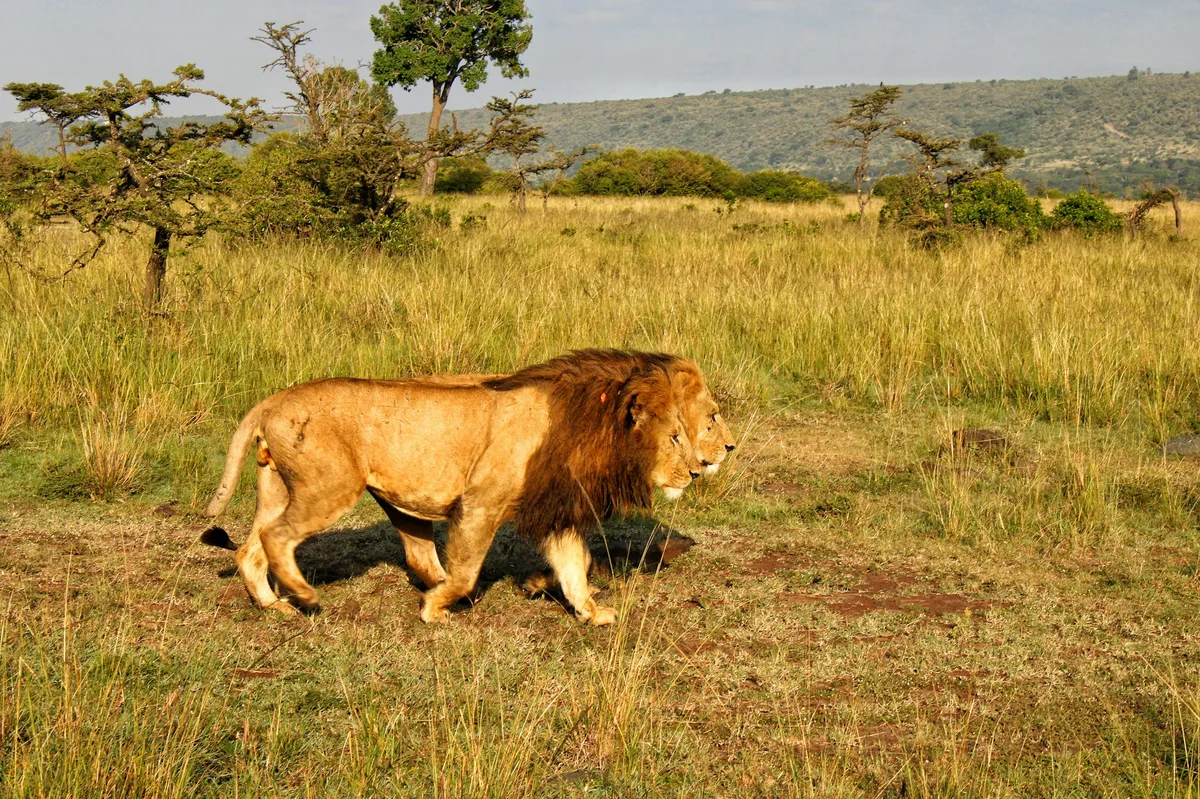
Kenya's most famous reserve, known for its open savanna, resident Big Five, and the annual wildebeest migration that sweeps through from around July to October.
 Multi-Day Tours
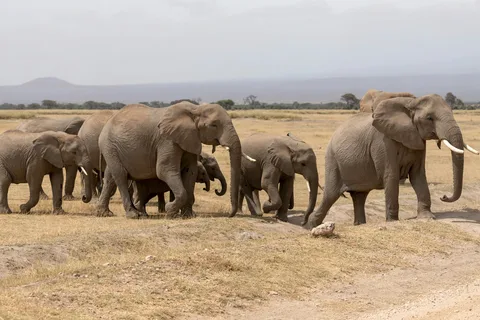
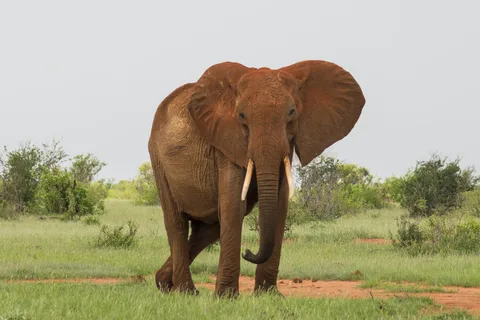
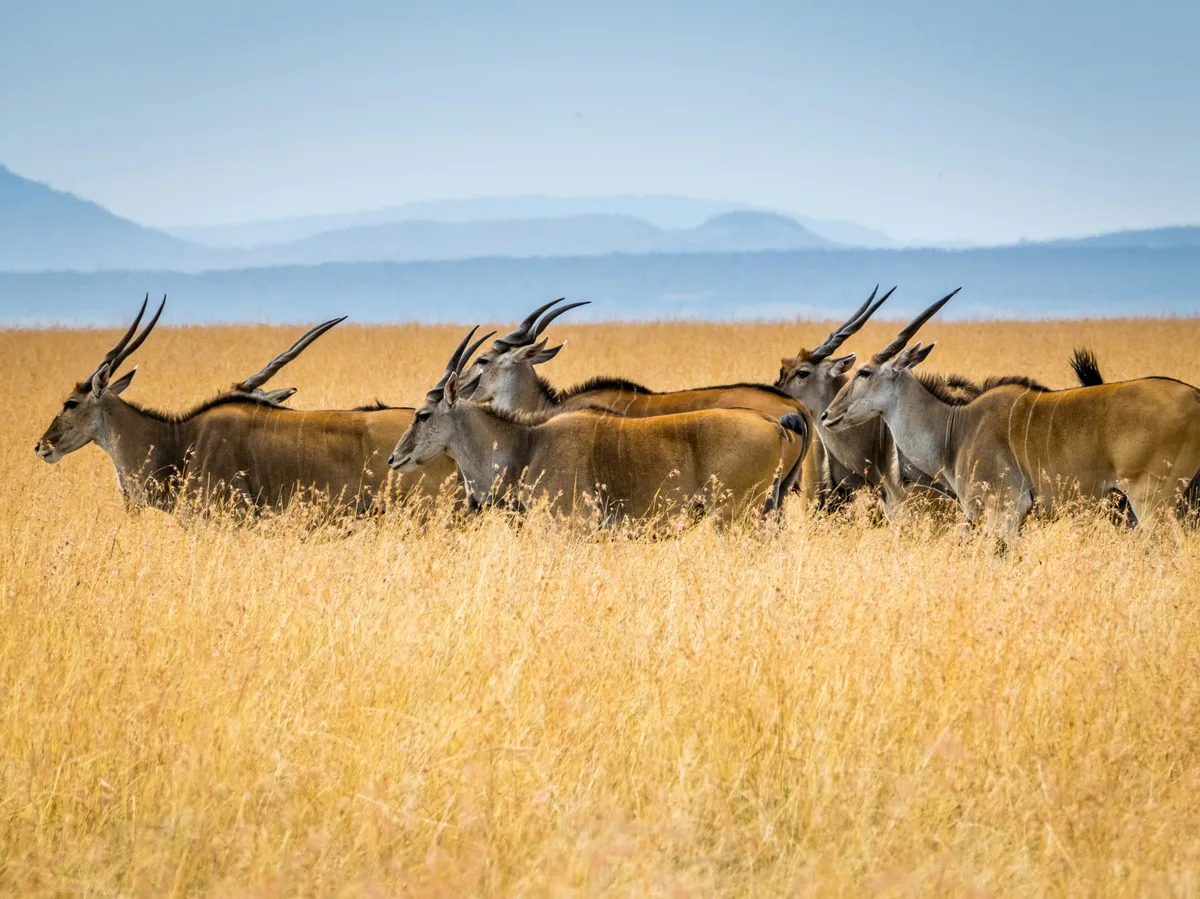
A 10-day circuit through four of Kenya's best-known reserves — the Masai Mara, Lake Nakuru's rhino sanctuary, Amboseli under Kilimanjaro, and the red-earth plains of Tsavo West and East.
 Multi-Day Tours
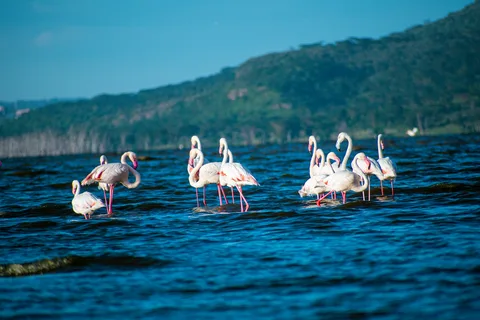
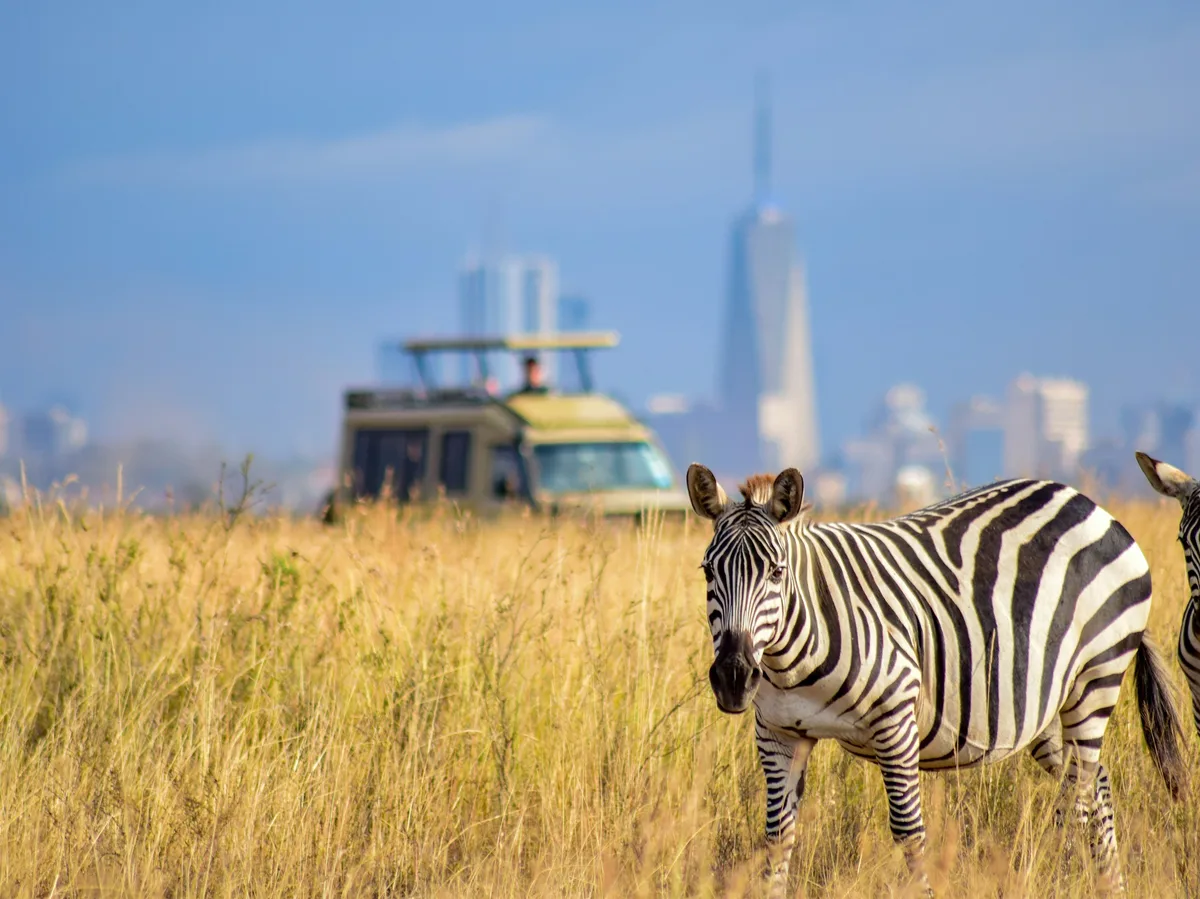
A 6-day introduction to Kenya crossing the Equator to Sweetwaters Game Reserve, the flamingo-lined shores of Lake Nakuru, and two days exploring the Masai Mara.
 Multi-Day Tours
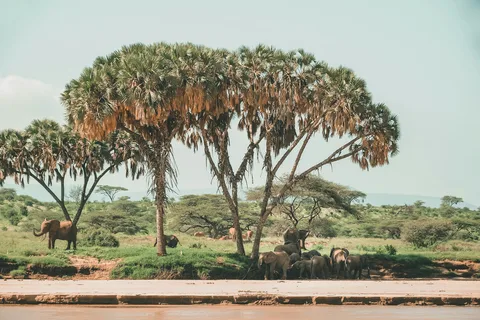
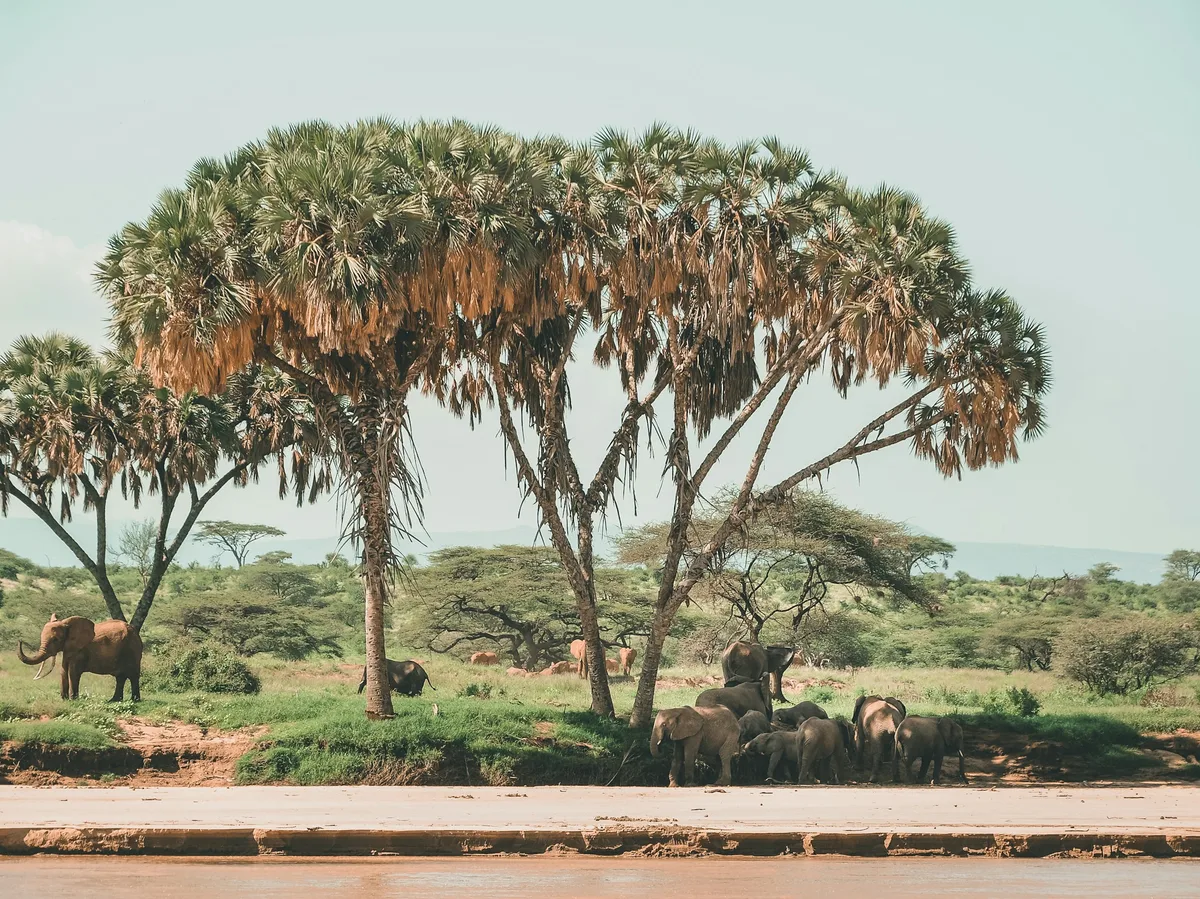
A 6-day safari north to Samburu's desert-adapted wildlife, the flamingos of Lake Nakuru, and two days in the Masai Mara's Big Five country.
Visitor guide
The Maasai Mara is a large national game reserve in Narok County, southwestern Kenya, covering about 1,510 square kilometres of open grassland and acacia. It adjoins Tanzania's Serengeti National Park and is best known for its big cats and for the annual movement of wildebeest herds across the Mara River.
The name honours the Maasai people, the area's ancestral inhabitants, and Mara, in the Maa language, refers to the spotted look created by the scattered, bushy trees across the landscape. The reserve is the northernmost part of the wider Mara-Serengeti ecosystem. Maasai ranches lie to its north, east and west, the Serengeti to the south, and the Esoit Escarpment, part of the East African Rift system, forms the western boundary. The Mara, Sand and Talek rivers drain the reserve, and swampy areas keep water reliable, which concentrates wildlife in the west. Elevation runs from about 1,500 to 2,180 metres, and the eastern border is some 224 kilometres from Nairobi.
According to Wikipedia, the reserve was established in 1961 as a wildlife sanctuary of about 520 square kilometres including the Mara Triangle, and that same year it was extended eastward and converted to a game reserve managed by the Narok County Council. In 1974 part of the reserve was given national reserve status and about 159 square kilometres was returned to local communities. Further land was removed in 1976, and in 1984 the reserve was reduced to its current size. Today the Mara Conservancy manages the Mara Triangle on behalf of the county, and Narok County manages the Narok Sector, while the surrounding group ranches and private conservancies form the outer Greater Mara.
Around July, blue wildebeest move north from the Serengeti into the Mara and return south around October. Wikipedia gives approximate herd numbers of 1.3 million wildebeest along with about 500,000 Thomson's gazelles, 200,000 zebras, 97,000 topi and 18,000 elands, though such estimates vary by source and year. Crossing the Mara River is the dramatic moment, with crocodiles waiting at the banks.
All of the Big Five occur here: lion, leopard, elephant, buffalo and black rhinoceros. The Mara is the only Kenyan protected area with an indigenous black rhino population unaffected by translocations, reduced by poaching to about 15 animals in the 1970s and early 1980s. Lions are especially abundant, spotted hyenas compete with them, leopards use wooded areas, and cheetahs are common on the open savanna. More than 500 bird species have been recorded, including about 60 raptors and Kenya's national bird, the lilac-breasted roller. The BBC series Big Cat Diary was filmed in the reserve, and researchers have long studied the lions, hyenas and cheetahs.
The climate is semi-arid with long rains in April and May and short rains in November and December, and temperatures typically range from about 12 to 30 degrees Celsius. The Maasai, known for tall stature, patterned shukas and beadwork, remain central to local culture. Because the eastern gates are the most visited and the reserve is large, a private guided drive with a vehicle and driver helps visitors cover varied habitats.
See every tour and attraction we cover in Kenya.