TorontoOntario · 36 tours
 Niagara FallsOntario · 25 tours
 New York CityNew York · 30 tours
 Las VegasNevada · 8 tours
 San FranciscoCalifornia · 16 tours
 VancouverBritish Columbia · 17 tours
 DubaiUAE · 54 tours
 Abu DhabiUAE · 5 tours
 Buenos AiresArgentina · 23 tours
 AthensGreece · 31 tours
 AucklandNew Zealand · 38 tours
 CancunMexico · 54 tours
No destinations match “”. Try searching all tours instead — that search understands full questions, not just place names.
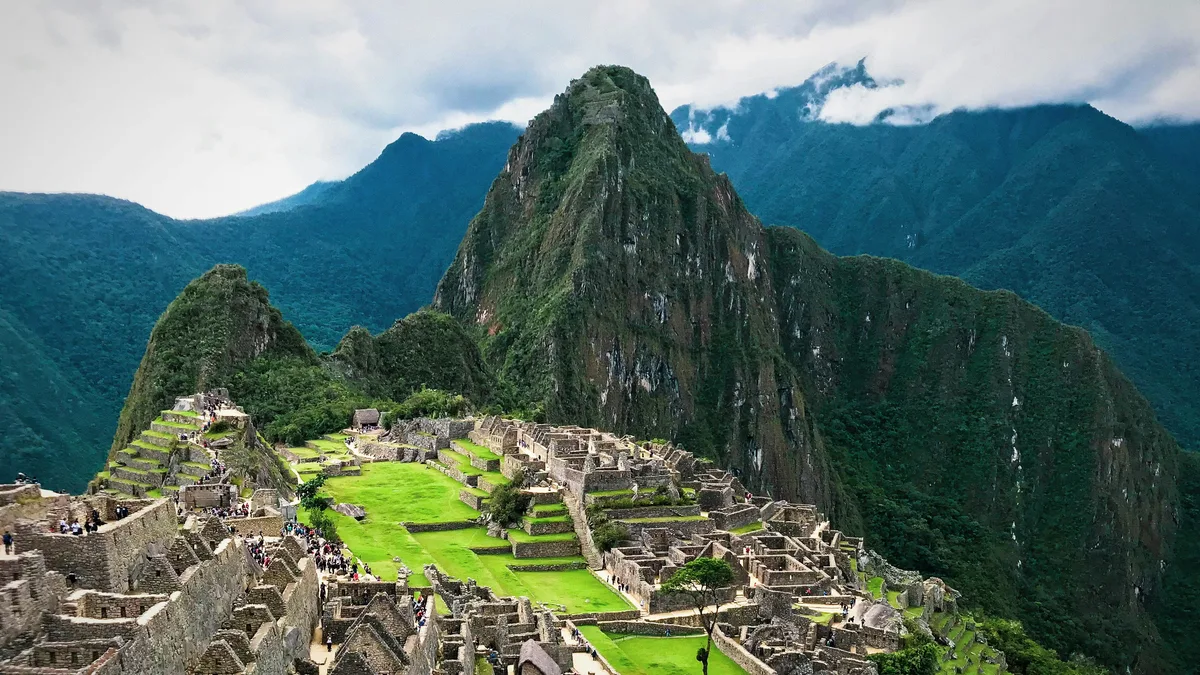
Machu Picchu is the 15th-century Inca citadel perched at roughly 7,970 feet (2,430 m) on a ridge above the Urubamba River, reached from Cusco by train to Aguas Calientes and then a shuttle bus up the mountain. Rediscovered for the outside world by Hiram Bingham in 1911 and named a UNESCO World Heritage Site in 1983, it remains Peru's most visited archaeological site and one of the New7Wonders of the World.
 Private Tours
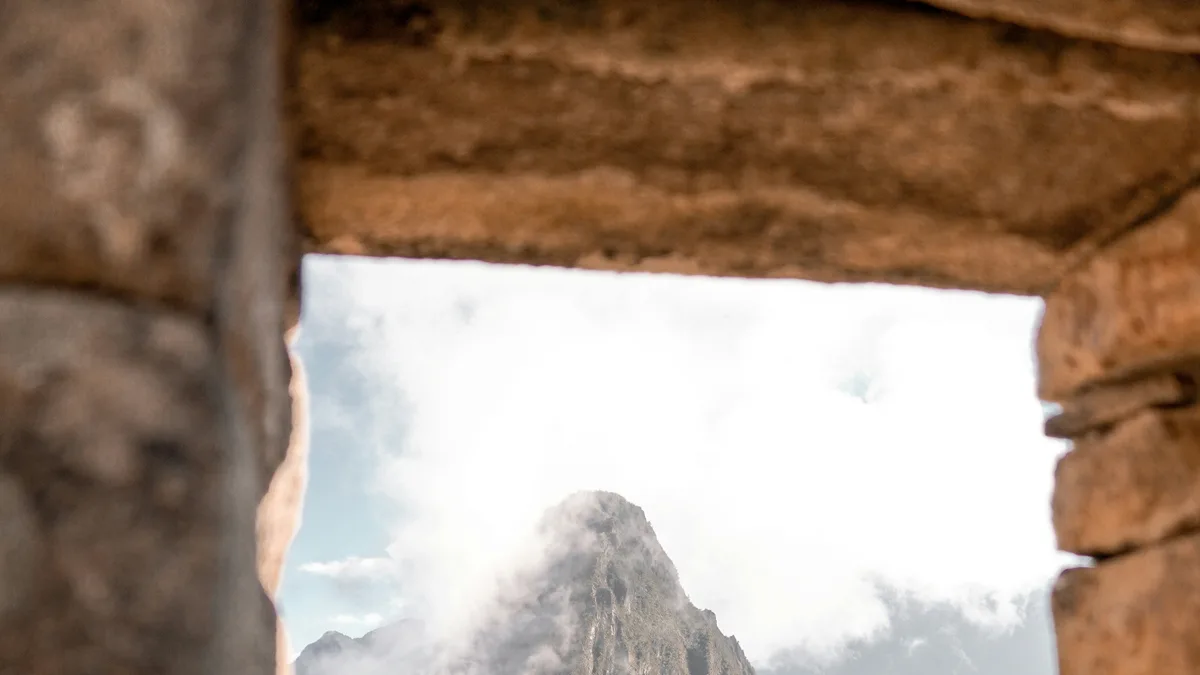
A focused 2-3 hour private walk through Machu Picchu with your own English-speaking guide, meeting you at the site entrance in Aguas Calientes.
 Private Tours Popular Pick
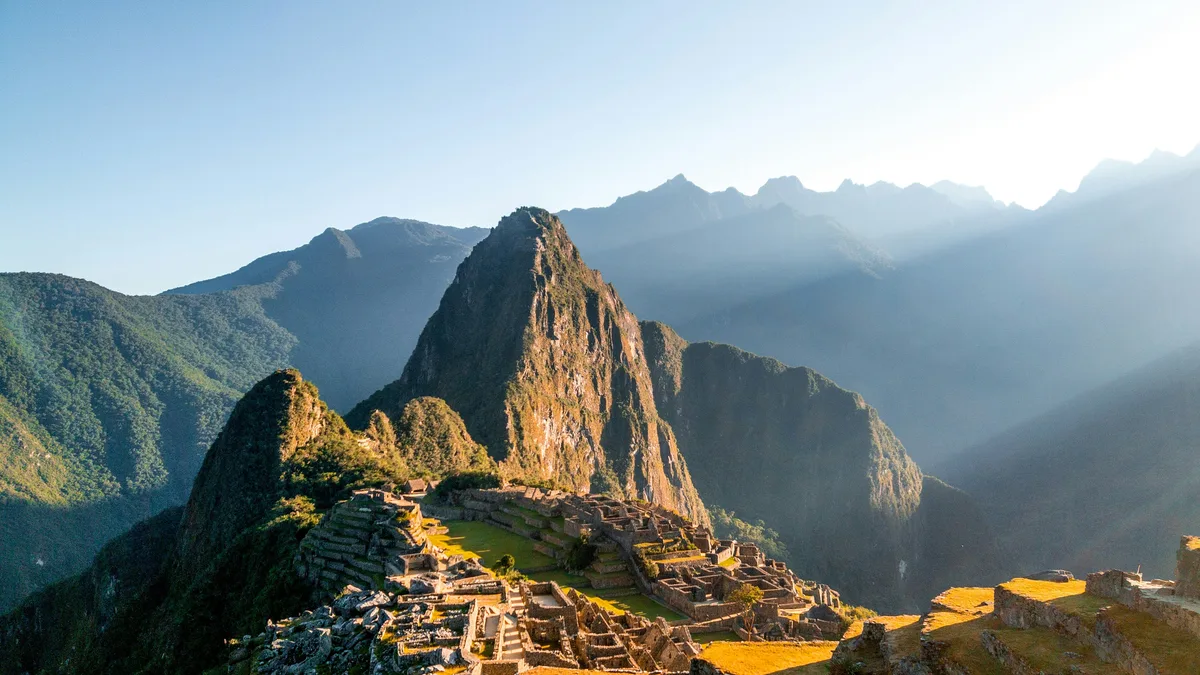
A private full-day Machu Picchu tour by private vehicle to Ollantaytambo and train onward, exploring the citadel at your own pace with your own guide.
 Private Tours
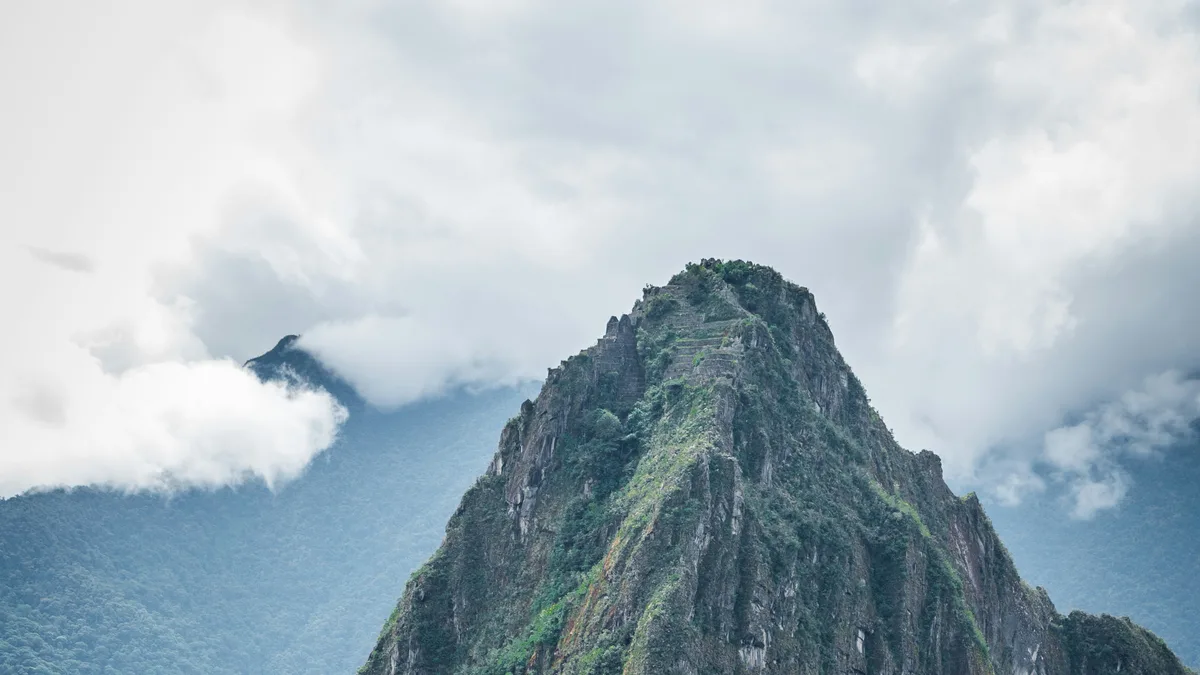
A private full-day Machu Picchu tour that also includes climbing Huayna Picchu, the steep peak overlooking the citadel, with all transfers booked for you.
Visitor guide
Machu Picchu is a 15th-century Inca citadel in the Eastern Cordillera of southern Peru, about 80 kilometres northwest of Cusco and above the Sacred Valley. It is a UNESCO World Heritage Site and is among the most recognised archaeological sites in the Americas.
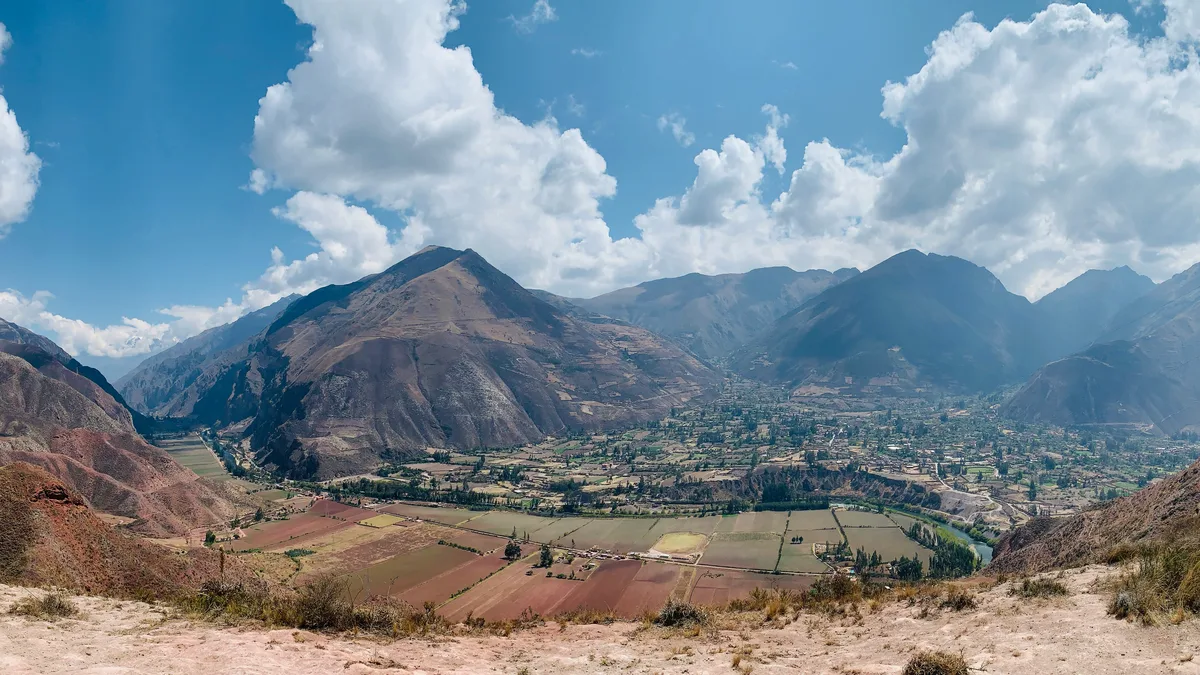
Wikipedia places the site at about 2,430 metres above sea level in Machupicchu District, Urubamba Province, with the Urubamba River surrounding it on three sides and cliffs dropping some 450 metres to the water. Construction is estimated to have begun around 1450, probably under the emperor Pachacuti, as a royal estate. A 2021 radiocarbon study by Richard Burger places occupation between roughly 1420 and 1530. The site was probably abandoned around the time of the Spanish conquest, possibly after diseases such as smallpox reached the region.
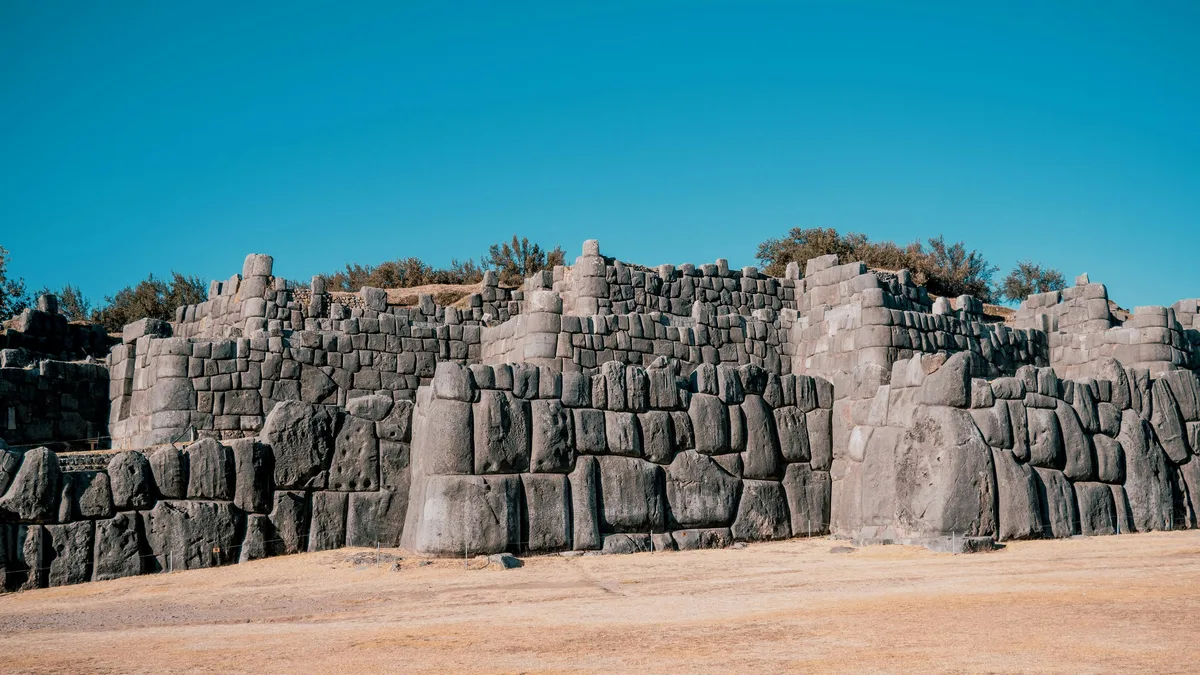
The citadel is built in the classical Inca style of finely worked dry-stone walls. About 200 buildings are arranged on parallel terraces around a central square. Among the key structures are the Temple of the Sun, or Torreon, a semicircular building whose openings may align with the sun; the Temple of the Three Windows; and the Intihuatana, a carved ritual stone on a terraced hill that is thought to have been used for solar observation, though its function as a calendar is debated. Another feature, the cave called Inti Mach'ay, has a tunnel-like window that admits sunlight only around the December solstice.
Agricultural terraces cover about 4.9 hectares. They stabilised the slopes, improved drainage and protected against erosion and landslides. Maize was probably the main crop, and much of the food was likely imported from surrounding valleys. The surrounding Historic Sanctuary covers about 326 square kilometres and is home to more than 420 bird species, about 70 mammal species and over 550 tree species according to Wikipedia.
Agustin Lizarraga visited in 1902 and left an inscription in the Temple of the Three Windows. Hiram Bingham III brought the site to international attention in 1911, though his claim to have discovered it is disputed since local residents knew of it. Peru designated it a National Historic Sanctuary in 1981, UNESCO listed it as a mixed cultural and natural World Heritage Site in 1983, and it was named one of the New Seven Wonders of the World in 2007.
The purpose is still discussed. Leading interpretations describe a royal estate and seasonal retreat, a religious and ceremonial centre, and possibly an observatory, while Hermann Buse proposed a refuge for Inca elites. The terraces and many steps make the visit physically active, and a private guided visit with a driver and a knowledgeable guide helps put the architecture in context.
The site is reached from the Sacred Valley, and the approach and the steep stairways between terraces make a measured pace sensible. Researchers continue to refine the dating of the citadel through radiocarbon studies, and the Wikipedia article itself records studies from 2021 and 2024, so interpretations of its age and purpose may keep evolving.
See every tour and attraction we cover in Cusco.