TorontoOntario · 36 tours
 Niagara FallsOntario · 25 tours
 New York CityNew York · 30 tours
 Las VegasNevada · 8 tours
 San FranciscoCalifornia · 16 tours
 VancouverBritish Columbia · 17 tours
 DubaiUAE · 54 tours
 Abu DhabiUAE · 5 tours
 Buenos AiresArgentina · 23 tours
 AthensGreece · 31 tours
 AucklandNew Zealand · 38 tours
 CancunMexico · 54 tours
No destinations match “”. Try searching all tours instead — that search understands full questions, not just place names.
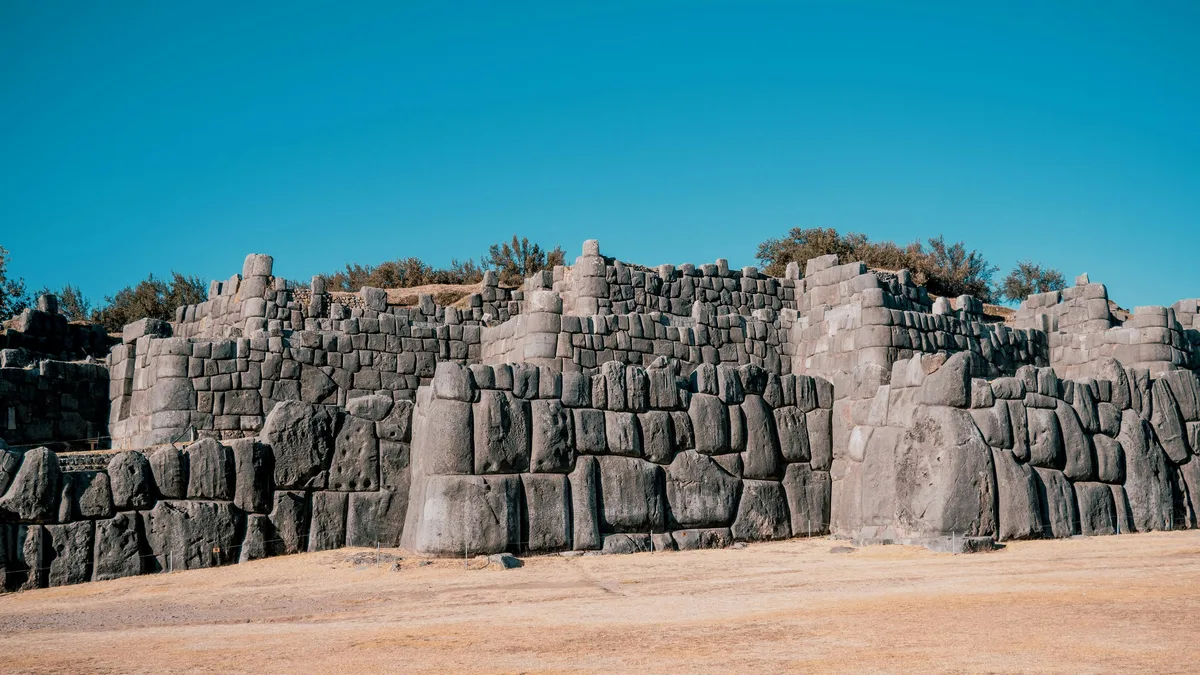
Sacsayhuamán is a massive Inca fortress complex on a hill directly above Cusco, built from limestone blocks cut and fitted so precisely — some weighing over 100 tons — that no mortar was needed to hold them together. Its zigzagging walls, believed to have served both defensive and ceremonial purposes, are one of the finest surviving examples of Inca stonework and sit an easy short drive from Cusco's Plaza de Armas.
 Private Tours
A private city tour of Cusco covering historical and cultural highlights along with the Sacsayhuamán fortress and other Inca ruins just outside the center.
 Private Tours
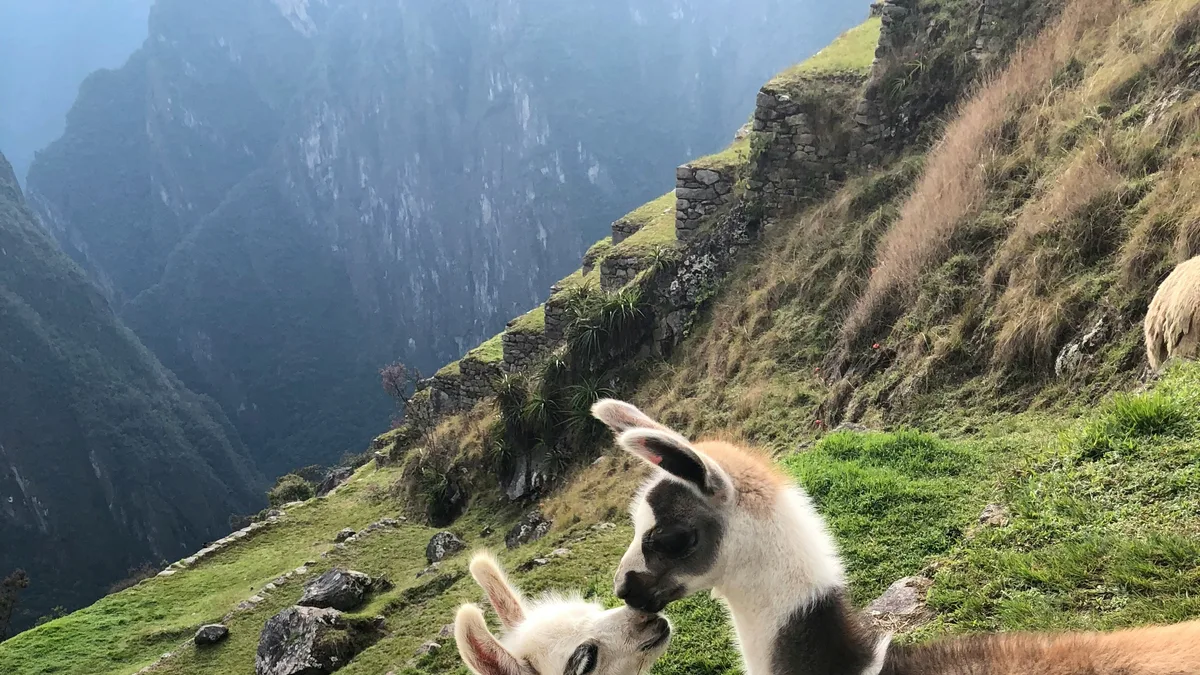
A private guided history tour of Cusco's cathedral, Qoricancha, and the Inca sites of Sacsayhuamán, Qenqo, Pucapucara, and Tambomachay, plus a South American Camelid Museum visit.
Visitor guide
Sacsayhuaman is a walled Inca ceremonial complex on a hill above the northern edge of Cusco, Peru, at about 3,701 metres. Together with the historic city it was listed as a UNESCO World Heritage Site in 1983, and its huge dry-stone walls are among the best-known examples of Inca masonry.
Wikipedia notes that pottery surveys suggest the hilltop was first occupied around 900 CE, and that the site may first have been built on in the Killke period, before the Incas, though its exact function then is unknown. Inca oral history links construction to the emperors Pachacuti, Topa Inca Yupanqui and Huayna Capac. It is said that Pachacuti called Cusco the lion city, with the fortress as the missing head.
The complex is built of dry-stone walls without mortar, with stones cut to fit tightly together. The three main terrace walls are roughly 360 to 400 metres long depending on the source, and Peru's state news agency Andina reports individual blocks up to about 9 metres high. Wikipedia reports that the largest limestone block weighs an estimated 128 to nearly 200 tonnes, while Peru's state news agency Andina puts the largest stone at about 125 tons, so published figures vary; and that stones were brought from sources including Rumicolca, about 35 kilometres away. Some stones are described as about 12 feet wide and over 20 feet long. The Spanish chronicler Cieza de Leon described a work force of thousands quarrying, hauling and preparing foundations.
The blocks have rounded corners, interlocking shapes and walls that lean inward, features that the article suggests helped the ruins survive earthquakes. Experiments by Vince Lee suggested that stones could be hauled over cobbles or lowered on logs, though success was limited.
After the siege of Cusco, the Spaniards dismantled much of the complex to build colonial Cusco, and the chronicler Garcilaso de la Vega wrote that they pulled down smooth masonry to avoid the cost of Indian labour. Today it is mainly the stones too large to move that remain on site, along with modern retaining walls added for erosion control. The article also records that Spaniards removed gold plates from the Coricancha temple as part of the ransom of Atahualpa.
Sacsayhuaman remains in use for ceremony. Inti Raymi, the Inca winter solstice festival, is held nearby on 24 June, and the Warachikuy festival takes place on the third Sunday of September, according to Wikipedia. Locals also use the large field inside the walls for jogging and other activities. In 2008 archaeologists found additional ruins on the periphery, and heavy rain damaged parts of the site in January 2010.
The zigzag form of the terrace walls is often noted by visitors, and the site is usually explained as a ceremonial and defensive complex rather than a simple fort. Because the surviving walls represent only part of the original structures, interpretations differ, and the Wikipedia article itself flags uncertainty about the exact function of the earliest phases.
The site sits at altitude, so a private guided visit with a driver from Cusco allows a gradual, flexible approach to the hill.
See every tour and attraction we cover in Cusco.