TorontoOntario · 36 tours
 Niagara FallsOntario · 25 tours
 New York CityNew York · 30 tours
 Las VegasNevada · 8 tours
 San FranciscoCalifornia · 16 tours
 VancouverBritish Columbia · 17 tours
 DubaiUAE · 54 tours
 Abu DhabiUAE · 5 tours
 Buenos AiresArgentina · 23 tours
 AthensGreece · 31 tours
 AucklandNew Zealand · 38 tours
 CancunMexico · 54 tours
No destinations match “”. Try searching all tours instead — that search understands full questions, not just place names.
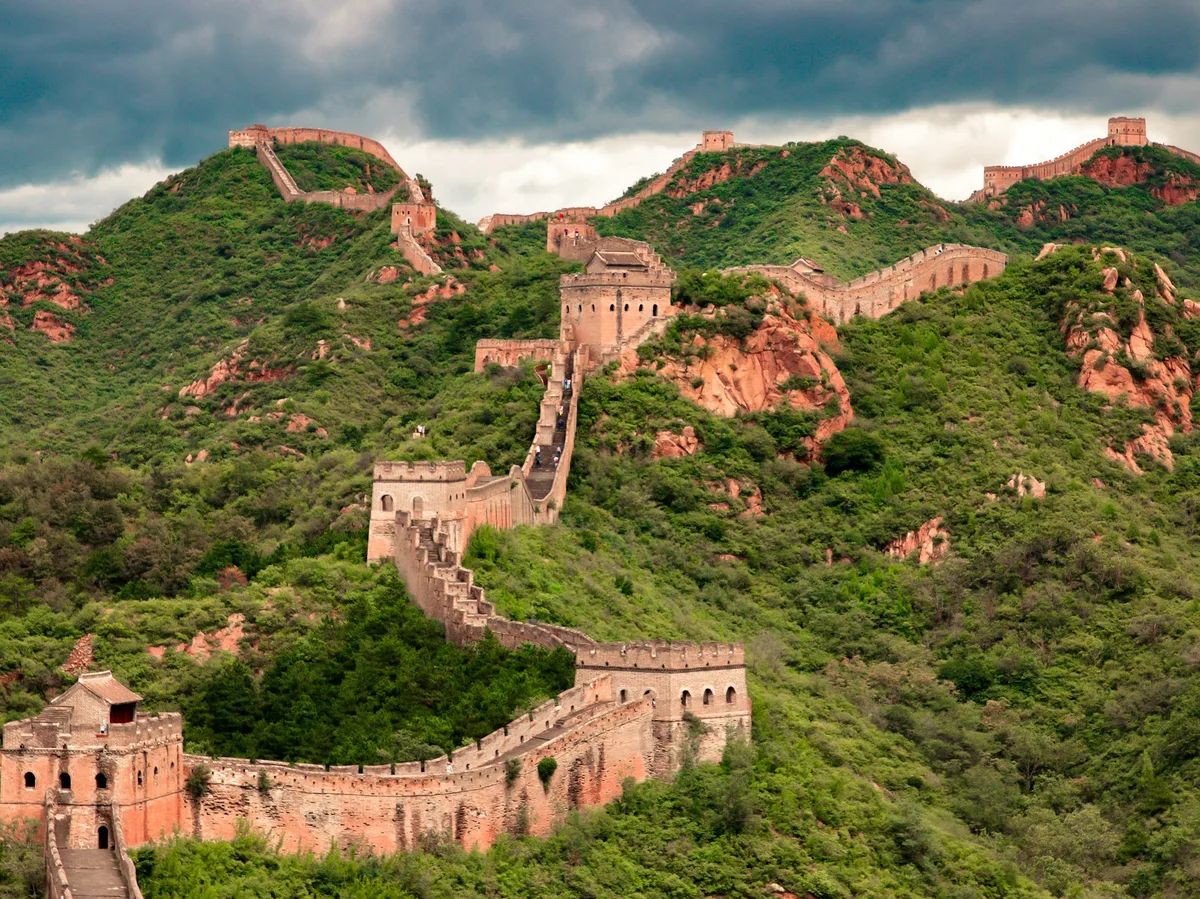
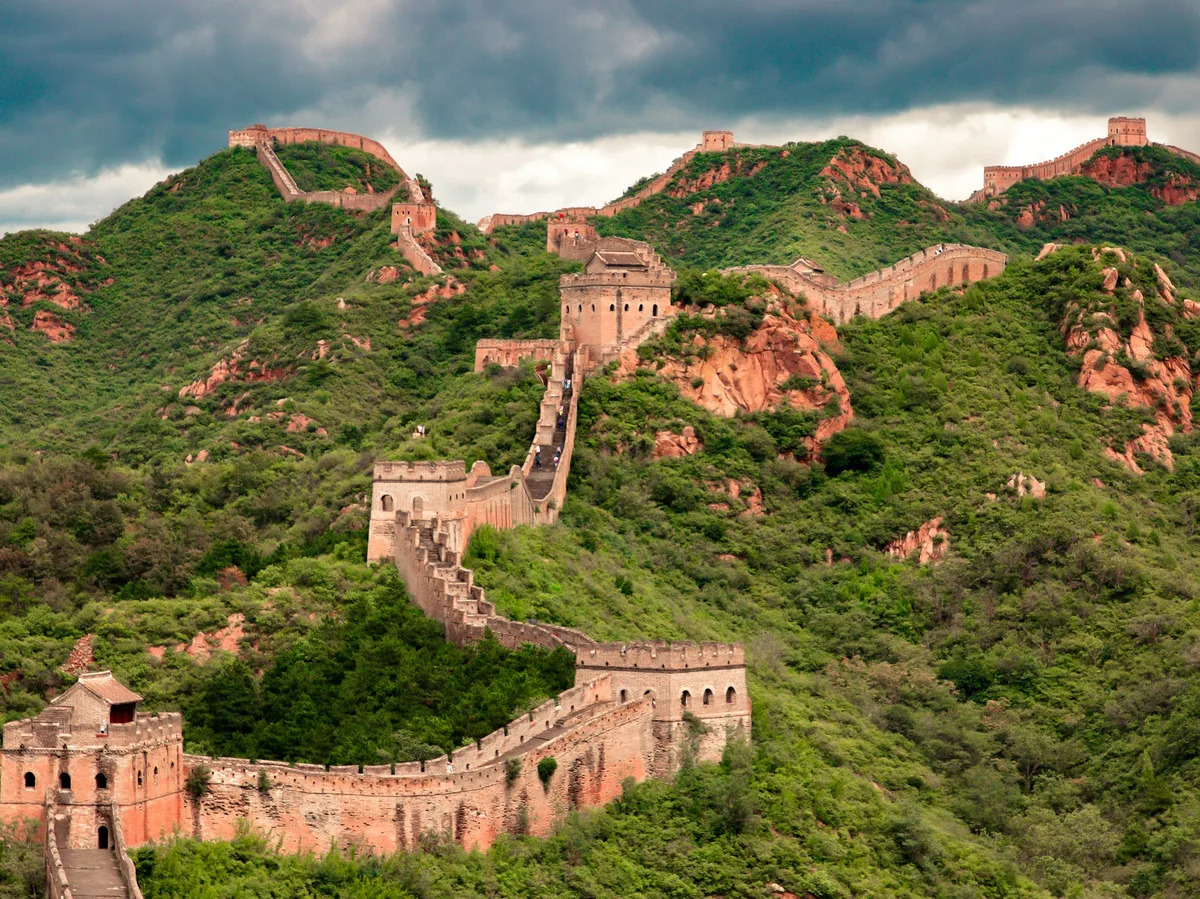
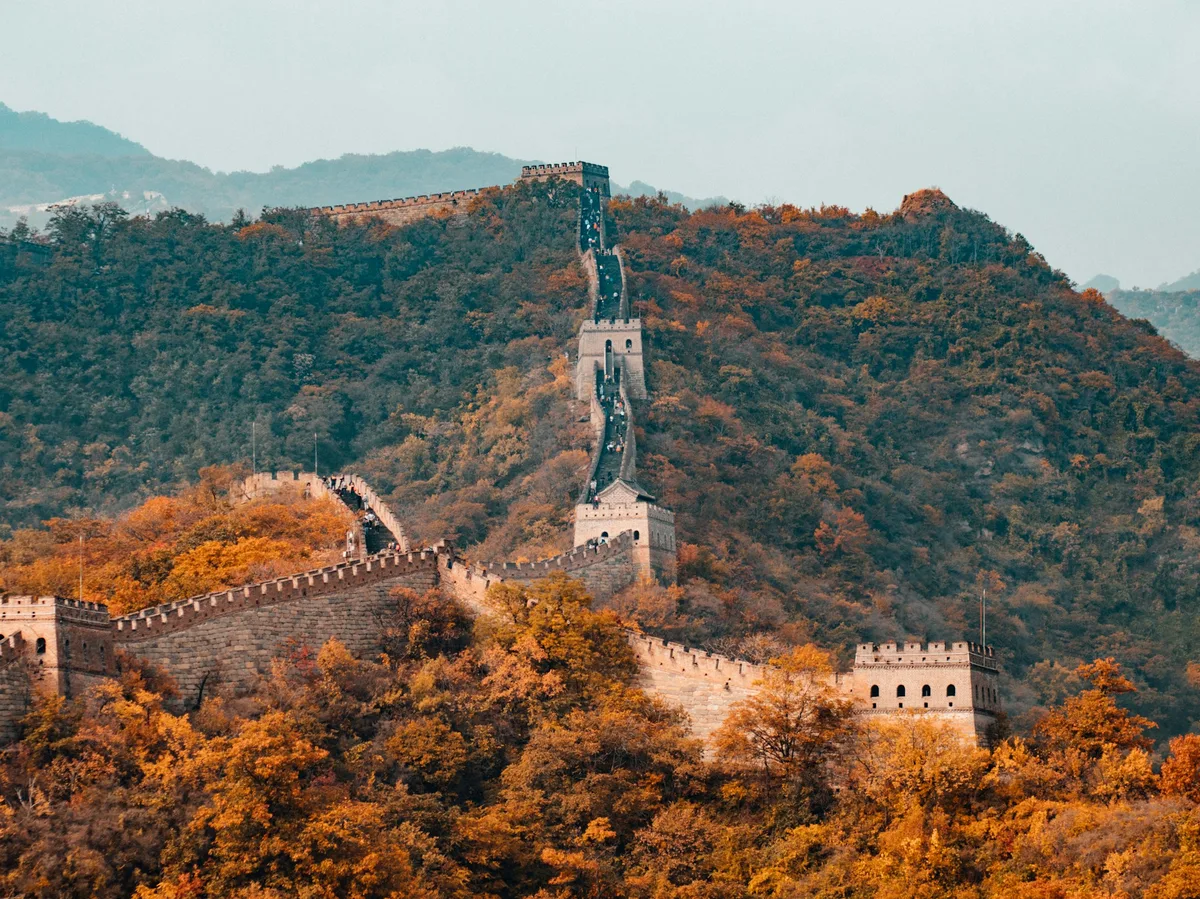
A monumental defensive wall stretching thousands of kilometers across northern China, with sections like Mutianyu and Jiankou offering dramatic hikes through mountain scenery.
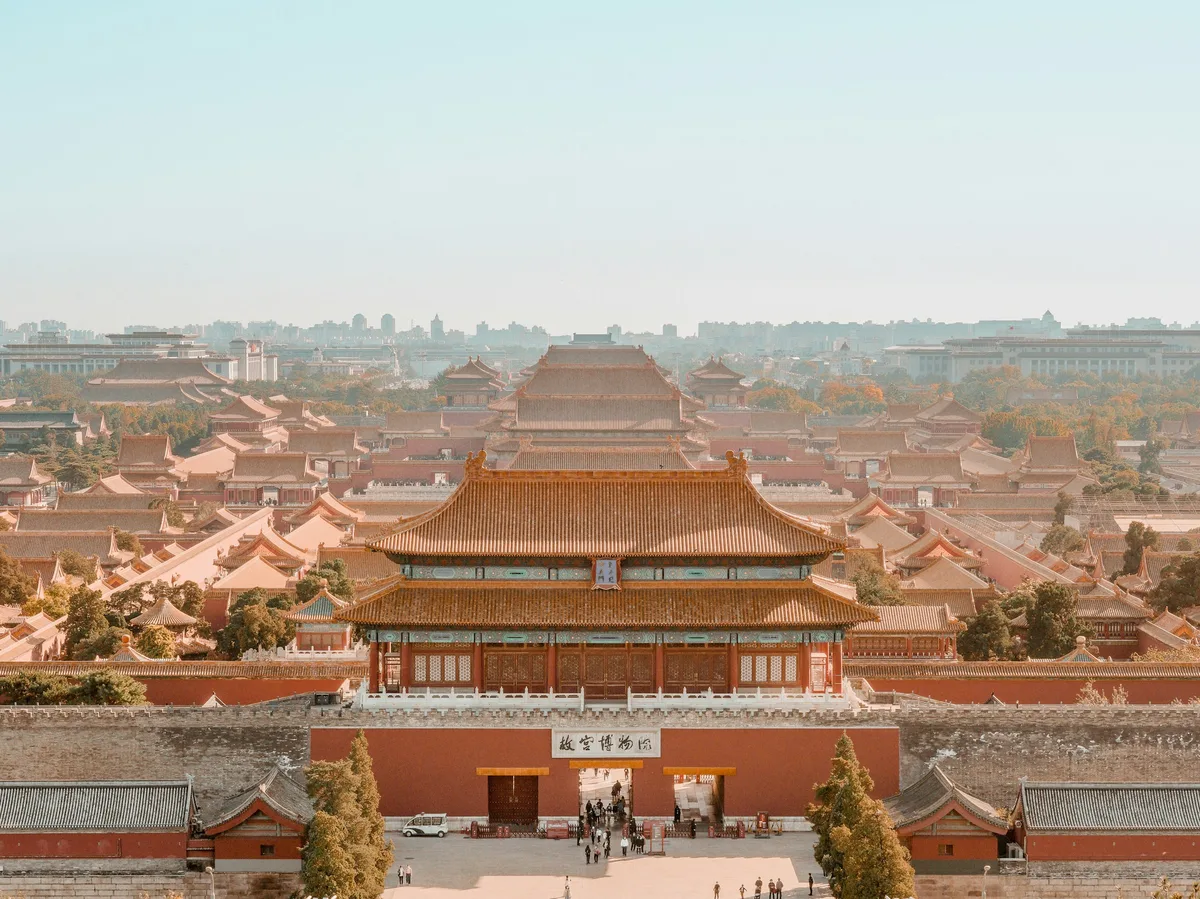 Multi-Day Tours Popular Pick
A 12-day classic across Beijing, Xi'an and Shanghai — the Great Wall, the Terracotta Warriors, a Yangtze River cruise and Shanghai's skyline, all with your own driver-guide.
 Multi-Day Tours
Iconic cities balanced with three days of Great Wall hiking and rural village life, from Beijing through Xi'an to Shanghai and the water town of Wuzhen.
 Multi-Day Tours
A dedicated Great Wall expedition — hiking multiple sections from the easternmost point at Old Dragon's Head westward, staying in homestays, hostels and hotels along the way.
Visitor guide
The Great Wall of China is a series of fortifications built along China's historical northern borders to guard against nomadic groups from the Eurasian Steppe. Built, rebuilt and extended over many centuries, it crosses mountains, grasslands and deserts, and its best-known stretches near Beijing are among the most visited heritage sites in the country.
According to Wikipedia, the first walls date to the 7th century BC. After unifying China in 221 BC, the Qin dynasty joined earlier walls together, tore down the internal walls between former states and built new ones along the northern frontier to face the Xiongnu. The Han wall is the longest of the early walls, running from near Yumenguan in Gansu to Liaodong. Later dynasties such as the Northern Wei, Liao, Jin and Western Xia built walls farther north, and the Sui repaired sections, while the Tang and Song made little significant effort. The wall was not simply a barrier. It also served as a transport corridor, a means of border control, and a way of regulating and taxing trade along the Silk Road.
The best-known sections date to the Ming dynasty (1368 to 1644), built after a defeat at the Battle of Tumu. Unlike earlier rammed-earth walls, Ming construction used brick and stone, which made it sturdier. Estimates suggest up to 25,000 watchtowers were built, and under the general Qi Jiguang 1,200 towers were erected between 1567 and 1570. Builders used bricks, tiles, lime and stone, and brick walls were held together with a mortar made from sticky rice soup mixed with slaked lime. Signal towers on high points used smoke or fire to communicate, while barracks, stables and armouries stood along the inner side. The Ming wall alone measures about 8,850 kilometres, including about 6,259 kilometres of actual wall, 359 kilometres of trenches and 2,232 kilometres of natural barriers such as hills and rivers.
A 2012 survey by China's National Cultural Heritage Administration recorded a total length of 21,196.18 kilometres across all dynasties, counting 10,051 wall sections and 29,510 individual buildings. The popular belief that human remains were built into the wall is false, according to Wikipedia.
Several sections are popular with visitors. Badaling is the best-known stretch and was the first opened to the public in the People's Republic. Juyongguan guards the approach to Beijing. Jinshanling climbs steep slopes for 11 kilometres and has 67 watchtowers. Mutianyu runs 2.25 kilometres along rugged mountains and was among the first sections restored after the Cultural Revolution. Shanhai Pass and the Old Dragon Head are the traditional eastern end, where the wall meets the sea.
UNESCO inscribed the Great Wall as a World Heritage Site in 1987, and it was named one of the New 7 Wonders of the World in 2007. Many sections are in poor shape. A 2012 report said that about 22 percent of the Ming wall, or 1,961 kilometres, had disappeared, and erosion threatens parts of Gansu where the wall is made of mud.
The widely repeated claim that the wall can be seen from space is largely false, as Wikipedia explains. The wall is too narrow to stand out, and NASA says it is barely visible from low Earth orbit even in near-perfect conditions.
Different sections feel very different, from restored stretches with handrails to rugged unrestored ones. A private guided visit helps match the section to your interests and to the season.
See every tour and attraction we cover in China.