 TorontoOntario · 17 tours
 Niagara FallsOntario · 17 tours
 New York CityNew York · 8 tours
 Las VegasNevada · 8 tours
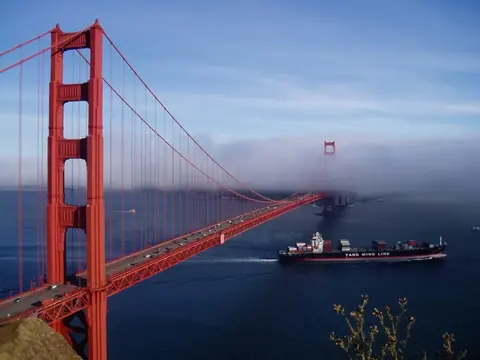 San FranciscoCalifornia · 16 tours
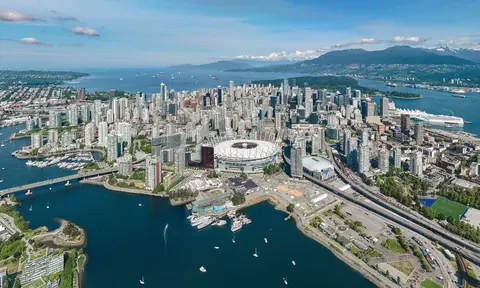 VancouverBritish Columbia · 17 tours
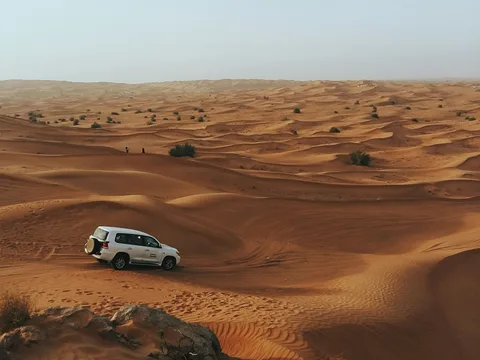 DubaiUAE · 44 tours
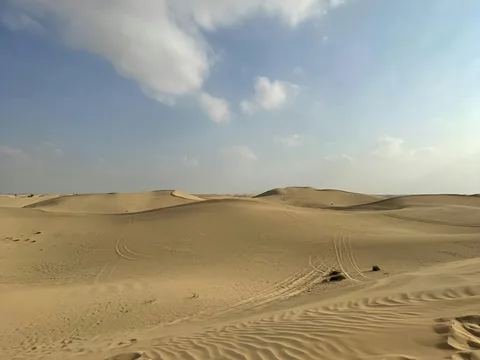 Abu DhabiUAE · 5 tours
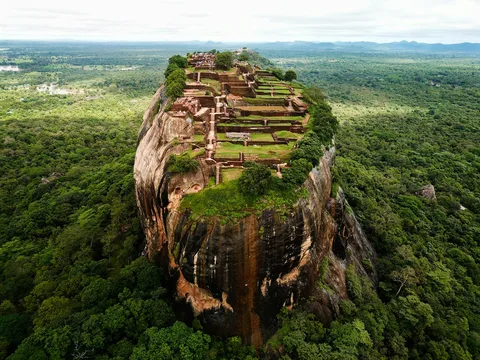 Sri LankaSri Lanka · 16 tours
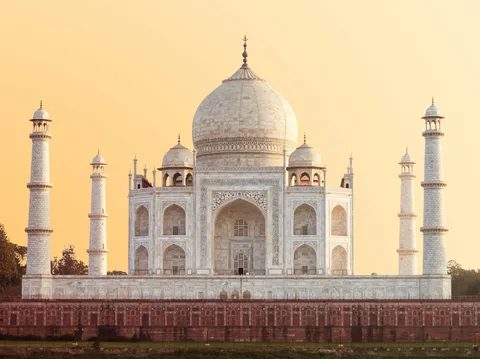 IndiaIndia · 13 tours
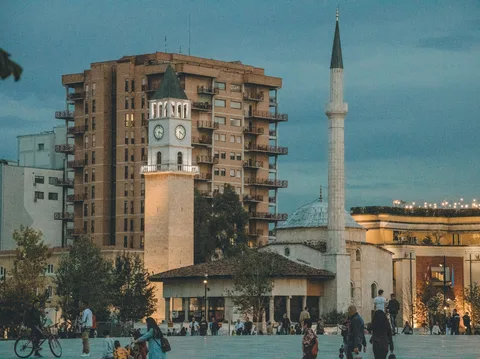 AlbaniaAlbania · 10 tours
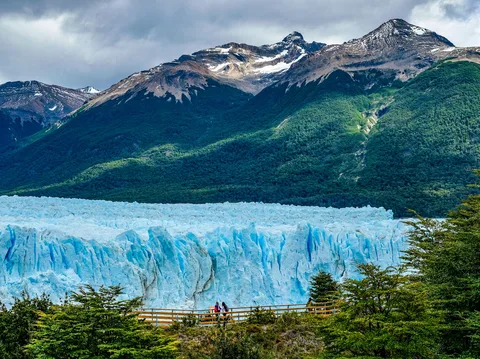 ArgentinaArgentina · 8 tours
No destinations match “”.
Voyzo runs 2 private tours across 1 destination in Oman, covering 8 attractions — each with your own guide, driver, and vehicle, and an itinerary built around your group rather than a fixed bus schedule.
Oman is a sultanate on the southeastern edge of the Arabian Peninsula, ruled by Sultan Haitham bin Tariq since 2020 following the death of Sultan Qaboos, whose 50-year reign reshaped the country from an isolated pre-1970 state into a modern one while keeping its old-town architecture, forts, and souqs largely intact. It borders the UAE, Saudi Arabia, and Yemen, with a coastline running along the Gulf of Oman and the Arabian Sea. Arabic is the official language, Islam the state religion, and the currency is the Omani rial, one of the highest-valued currencies in the world.
Voyzo's Oman routes stay close to the loop travelers actually take from Muscat: the Sultan Qaboos Grand Mosque and Mutrah Souq in the capital, the mountain villages and terraced farms of Jabal Akhdar and Nizwa, and the dune fields of Wahiba Sands for desert camping, with Wadi Shab's hike-in pools added on the more active routes. Unlike its glass-and-skyscraper neighbor the UAE, Oman's tourism leans on older architecture and landscape rather than built attractions — forts, souqs, wadis, and desert rather than malls and towers.
Because Muscat, Nizwa, Wahiba Sands, and Jabal Akhdar are each a couple of hours apart by road and public transit doesn't reach the desert camps or mountain villages, Voyzo runs every Oman route as a private, driver-led circuit — including trips originally sold as self-drive rentals, which Voyzo runs the same way but with a driver instead of handing you the keys.
The real stops Voyzo's own itineraries are built around — tap any attraction to learn more.
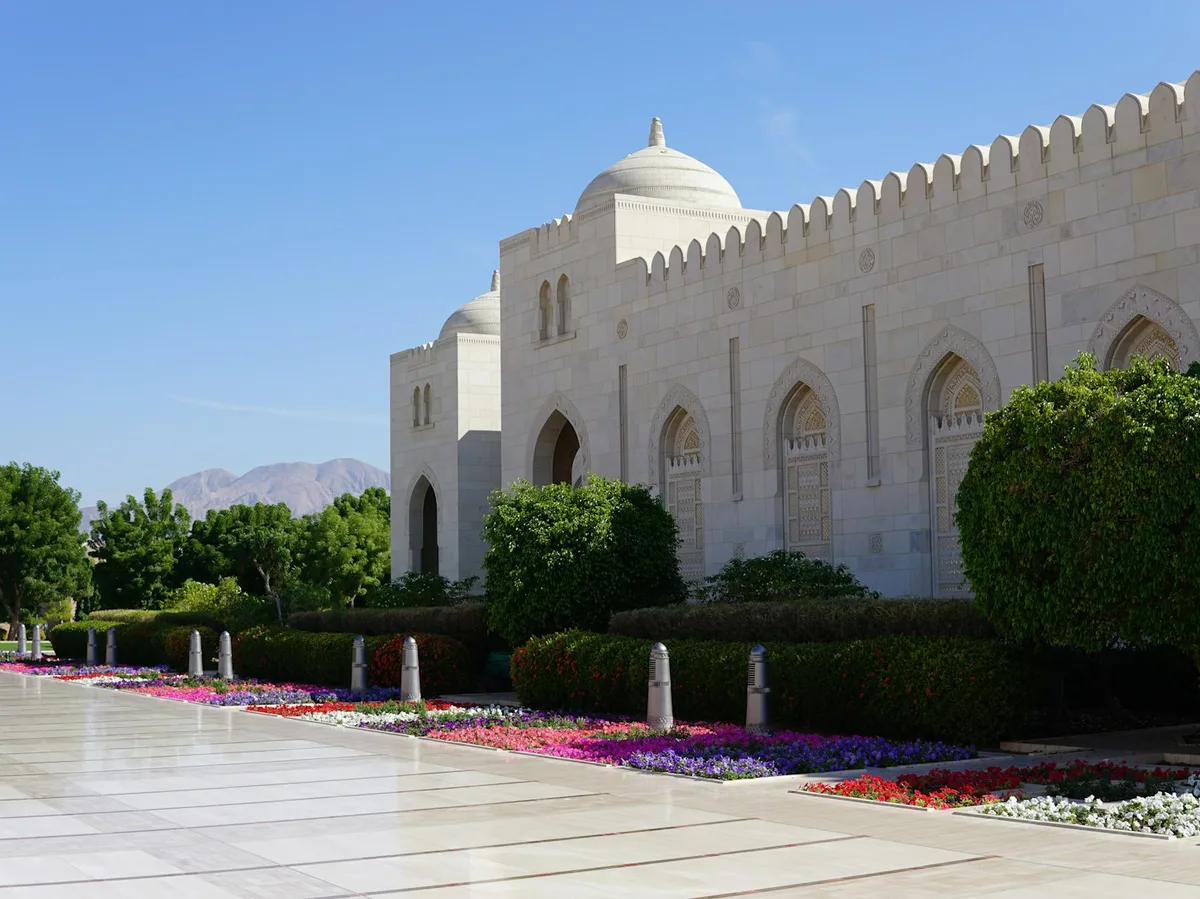
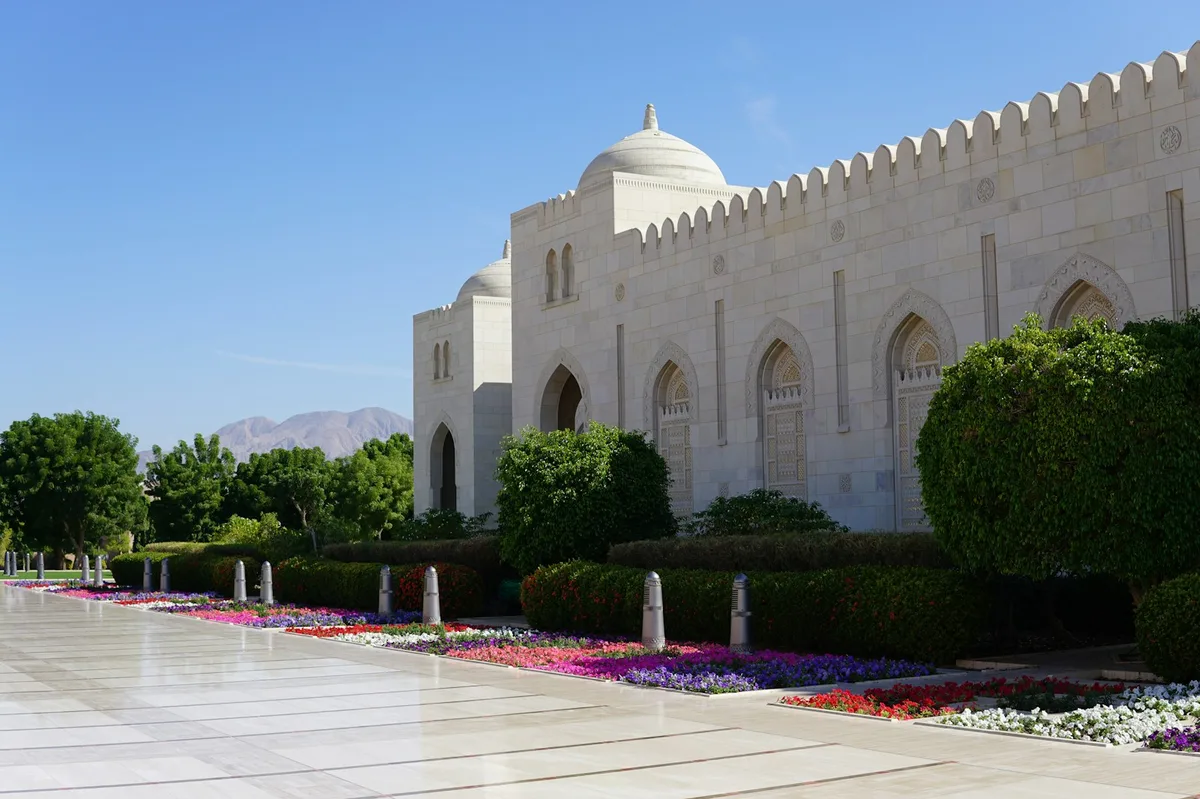 Sultan Qaboos Grand Mosque
Oman
Muscat's grand mosque, with white marble domes, expansive gardens, and one of the world's largest hand-woven carpets in its main prayer hall.
2
Sultan Qaboos Grand Mosque
Oman
Muscat's grand mosque, with white marble domes, expansive gardens, and one of the world's largest hand-woven carpets in its main prayer hall.
2
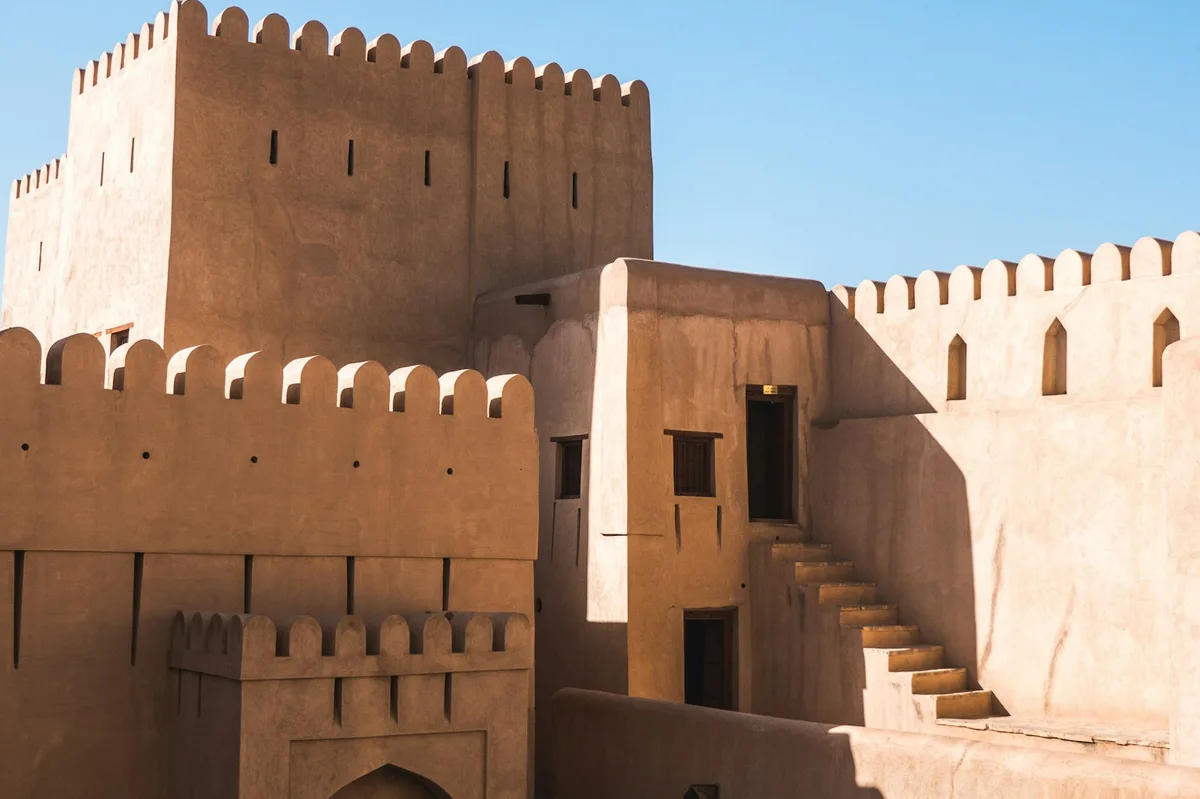 Nizwa Fort
Oman
A 17th-century fort with a massive circular tower at the center of Nizwa, once Oman's capital, next to a souq famous for khanjars, dates, and silver.
3
Nizwa Fort
Oman
A 17th-century fort with a massive circular tower at the center of Nizwa, once Oman's capital, next to a souq famous for khanjars, dates, and silver.
3
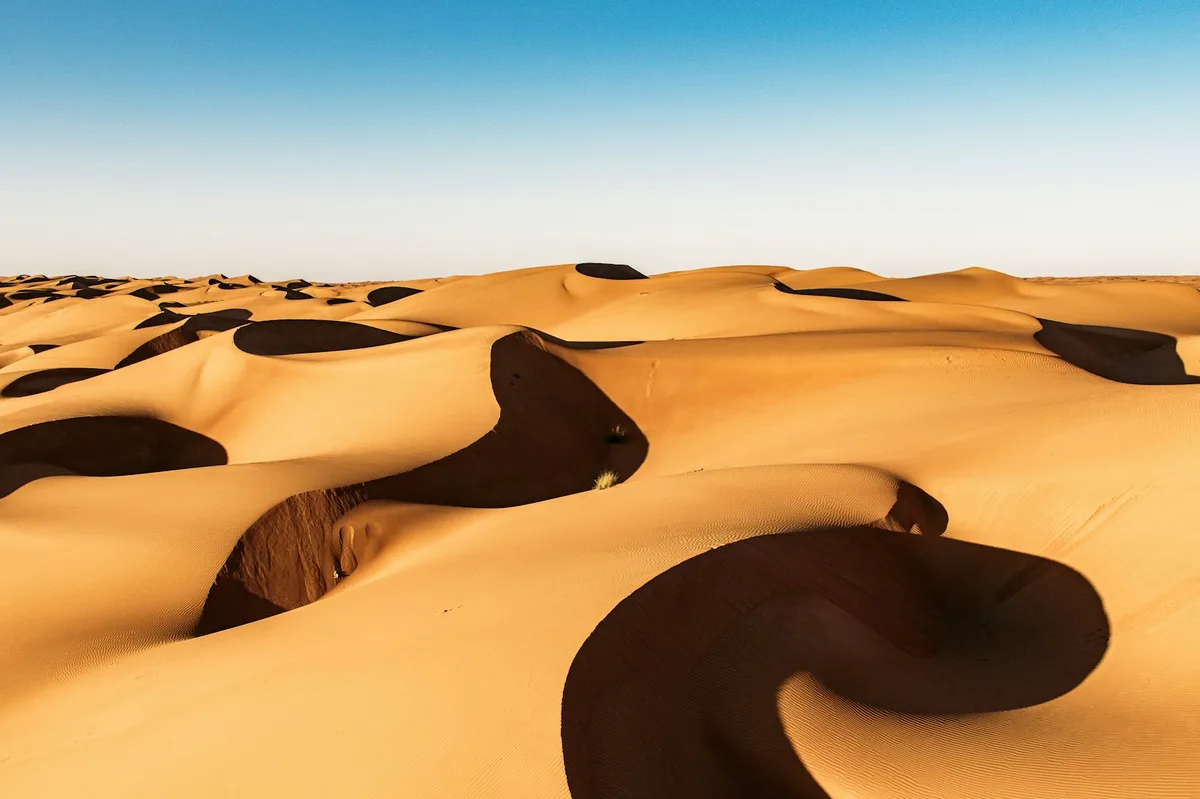 Wahiba Sands
Oman
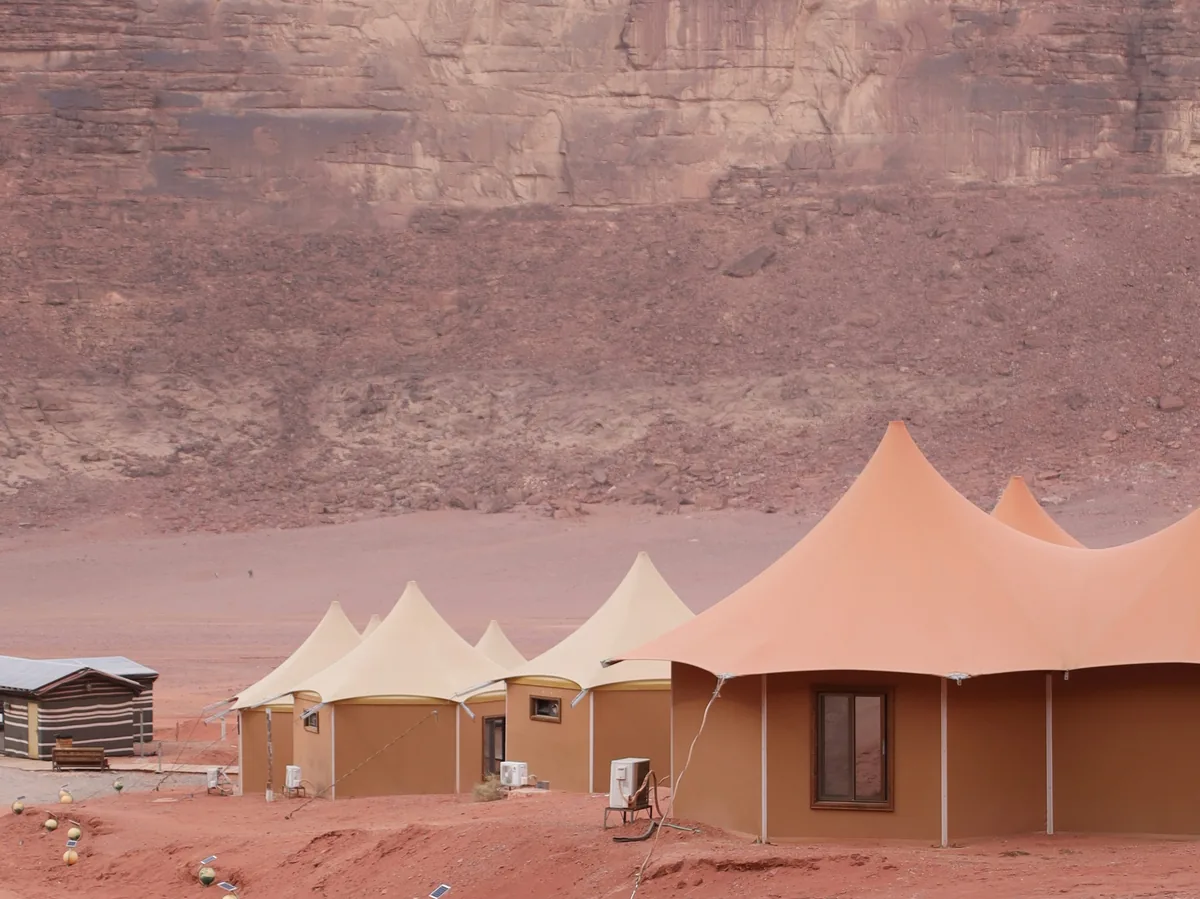
A sea of dunes reaching up to 200m in eastern Oman, home to Bedouin communities and a classic overnight desert-camp stop on Oman itineraries.
4
Wahiba Sands
Oman
A sea of dunes reaching up to 200m in eastern Oman, home to Bedouin communities and a classic overnight desert-camp stop on Oman itineraries.
4
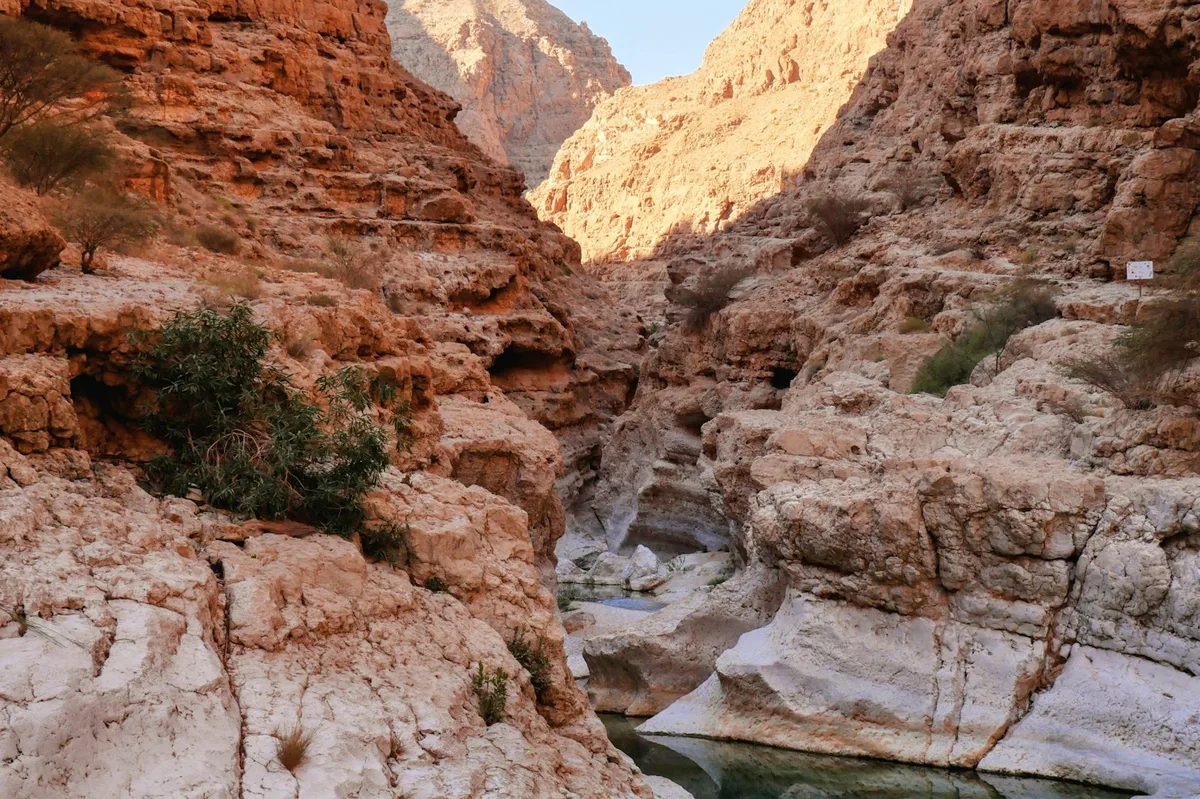 Wadi Shab
Oman
A dramatic canyon in the Ash Sharqiyah region with emerald pools and a hidden waterfall, reached by a hike and a short swim through the narrows.
5
Wadi Shab
Oman
A dramatic canyon in the Ash Sharqiyah region with emerald pools and a hidden waterfall, reached by a hike and a short swim through the narrows.
5
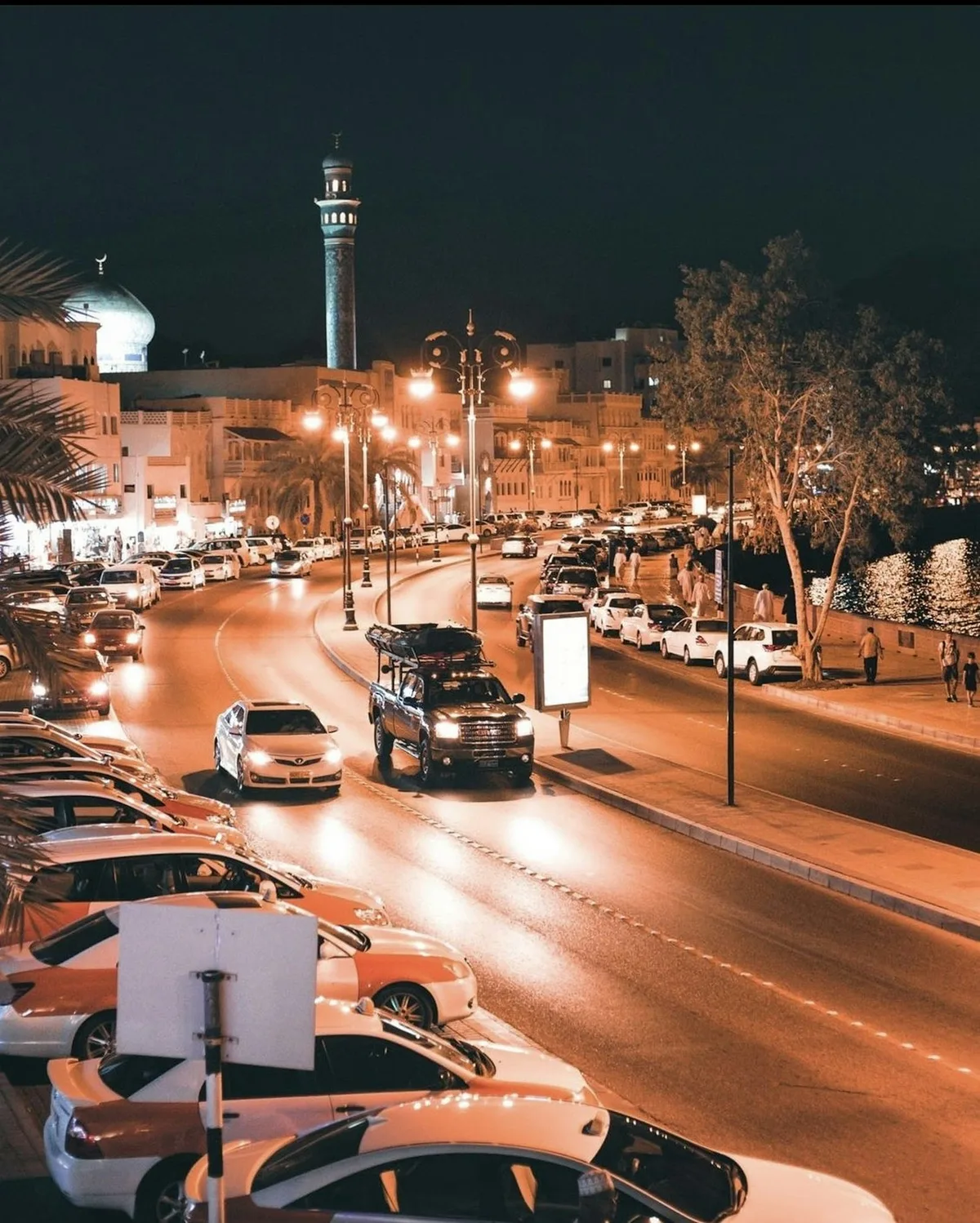 Mutrah Souq
Oman
One of the oldest souks in the Arabian Peninsula, its covered lanes in Muscat's Mutrah district sell frankincense, textiles, and silver alongside the harborside Corniche.
6
Mutrah Souq
Oman
One of the oldest souks in the Arabian Peninsula, its covered lanes in Muscat's Mutrah district sell frankincense, textiles, and silver alongside the harborside Corniche.
6
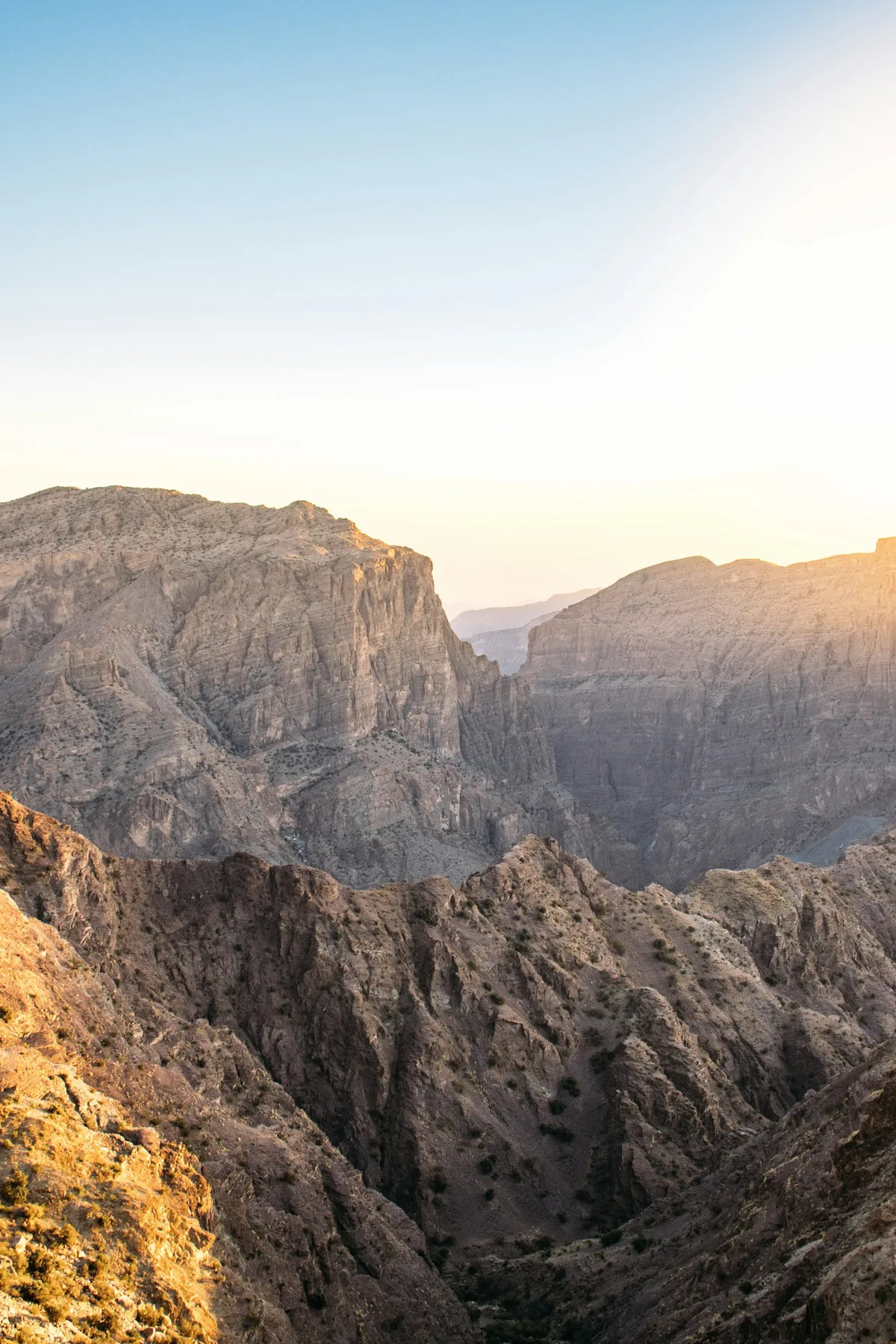 Jebel Akhdar
Oman
Oman's "Green Mountain," a high limestone plateau in the Al Hajar range terraced with rose and pomegranate orchards, with villages like Al Ayn perched on its cliff edges.
7
Jebel Akhdar
Oman
Oman's "Green Mountain," a high limestone plateau in the Al Hajar range terraced with rose and pomegranate orchards, with villages like Al Ayn perched on its cliff edges.
7
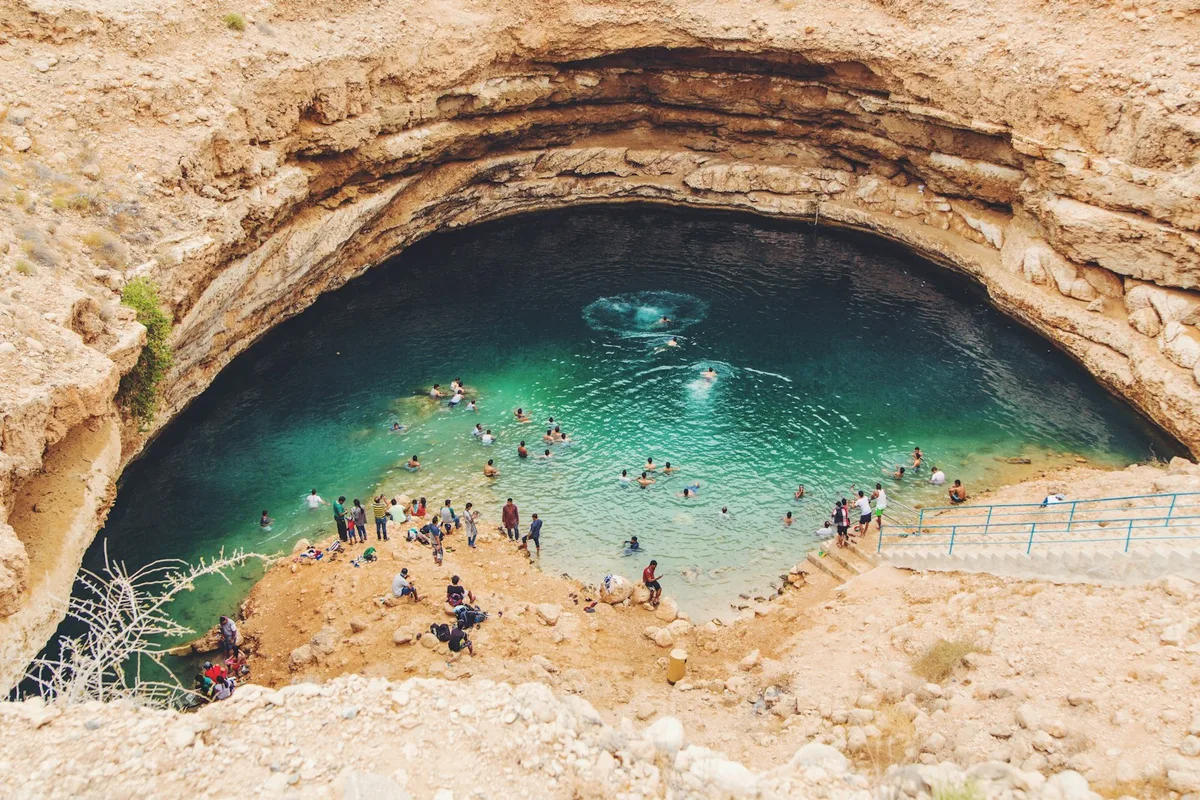 Bimmah Sinkhole
Oman
A collapsed limestone crater near Muscat filled with turquoise, faintly brackish water, reached by a short stairway down from the parking area.
8
Bimmah Sinkhole
Oman
A collapsed limestone crater near Muscat filled with turquoise, faintly brackish water, reached by a short stairway down from the parking area.
8
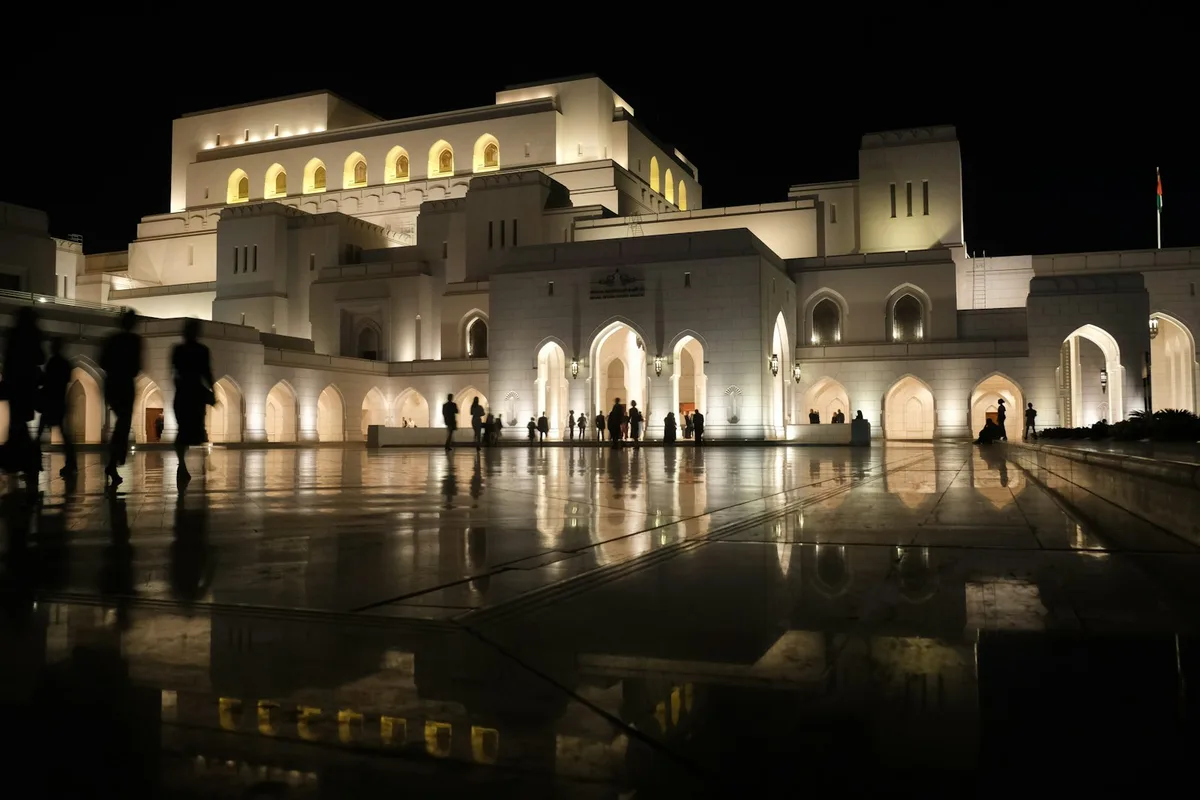 Royal Opera House Muscat
Oman
Oman's national opera house, built in traditional Omani-Islamic architectural style with white stone facades and carved wooden doors, hosting international opera, ballet, and concerts.
Multi-Day Tours
Royal Opera House Muscat
Oman
Oman's national opera house, built in traditional Omani-Islamic architectural style with white stone facades and carved wooden doors, hosting international opera, ballet, and concerts.
Multi-Day Tours
An 8-day route from Muscat's Sultan Qaboos Grand Mosque and Mutrah Souq along the coast to Sur, into Wahiba Sands for a desert camp night, up into the Jabal Akhdar mountains, and through Nizwa's fort and souq.
 Multi-Day Tours
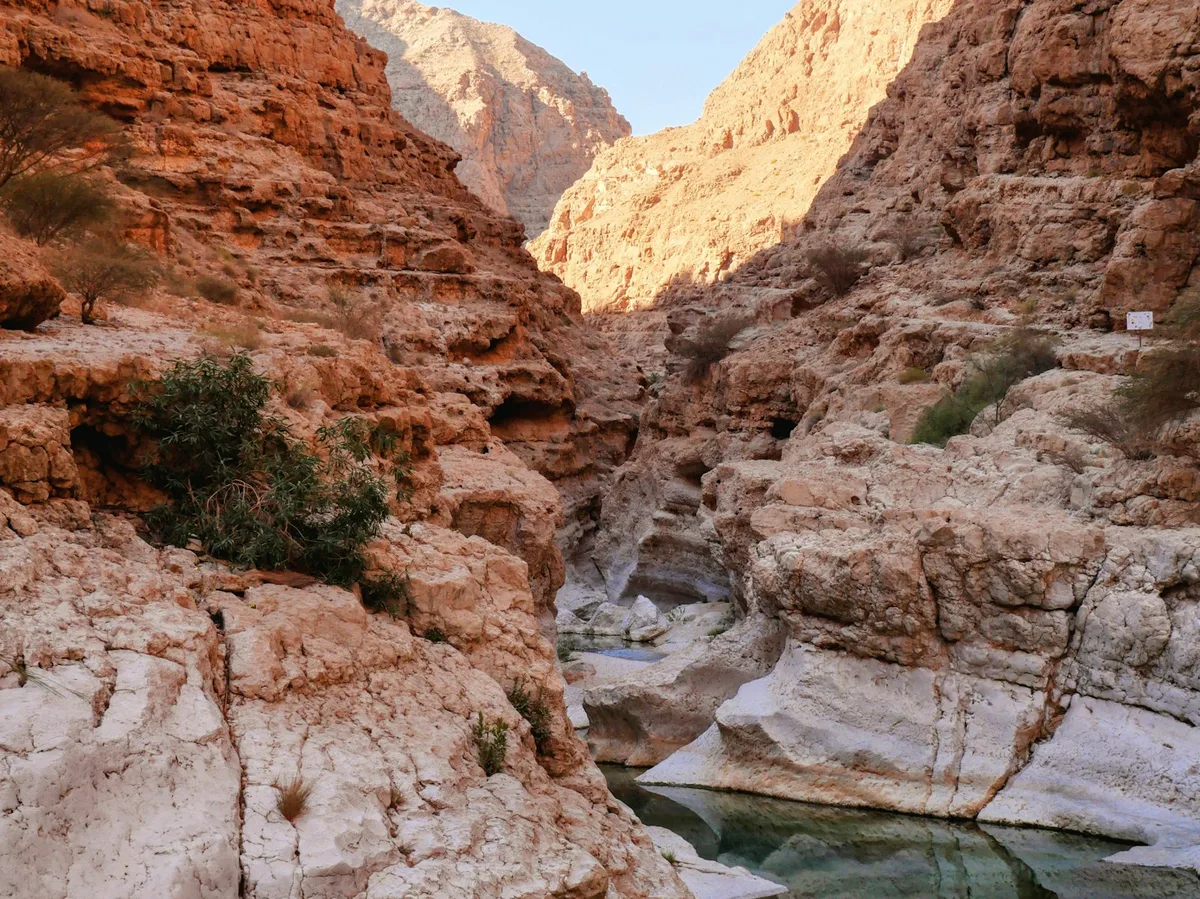
A 13-day, hike-focused private route through Oman's cities and mountains — from Muscat's mosque and forts, through the canyons of Wadi Nakhr and Jebel Akhdar, to a night in Wahiba Sands and a hike through Wadi Shab's pools and waterfalls.
Most Western nationalities — including US, UK, EU, Canadian, and Australian citizens — can apply for an Oman e-visa online in advance, typically valid for 30 days; it's straightforward but needs to be arranged before arrival rather than expected on arrival.
Arabic is the official language, but English is widely spoken in Muscat, hotels, and tourist areas, including by most guides and drivers.
Oman is an Islamic sultanate ruled by Sultan Haitham bin Tariq since 2020; it's religiously and culturally conservative but genuinely welcoming to visitors of other faiths and backgrounds.
Oman is regarded as one of the safer countries in the Middle East for travelers, with low crime rates; the real practical considerations are heat (especially May–September) and desert or mountain terrain rather than personal safety.
During the Islamic holy month of Ramadan, eating, drinking, and smoking in public during daylight hours is discouraged even for non-Muslims, and some restaurants adjust their hours — worth checking the dates before planning a trip, since they shift earlier by about 10–11 days each year.
The Omani rial (OMR) is one of the world's highest-valued currencies, divided into 1,000 baisa rather than 100 — worth double-checking exchange rates and prices carefully since the numbers look small compared to other currencies.
Tell us your group size and dates — we'll take care of the rest.