 TorontoOntario · 17 tours
 Niagara FallsOntario · 17 tours
 New York CityNew York · 8 tours
 Las VegasNevada · 8 tours
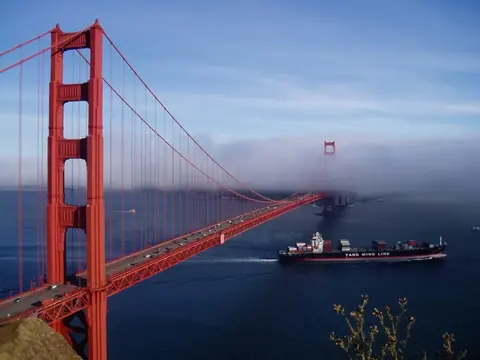 San FranciscoCalifornia · 16 tours
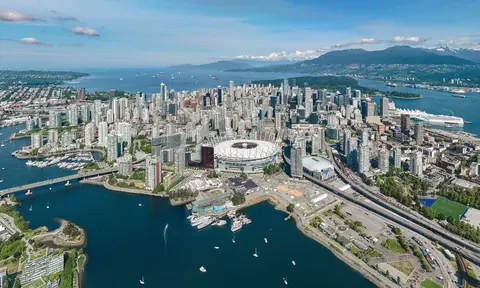 VancouverBritish Columbia · 17 tours
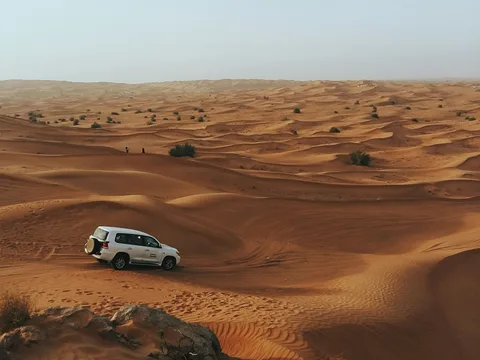 DubaiUAE · 44 tours
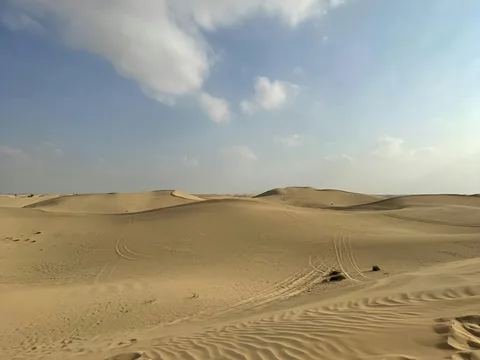 Abu DhabiUAE · 5 tours
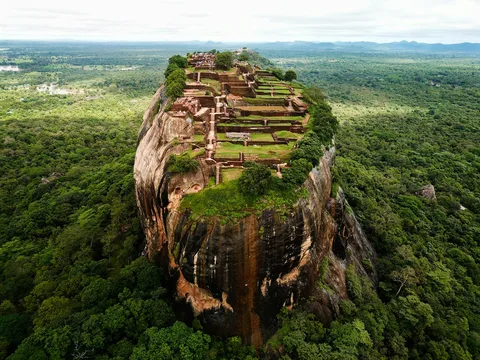 Sri LankaSri Lanka · 16 tours
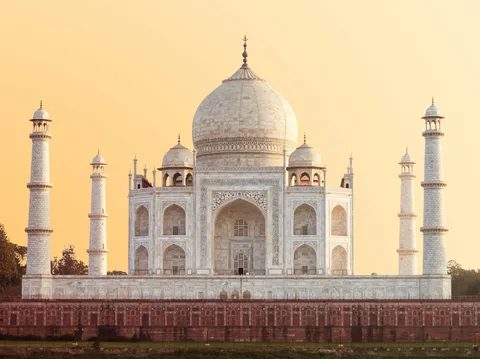 IndiaIndia · 13 tours
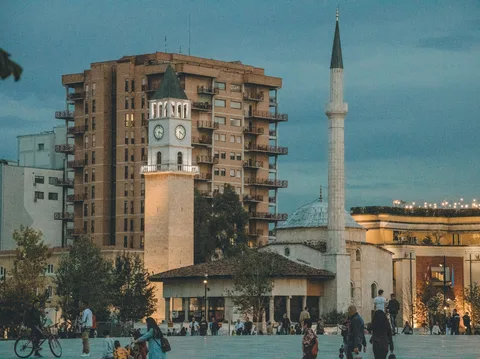 AlbaniaAlbania · 10 tours
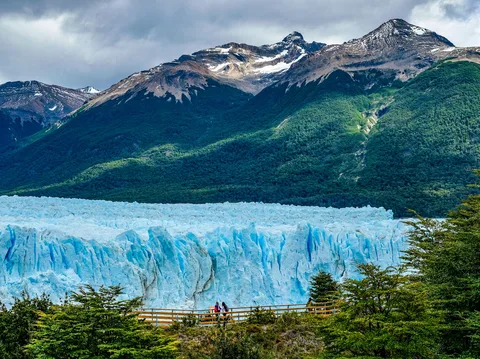 ArgentinaArgentina · 8 tours
No destinations match “”.
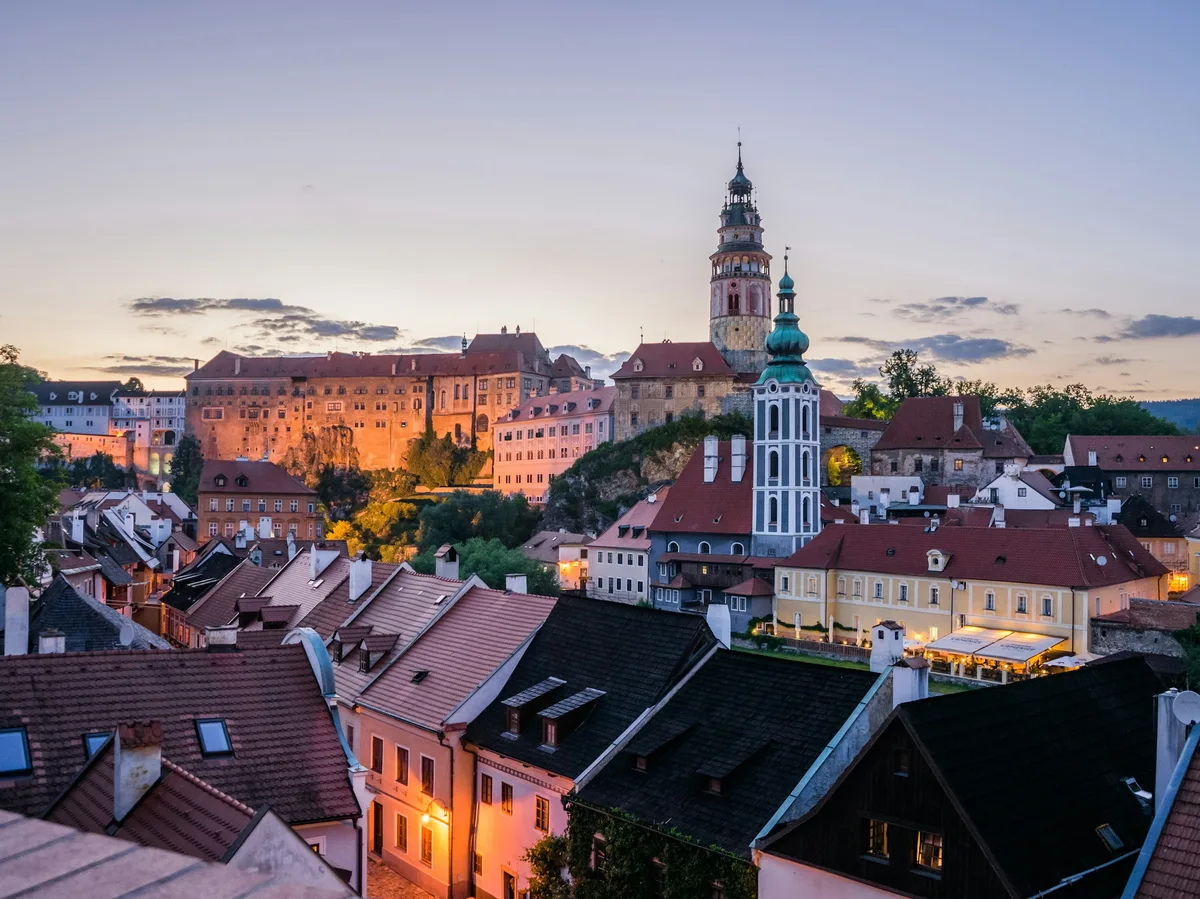
Voyzo runs 3 private tours across 1 destination in Czechia, covering 9 attractions — each with your own guide, driver, and vehicle, and an itinerary built around your group rather than a fixed bus schedule.
Czechia is a landlocked country in Central Europe, bordering Germany, Austria, Poland, and Slovakia. It split peacefully from Slovakia in 1993 — a divorce so orderly it's still called the 'Velvet Divorce' — following the 1989 Velvet Revolution that ended four decades of Communist rule. It joined NATO in 1999 and the EU in 2004, and today divides into two historic regions: Bohemia in the west, centered on Prague, and Moravia in the east, centered on Brno and its wine country.
Prague's Gothic and Baroque core survived the 20th century's wars largely intact, which is part of why it draws comparisons to a fairy tale — Prague Castle, the Charles Bridge, and the Astronomical Clock all predate the country's modern borders by centuries. Beyond the capital, the spa towns of West Bohemia (Karlovy Vary, Mariánské Lázně) and the UNESCO-listed medieval town of Český Krumlov round out a country where the history is dense but the distances between sights are short.
Voyzo's Czechia routes are private road trips built around Prague, with some extending into neighboring Germany or Austria on longer itineraries — every cross-border stretch is disclosed plainly in the tour details, so you always know which country you're sleeping in that night.
The real stops Voyzo's own itineraries are built around — tap any attraction to learn more.
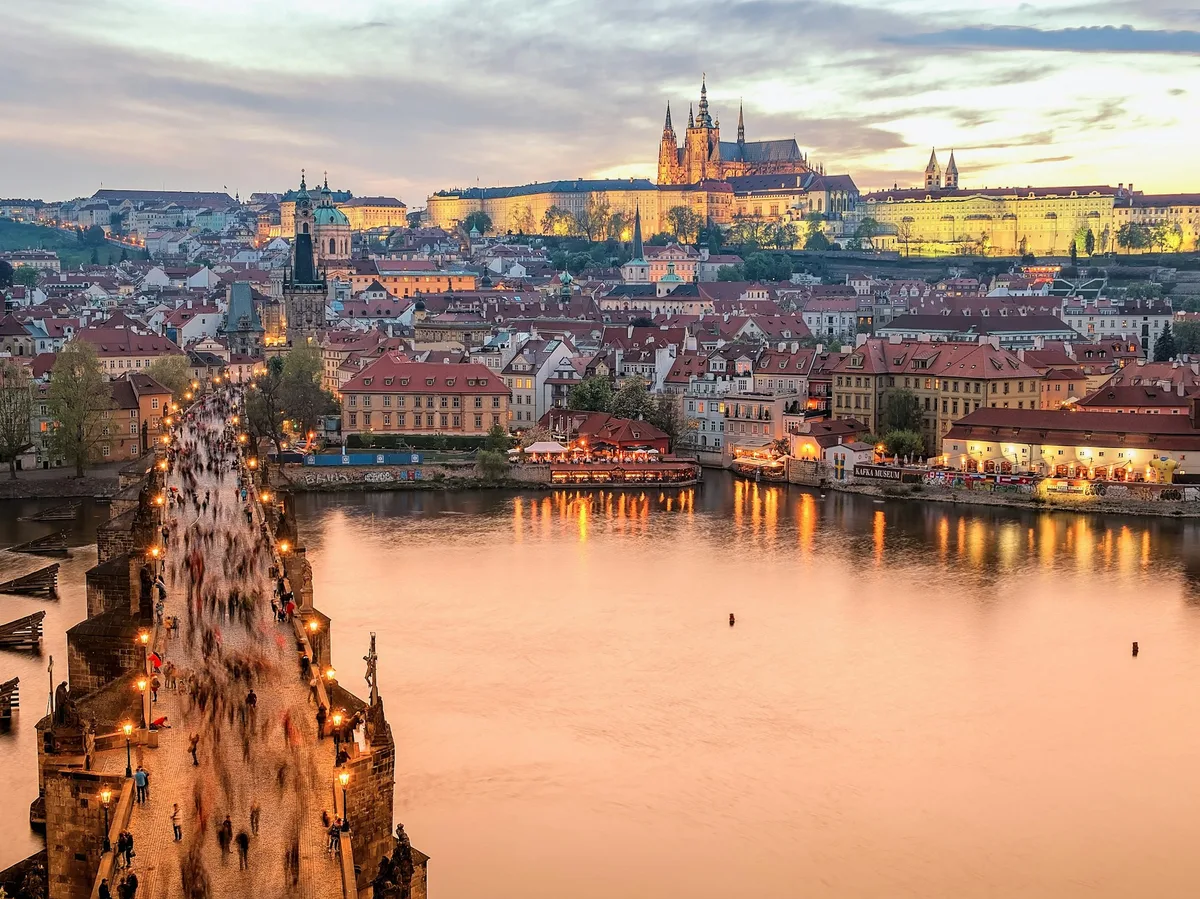 Prague Castle
Czechia
The largest ancient castle complex in the world by area, Prague Castle has been the seat of Czech rulers since the 9th century and today houses the office of the President of the Republic, alongside St. Vitus Cathedral.
2
Prague Castle
Czechia
The largest ancient castle complex in the world by area, Prague Castle has been the seat of Czech rulers since the 9th century and today houses the office of the President of the Republic, alongside St. Vitus Cathedral.
2
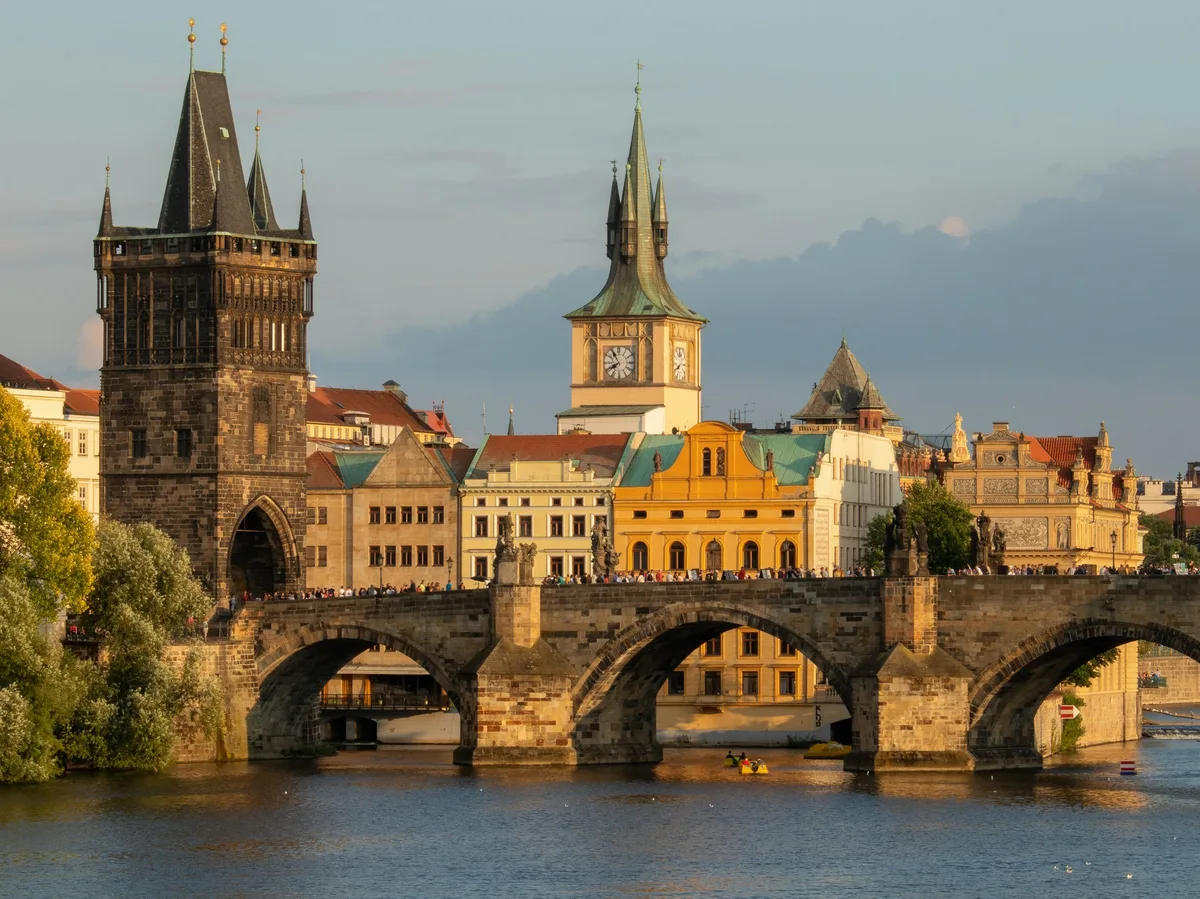 Charles Bridge
Czechia
This 14th-century stone bridge across the Vltava River, lined with 30 Baroque statues, connects Prague's Old Town and Lesser Town and remains the city's most iconic crossing.
3
Charles Bridge
Czechia
This 14th-century stone bridge across the Vltava River, lined with 30 Baroque statues, connects Prague's Old Town and Lesser Town and remains the city's most iconic crossing.
3
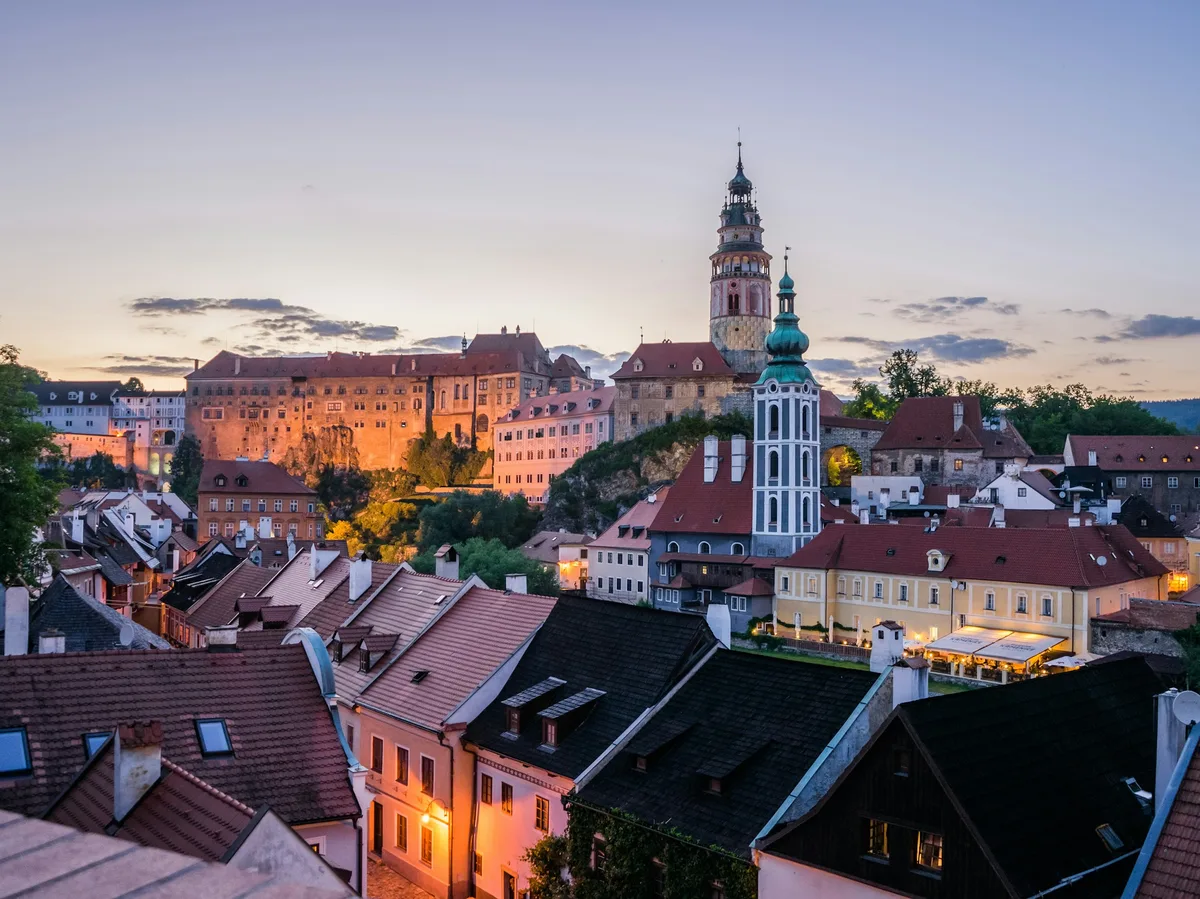 Český Krumlov Old Town
Czechia
A UNESCO World Heritage town in South Bohemia, Český Krumlov's medieval old town curls around a bend in the Vltava River beneath a spectacular 13th-century castle with Rococo gardens.
4
Český Krumlov Old Town
Czechia
A UNESCO World Heritage town in South Bohemia, Český Krumlov's medieval old town curls around a bend in the Vltava River beneath a spectacular 13th-century castle with Rococo gardens.
4
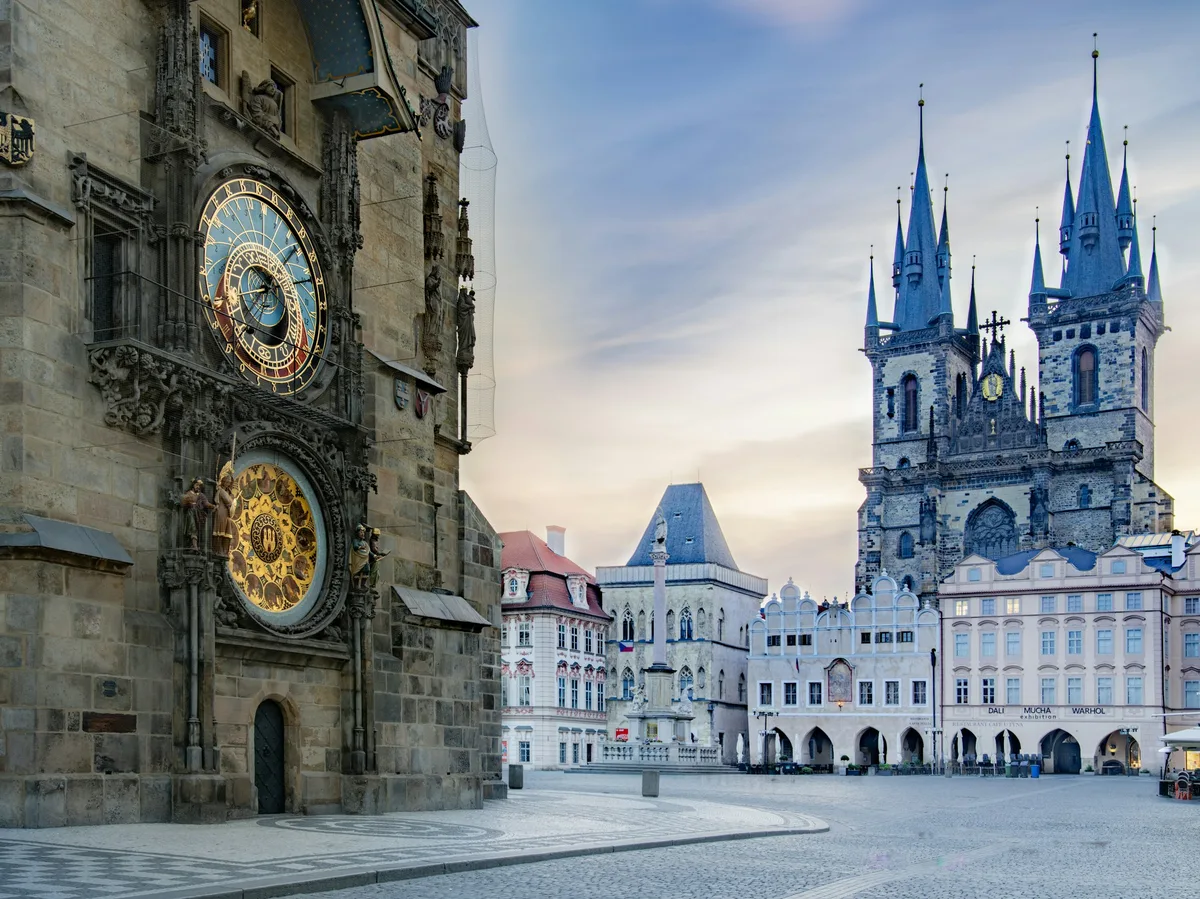 Old Town Square & Astronomical Clock
Czechia
The medieval heart of Prague, home to the 15th-century Astronomical Clock that still performs its hourly procession of the Apostles, along with the Church of Our Lady before Týn and the Old Town Hall.
5
Old Town Square & Astronomical Clock
Czechia
The medieval heart of Prague, home to the 15th-century Astronomical Clock that still performs its hourly procession of the Apostles, along with the Church of Our Lady before Týn and the Old Town Hall.
5
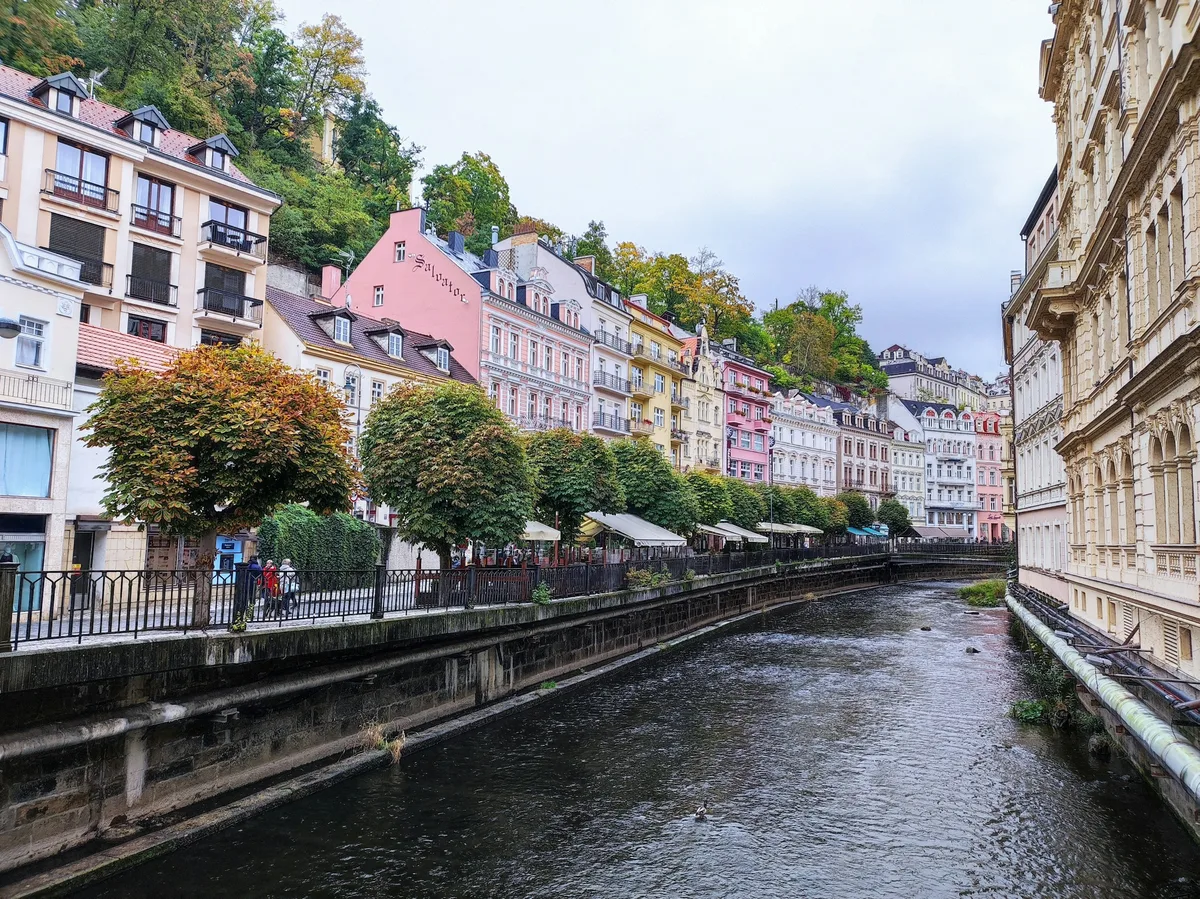 Karlovy Vary
Czechia
Czechia's best-known spa town, renowned for its thermal springs since the 18th century and once favoured by Beethoven, Goethe and Tsar Peter the Great; visitors still sip mineral water from its colonnades today.
6
Karlovy Vary
Czechia
Czechia's best-known spa town, renowned for its thermal springs since the 18th century and once favoured by Beethoven, Goethe and Tsar Peter the Great; visitors still sip mineral water from its colonnades today.
6
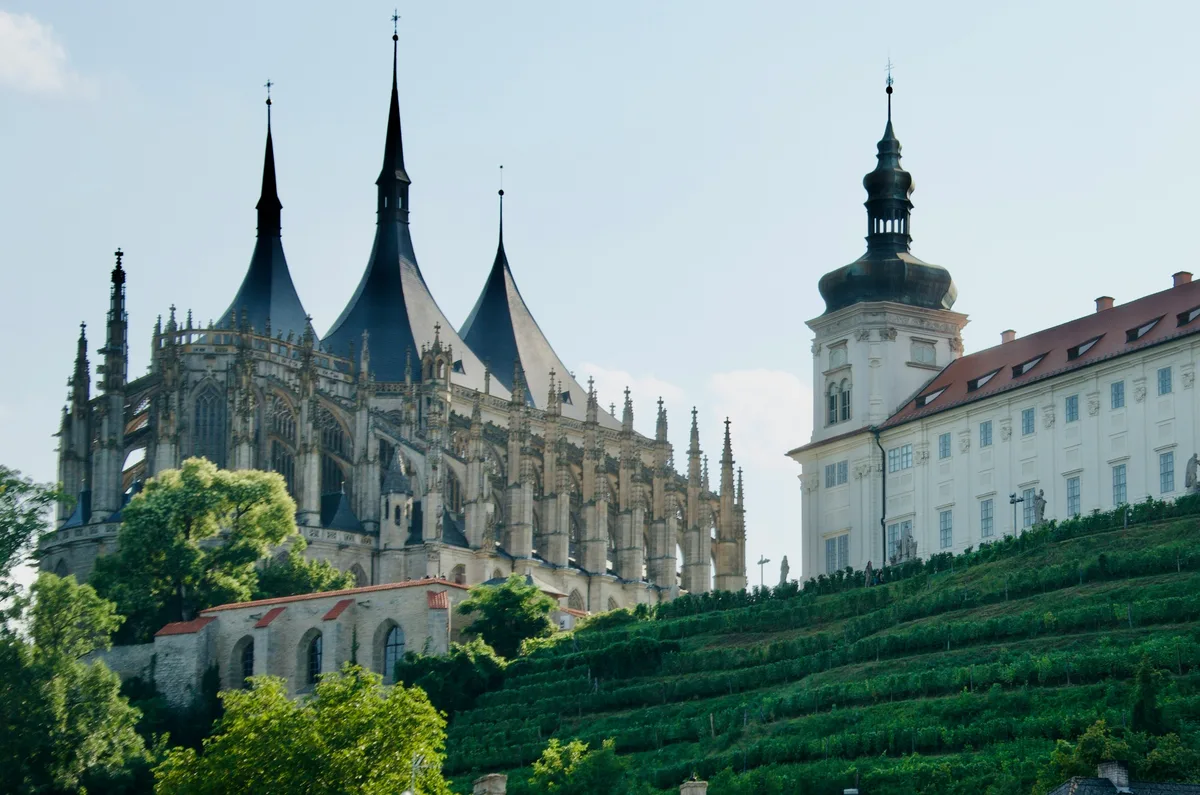 Kutna Hora & the Sedlec Ossuary
Czechia
A UNESCO-listed medieval silver-mining town near Prague, anchored by the Gothic Church of St. Barbara and best known for the Sedlec Ossuary, a small chapel decorated with the bones of an estimated 40,000 people.
7
Kutna Hora & the Sedlec Ossuary
Czechia
A UNESCO-listed medieval silver-mining town near Prague, anchored by the Gothic Church of St. Barbara and best known for the Sedlec Ossuary, a small chapel decorated with the bones of an estimated 40,000 people.
7
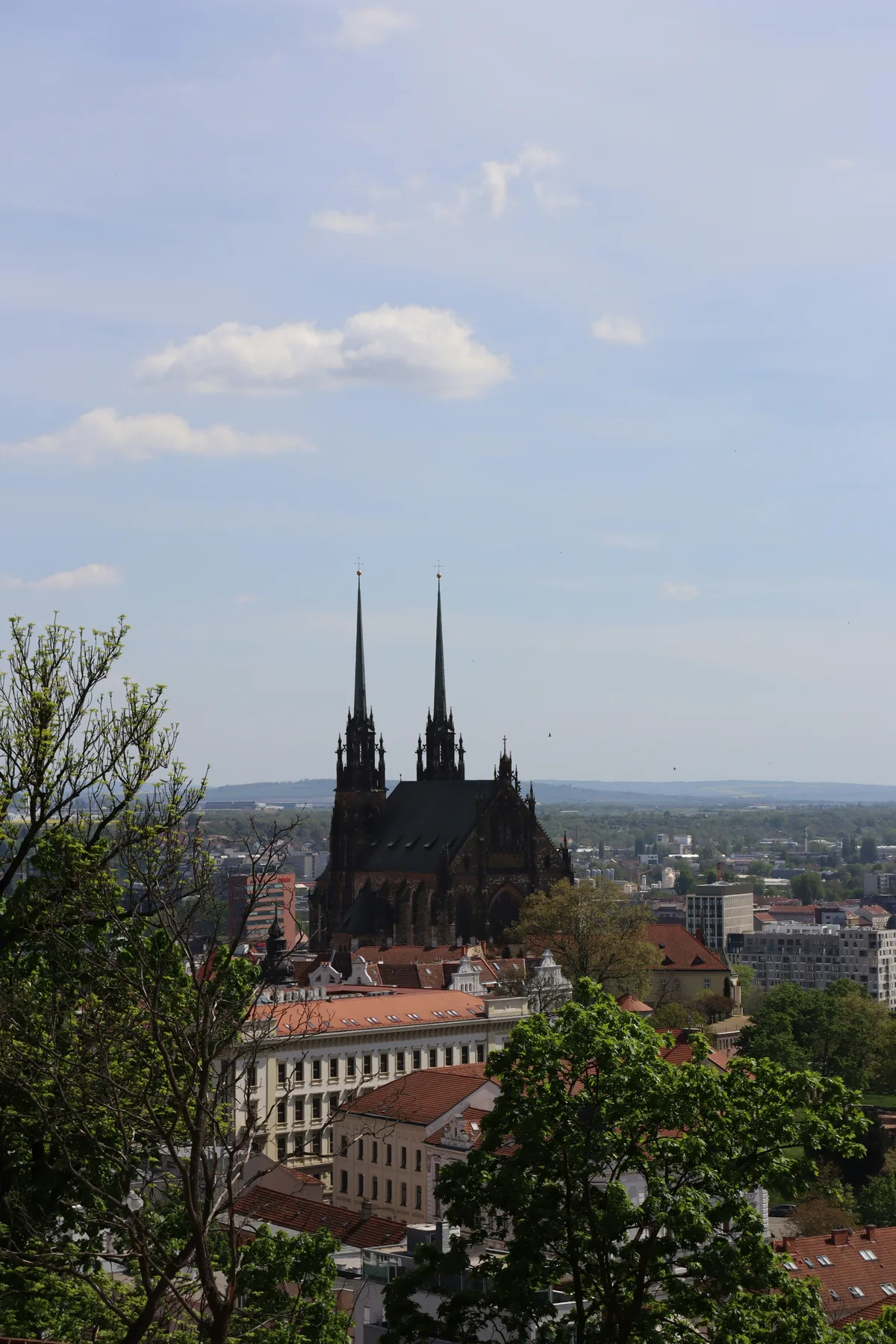 Brno's Old Town
Czechia
Moravia's capital and Czechia's second city, with Spilberk Castle overlooking the city and the twin Gothic spires of Petrov Cathedral on the skyline, quieter and less touristed than Prague.
8
Brno's Old Town
Czechia
Moravia's capital and Czechia's second city, with Spilberk Castle overlooking the city and the twin Gothic spires of Petrov Cathedral on the skyline, quieter and less touristed than Prague.
8
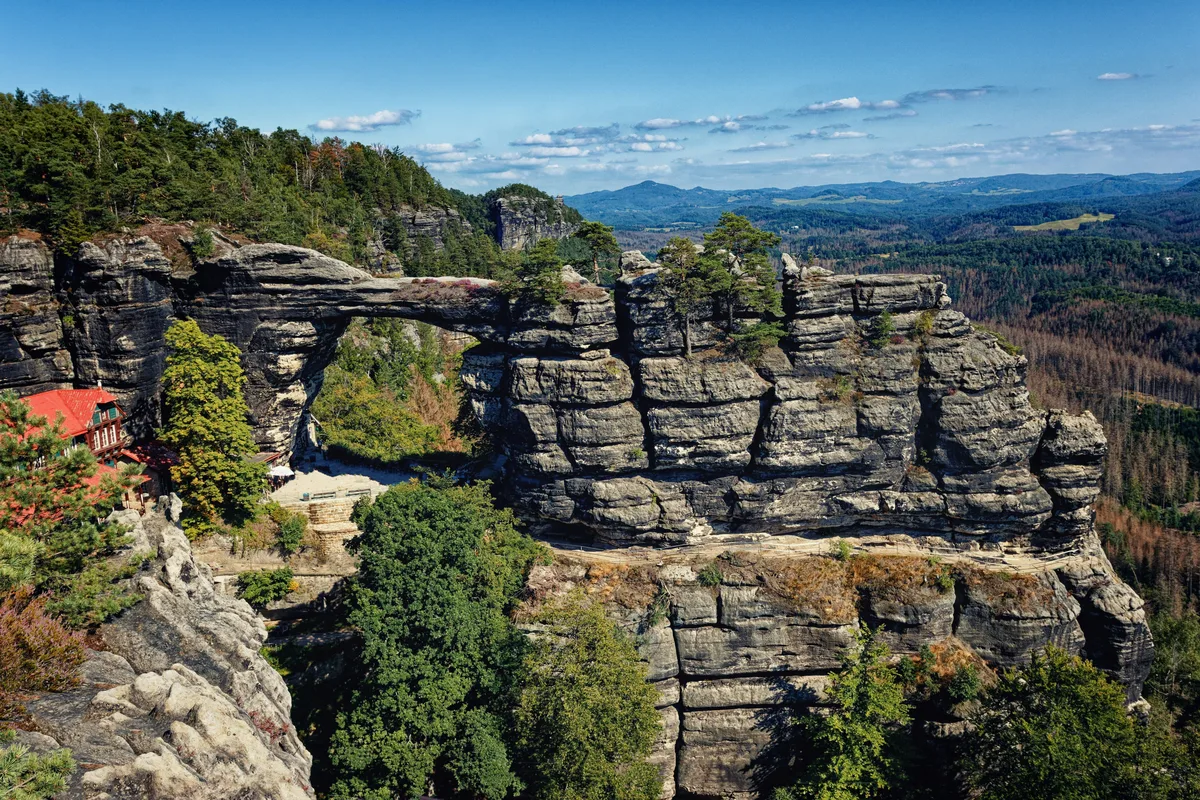 Bohemian Switzerland National Park
Czechia
Sandstone cliffs, deep gorges, and the Pravcicka Brana, the largest natural sandstone arch in Europe, along the Czech-German border, explored on hiking trails and river boat trips through the Kamenice Gorge.
9
Bohemian Switzerland National Park
Czechia
Sandstone cliffs, deep gorges, and the Pravcicka Brana, the largest natural sandstone arch in Europe, along the Czech-German border, explored on hiking trails and river boat trips through the Kamenice Gorge.
9
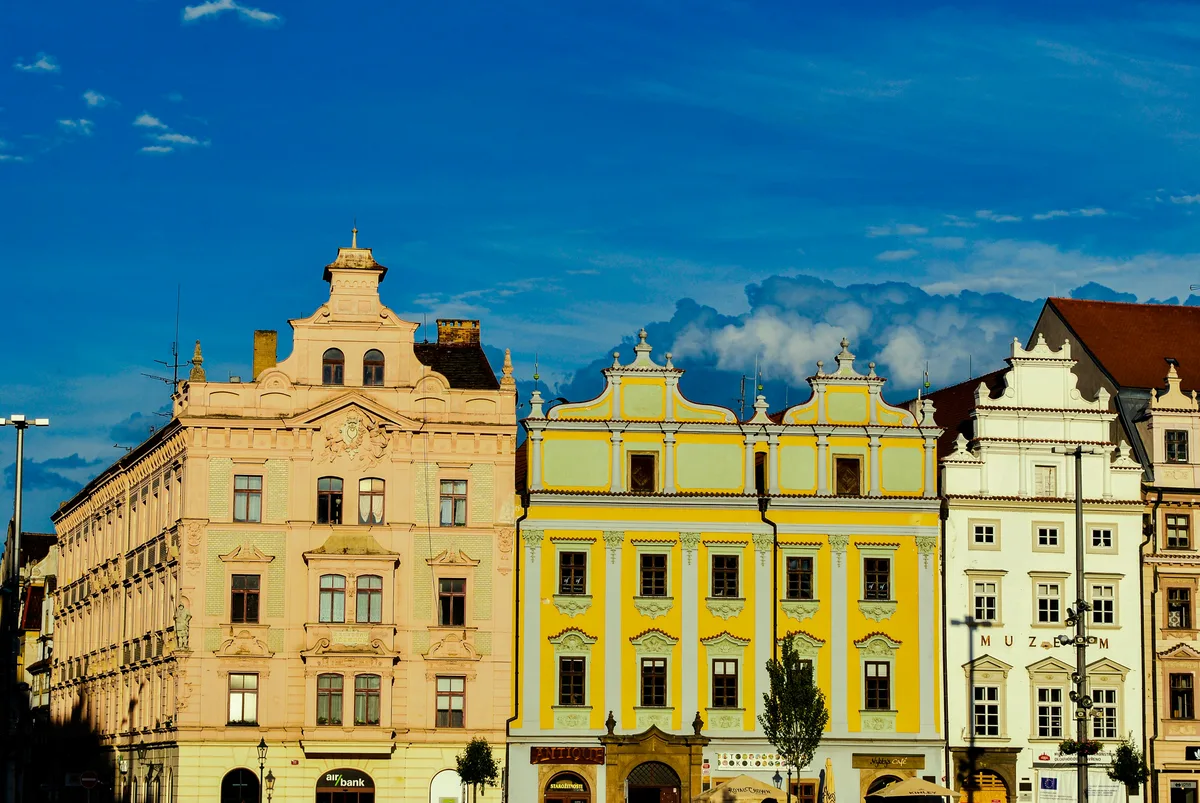 Plzen's Historic Center
Czechia
The city that gave the world Pilsner-style lager in 1842, with a Gothic cathedral, a network of medieval underground passages beneath the old town, and the Pilsner Urquell brewery on its edge.
Multi-Day Tours Popular Pick
Plzen's Historic Center
Czechia
The city that gave the world Pilsner-style lager in 1842, with a Gothic cathedral, a network of medieval underground passages beneath the old town, and the Pilsner Urquell brewery on its edge.
Multi-Day Tours Popular Pick
A 10-day loop through Bohemia and Moravia's best-known castles, cathedrals and spa towns, from Prague Castle and the Kutná Hora ossuary to Český Krumlov and the thermal springs of Karlovy Vary.
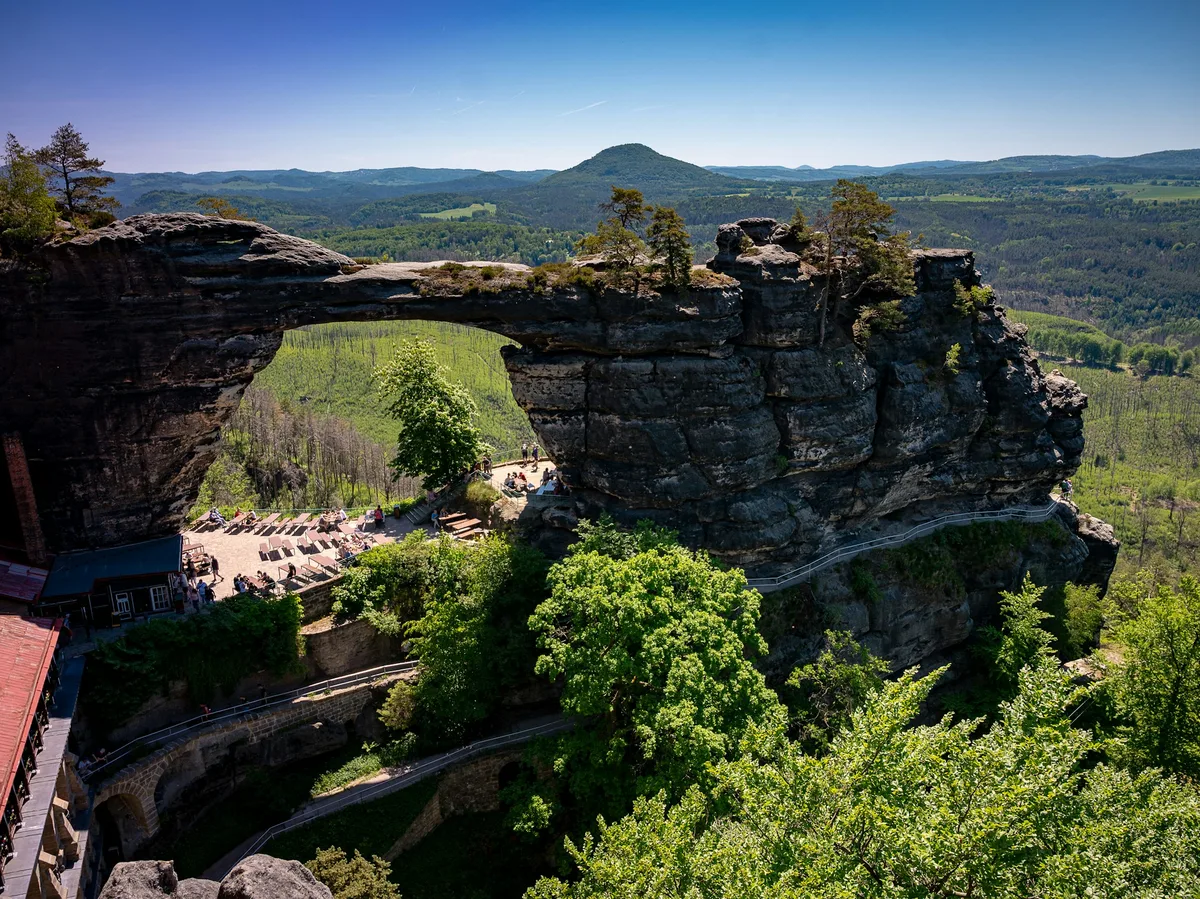 Multi-Day Tours
An 8-day, Prague-based hiking adventure through the sandstone canyons and forests of Bohemian Switzerland National Park, with a day trip across the border to Saxon Switzerland and a visit to Český Krumlov.
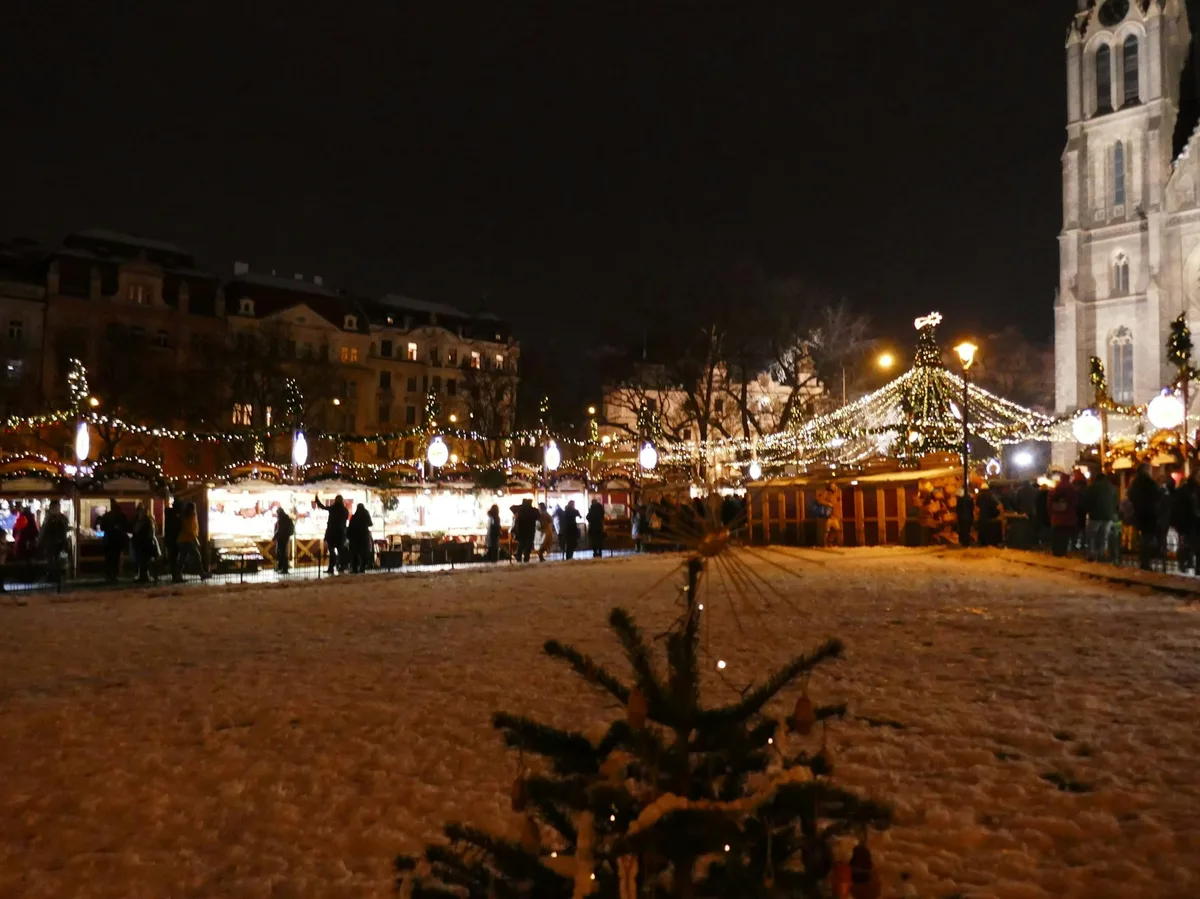 Multi-Day Tours
A grand 15-day festive road trip through the Christmas markets of Vienna, Salzburg, Munich, Nuremberg and Dresden, finishing with the market in Prague's Old Town before returning through Český Krumlov to Vienna.
Czechia is part of the Schengen Area. Citizens of the US, Canada, UK, Australia, and many other countries can enter visa-free for stays of up to 90 days within any 180-day period; check current Schengen and ETIAS requirements before you travel, since entry rules for the wider Schengen zone are being updated.
Bohemia, in the west, centers on Prague and the spa towns near the German border. Moravia, in the east, centers on Brno and South Moravia's wine country near the Austrian border. Most itineraries focus on Bohemia, since Prague and its surrounding castles and spa towns can easily fill a week on their own.
Czechia uses the Czech koruna (CZK), not the euro, despite its EU membership — there's no set date for adopting it. Cards are widely accepted in Prague and other cities, though smaller towns and rural stops are more cash-reliant.
Czech is the official language. English is common in Prague's tourist areas and among younger people, but less so in smaller towns, where German is sometimes a more useful second language given the historic border.
Czechia has a continental climate — warm summers, cold winters with regular snow, and temperatures that can swing widely within a single day in spring and autumn. Layers are worth packing regardless of season.
Czechia consistently ranks among the world's highest per-capita beer consumers, and pub culture is a genuine, everyday part of social life rather than a tourist spectacle — a good local pub is often a better gauge of a town than its main square.
Tell us your group size and dates — we'll take care of the rest.