TorontoOntario · 36 tours
 Niagara FallsOntario · 25 tours
 New York CityNew York · 30 tours
 Las VegasNevada · 8 tours
 San FranciscoCalifornia · 16 tours
 VancouverBritish Columbia · 17 tours
 DubaiUAE · 54 tours
 Abu DhabiUAE · 5 tours
 Buenos AiresArgentina · 23 tours
 AthensGreece · 31 tours
 AucklandNew Zealand · 38 tours
 CancunMexico · 54 tours
No destinations match “”. Try searching all tours instead — that search understands full questions, not just place names.
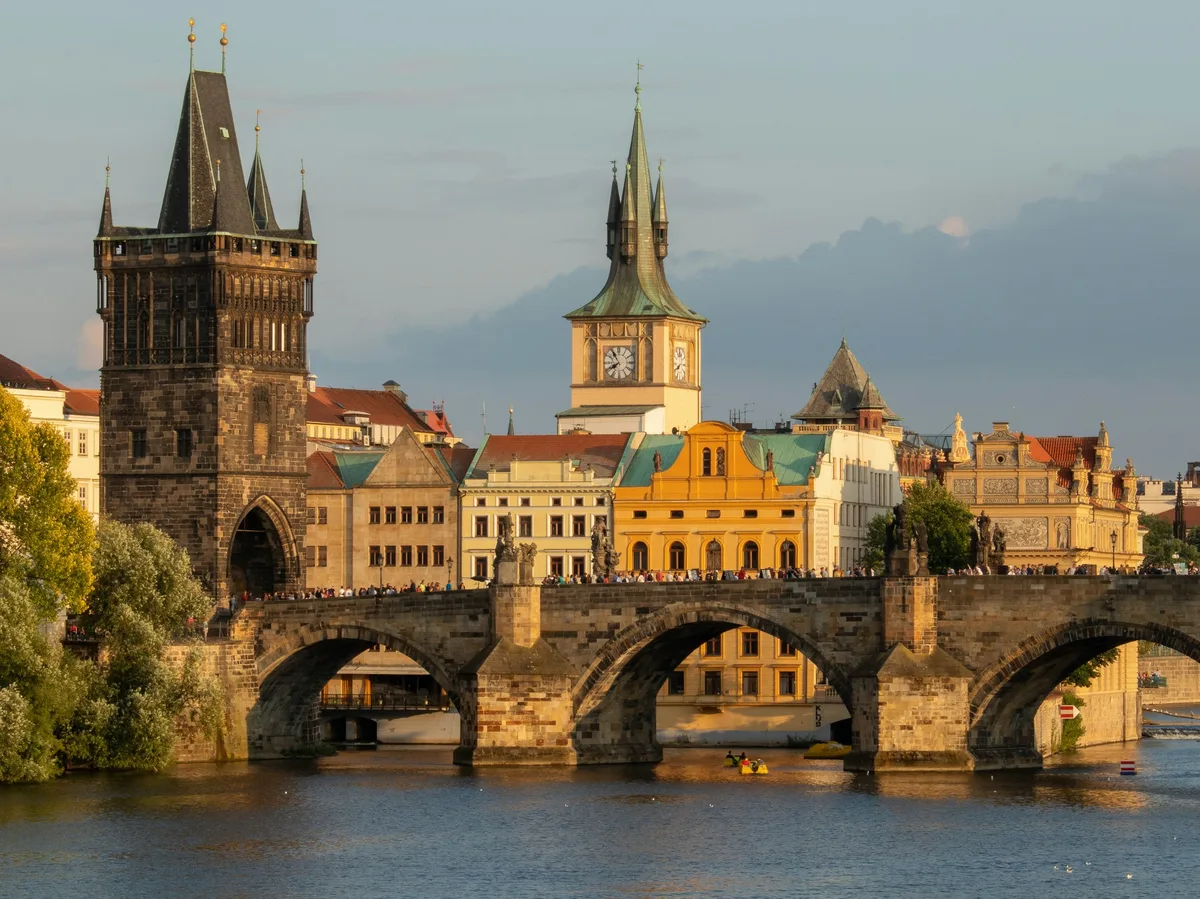
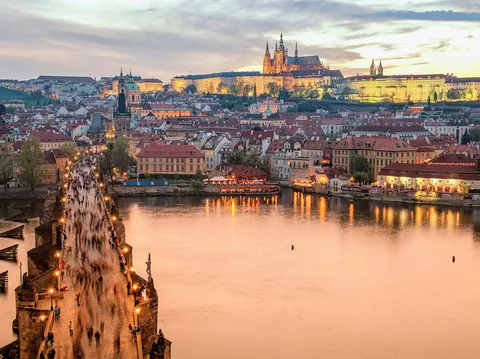
This 14th-century stone bridge across the Vltava River, lined with 30 Baroque statues, connects Prague's Old Town and Lesser Town and remains the city's most iconic crossing.
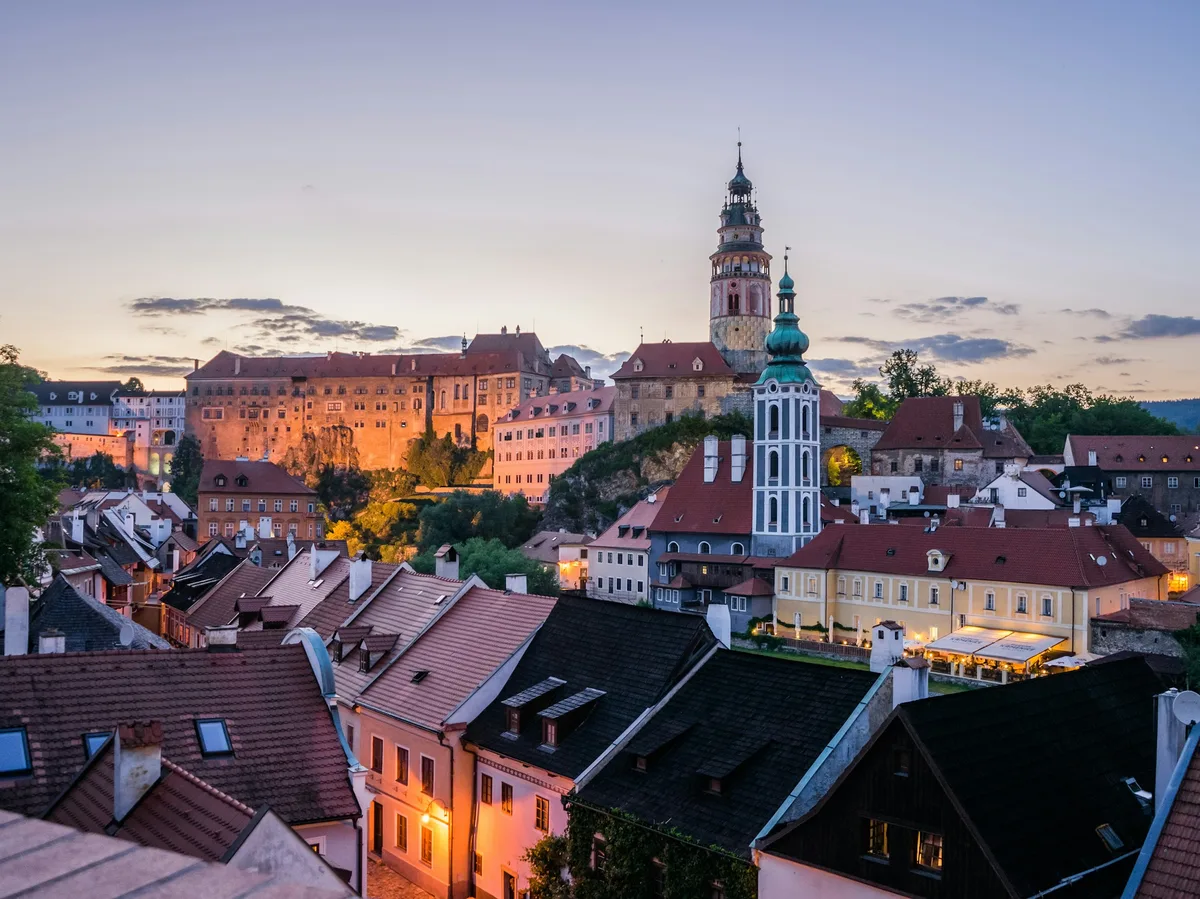 Multi-Day Tours Popular Pick
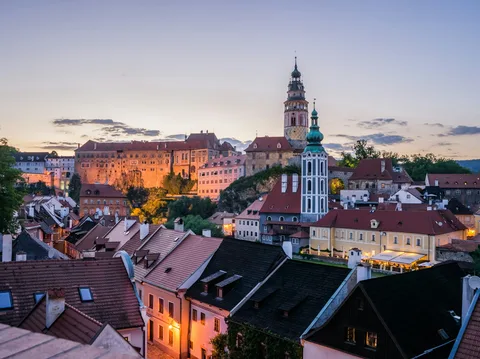
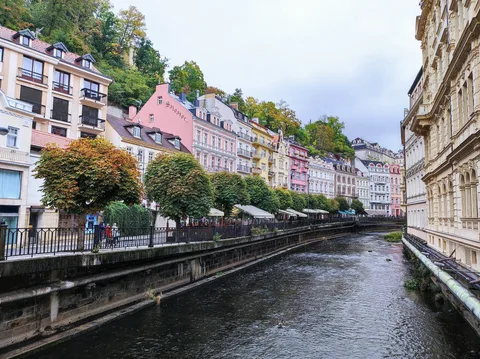
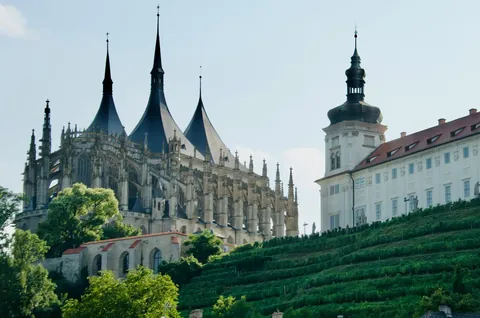
A 10-day loop through Bohemia and Moravia's best-known castles, cathedrals and spa towns, from Prague Castle and the Kutná Hora ossuary to Český Krumlov and the thermal springs of Karlovy Vary.
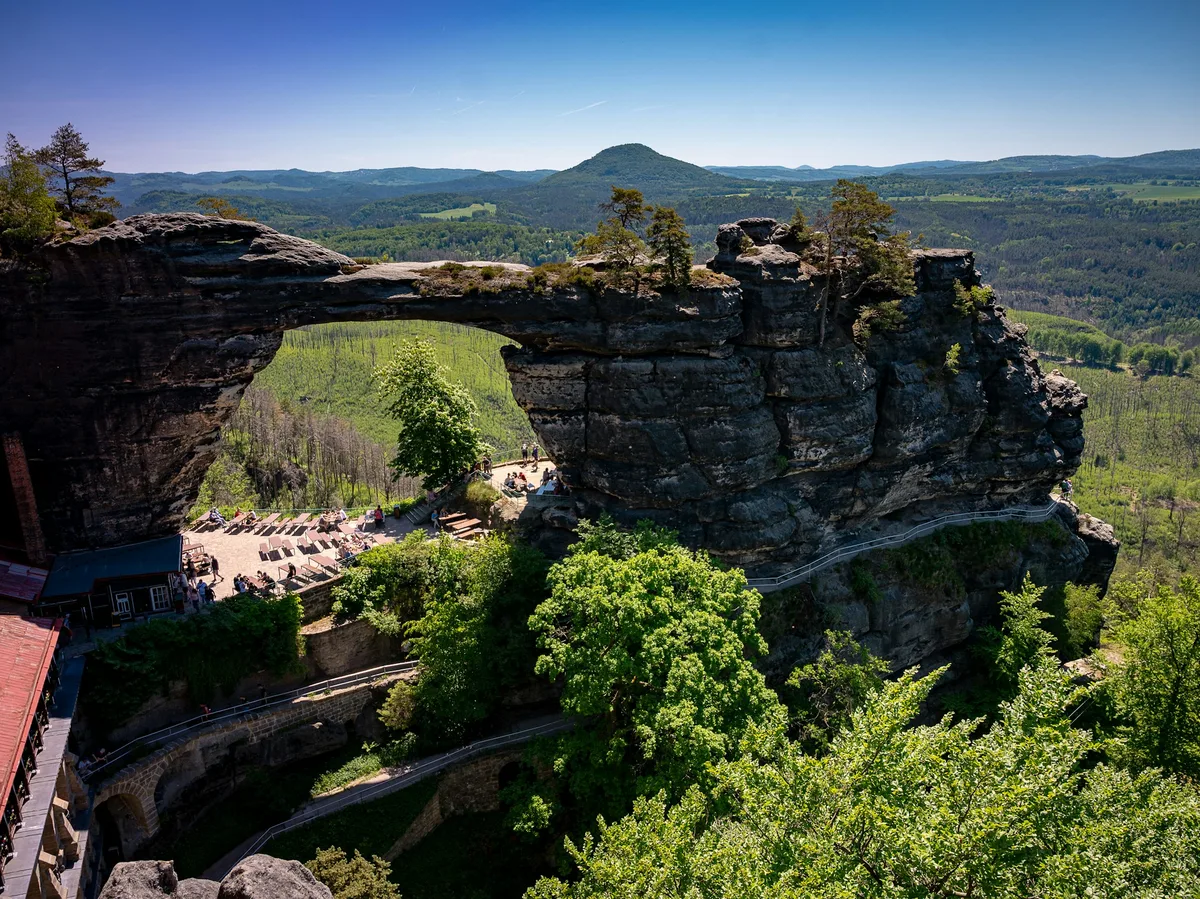 Multi-Day Tours
An 8-day, Prague-based hiking adventure through the sandstone canyons and forests of Bohemian Switzerland National Park, with a day trip across the border to Saxon Switzerland and a visit to Český Krumlov.
Visitor guide
Charles Bridge (Karlův most) is a medieval stone arch bridge across the Vltava river in Prague, Czech Republic. Its construction started in 1357 under King Charles IV and was finished in the early 15th century, and it links the Old Town with the Lesser Town below Prague Castle.
The bridge replaced the earlier Judith Bridge, built between 1158 and 1172 and severely damaged by a flood in 1342. It was originally called the Stone Bridge or Prague Bridge and has been called Charles Bridge since 1870. It was the only means of crossing the Vltava until 1841, making it the most important connection between Prague Castle and the Old Town, and it helped make Prague an important trade route between eastern and western Europe. It also lies on the coronation route of the Bohemian kings.
The bridge is 516 metres long and nearly 10 metres wide. Following the example of the Stone Bridge in Regensburg, it was built as a bow bridge with 16 arches shielded by ice guards. Three towers protect it: two on the Lesser Town side, including the Malá Strana Bridge Tower, and the Old Town Bridge Tower on the other. According to Czech legend, construction began at 5:31 am on 9 July 1357, a numerical palindrome chosen by Charles IV, who believed in numerology; the legend should be treated as folklore.
The bridge has suffered several disasters. A flood in 1432 damaged three pillars, and in 1496 an arch broke down after a pillar was undermined, with repairs finished in 1503. Heavy fighting took place on the bridge in 1648 at the end of the Thirty Years' War, when Swedes who had occupied the west bank tried to advance into the Old Town. A great flood in 1784 damaged five pillars. In September 1890 a disastrous flood tore down three arches and two pillars, and two statues fell into the river; repairs lasted until 19 November 1892.
Pseudo-gothic gas lights were erected in 1866, and horse trams and then electric trams and buses used the bridge in the late 19th and early 20th centuries. A capital repair between 1965 and 1978 removed the asphalt top and excluded all vehicular traffic, making it pedestrian only. Another restoration from 2008 to 2010 drew criticism, and in 2010 UNESCO's World Heritage Committee stated that the work was carried out without adequate conservation advice.
An avenue of 30 mostly Baroque statues and statuaries lines the balustrade, forming a connection between Baroque art and the underlying Gothic bridge. Most were erected between 1683 and 1714 and depict saints and patron saints. Sculptors included Matthias Braun and Jan Brokoff and his sons Michael Joseph and Ferdinand Maxmilian. Notable figures include St. Luthgard, the Holy Crucifix and Calvary, and John of Nepomuk. The statue of the knight Bruncvík stands apart and was erected about 200 years later. Since 1965 the statues have been replaced by replicas, and the originals are exhibited at the Lapidarium of the National Museum.
Because the bridge is pedestrian only and linked to two historic districts, a private guided visit usually pairs the crossing with the Old Town on one bank and the Lesser Town and Prague Castle on the other.
See every tour and attraction we cover in Czechia.