 TorontoOntario · 17 tours
 Niagara FallsOntario · 17 tours
 New York CityNew York · 8 tours
 Las VegasNevada · 8 tours
 San FranciscoCalifornia · 16 tours
 VancouverBritish Columbia · 17 tours
 DubaiUAE · 44 tours
 Abu DhabiUAE · 5 tours
 Sri LankaSri Lanka · 16 tours
 IndiaIndia · 13 tours
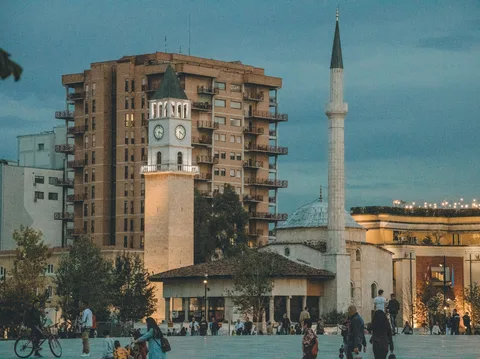 AlbaniaAlbania · 10 tours
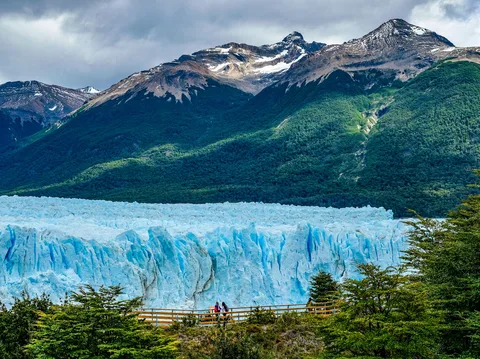 ArgentinaArgentina · 8 tours
No destinations match “”.
Voyzo runs 14 private tours across 1 destination in Mexico, covering 10 attractions — each with your own guide, driver, and vehicle, and an itinerary built around your group rather than a fixed bus schedule.
Mexico is the connecting link between North and Central America, stretching from the Sonoran and Baja California deserts in the north to the Mayan lowlands of the Yucatán Peninsula in the south. It's a federal republic of 32 states with around 128 million people, making it the most populous Spanish-speaking country in the world, and its cuisine — built on corn, chiles, and centuries of regional variation — holds UNESCO Intangible Cultural Heritage status. The currency is the Mexican peso.
Mexico City anchors the country: one of the world's largest capitals, built over the ruins of the Aztec capital Tenochtitlan, with the pyramids of Teotihuacan just outside it and world-class museums within. The Yucatán Peninsula holds the country's best-known Mayan sites — Chichén Itzá, Uxmal, Tulum — along with thousands of freshwater cenotes and the Caribbean coastline of the Riviera Maya, while inland Oaxaca is a center of Mexican food and craft traditions, and Baja California Sur's Sea of Cortez coast is a base for kayaking, snorkeling, and sea lion colonies.
Voyzo's private tours in Mexico are built around that range rather than a single region — a private driver and vehicle can connect Mexico City's museums and Teotihuacan with a Yucatán Mayan-heritage route or a Baja California coastal escape, with hotel nights and pacing shaped around your own group instead of a fixed departure.
The real stops Voyzo's own itineraries are built around — tap any attraction to learn more.
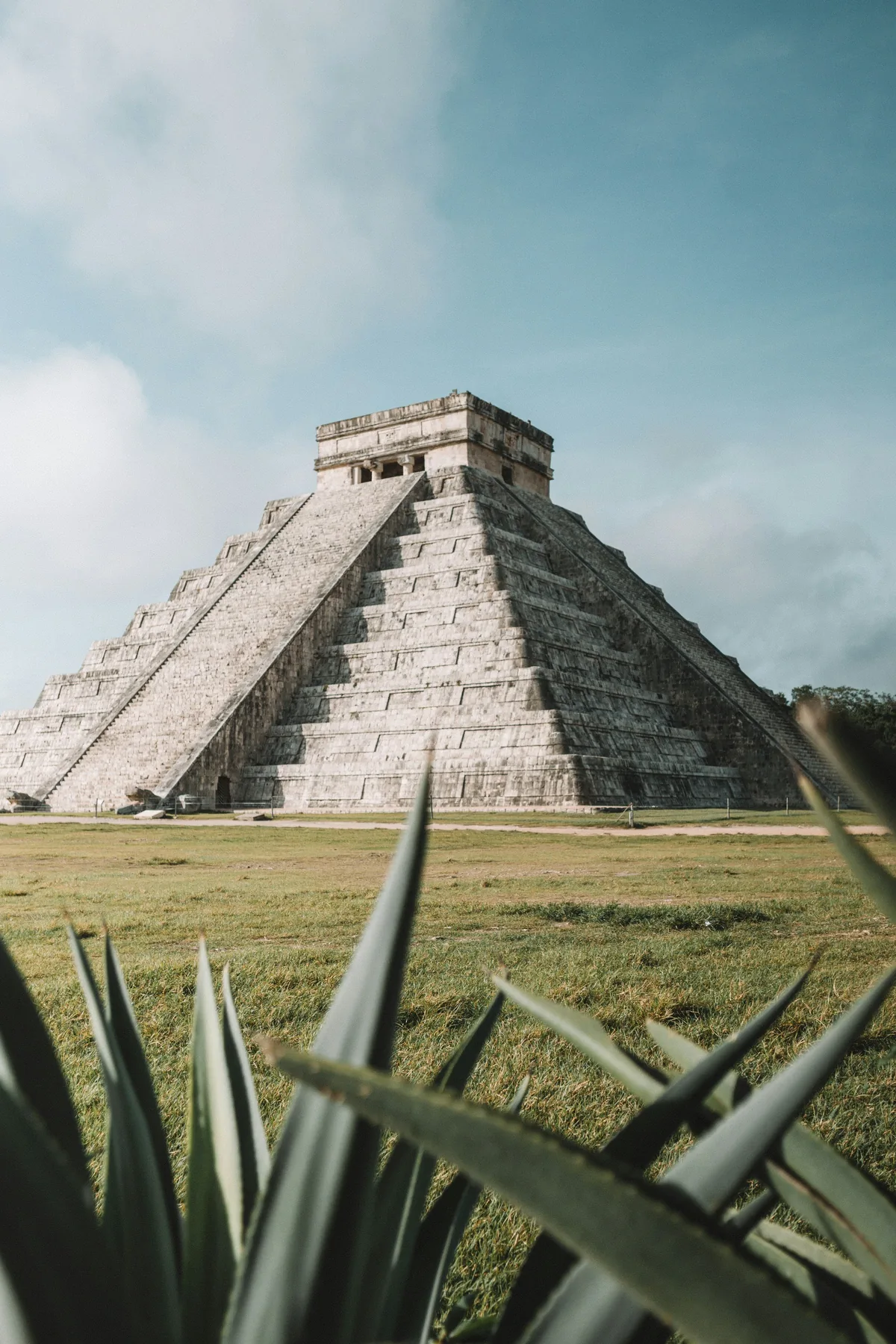 Chichen Itza
Mexico
A UNESCO World Heritage Mayan ceremonial city on the Yucatan Peninsula, centered on the step pyramid of El Castillo (Temple of Kukulcan) and among the most visited archaeological sites in the Americas.
2
Chichen Itza
Mexico
A UNESCO World Heritage Mayan ceremonial city on the Yucatan Peninsula, centered on the step pyramid of El Castillo (Temple of Kukulcan) and among the most visited archaeological sites in the Americas.
2
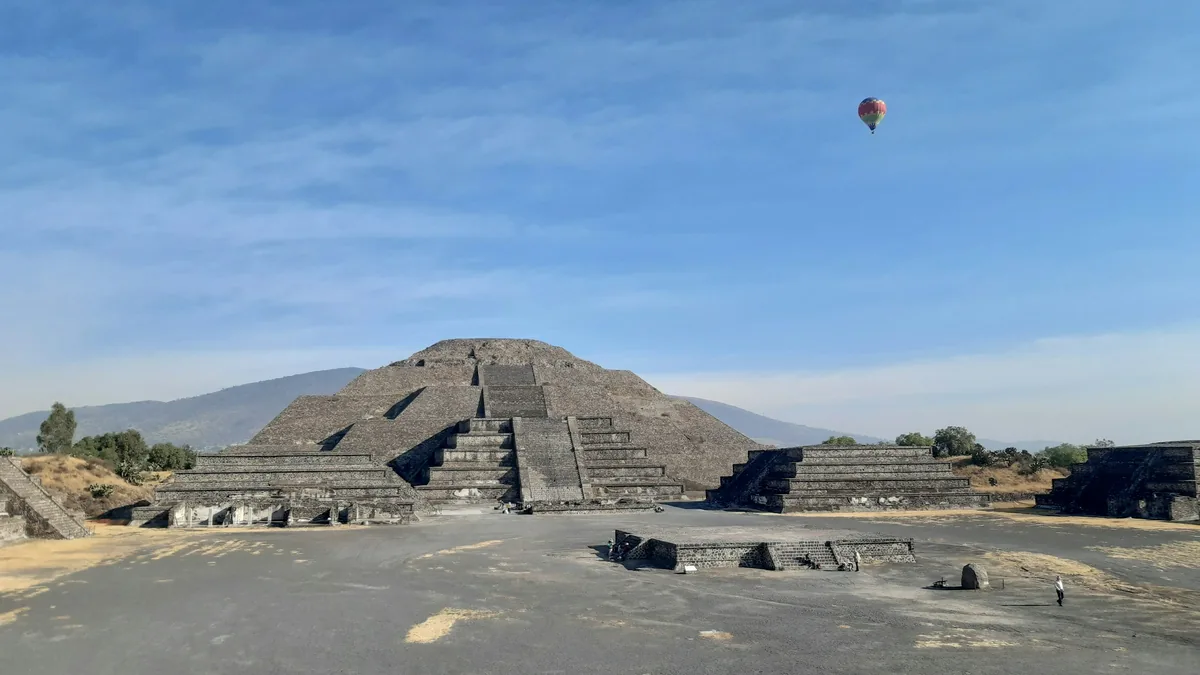 Teotihuacan
Mexico
The largest ancient city in pre-Columbian Latin America, just outside Mexico City, known for the Pyramid of the Sun, the Pyramid of the Moon, and the Avenue of the Dead.
3
Teotihuacan
Mexico
The largest ancient city in pre-Columbian Latin America, just outside Mexico City, known for the Pyramid of the Sun, the Pyramid of the Moon, and the Avenue of the Dead.
3
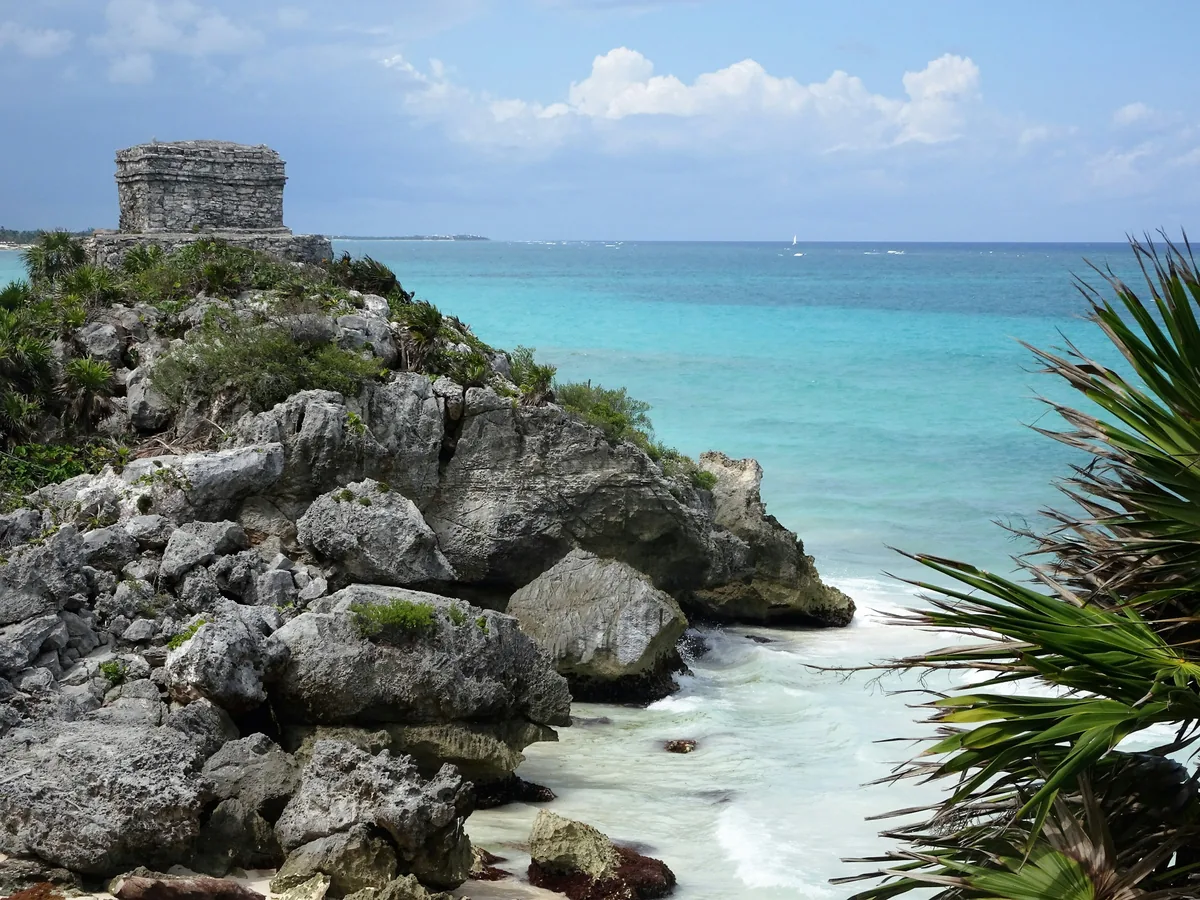 Tulum
Mexico
A walled Mayan port city perched on a bluff above the Caribbean Sea, among the few Mayan sites built directly on the coast, with beaches at its base.
4
Tulum
Mexico
A walled Mayan port city perched on a bluff above the Caribbean Sea, among the few Mayan sites built directly on the coast, with beaches at its base.
4
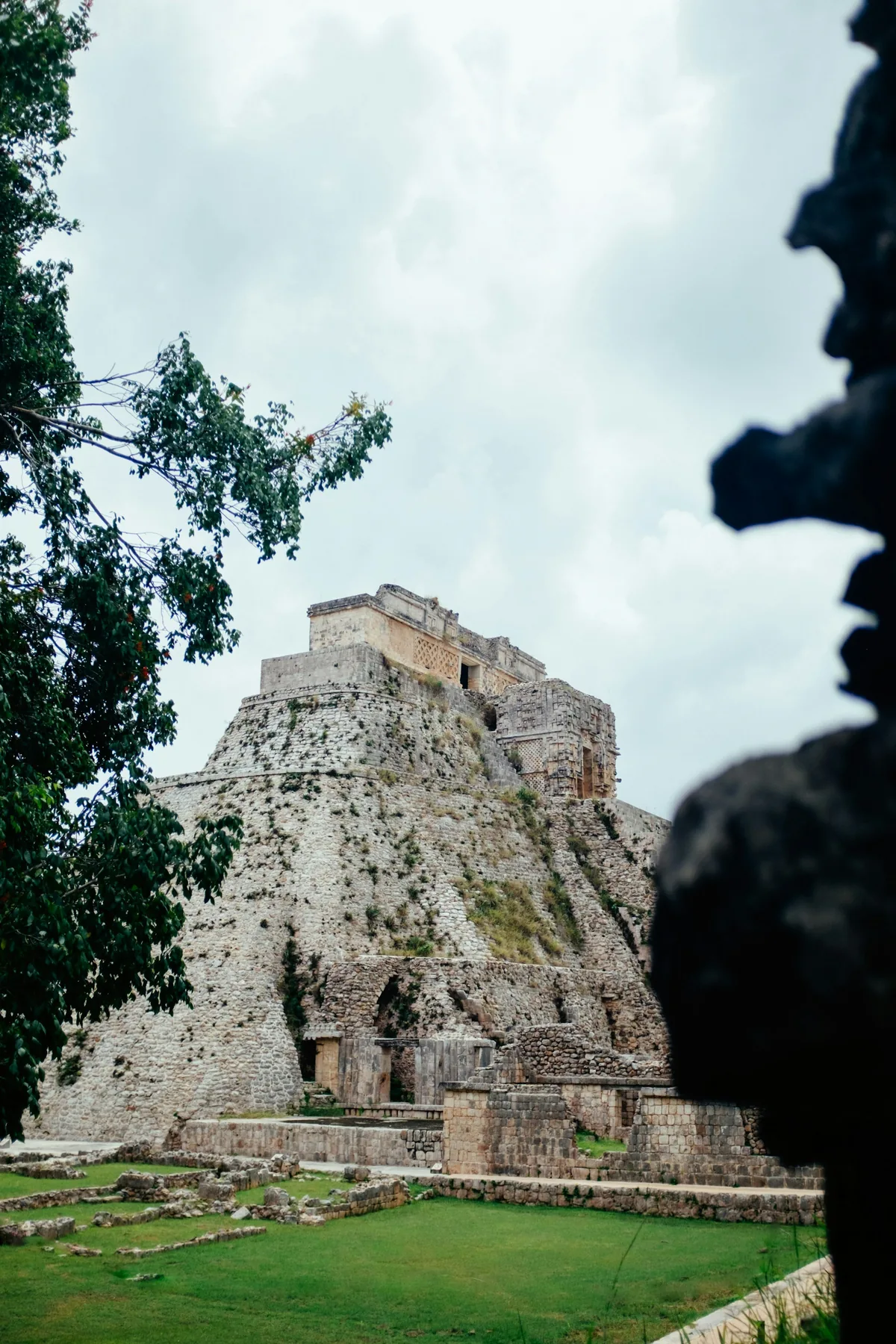 Uxmal
Mexico
One of the Yucatan Peninsula's most important Mayan cities, on the Puuc architectural route, centered on the Pyramid of the Magician, built in five construction stages.
5
Uxmal
Mexico
One of the Yucatan Peninsula's most important Mayan cities, on the Puuc architectural route, centered on the Pyramid of the Magician, built in five construction stages.
5
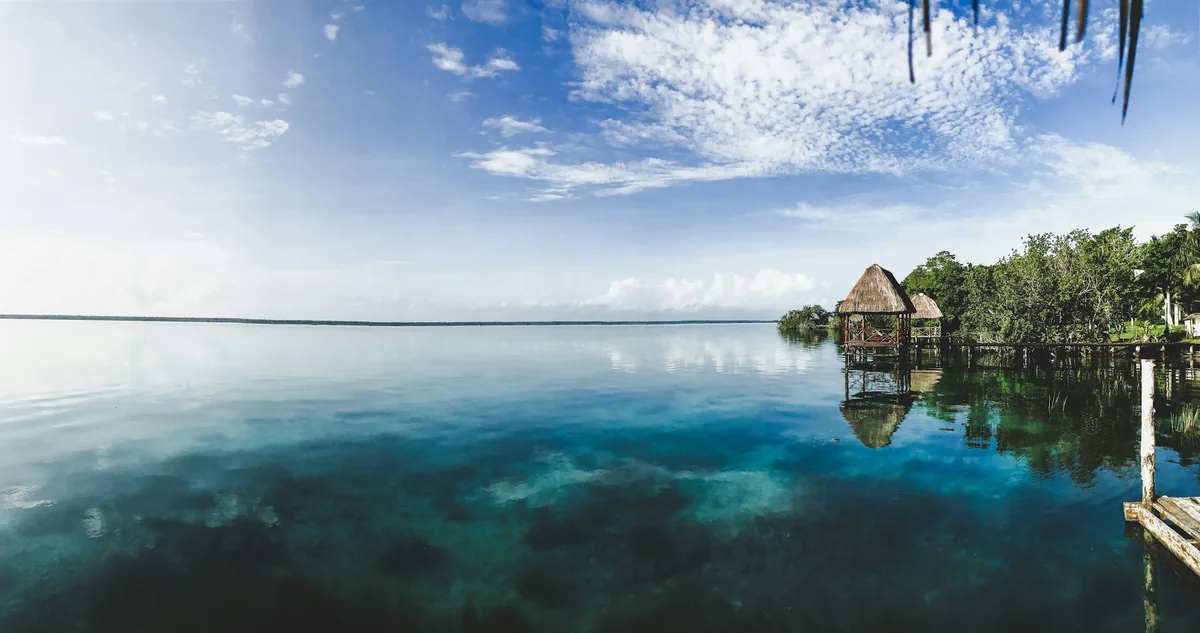
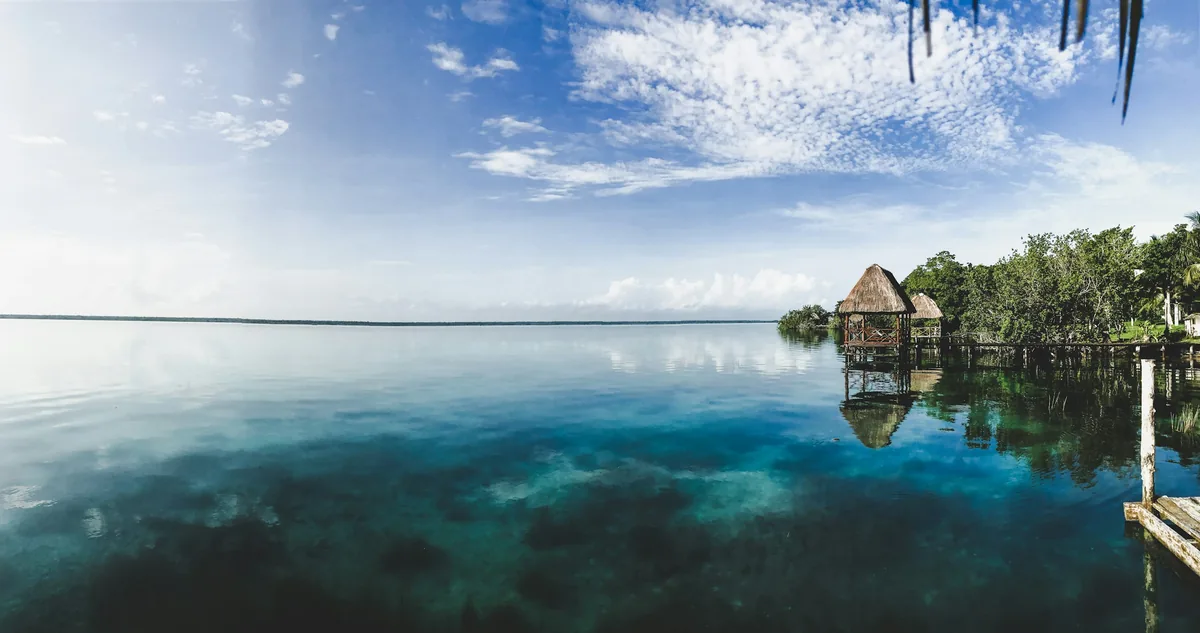 Bacalar Lagoon (Lagoon of Seven Colors)
Mexico
A freshwater lagoon in Quintana Roo state known as the 'Lagoon of Seven Colors' for the shifting shades of blue and turquoise created by its varying depths, popular for swimming and kayaking.
6
Bacalar Lagoon (Lagoon of Seven Colors)
Mexico
A freshwater lagoon in Quintana Roo state known as the 'Lagoon of Seven Colors' for the shifting shades of blue and turquoise created by its varying depths, popular for swimming and kayaking.
6
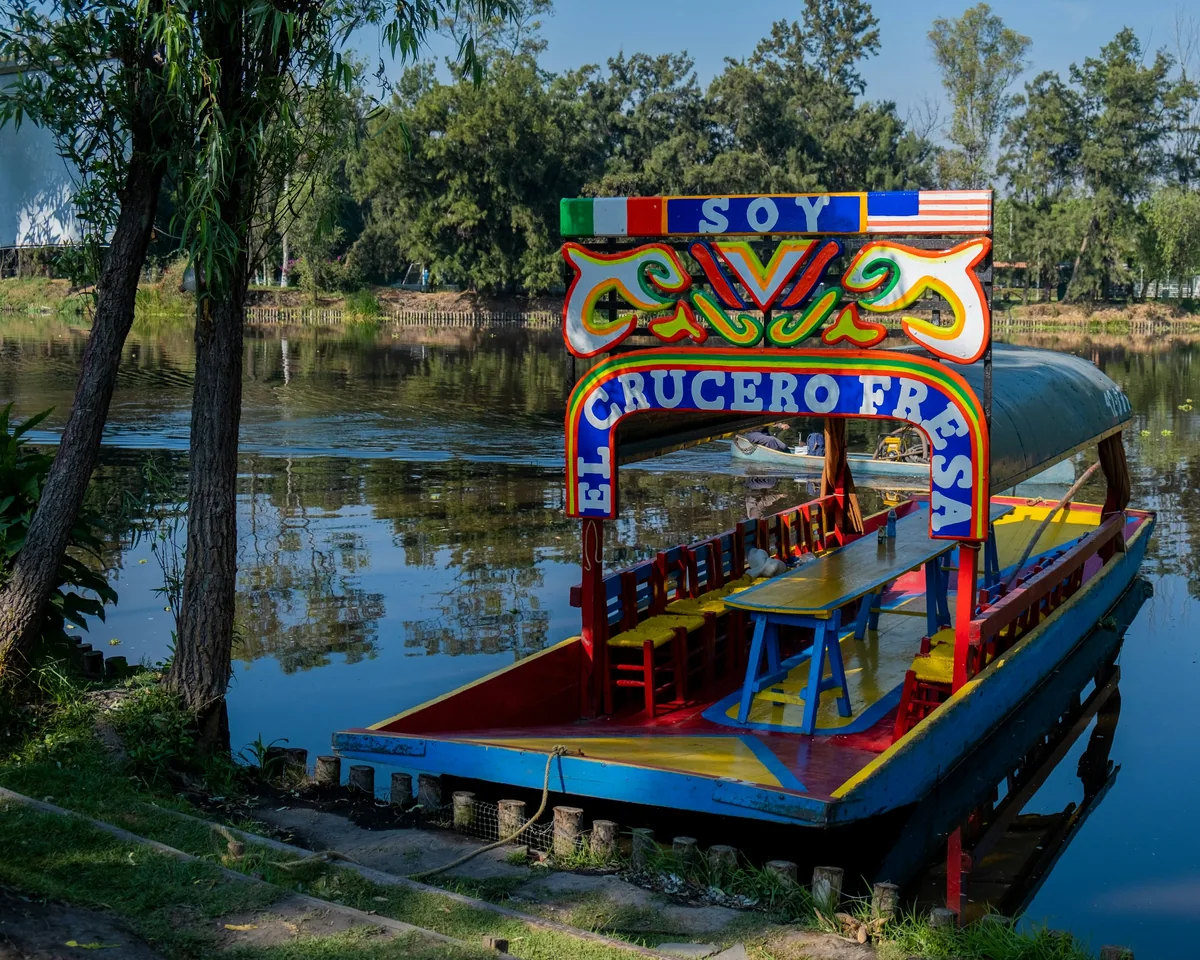 Xochimilco
Mexico
A UNESCO-listed network of canals and floating gardens in southern Mexico City, a remnant of the Aztec chinampa farming system, explored by colorful trajinera boats.
7
Xochimilco
Mexico
A UNESCO-listed network of canals and floating gardens in southern Mexico City, a remnant of the Aztec chinampa farming system, explored by colorful trajinera boats.
7
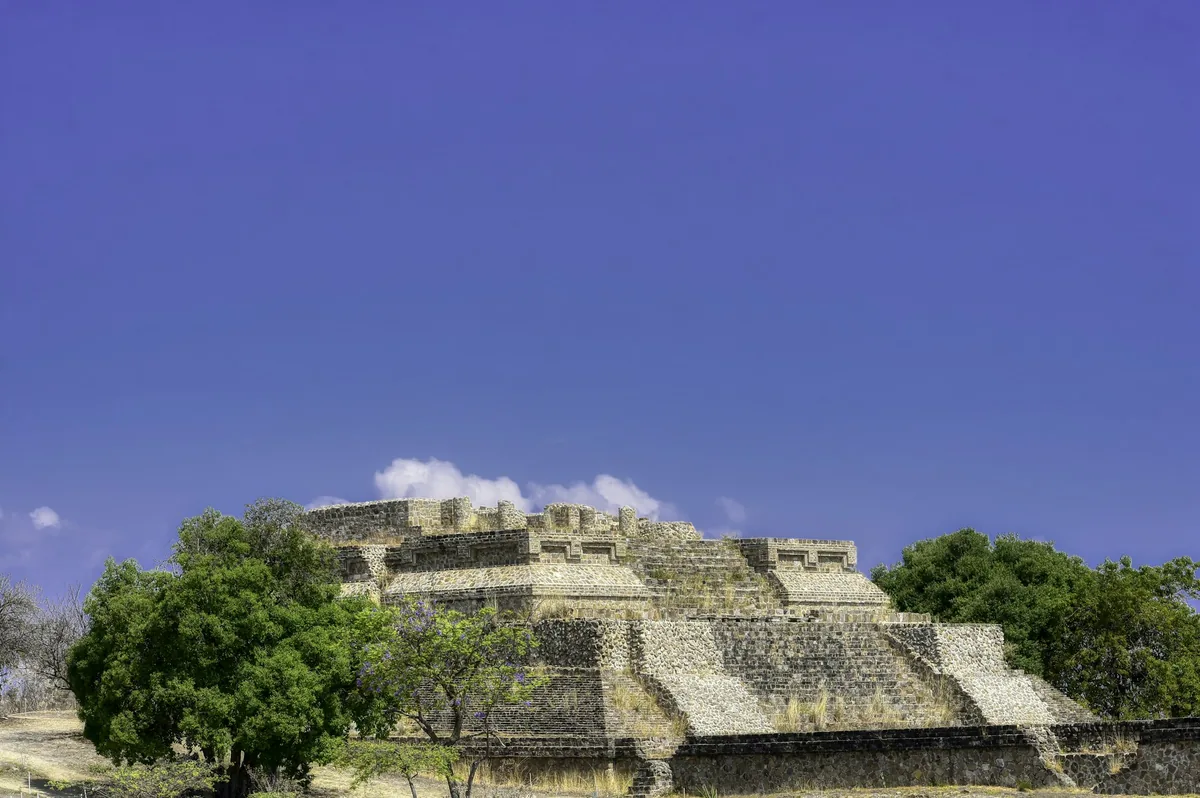 Monte Alban
Mexico
A hilltop Zapotec city overlooking Oaxaca's Central Valleys, one of the earliest major cities in Mesoamerica, with a great plaza, ball court, and carved stone monuments.
8
Monte Alban
Mexico
A hilltop Zapotec city overlooking Oaxaca's Central Valleys, one of the earliest major cities in Mesoamerica, with a great plaza, ball court, and carved stone monuments.
8
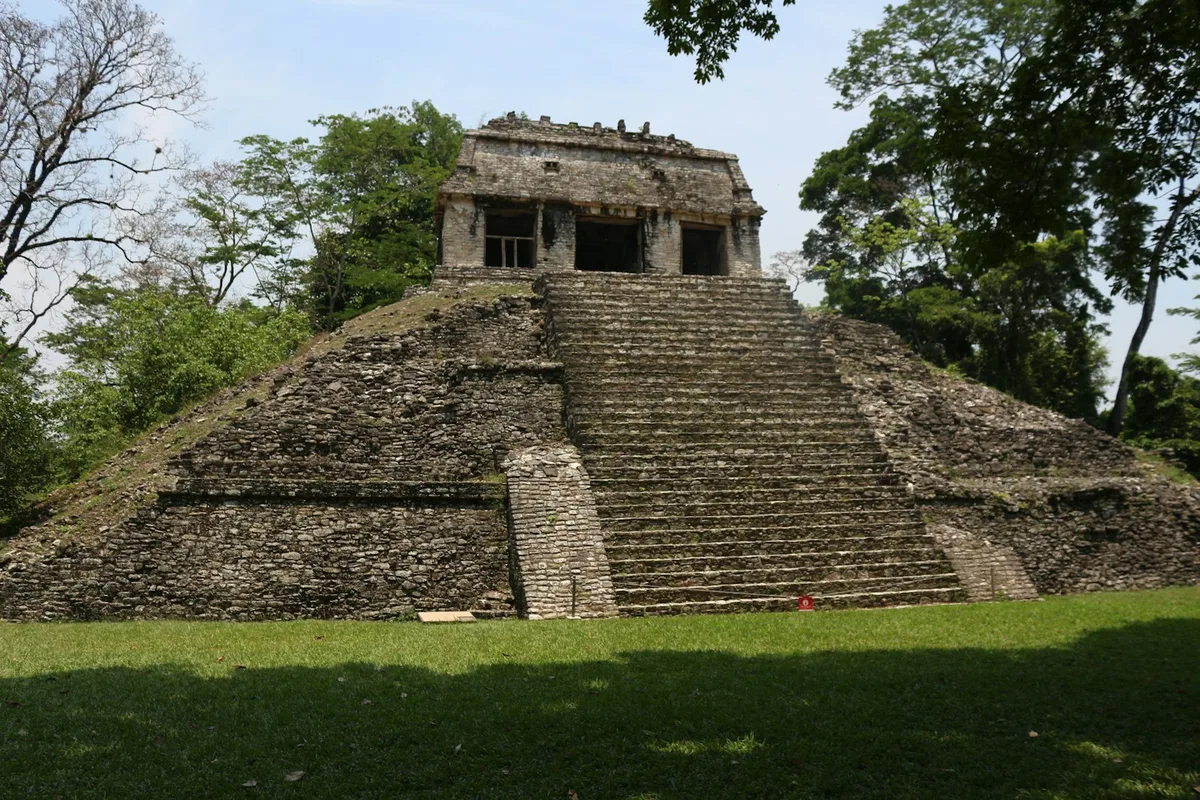 Palenque
Mexico
A Maya city-state in the Chiapas jungle, with the Temple of the Inscriptions (burial site of King Pakal) and intricately carved palace complex rising out of dense rainforest.
9
Palenque
Mexico
A Maya city-state in the Chiapas jungle, with the Temple of the Inscriptions (burial site of King Pakal) and intricately carved palace complex rising out of dense rainforest.
9
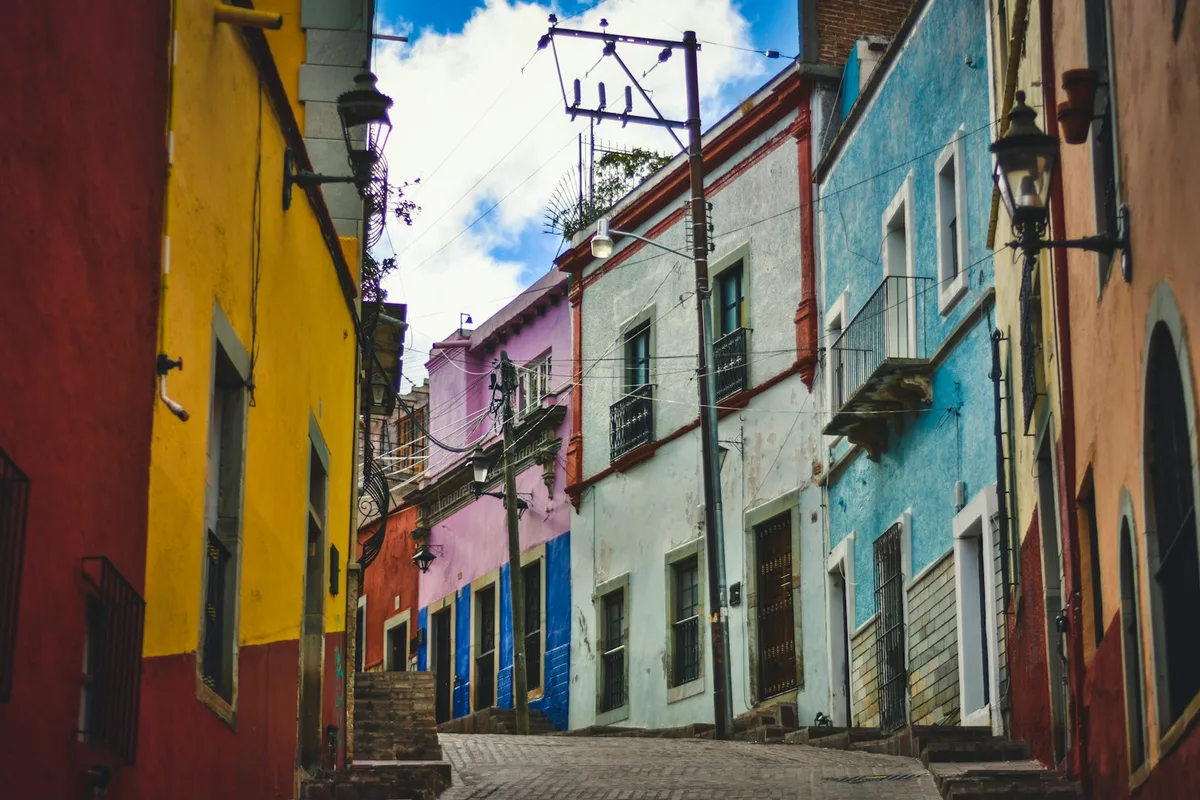 Guanajuato
Mexico
A UNESCO-listed colonial mining city built into a ravine, known for its stacked, brightly painted houses, underground roadway tunnels, and the mummy museum and Callejón del Beso alley.
10
Guanajuato
Mexico
A UNESCO-listed colonial mining city built into a ravine, known for its stacked, brightly painted houses, underground roadway tunnels, and the mummy museum and Callejón del Beso alley.
10
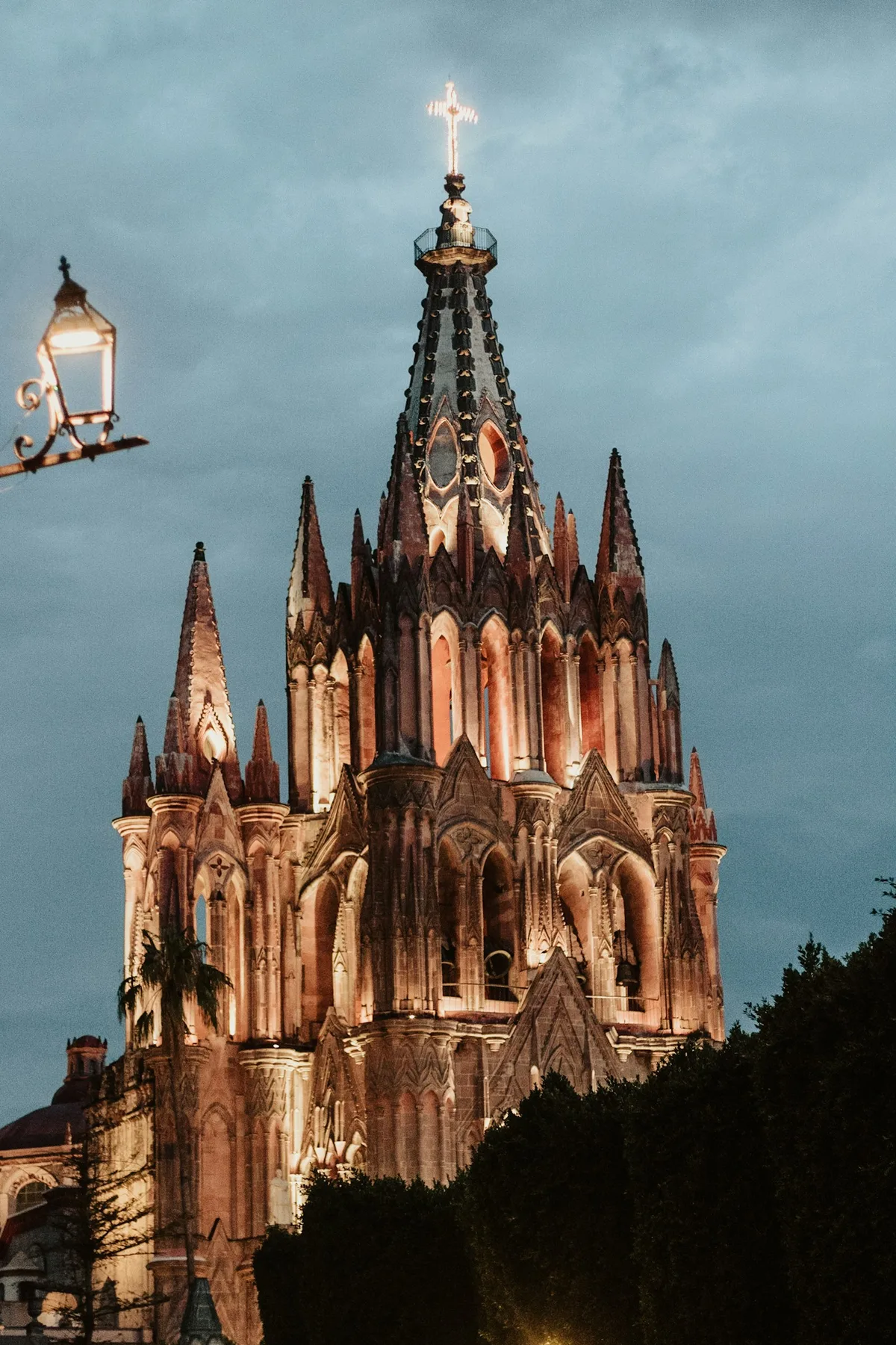 San Miguel de Allende
Mexico
A UNESCO World Heritage colonial town in Guanajuato state, centered on the pink neo-Gothic La Parroquia de San Miguel Arcángel church and known for its arts scene and cobblestone streets.
Multi-Day Tours
San Miguel de Allende
Mexico
A UNESCO World Heritage colonial town in Guanajuato state, centered on the pink neo-Gothic La Parroquia de San Miguel Arcángel church and known for its arts scene and cobblestone streets.
Multi-Day Tours
A 9-day journey through the eco-tourism villages of the Yucatan Peninsula, from the Mayan community of Ek Balam to two nights on the shores of Bacalar's Lagoon of Seven Colors.
 Multi-Day Tours
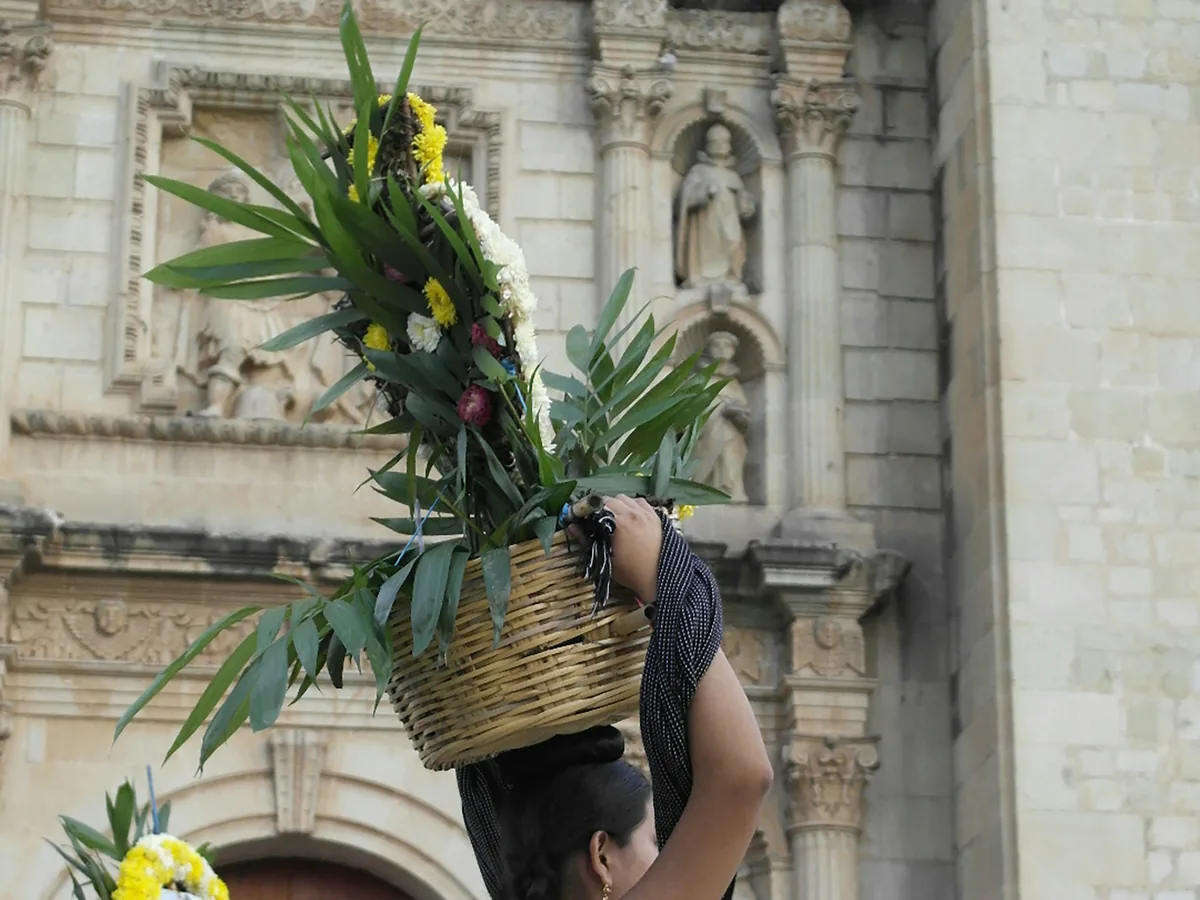
A 10-day route through the southern state of Oaxaca, from the colonial streets and markets of Oaxaca City through the Sierra Norte highlands to the Pacific Coast at Mazunte.
 Multi-Day Tours
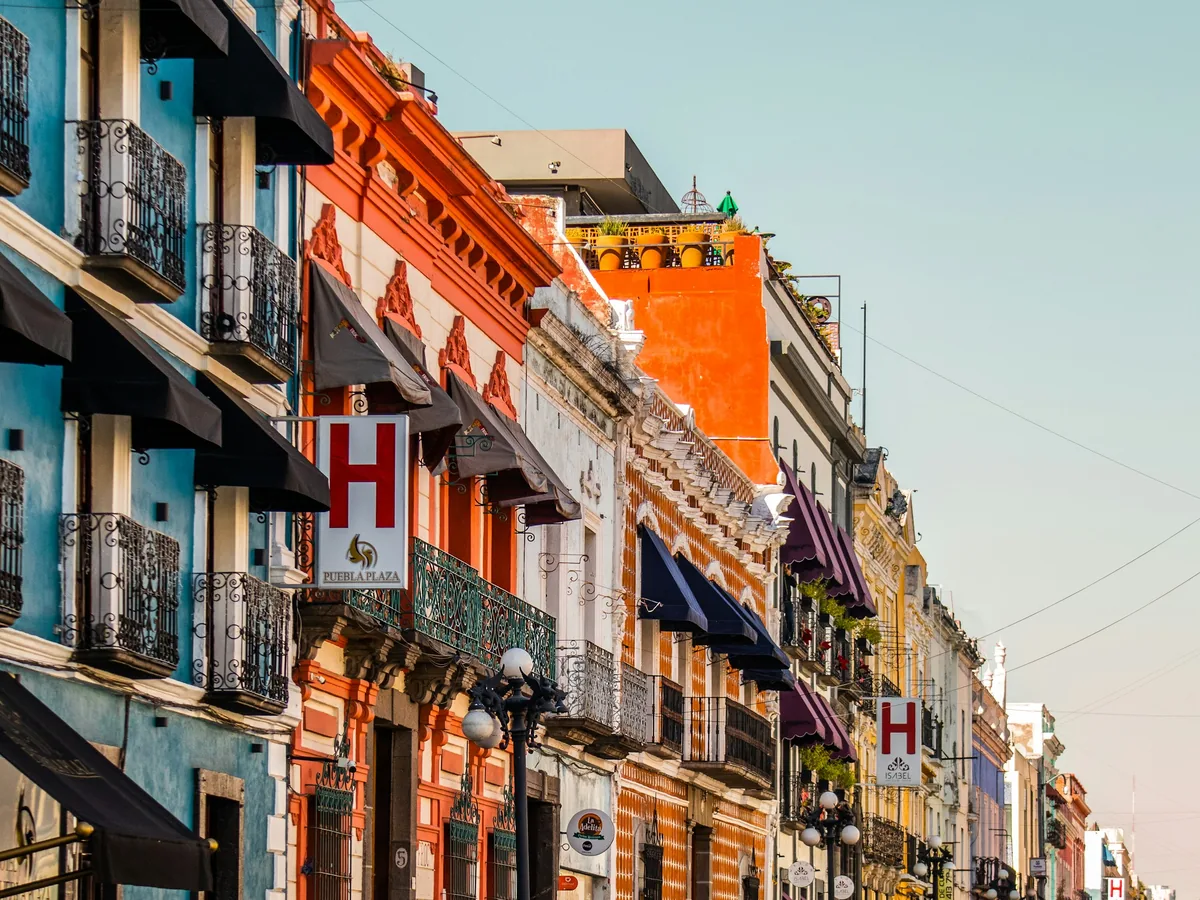
A 9-day route through Mexico City, Puebla, and Oaxaca built around Mexico's UNESCO-recognized culinary heritage, with cooking classes, market visits, and UNESCO World Heritage archaeological sites.
 Multi-Day Tours
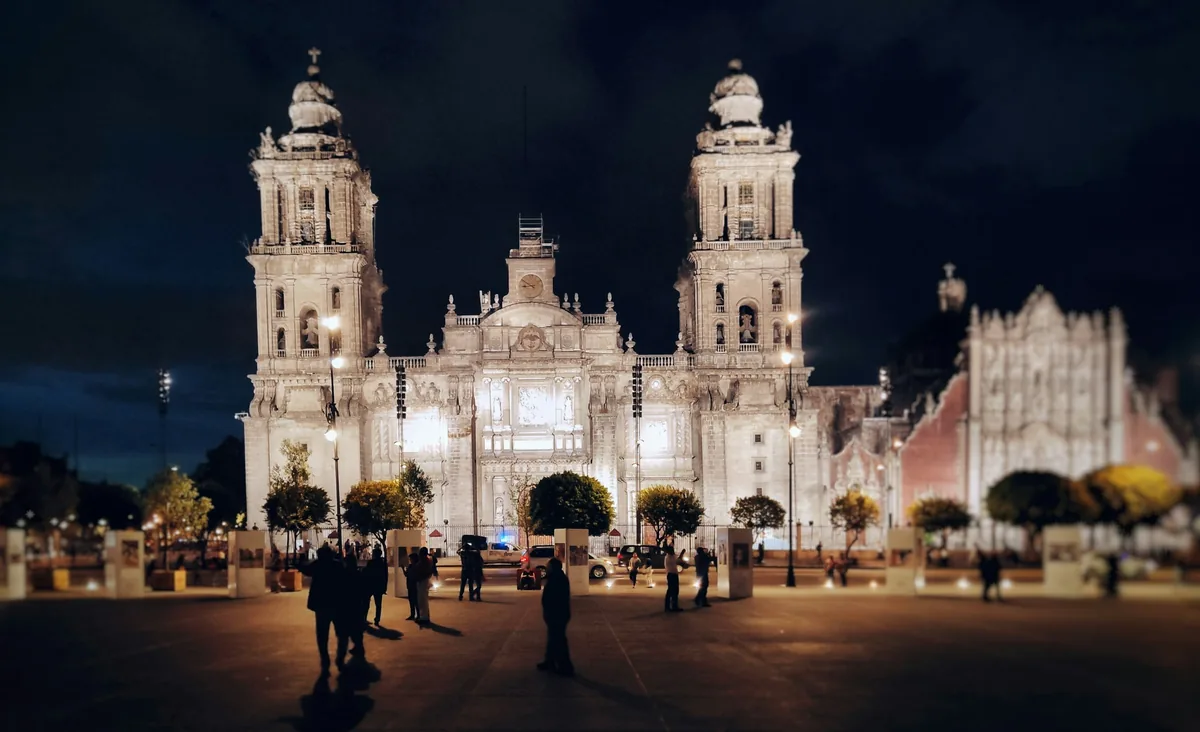
A 7-day deep dive into Mexico City, from lucha libre wrestling and the Historic Center to a trajinera boat ride through the canals of Xochimilco and a day trip to Teotihuacan.
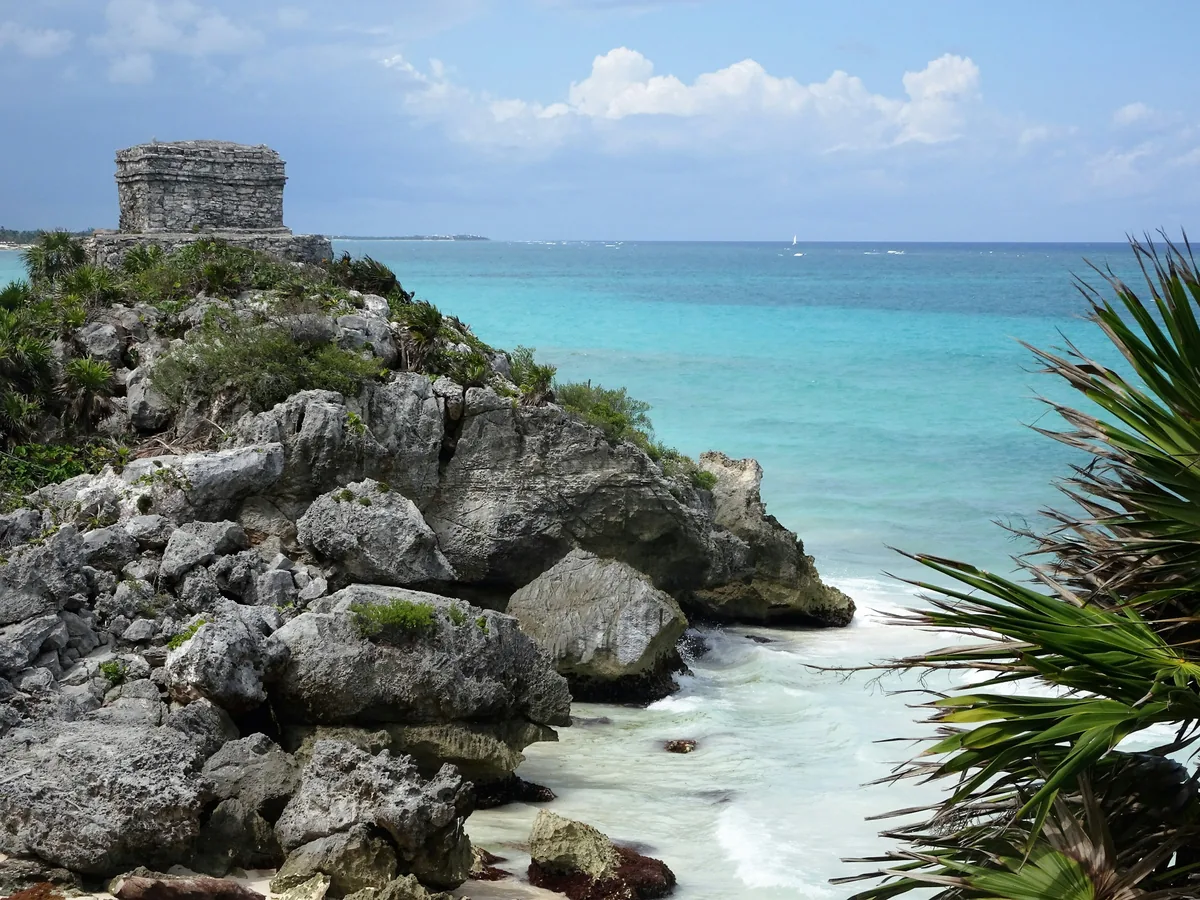 Multi-Day Tours
A 13-day Yucatan route from Cancun's Riviera through Chichen Itza, Uxmal, remote Calakmul, Bacalar, and Tulum, built around Mayan communities, cenotes, and the Sian Ka'an Biosphere Reserve.
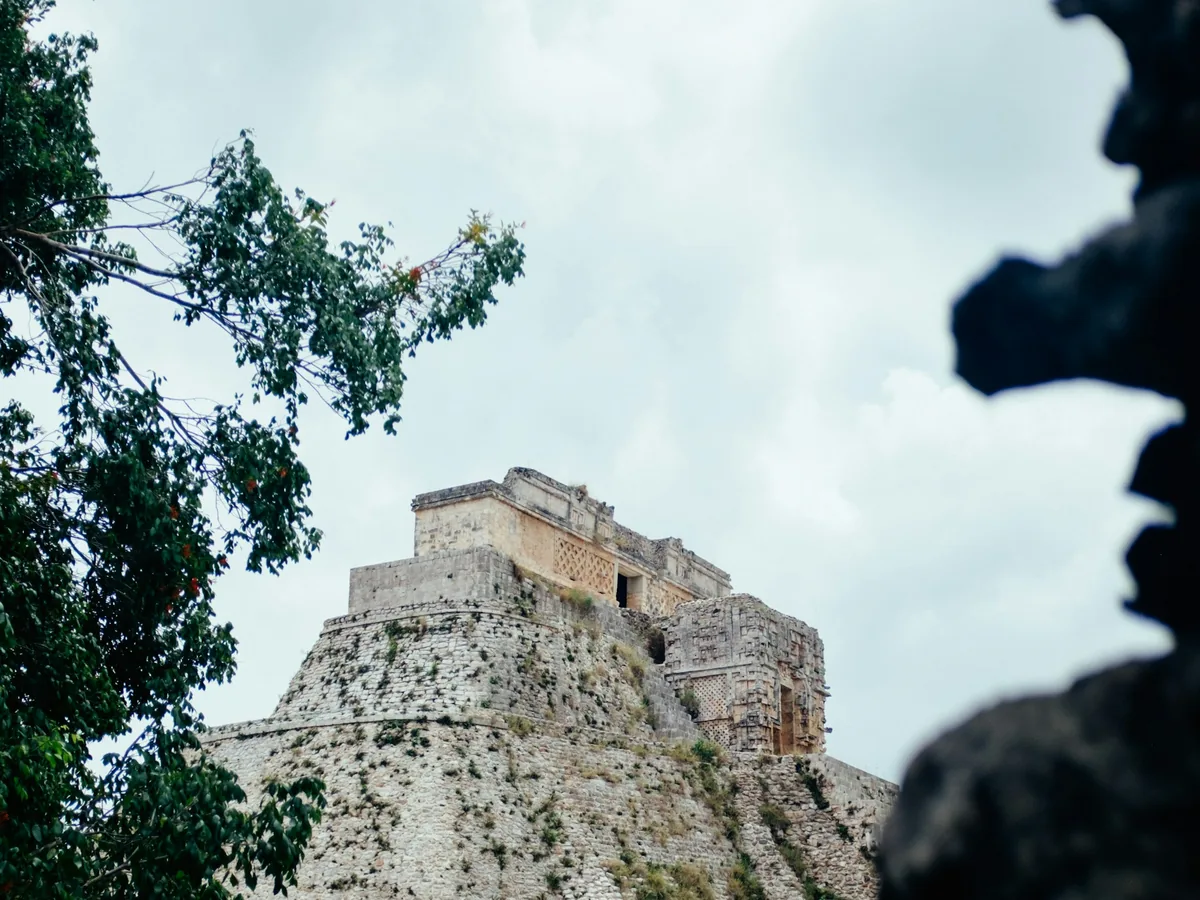 Multi-Day Tours
A 16-day route from Mexico City's museums and pyramids to the colonial Yucatan towns of Valladolid and Merida, cenote swimming, and five closing nights on the beaches of Tulum.
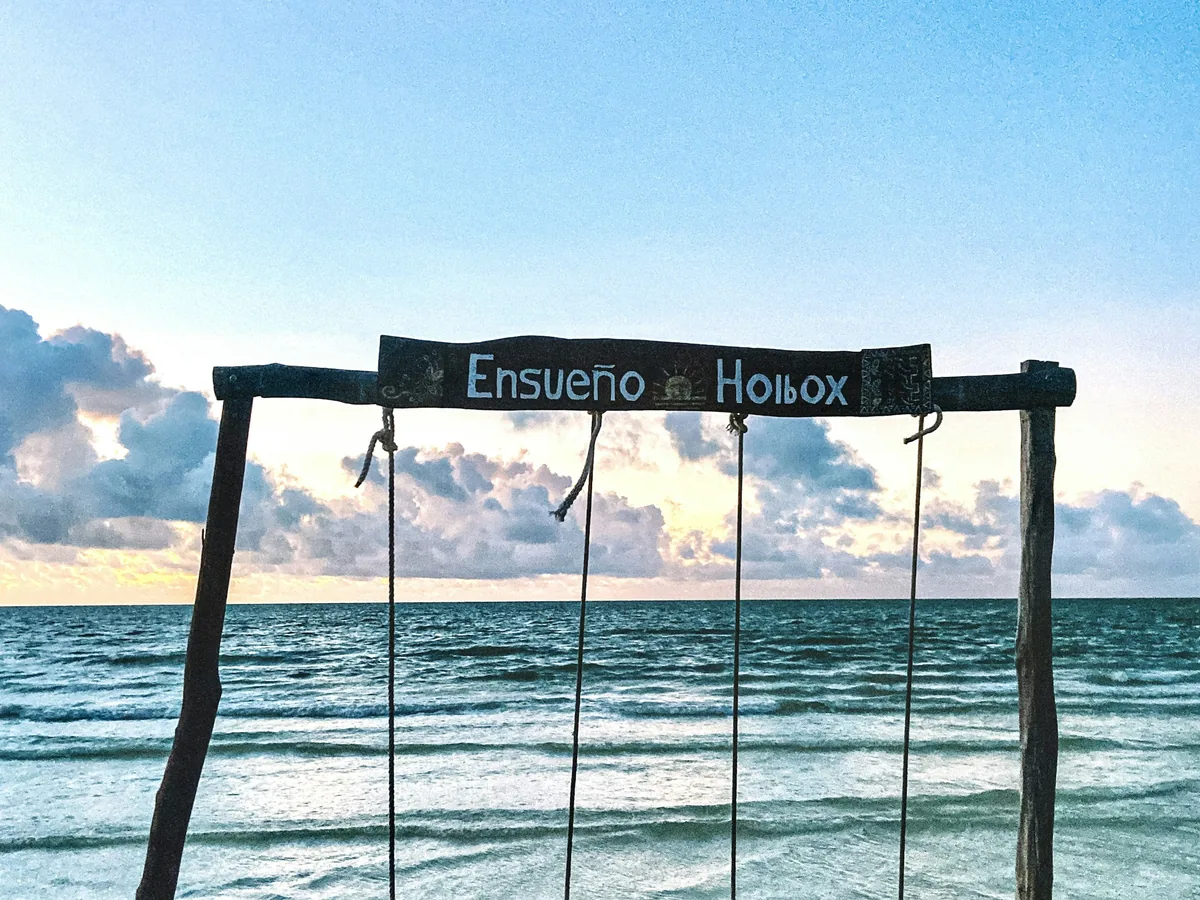 Multi-Day Tours
A 20-day journey through Chiapas's canyons and Mayan sites at Palenque, Bonampak, and Calakmul, before eight days of pure relaxation on the car-free island of Holbox.
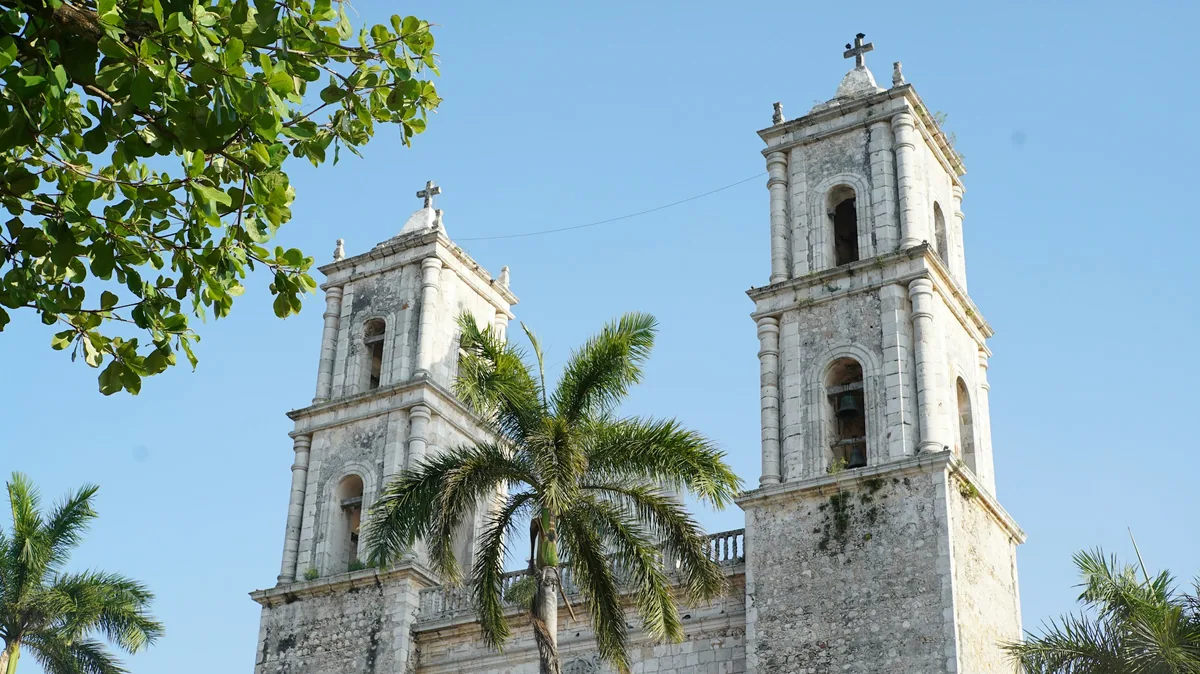 Multi-Day Tours
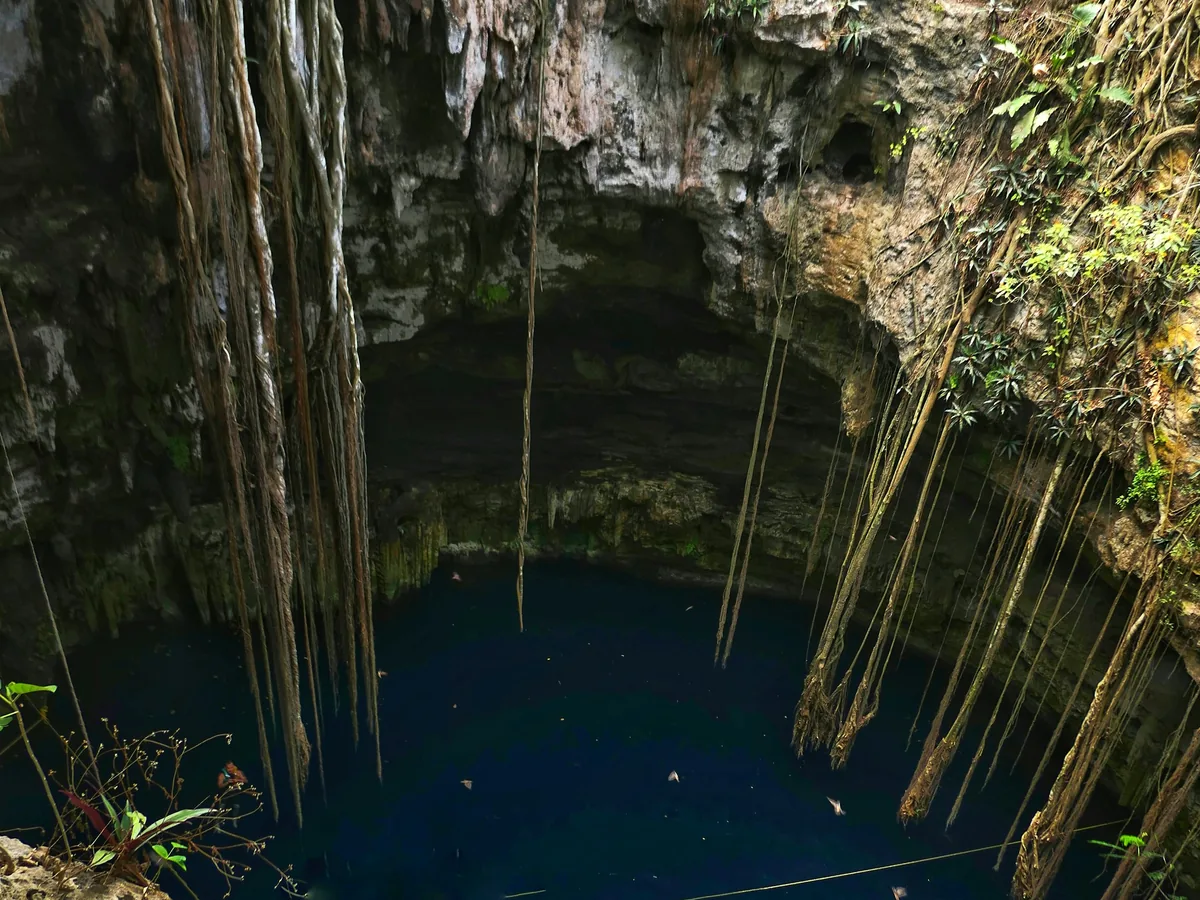
A private-guided 13-day route through Yucatan Mayan communities, cenotes, and remote Calakmul, from Ek Balam and Chichen Itza to Bacalar and the Sian Ka'an Biosphere Reserve.
 Multi-Day Tours
A 9-day Yucatan route from Puerto Morelos through Valladolid, Chichen Itza, remote Calakmul, and the Lagoon of Seven Colors at Bacalar, with cenote swimming and Mayan craft workshops along the way.
November–April is Mexico's dry season across most of the country and the most popular time to travel; the Yucatán and coasts turn hot and humid May–October, with hurricane risk on the Caribbean and Pacific coasts from August to October.
Mexico is large — Mexico City, the Yucatán, Oaxaca, and Baja California are each a flight or a long drive apart, so most multi-region trips pair an internal flight with a private driver for each area.
Mexico City sits above 2,200 metres and stays mild to cool year-round, while the Yucatán and coasts are hot and humid — pack layers for the capital and light clothing for the coast.
Mexico uses the peso. Tipping 10–15% at restaurants is standard, and small tips for guides, drivers, and hotel staff are customary.
Spanish is the national language; English is common in major tourist areas and hotels, but a private driver-guide bridges the gap everywhere else.
At over 2,200 metres, some visitors feel mild effects — shortness of breath, tiredness — for the first day or two. Staying hydrated and pacing the first day helps.
Tell us your group size and dates — we'll take care of the rest.