TorontoOntario · 36 tours
 Niagara FallsOntario · 25 tours
 New York CityNew York · 30 tours
 Las VegasNevada · 8 tours
 San FranciscoCalifornia · 16 tours
 VancouverBritish Columbia · 17 tours
 DubaiUAE · 54 tours
 Abu DhabiUAE · 5 tours
 Buenos AiresArgentina · 23 tours
 AthensGreece · 31 tours
 AucklandNew Zealand · 38 tours
 CancunMexico · 54 tours
No destinations match “”. Try searching all tours instead — that search understands full questions, not just place names.
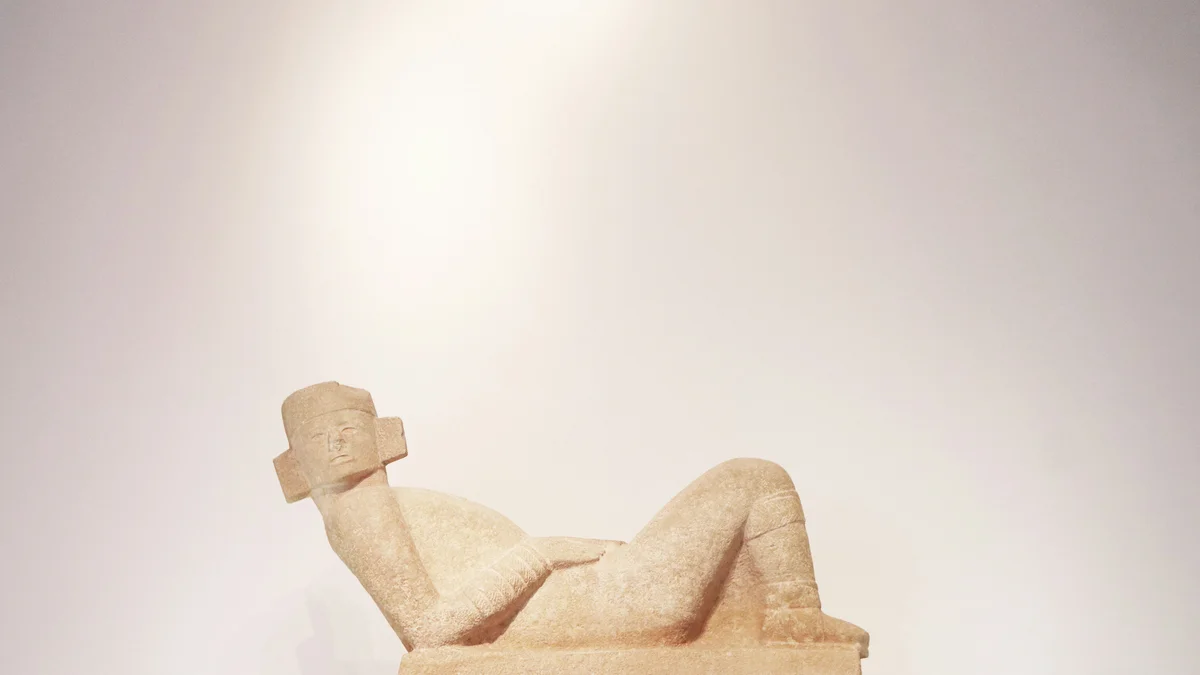
The Museo Maya de Cancún is a real, dedicated archaeology museum in the Hotel Zone that opened in 2012, holding genuine Maya artifacts recovered from across the Yucatán Peninsula. Admission includes direct access to the adjoining San Miguelito archaeological site, a small set of real Maya ruins on the museum's own grounds. It's one of the few air-conditioned, purpose-built museum experiences in Cancún dedicated specifically to Maya history and culture.
Visitor guide
The Museo Maya de Cancun is an archaeology museum in Cancun's Hotel Zone, run by Mexico's National Institute of Anthropology and History. It stands beside the San Miguelito archaeological site, so a single visit covers both a museum collection and Maya ruins in a landscaped setting.
The museum was inaugurated on 2 November 2012, and the San Miguelito site opened to the public at the same time, forming a complex of roughly eight hectares according to the institute's 2023 bulletin; some travel press gives 1 November, so the reported date varies by source. It replaced an older archaeological museum that opened in 1982 near the city's convention center and that was repeatedly damaged by hurricanes before being permanently closed in 2004. The building was designed by Alberto Garcia Lascurain, and the institute describes it as one of its most important museum projects since the opening of the National Museum of Anthropology in 1964 and the Templo Mayor Museum in 1987.
The museum has more than 1,350 square meters of exhibition space divided into three galleries. One gallery covers the archaeological sites of Quintana Roo, another presents Maya culture across the Maya world, and the third hosts temporary exhibitions. According to the institute, the museum conserves one of the country's most significant archaeological collections of Maya culture, with the most outstanding pieces coming from Quintana Roo and a selection of emblematic objects from sites including Palenque, Chichen Itza and Comalcalco. The reported size of the collection varies between sources, so it is best described simply as hundreds of pieces. An early highlight was the skeletal remains known as La Mujer de las Palmas, the Woman of the Palms, which are estimated to be about 10,000 years old and were found in a cave in 2002.
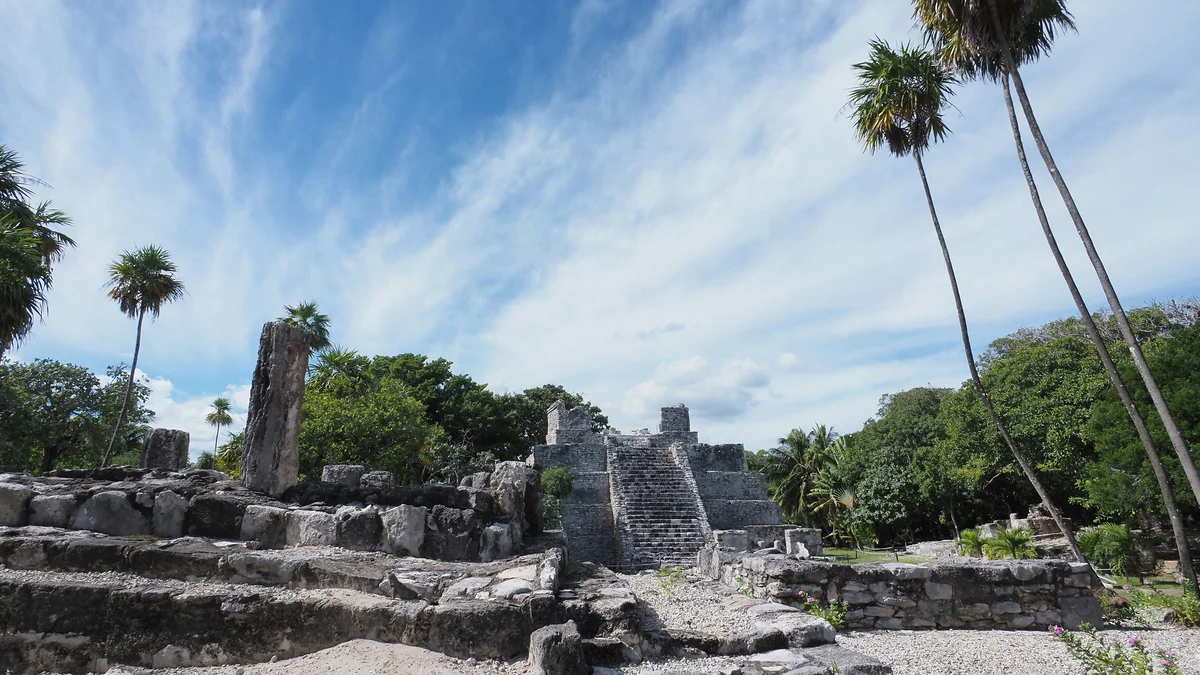
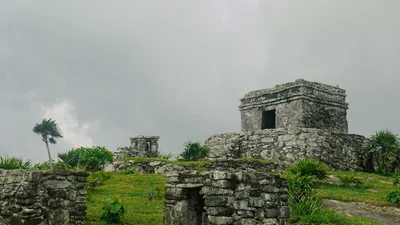
The adjoining San Miguelito site is a Late Postclassic Maya port. One regional report dates its occupation to about 1200 to 1350 AD and places it within the ancient political province of Ecab, with a position between the sea, the Nichupte lagoon and land routes that suited fishing, salt production and exchange of goods such as cotton, honey and copal. The ruins include remains of residences, a columned palace and temple, and a pyramid about eight meters high. Sources disagree on when the community declined, but they agree that it was abandoned after the Spanish arrived. Visitors are generally not allowed to climb the structures, and signs explain the function of most of them.
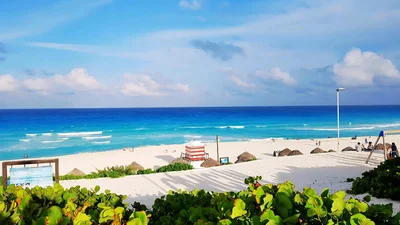
Cancun is a planned resort city begun in 1970, and much of its identity is built around beaches. The museum and ruins give context to the older Maya coast that existed long before the resort, including trading ports along the Caribbean shore.
The complex is in the Hotel Zone, so it combines easily with a beach day. A private guided visit with a driver is a practical way to see the museum and the adjoining ruins, with background on how they connect to other coastal sites such as El Meco.
See every tour and attraction we cover in Cancun.