TorontoOntario · 36 tours
 Niagara FallsOntario · 25 tours
 New York CityNew York · 30 tours
 Las VegasNevada · 8 tours
 San FranciscoCalifornia · 16 tours
 VancouverBritish Columbia · 17 tours
 DubaiUAE · 54 tours
 Abu DhabiUAE · 5 tours
 Buenos AiresArgentina · 23 tours
 AthensGreece · 31 tours
 AucklandNew Zealand · 38 tours
 CancunMexico · 54 tours
No destinations match “”. Try searching all tours instead — that search understands full questions, not just place names.
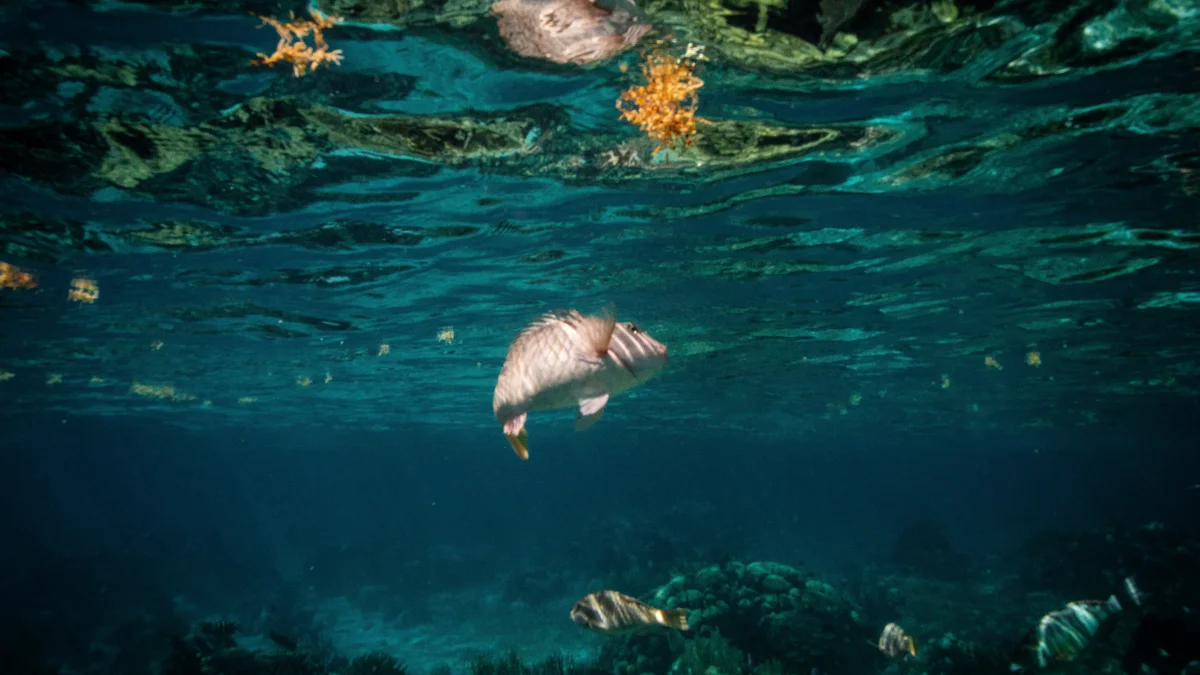
Belize's first marine protected area, established in 1987, centered on a natural cut through the barrier reef just south of Ambergris Caye ('Hol Chan' means 'little channel' in Yucatec Maya). Strict no-fishing rules since its founding have left the coral and reef fish populations noticeably denser here than on unprotected sections of reef nearby, and the reserve now extends to include the adjoining Shark Ray Alley.
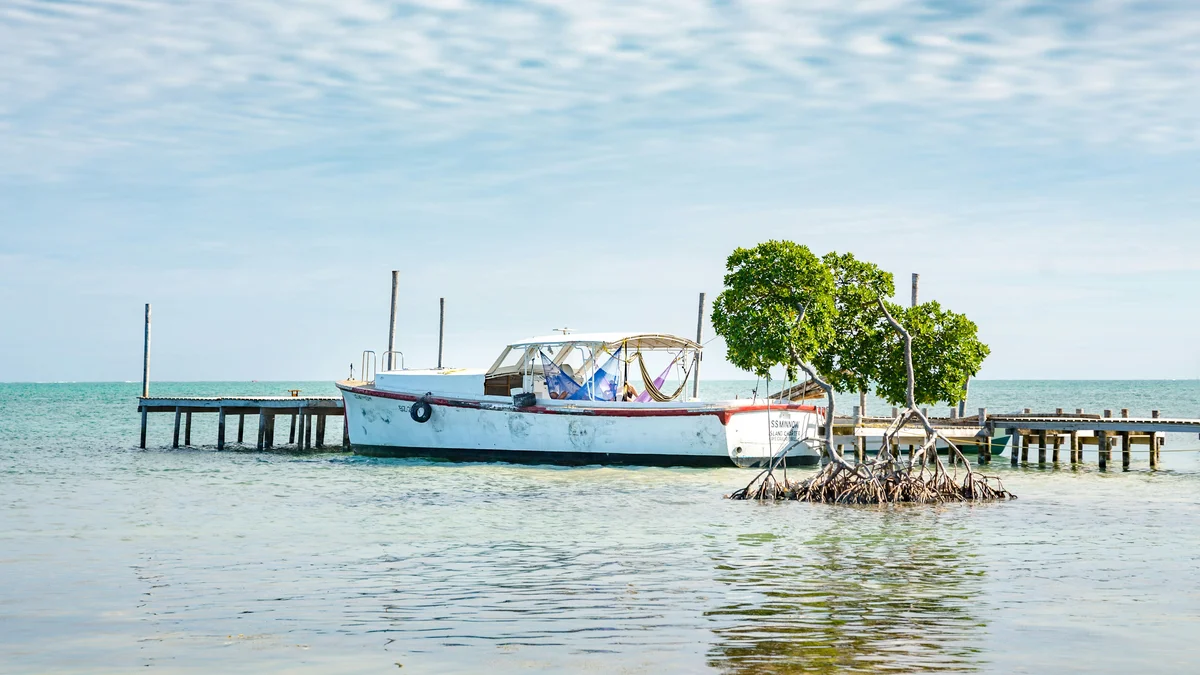 Private Tours
Charter your own boat for a full day out of San Pedro, stopping at some of Ambergris Caye's best snorkeling spots at your own pace, with no other travelers sharing the boat.
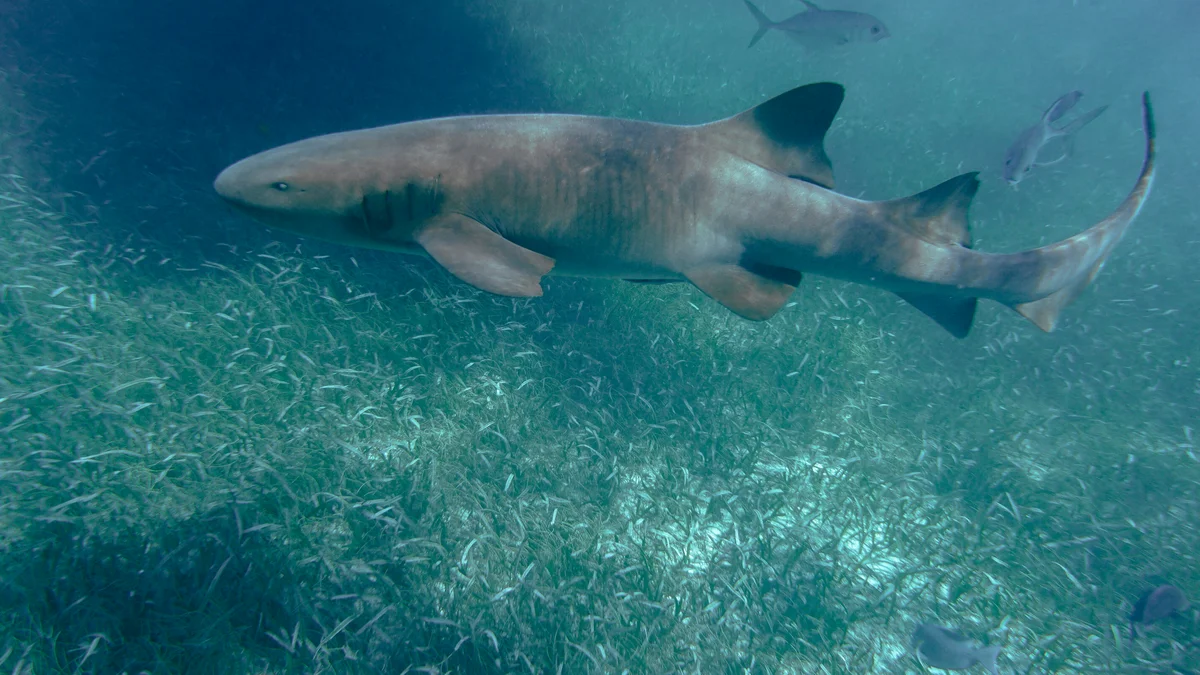 Private Tours
A private boat and captain take you to Hol Chan Marine Reserve and Shark Ray Alley to snorkel with nurse sharks, stingrays, and reef fish, with a flexible morning or sunset departure.
Visitor guide
Hol Chan Marine Reserve is a protected area of the Belize Barrier Reef just south of Ambergris Caye, off the coast of Belize. Its name comes from the Maya words for 'little channel', referring to a natural cut through the reef, and it protects coral reef, seagrass beds and mangroves.
According to Wikipedia, fish stocks near the Hol Chan Cut declined in the early 1980s as tourism to the cayes grew. The cut was both a productive fishing area and a popular spot for snorkelers and divers, and disputes over access led to a public consultation process in the mid-1980s. Conservation groups cited the channel's distinctive formation, its fisheries including conch and lobster, and the linked reef, seagrass and mangrove habitats as reasons for protection. Janet Gibson campaigned for the reserve between 1985 and 1987 and wrote the 1986 draft management plan.
The reserve was established in July 1987, funded by WWF and USAID, after the fisheries ministry and the local fishermen's co-operative approved the plan. Active enforcement began in 1989. It is classified as IUCN Category IV and is managed by the Hol Chan Marine Reserve Trust Fund Committee, with most upkeep funded through a licensing scheme for tour guide boats. It covers roughly 18 square kilometres.
The reserve is divided into zones with different rules. Zone A covers the reef and the cut itself, where fishing is banned. Zone B covers the seagrass beds inside the reef, where licensed fishing is allowed. Zone C covers the mangrove swamps at the southern end of Ambergris Caye, where commercial fishing is banned. Shark Ray Alley was added in 1999 as Zone D. Zone B also contains the Boca Ciega Blue Hole, a sinkhole opening into a larger underwater cavern that Wikipedia says is not visited regularly.
The Hol Chan Cut is a natural break in the reef described as roughly 23 metres wide and 9 metres deep, sloping into the Caribbean on the outer side and shallowing toward the lagoon. Wikipedia records more than 160 fish species, around 40 coral types, and three sea turtle species in the reserve. Jacks, groupers, snappers and barracuda are common, spotted eagle rays and southern stingrays are found on the channel floor, and lobsters, moray eels and anemones live among the rocky outcrops. Corals include brain, elkhorn and finger coral.
The mangroves act as a nursery for young fish, while the seagrass beds support parrotfish and hogfish and occasional turtles. At Shark Ray Alley, a shallow sandy area inside the reef, nurse sharks and rays gather; Wikipedia says fishermen once cleaned their nets there and the scraps attracted them, and local guides now feed them as an attraction.
Hol Chan is one of the protected areas listed in the Belize Barrier Reef Reserve System, a UNESCO World Heritage Site. Wikipedia notes that fish stocks in the reserve have recovered, even as the wider fishing industry has declined, and that clearing of mangroves and habitat adjacent to the reserve is outside the committee's control. Rising visitor numbers raise fee revenue but also place strain on coral and facilities in both the reserve and nearby San Pedro.
Hol Chan is reached by boat from San Pedro, and Wikivoyage places it about 6 kilometres south of town. Sea conditions, current in the channel and weather affect snorkeling, so trips are usually run by licensed guides. A private tour can link the reserve with other stops around the island.
See every tour and attraction we cover in San Pedro, Belize.