TorontoOntario · 36 tours
 Niagara FallsOntario · 25 tours
 New York CityNew York · 30 tours
 Las VegasNevada · 8 tours
 San FranciscoCalifornia · 16 tours
 VancouverBritish Columbia · 17 tours
 DubaiUAE · 54 tours
 Abu DhabiUAE · 5 tours
 Buenos AiresArgentina · 23 tours
 AthensGreece · 31 tours
 AucklandNew Zealand · 38 tours
 CancunMexico · 54 tours
No destinations match “”. Try searching all tours instead — that search understands full questions, not just place names.
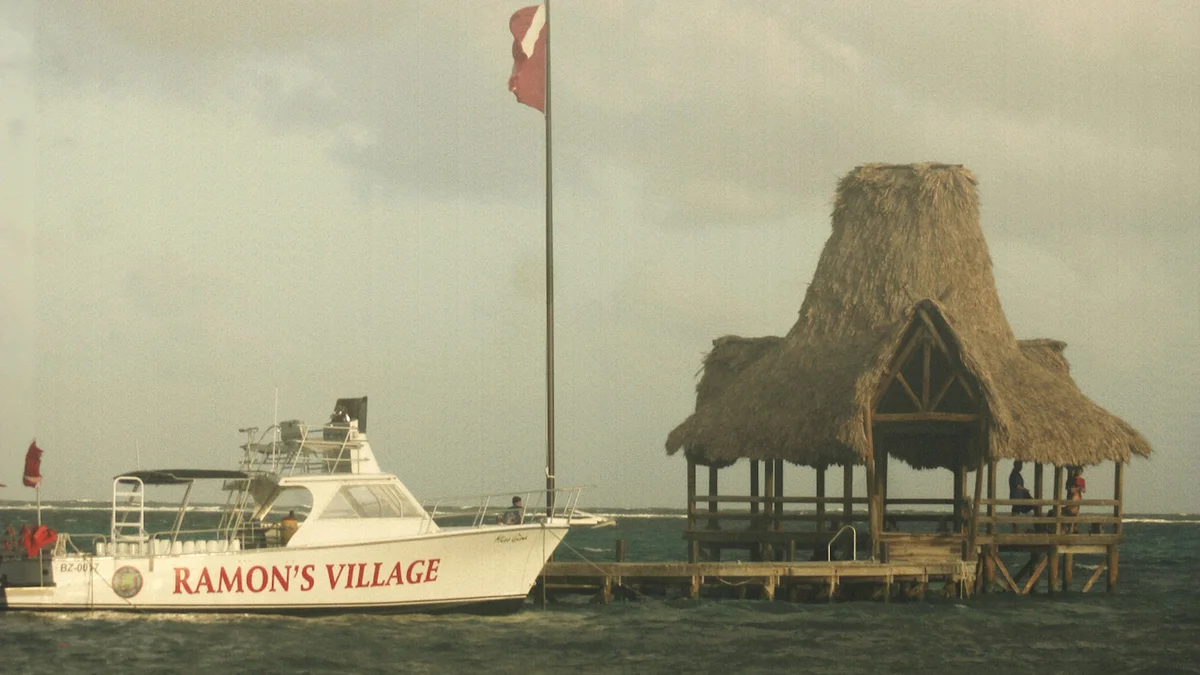
The only town on Ambergris Caye, San Pedro grew from a small fishing and coconut-farming village into Belize's main tourism hub, though its narrow sand streets — most still without cars — keep it a golf-cart town rather than a resort strip. Central Park, on the seafront near the town pier, anchors the town's day-to-day life, with colorful wooden buildings and local restaurants lining the streets around it.
Visitor guide
San Pedro Town is the only town on Ambergris Caye, the largest island in Belize, and the main hub of its tourism industry. Residents are known as San Pedranos, and the town sits on the southern part of the island beside the Caribbean and close to the Belize Barrier Reef.
According to Wikipedia, refugees from the Caste War of Yucatan moved south into northern Belize, where British authorities protected them and encouraged them to settle. The first permanent settlers in San Pedro arrived in 1848 and 1849 and were largely relatives of fishermen who had earlier built fishing camps on the cayes. The settlement grew to a village of about 30 houses and over 50 people. San Pedro was granted township status on 27 November 1984, with Gilberto Chico Gomez as its first mayor.
Ambergris Caye has a much longer human history. Wikipedia notes that a Maya community lived on the island in pre-Columbian times, leaving polished red ceramics, and that the Maya are widely thought to have dug the channel at Bacalar Chico, possibly for maritime trade. Coconut plantations arrived in the 17th century. Tourism development began in the early 1970s and expanded substantially later in the century.
Most residents speak both Spanish and English, and many use a blend known as 'Kitchen Spanish', with English-based Kriol also influencing local speech. Wikipedia notes that most of the early population came from Mexico. The island is nicknamed 'Isla Bonita', after the Madonna song 'La Isla Bonita'; Madonna has said the song does not refer to a particular place, though the town is often linked with it.
El Gran Carnaval de San Pedro dates back to the 1870s and centers on 'Juan Carnaval', a figure from a local legend, whose effigy is burned at the end of the festival and whose will is traditionally read on Ash Wednesday. San Pedro Day is celebrated in late June, with sources giving 27 June and San Pedro Sun reports centering the main events on 28 and 29 June.
Wikivoyage describes the town as having three main north-south streets linked by several east-west streets, with Barrier Reef Drive running closest to the beachfront. Only some roads are cobblestoned, and sandy or potholed streets slow traffic in the rainy season. Golf carts are the dominant form of transport, and walking is the most common way of getting around town. John Greif II Airport sits next to the town. The town has bakeries, butcher shops and small supermarkets, along with a range of restaurants.
Tourism is one of the town's main industries, especially scuba diving, and two hyperbaric decompression chambers operate on the island because of the number of divers. Nearby protected areas include Hol Chan Marine Reserve, Shark Ray Alley and Bacalar Chico, and the town is close to the Belize Barrier Reef, a UNESCO World Heritage Site. The Ambergris Museum is located in town.
The 2010 census recorded 11,767 residents, with later estimates higher. San Pedro is the second-largest town in Belize District. Because its streets are narrow and car use is limited, a private guided visit helps orient first-time visitors and links the town with surrounding sights, though the pace of the town is what many people remember most.
See every tour and attraction we cover in San Pedro, Belize.