TorontoOntario · 36 tours
 Niagara FallsOntario · 25 tours
 New York CityNew York · 30 tours
 Las VegasNevada · 8 tours
 San FranciscoCalifornia · 16 tours
 VancouverBritish Columbia · 17 tours
 DubaiUAE · 54 tours
 Abu DhabiUAE · 5 tours
 Buenos AiresArgentina · 23 tours
 AthensGreece · 31 tours
 AucklandNew Zealand · 38 tours
 CancunMexico · 54 tours
No destinations match “”. Try searching all tours instead — that search understands full questions, not just place names.
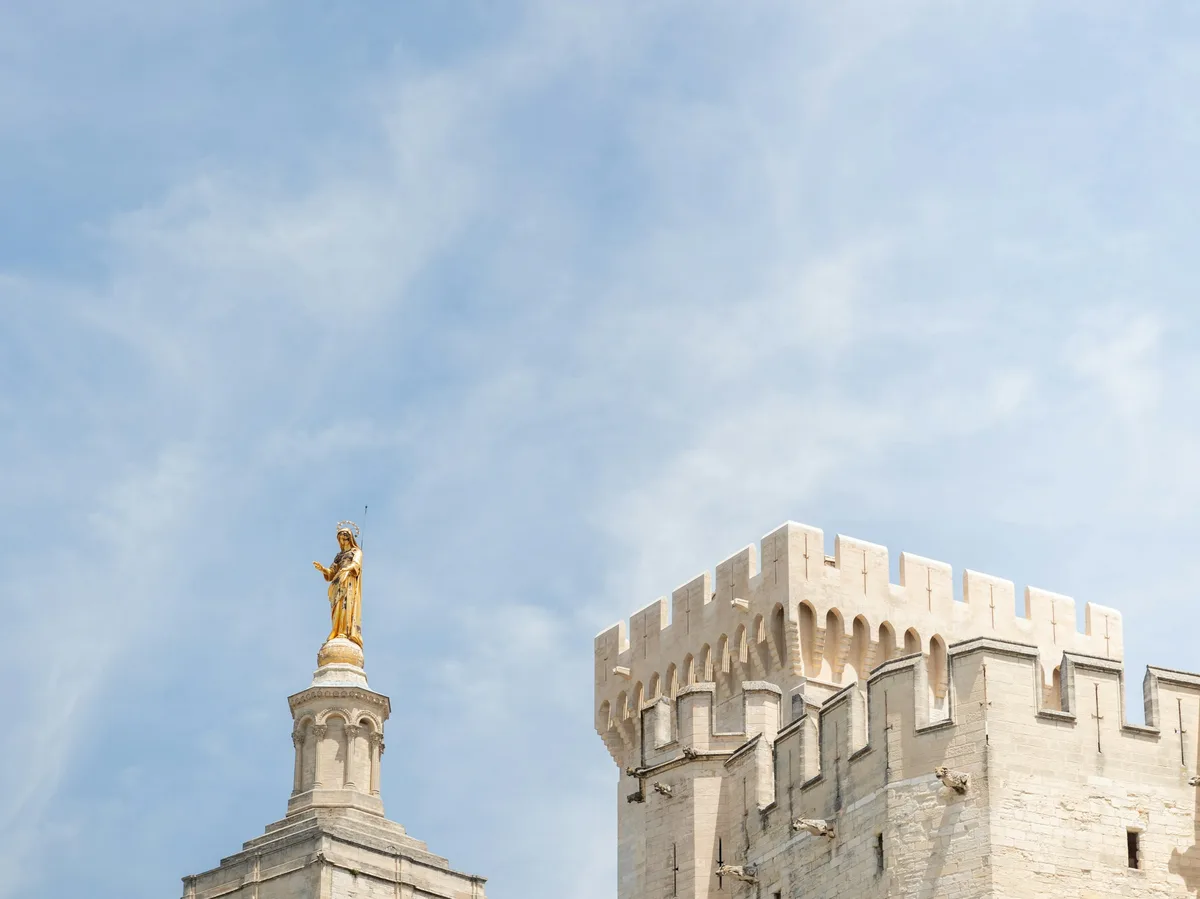
The Palace of the Popes, one of the largest and most important medieval Gothic buildings in Europe, built in the 14th century when Avignon was the seat of the papacy.
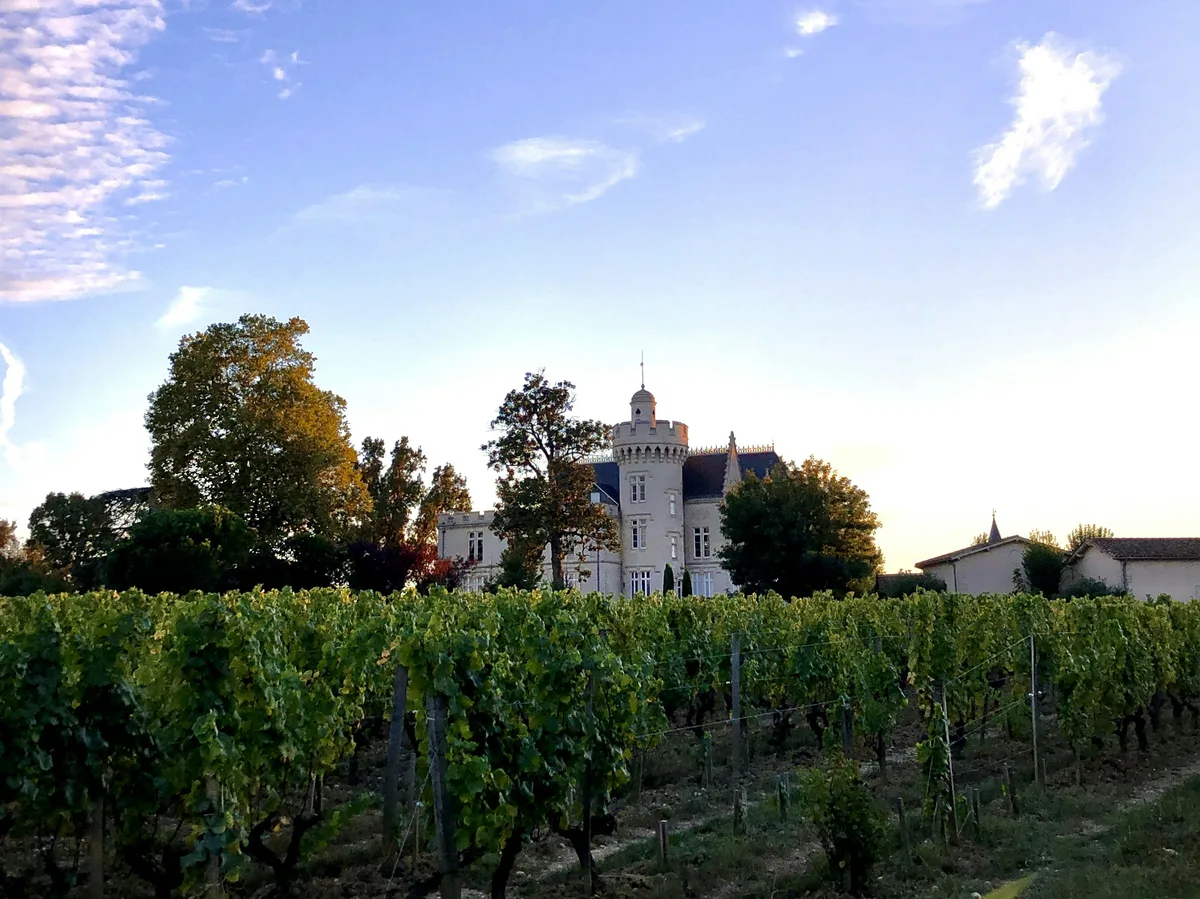 Multi-Day Tours Popular Pick
A 12-day food-and-wine circuit through France by train — Bordeaux and the Médoc, back to Paris for the Louvre and Notre-Dame, Burgundy's Beaune, gastronomic Lyon, and Provence's Avignon.
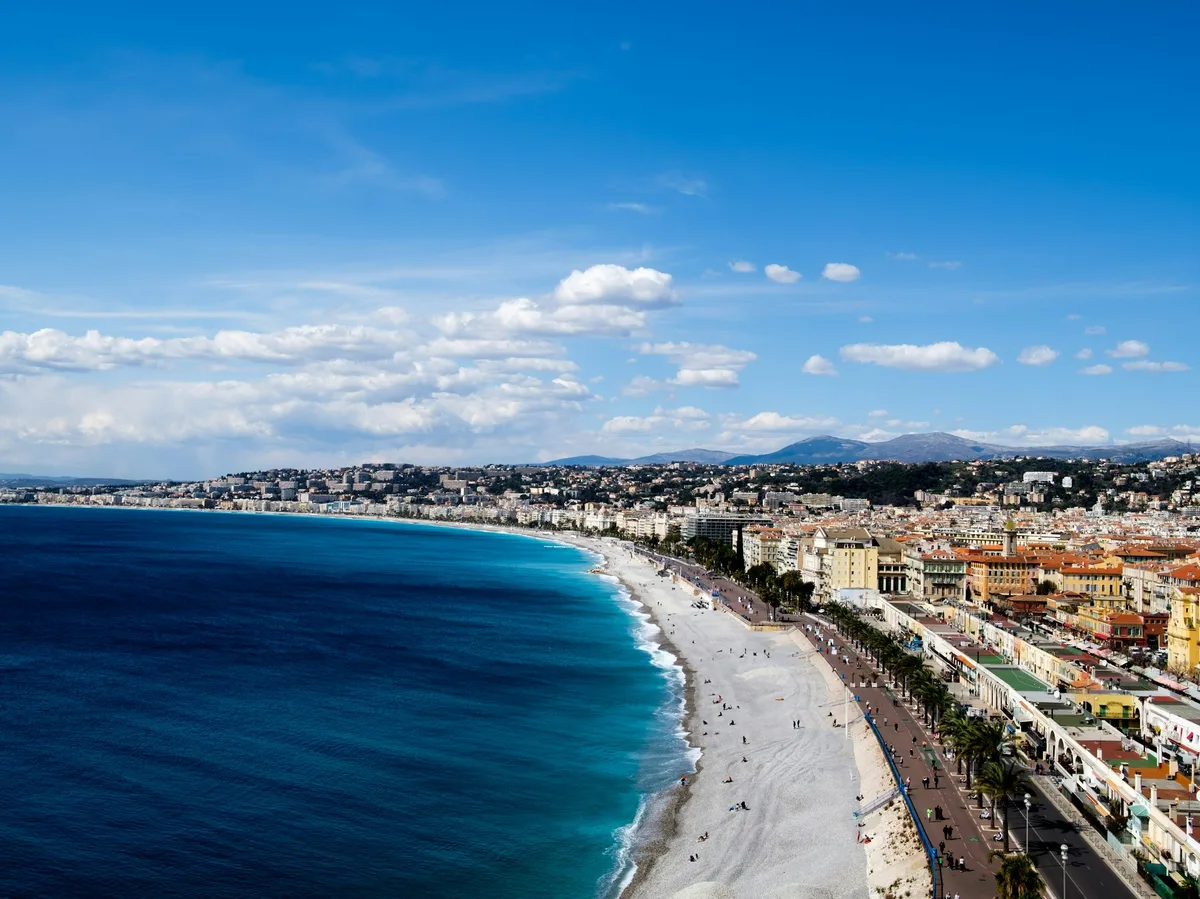 Multi-Day Tours
An 11-day train journey across France — Le Marais, the Louvre, and the Eiffel Tower in Paris, Beaujolais wine country from Lyon, the Palais des Papes in Avignon, the Calanques of Cassis, and the Promenade des Anglais in Nice.
Visitor guide
The Palais des Papes (Palace of the Popes) in Avignon, in southern France, is a Gothic fortress-palace that served as a seat of Western Christianity during the 14th century. Wikipedia describes it as one of the largest and most important medieval Gothic buildings in Europe, and it forms part of a UNESCO World Heritage Site.
In 1309 Pope Clement V, unwilling to face the unrest of Rome after his election, moved the papal court to Avignon, beginning what is known as the Avignon Papacy. The popes at first lived in existing buildings, but the old episcopal palace on the rocky outcrop above the Rhone was rebuilt in earnest under Benedict XII (1334-42) and enlarged by his successors until about 1364. Six papal conclaves were held in the palace, electing Benedict XII, Clement VI, Innocent VI, Urban V, Gregory XI and Benedict XIII.
Wikipedia gives conflicting dates for the end of the papacy at Avignon: the popes are generally said to have left Avignon for Rome in 1367 (Urban V, who returned to Avignon in 1370) and 1376 (Gregory XI, who reached Rome in January 1377). The departure was followed by the Papal Schism, during which antipopes Clement VII and Benedict XIII made Avignon their home. Benedict XIII was besieged in the palace in 1398, and the building returned to the authority of papal legates in 1433.
The Palais is made up of two joined buildings. The Palais Vieux (Old Palace), built for Benedict XII by the architect Pierre Poisson of Mirepoix, is austere and heavily fortified, centred on a cloister with four wings flanked by high towers. The Palais Neuf (New Palace) was added under Clement VI, Innocent VI and Urban V; Jean de Louvres designed a new tower and buildings including a Grand Chapel about 52 metres long, and Urban V completed the Court of Honour.
Wikipedia gives the floor space as 15,000 square metres and calls it the largest Gothic palace in Europe. The interiors were once richly decorated with frescoes, tapestries, paintings and sculptures, and artists of the Sienese school, including Simone Martini and Matteo Giovanetti, are credited with ornamentation. The papal library, then the largest in Europe with over 2,000 volumes, drew scholars including Petrarch.
The palace declined over the following centuries, and was seized and sacked by revolutionary forces after 1789. Under Napoleon it became a barracks and prison, and much of the interior woodwork was cleared away; frescoes were covered over and largely destroyed. That reuse nevertheless preserved the shell of the building. It was vacated in 1906, when it became a national museum, and it has been under restoration for much of the time since.
The Palais was inscribed by UNESCO in 1995 for its architecture and its importance to the history of the papacy. Today it is both a historic monument and a venue: its Court of Honour is a central performance location for the Festival d'Avignon each July, a tradition that grew from an exhibition held in the Grand Chapel in 1947. It also houses a congress centre and archives of the Vaucluse department.
Visitors should expect large, sparsely furnished stone halls rather than a richly furnished palace. A private guided visit can help put the Avignon Papacy, the Schism and the building's later uses in context, and combines easily with a walk through Avignon's old town.
See every tour and attraction we cover in France.