TorontoOntario · 36 tours
 Niagara FallsOntario · 25 tours
 New York CityNew York · 30 tours
 Las VegasNevada · 8 tours
 San FranciscoCalifornia · 16 tours
 VancouverBritish Columbia · 17 tours
 DubaiUAE · 54 tours
 Abu DhabiUAE · 5 tours
 Buenos AiresArgentina · 23 tours
 AthensGreece · 31 tours
 AucklandNew Zealand · 38 tours
 CancunMexico · 54 tours
No destinations match “”. Try searching all tours instead — that search understands full questions, not just place names.
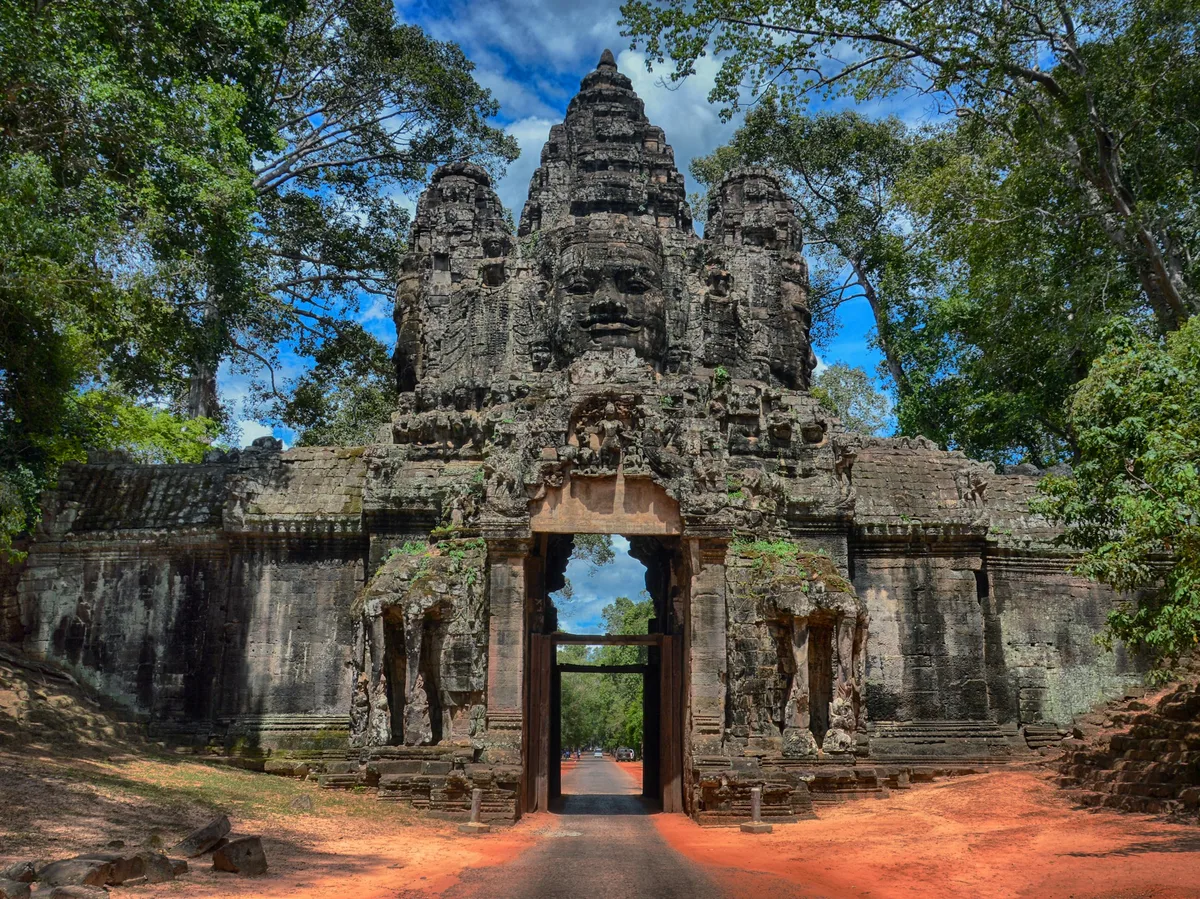
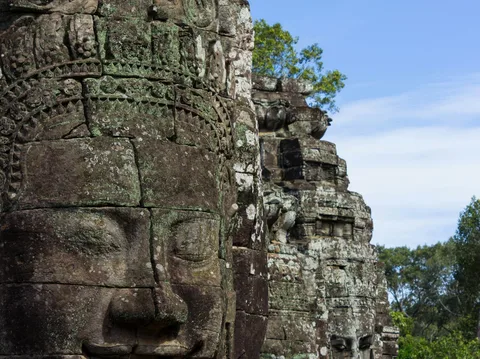
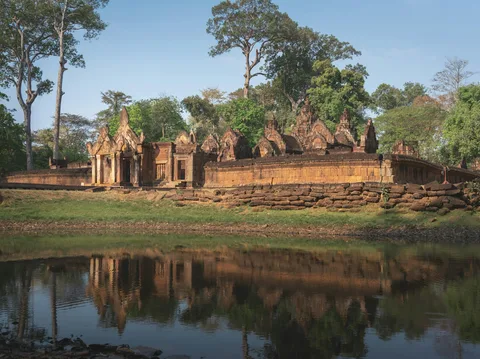
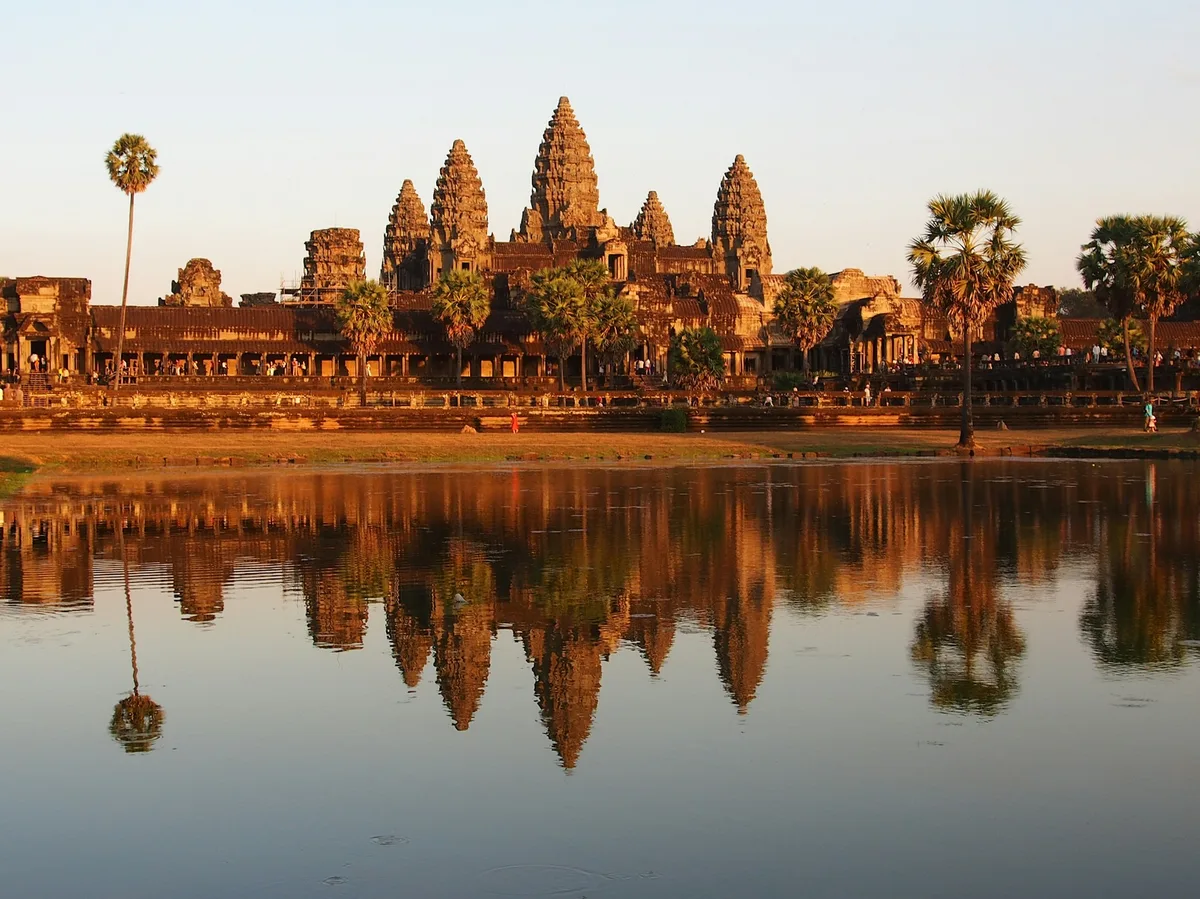
The largest religious monument in the world and the spiritual heart of the Khmer Empire, this 12th-century temple complex near Siem Reap is renowned for its towering spires, moat, and intricate bas-relief carvings.
 Multi-Day Tours Popular Pick
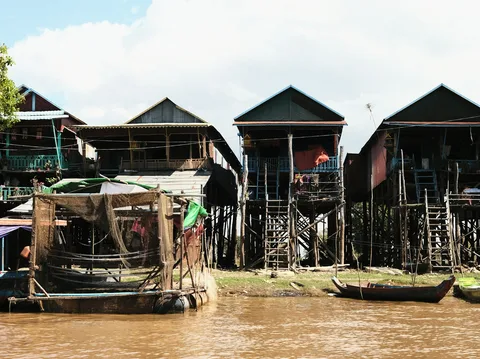
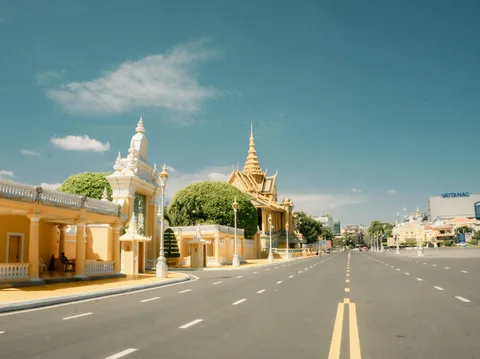
A 9-day journey through Cambodia's ancient Angkor temples, the floating villages of Tonlé Sap, Phnom Penh's history, and a restful finish on the Sihanoukville coast.
 Multi-Day Tours
A 12-day route from the temples of Angkor and the history of Phnom Penh into Laos, taking in Vientiane, Vang Vieng, and UNESCO-listed Luang Prabang.
 Multi-Day Tours
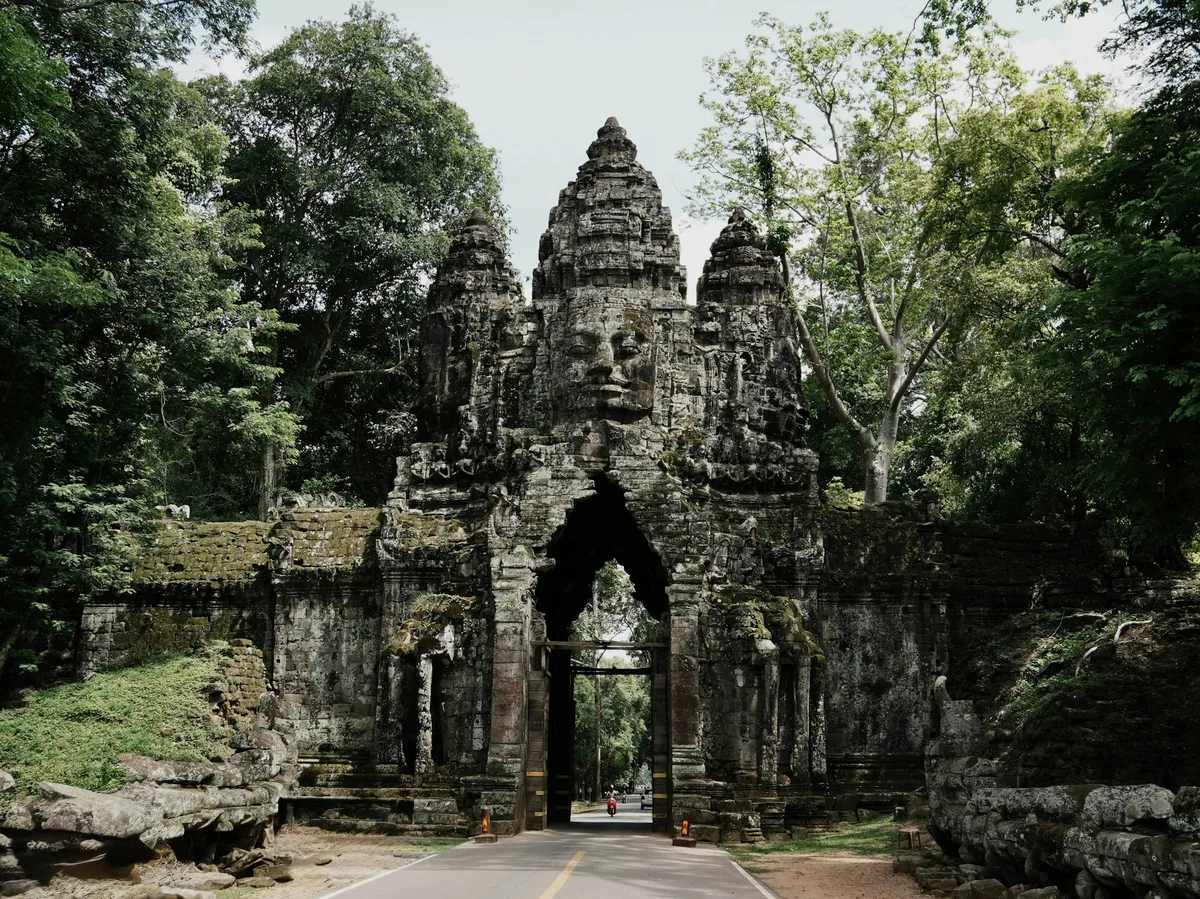
A grand 23-day sweep across four countries — Thailand, Laos, Cambodia, and Vietnam — pairing Angkor Wat and Phnom Penh with Bangkok, Luang Prabang, Ho Chi Minh City, and Ha Long Bay.
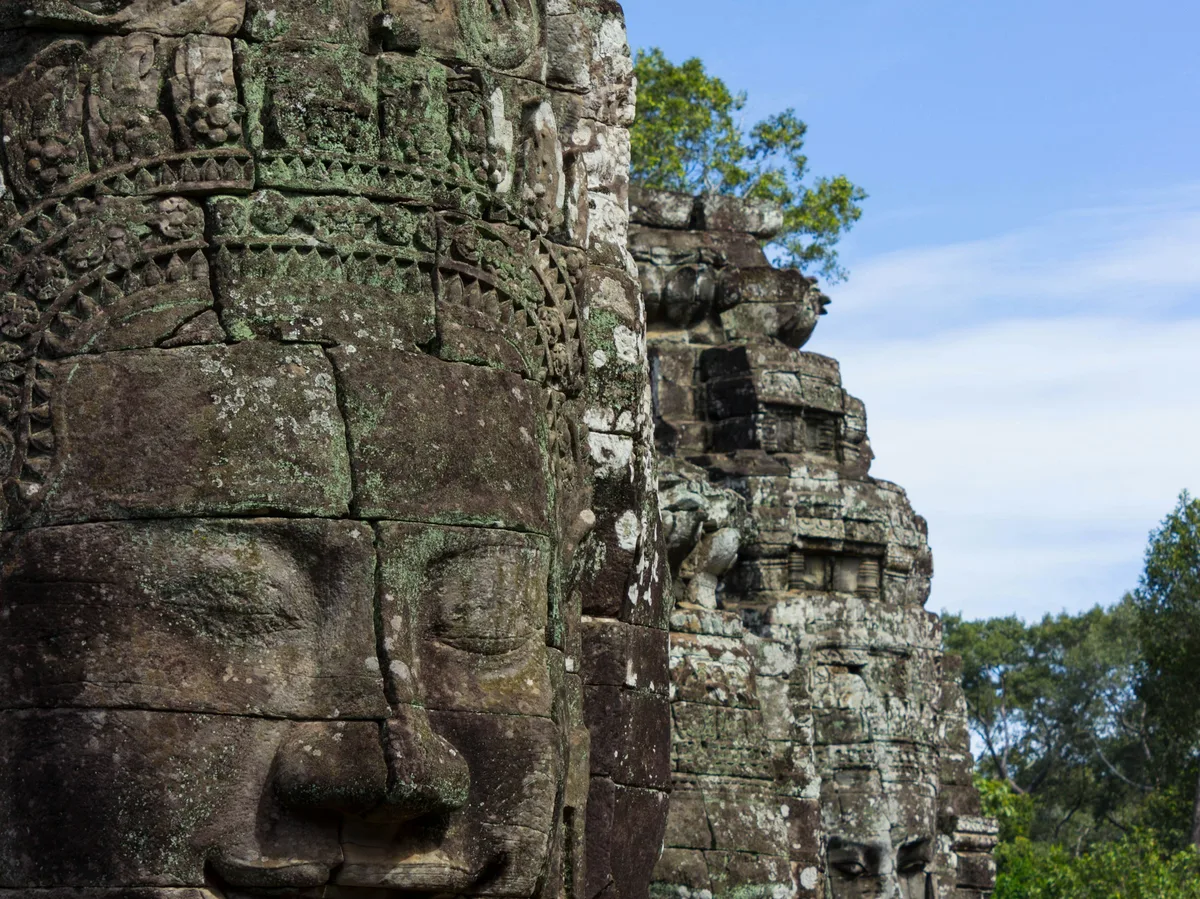 Multi-Day Tours
A 9-day pairing of Cambodia's Angkor temples and Tonlé Sap floating villages with Laos's Luang Prabang, its waterfalls, and a Mekong-tributary kayaking route.
Visitor guide
Angkor Wat is a temple complex near Siem Reap in northwestern Cambodia, built in the first half of the 12th century as the state temple of the Khmer king Suryavarman II. Covering about 162.6 hectares within the old capital of Angkor, it is often described as the largest religious complex in the world and is the best-known monument of the Khmer Empire.
According to Wikipedia, Suryavarman II, who reigned from 1113 to about 1150, commissioned the temple in his capital, Yasodharapura. It was built as his state temple and is generally considered to have served as his mausoleum as well. Sources give the construction period as roughly 1113 to 1150, though the history section of the same article dates the start of work to 1122. The temple's original name is unknown, but it may have been Vrah Vishnuloka, after its presiding deity, Vishnu. When the king died, work stopped and some of the bas-reliefs were left unfinished.
Unlike most Angkorian temples, which face east, Angkor Wat faces west. Scholars link this to Vishnu's association with the west and to the temple's likely funerary role. The bas-reliefs also run counterclockwise, the reverse of the usual order, which matches Brahmanic funeral rites.
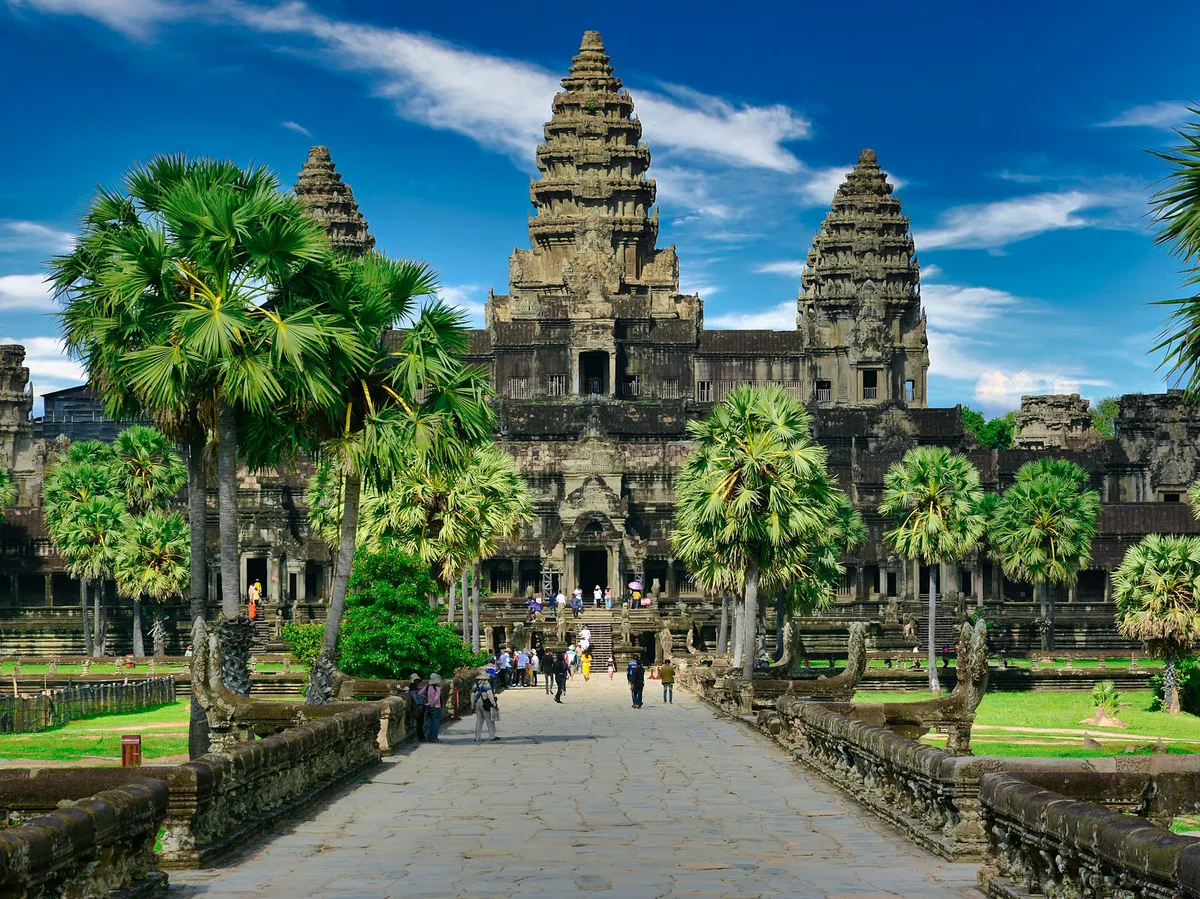
The design combines the temple-mountain form with concentric galleries and represents Mount Meru, the home of the gods in Hindu cosmology. A moat more than 5 kilometres around and about 190 metres wide surrounds an outer wall of roughly 1,024 by 802 metres. A causeway about 350 metres long, flanked by naga balustrades, leads from the western gateway to the temple itself.
The central structure rises through three rectangular galleries. The inner two each have four corner towers around a taller central tower, an arrangement known as a quincunx, and the highest tower reaches about 65 metres. The sandstone came mainly from the Kulen hills, while laterite was used for the outer wall and for hidden structural parts.
The walls of the outer gallery carry large bas-reliefs drawn from the Ramayana and the Mahabharata, including the Battle of Lanka and the Battle of Kurukshetra. The eastern gallery shows the Churning of the Sea of Milk. More than 1,700 devata figures, graceful female deities, have been documented on the walls. The sculptures were partly gilded and the ceilings and doors were originally of wood, most of which has been lost.
After the Chams sacked Angkor in the late 1170s, Jayavarman VII restored the empire and built a new capital at Angkor Thom. Angkor Wat was gradually converted to Buddhism, with Hindu sculptures replaced by Buddhist imagery, and from the late 13th century it became predominantly Theravada Buddhist. The temple was never fully abandoned and remains an active place of Buddhist worship.
Portuguese accounts from the 16th century described the temple, and the friar Antonio da Madalena explored the ruins in 1586. The French explorer Henri Mouhot brought the site to wide Western attention through writings published after his death in 1864. A depiction of Angkor Wat has appeared on the Cambodian national flag since 1863.
The Ecole francaise d'Extreme-Orient set up the Conservation d'Angkor in 1908, and restoration continued until the early 1970s before the Khmer Rouge years halted it. Later work included the Archaeological Survey of India between 1986 and 1992 and international efforts coordinated under UNESCO from 1993. Angkor was inscribed as a UNESCO World Heritage Site in 1992. A private guided visit suits a monument of this scale, where the reliefs and layout reward a knowledgeable guide.
See every tour and attraction we cover in Cambodia.