TorontoOntario · 36 tours
 Niagara FallsOntario · 25 tours
 New York CityNew York · 30 tours
 Las VegasNevada · 8 tours
 San FranciscoCalifornia · 16 tours
 VancouverBritish Columbia · 17 tours
 DubaiUAE · 54 tours
 Abu DhabiUAE · 5 tours
 Buenos AiresArgentina · 23 tours
 AthensGreece · 31 tours
 AucklandNew Zealand · 38 tours
 CancunMexico · 54 tours
No destinations match “”. Try searching all tours instead — that search understands full questions, not just place names.
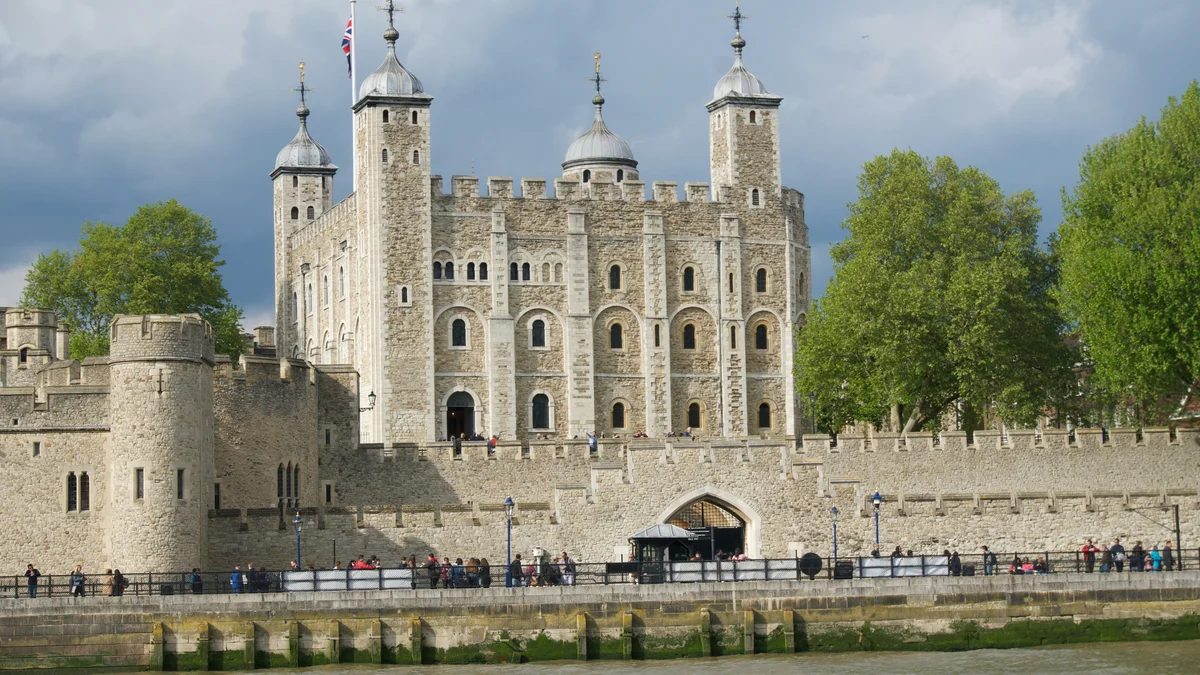
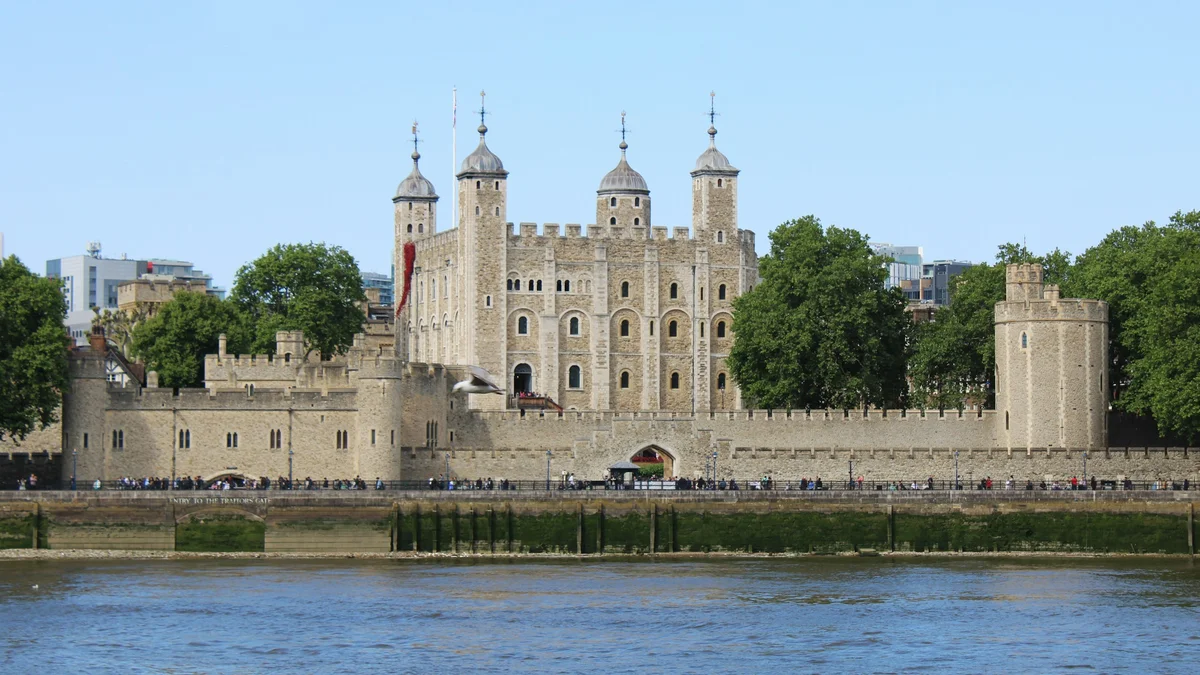
Founded by William the Conqueror around 1078, the Tower of London has served over the centuries as a royal palace, an armory, a treasury, and a notorious prison, with the White Tower at its center giving the fortress its name. Today it holds the Crown Jewels and is guarded by the Yeomen Warders, or Beefeaters, whose ceremonial duties and resident ravens are as much a part of the Tower's identity as its thousand years of history.
Visitor guide
The Tower of London, officially His Majesty's Royal Palace and Fortress of the Tower of London, is a historic castle on the north bank of the River Thames in central London. Founded in late 1066 during the Norman Conquest, it has served as a fortress, royal palace, prison, mint and menagerie, and is a UNESCO World Heritage Site.
William the Conqueror built the White Tower, which gives the castle its name, with work usually dated to about 1078 and overseen by Bishop Gundulf of Rochester. Wikipedia describes it as the earliest stone keep in England, measuring 36 by 32 metres at the base and originally three storeys high, with the entrance at first-floor level as was usual in Norman keeps. It was initially a resented symbol of oppression for Londoners.
The castle grew into three wards. The innermost ward holds the White Tower, the inner ward was built under Richard I, and the outer ward was added under Edward I, who completed his rebuild in 1285. Two concentric rings of walls and a moat protect it, with thirteen towers along the curtain wall, including the Bloody Tower and Beauchamp Tower. St Thomas's Tower, built between 1275 and 1279, became known as Traitors' Gate.
The Tower's heyday as a prison was the sixteenth and seventeenth centuries, and its inmates included Elizabeth I before she became queen and Sir Walter Raleigh. The phrase sent to the Tower comes from this use. Only seven people were executed within the Tower before the twentieth century, mostly on Tower Green, while many more were executed on Tower Hill nearby. The disappearance of the Princes in the Tower in 1483 remains one of the best-known mysteries of English history.
The Royal Mint was moved into the Tower by Edward I, and mints across the country were centralised there in 1279. A royal menagerie was associated with the Lion Tower from at least the 1330s.
The Crown Jewels are housed in the Waterloo Block, a former barracks built in Gothic Revival style. The Yeoman Warders have served as the royal bodyguard since at least 1509, and still guard the Tower today. The Chapel Royal of St Peter ad Vincula, rebuilt in 1519 under Henry VIII, stands within the walls; St John's Chapel in the White Tower is where Archbishop Simon Sudbury sought sanctuary in 1381.
The Tower was designated a UNESCO World Heritage Site in 1988. It is owned by the monarch in right of the Crown and cared for by the charity Historic Royal Palaces.
A private guided visit with a driver can combine the Tower with Tower Bridge and the City of London nearby, which is useful given how much history the site holds.
See every tour and attraction we cover in London.