TorontoOntario · 36 tours
 Niagara FallsOntario · 25 tours
 New York CityNew York · 30 tours
 Las VegasNevada · 8 tours
 San FranciscoCalifornia · 16 tours
 VancouverBritish Columbia · 17 tours
 DubaiUAE · 54 tours
 Abu DhabiUAE · 5 tours
 Buenos AiresArgentina · 23 tours
 AthensGreece · 31 tours
 AucklandNew Zealand · 38 tours
 CancunMexico · 54 tours
No destinations match “”. Try searching all tours instead — that search understands full questions, not just place names.
Voyzo runs 82 tours across 5 destinations in Argentina, covering 32 attractions. A private tour means your own guide, driver, and vehicle and an itinerary built around your group rather than a fixed bus schedule.
Multi-Day Tours
A 12-day private circuit through Argentina's icons — Buenos Aires, glacier boat tours in El Calafate, the Beagle Channel in Ushuaia, and Iguazu Falls (with a day trip to the Brazilian side).
 Multi-Day Tours
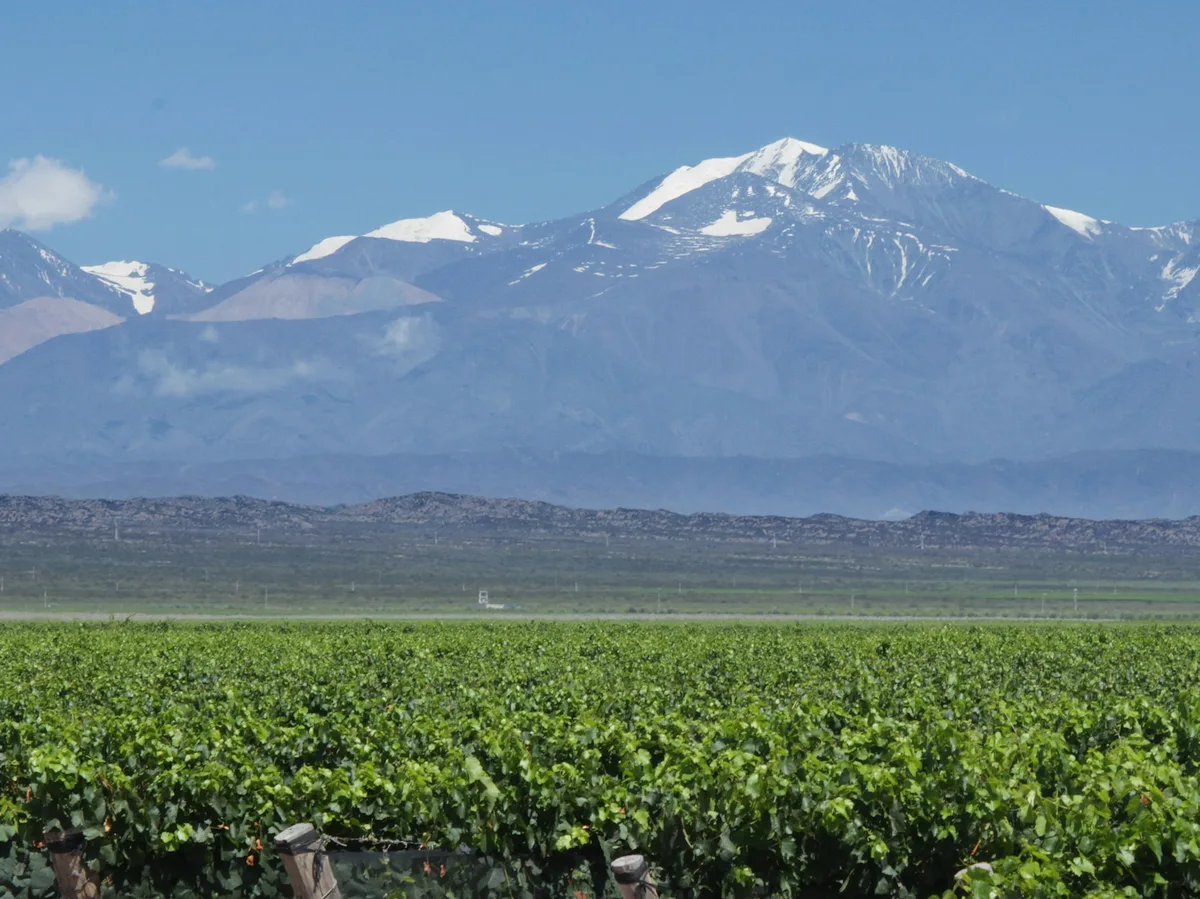
A 9-day private tour through Buenos Aires' tango culture and Mendoza's wine country — the Uco Valley, olive oil production, and the Andes' Aconcagua Provincial Park.
 Multi-Day Tours
A 19-day private odyssey across Argentina — Buenos Aires, Iguazu Falls, Bariloche's Lake District, glacier trekking in El Chaltén and El Calafate, and Ushuaia's Beagle Channel.
 Multi-Day Tours
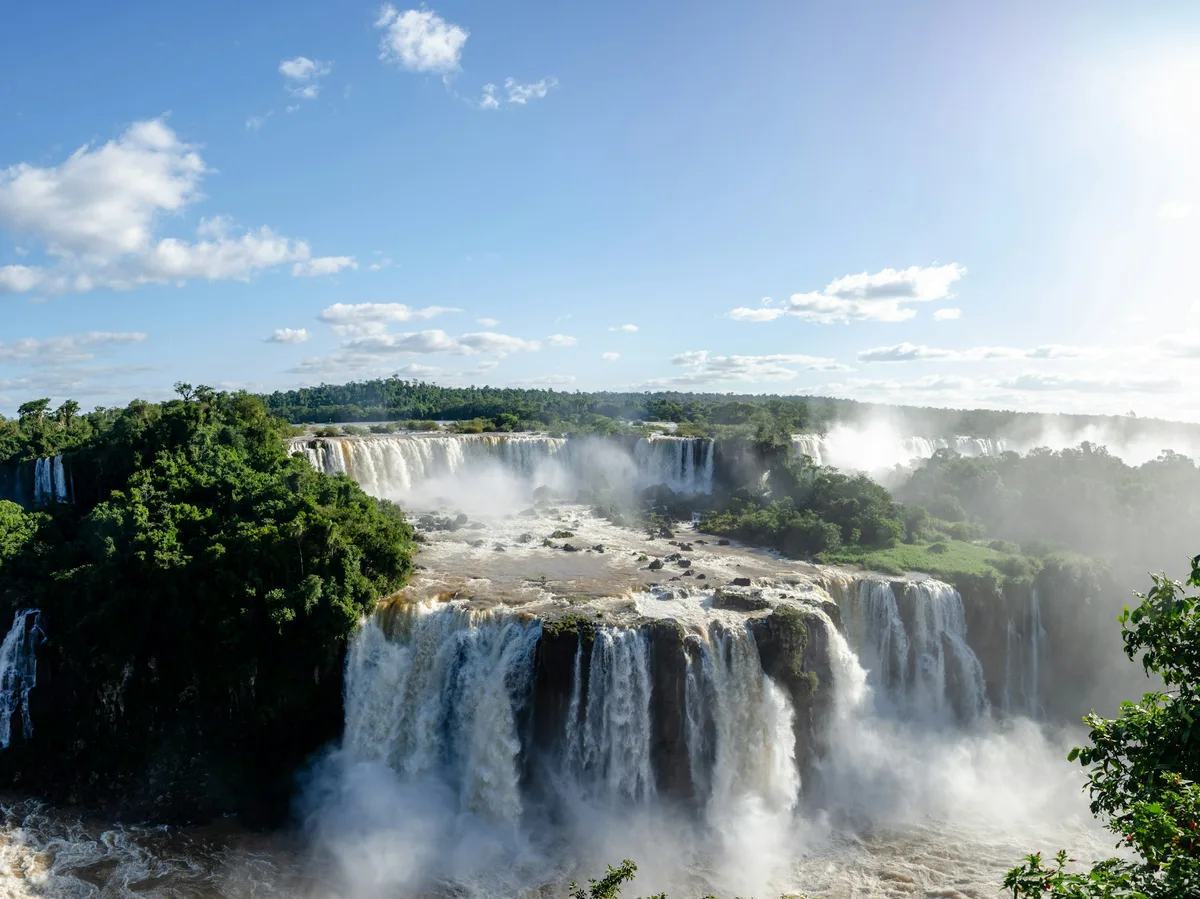
A 12-day sustainable private tour through the Tigre Delta, Iguazu Falls, and the Iberá Wetlands, staying in hand-picked eco-lodges throughout.
 Multi-Day Tours
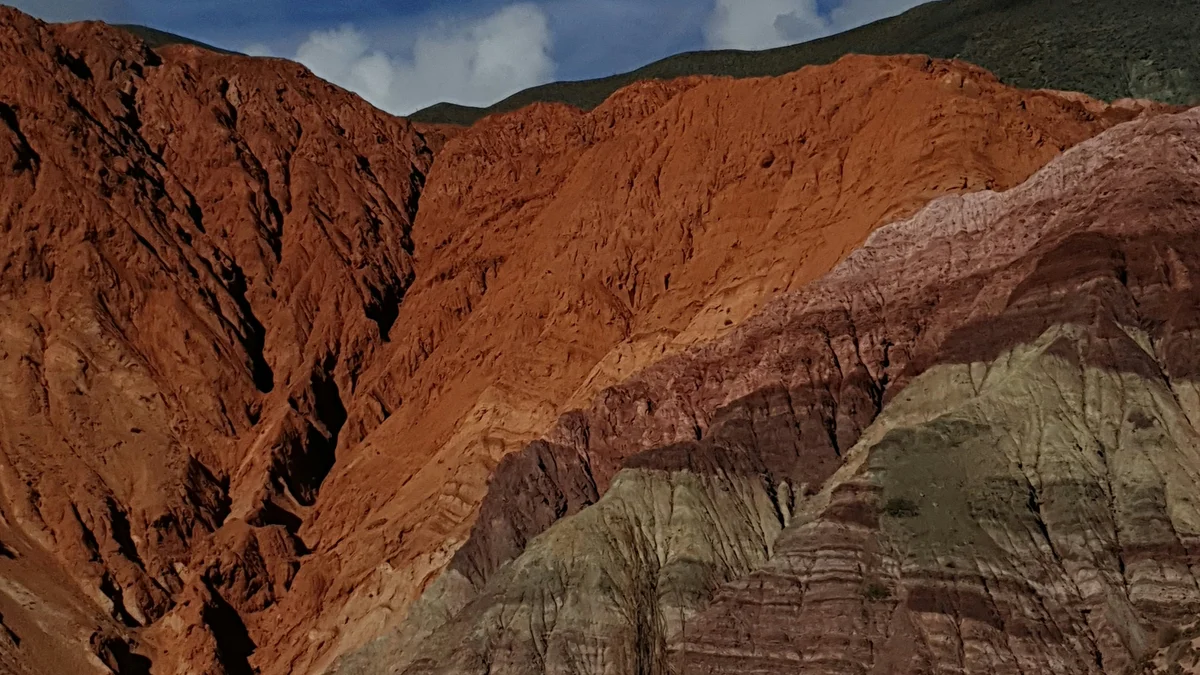
A 14-day private tour spanning Argentina's extremes — Buenos Aires, Iguazu Falls, Salta's colorful north with Purmamarca's Rainbow Mountain, and glaciers in El Calafate.
 Multi-Day Tours
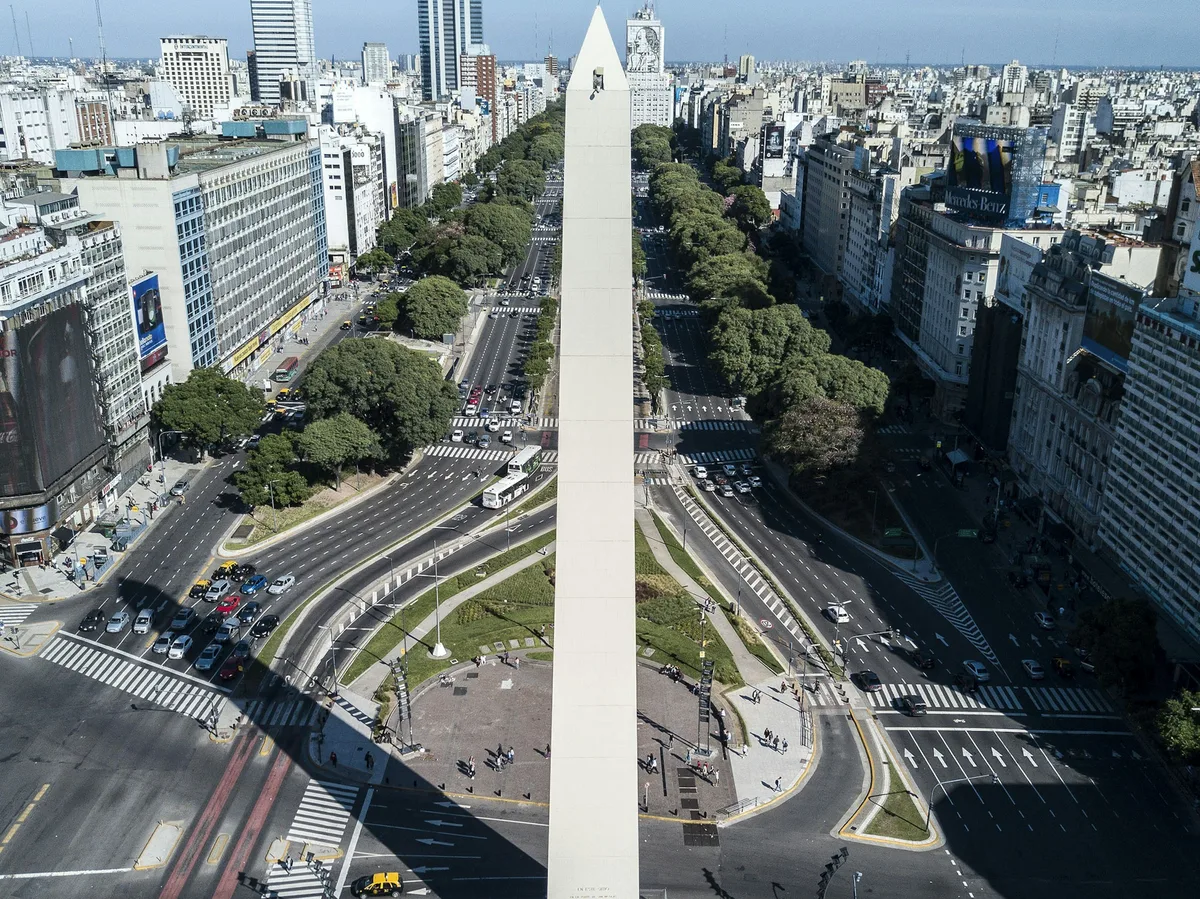
A 10-day family-friendly private tour through Buenos Aires by bike, glacier sailing in El Calafate, and the rainforests of Iguazu Falls.
 Multi-Day Tours
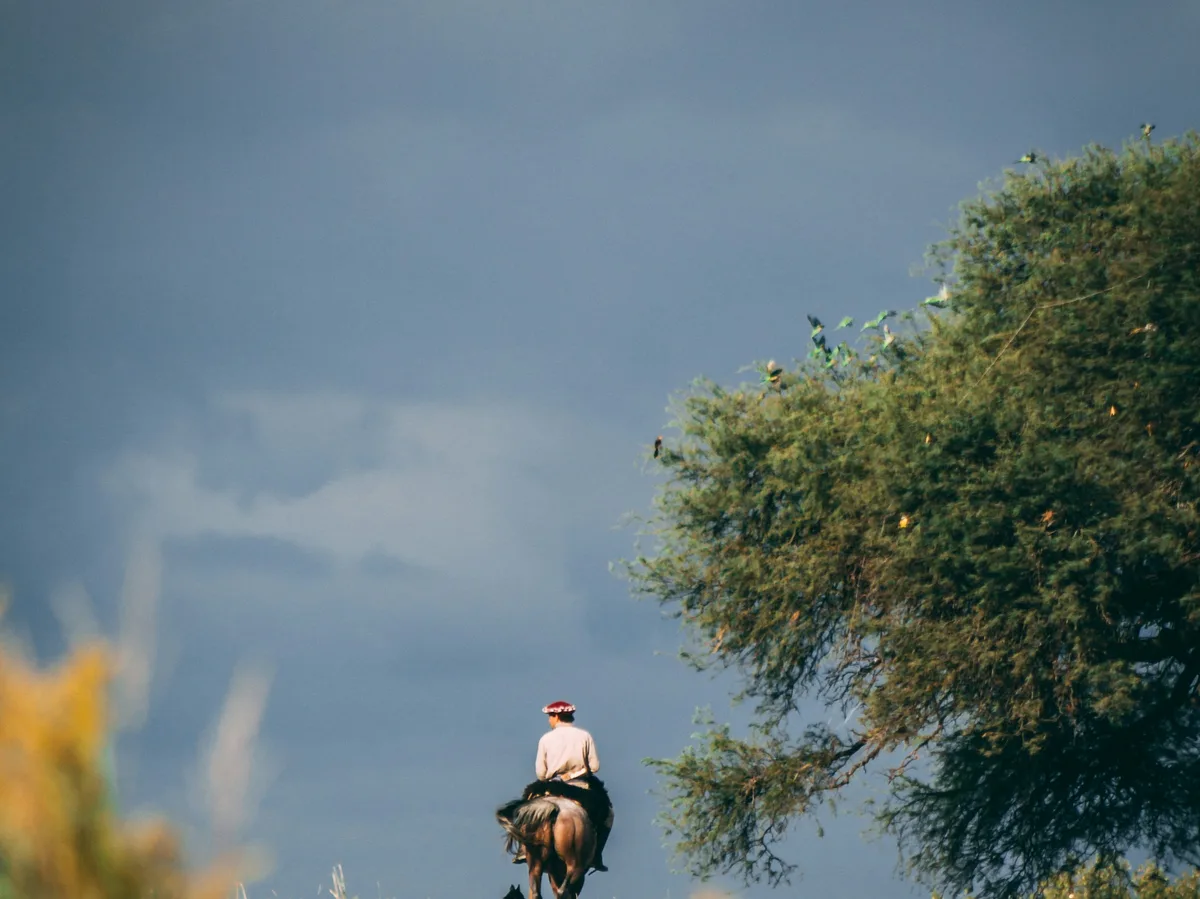
A 15-day private tour into Argentina's gaucho culture — horseback riding through the Pampas near San Antonio de Areco, then the Andes and Patagonia's Great Lakes on horseback.
 Multi-Day Tours
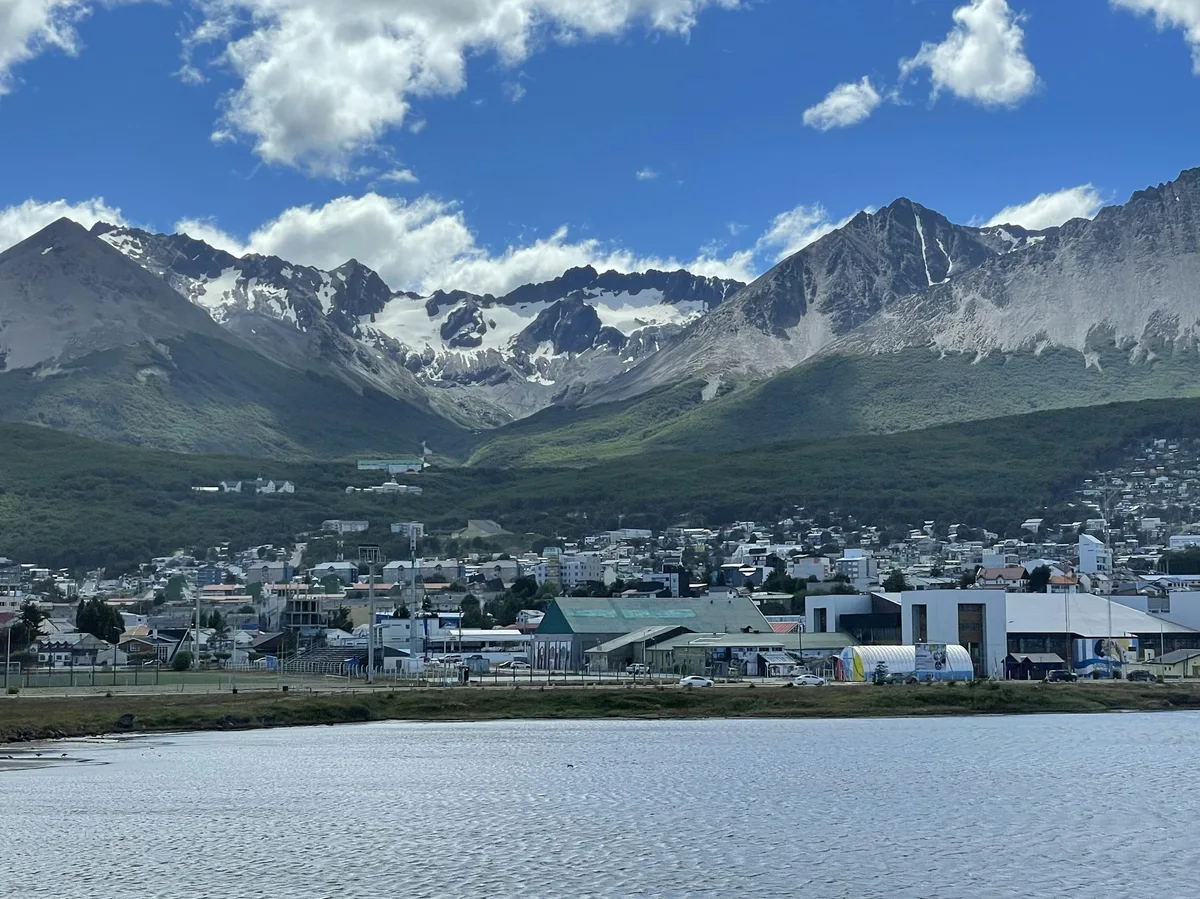
A romantic 15-day private tour from Buenos Aires' tango scene through Ushuaia and Tierra del Fuego, glacier estancias in El Calafate, Salta's Rainbow Mountain, and Iguazu Falls.
The real stops Voyzo's own itineraries are built around — tap any attraction to learn more.
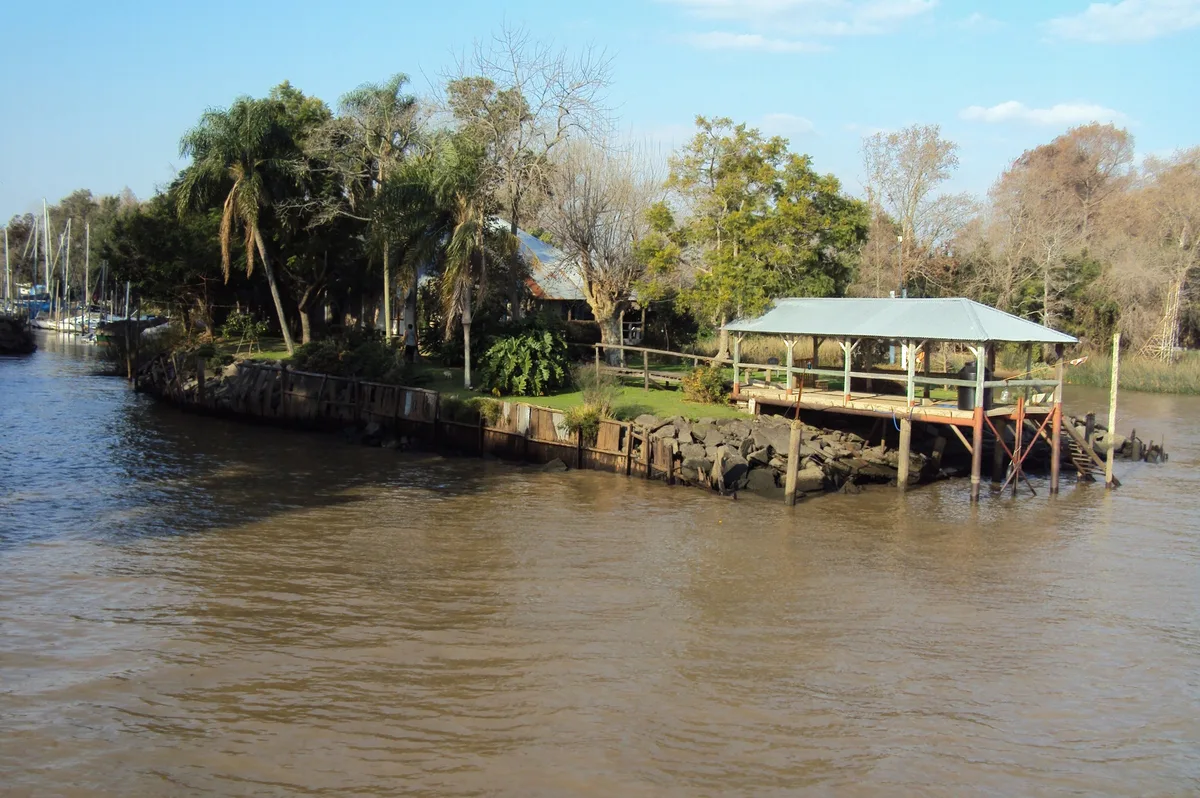 Tigre Delta
Argentina
A network of subtropical river islands just north of Buenos Aires, dotted with stilt houses and reached by boat — home to the Puerto de Frutos artisan market.
2
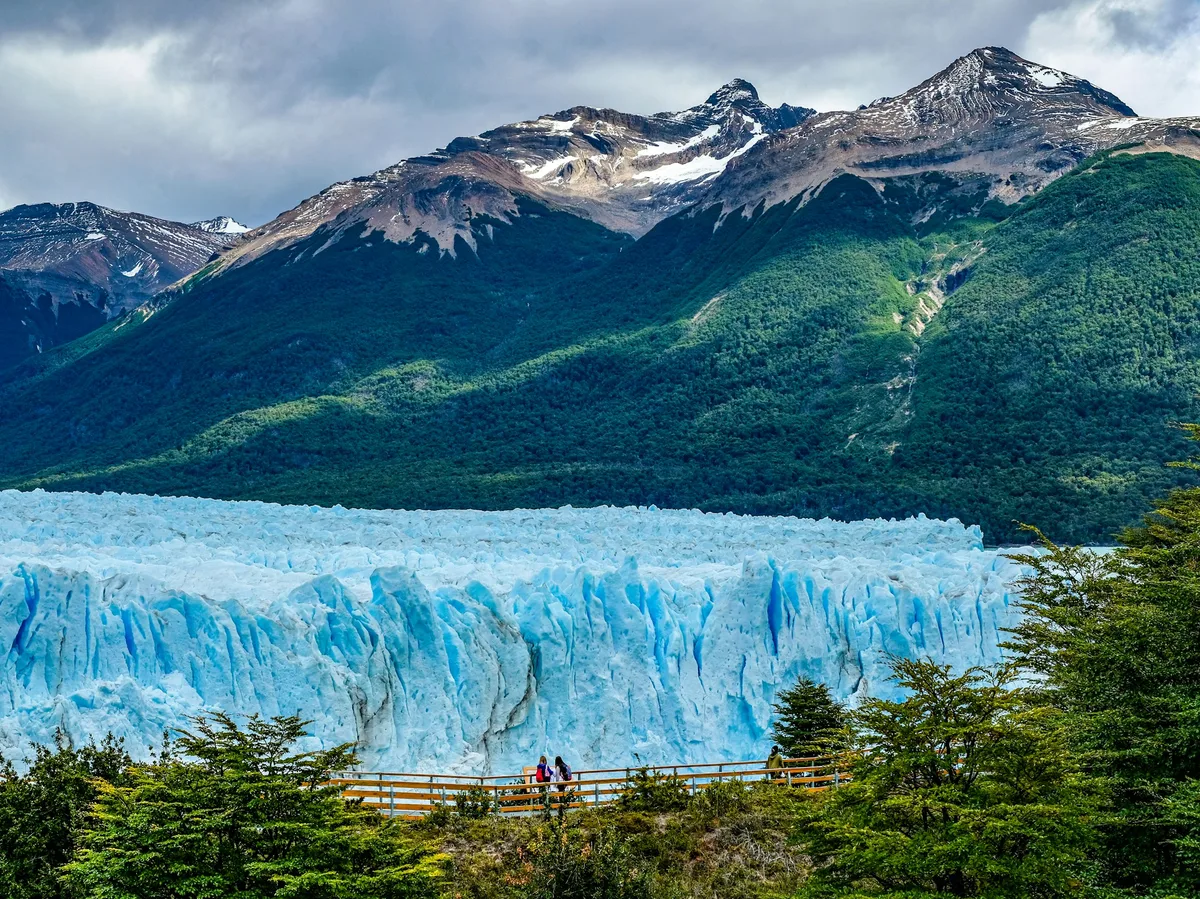
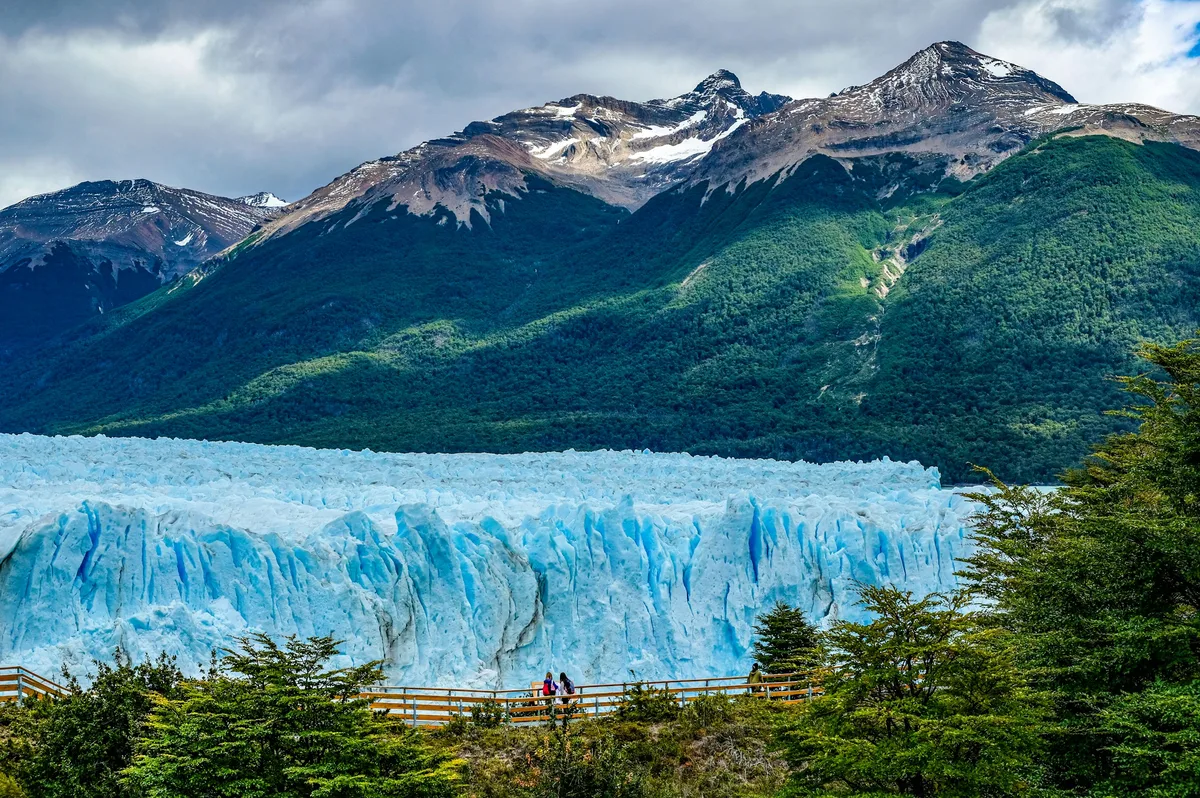 Perito Moreno Glacier
Argentina
A colossal advancing glacier in Los Glaciares National Park near El Calafate, with sapphire-blue ice walls best seen from a boat tour or the park's viewing walkways.
3
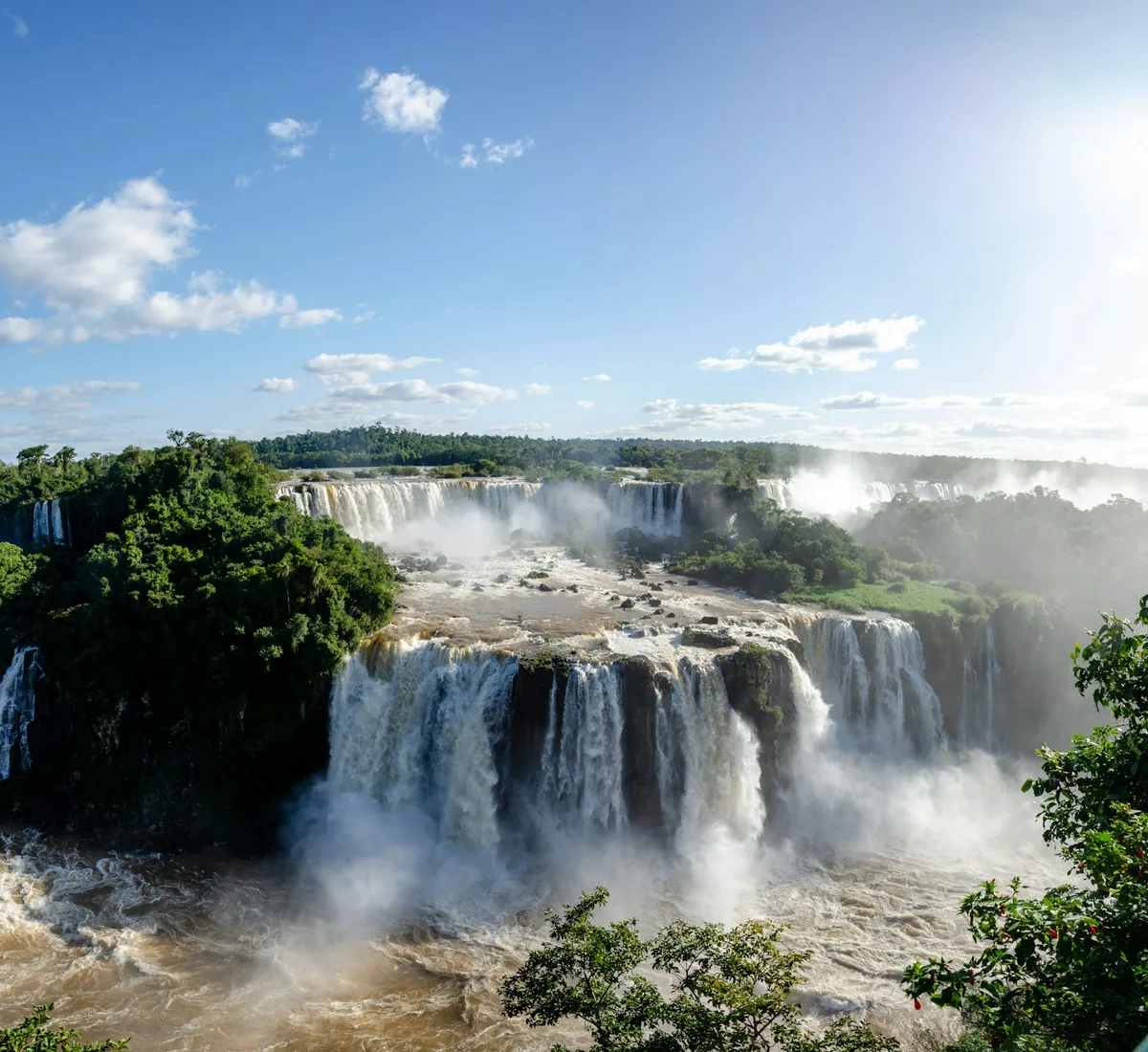 Iguazu Falls (Argentine Side)
Argentina
The Argentine side of the Iguazu Falls system, with walkways that bring visitors to the edge of the Garganta del Diablo, the largest of the roughly 275 individual cascades.
4
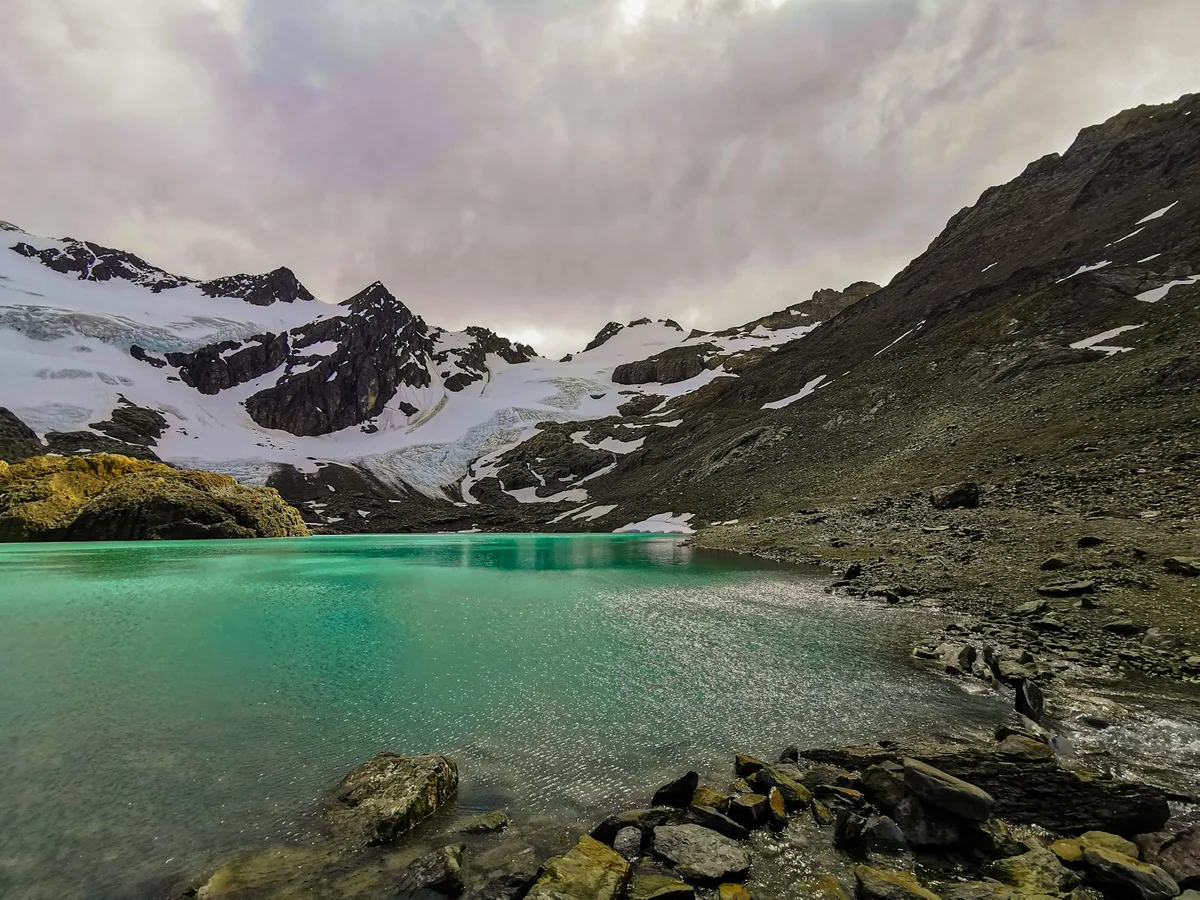 Tierra del Fuego National Park
Argentina
Argentina's southernmost national park, with a Beagle Channel shoreline, near Ushuaia, with lenga forest, peat bogs and views over the Beagle Channel.
5
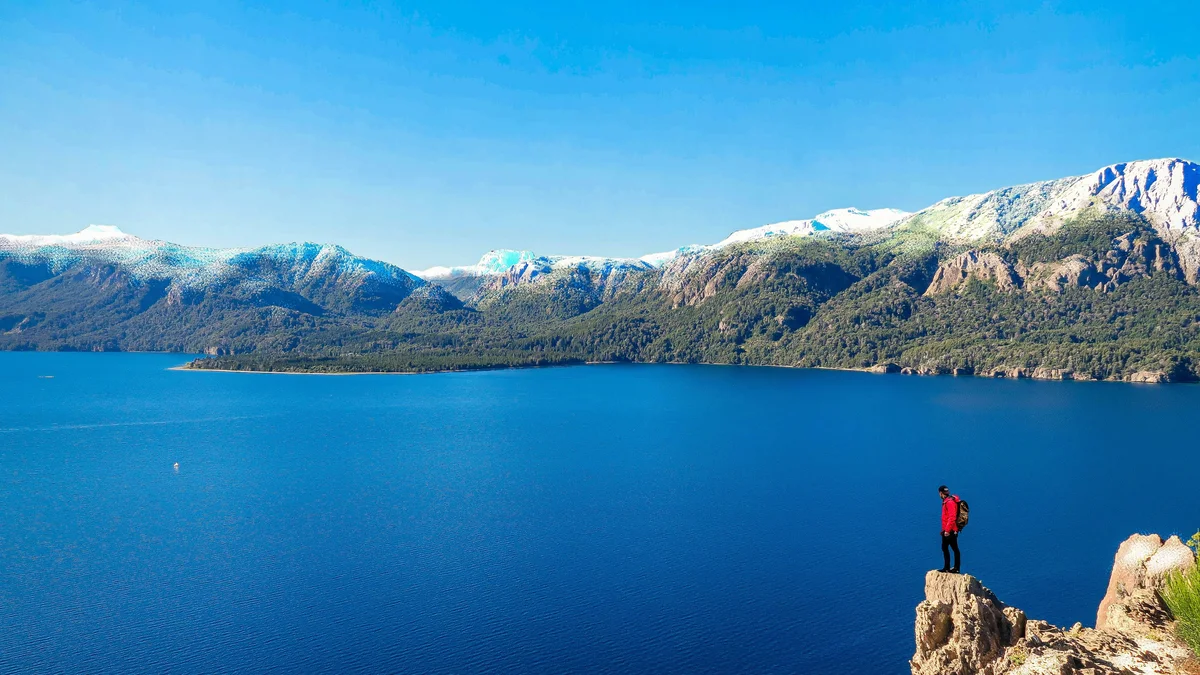
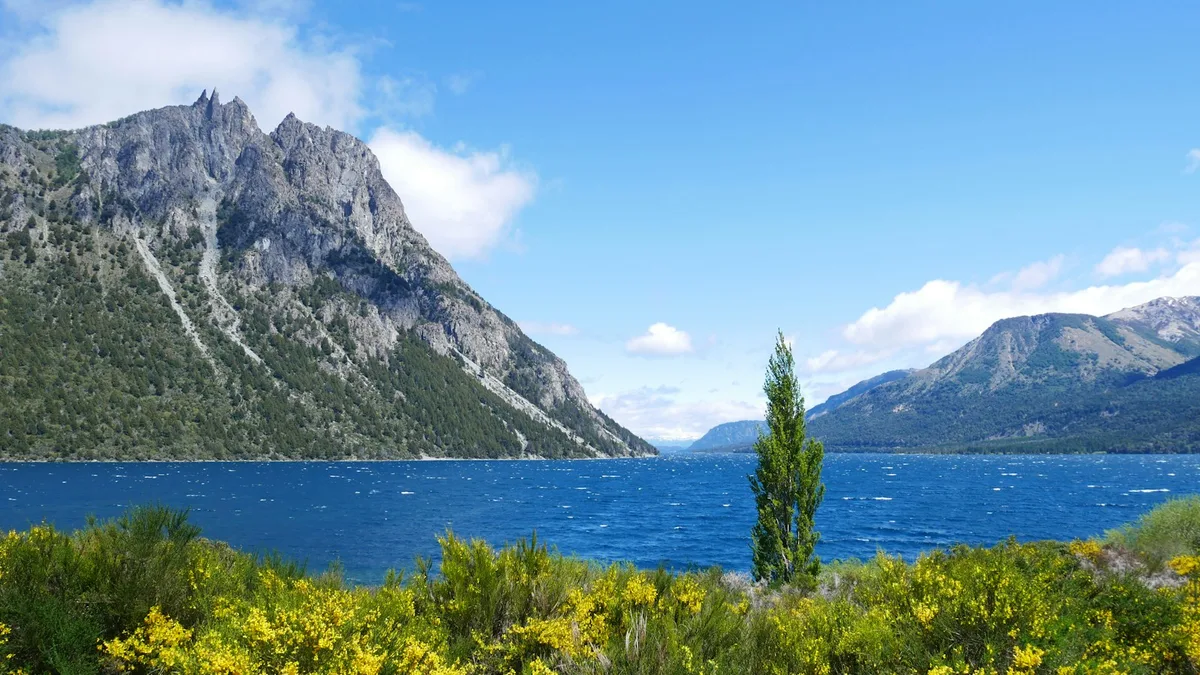 Bariloche & Nahuel Huapi Lake
Argentina
A Swiss-styled lake town in Argentina's Lake District, set on the shore of Nahuel Huapi Lake with the Circuito Chico drive looping past forested peaks and smaller lakes.
6
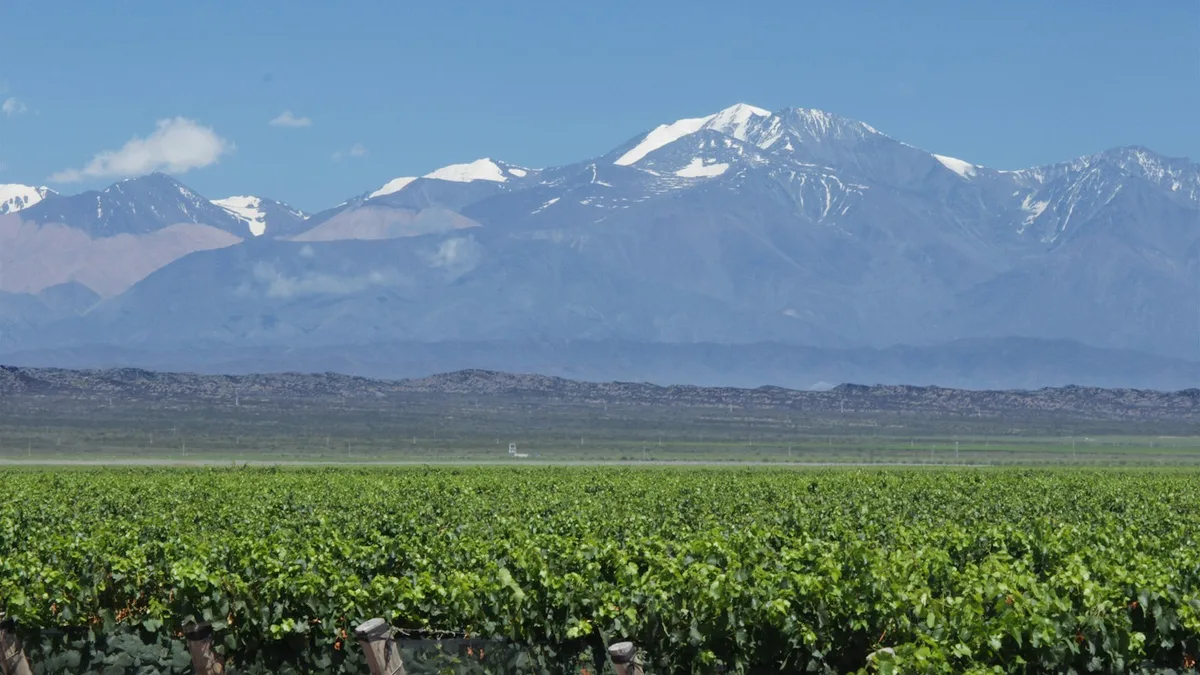 Mendoza Wine Region
Argentina
Argentina's largest wine-producing area, in the foothills of the Andes, known especially for Malbec grown at high altitude across dozens of family and estate bodegas.
7
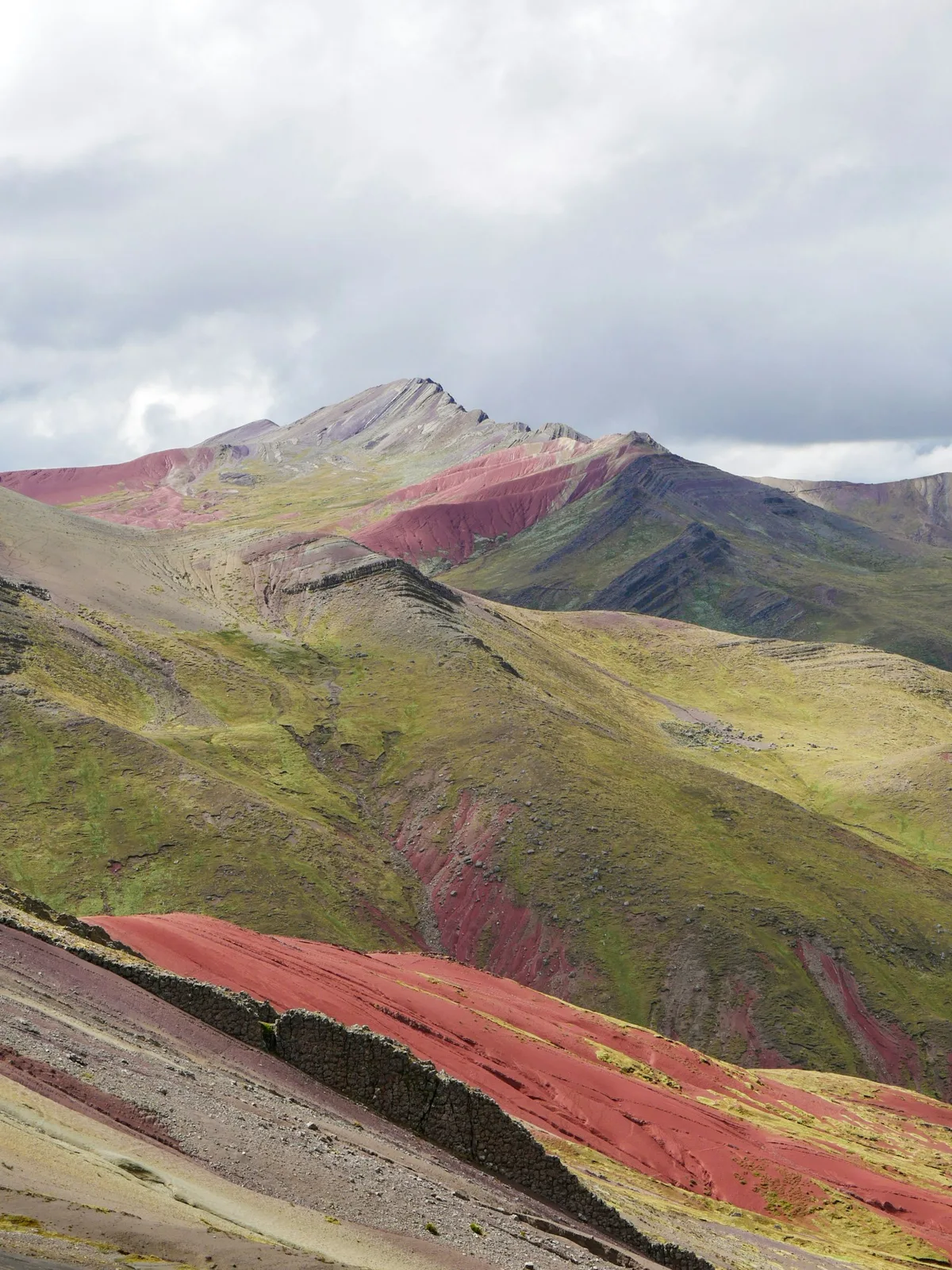 Quebrada de Humahuaca
Argentina
A UNESCO-listed Andean valley in Argentina's far north, famous for the striped rock face of the Cerro de los Siete Colores above the town of Purmamarca.
8
 Recoleta Cemetery
Buenos Aires
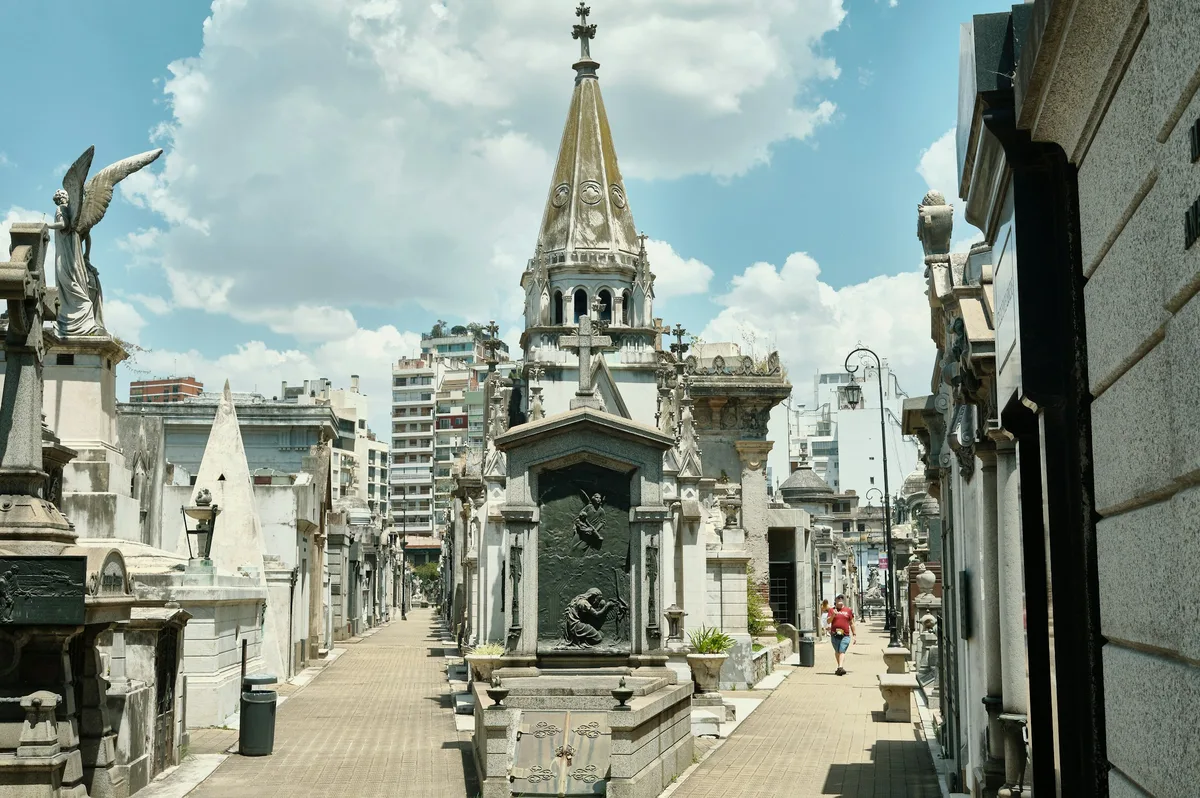
One of the world's most elaborate cemeteries, Recoleta is a maze of ornate marble mausoleums built for Argentina's historical elite, including presidents, generals, and Nobel laureates. Its most-visited grave belongs to Eva Perón, whose family crypt draws a steady stream of visitors. The cemetery remains an active burial site.
9
 La Boca and Caminito
Buenos Aires
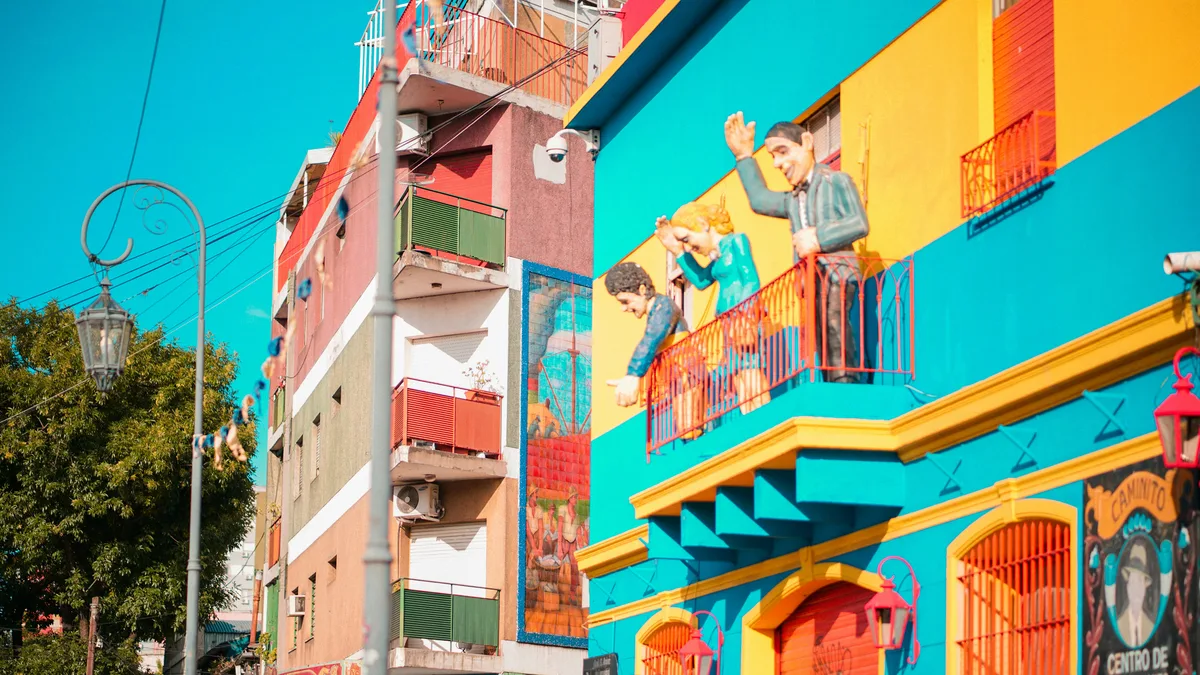
La Boca is the old Genoese immigrant port neighborhood where tango is said to have been born, and Caminito is its most photographed street — a short pedestrian lane lined with corrugated-metal houses painted in bright, mismatched colors, a tradition dating back to when dock workers used leftover ship paint on their homes. It's also home to Boca Juniors' La Bombonera stadium.
10
 Teatro Colón
Buenos Aires
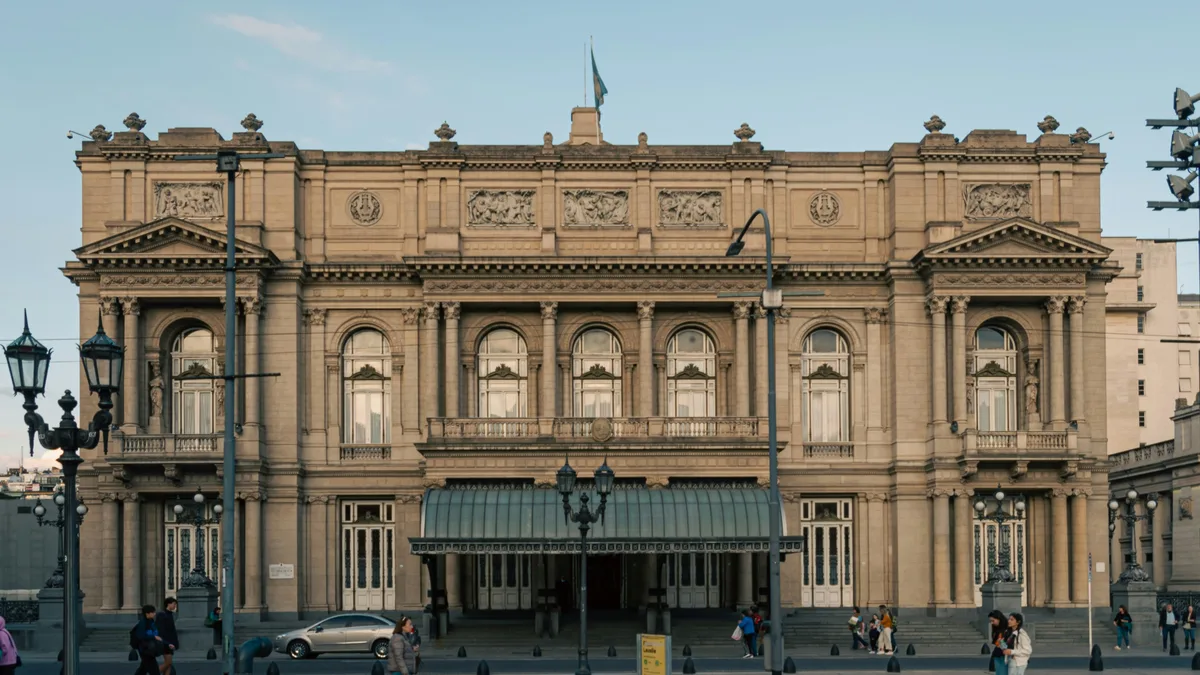
Buenos Aires' grand opera house is widely regarded as one of the finest concert venues in the world for its acoustics, and its Beaux-Arts building anchors the city's cultural life along Avenida 9 de Julio. Completed in 1908, it has hosted major international opera, ballet, and orchestral performances for well over a century.
11
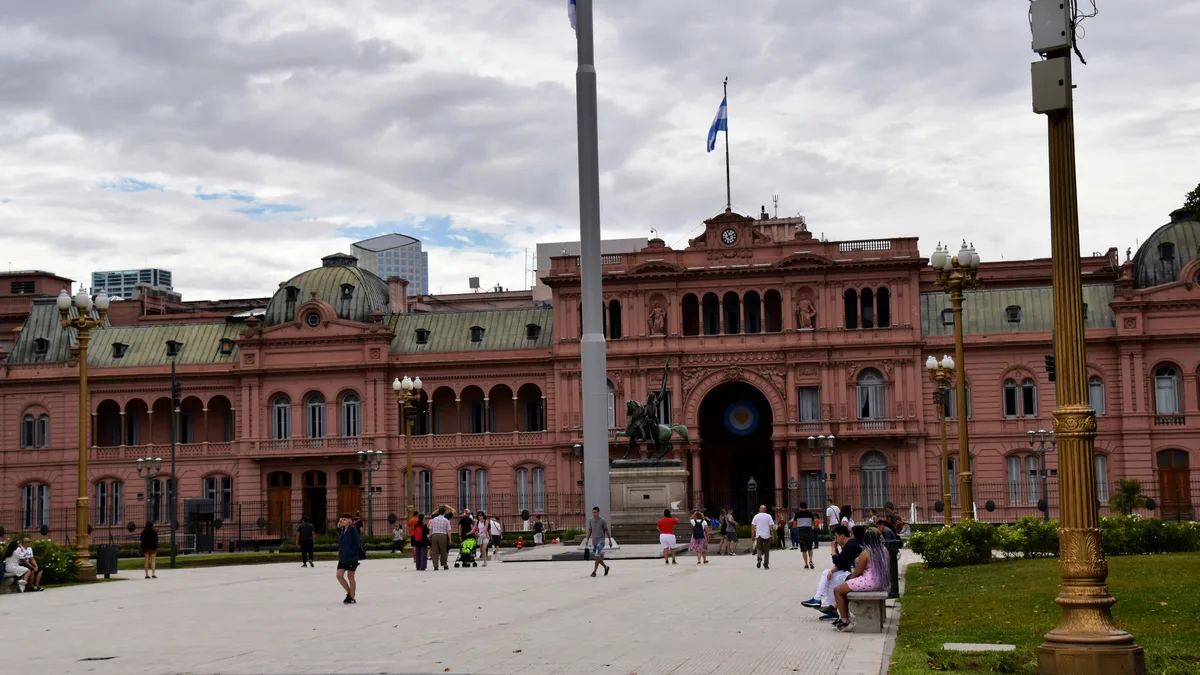
 Plaza de Mayo
Buenos Aires
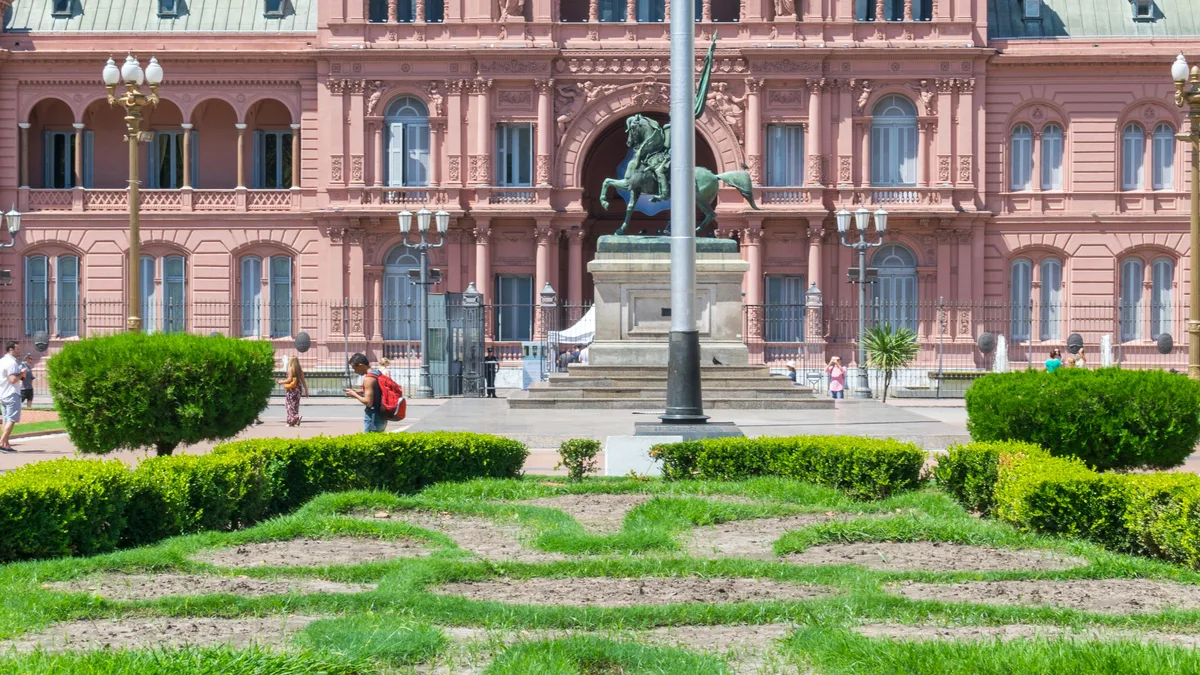
The political heart of Argentina since the country's 1810 independence movement, Plaza de Mayo is flanked by the pink Casa Rosada presidential palace, the Metropolitan Cathedral, and the historic Cabildo. It's also where the Mothers of Plaza de Mayo have marched every Thursday since 1977, demanding answers about relatives who disappeared during the military dictatorship.
12
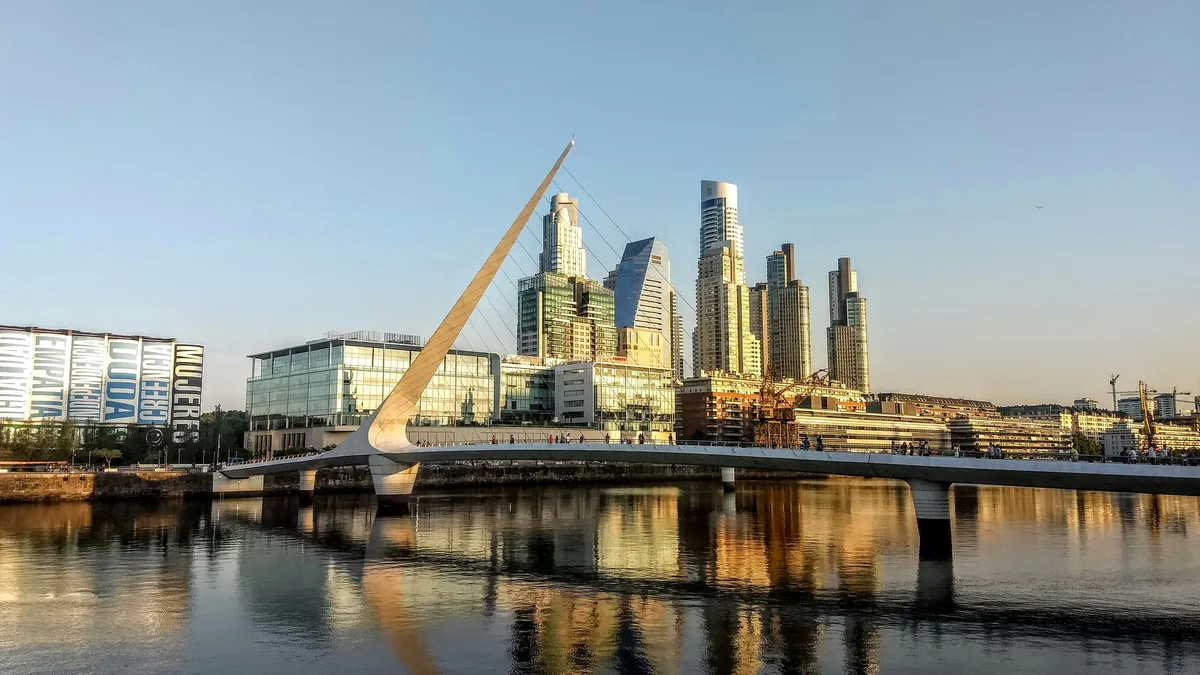 Puerto Madero
Buenos Aires
Once a disused 19th-century dockyard, Puerto Madero is now Buenos Aires' most modern waterfront district, lined with converted brick warehouses, glass towers, and riverside promenades. Its centerpiece is the Puente de la Mujer, a striking white pedestrian bridge, and the neighborhood is home to some of the city's best restaurants.
Argentina's seasons run opposite the Northern Hemisphere's — November through March (spring/summer) is best for Patagonia and Buenos Aires, while Iguazú and the north stay pleasant nearly year-round, aside from January's humid peak.
Buenos Aires, Iguazú, Mendoza and Patagonia can be a full day's drive or more apart, so multi-region itineraries combine domestic flights with private ground transport rather than long-distance buses.
Pack for extremes on a multi-region trip: Buenos Aires and Iguazú are warm and humid, Mendoza is dry, and Patagonia is windy and cool even in summer, often calling for a proper jacket regardless of season.
Argentina uses the peso (ARS), which has a history of high inflation and multiple informal exchange rates — bringing US dollars in cash for exchange often gets a better rate than paying by card. Tipping 10% at restaurants is standard.
Dinner in Buenos Aires typically starts at 9pm or later, and asado (barbecue) is a genuine social institution rather than just a meal — worth building real time into an itinerary rather than rushing through it.
Patagonia is enormous by any standard — highlights like Perito Moreno Glacier near El Calafate and the trekking base of El Chaltén sit hundreds of kilometres apart, so realistic pacing matters more here than almost anywhere else in the country.
Argentina is the second-largest country in South America, stretching more than 3,000 kilometres from the subtropical north down through the Pampas to the glaciers and steppe of Patagonia near the tip of the continent. That length means its regions barely resemble each other: the subtropical waterfalls of Iguazú on the Brazilian border, the tango-filled streets and European-influenced architecture of Buenos Aires, Mendoza's high-altitude wine country in the Andean foothills, and Patagonia's glaciers, mountains and wide-open steppe in the south.
Voyzo's Argentina tours are built around that same spread — Buenos Aires, Iguazú Falls, Mendoza's wine region, and Patagonia's glacier country around El Calafate and El Chaltén — as multi-day circuits rather than single-city trips, since these regions can be a full day's drive or more apart, and Patagonia specifically is reached by domestic flight rather than road from the rest of the country.
Because covering more than one of these regions in a single trip usually means combining domestic flights with private ground transport for each leg, Voyzo arranges the flights, drivers and hotels as one coordinated itinerary rather than leaving travelers to book each stage separately.
Tell us your group size and dates — we'll take care of the rest.