TorontoOntario · 36 tours
 Niagara FallsOntario · 25 tours
 New York CityNew York · 30 tours
 Las VegasNevada · 8 tours
 San FranciscoCalifornia · 16 tours
 VancouverBritish Columbia · 17 tours
 DubaiUAE · 54 tours
 Abu DhabiUAE · 5 tours
 Buenos AiresArgentina · 23 tours
 AthensGreece · 31 tours
 AucklandNew Zealand · 38 tours
 CancunMexico · 54 tours
No destinations match “”. Try searching all tours instead — that search understands full questions, not just place names.
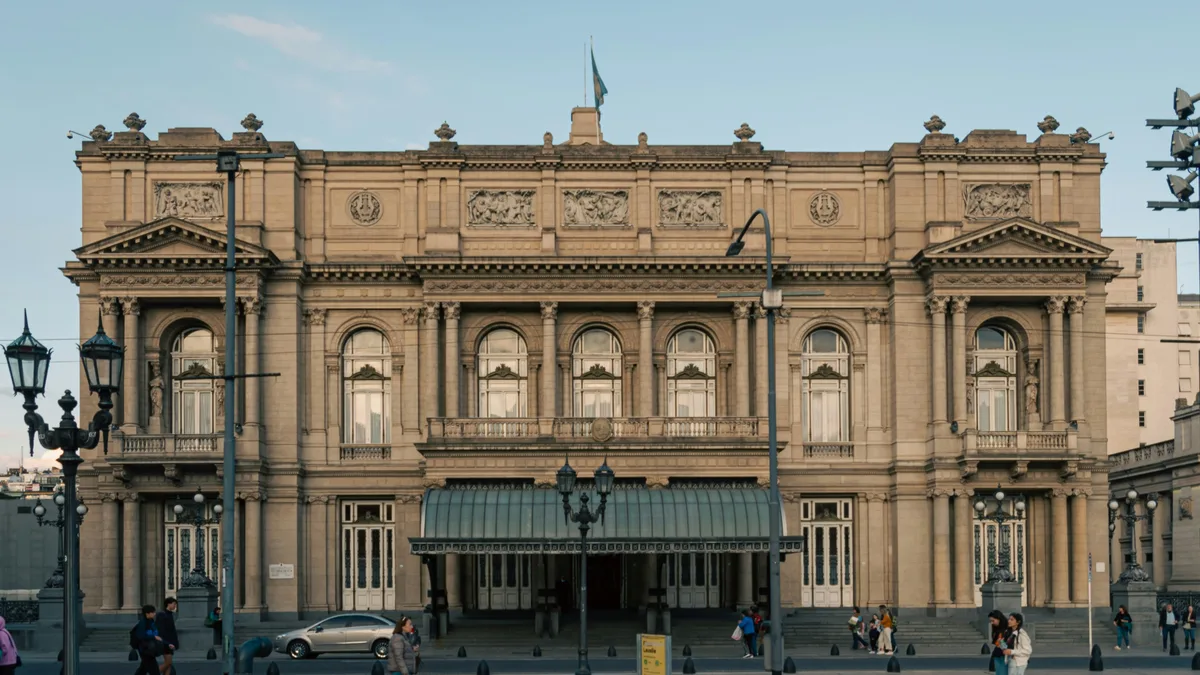
Buenos Aires' grand opera house is widely regarded as one of the finest concert venues in the world for its acoustics, and its Beaux-Arts building anchors the city's cultural life along Avenida 9 de Julio. Completed in 1908, it has hosted major international opera, ballet, and orchestral performances for well over a century.
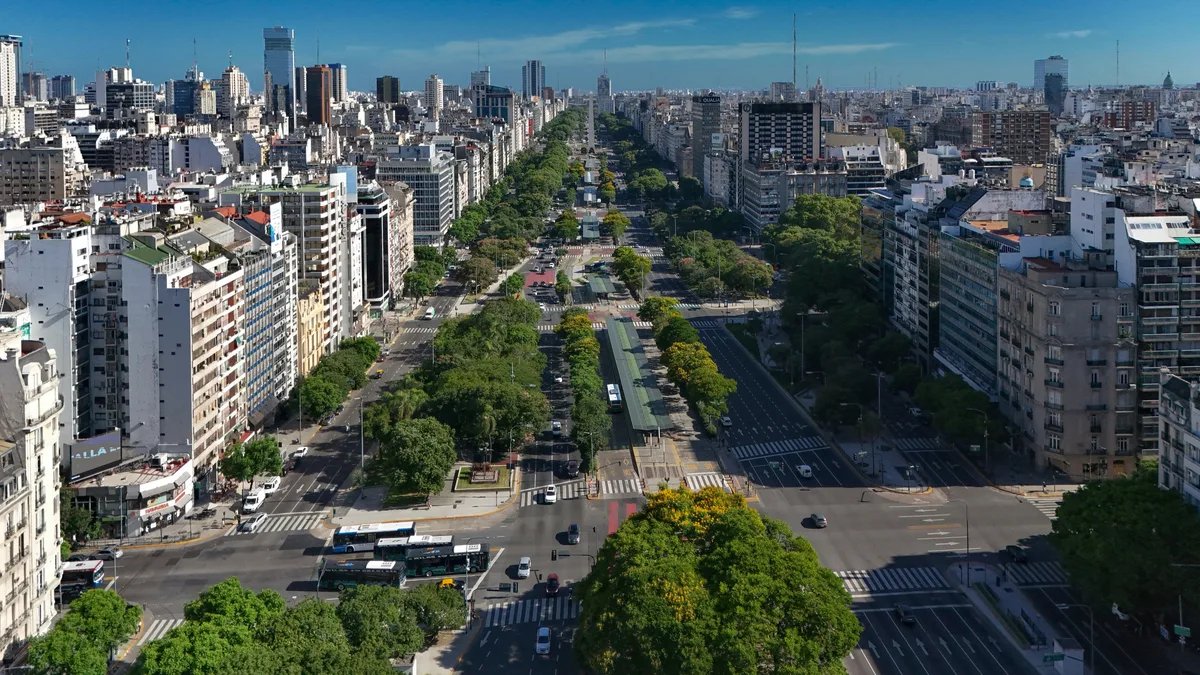 Private Tours
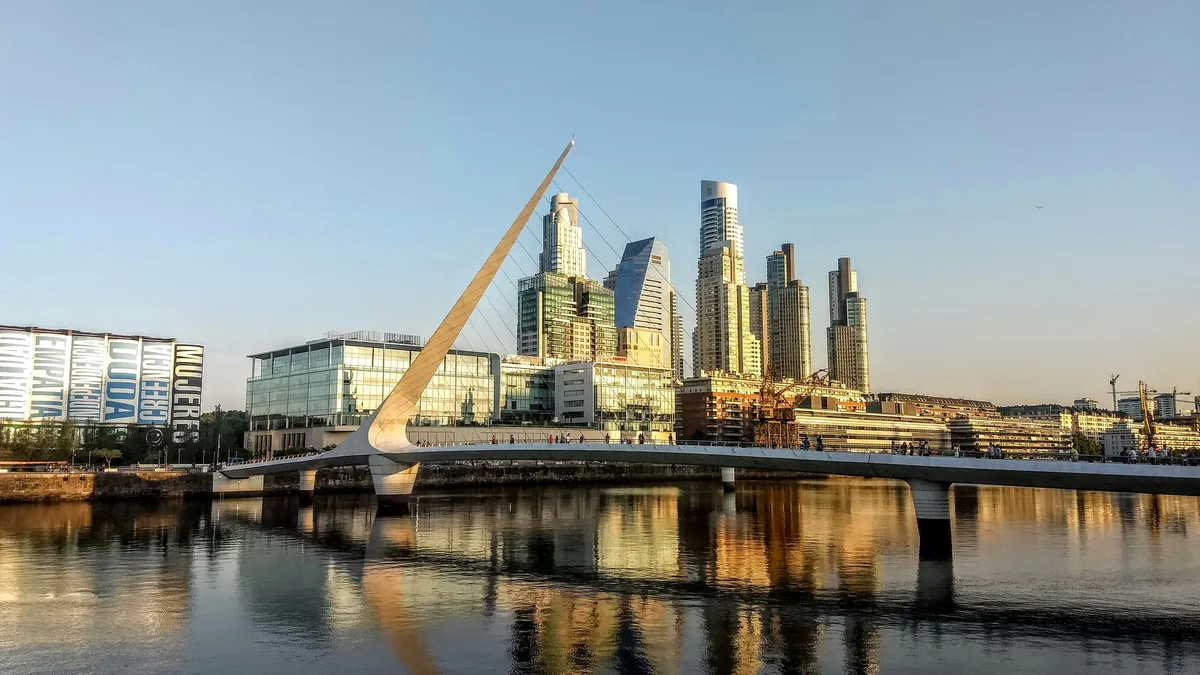
No fixed itinerary — your local guide shapes a full day of private sightseeing around your own interests, from Palermo's parks to Puerto Madero's waterfront.
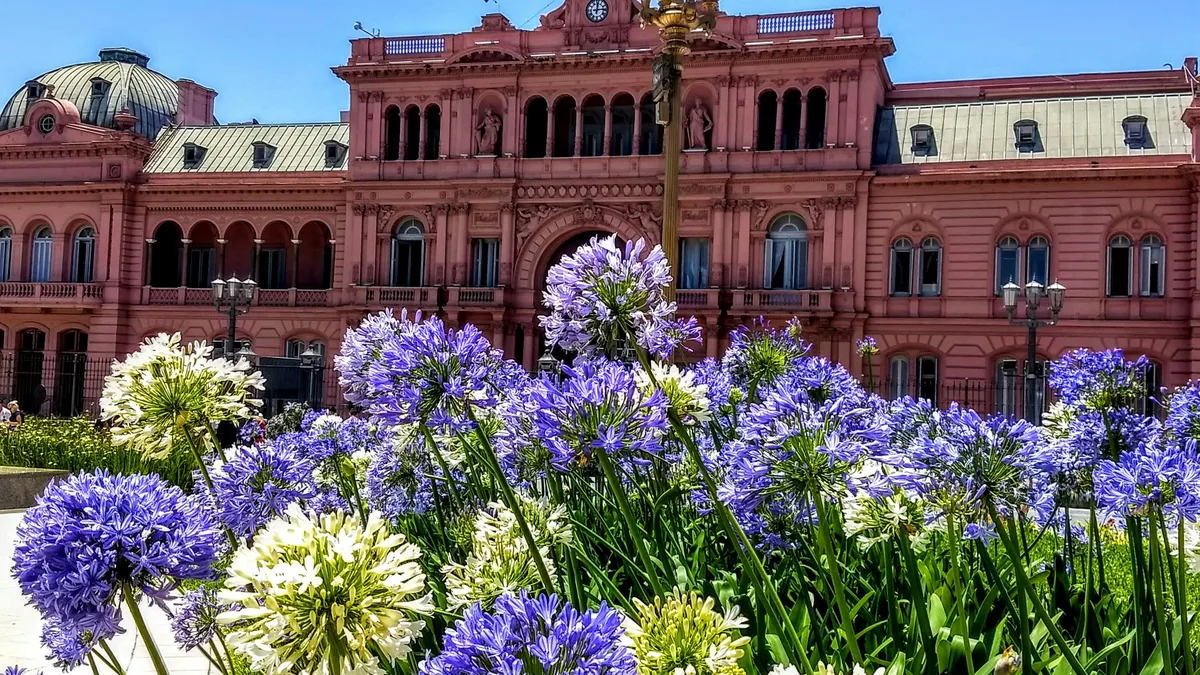 Private Tours
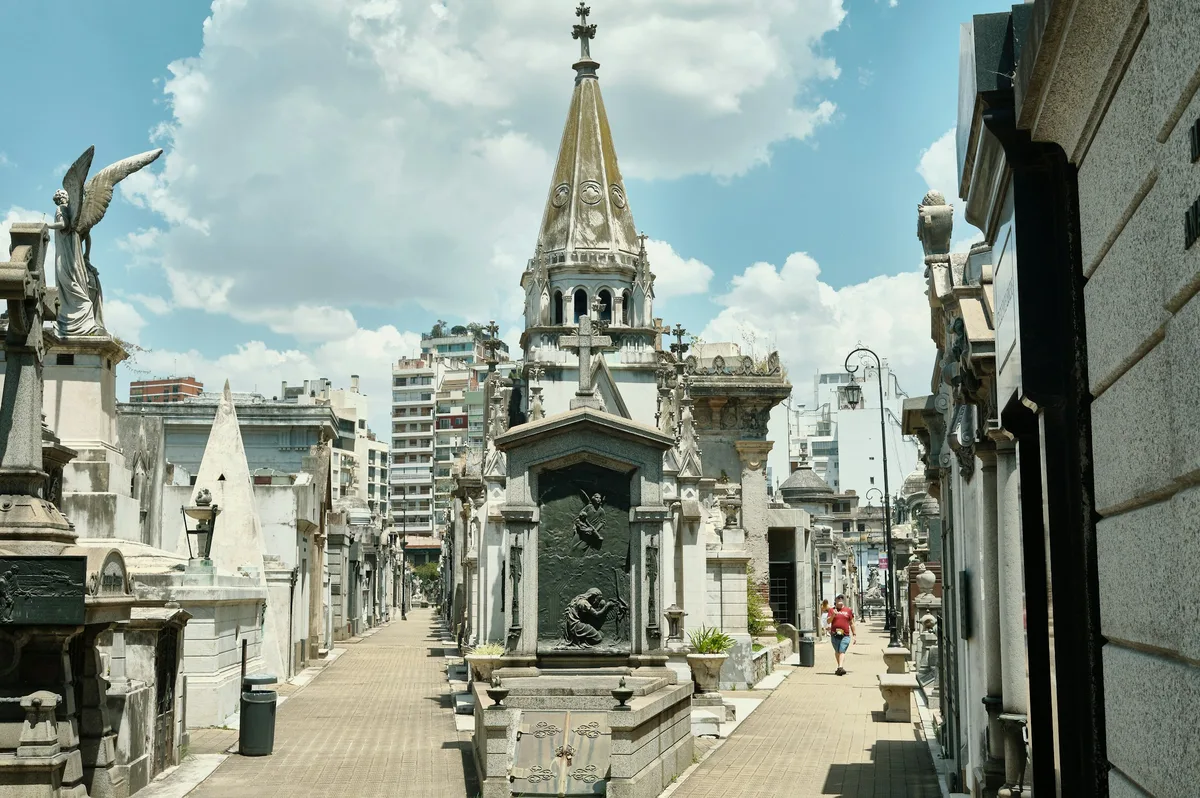
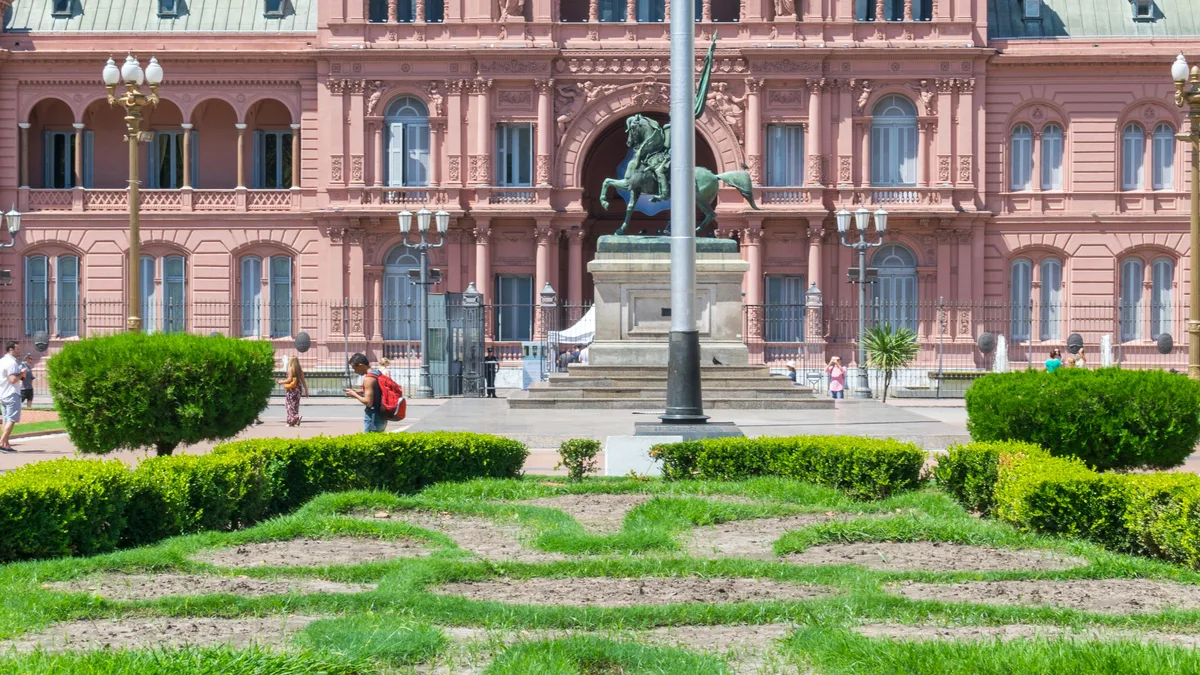
Relive the story of Eva Duarte de Perón — a political leader who fought for Argentina's most disadvantaged — with visits to Plaza de Mayo, the Casa Rosada balcony, her monument, and her tomb at Recoleta Cemetery.
Visitor guide
The Teatro Colón is a historic opera house in Buenos Aires, Argentina, inaugurated in its present building on 25 May 1908. National Geographic has considered it one of the ten best opera houses in the world, and a survey by acoustics expert Leo Beranek, cited by Wikipedia, ranked its acoustics highly for opera and concerts.
The first Teatro Colón, designed by Charles Pellegrini, opened on 27 April 1857 with Verdi's La traviata and had around 2,500 seats. It stood by the Plaza de Mayo until it closed in 1888. The present theatre faces Plaza Lavalle on the site of the former Park Station, the first railway station in Argentina, which was the terminus of the Ferrocarril Oeste.
Spanish Wikipedia gives the construction years as 1888 to 1908. Its cornerstone was laid on 25 May 1890, according to the theatre's own site, under the architect Francesco Tamburini, with Vittorio Meano continuing the project after Tamburini's death in 1891. Delays followed, including financial difficulties, the deaths of Tamburini and Meano, and the death of the businessman financing the project. Financing came mainly from private donors, a citizens' committee founded in 1883, lotteries and later municipal funds. The Belgian architect Julio Dormal finished the building, adding French-style decoration. The bas-reliefs and busts on the facade are the work of sculptor Luigi Trinchero. The theatre opened on Argentina's Día de la Patria with Verdi's Aida.
Visitors enter under a wrought-iron marquee on Libertad street into a vestibule with Carrara marble staircases and an octagonal glass dome by the French maker Gaudin. The Foyer de los Bustos holds busts of eight composers, including Mozart, Verdi and Wagner, and the Salón Dorado, finished in gold leaf with Gaudin stained-glass windows depicting Homer and Sappho, hosts chamber concerts.
Wikipedia describes a horseshoe-shaped auditorium with 2,487 seats, standing room for 1,000 and a large stage; Spanish Wikipedia gives a stage 35 m deep and 34 m wide, and notes that its own seat counts are not consistent. The building has six floors above ground and three below. The interior is richly decorated in scarlet and gold, with a bronze chandelier more than a tonne in weight, about 7 m across, with some 700 light bulbs. The cupola carries a canvas painted by the artist Raúl Soldi in 1965 and 1966, made of 16 canvases covering about 320 square metres, which replaced an original painting by Marcel Jambon that leaks had damaged.
In the early 20th century the Colón was visited by leading singers and opera companies, with performers sometimes going on to Montevideo, Rio de Janeiro and São Paulo. Spanish Wikipedia names Toscanini, Nijinsky, Pavlova, Karajan, Caruso, Callas, Domingo and Pavarotti among the artists associated with the house. It was declared a National Historic Monument at the end of the 1980s or early 1990s, as sources differ. After a long restoration, the theatre closed from October 2006 and reopened on 24 May 2010 with a gala concert, after planned work grew from a modest scheme into a much larger project involving some 60,000 square metres.
The Colón is home to the Teatro Colón's Resident Orchestra, Choir and Ballet, and hosts the Buenos Aires Philharmonic Orchestra. An art institute, the Instituto Superior de Arte, was formed in 1960 and offers dance and opera-singing courses, and there is also a children's choir and an experimental centre founded in 1989.
The theatre can be experienced through a performance or by seeing the building itself, whose grand public spaces reflect its Italian and French influences. A private guided visit can combine the theatre with other landmarks in the city centre, and a guide can explain the architecture and the stories behind it.
See every tour and attraction we cover in Buenos Aires.