TorontoOntario · 36 tours
 Niagara FallsOntario · 25 tours
 New York CityNew York · 30 tours
 Las VegasNevada · 8 tours
 San FranciscoCalifornia · 16 tours
 VancouverBritish Columbia · 17 tours
 DubaiUAE · 54 tours
 Abu DhabiUAE · 5 tours
 Buenos AiresArgentina · 23 tours
 AthensGreece · 31 tours
 AucklandNew Zealand · 38 tours
 CancunMexico · 54 tours
No destinations match “”. Try searching all tours instead — that search understands full questions, not just place names.
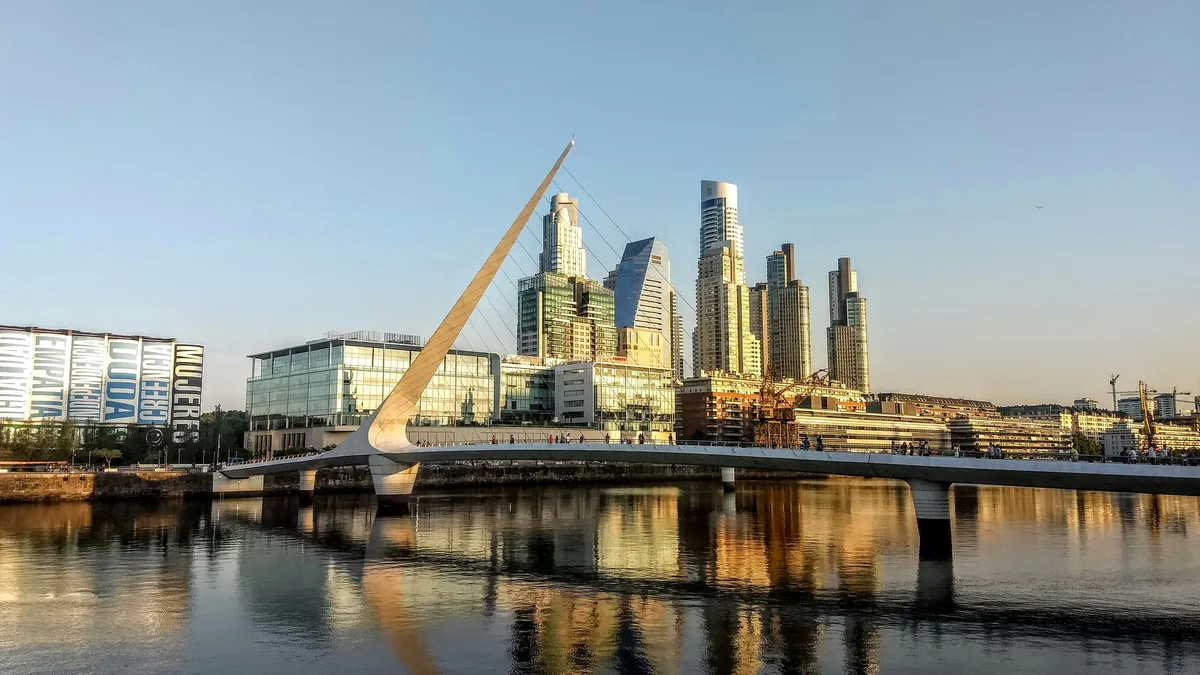
Once a disused 19th-century dockyard, Puerto Madero is now Buenos Aires' most modern waterfront district, lined with converted brick warehouses, glass towers, and riverside promenades. Its centerpiece is the Puente de la Mujer, a striking white pedestrian bridge, and the neighborhood is home to some of the city's best restaurants.
 Private Tours
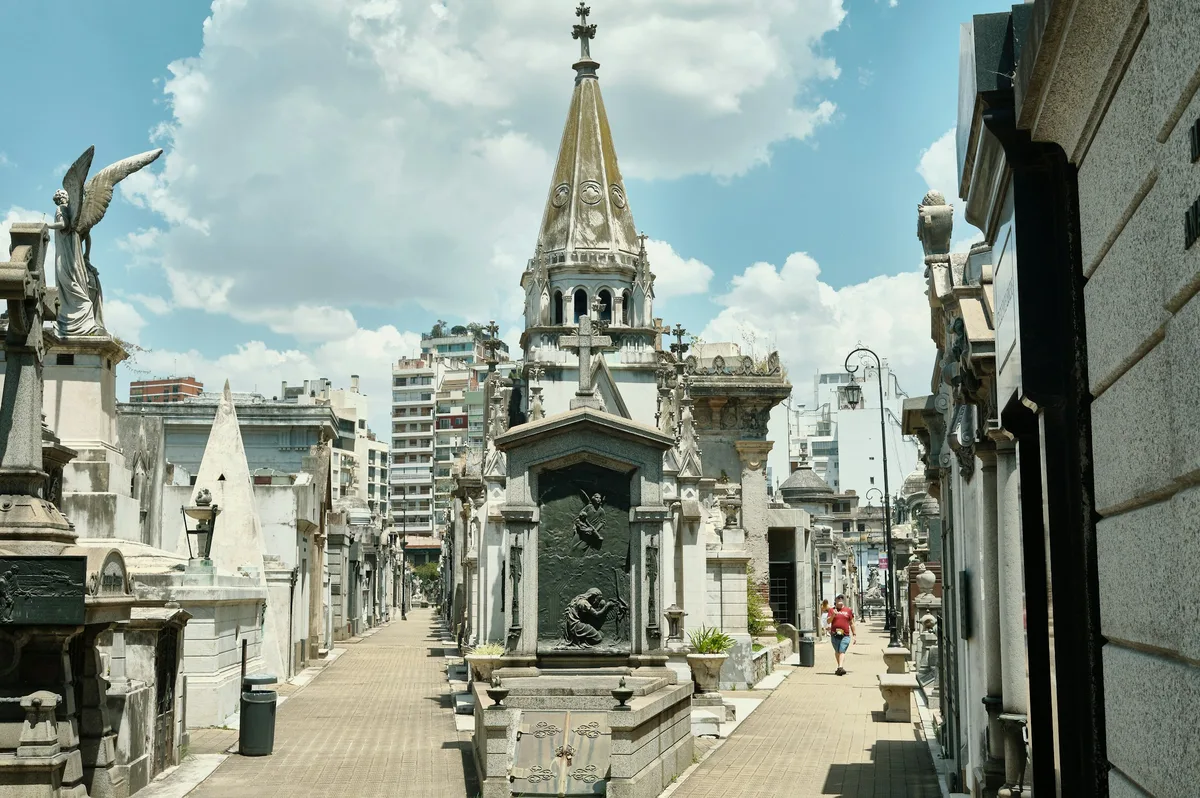
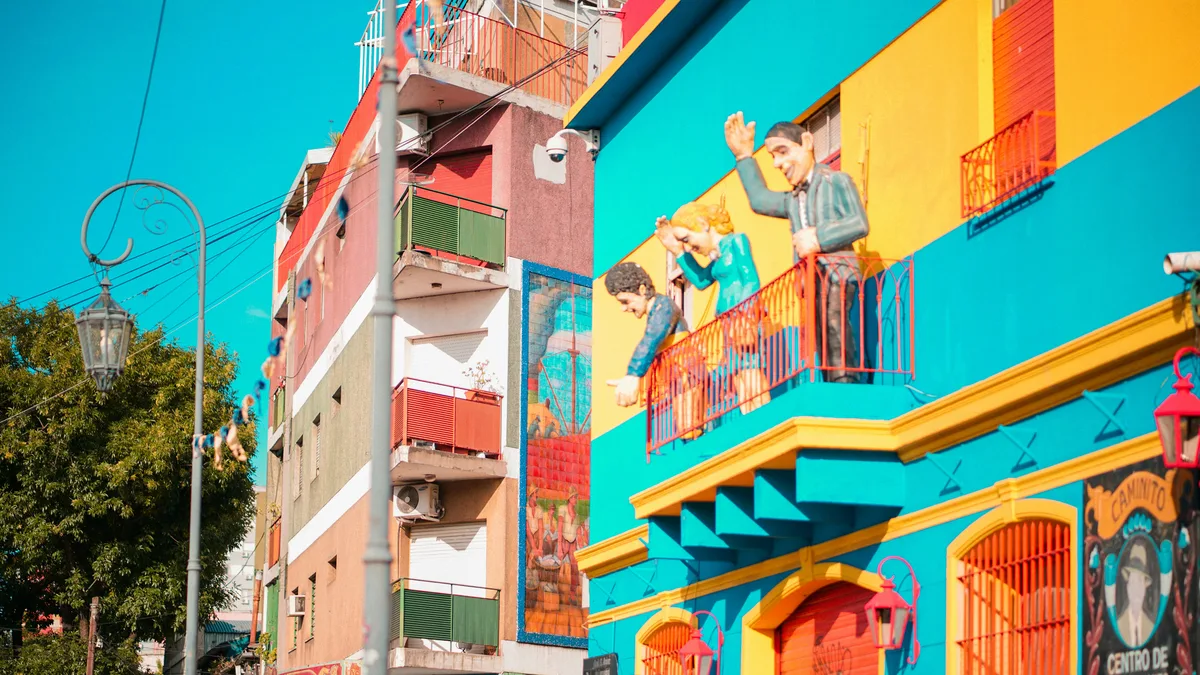
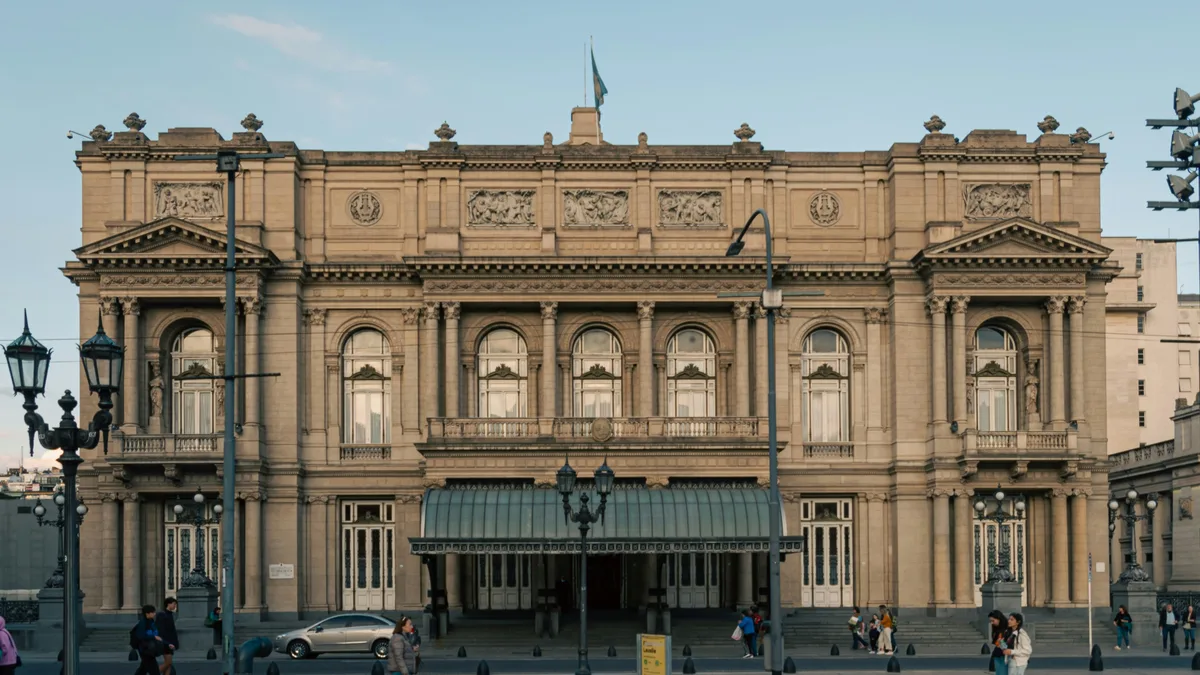
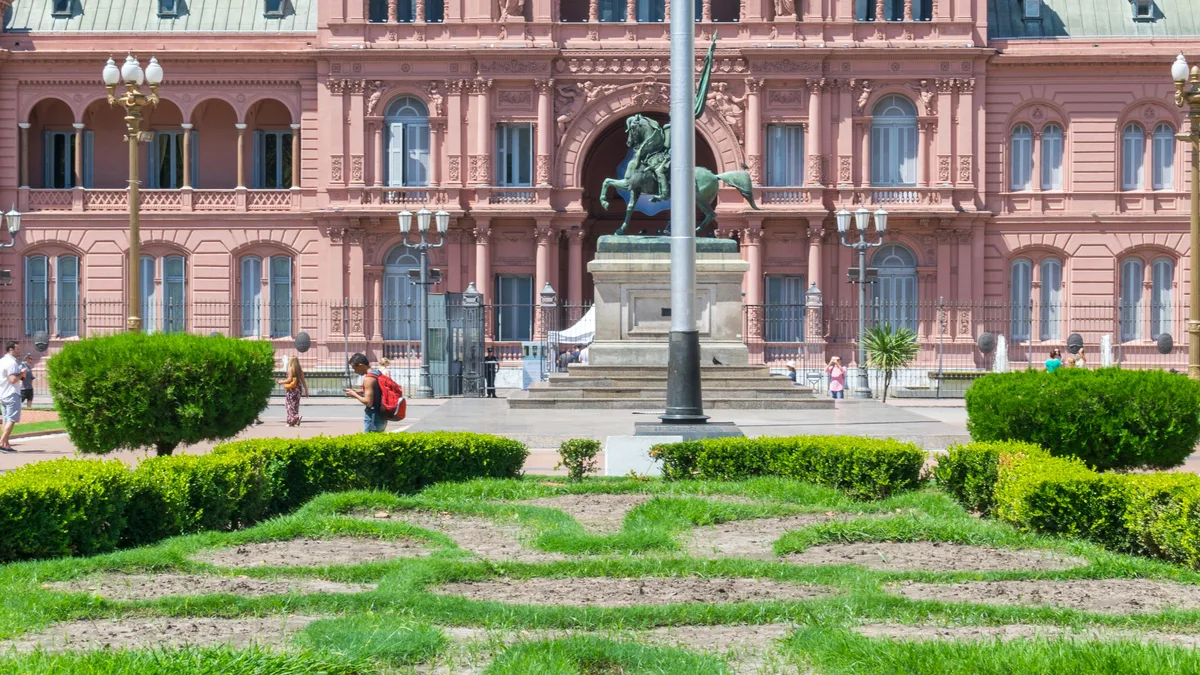
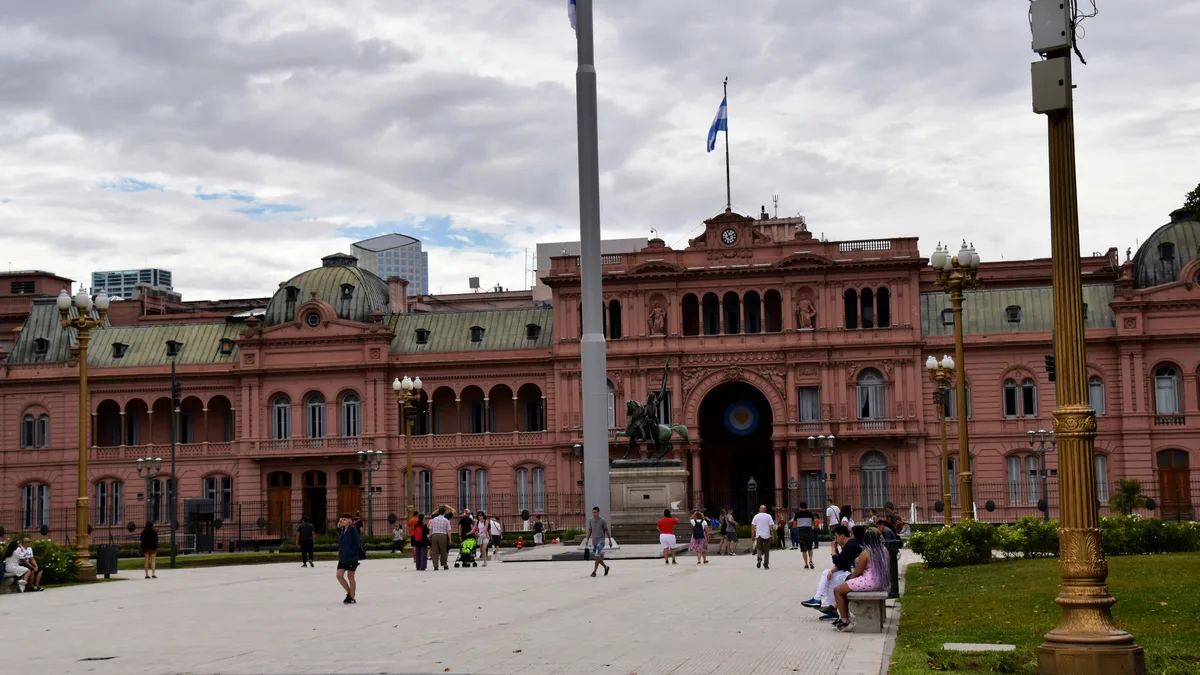
A private, air-conditioned vehicle and a local guide take you through Casa Rosada, La Boca's Caminito, San Telmo, and Recoleta Cemetery in one easy half-day.
 Private Tours
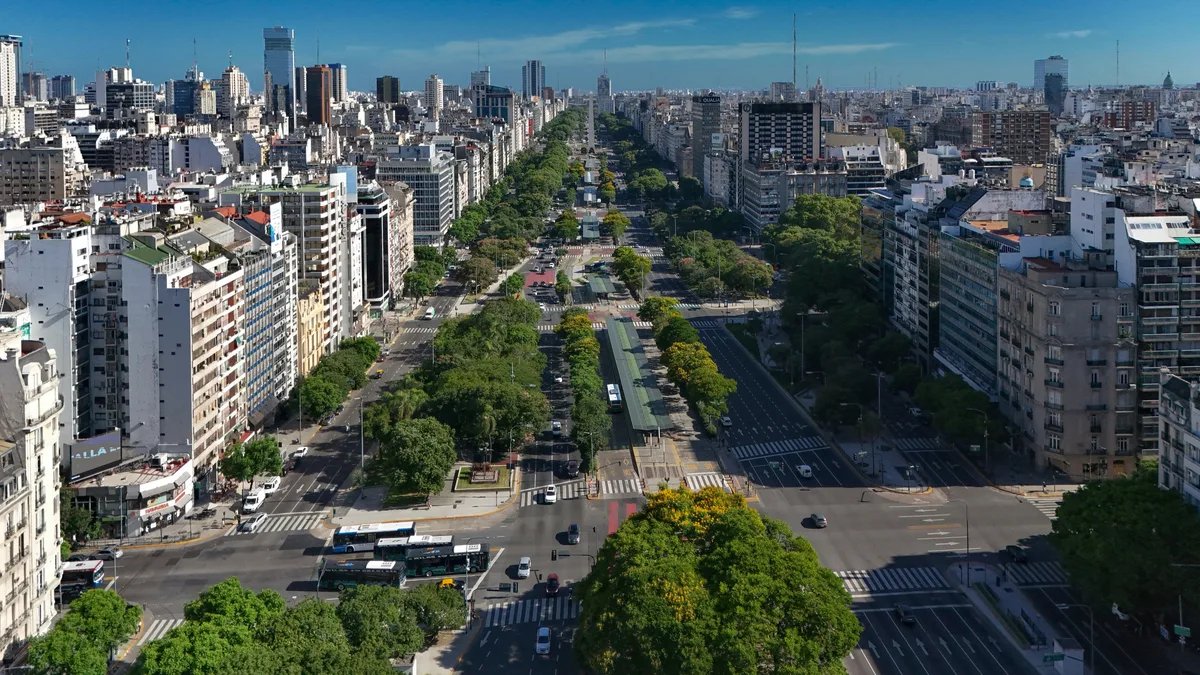
No fixed itinerary — your local guide shapes a full day of private sightseeing around your own interests, from Palermo's parks to Puerto Madero's waterfront.
 Private Tours
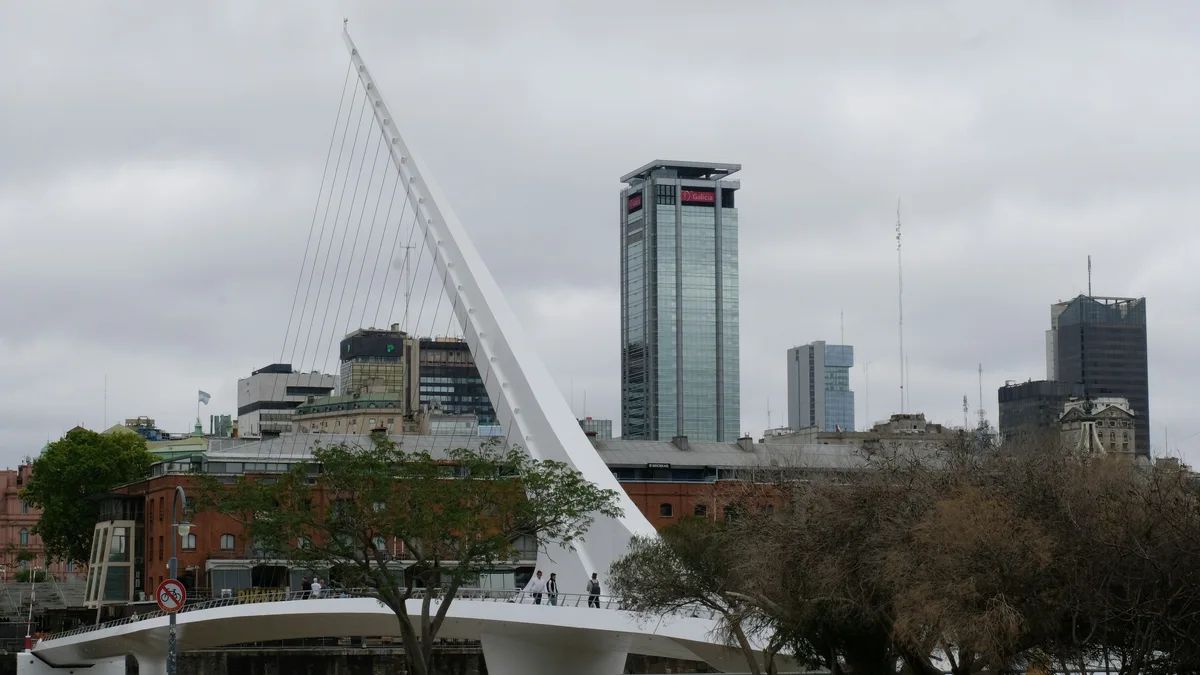
Work one-on-one with an experienced local travel photographer across three hours to capture the best possible photos of Buenos Aires, with real technique and composition tips along the way.
Visitor guide
Puerto Madero is a waterfront barrio of Buenos Aires, Argentina, built on the site of the city's former main port. Today it combines restored 19th-century brick warehouses with modern towers, restaurants, hotels and cultural spaces along old dock basins.
Wikipedia explains that Buenos Aires had long struggled to accommodate large cargo ships because the shallow river did not allow direct docking, so passengers and cargo had to be moved by barge. In 1882 the national government contracted the businessman Eduardo Madero to build a new port. Spanish Wikipedia says the design was by the English firm Hawkshaw, Son & Hayter, Congress approved the project in 1884, and the English contractor Thomas Walker & Co. began construction on 1 April 1887, with stone and sand brought from Conchillas on the Uruguayan coast. Madero died in 1894, before the port was finished.
The scheme created an artificial island of about 350 hectares separated from the city by four docks and two basins. According to Spanish Wikipedia the Dársena Sur opened in January 1889, Dique 1 in 1890, Dique 2 in September 1890, Dique 3 in 1892, and Dique 4 and the Dársena Norte in March 1897. The brick-faced warehouses, known as docks, were built in groups of four by the German firm Wayss & Freytag in the years around 1900 to 1905 (sources give differing start dates). Only about ten years after it was completed, larger cargo ships made the port obsolete. The engineer Luis Huergo then planned the Puerto Nuevo, whose first section opened in 1911 and which was completed in 1926. The old Madero docks gradually decayed and became one of the city's most degraded areas.
After several failed proposals over the decades, the national and city governments created the Corporación Antiguo Puerto Madero in 1989 to urbanise the area. In the 1990s local and foreign investment turned the west-side warehouses into offices, lofts, universities, hotels and restaurants. The 1999 opening of the Hilton hotel helped lead the east side's growth, which includes cinemas, theatres and corporate buildings.
The district drew designs from international architects and designers such as Santiago Calatrava, Norman Foster and César Pelli. Wikipedia describes it as the largest urban renewal project in Buenos Aires and one of the most successful recent waterfront renewals in the world. Spanish Wikipedia gives the barrio's area as 2.11 square kilometres and its population as about 10,900 in the 2022 census.
Every street in Puerto Madero is named after a woman. Streets opened in the late 1990s were named after Latin American women of recognised achievement, among them Azucena Villaflor, Rosario Vera Peñaloza and Juana Manso. The Puente de la Mujer, or Women's Bridge, designed by Spanish architect Santiago Calatrava, has linked the east and west docks since December 2001. The Fragata Presidente Sarmiento, moored at Dique 3, served as an Argentine training ship and now operates as a museum, and the Torre Repsol YPF on Dique 3 was designed by César Pelli. The Fortabat Art Collection, a museum that opened in 2008 following an initiative by Amalia Lacroze de Fortabat, is also in the area. Beside the district lies the Reserva Ecológica Costanera Sur, a nature reserve on land gained from the river.
Puerto Madero is flat and well suited to a relaxed walk along the dock edges, with the Río de la Plata side offering open views. It sits just north of San Telmo and La Boca, making it easy to include in a city tour. A private guided visit can combine the waterfront with nearby historic sites.
See every tour and attraction we cover in Buenos Aires.