TorontoOntario · 36 tours
 Niagara FallsOntario · 25 tours
 New York CityNew York · 30 tours
 Las VegasNevada · 8 tours
 San FranciscoCalifornia · 16 tours
 VancouverBritish Columbia · 17 tours
 DubaiUAE · 54 tours
 Abu DhabiUAE · 5 tours
 Buenos AiresArgentina · 23 tours
 AthensGreece · 31 tours
 AucklandNew Zealand · 38 tours
 CancunMexico · 54 tours
No destinations match “”. Try searching all tours instead — that search understands full questions, not just place names.
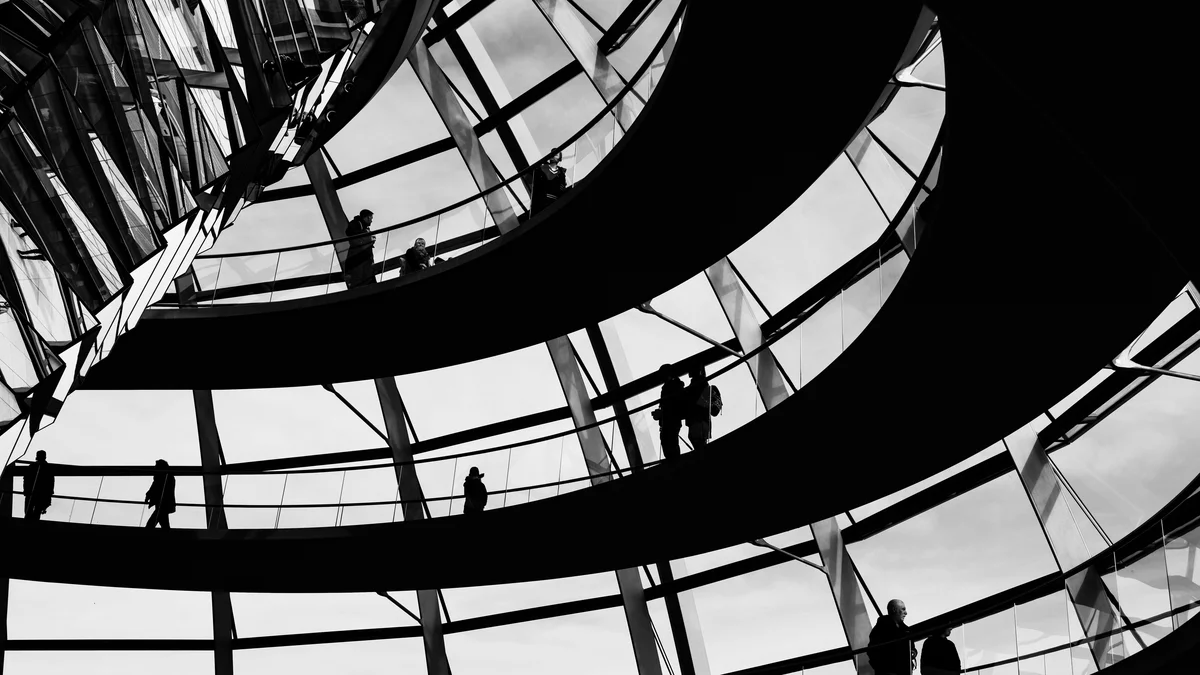
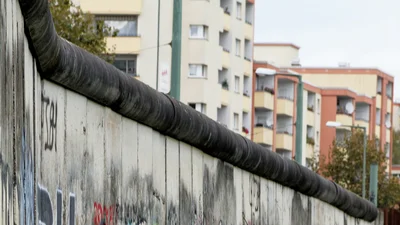
Home to the German Bundestag (parliament) since 1999, the Reichstag has stood at the center of German political history since 1894, surviving a 1933 fire, WWII bombardment, and decades as a near-abandoned building at the edge of the Berlin Wall. Its modern glass dome, added during a 1990s renovation, offers panoramic views over the government district and can be visited with advance registration.
Visitor guide
The Reichstag is a Neo-Renaissance government building on Platz der Republik in Berlin's Tiergarten district, on the left bank of the Spree. It houses the Bundestag, Germany's federal parliament, and is topped by a modern glass dome added in the 1990s renovation.
Parliament first met in a former porcelain manufactory on Leipziger Strasse. After a first competition in 1872 produced a winner that was never built, a second competition in 1882 drew about 200 architects, and Paul Wallot of Frankfurt won. Wilhelm I laid the foundation stone in 1884 and the building was completed in 1894. Its original steel-and-glass cupola was praised as an engineering feat, though some critics disliked the mix of styles, and four corner towers represented the kingdoms of Prussia, Bavaria, Saxony and Wurttemberg.
In 1916 the words Dem deutschen Volke, to the German people, were placed over the main entrance. In November 1918 Philipp Scheidemann proclaimed a republic from one of the building's balconies, and the Reichstag then served as the parliament of the Weimar Republic.
On 27 February 1933, weeks after Hitler became chancellor, an arson attack gutted most of the building. A Dutch council communist, Marinus van der Lubbe, was the apparent culprit, and the fire was used to justify the Reichstag Fire Decree, which suspended civil liberties. Parliament moved to the nearby Kroll Opera House and never returned.
In the 1945 Battle of Berlin Soviet forces captured the largely ruined building, and Yevgeny Khaldei's photograph of a flag raised above it became iconic. Soviet soldiers also left graffiti on its walls. In the Cold War the building lay in West Berlin and was restored in the 1950s and 1960s under Paul Baumgarten, who removed the cupola and simplified the facade. Under the 1971 Four Power Agreement the Bundestag could not formally meet there, so it hosted exhibitions and events.
The official reunification ceremony took place at the Reichstag on 3 October 1990. In June 1991 the Bundestag narrowly voted to move the government back to Berlin from Bonn. In 1995 the artists Christo and Jeanne-Claude wrapped the building in fabric. The architect Norman Foster redesigned it between 1995 and 1999, gutting the interior while deliberately keeping traces of history such as bullet holes and Soviet graffiti, with offensive graffiti removed after talks with Russian diplomats. The Bundestag first convened there on 19 April 1999.
Foster's design includes a glass dome, a concept proposed by Gottfried Bohm, which offers a 360-degree view across Berlin and lets natural light reach the debating chamber below. A sun shield tracks the sun's movement. Visitors need to register in advance. Wikipedia calls the Reichstag Germany's second most visited attraction.
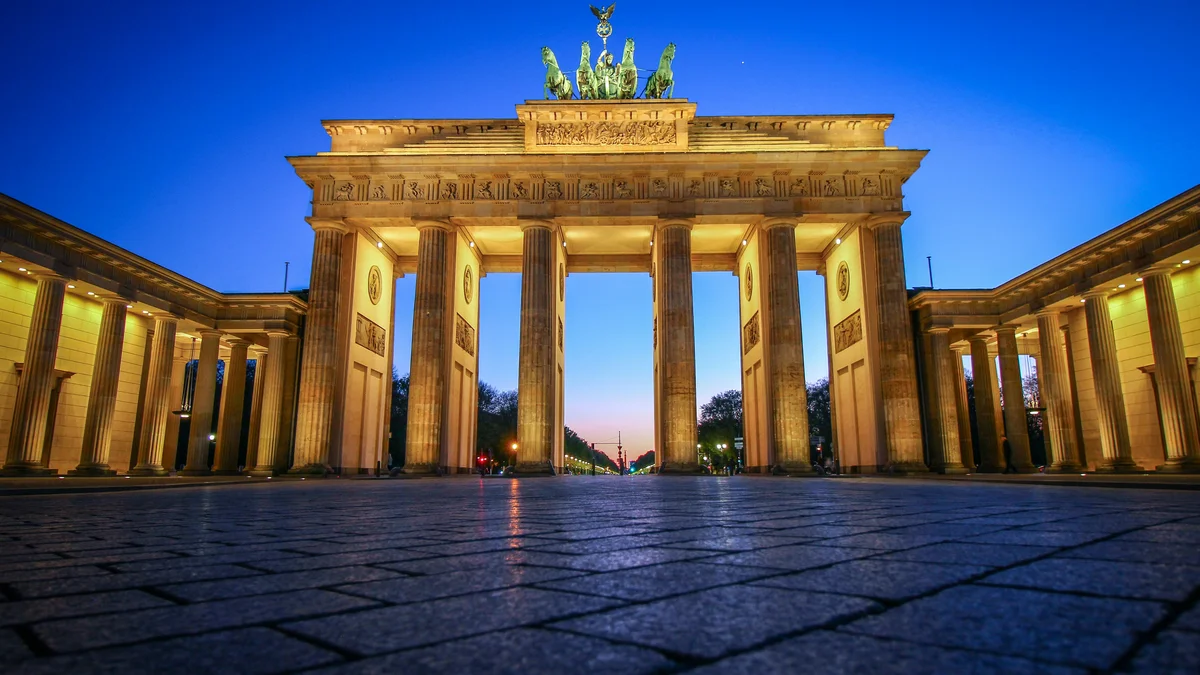
The building stands close to the Brandenburg Gate and the government district, so a private guided visit can place it within the story of Berlin's twentieth-century history.
See every tour and attraction we cover in Berlin.