TorontoOntario · 36 tours
 Niagara FallsOntario · 25 tours
 New York CityNew York · 30 tours
 Las VegasNevada · 8 tours
 San FranciscoCalifornia · 16 tours
 VancouverBritish Columbia · 17 tours
 DubaiUAE · 54 tours
 Abu DhabiUAE · 5 tours
 Buenos AiresArgentina · 23 tours
 AthensGreece · 31 tours
 AucklandNew Zealand · 38 tours
 CancunMexico · 54 tours
No destinations match “”. Try searching all tours instead — that search understands full questions, not just place names.
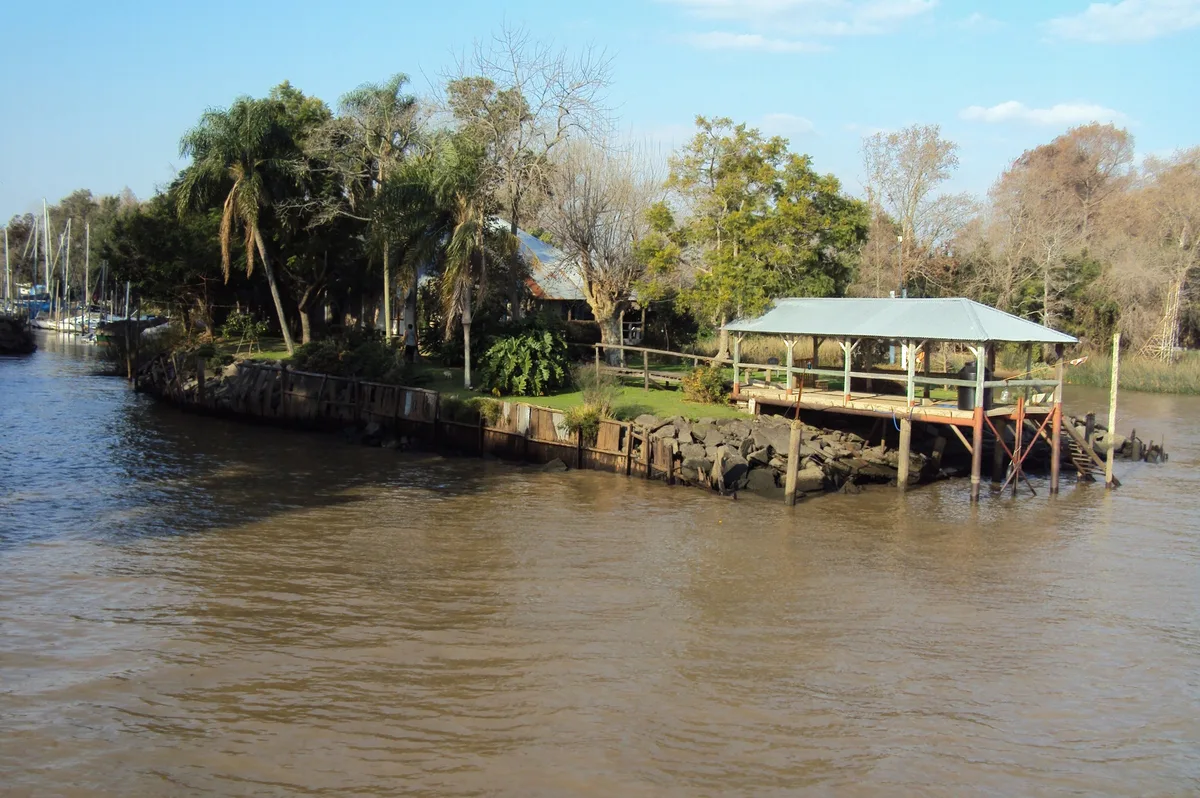
A network of subtropical river islands just north of Buenos Aires, dotted with stilt houses and reached by boat — home to the Puerto de Frutos artisan market.
 Multi-Day Tours
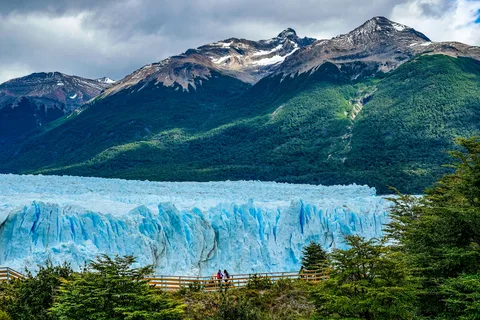
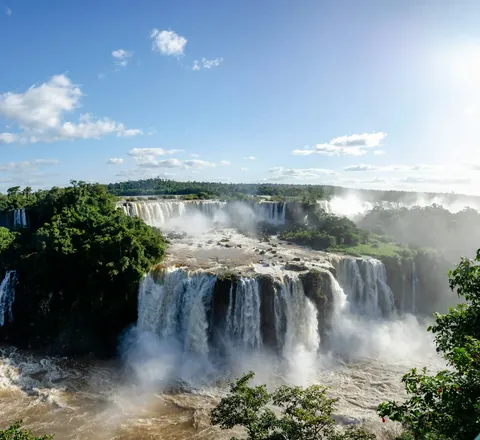
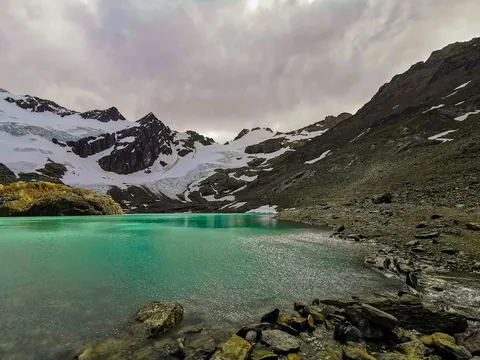
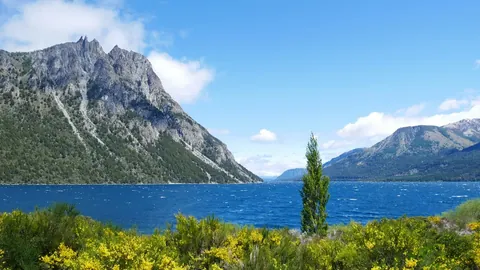
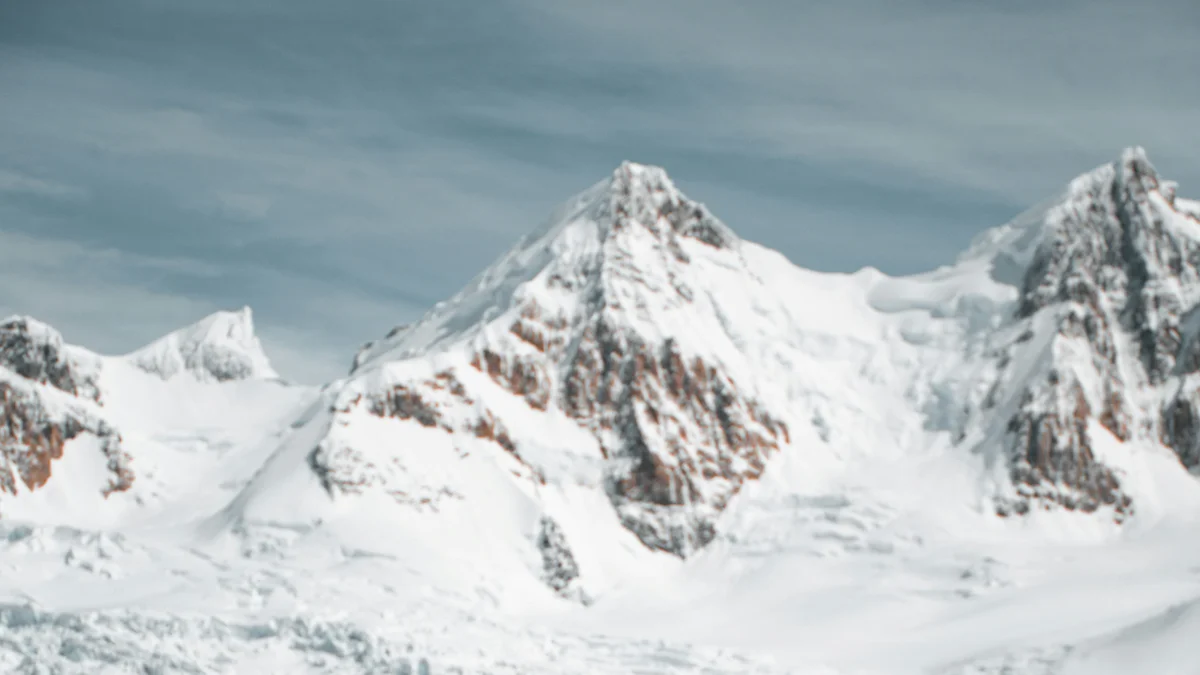
A 19-day private odyssey across Argentina — Buenos Aires, Iguazu Falls, Bariloche's Lake District, glacier trekking in El Chaltén and El Calafate, and Ushuaia's Beagle Channel.
 Multi-Day Tours
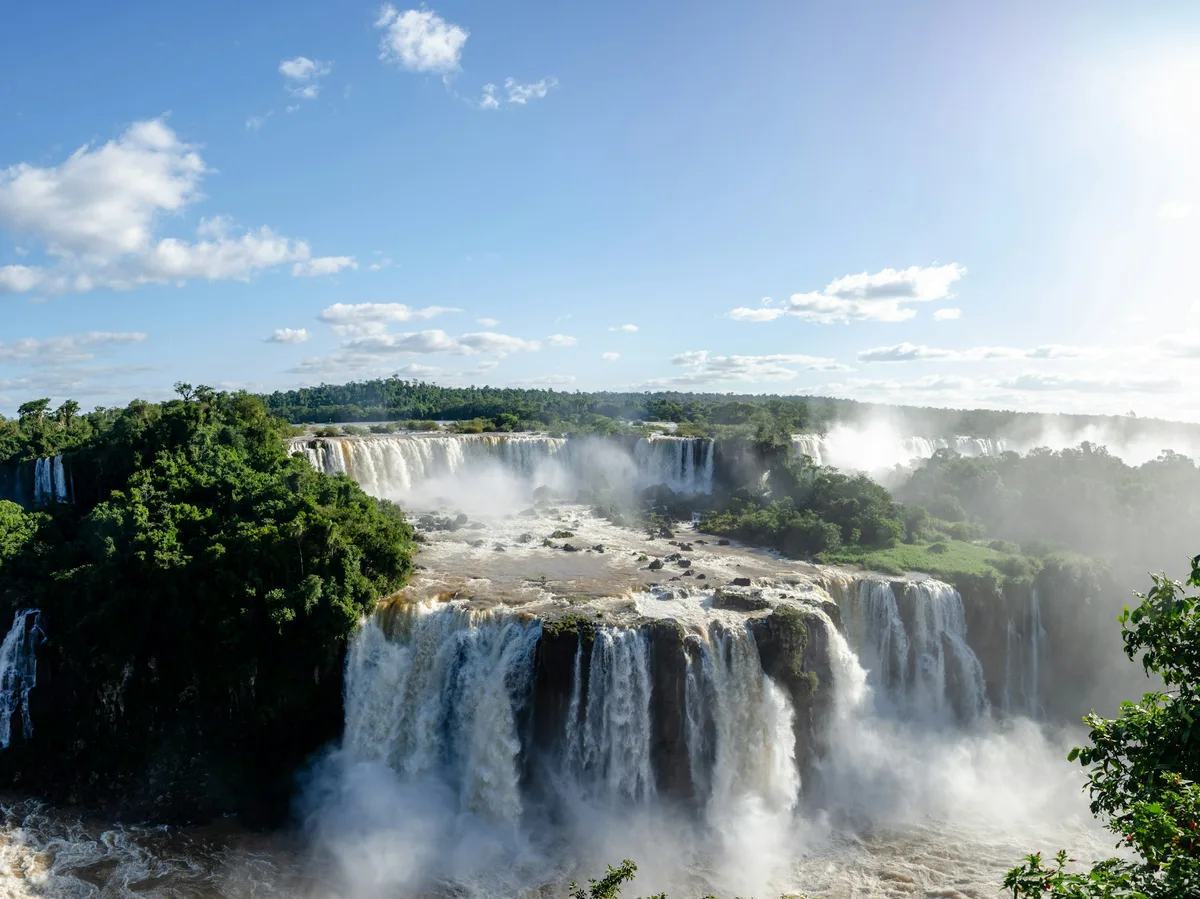
A 12-day sustainable private tour through the Tigre Delta, Iguazu Falls, and the Iberá Wetlands, staying in hand-picked eco-lodges throughout.
Visitor guide
The Tigre Delta is the lowest stretch of the Paraná Delta, a maze of rivers, creeks and wooded islands that begins at the town of Tigre, about 28 km north of central Buenos Aires in Argentina. Visitors reach the islands by boat from Tigre, whose riverside crafts market, the Puerto de Frutos, is a traditional starting point for a day on the water.
The wider Paraná Delta covers roughly 14,000 square kilometres and forms where the Paraná River splits into several arms between the cities of Santa Fe and Rosario before emptying into the Río de la Plata. According to Wikipedia, it is the only river delta in the world that meets not the sea but another river, and it carries a heavy load of suspended sediment that pushes the delta forward by tens of metres each year.
Wikipedia divides the delta into an Upper, Middle and Lower section. The Lower Delta, the part closest to Buenos Aires and the one most visitors see from Tigre, is the most densely settled and has been heavily modified by farming, forestry and the introduction of non-native plants. Much of the islands' water travel is done by traditional mahogany-styled commuter launches that serve as the local equivalent of buses.
The city of Tigre sits on an island formed by several small streams and was founded in 1820 after floods destroyed earlier settlements in the area, then known as the Partido de las Conchas. Its name is said to come from the jaguars, called tigers locally, that were once hunted there. The port grew to bring fruit and timber down from the delta and from ports upstream on the Paraná, and Tigre remains a timber-processing port today.
The waterfront preserves English-style rowing clubs, marinas and Belle Époque mansions. The former Tigre Club building now houses the Museo de Arte Tigre, which holds a large collection of Argentine art. Nearby, the Argentine Naval Museum covers national naval history and, according to Wikipedia, holds the log-book of HMS Beagle, and there is also a museum dedicated to mate.
The Puerto de Frutos was once the fruit market where produce from the delta islands was unloaded. It is now a riverside crafts fair, surrounded by antiques shops, restaurants and bars. Sightseeing companies run trips through the interconnecting rivers and streams, and some routes extend as far as Martín García Island in the Río de la Plata.
Out on the islands, houses often stand on stilts above the water level and are reached only by launch, which gives the delta a character quite different from the nearby capital. Hotels, lodges, teahouses and picnic sites are scattered along the waterways.
Tigre is a weekend and holiday destination for people from Buenos Aires and is described as attracting visitors through the year. The region has four distinct seasons, with hot, humid summers and cool, damp, often foggy winters, so light layers and rain protection are useful. A private guided visit from Buenos Aires suits the day well, since it links the town, the market and a boat trip without the need to handle separate transfers.
See every tour and attraction we cover in Argentina.