TorontoOntario · 36 tours
 Niagara FallsOntario · 25 tours
 New York CityNew York · 30 tours
 Las VegasNevada · 8 tours
 San FranciscoCalifornia · 16 tours
 VancouverBritish Columbia · 17 tours
 DubaiUAE · 54 tours
 Abu DhabiUAE · 5 tours
 Buenos AiresArgentina · 23 tours
 AthensGreece · 31 tours
 AucklandNew Zealand · 38 tours
 CancunMexico · 54 tours
No destinations match “”. Try searching all tours instead — that search understands full questions, not just place names.
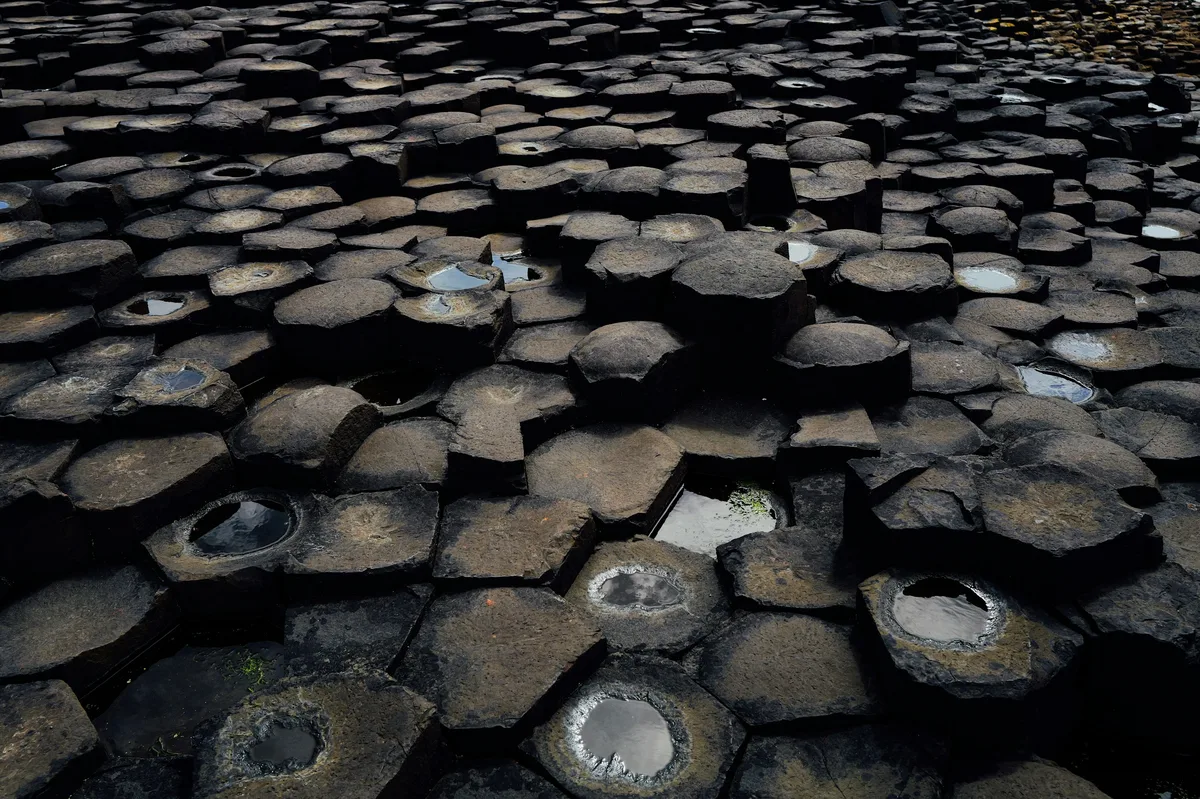
A UNESCO World Heritage Site: around 40,000 interlocking hexagonal basalt columns on the Antrim Coast in Northern Ireland.
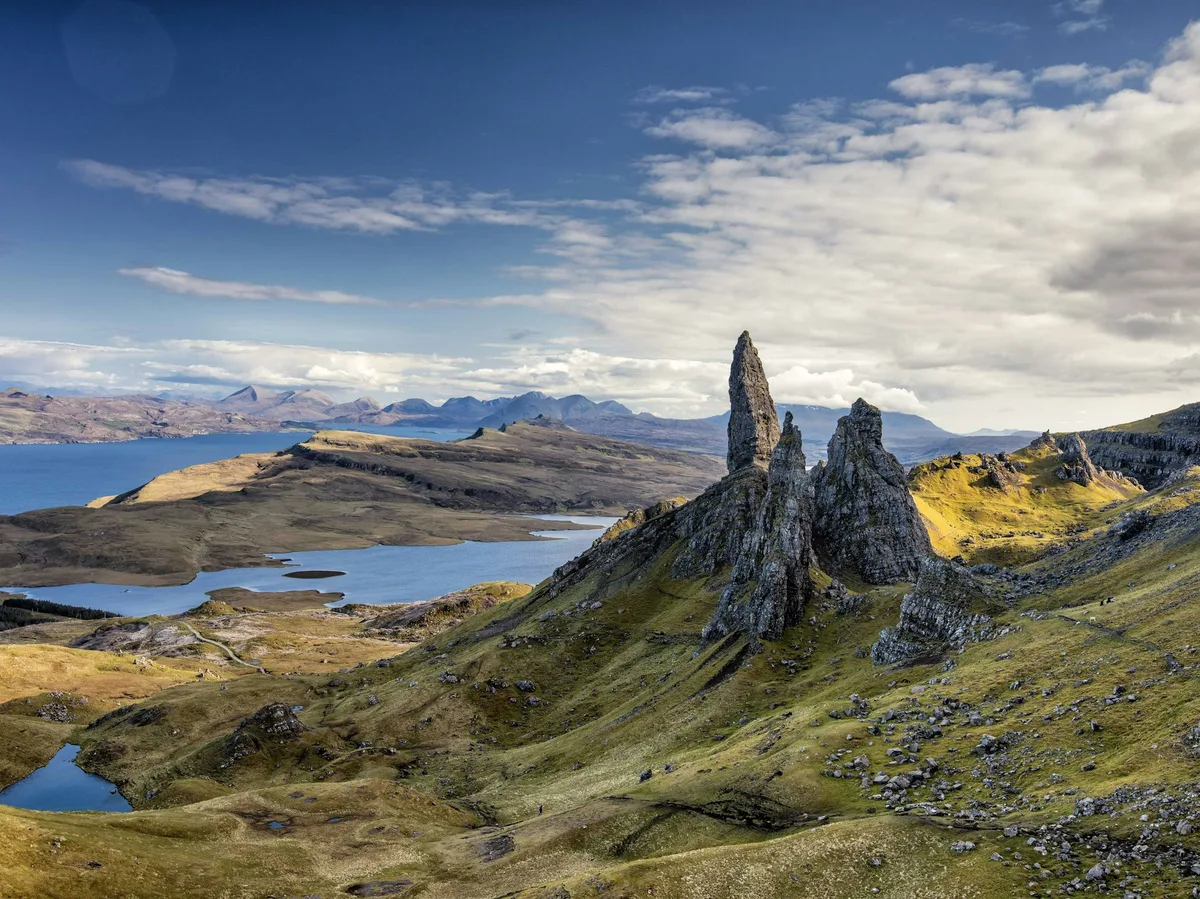 Multi-Day Tours
A 12-day road trip from Edinburgh through the Scottish Highlands and the Isle of Skye, then a short flight to Belfast to tour the Giant's Causeway, Galway's West Coast, and Dublin.
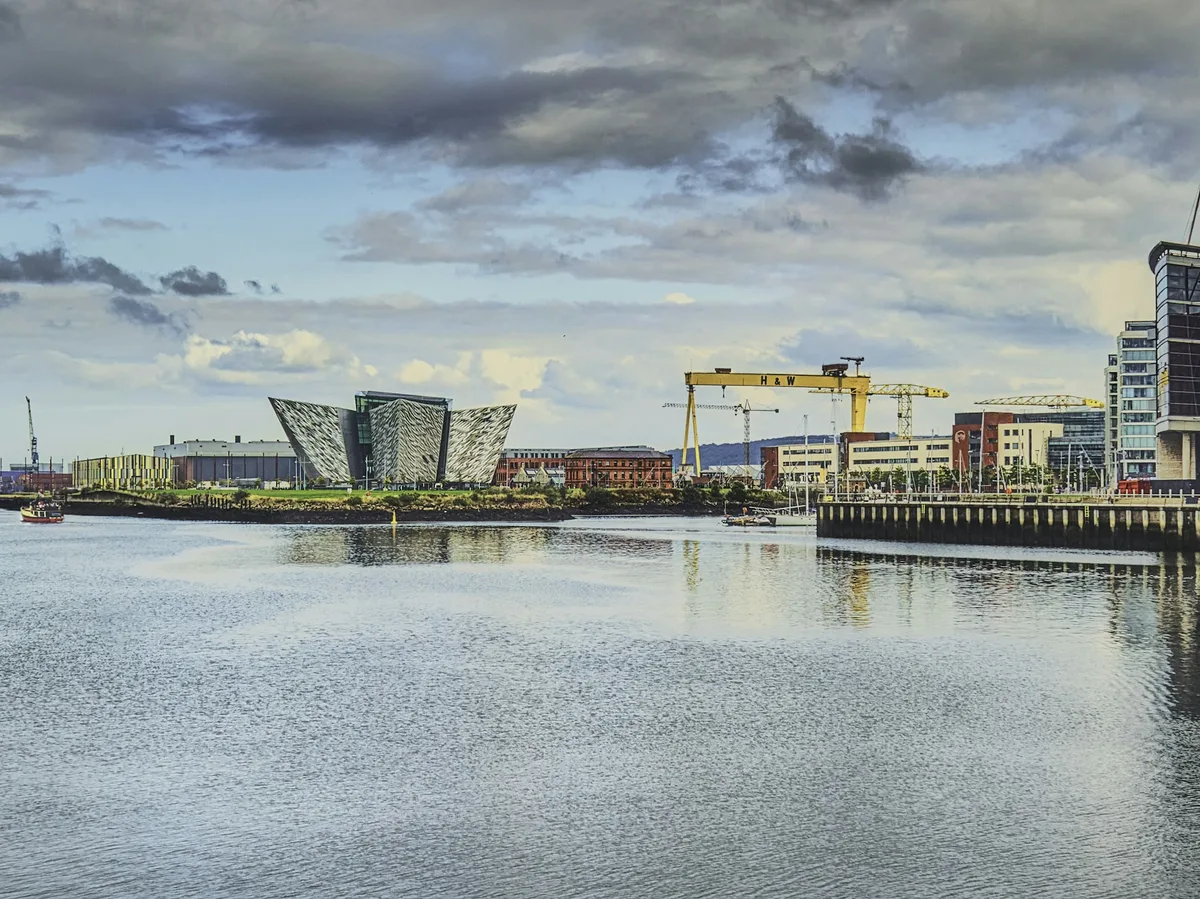 Multi-Day Tours
An 11-day private, driver-guided route from Dublin through Belfast, the Giant's Causeway, Londonderry, Donegal, and Connemara to Galway, before returning to Dublin.
Visitor guide
The Giant's Causeway is an area of about 40,000 interlocking basalt columns on the north coast of County Antrim, Northern Ireland, around five kilometres northeast of Bushmills. It is a UNESCO World Heritage Site, designated in 1986 as The Giant's Causeway and Causeway Coast, and is one of the best-known natural landmarks in the British Isles.
According to Wikipedia, the columns formed 50 to 60 million years ago, in the Paleocene epoch, when molten basalt pushed up through chalk beds to form a volcanic plateau. As the lava cooled it contracted and cracked, somewhat like drying mud, and the cracks ran downward to produce the columns. Many columns also split into segments that fit together in ball-and-socket joints.
Most columns are hexagonal, though some have four to eight sides, and the tallest are about 12 metres high. The column tops form stepping stones that lead from the cliff foot and disappear under the sea. Identical basalt columns appear at Fingal's Cave on the Scottish island of Staffa, which formed from the same ancient lava flow.
In the best-known legend, the Irish giant Fionn mac Cumhaill, or Finn McCool, accepted a challenge from the Scottish giant Benandonner and built a causeway across the North Channel so they could meet. In one version Fionn wins the contest. In the more common version, Benandonner flees after seeing Fionn's supposed baby, which Fionn's wife Sadhbh has disguised, and destroys the causeway behind him so that Fionn cannot follow. In Irish mythology Fionn is a hero with supernatural powers rather than a giant, and this is a legend, not geology.
Weathering has given several formations names based on their shapes, including the Organ and the Giant's Boot, along with others such as the Giant's Eyes, the Honeycomb and the Camel's Hump. Bishop William King of Derry visited in 1692, and in the following year Sir Richard Bulkeley presented a paper on the causeway to the Royal Society. The Dublin artist Susanna Drury painted watercolours of the site in 1739, and in 1768 the French geologist Nicolas Desmarest was the first to suggest in print that such structures were volcanic.
The causeway was made a national nature reserve in 1987, and in October 2022 the International Union of Geological Sciences included its Palaeocene rocks among 100 geological heritage sites worldwide. The National Trust has cared for the site since the 1960s and owns and manages much of the World Heritage Site, with the Crown Estate and private landowners owning the rest. A visitor centre opened around 2012 after the original burned down in 2000. Wikipedia notes that visitors do not have to pass through the visitor centre to reach the causeway itself.
The site is a short drive from Bushmills and the Causeway Coast, and a private guided visit with a vehicle and driver makes it straightforward to see the causeway alongside other stops on the coast.
See every tour and attraction we cover in United Kingdom.