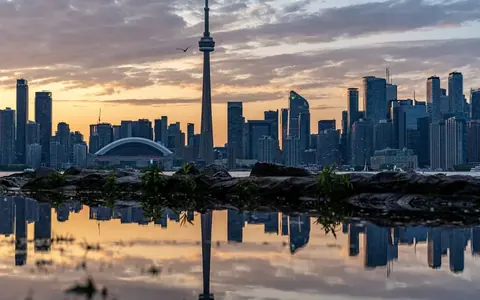
 TorontoOntario · 17 tours
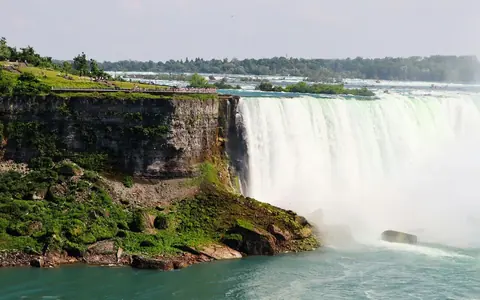 Niagara FallsOntario · 17 tours
 New York CityNew York · 8 tours
 Las VegasNevada · 8 tours
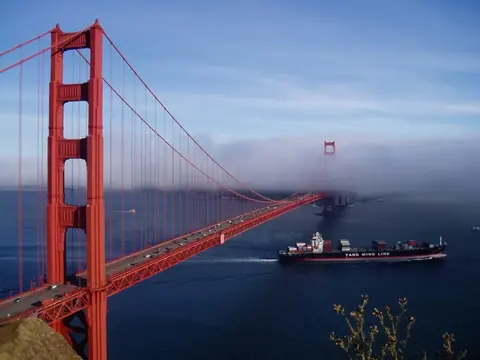 San FranciscoCalifornia · 16 tours
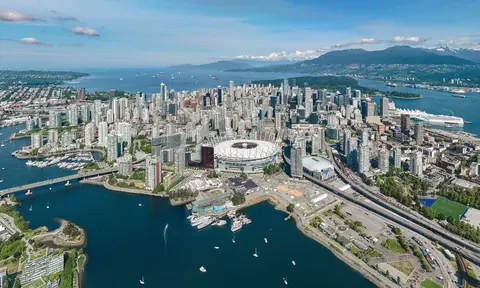 VancouverBritish Columbia · 17 tours
 DubaiUAE · 44 tours
 Abu DhabiUAE · 5 tours
 Sri LankaSri Lanka · 16 tours
 IndiaIndia · 13 tours
 AlbaniaAlbania · 10 tours
 ArgentinaArgentina · 8 tours
No destinations match “”.
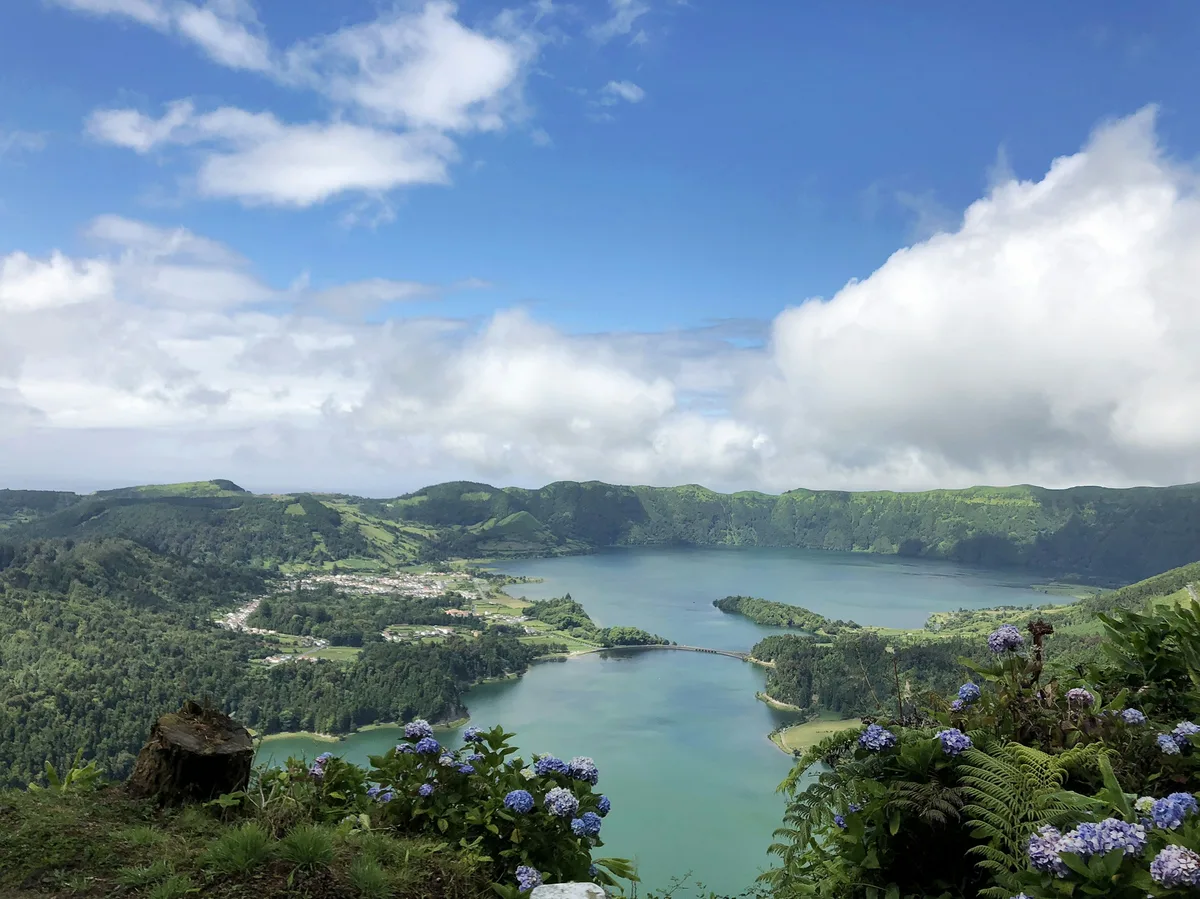
Voyzo runs 2 private tours across 1 destination in Portugal, covering 8 attractions — each with your own guide, driver, and vehicle, and an itinerary built around your group rather than a fixed bus schedule.
The Azores are an autonomous region of Portugal — nine volcanic islands scattered across the mid-Atlantic, roughly 1,400 kilometres from the mainland and closer to North America than most of continental Europe. Formed by the same volcanic activity that still shapes the landscape today, the islands are known for crater lakes, thermal hot springs, hydrangea-lined roads and dramatic green coastline built from lava rock, with a noticeably milder, wetter climate than mainland Portugal thanks to their Atlantic position.
São Miguel, the largest and most-visited island, is where Voyzo's Azores tours are centered, taking in Sete Cidades' twin crater lakes, the thermal springs of Furnas, and Lagoa do Fogo — sights spread across winding mountain roads with limited public transit between them. Some itineraries, including a route pairing the Azores with mainland Portugal, add nights in Lisbon with day trips to Sintra and Cascais before flying on to São Miguel, disclosing exactly which nights are on the islands versus the mainland.
Because São Miguel's natural sights sit far enough apart that public buses run too infrequently to link them in a single day, Voyzo pairs each itinerary with a private driver and vehicle so a group can reach Sete Cidades, Furnas and Lagoa do Fogo without losing a day to transit connections.
The real stops Voyzo's own itineraries are built around — tap any attraction to learn more.
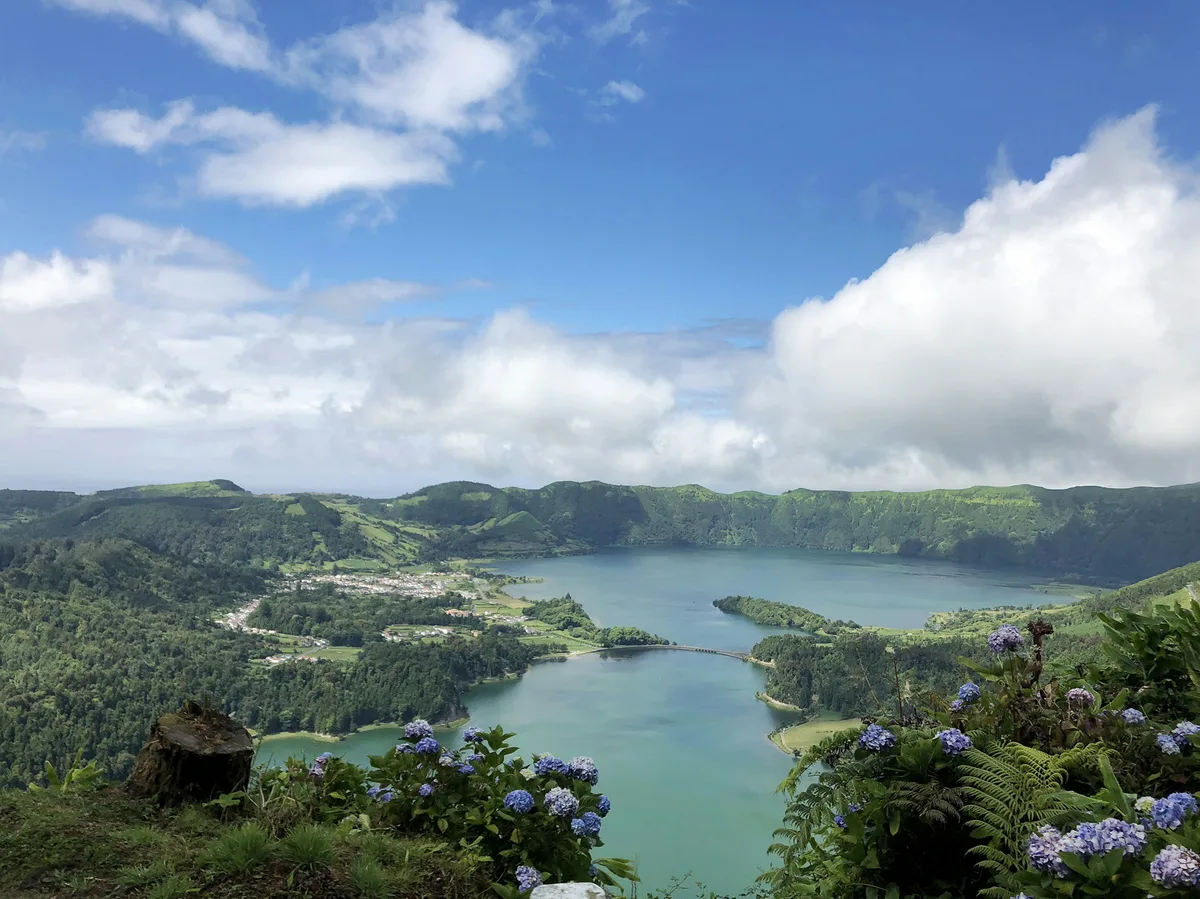 Sete Cidades Crater Lakes
Azores
Twin volcanic crater lakes — one blue, one green — cradled inside a massive caldera on the western tip of São Miguel, famously viewed from the Vista do Rei viewpoint.
2
Sete Cidades Crater Lakes
Azores
Twin volcanic crater lakes — one blue, one green — cradled inside a massive caldera on the western tip of São Miguel, famously viewed from the Vista do Rei viewpoint.
2
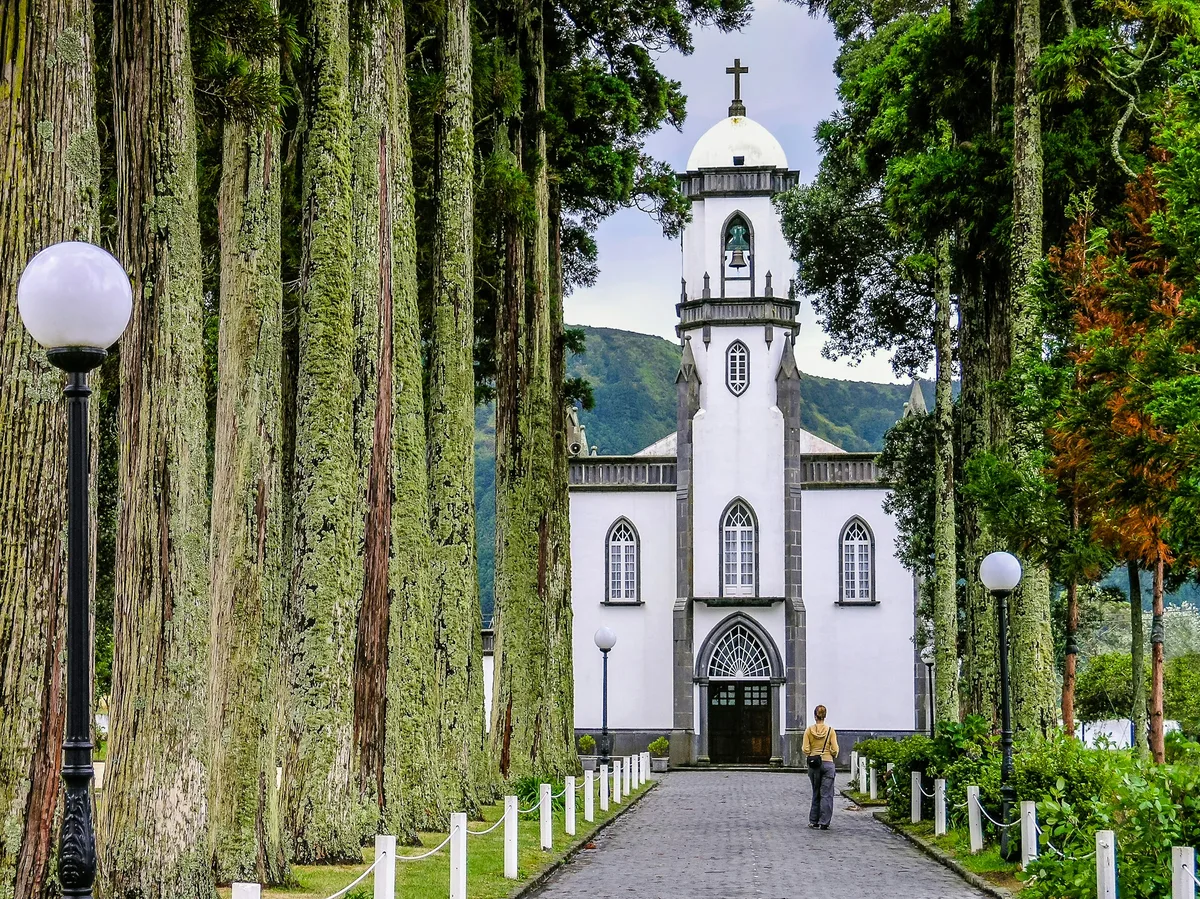 Furnas Volcanic Hot Springs & Caldeiras
Azores
A geothermal valley on São Miguel where bubbling caldeiras slow-cook the traditional Cozido stew underground, surrounded by the botanical gardens of Terra Nostra Park and its thermal-water pool.
3
Furnas Volcanic Hot Springs & Caldeiras
Azores
A geothermal valley on São Miguel where bubbling caldeiras slow-cook the traditional Cozido stew underground, surrounded by the botanical gardens of Terra Nostra Park and its thermal-water pool.
3
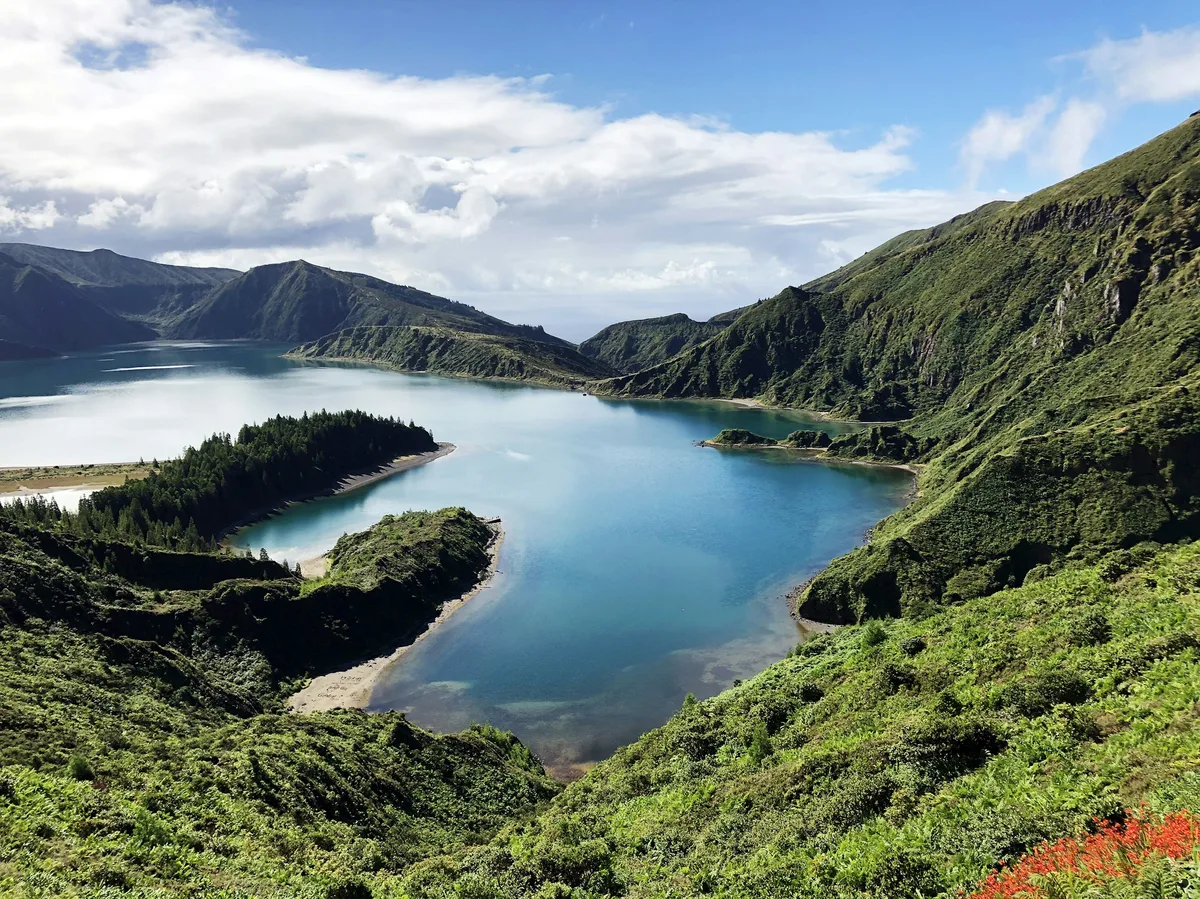 Lagoa do Fogo
Azores
A pristine crater lake sitting inside a protected nature reserve at the heart of São Miguel, reachable only on foot or by jeep along winding mountain roads.
4
Lagoa do Fogo
Azores
A pristine crater lake sitting inside a protected nature reserve at the heart of São Miguel, reachable only on foot or by jeep along winding mountain roads.
4
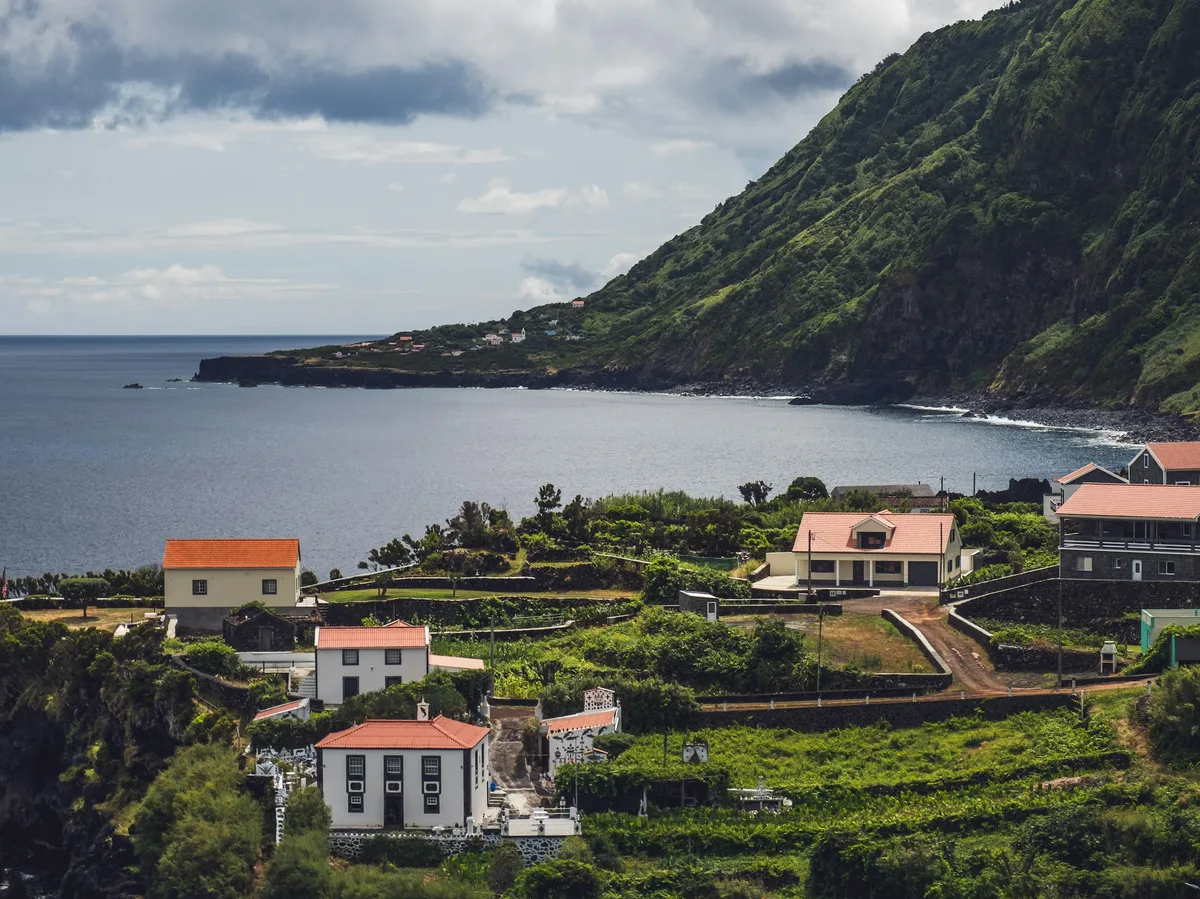 Ponta Delgada Historic Center
Azores
The Azores' capital, marked by black-and-white cobbled streets, the 18th-century Portas da Cidade gate, and a lively harbor market — the arrival and departure point for most Azores itineraries.
5
Ponta Delgada Historic Center
Azores
The Azores' capital, marked by black-and-white cobbled streets, the 18th-century Portas da Cidade gate, and a lively harbor market — the arrival and departure point for most Azores itineraries.
5
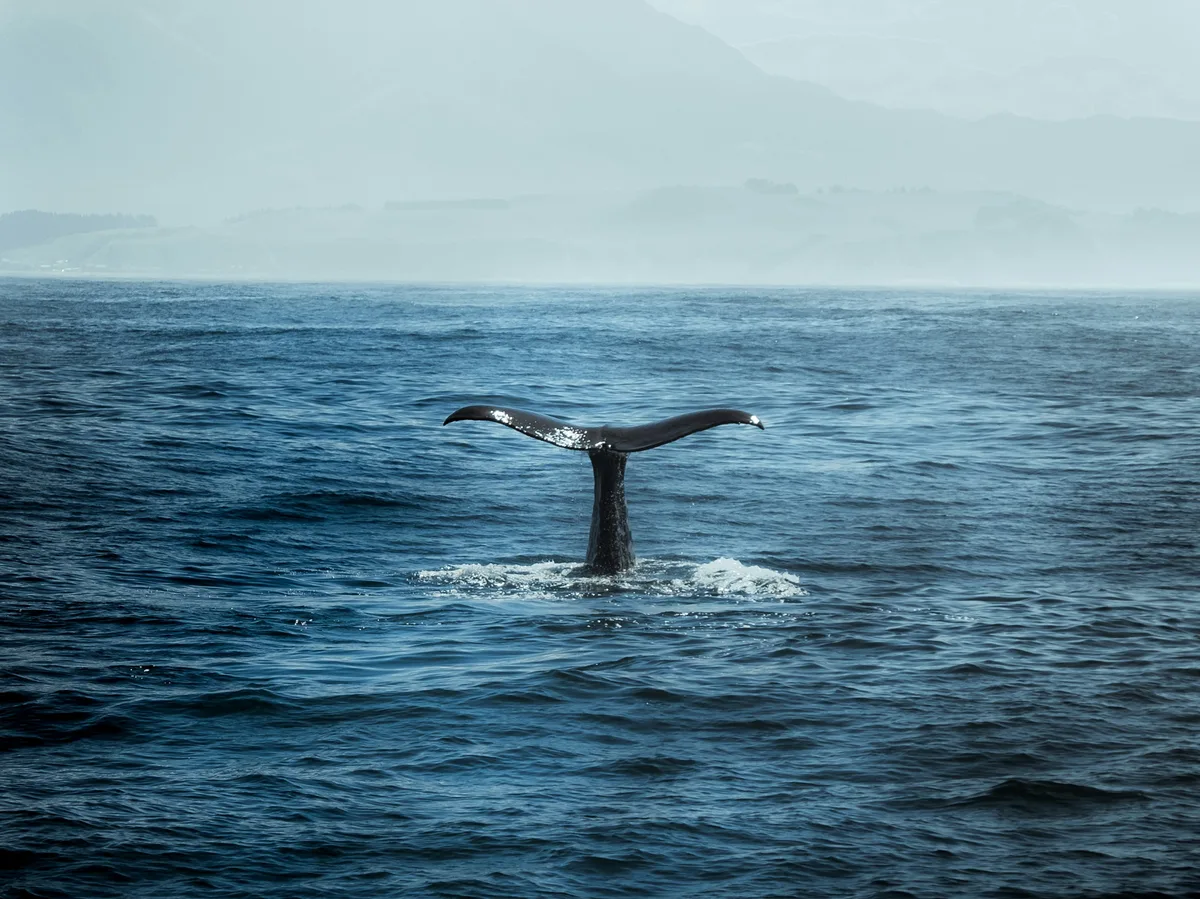 Whale & Dolphin Watching off São Miguel
Azores
The Azores sit on a mid-Atlantic migration route where sperm whales, several dolphin species and, seasonally, blue whales are regularly spotted on guided boat trips from São Miguel and Pico.
6
Whale & Dolphin Watching off São Miguel
Azores
The Azores sit on a mid-Atlantic migration route where sperm whales, several dolphin species and, seasonally, blue whales are regularly spotted on guided boat trips from São Miguel and Pico.
6
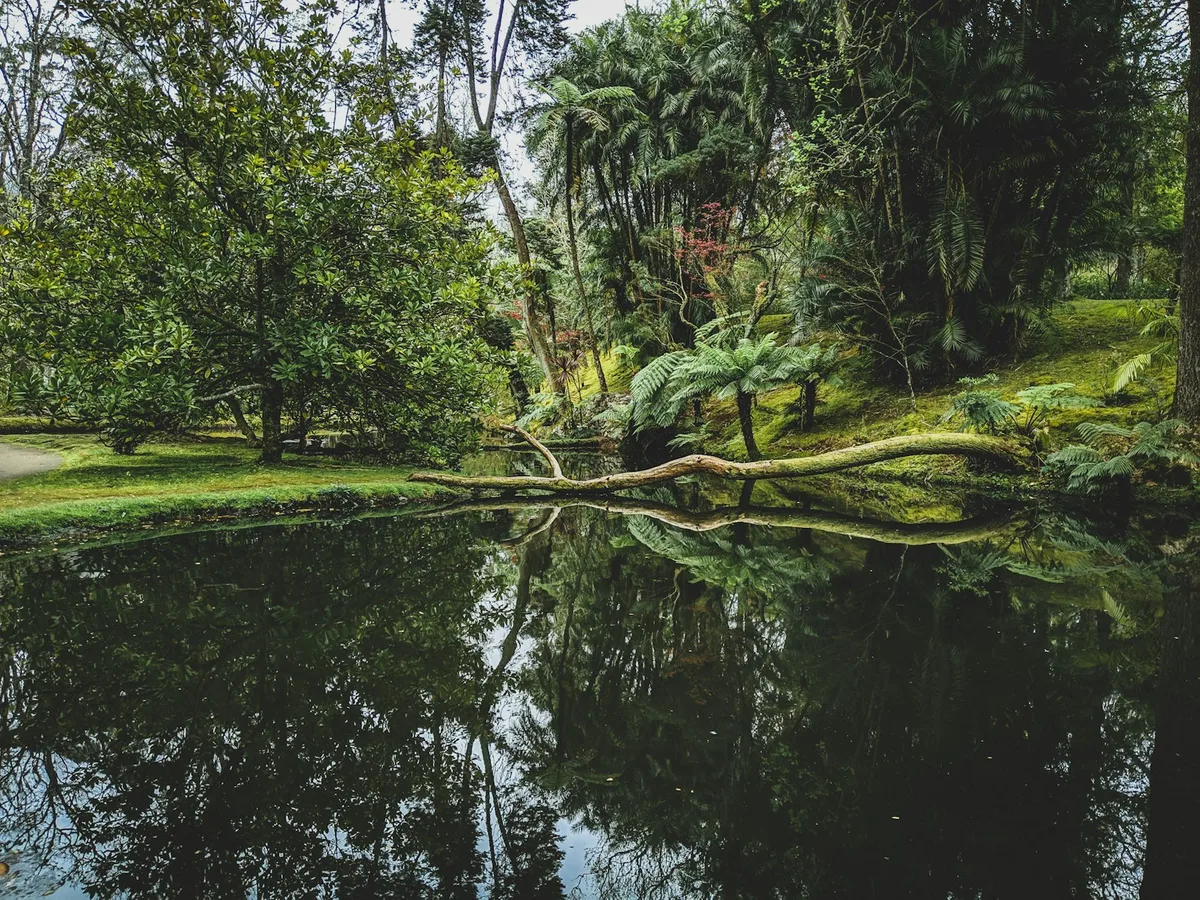 Terra Nostra Park, Furnas
Azores
A 19th-century botanical garden in the volcanic town of Furnas on São Miguel, centred on a large public pool fed by warm, iron-rich thermal water.
7
Terra Nostra Park, Furnas
Azores
A 19th-century botanical garden in the volcanic town of Furnas on São Miguel, centred on a large public pool fed by warm, iron-rich thermal water.
7
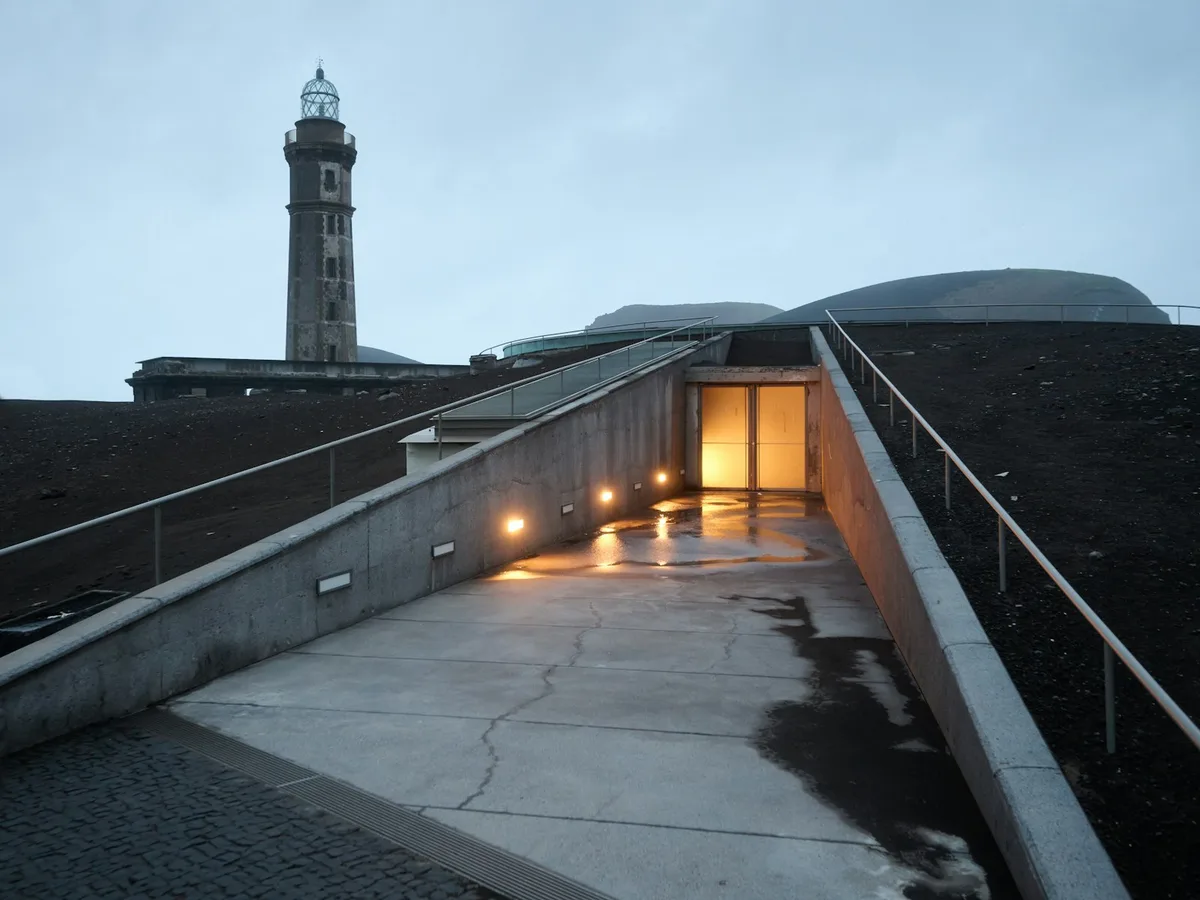 Capelinhos Volcano, Faial
Azores
The site of a 1957-58 eruption on Faial Island that buried a lighthouse in ash and reshaped the island's coastline, now an interpretation centre built into the volcanic rock itself.
8
Capelinhos Volcano, Faial
Azores
The site of a 1957-58 eruption on Faial Island that buried a lighthouse in ash and reshaped the island's coastline, now an interpretation centre built into the volcanic rock itself.
8
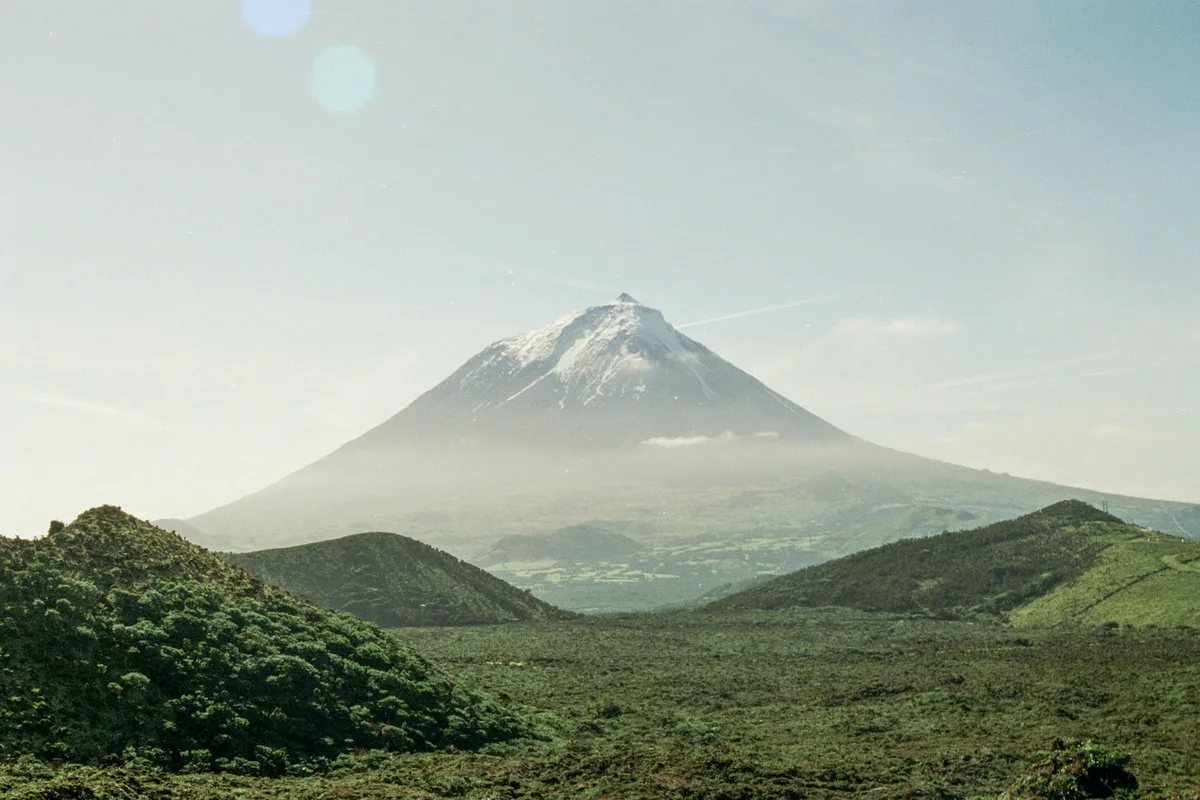 Mount Pico, Pico Island
Azores
Portugal's highest mountain at 2,351 metres, a dormant volcanic cone that rises directly from the Atlantic and can be climbed on a guided day hike.
Multi-Day Tours Popular Pick
Mount Pico, Pico Island
Azores
Portugal's highest mountain at 2,351 metres, a dormant volcanic cone that rises directly from the Atlantic and can be climbed on a guided day hike.
Multi-Day Tours Popular Pick
An 8-day journey across São Miguel, Faial and Pico islands — crater lakes, volcanic hikes, lava caves and whale-country waters — all with your own private guide and driver.
 Multi-Day Tours
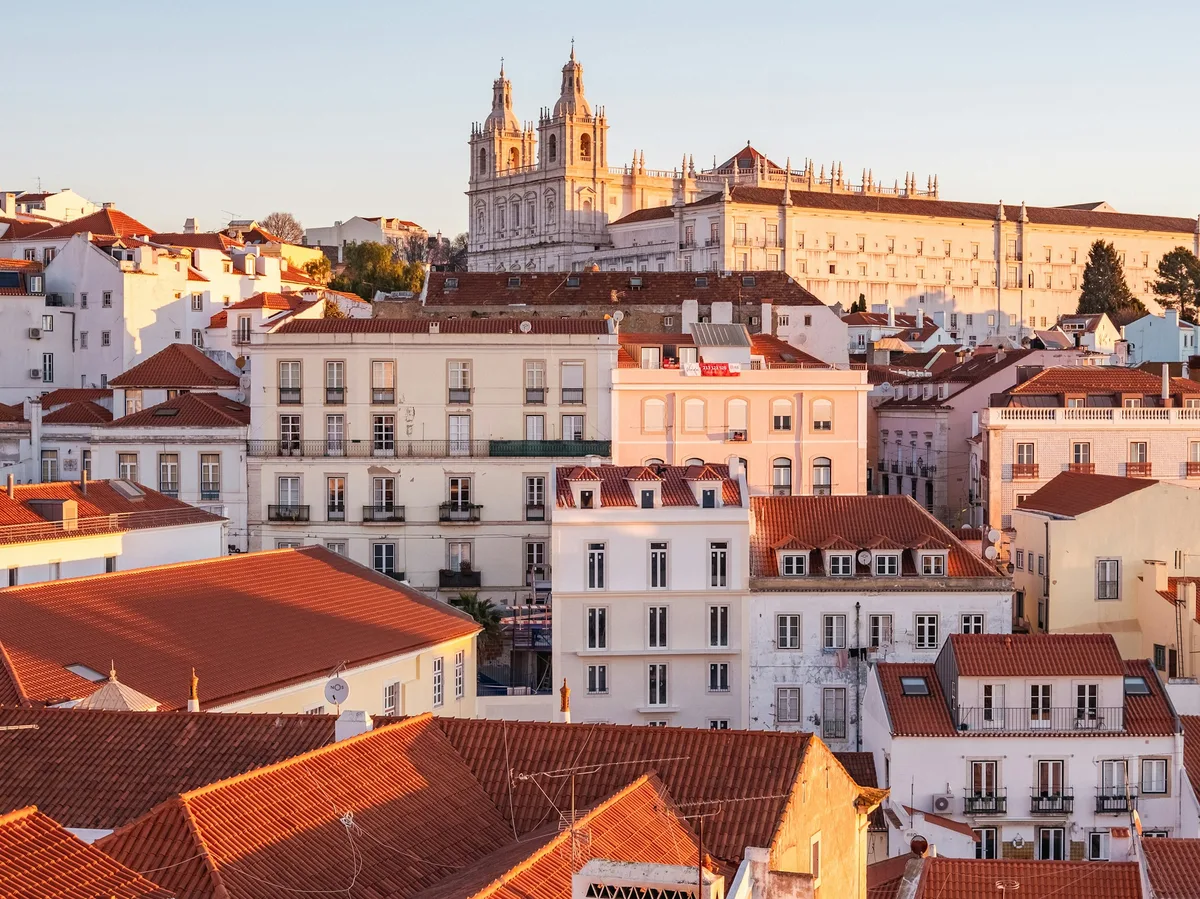
Four nights discovering Lisbon, Sintra and Cascais on mainland Portugal, then four nights exploring São Miguel in the Azores — with a private driver throughout instead of a rental car.
June through September has the warmest, driest weather for hiking and exploring São Miguel's crater lakes and coastline; the Azores' Atlantic location means weather can shift quickly year-round, so a flexible itinerary helps regardless of season.
São Miguel's main sights — Sete Cidades, Furnas and Lagoa do Fogo — are spread across winding mountain roads with limited public transit between them, making a private vehicle the practical way to see more than Ponta Delgada itself.
Temperatures stay mild year-round (roughly 14-25°C / 57-77°F), but rain and cloud cover can arrive with little warning even in summer — a light waterproof layer is worth packing regardless of when you visit.
The Azores use the euro, as part of Portugal. Tipping around 5-10% at restaurants is appreciated but not obligatory, and cash is still useful in smaller towns outside Ponta Delgada.
The islands are volcanically active in places — Furnas' thermal springs and fumaroles are safe to visit via marked paths but shouldn't be approached off-trail.
Islands like Faial and Pico require a short domestic flight or ferry connection from São Miguel — worth building extra time into an itinerary if a trip includes more than one island.
Tell us your group size and dates — we'll take care of the rest.