TorontoOntario · 36 tours
 Niagara FallsOntario · 25 tours
 New York CityNew York · 30 tours
 Las VegasNevada · 8 tours
 San FranciscoCalifornia · 16 tours
 VancouverBritish Columbia · 17 tours
 DubaiUAE · 54 tours
 Abu DhabiUAE · 5 tours
 Buenos AiresArgentina · 23 tours
 AthensGreece · 31 tours
 AucklandNew Zealand · 38 tours
 CancunMexico · 54 tours
No destinations match “”. Try searching all tours instead — that search understands full questions, not just place names.
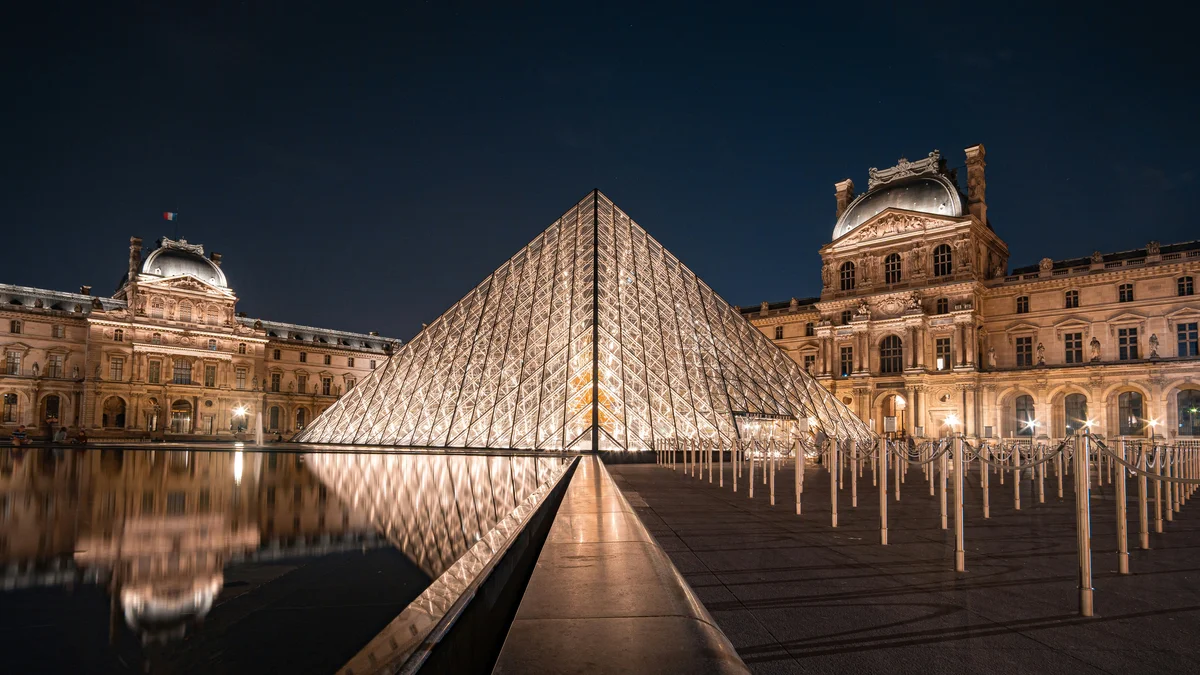
The world's largest art museum, housed in a former royal palace on the banks of the Seine, with I.M. Pei's glass Pyramid entrance added in 1989. Its collection spans thousands of years, including the Mona Lisa, the Venus de Milo, and the Winged Victory of Samothrace. Expect crowds around the most famous works, but the museum's sheer scale means quieter wings are never far away.
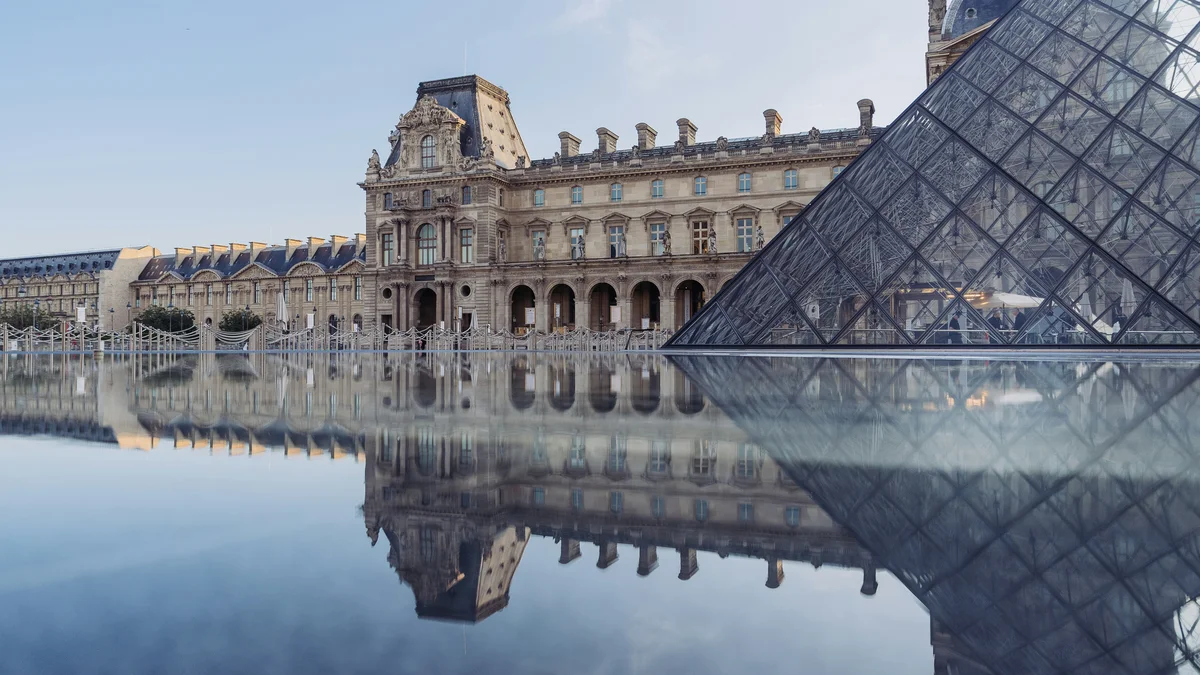 Private Tours Popular Pick
A private tour for your group only — the real Mona Lisa, Venus de Milo, and the Louvre's genuine essential collection, led by a private guide.
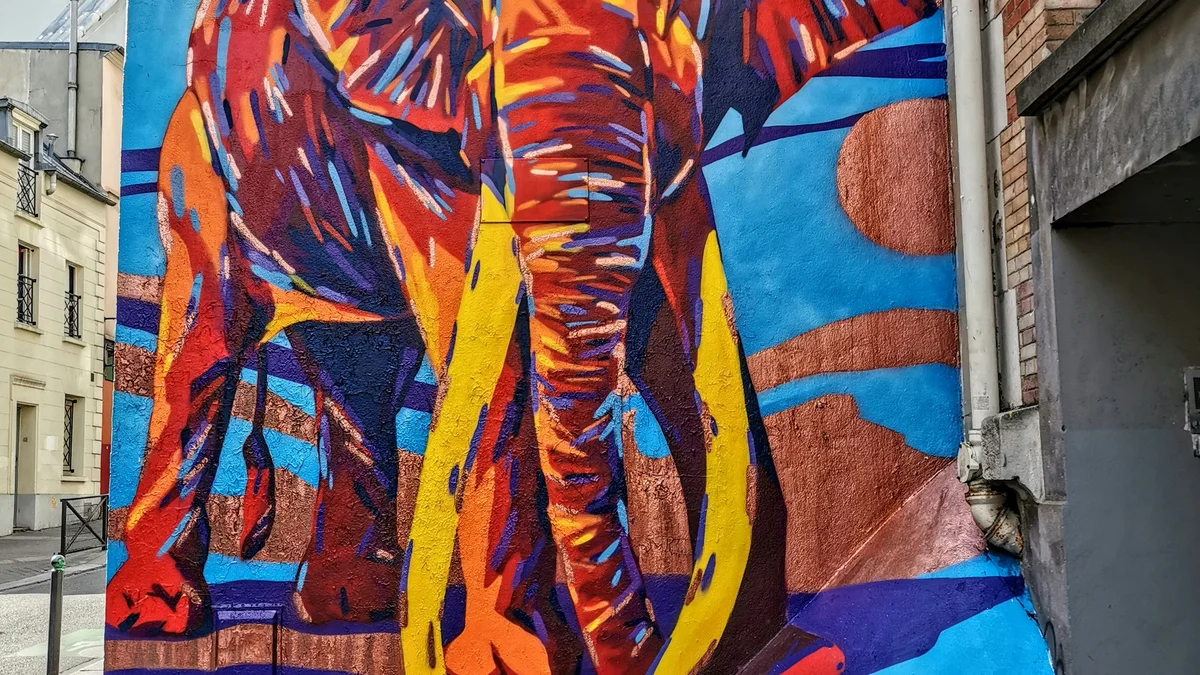 Private Tours
A private tour for your group only, tracing a genuinely novel thread from the Louvre's classical masterpieces to real contemporary Parisian street art.
Visitor guide
The Louvre is a national art museum in the 1st arrondissement of Paris, France, on the Right Bank of the Seine beside the Tuileries Gardens. Housed in the former royal Louvre Palace, it holds works including the Mona Lisa, the Venus de Milo and the Winged Victory, and is entered through I. M. Pei's glass pyramid.
The palace was begun by Philip II in the late 12th century as a fortress, and remnants of the medieval structure are still visible in the lower levels. Charles V turned it into a residence in the 14th century, and in 1546 Francis I began a Renaissance rebuilding. When Louis XIV moved the court to Versailles in 1682, the Louvre became a home for artists under royal patronage and a place to display the royal collection, including a collection of ancient Greek and Roman sculptures from 1692.
The Louvre's name has several proposed origins, and Wikipedia presents the origin as disputed. Whatever the source, the building has been rebuilt and expanded so many times that it now mixes medieval remains, Renaissance wings and 19th-century additions with the modern glass of the pyramid.
The museum opened on 10 August 1793 during the French Revolution, showing 537 paintings, most of them royal or confiscated church property. Napoleon's armies brought in many works from conquered lands, but a good number were returned after his abdication, and later rulers and donors continued to add to the collections.
The Louvre Pyramid, designed by the Chinese-American architect I. M. Pei, was completed in 1989 as part of the broader Grand Louvre project. It stands in the Cour Napoleon, serves as a skylight and the main entrance route to the underground visitors hall, and is surrounded by three smaller pyramids and reflecting pools. Since 1993 the main entrance has been the underground space beneath it. Wikipedia calls it a landmark of Paris and a symbol of the museum.
Wikipedia describes the Louvre as holding approximately 500,000 objects, with about 35,000 works on display across eight departments: Egyptian Antiquities; Near Eastern Antiquities; Greek, Etruscan and Roman Antiquities; Islamic Art; Sculpture; Decorative Arts; Paintings; and Prints and Drawings. It is described as the largest museum in the world by exhibition area and the most-visited art museum.
The best-known works, the Mona Lisa, the Venus de Milo and the Winged Victory, draw crowds, but the sheer scale of the palace means quieter wings are never far away. Leonardo da Vinci's Mona Lisa, according to Wikipedia, came into the royal collection through Francis I's acquisitions at Fontainebleau.
Cameras are permitted but flash photography is forbidden. The museum has traditionally closed one day a week and arrangements change over time, so check current details before visiting. Because the galleries are so extensive, most visitors choose a short list of priorities in advance. A private guided visit with a driver can help a group decide which departments to see and organise the day around them.
See every tour and attraction we cover in Paris.