TorontoOntario · 36 tours
 Niagara FallsOntario · 25 tours
 New York CityNew York · 30 tours
 Las VegasNevada · 8 tours
 San FranciscoCalifornia · 16 tours
 VancouverBritish Columbia · 17 tours
 DubaiUAE · 54 tours
 Abu DhabiUAE · 5 tours
 Buenos AiresArgentina · 23 tours
 AthensGreece · 31 tours
 AucklandNew Zealand · 38 tours
 CancunMexico · 54 tours
No destinations match “”. Try searching all tours instead — that search understands full questions, not just place names.
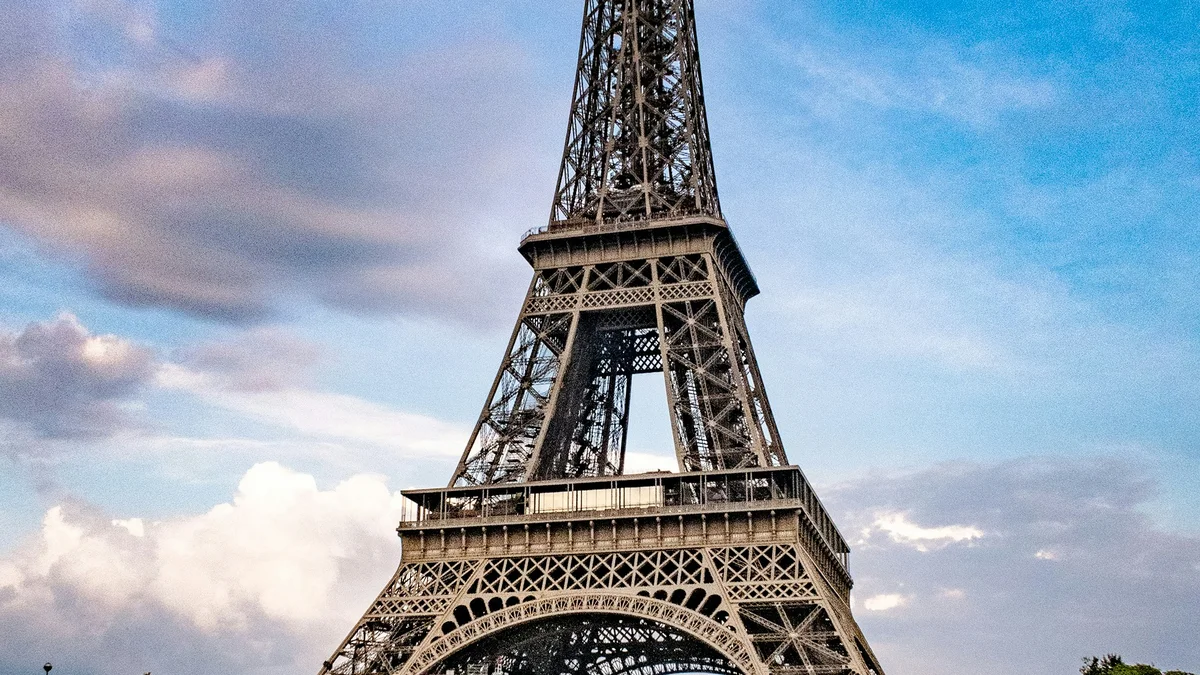
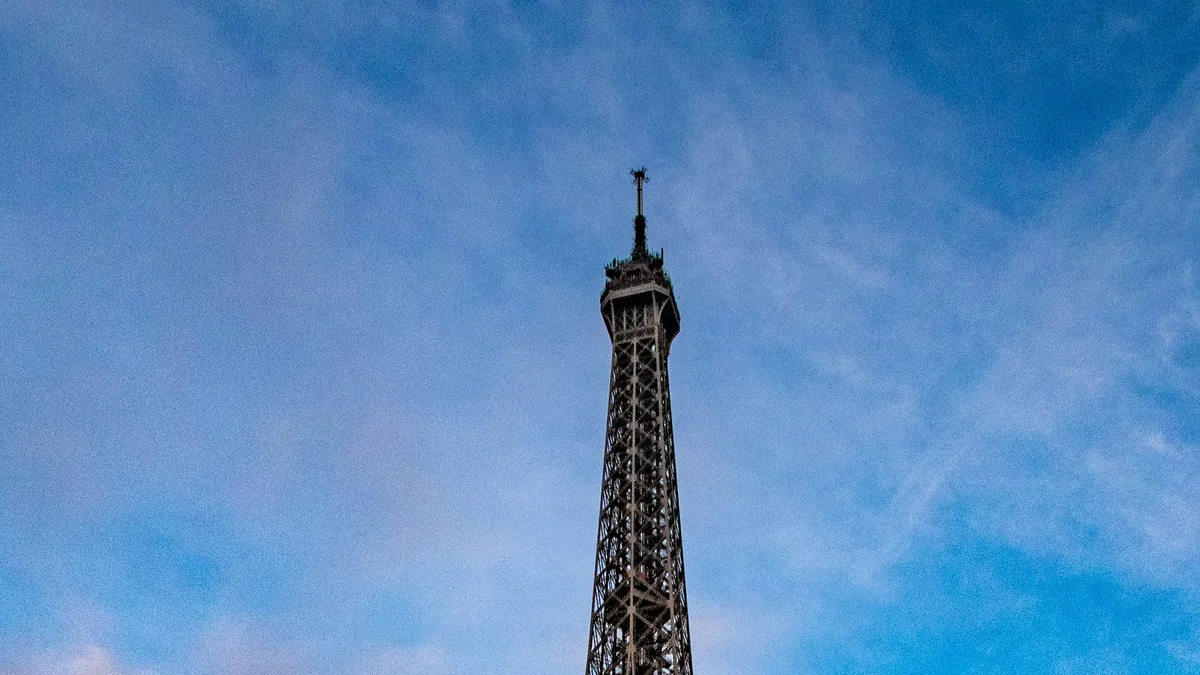
Built by Gustave Eiffel's engineering firm for the 1889 World's Fair, the 330-metre iron lattice tower was originally meant to be temporary and dismantled after 20 years. It held the title of the world's tallest man-made structure for over four decades. Today it remains one of the most-visited paid monuments on Earth, with observation decks offering sweeping views across Paris.
Visitor guide
The Eiffel Tower is a wrought-iron lattice tower on the Champ de Mars in Paris, France, named after the engineer Gustave Eiffel, whose company designed and built it from 1887 to 1889. Nicknamed "La dame de fer" (the Iron Lady), it is one of the most recognisable structures in the world.
The tower was built as the centrepiece of the 1889 Exposition Universelle, a world's fair marking the centennial of the French Revolution. Its design is attributed to Maurice Koechlin and Emile Nouguier, senior engineers at Eiffel's company, with the architect Stephen Sauvestre adding decorative arches to the base and a glass pavilion on the first level. Eiffel bought the patent rights, and a contract was signed on 8 January 1887.
Before its construction no structure had reached 300 metres, or even 200 metres, and many people doubted that it was possible. A group of artists and writers published a protest petition in 1887 calling the project useless and monstrous. Eiffel answered by comparing the tower to the Egyptian pyramids. Wikipedia notes that, despite the early criticism, it became a global cultural icon of France.
The tower is 330 metres tall, with a square base 125 metres on each side. Wikipedia says that when completed it surpassed the Washington Monument to become the tallest human-made structure in the world, a title it held for 41 years until the Chrysler Building was finished in 1930. A broadcasting aerial added in 1957 raised its height. It has three levels open to visitors, with restaurants on the first and second, and the highest public platform is 276 metres above the ground. Wikipedia gives the climb by stairs as over 300 steps to each of the first two levels. A small private apartment was built near the top for Gustave Eiffel himself.
The tower's ironwork gives it a lightness that surprised critics who feared a monumental mass. Gustave Eiffel argued that its engineering would be admired in its own right, and Wikipedia records that Eiffel received income from commercial exploitation of the tower during the exhibition and for the following 20 years. The idea for a very tall tower was conceived by Maurice Koechlin and Emile Nouguier in June 1884, as a great pylon of four lattice girders that stand apart at the base and come together at the top, and Eiffel presented the plans to the Society of Civil Engineers in March 1885.
The Eiffel Tower was designated a monument historique in 1964, and in 1991 it became part of the UNESCO World Heritage Site Paris, Banks of the Seine. Wikipedia calls it the most visited paid-access monument in the world, recording 5.9 million visitors in 2022.
The tower can be admired from the Champ de Mars, from across the Seine at the Trocadero, and from many viewpoints around the city, as well as from its own platforms. Lines at the tower can be long, so planning matters. A private tour with a driver can combine the tower with other Paris landmarks and allow a group to choose the best vantage points without worrying about transport.
See every tour and attraction we cover in Paris.